Pacote de gelo seco no atacado para entrega de leite: Uma estrutura de sourcing pronta para rota
O atacado certo pacote de gelo seco para entrega de leite não é a folha com a reivindicação de duração mais ousada. É o componente que se ajusta a uma carga útil definida, pacote isolado, rota, processo operacional, e decisão de aceitação, com evidências que permanecem válidas em escala de produção. Os compradores devem separar as folhas de hidratação do dióxido de carbono sólido, proteger contra aquecimento e resfriamento excessivo, e aprovar o sistema completo em vez do refrigerante isoladamente.
Esta estrutura foi projetada para um distribuidor de embalagens, atacadista de laticínios, empresa de serviços de rotas, revendedor, ou gerente de compras que precisa passar do termo de pesquisa para a compra controlada. Combina o ajuste do produto, projeto térmico, qualidade dos materiais, governança de fornecedores, qualificação, operações, e custo total entregue. O resultado é uma especificação e um pacote que podem ser defendidos, ensinado, repetido, e melhorado.
Defina os segmentos de clientes que o SKU atenderá
Uma decisão sólida de fornecimento separa três questões que muitas vezes são misturadas: que condição a carga requer, que meio de resfriamento pode suportar essa condição, e quais evidências comprovam a embalagem montada na rota pretendida. Começar com o nome de um produto inverte essa lógica. Começar com a carga útil e os critérios de decisão torna a comparação de fornecedores útil.
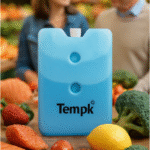
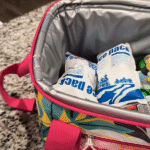
Uma bolsa de gelo seco para hidratação é uma camada de células ativadas por água que é congelada antes do uso. Pode fornecer ampla, resfriamento flexível em torno da entrega de leite no atacado, mas continua sendo um componente do sistema de envio. Não deve ser tratado como dióxido de carbono sólido, como um expedidor qualificado por si só, ou como evidência de uma duração universal. O objetivo é padronizar um SKU de refrigerante vendável e sustentável, preservando ao mesmo tempo a segurança do leite, proteção contra congelamento, economia de estoque, e ajuste de rota específico do cliente.
A seleção final deve conectar a composição, comportamento térmico, integridade material, isolamento, geometria da carga útil, condicionamento, exposição da rota, monitoramento, e controle operacional. Quando o dióxido de carbono sólido real é proposto, seus requisitos separados de segurança e transporte entram no plano. Quando uma folha à base de água é proposta, classificar e aprovar esse produto a partir de sua própria documentação.
Um atacadista não está simplesmente comprando uma grande caixa de folhas de refrigerante. Está assumindo a responsabilidade pela seleção do SKU, inventário, educação do cliente, reclamações, rastreabilidade de lote, e a lacuna entre uma amostra de fábrica e a rota real de um cliente de laticínios. Clientes de entrega de leite podem usar garrafas, bolsas, Crates, bolsas, caixas de encomendas, ou veículos refrigerados. Um programa de atacado precisa de limites claros para que um produto fácil de estocar não seja apresentado como uma solução validada universalmente.
Escreva um requisito de remessa de uma página antes de entrar em contato com os fornecedores. Incluir identidade e condição do produto, pacote primário, dimensões e massa da carga útil, temperatura de expedição, limites de aceitação superior e inferior, rota e transferências, exposição sazonal, isolamento, processo de recebimento, decisão de monitorização, volume planejado, e requisitos de qualidade ou de mercado aplicáveis. Marcar incógnitas para o piloto.
Separe os limites de segurança do produto das preferências de qualidade e dos limites de danos à embalagem. Eles podem levar a diferentes posições e ações do sensor. O receptor deve saber qual observação ou conjunto de dados desencadeia a aceitação, segurar, investigação, ou disposição. Um projeto térmico não pode ser otimizado até que a regra de decisão seja clara.
Escreva um produto claro e um limite de reivindicação
Compare as tecnologias com os requisitos. Lençóis de hidratação oferecem armazenamento plano de pré-ativação, ampla cobertura de superfície, e geometria celular flexível. Pacotes de gel pode ser mais fácil de implantar em alguns pacotes refrigerados. PCM pode ser selecionado em torno de uma condição de mudança de fase mais restrita. O dióxido de carbono sólido suporta usos apropriados de ultracongelamento, mas tem controles distintos de manuseio e transporte. Equipamento ativo pode ser justificado em vias complexas de alto risco.
Dentro da entrega de leite no atacado, casos de produtos e rotas ainda precisam de segmentação. A tabela mostra por que não se pode presumir que um único SKU de catálogo atenda a todos os casos.
| Caso de produto ou rota | Exposição ou falha principal | Resposta de design útil | Suposição para evitar |
|---|---|---|---|
| Rota local de laticínios | Paradas repetidas, aberturas de portas, e tratamento de devolução | Venda com avaliação de rota e orientação de sacola | Não desloque o controle do veículo sem evidências |
| Serviço de leite ao domicílio | Permanência autônoma e tempo de coleta variável | Definir um kit isolado e receber instruções | O comportamento do cliente faz parte da exposição |
| Envio de pacote de leite | Classificar hubs, vibração, e alta área superficial | Ofereça uma embalagem mapeada em vez de uma folha solta | Proteja as garrafas do contato direto com o congelamento |
| Conta institucional | Maior volume, atraso na doca, e documentação | Fornecer registros de lote e uma especificação de embalagem controlada | O suporte de serviço pode ser mais importante do que a amplitude do SKU |
Escolha a tecnologia mais simples que crie um ambiente adequado, margem demonstrada sem introduzir um lado frio maior, umidade, manuseio, ou risco de conformidade. Se duas opções parecerem viáveis, compará-los através da mesma carga útil, perfil, regra de aceitação, e limite de custo total.
Construir controles de qualidade de fábrica e de entrada
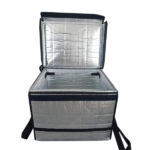
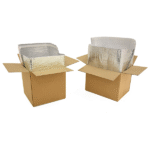
Construa a arquitetura de fora para dentro: caixa externa ou recipiente reutilizável, isolamento, forro ou controle de vapor quando necessário, localização do refrigerante, buffer, suporte de carga, pacotes de produtos, gerenciamento de headspace, posições dos sensores, encerramento, e etiquetas. Cada camada deve ter um trabalho. Remover ou mover uma camada após a qualificação é uma alteração de design, não é uma preferência de embalagem inofensiva.
A análise da rota deveria desafiar explicitamente a listagem de uma planilha de atacado como adequada para todas as entregas de leite, citando o tempo de espera do componente sem o pacote testado, perda da identidade do lote de fábrica durante a reembalagem, dando aos clientes instruções vagas para molhar e congelar, e manter estoque por meio de uma mudança material não documentada. Use alternativas como equipamentos de rota refrigerados para entregas recorrentes densas, pacotes de gel fornecidos como uma opção refrigerada mais simples, Placas PCM para kits reutilizáveis controlados, e pacotes somente de isolamento para produtos estáveis em armazenamento aprovados, onde resolvem a exposição mais diretamente. Por exemplo, um melhor controle do veículo pode ser mais eficaz em uma rota densa, enquanto uma rede de encomendas pode precisar de proteção passiva mais forte em paredes e transferências.
As considerações técnicas específicas da aplicação incluem As especificações de atacado devem distinguir as dimensões secas, condição ativada, massa da folha após o processo aprovado, layout de célula, e uso pretendido da embalagem., As embalagens de leite exigem avaliação do lado quente e do lado congelado porque o contato com a garrafa pode diferir bastante das condições do centro da caixa., Um revendedor deve compreender quais declarações de desempenho pertencem a um componente e quais pertencem a um sistema testado., A configuração da caixa e do palete afeta o custo final, densidade do armazém, e danos antes da folha ser ativada., e O suporte ao cliente deve incluir informações de rota e limites de qualificação, em vez de um gráfico universal de contagem de pacotes. Converta cada consideração de material em um recurso de desenho, controle de fornecedores, etapa operacional, inspeção, ou variável de protocolo. Caso contrário, continua a ser uma observação que não pode proteger as remessas de rotina.
Apoie a qualificação do pacote de leite
Use portas de decisão para comparar fabricantes. Isso evita que a aquisição seja concedida com base no preço unitário antes da composição, evidência, controle de produção, e a escala foram revisadas.
| Portão de decisão | Condição de aprovação | Sinal de alerta |
|---|---|---|
| Ajuste da aplicação | O fornecedor pergunta sobre entrega de leite no atacado, carga útil, rota, isolamento, e limites de aceitação | Uma contagem de pacotes é oferecida apenas com base na palavra-chave ou no tamanho da caixa |
| Especificação | Dimensões, materiais, ativação, tolerâncias, e o uso pretendido estão escritos | A amostra é tratada como toda a especificação |
| Evidência | As condições de teste e os limites do sistema são divulgados | As reivindicações dos componentes são apresentadas como desempenho do pacote universal |
| Controle de qualidade | Rastreabilidade de lote, inspeção, não conformidade, e notificação de mudança são definidos | A substituição é permitida sem revisão do comprador |
| Escala | Capacidade, embalagem de papelão, suposições de prazo de entrega, e planejamento de pico são discutidos | Apenas a produção mensal nominal é discutida |
| Apoiar | Amostras representativas da produção e um plano de teste de rota estão disponíveis | O comprador é incentivado a pular o piloto |
Após a tela inicial, solicitar amostras representativas da produção e uma especificação por escrito. Revise as tolerâncias propostas pelo fabricante, métodos de teste, identificação do lote, tratamento de não conformidade, amostras retidas, resposta à reclamação, e período de aviso para alteração. Defina quem possui as ferramentas, obra de arte, e aprovação de padrões de células ou embalagens personalizadas.
Os termos comerciais devem tornar as suposições visíveis. Confirmar unidade de cotação, condição seca ou ativada, quantidade da caixa, paletização, pedido mínimo, base de prazo de entrega, estado da amostra, prazo de frete, documentação, e capacidade máxima sem transformar qualquer valor não verificado em uma promessa de desempenho. Compare os custos de entrega e operacionais sob o mesmo escopo.
Proteja a rastreabilidade do palete até a rota
A qualificação começa com um protocolo aprovado e termina com um relatório controlado, desenho, especificação, e instrução de trabalho. Teste a carga pretendida ou um substituto justificado, isolamento e refrigerante reais, condicionamento definido, variação de montagem, um perfil ambiental representativo ou baseado em risco, duração apropriada, e critérios de aceitação pré-acordados. Incluir inspeção física e comportamento de recebimento.
Ferramentas úteis de decisão
Verifique os detalhes antes de escolher a embalagem
Essas ferramentas rápidas podem ajudá-lo a comparar o risco da rota, necessidades de dimensionamento, escolhas de refrigerante, e detalhes da embalagem antes de solicitar um orçamento.
Avaliador de risco da rota
Revise as condições da pista antes de selecionar a embalagem para requisitos operacionais reais.
Verificar risco da rotaRefrigerante & Referência PCM
Compare as opções de refrigerante e PCM quando uma rota precisar de suporte adicional de temperatura.
Comparar opçõesCalculadora de acumuladores de frio
Estime a quantidade de bolsas de gelo em gel para remessas refrigeradas e planejamento prático de rotas.
Estimar bolsas de geloColoque os registradores em locais com risco de calor e frio esperados. Um mapa somente central pode perder o calor da parede e o contato congelado. Definir precisão, status de calibração, intervalo, sincronização, lógica de iniciar e parar, propriedade de dados, e tratamento de anomalias. Repita o teste o suficiente para compreender a variação do sistema em vez de selecionar uma execução favorável.
Operacionalize esses controles: Mantenha o estoque por lote e evite que caixas danificadas entrem nos pedidos dos clientes., Forneça uma instrução aprovada de hidratação e congelamento com exceções claras., Treine a equipe de vendas para coletar o tipo de leite, pacote, rota, isolamento, volume, e recebendo informações., Ofereça amostras representativas da produção para testes dos clientes e preserve a identidade do lote., e encaminhar reclamações por meio de uma revisão técnica que separa os defeitos do produto dos problemas de embalagem ou de processo. O treinamento deve incluir prevenção de componentes errados, verificações de status de congelamento, rejeição de folhas danificadas, seleção de variante de rota, e escalada de desvio. Observe os operadores reais durante o lançamento; a ambigüidade geralmente aparece apenas na velocidade de produção.
Aplique também os limites de reivindicação relevantes. O leite deve seguir as especificações do produto e as regras lácteas ou de transporte sanitário aplicáveis no mercado do cliente., Um EUA. Referência de grau A de 7 graus Celsius ou 45 graus Fahrenheit ou abaixo podem informar remessas relevantes, mas não é uma especificação mundial para todos os produtos lácteos., e O atacadista deve comunicar a composição real do refrigerante. As regras sobre dióxido de carbono sólido não surgem apenas porque um produto ativado por água é comercializado com a menção gelo seco. Quando o produto, carga útil, refrigerante, isolamento, condicionamento, rota, operadora, temporada, site, registrador, ou alterações materiais do fornecedor, deixe a equipe de qualidade determinar se a revisão do documento, teste de confirmação, ou é necessária requalificação.
Gerencie o custo final e o risco de serviço
Calcule o custo por remessa bem-sucedida, não é preço por folha seca. Inclui frete de entrada e cubo, armazenar, água de hidratação, trabalho, drenagem, energia e capacidade do freezer, prateleiras, buffers, isolamento, tempo de montagem, monitoramento, rejeita, vazamento, danos ao produto, atendimento ao Cliente, disposição, retorna, e o custo de uma entrega falhada ou atrasada. Indique quais itens são mensurados e quais são premissas.
A consolidação no atacado pode reduzir pequenas remessas de entrada, mas reembalando resíduos, danos no palete, perda de estoque, energia do freezer nas instalações dos clientes, e os resultados do produto permanecem relevantes.
Folhas planas e secas podem melhorar a densidade do armazém antes da ativação.
Sistemas retornáveis devem ser oferecidos somente onde o cliente puder controlar a limpeza, inspeção, retornar, e perda.
Otimize em etapas controladas. Remova o excesso de espaço livre, melhorar o ajuste do isolamento, ajustar o posicionamento do refrigerante, criar variantes sazonais qualificadas, simplificar os movimentos do operador, ou melhorar o tempo de recepção antes de reduzir a margem térmica sem evidências. Acompanhe a aceitação do produto, excursões, dano, reclamações, perda de pacote, trabalho, e energia por rota família.
Um programa estável não significa um design congelado. Significa que as mudanças são propostas com um motivo, avaliado em relação ao limite do sistema, testado quando necessário, aprovado, documentado, treinado, e rastreado. Essa disciplina permite a melhoria dos custos e da sustentabilidade sem transformar a rede de distribuição em tempo real numa experiência descontrolada..
Perguntas frequentes
O que há de diferente na compra no atacado e no pedido direto da fábrica?
Um atacadista deve gerenciar o estoque, adequação ao cliente, rastreabilidade de lote, instruções, reclamações, e reivindicações em diversas contas. A especificação do produto, portanto, precisa de controles de fábrica e de um limite claro de suporte ao cliente.
Um atacadista pode publicar um tempo de espera?
Somente quando a instrução está vinculada a um pacote definido e suportado, carga útil, método de condicionamento, perfil ambiente, e critérios de aceitação. A duração de um componente não deve ser apresentada como desempenho universal para todas as rotas leiteiras.
Quais informações a equipe de vendas deve coletar de um cliente de laticínios?
Colete o tipo de leite e as condições necessárias, formato garrafa ou bolsa, carga útil, dimensões da caixa ou bolsa, duração da rota, para, controle de veículo, exposição ambiental, isolamento, condição de envio, tempo do receptor, volume desejado, e expectativas de documentação.
Como os produtos de marca própria devem ser controlados?
Aprovar arte, identidade do produto, codificação de lote, contagem de caixas, instruções, e responsabilidades de controle de mudanças por escrito. A rotulagem privada não deve ocultar a fonte da fábrica ou fazer declarações de desempenho e conformidade mais amplas do que as evidências de apoio permitem.
Quando uma folha de hidratação não é a melhor opção?
Pode não ser a melhor opção quando a refrigeração do veículo já controla uma rota densa, o leite é estável em armazenamento, o produto não tolera congelamento local, o cliente não tem hidratação ou capacidade de congelamento, ou um sistema PCM diferente corresponde melhor à condição necessária.
Aprovar um sistema controlado, Não é uma reivindicação isolada
O melhor resultado de sourcing vincula seis decisões: o requisito de carga útil, tecnologia de resfriamento, arquitetura de pacote, controles do fabricante, evidência de qualificação, e processo operacional. Se algum link estiver faltando, o comprador está confiando em uma suposição que pode falhar em escala ou em uma rota diferente.
Para entrega de leite no atacado, o próximo passo prático é documentar o produto, rota, carga útil, isolamento, condições de envio e recebimento, exposição sazonal, e necessidades de evidências. Use esse resumo para comparar amostras de produção e projetar um teste. Só então congele a especificação comercial e o plano de implementação.
Sobre Tempk
Tempk fornece folhas de células ativadas por água e produtos relacionados embalagem da cadeia de frio apoio à alimentação, frutos do mar, amostras médicas, e outras remessas sensíveis à temperatura. Para entrega de leite no atacado, Tempk pode revisar entradas de carga e rota, propor formatos de planilha e célula, discutir opções de material e impressão, e preparar amostras para testes de embalagem. A configuração final de envio deve ser aprovada a partir dos requisitos do produto do cliente e das evidências do sistema isolado completo, com controles de produção e mudança alinhados antes da expansão.
Envie à Tempk o resumo da remessa de entrega de leite no atacado e a escala de pedido esperada para discutir as opções de folha de refrigerante, geometria de célula personalizada, amostras de produção, e uma revisão de pacote baseada em rota.