EPS-Lined Insulated Shipping Box for Chilled & Alimentos congelados

Tempk corrugated insulated shipper range

EPS-Lined Insulated Shipping Box for Chilled & Alimentos congelados

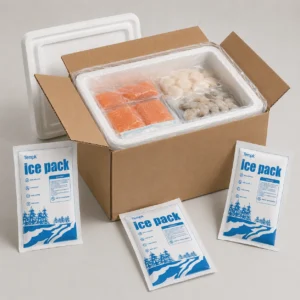
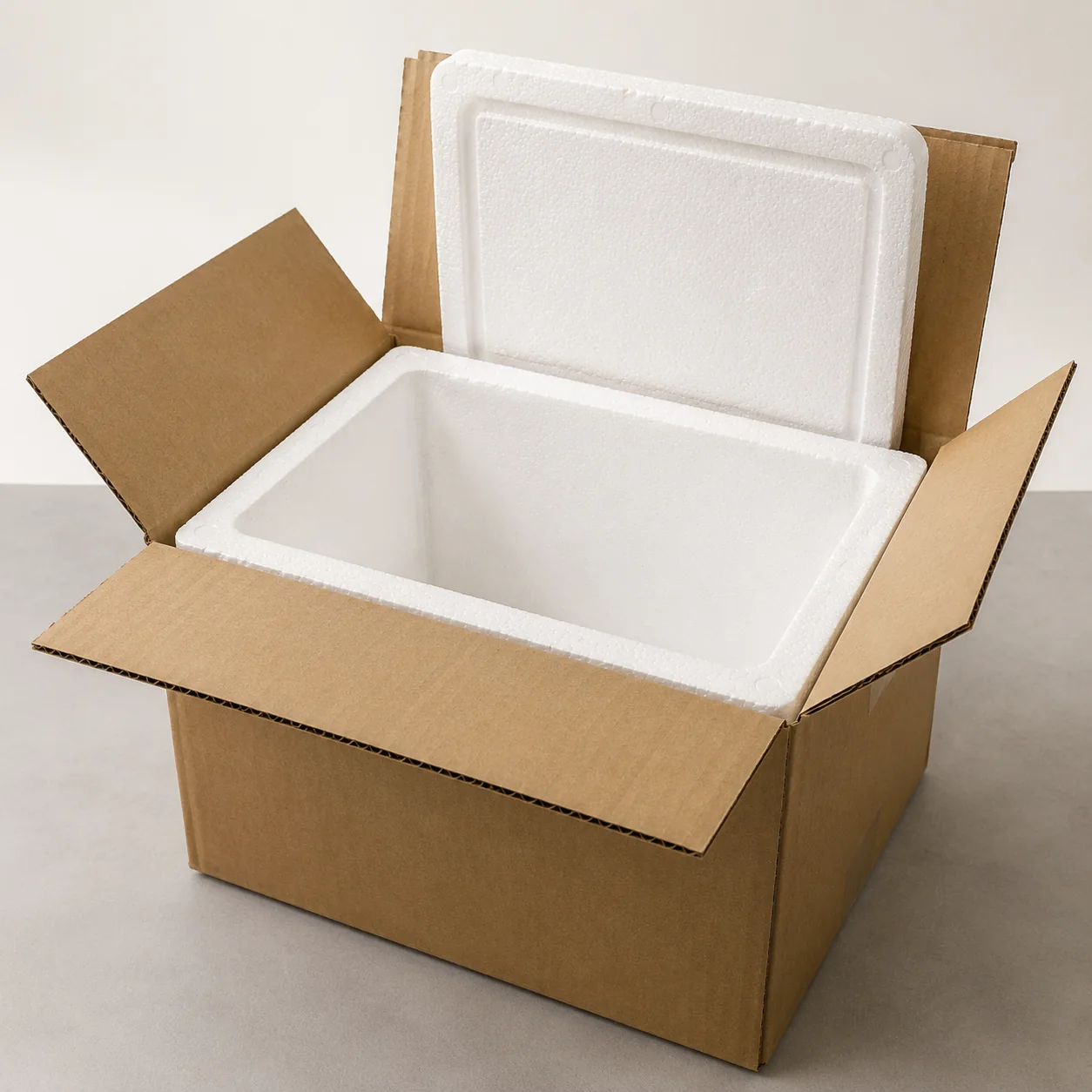
A corrugated shipping carton with a fitted molded EPS cooler and lid for chilled food, frutos do mar, ingredientes congelados, meal kits and perishable parcels. Tempk matches usable capacity, foam thickness and refrigerant layout to the payload, rota e temporada.

Formato do produto Corrugated outer carton with molded EPS body and fitted lid
Common planning sizes 5-45 L usable inner-volume formats; custom dimensions available
Insulation planning 25-50 mm EPS wall thickness is a common starting range
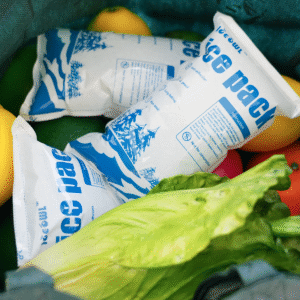
Compatível com refrigerante Pacotes de gel condicionado, Pacotes PCM, ice bricks and route-approved dry ice

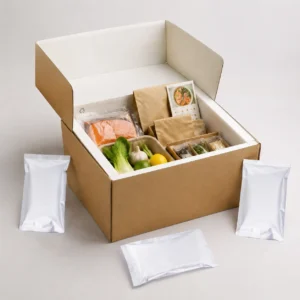
A cold-food shipper configured as a complete packout

This shipper combines a protective corrugated carton with a lightweight molded expanded-polystyrene container. The close-fitting body and lid create a repeatable insulated cavity for gel-pack, PCM or dry-ice packouts, while dimensions, espessura da parede, moisture control and coolant placement remain configurable for the buyer's product and distribution lane.

Fitted molded insulation

The one-piece EPS body and close-fitting lid help control open joints around the payload cavity and keep the packout repeatable.

Strong insulation-to-weight balance

EPS provides useful thermal resistance without adding excessive package mass to one-way parcel distribution.

Chilled and frozen flexibility

One shipper family can be configured around conditioned gel or PCM packs for chilled goods and dry ice for qualified frozen-food lanes.

Protective outer carton

The corrugated shell protects the molded foam during handling and provides a practical surface for tape, labels and custom print.

Repeatable packing workflow

Defined coolant positions, forros, dividers and fill limits help warehouse teams reproduce an approved packout.

Custom sizes and bulk supply

Tempk can adjust the carton, molded cavity, espessura da parede, densidade de espuma, printing and component packing for the buyer's operation.

Detalhes do produto

Marca Tempk
Nome do produto EPS-Lined Insulated Shipping Box for Chilled & Alimentos congelados
Outer container Corrugated kraft shipping carton; board grade selected for payload weight, stacking and handling conditions
Recipiente interno Molded expanded-polystyrene body with a fitted EPS lid
Typical inner-volume planning 5-45 L parcel formats; menor, larger and dimension-specific designs are available
Typical EPS wall thickness 25-50 mm common planning range; final thickness is selected against the route, season and packout
Typical EPS density planning Aproximadamente 15-30 kg/m3, selected for the required mold strength and thermal design
Indicative EPS thermal conductivity Sobre 0.038 W/m*K at 15 kg/m3 as a material reference; the declared value depends on grade, density and test temperature
Chilled programs Commonly configured for 2-8°C or 0-10°C with conditioned gel packs, Pacotes de PCM ou tijolos de gelo
Frozen programs Commonly designed around frozen payloads and an appropriate refrigerant; -18°C and lower lanes normally need dry ice or another qualified frozen packout
Transit design target 24-48 hour parcel routes are a common development starting point; the complete system determines actual performance
Opções de refrigerante Pacotes de gel, PCM packs and ice bricks for chilled lanes; dry ice only with suitable venting, separação, marking and carrier acceptance
Controle de umidade Optional watertight liner, product bags and absorbent pads for condensation, meltwater or liquid payload risks
Encerramento Fitted EPS lid inside a tape-sealed corrugated carton with route-specific handling labels
Personalização Dimensões internas e externas, foam thickness and density, board grade, impressão, divisores, liner and coolant layout

Onde cabe melhor

Chilled meal kits and prepared food

Supports repeat parcel packouts for refrigerated ingredients, refeições prontas, sauces and grocery orders.

Frutos do mar, meat and poultry

Combines rigid insulation with optional liners and absorbent materials for chilled or frozen protein distribution.

Dairy and specialty food

Protects cheese, produtos cultivados, confectionery ingredients and other temperature-sensitive foods during regional delivery.

Frozen food and desserts

Can be developed around frozen payloads and dry ice where ventilation, separação, labeling and transport rules are addressed.

Fresh produce and farm products

Helps reduce exposure to outdoor heat for berries, vegetais, premium fruit and other products that require a cool lane.

B2B samples and food-service supply

Provides a customizable format for product samples, test kitchens, distribuidores, restaurants and hospitality buyers.

Como planejar o packout

Definir o perfil de envio

Confirm food type, payload dimensions and weight, temperatura alvo, tempo de trânsito, seasonal ambient exposure and delivery handoff.

Choose usable capacity

Allow space for the product, refrigerante, forro, material absorvente, dividers and void control before fixing the molded cavity.

Pre-condition the system

Chill or freeze the payload as required and condition gel, PCM or dry-ice refrigerant according to the approved packout plan.

Control moisture and contact

Use a watertight liner and absorbent layer when leakage or thawing is possible, and separate food from direct coolant contact.

Load coolant consistently

Place refrigerant in the tested positions, fill harmful voids and keep the product stable if the carton is handled in different orientations.

Fit the lid and close the carton

Install the EPS lid fully, apply the specified tape pattern and add perishable, orientation or dangerous-goods marks required for the route.

Validate the complete system

Test representative payload, massa de refrigerante, ambient profile and handling before routine, long-distance or high-value shipments.

Suporte de personalização

Dimensões internas e externas

Match the food packs, units per shipment, coolant clearance, courier limits and warehouse handling process.

EPS body and lid

Ajustar a espessura da parede, densidade de espuma, ajuste da tampa, internal ribs, drainage features and molded cavities around the packout.

Thermal configuration

Selecione pacotes de gel, Pacotes PCM, ice bricks or dry ice and define conditioning, quantidade, placement and product separation.

Moisture protection

Add product bags, a removable liner, absorbent pads or dividers for condensation, meltwater and leak control.

Carton strength and print

Specify board grade, encerramento, cores personalizadas, logotipo, instruções de manuseio, packout diagrams and required shipping marks.

Supply format

Plan samples, pilot quantities, pedidos em grandes quantidades, nested carton packing and component staging for the buyer's fulfillment line.

Instruções de manuseio

Store the corrugated cartons and EPS components in a clean, área seca. Antes de embalar, inspect the molded body and lid for cracks, distortion or contamination and use only components approved for the packout.

Pre-condition the food and refrigerant according to the thermal plan. Install a watertight liner and absorbent material when condensation, thawing or liquid leakage is possible. Keep unpackaged food and freeze-sensitive products from direct contact with frozen coolant.

Para remessas refrigeradas, place conditioned gel, PCM or ice-brick coolant in the tested positions around the payload. Para remessas congeladas, use only the qualified refrigerant quantity and placement. Fit the EPS lid fully and close the corrugated carton with the specified tape pattern.

Dry ice releases carbon-dioxide gas. A dry-ice packout must not be airtight and requires suitable ventilation, separação de produtos, proteção de manuseio, marcação, documentation and current carrier acceptance.

The empty shipper does not create or guarantee a temperature duration. Performance depends on the payload, temperatura inicial, massa de refrigerante, Espessura da parede EPS, ambient profile and handling. Validate representative shipments before routine use.

Características

  • Molded EPS body and fitted lid inside a corrugated shipping carton.
  • Custom usable capacity, foam thickness and coolant layout.
  • Chilled gel-pack and qualified frozen dry-ice configurations.
  • Optional liner, absorbent components and printed handling guidance.

Solicitar suporte de pacote

  • Tipo de comida, dimensões do pacote, weight and units per shipment
  • Chilled or frozen target condition and allowable temperature limits
  • Tempo de trânsito, origem, destination and seasonal ambient exposure
  • Preferred usable capacity, outer parcel limits and EPS wall thickness
  • Gel, PCM, ice-brick or dry-ice refrigerant preference
  • Forro, absorvente, direct-contact and leakage-control requirements
  • Carton print, quantidade de amostra, forecast volume and delivery schedule

Perguntas frequentes

What does EPS-lined insulated shipping box mean?

It combines a molded expanded-polystyrene cooler and fitted lid with a protective corrugated shipping carton. The EPS provides insulation and shape, while the carton supports handling, encerramento, labeling and custom print.

How long can the box keep food chilled or frozen?

There is no single hold time for an empty box. Food mass, temperatura inicial, tipo e quantidade de refrigerante, espessura da espuma, ambient exposure and handling all affect performance. UM 24-48 hour parcel route is a common development starting point, followed by testing of the complete packout.

What EPS wall thickness should I choose?

Many parcel projects begin around 25-50 milímetros. Short chilled lanes may use a thinner wall, while longer or more demanding routes may need thicker insulation and more refrigerant. Tempk selects the starting design after reviewing the shipment profile.

Should I use gel packs or dry ice?

Conditioned gel or PCM packs are commonly used for chilled products such as meal kits, laticínios e frutos do mar. Dry ice is normally considered for frozen products, but it needs ventilation, separação de produtos, manuseio protetor, marking and carrier approval.

Does the EPS cooler need an outer corrugated carton?

Yes for normal parcel distribution. The outer carton protects the molded foam, improves closure and stacking, and provides space for shipping labels and handling marks.

Can Tempk make custom sizes and printed cartons?

Sim. Tempk can adjust the molded inner cavity, espessura da parede, densidade de espuma, resistência da caixa, impressão, forros, dividers and coolant layout, subject to tooling and order requirements.

Can the shipper be reused or recycled?

Reuse should only be considered when the carton and EPS remain clean, seco, undamaged and suitable for the approved packout. EPS collection and recycling acceptance vary by destination, so buyers should confirm local programs before making disposal claims.

Should the completed food packout be tested?

Sim. Testing with representative food, quantidade de refrigerante, condição inicial, ambient exposure and handling is recommended before routine use, especially for frozen, long-distance or seasonal shipments.

Tags de produtos relacionados

Produtos populares

Solicitar orçamento