O que torna esta caixa para peixe e marisco resistente a fugas?
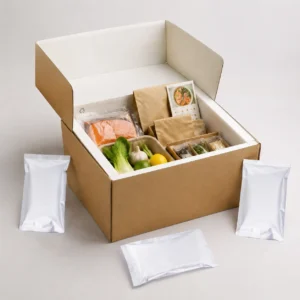
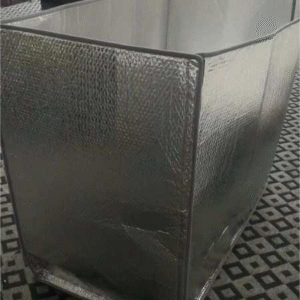
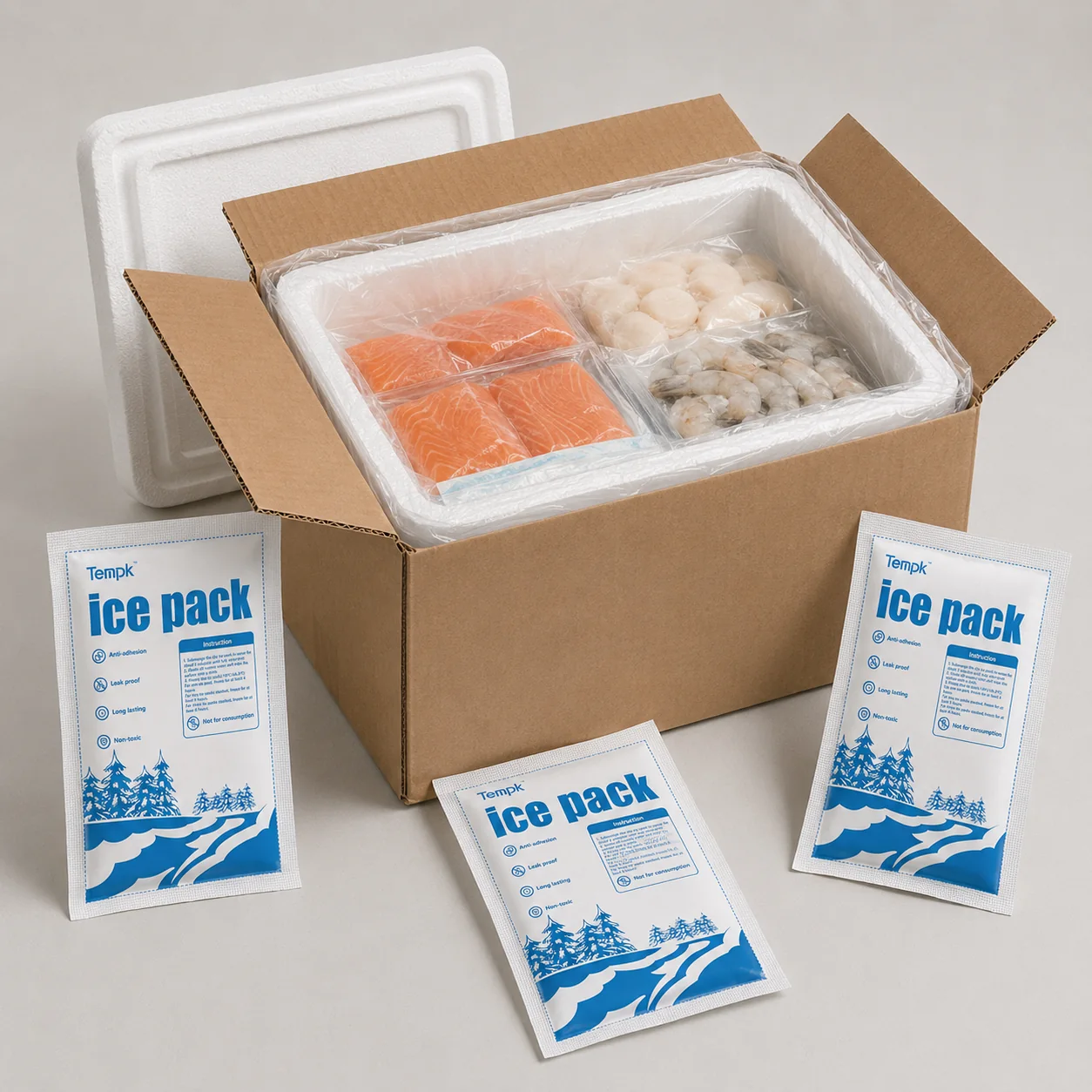
A resistência a fugas resulta de várias camadas: embalagem primária selada para o peixe e o marisco, saco interior secundário intacto, material absorvente, recipiente de EPS de encaixe justo e fecho consistente da caixa exterior. A configuração completa deve ser verificada para o volume de líquido e a orientação de manuseamento previstos.
Resistente a fugas é o mesmo que à prova de fugas?
Não. «Resistente a fugas» descreve uma conceção destinada a reduzir e conter fugas. A contenção efetiva depende dos sacos do produto, do material e do fecho do saco interior, da capacidade absorvente, da qualidade do acondicionamento e do manuseamento. O comprador deve testar o sistema completo já acondicionado antes da expedição.
Que temperatura deve ser utilizada para peixe e marisco refrigerados ou congelados?
Os programas refrigerados para peixe e marisco são normalmente desenvolvidos em torno de 0–4 °C, enquanto os produtos congelados são geralmente manuseados a −18 °C ou abaixo. A espécie, a apresentação do produto, a especificação do comprador e as regras do destino determinam os limites finais.
Posso utilizar acumuladores de frio, gelo de água ou gelo seco?
Acumuladores de frio em gel ou PCM são habituais em configurações limpas para produtos refrigerados. O gelo de água só deve ser utilizado quando a água de degelo puder ser contida e a transportadora aceitar o método. O gelo seco é normalmente utilizado em programas congelados e exige ventilação, separação, marcação, documentação e aceitação da transportadora.
Durante quanto tempo pode a caixa manter refrigerados o peixe e o marisco?
Não existe uma duração única para uma embalagem vazia. A massa da carga útil, a temperatura inicial, o tipo e a quantidade de acumuladores de frio, a espessura do EPS, a exposição ambiental e o manuseamento influenciam o desempenho. Rotas com entrega no dia seguinte, normalmente de 24–48 horas, são pontos de partida habituais, seguidos de ensaios.
Que espessura de parede em EPS devo escolher?
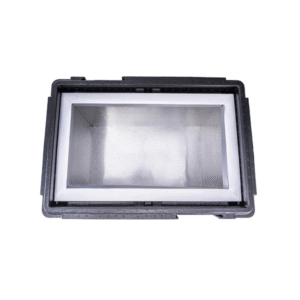
Muitos projetos começam com uma espessura de parede de 25–60 mm. Rotas refrigeradas curtas podem utilizar paredes mais finas, enquanto percursos longos, quentes ou congelados podem exigir isolamento mais espesso e maior quantidade de meio refrigerante. A Tempk seleciona a conceção inicial após analisar o perfil de expedição.
O peixe e o marisco entram em contacto direto com o EPS ou o revestimento interior?
O peixe e o marisco devem normalmente permanecer em embalagens primárias seladas e adequadas ao contacto alimentar. Quando o saco interior ou outro componente puder tocar nos alimentos, deve ser especificada a declaração de material exigida no mercado de destino.
Esta embalagem pode ser utilizada para produtos aquáticos vivos?
Destina-se principalmente a peixe e marisco embalados, refrigerados ou congelados. O transporte de animais aquáticos vivos pode exigir oxigénio, água, temperatura, contenção e condições de transporte específicas para cada espécie, devendo ser desenvolvido numa configuração separada.
A Tempk pode fornecer caixas com dimensões personalizadas e impressão?
Sim. A Tempk pode adaptar a cavidade útil, a espessura e a densidade das paredes de EPS, a resistência da caixa, o saco interior, o sistema absorvente, as divisórias, a disposição dos acumuladores de frio e a impressão, consoante os requisitos de ferramentas e encomenda.
A configuração completa para peixe e marisco deve ser testada?
Sim. Teste peixe e marisco representativos, massa dos acumuladores de frio, condições iniciais, perfil ambiental, vibração, queda, compressão e risco de fuga antes de expedições regulares, de longa distância, por carga aérea ou sazonais.