Chemical-Resistant EPP Storage Container in 2025?
أ chemical-resistant EPP storage container helps you protect products in places where spills, wash-downs, and disinfectants are part of normal work. في العمليات الحقيقية, a reusable EPP tote can often last مئات of cycles, while EPS and basic plastics may fail much sooner under cleaning and handling pressure. You do not need perfect chemistry knowledge to choose well. You just need a practical method that matches your chemicals and workflow.
هذه المقالة سوف تساعدك على الإجابة:
-
كيف أ chemical-resistant EPP storage container resists splashes in daily handling
-
How to run a quick chemical compatibility for EPP foam containers يفحص
-
How to choose density, سمك الجدار, and lids that fit your workflow
-
كيف تخطط cleaning and sanitizing EPP storage containers without damage
-
How to validate performance with EPP container testing (immersion, يمسح, splash)
-
ماذا 2025 trends are changing returnable packaging decisions
What makes a chemical-resistant EPP storage container different?
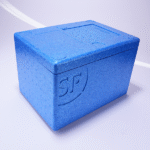
أ chemical-resistant EPP storage container is made from expanded polypropylene (إي بي بي), a closed-cell foam that resists liquid uptake and absorbs impact. That “closed-cell” detail matters. It helps most splashes stay on the surface instead of soaking in. This makes cleaning faster and reduces odor traps.
Here is the key idea you should remember: chemical resistance is not a label—it’s a fit. It depends on chemical family, تركيز, درجة حرارة, and contact time. Think of EPP like a rain jacket, not a submarine. It handles splashes well when you wipe and rinse on time.
Closed-cell behavior in plain language
EPP is full of tiny sealed pockets. Liquids do not “drink in” quickly like open-cell foams. So your container stays more stable after repeated wash-downs. That stability is why many teams use a chemical-resistant EPP storage container in cold chain staging, food rooms, المختبرات, and industrial storage.
| What you care about | What EPP does well | Where to be careful | ماذا يعني لك |
|---|---|---|---|
| Splash exposure | Liquids bead on the surface | Don’t leave spills sitting | تنظيف أسرع, less residue |
| Impacts and drops | Rebounds instead of cracking | Sharp metal edges can gouge | Fewer broken corners |
| تقلبات درجات الحرارة | Insulates and stays stable | Bad lid fit hurts results | More predictable temperatures |
| Wash-down routines | Handles many mild cleaners | Avoid harsh solvent habits | عمر خدمة أطول |
نصائح عملية يمكنك استخدامها اليوم
-
Wash-down zones: Wipe and rinse quickly to reduce contact time.
-
Forklift zones: Add simple rack guards to prevent sharp scrapes.
-
Mixed-chemical areas: Color-code containers by zone to reduce mistakes.
مثال في العالم الحقيقي: A site that used one tote everywhere reduced damage after placing a chemical-resistant EPP storage container near the sanitation sink, where exposure was highest.
Which chemicals can a chemical-resistant EPP storage container handle?
أ chemical-resistant EPP storage container often performs best with water-based cleaners, detergents, and many mild acids or mild alkalis used in routine sanitation. Problems usually start with long soaking, حرارة عالية, or strong solvent-type chemicals. Strong oxidizers can also be risky, especially with heat and long dwell time.
You can make this simple by asking four questions:
-
What chemical family is it?
-
How strong is it (تركيز)?
-
How hot is it (درجة حرارة)?
-
How long does it touch the container (وقت)?
If any answer is “high,” your risk rises fast.
A fast chemical compatibility for EPP foam containers check
Use this quick decision tool before you standardize a chemical-resistant EPP storage container across a facility:
-
Is contact mostly splashes and wipe-downs (دقائق, ليس ساعات)?
-
إذا كانت الإجابة بنعم, EPP is often a strong candidate.
-
-
Is the chemical mostly water-based (detergent, sanitizer, mild cleaner)?
-
إذا كانت الإجابة بنعم, run a short pilot test.
-
-
Is it a strong solvent or fuel-like liquid?
-
إذا كانت الإجابة بنعم, treat it as high risk and use a barrier or different material.
-
-
Is contact hot or long (heated wash or soak tank)?
-
إذا كانت الإجابة بنعم, increase caution and test under worst-case conditions.
-
| Chemical category (أمثلة) | Typical risk for EPP | Common mismatch sign | ما يجب عليك فعله |
|---|---|---|---|
| Water-based detergents | قليل | Little change | Standardize with routine rinsing |
| Dilute alkaline cleaners | منخفض – متوسط | Surface dulling | Short contact time + thorough rinse |
| Dilute acids (light descalers) | منخفض – متوسط | Slow surface change | Test repeated exposure cycles |
| Oils and greases | واسطة | Staining, رائحة | Improve rinse + drying discipline |
| Strong solvents / الوقود | عالي | Swelling, تليين | Avoid or add a barrier liner |
| Strong oxidizers | عالي | Brittleness, surface damage | Validate carefully before rollout |
نصائح واقتراحات عملية
-
Test your exact product: Brand and additives can change results.
-
Reduce contact time: Two minutes of wiping beats two hours of soaking.
-
Use barriers when needed: A thin liner can separate high-risk liquids.
مثال في العالم الحقيقي: A team using strong solvent for label residue saw softening near the cleaning station. Switching to a milder approach restored reliable use.
How does a chemical-resistant EPP storage container perform in cold chain staging?
أ chemical-resistant EPP storage container for cold chain staging wins when your environment combines three stresses at once: رُطُوبَة, تقلبات درجة الحرارة, and aggressive cleaning. Cold chain operations are tough because the container is not only “cold.” It is also wet, handled fast, stacked high, and washed often.
EPP typically stays stable under those combined conditions. It resists cracking and does not soak up liquids the way weaker materials can. That helps you control hygiene and reduce unexpected failures.
Cold chain performance comparison you can use
This type of comparison matters because it links material choice to real operating cost:
| ميزة | Standard plastic | الرغوة EPS | Chemical-resistant EPP | ماذا يعني لك |
|---|---|---|---|---|
| استقرار العزل | واسطة | عالي | عالي | Better temperature consistency |
| Chemical durability | قليل | منخفض جدًا | عالي | Safer wash-down routines |
| مقاومة الرطوبة | واسطة | قليل | عالية جدا | Less contamination risk |
| دورات إعادة الاستخدام النموذجية (يتراوح) | 50-100 | 20-30 | 300+ | Lower replacement burden |
Chemical-resistant returnable packaging for cold chain: where it pays back
أ chemical-resistant EPP storage container usually pays back in three ways:
-
Fewer breakages: Less cracking means fewer emergency replacements.
-
تنظيف أسرع: Non-absorbing surfaces rinse and dry more predictably.
-
More stable audits: Cleaner equipment reduces “mystery odor” and residue issues.
Practical tips for cold rooms
-
Use lids when odors matter: Lids reduce drip exposure and cross-contact.
-
Avoid “freezer-to-hot-wash shock”: Let totes equalize before harsh cleaning.
-
Set stacking rules: High stacking magnifies small deformations over time.
Operational story: A cold chain team reduced cleaning time per tote after improving rinse discipline and using lidded EPP near high-splash areas.
How do you choose the right chemical-resistant EPP storage container?
اختيار الحق chemical-resistant EPP storage container starts with workflow, ليست صورة الكتالوج. Ask where it lives, how it is cleaned, what chemicals touch it, and how it is stacked. Then pick the structure: كثافة, سمك الجدار, lid style, ووضع العلامات.
A simple analogy: it is like choosing work gloves. Thin gloves feel cheaper at first. Heavy-duty gloves feel easier after a long shift. In harsh environments, “easy after a month” beats “cheap on day one.”
Key specs that matter (بدون المصطلحات)
-
كثافة EPP: Higher density usually improves strength and durability.
-
سمك الجدار: Thicker walls improve insulation and reduce warping risk.
-
تصميم: Reinforced corners and stable stack ribs reduce collapse issues.
-
Surface and hygiene details: Smooth interiors clean faster and hold less residue.
مساعد القرار: which container fits you?
| السيناريو الخاص بك | Recommended EPP feature | لماذا يهم |
|---|---|---|
| Frequent cleaning | Higher-density EPP | Better chemical and impact tolerance |
| Long cold storage | جدران أكثر سمكا | أداء عزل أكثر استقرارًا |
| Automated handling | Reinforced edges | Reduces damage from repeated impacts |
| Food contact zones | Smooth inner surfaces | Easier sanitation and faster drying |
Selection scorecard: your 60-second self-test
أعط نفسك 1 نقطة for each “yes.” The higher the score, the more you should prioritize stronger specs.
-
We have wash-down zones with frequent spray.
-
Containers stack more than three high.
-
Forklifts or pallet jacks touch containers daily.
-
We use more than one chemical type in one area.
-
Containers move between hot and cold environments.
-
We need lids to prevent drips, الروائح, or dust.
-
We require traceability (تسميات, باركود, العلامات).
-
We cannot tolerate staining or odor retention.
Score guidance:
-
0-3: A basic chemical-resistant EPP storage container is usually enough.
-
4-6: Prioritize lids, smooth interiors, and stronger corner protection.
-
7-8: Consider higher density, stricter zone control, and barrier liners.
Practical buying tips you can use immediately
-
Ask about exposure testing: Don’t accept “it’s polypropylene” as proof.
-
Check reuse expectations: Total cost beats unit price.
-
Validate sanitizer fit: Your cleaning chemistry decides real lifespan.
سيناريو العالم الحقيقي: A site reduced mis-sorts by using one color per zone. Clear rules reduced damage and rewashing time.
How to run EPP container testing (immersion, يمسح, splash) في 2025
If you want confidence, do not guess. امتحان. أ chemical-resistant EPP storage container should be validated the way you actually use it: splash, يمسح, يكرر, and sometimes short soak. Full immersion testing alone can be unrealistic. Wipe-only testing can be too gentle.
A balanced approach gives you usable answers fast.
A simple 7-day shop-floor test you can run
Follow this mini plan before buying at scale:
-
Label three sample containers with date and chemical name.
-
Apply chemical by your real method (رذاذ, يمسح, splash).
-
Hold contact for your real time (مثال: 5-15 دقيقة).
-
Rinse and dry using your real SOP.
-
Repeat daily for 7 أيام.
-
Check for softness, تورم, cracking, رائحة, or tackiness.
-
Do a stress check: stack weight and handle like a normal shift.
| نوع الاختبار | ماذا تفعل | What you look for | ماذا يخبرك |
|---|---|---|---|
| Splash-and-wipe | يتقدم, wait, wipe off | Surface change | Matches daily reality |
| Short soak | 15– 30 دقيقة | تليين, تورم | Finds hidden risks |
| Repeated cleaning | نظيفة يوميا | رائحة, staining | Predicts long-term usability |
Pass/fail checklist for chemical compatibility testing for EPP containers
Stop and investigate if you see:
-
Surface feels tacky or unusually soft
-
Corners show gouges from metal contact
-
Persistent odor after cleaning
-
Lid fit becomes loose or uneven
-
Stacking becomes unstable due to warping
Practical tips to make testing meaningful
-
Test the hottest case: Warm chemical + longer contact is your risk peak.
-
Use real tools: Same brushes and cloths your team uses daily.
-
Record simple notes: صور + pass/fail beats vague opinions.
مثال في العالم الحقيقي: Two samples looked similar on day one. After repeated cleaning, one retained odor. The other became the standard.
Cleaning and sanitizing EPP storage containers without damage
Cleaning and sanitizing a chemical-resistant EPP storage container works best when you control three levers: chemical strength, وقت الاتصال, and rinse quality. Over-strong mixes can shorten lifespan. Under-rinsing can leave residue that attracts dirt and odor.
الاتساق يتفوق على الشدة. Think brushing teeth, not power washing a wall.
Cleaning SOP template for repeatable results
-
Dry removal: Remove debris before wet cleaning.
-
Pre-rinse: Rinse with water to remove loose residue.
-
ينظف: Apply approved cleaner at the right dilution.
-
Dwell: Let it work briefly, then lightly scrub if needed.
-
Rinse: Rinse until the surface feels clean, not slick.
-
Sanitize (إذا لزم الأمر): Follow your contact time rules.
-
جاف: Air dry in a clean zone before reuse.
| خطوة | غاية | خطأ شائع | ما يسببه |
|---|---|---|---|
| Pre-rinse | Removes loose residue | Skipping it | More scrubbing later |
| Correct dilution | Protects material | Over-strong mix | Faster wear and odor |
| Thorough rinse | Removes chemicals | Quick rinse only | Residue and staining |
Cleaning and sanitation for EPP storage bins: common mistakes to avoid
| خطأ | Why it happens | ممارسة أفضل | مصلحتك |
|---|---|---|---|
| Long chemical soak | “Set and forget” cleaning | Short contact + شطف | Lower swelling risk |
| Strong solvent use | Fast stain removal | Safer remover + بطانة | Longer container life |
| Cross-zone reuse | راحة | Zone color coding | انخفاض خطر التلوث |
نصائح عملية يمكنك استخدامها اليوم
-
Use measured dilution tools: Guessing is how damage starts.
-
Separate “dirty” and “clean” racks: Don’t re-contaminate cleaned totes.
-
Avoid sharp scraping: Use soft brushes to protect surface skin.
سيناريو العالم الحقيقي: A “mystery odor” issue was solved by improving rinsing and drying, not by using stronger chemicals.
Special scenario: anti-static EPP container for electronics handling
If you ship electronics, the “chemical” risk may be only half the story. Static can be the other half. و anti-static EPP container for electronics handling helps you reduce static discharge risk in picking, التدريج, and return loops.
Here is the simple rule: if static damage is expensive, treat packaging as a safety system. Your container choice should align with your ESD (electrostatic discharge) إجراءات, وضع العلامات, and handling methods.
Practical tips for electronics workflows
-
Use anti-static grades only where you need them (avoid over-spec costs).
-
Keep cleaning chemistry consistent (mixed cleaners can create surprises).
-
Add traceability labels so anti-static totes do not “drift” into other zones.
2025 trends for chemical-resistant EPP storage container decisions
في 2025, teams are treating returnable packaging as a performance system, not “just a box.” That means chemical resistance is evaluated together with cleanability, التتبع, ودورات إعادة الاستخدام. Fast adopters are building simple site-level tests and locking a short list of approved chemicals and approved models.
Latest progress you should watch
-
Site-level testing playbooks: قصير, repeatable checks before scaling
-
Cleaner designs: Smoother interiors and better drainage features
-
More tracking: IDs and scan zones to reduce loss and support audits
Market pressure is making this practical. Labor is expensive. Downtime is painful. أ chemical-resistant EPP storage container that cleans faster can pay back through lower rework, not only lower replacement spend.
الأسئلة المتداولة
س 1: Is a chemical-resistant EPP storage container safe for food areas?
It can be, if the grade is suitable and your hygiene rules are followed. Keep food and maintenance totes separate to reduce cross-contamination.
Q2: Can a chemical-resistant EPP storage container handle disinfectants every day?
في كثير من الأحيان نعم, when dilution and rinse steps are controlled. Problems usually come from over-strong mixes, يسكن طويلا, or poor rinsing.
س 3: What is the solvent exposure risk for polypropylene foam?
Strong solvent-type chemicals can soften or swell polyolefin foams. If you must use them, test first and consider barrier liners.
س 4: What is the simplest way to validate chemical compatibility?
Run a splash-and-wipe test using your real chemical, وقت, and temperature for 7 أيام. Watch for softening, رائحة, warping, and lid fit issues.
س 5: Why does odor happen even when the container “looks clean”?
Odor often comes from chemical film, زيوت, or incomplete drying. Improve rinsing, separate odor-prone uses, and air-dry fully before stacking.
س6: Should I choose lids for chemical resistance or hygiene?
Choose lids for both. Lids reduce drip exposure, block dust, and support zone control. Match lid style to your cleaning process.
ملخص وتوصيات
أ chemical-resistant EPP storage container helps you control spills, survive wash-downs, and reduce failures in tough workflows. You get the biggest benefit when you match the tote to real exposure, لا التخمينات. Use chemical family + وقت + temperature as your decision base. Then validate with a simple 7-day test. أخيراً, protect performance with consistent dilution, thorough rinsing, and clear zone rules.
خطوتك التالية (CTA)
Pick one high-exposure area and pilot two options for 7 أيام. Track surface feel, رائحة, غطاء مناسب, and stacking stability. Then standardize the winning chemical-resistant EPP storage container with a one-page SOP your team can follow fast.
حول Tempk
و Tempk, we work with cold chain and industrial teams that need packaging to survive real conditions—handling, تنظيف, تكديس, and return loops. We focus on practical details like cleanability, متانة, وتناسب سير العمل. If you are evaluating a chemical-resistant EPP storage container, we can help you define exposure profiles, choose the right specs, and build a simple validation plan.
الخطوة التالية: Share your chemical list, روتين التنظيف, and stacking requirements, and we’ll help you map a container spec and a 7-day test plan you can run on-site.