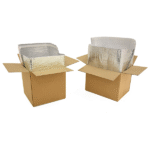
مورد الصناديق المعزولة EPP للفضاء
الحق مورد الصناديق المعزولة EPP سوف يسأل الفضاء الجوي عما يجب الحفاظ عليه, كيف يتم الكشف عن الفشل, وما هي الأدلة التي يقبلها برنامجك. هذه الأسئلة مهمة أكثر من مجرد حجم الكتالوج أو المطالبة العامة "بدرجة الطيران".. يمكن أن يوفر البولي بروبيلين الموسع توسيدًا منخفض الكتلة, العزل, تناسب مصبوب, وإعادة استخدام الإمكانات. لا يمكن ذلك, في حد ذاته, إنشاء حماية ESD, نظافة, أداء القابلية للاشتعال, انخفاض إطلاق الغازات, تأهيل درجة الحرارة, أو ملاءمة النقل. تربط عملية الشراء التي يمكن الدفاع عنها متطلبات الحمولة النافعة بتصميم حزمة يتم التحكم فيه وتحافظ على هذا الاتصال سليمًا من خلال الإنتاج وإعادة الاستخدام.
ابدأ ببيان الحماية الذي يمكن للجميع استخدامه
تبدأ معظم مشاريع التعبئة والتغليف متأخرة جدًا في المنطق. طلب "صندوق EPP معزول"يفترض بالفعل المادة والشكل قبل تحديد المخاطر. عكس التسلسل. امنح الموردين المحتملين بيان حماية قصيرًا عن عملية الشراء, هندسة المنتج, جودة, الخدمات اللوجستية, واستقبال جميع الاعتراف.
قم أولاً بوصف الحمولة. قم بتضمين الرسم المتحكم فيه أو المغلف الأبعاد, خصائص الكتلة, مركز الثقل إذا كان ذلك مناسبا, مناطق الاتصال المسموح بها, ميزات هشة, الموصلات, الكابلات المرفقة, قبعات واقية, الحقائب الأولية, حدود الانتهاء من السطح, وأي عنصر يجب أن يرافقه. فصل الأبعاد الاسمية عن الحد الأقصى للظرف المعبأ. إذا كانت مراجعات الحمولة المختلفة ستشارك الحزمة, قائمة السمات المميزة وقاعدة التكوين.
ثم قم بوصف المخاطر. قد تشمل هذه قطرات التعامل, اهتزاز السيارة, ضغط, ثقب, كشط, رُطُوبَة, تراب, ضوء الشمس, التدريج غير المنضبط, التعرض الحراري, التفريغ الكهربائي, تآكل, تلوث, أو حطام جسم غريب. لا تقم بتحويل كل المخاطر المحتملة إلى متطلبات. قم بتصنيف الأشخاص الموثوق بهم للطريق واشرح لهم عواقب الفشل.
التالي تعريف القبول. نادرًا ما تكون عبارة "لا يوجد ضرر" محددة بدرجة كافية لعنصر فضائي حساس. اذكر ما إذا كان القبول يعتمد على الحالة البصرية, مقاييس الموصل, الاختبار الوظيفي, معايرة, تنسيق, سلامة التسرب, نظافة, فحص السطح, حالة الختم, أو سجل بيئي. قد يكون للحزمة نفسها أيضًا حدود للإغلاق, تشوه دائم, دموع, تلوث, أو حالة التسمية.
أخيراً, وصف الرحلة. تشمل التعبئة والتدريج, أوضاع الناقل, توحيد, النقل من المطار أو الحدود, التعامل مع الوجهة, حدود المناطق الخاضعة للرقابة, تفريغ, تخزين, وأي عودة. حدد من يقوم بكل إجراء حاسم وأين يمكن أن يحدث التأخير. لحركة حلقة مغلقة, شرح كيفية فحص الحاويات الفارغة, المتراكمة, عاد, وتم إعادته للخدمة.
يمنح هذا البيان الموردين أساسًا مشتركًا لاقتراح التصميم, إعلان الافتراضات, وتحديد المعلومات المفقودة. كما أنه يحدد معايير القبول قبل الاختبار.
قرر ما إذا كانت EPP هي الطبقة الصحيحة
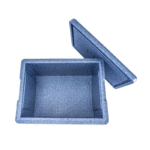
EPP عبارة عن مادة بولي بروبيلين خلوية مصبوبة. يمكن لهيكلها أن يمتص الطاقة ويقلل من انتقال الحرارة مع الحفاظ على كتلة العبوة منخفضة. جيوب مصبوبة, الأضلاع, مقابض, ميزات الغطاء, وتفاصيل تحديد الموقع يمكن أن تجعل العبوة قابلة للتكرار وتقلل من الوسائد السائبة. يمكن أن تدعم المرونة التعامل المتكرر, قدمت الدرجة الفعلية, شكل, حدود الضرر, وعملية التفتيش مناسبة.
وينبغي تخصيص هذه الفوائد لطبقة معينة. غالبًا ما تحتاج الأجهزة الحساسة إلى عدة طبقات ذات وظائف مختلفة:
| حاجة الحماية | الدور المحتمل لـ EPP | طبقة أخرى أو عنصر تحكم قد تكون هناك حاجة إليه | الأدلة على الطلب |
|---|---|---|---|
| الصدمة والتعامل معها | وسادة على شكل وتوزيع الحمل | حماية خارجية صلبة, ضبط النفس, قبعات, أو ميزات الاتصال المسموح بها | بيانات التوسيد القابلة للتطبيق واختبار الحزمة المجمعة |
| الاهتزاز والقلق | الدعم والتخليص الخاضعة للرقابة | حاجز السطح, التحكم بالتحميل المسبق, ضبط النفس السحابة, أو العزلة الخارجية | تحليل التصميم والفحص بعد الاختبار الخاص بالمنتج |
| التعرض الحراري | الضميمة العازلة | عبوات هلامية مكيفة أو PCM, فواصل, تعليمات الحزمة, والرصد | دراسة التكوين الحراري الكامل ضمن ملف تعريف مناسب |
| الإلكترونيات الحساسة ESD | الدعم الميكانيكي فقط ما لم يتم التحقق من الخصائص الخاصة | التدريع أو التعبئة والتغليف للتحكم الثابت والتعامل المحمي | اختبارات لمواد التغليف الدقيقة بموجب خطة ESD المعمول بها |
| أجهزة نظيفة أو حساسة لـ FOD | تنظيم مصبوب وتقليل الدروع السائبة | الحاجز المعتمد, التنظيف الخاضع للرقابة, طريقة النقل, والمخزون | عملية النظافة وقبول FOD للمنطقة المقصودة |
| خطر التآكل أو الرطوبة | الهيكل الخارجي الواقي | حاجز بخار, المجففة, طريقة الحفظ, أو حزمة أولية مختومة | أدلة التوافق وتكامل الحزمة للظروف الفعلية |
| الطيران أو القلق المادي المتعلق بالفراغ | لا يوجد تأهيل تلقائي | مراجعة مواد البرنامج وفحص الدرجة الدقيقة | القابلية للاشتعال المطبقة, إطلاق الغازات, التوافق, أو غيرها من الأدلة البرنامجية |
يوضح الجدول سبب عدم قدرة مادة واحدة على تلبية المتطلبات بأكملها. قد تؤدي قذيفة EPP العديد من الوظائف المادية, ولكن يجب على النظام النهائي أيضًا إدارة الواجهات بين الطبقات. يمكن أن يؤدي الغطاء الحاد إلى إتلاف الحقيبة; يمكن لسائل التبريد أن يتلامس مع سطح حساس لدرجة الحرارة; يمكن للعلبة الخارجية الصلبة أن تتجاوز الوسادة المقصودة; أو يمكن أن تؤدي التسمية غير الصحيحة إلى إرسال حزمة جيدة إلى المسار الخاطئ.
إن EPP ليس الحل الافتراضي لكل شحنة جوية. قد يكون من الأفضل استخدام علبة صلبة قابلة لإعادة الاستخدام عند الختم, حماية, أو تهيمن الأجهزة الثقيلة. قد تناسب مادة التوسيد المختلفة حالة هشاشة أو نظافة معينة. قد تكون العبوة ذات الاستخدام الواحد عقلانية على طريق أحادي الاتجاه بدون شبكة استرداد. يجب على المورد مقارنة البنى الموثوقة بدلاً من فرض كل المتطلبات في قالب موجود.
بناء ملف الموردين, ليست مجموعة من المطالبات
بمجرد أن يكون لـ EPP دور مبرر, يحتاج المشتري إلى ملف خاضع للرقابة للحزمة المقترحة. ابدأ بالهوية المادية. سجل درجة EPP الدقيقة, إضافات أو صيغة خاصة, اللون حيث يكون له غرض تقني, وأي مكونات مرفقة. عبارات عامة حول مقاومة تأثير EPP, العزل, أو المقاومة الكيميائية هي معلومات أساسية, وليس تعريف الإنتاج.
يجب أن تربط الأدلة المبطنة الدرجة والهندسة بالحمولة. اسأل عن بيانات التوسيد الديناميكية, الحسابات, نماذج, أو تم استخدام الاختبارات; منطقة الاتصال والتوجه المفترض; وما إذا كانت درجة حرارة المعالجة المقصودة أو الاستخدام المتكرر يغير التصميم. يمكن توثيق الكثافة, ولكن لا ينبغي أن يحل محل الأساس الهندسي. تحديد مسارات التحميل وجهات الاتصال المحظورة على الرسم.
يحتاج التحكم في الأبعاد إلى اهتمام متساوٍ. تحديد الأبعاد الحرجة, التاريخ, مقاييس, طريقة أخذ العينات, وكيف يتم تكييف الأجزاء المقولبة قبل القياس. يجب التفاوض على التفاوتات المسموح بها فيما يتعلق بالقدرة الوظيفية والعملية بدلاً من نسخها من رسم مكون آلي. تحقق من مشاركة الغطاء, إدراج الاحتفاظ, التخليص حول الحواجز الأولية, ميزات التعشيش, واجهات التراص, وأي أبعاد يمكن أن تضع التحميل المسبق على الحمولة.
تتطلب مطالبات الملكية الخاصة دليلاً منفصلاً:
- بالنسبة للعناصر الحساسة ESD, لا ينبغي افتراض أن EPP العادي يعمل على تبديد الشحنة أو حماية المجالات الخارجية. تأكيد وظائف الحماية, المواد الدقيقة, طرق الاختبار, تكييف, حدود, وضوابط التعامل التي يتطلبها البرنامج.
- للنظافة و FOD, تحديد قبول الجسيمات أو الحطام, كيمياء التنظيف, شطف أو مسح البقايا, التعبئة والتغليف بعد التنظيف, سلوك التسمية, حالة التخزين, ونقلها إلى المناطق الخاضعة للسيطرة.
- للهب, دخان, أو مخاوف السمية, تحديد بيئة الاستخدام ومتطلبات العقد المطبقة. لا تشترك حزمة الشحن الأرضي والمواد التي تم الاحتفاظ بها مع أجهزة الطيران في قاعدة تلقائية.
- لإطلاق الغازات أو التلوث الجزيئي, إشراك مواد البرنامج أو سلطة مكافحة التلوث. لا توافق نتيجة الفحص الخاصة بالبوليمر العام على الصندوق النهائي الذي يحتوي على إضافات, تسميات, مواد لاصقة, ومعالجة التاريخ.
- للتعرض للمواد الكيميائية, تقييم المنظف الدقيق, سائل, تركيز, مدة, درجة حرارة, حالة التوتر, وعدد فعاليات التنظيف. يجب التعامل مع مخططات التوافق الواسعة كمدخلات فحص.
يجب أن تصف أدلة النقل الوحدة التي تم اختبارها بالكامل. يمكن أن يوفر ASTM D4169 أو إجراء ISTA المطبق إطارًا معترفًا به لاختبار التوزيع, بينما قد تتطلب مواصفات العميل أو بيانات المسار تسلسلاً آخر. سجل الحمولة أو البديل, مراجعة الحزمة, تكييف, مستويات الاختبار, التوجهات, تسلسل, الانحرافات, وطرق قبول المنتج. التمريرة لها معنى فقط داخل تلك الحدود.
أدلة نظام الجودة لها نطاق مختلف. شهادة سلسلة IAQG 9100, عند الاقتضاء, تتعلق بالمنظمة وأنشطتها الخاضعة للتدقيق, ليست موافقة على المنتج. التحقق من حالتها ونطاقها, ثم قم بتقييم كيفية تحكم المورد في الأدوات, العمليات, الكثير من المواد, عمليات التفتيش, السجلات, عدم المطابقة, والعمل بالاستعانة بمصادر خارجية.
أكمل الملف مع إمكانية التتبع والتحكم في التغيير. تحديد ما إذا كانت السجلات ترتبط بدفعة أم لا, تاريخ التصنيع, تجويف الأداة, الأصول الفردية, أو مستوى آخر متفق عليه. قم بإدراج التغييرات التي تتطلب إشعارًا: الراتنج أو بدائل المضافة, تحركات العملية, إصلاحات الأداة, أبعاد, إدراج أو مراجعات الغطاء, تسميات, مواد لاصقة, عوامل التنظيف, المبردات, ومكان التصنيع. حدد من يقوم بتقييم التأثير ومتى يجب تكرار العينات أو الاختبارات.
استخدم بوابات التأهيل من العينة إلى الإنتاج
عينة واحدة معتمدة يمكن أن تخفي المخاطر. قد تؤكد نماذج التطوير الأولية أنها مناسبة دون تمثيل مواد الإنتاج, اندماج حبة, الانتهاء من السطح, استقرار الأبعاد, أو استجابة توسيد. قد تظل العينات المكافئة للإنتاج معبأة بشكل مختلف عن وحدة الاختبار. ولذلك ينبغي للمؤهل أن يتحرك عبر البوابات, مع هدف واضح في كل مرحلة.
أدوات اتخاذ القرار مفيدة
تحقق من التفاصيل قبل اختيار التغليف
يمكن أن تساعدك هذه الأدوات السريعة في مقارنة مخاطر المسار, احتياجات التحجيم, خيارات المبرد, وتفاصيل التعبئة والتغليف قبل أن تطلب عرض أسعار.
محدد التعبئة والتغليف
قارن بين خيارات التغليف المعزولة حسب المنتج, طريق, ودرجة الحرارة اللازمة.
البحث عن التعبئة والتغليفبطانة الصندوق & تحجيم غطاء البليت
تحقق من منطق تحديد حجم بطانة الصندوق وغطاء منصة التحميل لمشاريع التغليف المعزولة.
تقدير الحجمسائل التبريد & مرجع PCM
قارن خيارات سائل التبريد وPCM عندما يحتاج المسار إلى دعم إضافي لدرجة الحرارة.
قارن الخياراتعند بوابة المفهوم, مراجعة بيان الحماية, بنية الحزمة, الافتراضات, وطرق الفشل. تأكد من أن EPP يعمل على حل مشكلة محددة وأن الطبقات الأخرى تغطي ESD, نظافة, تآكل, درجة حرارة, أو احتياجات الحالة الخارجية. حل النزاعات الواضحة قبل الالتزام بأدوات الإنتاج.
عند بوابة الملاءمة وسير العمل, استخدام الحمولة الفعلية أو ممثل للرقابة. تشمل الحقائب, قبعات, قيود الكابلات, وثائق, مكونات المبرد, أجهزة استشعار, والتغليف الخارجي. تحقق من قبضة المشغل, توجيه, قوة الإدراج, إشارة الإغلاق, وضع التسمية, والإزالة. اطلب من المشغل الذي لم يصمم الحزمة أن يتبع مسودة التعليمات; يظهر الغموض بسرعة في حزمة واقعية.
عند بوابة التحقق, اختبار الوحدات التمثيلية للإنتاج مقابل ميكانيكية محددة, حراري, خاصية خاصة, ومعايير قبول المنتج. ليس كل مشروع يحتاج إلى كل اختبار. يجب أن تتبع الخطة مخاطر الفشل والالتزامات التعاقدية. إذا تم استخدام البدائل, وثيقة لماذا كتلتهم, هندسة, صلابة, السلوك الحراري, أو الهشاشة تمثل الحمولة الحقيقية.
تخيل مجموعة أدوات ربط افتراضية حساسة لدرجة الحرارة تسافر مع أداة تطبيق إلكترونية. يضع التصميم الأول PCM المكيف حول خراطيش المواد ويدعم أداة التطبيق في نفس تجويف EPP. وجدت المراجعة الهندسية تعارضين: تتطلب الإلكترونيات وجود حاجز ESD تم التحقق منه, كما أن قربها المباشر من سائل التبريد قد يعرضها للتكثيف. تمت مراجعة التصميم بحيث تشغل الخراطيش منطقة حرارية محددة بينما تظل أداة التطبيق داخل حاجز وقائي منفصل ومقصورة جافة. ثم يقوم الاختبار بمعالجة الحزمة الكاملة المكونة, ليس صندوق EPP العاري.
عند إصدار الإنتاج, مقارنة الوحدات الأولى بالمواد المعتمدة, أبعاد, سطح, عناصر, تسميات, تعليمات, والسجلات. معادلة المستند إذا استخدم الاختبار أداة تطوير أو إعدادًا خاصًا.
استمرار القبول هو البوابة النهائية. عمليات فحص استلام الأعلاف, عدم المطابقة, عوائد التالفة, السجلات الحرارية, وتغييرات المورد قيد المراجعة. تظل التأهيل ذات صلة فقط بالمنتج, طَرد, عملية, واستخدام البقاء ضمن الحدود المعتمدة.
صمم حلقة التشغيل قبل طلب الحجم
تنجح تعبئة الإنتاج عندما يكون من السهل تنفيذ الإجراءات الروتينية بشكل صحيح. قم بإنشاء فاتورة مرئية للمواد وتسلسل التعبئة. اتجاه العلامة والبدائل المسموح بها. تحديد التخزين والتكييف ل حزم هلام أو PCM, الوقت المسموح به أثناء التجميع إذا كان ذلك مناسبًا, ومن يفرج عن الشحنة. لأجهزة المراقبة, تحديد التكوين, أدلة المعايرة, الموضع, بدء وإيقاف الإجراءات, استرجاع البيانات, تقييم الإنذار, والتصرف بعد رحلة.
تعتمد متطلبات الشحن الجوي على الشحنة. وقت- والخدمات الحساسة لدرجة الحرارة, البضائع الخطرة, سائل التبريد, البطاريات, المواد الكيميائية, ويمكن لاختلافات المشغل تقديم التغليف, وضع العلامات, الوثائق, أو أحكام التعامل. اتحاد النقل الجوي الدولي الحالي, حكومة, الناقل, ويجب مراجعة متطلبات العقد من قبل موظفين مؤهلين. لا تقوم حاوية EPP بإنشاء أو إزالة تصنيف الشحنة.
يجب أن تعكس تعليمات الاستلام ضوابط الشحن. أخبر المتلقي بكيفية فحص الإغلاق والجزء الخارجي, تأكيد الهوية والمراجعة, التعامل مع أي بيانات الرصد, نقل الحمولة إلى التخزين الخاضع للرقابة, والحفاظ على الأدلة في حالة الاشتباه في حدوث ضرر أو انحراف. حدد ما إذا كان الصندوق يمكنه الدخول إلى منطقة خاضعة للرقابة أو يجب أن يتوقف عند حدود النقل.
للأنظمة القابلة لإعادة الاستخدام, إنشاء الملكية وإمكانية الخدمة قبل شراء الحجم. تقرر أين يتم الاحتفاظ بالفراغات, الذي يدفع ويرتب العودة, كيف يتم حساب الملحقات, كيف تتم إزالة التسميات القديمة, ما هو التنظيف المسموح به, ومن يطلق صندوقًا لرحلة أخرى. تحديد معايير التقاعد للتخفيضات, مسارات الحمل المسحوقة, مجموعة دائمة, الأسطح الملوثة, الإغلاقات المتضررة, المكونات المفقودة, أو الإصلاح غير المصرح به.
وينبغي قياس الاستدامة عبر هذه الحلقة الحقيقية. يمكن أن تتضمن المعلومات ذات الصلة الرحلات المكتملة, مسافة العودة, خسارة, مدخلات التنظيف, الصناديق التالفة, فقدان المنتج, التغليف الخارجي, تخزين, والتصرف في نهاية الحياة. تعتمد EPP على مادة البولي بروبيلين وقد تكون قابلة للاسترداد في حالة وجود تيار نظيف وبنية تحتية مقبولة, ولكن التسميات, مواد لاصقة, تلوث, أجزاء مختلطة, والوصول الإقليمي يؤثر على إعادة التدوير العملي. لا تعد بفائدة من عدد إعادة الاستخدام النظري.
يجب أن تتبع المقارنة التجارية نفس الحدود. تشمل الأدوات, مؤهل, عمالة التعبئة والتغليف, المبردات, يراقب, الحماية الخارجية, إعادة الشحن, تنظيف, تخزين, خسارة, قطع الغيار, ومعالجة الفشل. اسأل عن الحد الأدنى للطلب والمهلة الزمنية كأسئلة خاصة بالمشروع. اختر تصميمًا يتحكم في المخاطر بتكلفة إجمالية قابلة للتشغيل.
الأسئلة المتداولة
ما الذي يجب إرساله إلى المورد قبل طلب عرض الأسعار?
إرسال مظروف الحمولة الخاضعة للرقابة, معلومات الكتلة والهشاشة, مناطق الاتصال المسموح بها, وصف الطريق والتعامل, درجة الحرارة المطلوبة أو الظروف البيئية, الحواجز الأولية, نموذج إعادة الاستخدام المتوقع, معايير القبول, ومتطلبات الجودة أو المواد المطبقة. ضع علامة على المجهولين بوضوح. يتيح ذلك للمورد تطوير الأسعار والأدلة, ليس مجرد صندوق خارجي.
هل يمكن أن يسمى صندوق EPP القياسي معتمدًا في مجال الطيران?
عادة ما تكون هذه العبارة واسعة جدًا. برامج الفضاء الجوي توافق على المنظمات, مواد, العمليات, التصاميم, أو تكوينات ضمن نطاقات محددة. يمكن إنتاج الصندوق ضمن نظام جودة معتمد أو اختباره وفقًا لبروتوكول متفق عليه, ولكن ينبغي ذكر هذه الحقائق بشكل منفصل. اسأل ما هي الموافقة بالضبط, امتحان, عقد, موقع, وتكوين أغطية المطالبة.
كيف ينبغي التحقق من اتساق العينة مع الإنتاج?
قارن تعريف الإنتاج بالوحدة المعتمدة والمختبرة: الصف المادي, العفن والمراجعة, الأبعاد الحرجة, اندماج الخرزة وحالة السطح, إدراج, غطاء, إنهاء, تسميات, مُكَمِّلات, تنظيف, والحزم. استخدم المادة الأولى والفحص المستمر المناسب للمخاطر. يتطلب الإخطار قبل التغييرات التي قد تؤثر على الخصائص التي تم التحقق منها.
متى يكون صندوق EPP المعزول غير كافٍ للتحكم في درجة الحرارة؟?
لا يكفي أن تظل الحمولة ضمن حالة محددة ولا يمكن للعزل وحده إثبات هذه النتيجة. قد يحتاج النظام السلبي إلى عبوات هلامية مكيفة بشكل صحيح أو PCM, فواصل, عملية تحميل محددة, الأدلة الحرارية ذات الصلة بالطريق, والرصد. يجب على مالك المنتج تحديد النطاق المقبول وقرار الرحلة.
خاتمة: اختر الدليل الذي ينجو من عملية التسليم
يمكن لـ EPP أن يجعل حزمة الطيران أخف وزنًا, منظم, insulated, مبطن, وقابلة لإعادة الاستخدام. تظهر قيمة الشراء فقط عندما تكون هذه الوظائف مرتبطة بالحمولة ويتم الحفاظ عليها خلال كل عملية تسليم. تحديد بيان الحماية, تعيين وظائف عبر الطبقات, جمع أدلة النظام الدقيق والمجمعة, تأهيل الوحدات التمثيلية للإنتاج, والتحكم في التغييرات. ثم قم بتصميم عمليتي الاستلام والإرجاع بنفس العناية. إن المورد الذي يكشف الافتراضات ويحافظ على سلسلة الأدلة هذه هو شريك أفضل من المورد الذي يقدم مطالبة عالمية غير مدعومة.
حول Tempk
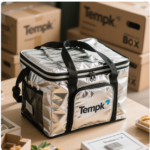
لوازم تيمبك تغليف السلسلة الباردة الخيارات بما في ذلك عبوات الجل القياسية وخيارات مواد تغيير الطور المصممة هندسيًا, العبوة المعزولة مع خيارات EPP, وتصميم الحزمة أو دعم الاختبار. يمكننا مناقشة التكوين المقترح باستخدام متطلبات درجة الحرارة, حمولة, طريق, وعملية المناولة التي يحددها المشتري. للاستخدامات الفضائية, درجة المادة المطلوبة, خصائص خاصة, خطة الاختبار, الوثائق, ويجب تأكيد قبول البرنامج للتطبيق الدقيق. Tempk لا يفترض أن حاوية معزولة معتمد تلقائيًا في مجال الطيران أو مناسب لكل عنصر.
تحديد الأدلة قبل الأمر: مشاركة الحمولة الخاصة بك, طريق, الشرط المطلوب, وقيود البرنامج مع Tempk لمناقشة الحزمة المناسبة ومسار التحقق.