اختيار جل التبريد القابل لإعادة الاستخدام لشحن الآيس كريم للطرق الحقيقية, منتجات حقيقية, والموردين الحقيقيين
يمكن لجل التبريد القابل لإعادة الاستخدام أن يدعم شحن الآيس كريم, ولكن يجب على مشتري الجملة التعامل معها كأداة خاصة بالحارة, ليست إجابة عالمية. لفترة قصيرة جدا, الطرق الخاضعة لرقابة مشددة قد تكون كافية; لممرات الطرود الأطول أو عمليات التسليم في الموسم الحار, غالبًا ما يحتاج الآيس كريم إلى حماية مجمدة أكثر قوة مما يمكن أن توفره عبوات الجل المبردة القياسية.
هذا هو السبب في أن أفضل المشترين لا يسألون فقط, "ما مدى برودة العبوة?يسألون كيف تتصرف العبوة بعد التجميد, كيف يناسب الصندوق, كيف يتم حماية المنتج من الاتصال المباشر, وما إذا كان بإمكان الشركة المصنعة الاحتفاظ بالتفاوتات مع مرور الوقت. هذه الأسئلة مهمة أكثر من مجرد لغة تسويقية واسعة النطاق.
القرار القوي يبدأ بالسياق. أنت بحاجة إلى معرفة نطاق درجة الحرارة المطلوبة, أطول نافذة عبور ومسكن واقعية, حساسية المنتج, والطريقة التي سيقوم بها فريقك بتجميع الشاحن فعليًا. بمجرد أن تصبح هذه الأساسيات واضحة, يصبح من الأسهل بكثير تحديد ما إذا كان هذا التنسيق هو الإجابة الصحيحة, ما إذا كانت هناك حاجة إلى مبرد مختلف, وما هو نوع دعم الموردين الأكثر أهمية.
ما يفعله تنسيق الحزمة هذا عمليًا
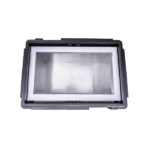
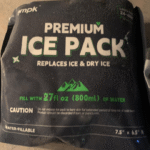
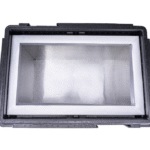
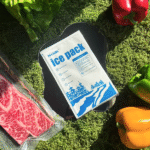
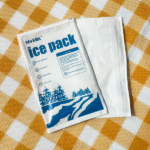
قابلة لإعادة الاستخدام حزمة هلام التبريد أو الطوب المستخدم بجانبه العبوة المعزولة في الآيس كريم والحلويات المجمدة. اعتمادا على السوق, يمكن للمشترين أن يطلقوا عليه اسم جل التبريد القابل لإعادة الاستخدام, حزمة جل مجمدة, والآيس كريم حزمة المبرد. تتغير التسمية, لكن الوظيفة الأساسية هي نفسها: يتم تجهيز العبوة مسبقًا في الثلاجة أو الغرفة الباردة, محملة حول الحمولة, وتستخدم مع العزل لإبطاء انتقال الحرارة. بالنسبة لبعض البرامج، يعد هذا مكونًا يمكن التخلص منه أو أحادي الاتجاه. بالنسبة للآخرين فهو جزء من حلقة قابلة لإعادة الاستخدام.
النقطة الأكثر أهمية هي أنه ينبغي التعامل مع هذا التنسيق باعتباره مكونًا حراريًا, ليس بمثابة ضمان الشحن الكامل. يمكن أن تساهم في القدرة الباردة واستقرار درجة الحرارة, لكنه لا يحل محل العزل, وضع الحزمة المناسبة, تخطيط الطريق, أو استلام الشيكات. وهذا التمييز مهم في كل قطاع, من أحواض الآيس كريم, مكبرات الصوت الجيلاتي, وقضبان جديدة لأحمال أكثر حساسية.
للآيس كريم, نفس التنسيق يتعرض لمزيد من الضغط. يمكن أن تكون العبوة المقبولة للأطعمة المبردة ضعيفة جدًا بالنسبة لطرق الحلوى المجمدة حقًا, خاصة في الصيف أو في شبكات الطرود ذات فترات الإقامة الطويلة.
كيف يعمل هذا التنسيق في الواقع
تعمل جميع المبردات السلبية عن طريق امتصاص الحرارة من البيئة الأكثر دفئًا المحيطة بها. مع أنظمة هلامية شائعة تعتمد على الماء, يأتي جزء كبير من التأثير الوقائي من الطاقة اللازمة لتدفئة وإذابة العبوة المجمدة. يحافظ هيكل الجل على الماء في مكانه بحيث يكون التعامل مع العبوة أسهل من التعامل مع الثلج السائب, وفي العديد من التصميمات، يساعد أيضًا العبوة على البقاء على اتصال بجدار الشاحن أو حول المنتج.
يتشكل الأداء بأكثر من مجرد التعبئة نفسها. سمك الفيلم أو القشرة, مساحة سطح العبوة, درجة حرارة البداية, كتلة الحمولة, مساحة الرأس, نوع العزل, والتعرض الخارجي كل شيء يهم. قد تقوم الحقيبة المرنة الرقيقة بتغليف المنتج جيدًا ولكنها تسخن بشكل أسرع إذا لم يكن هناك كتلة تبريد إجمالية كافية. قد يحتفظ الطوب الصلب بالهيكل والموضع بشكل أفضل، ولكنه يمكن أيضًا أن يخلق مساحة غير مستخدمة إذا لم يتطابق مع هندسة الكرتون.
وهذا أيضًا هو المكان الذي يحتاج فيه المشترون إلى التمييز بين الجل العادي المعتمد على الماء والمواد المتغيرة الطور المختارة لنطاق درجة حرارة أضيق. غالبًا ما يكون الجل ذو الأساس المائي مفيدًا للحماية المبردة لأنه يتصرف حول نقطة تجمد الماء. إذا كان المسار يحتاج إلى تحكم أكثر صرامة فوق تلك النقطة أو أسفلها, PCM مختلفة, الثلج الجاف, أو قد يكون النظام النشط أكثر ملاءمة. تعتمد الإجابة الصحيحة على متطلبات المنتج, ليس على تفضيل عام لنوع واحد من المبردات.
عندما يكون الأمر منطقيًا - ومتى لا يكون كذلك
أقوى حالات الاستخدام هي تلك التي يتطابق فيها تنسيق المبرد مع طراز التشغيل. في برنامج الجملة منظم, يمكن أن يكون جل التبريد القابل لإعادة الاستخدام لشحن الآيس كريم فعالاً للغاية عندما تتبع الشحنات أنماط العبوات القابلة للتكرار وعندما يتم فهم ملف تعريف المنتج. ولهذا السبب يعتبره المشترون في كثير من الأحيان بمثابة أحواض الآيس كريم, مكبرات الصوت الجيلاتي, أشرطة الجدة, وتشكيلات الحلوى المجمدة.
إنها ليست قوية بنفس القدر في كل المواقف. حيث تكون المنتجات حساسة للغاية للتجميد, حساسة للغاية للحرارة, أو تخضع لعبور طويل غير متحكم فيه, قد يحتاج نظام التغليف إلى ضوابط أكثر صرامة مما يمكن أن يقدمه النهج القياسي المعتمد على الهلام. على نفس المنوال, قد يكون التنسيق الذي يعمل بشكل جميل في الحقائب القابلة للإرجاع غير فعال في علب الطرود الكرتونية ذات الاتجاه الواحد, وقد لا تتمكن الحزمة المقبولة للتوزيع الحضري القصير من البقاء على قيد الحياة في شبكة متعددة الأيام ذات تعرض عالي للشرفة.
في الممارسة العملية, السؤال الأفضل ليس ما إذا كان التنسيق "جيدًا" أم "سيئًا". السؤال الصحيح هو ما إذا كان مناسبًا لمسارك, حمولتك, وانضباط التعبئة الخاص بك. هذا هو الإطار الذي يمنع الإفراط في الشراء وقلة الحماية.
المزايا الرئيسية والمقايضات
تظهر معظم مشكلات الشراء عندما تركز الفرق على الجانب الإيجابي فقط. يعد العرض المتوازن أكثر فائدة لأن الميزة نفسها التي تساعد برنامجًا ما يمكن أن تضر برنامجًا آخر. يمكن للمرونة تحسين الاتصال ولكن التعامل مع الخط بطيء. يمكن للطوب الصلب أن يبسط عملية التنسيب ولكنه يقلل من حجم الحمولة الصافية. يمكن أن تؤدي إعادة الاستخدام إلى تقليل التكلفة المتكررة ولكنها تؤدي إلى إنشاء أعمال فحص.
- فائدة: يمكن لغازات التبريد القابلة لإعادة الاستخدام أن تخفض التكلفة الاستهلاكية المتكررة في الحلقات المغلقة أو برامج التسليم الإقليمية.
- فائدة: بالمقارنة مع الجليد السائب, تعمل أنظمة الجل المختومة على تقليل المياه الذائبة وتبسيط عملية المعالجة.
- فائدة: للأحمال المجمدة الكثيفة في الممرات القصيرة, يمكن أن يوفر الطوب الهلامي الصلب حماية مستقرة من الأعلى والجانبي.
- فائدة: تقدر بعض العمليات إعادة الاستخدام لأنها تعمل على تحسين القدرة على التنبؤ بمحطة التعبئة وتقليل التخلص الفوضوي.
- حد: تنجرف مبردات الجل القياسية نحو الشكل المبرد أثناء ذوبانها, والتي قد تكون دافئة جدًا بالنسبة للآيس كريم في الممرات الصعبة.
- حد: شبكات الطرود, الشرفة يسكن الوقت, ويمكن أن يطغى التعرض للصيف على العبوة المقبولة.
- حد: الآيس كريم حساس للغاية للتليين وإعادة التجميد المتكرر, لذا فإن حالات الفشل الصغيرة مهمة.
- حد: إن لوجستيات الإرجاع الخاصة بغازات التبريد القابلة لإعادة الاستخدام ليست دائمًا عملية في التنفيذ المباشر للمستهلك.
منطق المقايضة هذا هو ما يفصل بين قرار الشراء واستراتيجية التحكم في درجة الحرارة. عادةً ما يقوم المشترون الذين يفهمون كلا الجانبين بالتوحيد القياسي بشكل أسرع ويهدرون أموالًا أقل على الطيارين الفاشلين.
ما يجب مقارنته قبل تحديد الحزمة
يجب أن تبدأ عملية الاختيار بالطريق والحمولة, ليس مع كتالوج الأسهم. ابدأ بتحديد نطاق درجة الحرارة المستهدفة, أطول وقت واقعي للخروج من التخزين الخاضع للرقابة, درجة حرارة تحميل المنتج, والأبعاد الداخلية الفعلية للشاحن المعزول. بدون تلك الأساسيات, حتى الحزمة الجيدة من الناحية الفنية يمكن أن تصبح خيارًا خاطئًا.
من هناك, عادةً ما يقارن المشترون مدة المسار الفعلية, التعرض للطقس, ووقت إقامة الميل الأخير, كثافة الحمولة وحالة ما قبل التجميد للمنتج, سمك العزل وإدارة البخار/الرطوبة, اقتصاديات إعادة الاستخدام في حلقة مغلقة مقابل التوزيع في اتجاه واحد, وما إذا كان المبرد مخصصًا للخدمة المبردة أو الدعم المجمد الحقيقي. كما أنه يساعد على النظر إلى نظام التعبئة الأوسع: ما مقدار مساحة الفريزر اللازمة للتهيئة المسبقة, ما إذا كان من الممكن عد العبوة ووضعها بشكل متسق, كم يستهلك مكعب الصندوق, وما إذا كان وزن الطرود الناتج لا يزال منطقيًا من الناحية التجارية.
نادرًا ما تحتوي القائمة المختصرة المفيدة على أكثر من خيارين أو ثلاثة خيارات. أبعد من تلك النقطة, غالبًا ما تتسبب الفرق في إجهاد المقارنة وتغفل عن ظروف الطريق التي تحدد النجاح حقًا.
لماذا تتغير قرارات المصادر؟
عبر سلسلة التبريد والتوزيع الحساس لدرجة الحرارة, يتعرض المشترون لضغوط لتقليل التلف دون ببساطة رمي المزيد من سائل التبريد في كل صندوق. تكلفة الشحن, استخدام الطاقة في المستودعات, تَعَب, والتخلص من كل ذلك يدفع فرق المشتريات نحو تصميمات التعبئة والتغليف التي تكون أسهل في التوحيد وأسهل في الحجم الصحيح.
لهذا السبب, لقد انتقل الطلب نحو تجزئة المنتج بشكل أكثر وضوحًا: حزم مرنة للهندسة غير النظامية, الطوب الصلب للتخطيطات المتكررة, وخيارات PCM ذات درجة حرارة أضيق حيث تبررها متطلبات المنتج. إعادة الاستخدام تحظى بالاهتمام أيضًا, ولكن ليس كفضيلة قائمة بذاتها. يريد المشترون إعادة الاستخدام فقط عندما يعمل مع حلقة الاسترداد الفعلية الخاصة بهم ولا يؤدي إلى عمالة مخفية أو مخاطر على الجودة.
أدوات اتخاذ القرار مفيدة
تحقق من التفاصيل قبل اختيار التغليف
يمكن أن تساعدك هذه الأدوات السريعة في مقارنة مخاطر المسار, احتياجات التحجيم, خيارات المبرد, وتفاصيل التعبئة والتغليف قبل أن تطلب عرض أسعار.
مرجع المواد العازلة
قارن بين خيارات المواد العازلة لاحتياجات التعبئة والتغليف المختلفة لسلسلة التبريد.
قارن الموادمحدد التعبئة والتغليف
قارن بين خيارات التغليف المعزولة حسب المنتج, طريق, ودرجة الحرارة اللازمة.
البحث عن التعبئة والتغليفمقاومة سقوط المواد العازلة
مراجعة مقاومة السقوط وعوامل المناولة قبل اختيار المواد العازلة.
تحقق من المقاومةفي هذا السياق, الاستدامة ليست مجرد قصة مواد. إنها أيضًا قصة منع النفايات. يمكن أن تؤدي إمكانية إعادة الاستخدام إلى تقليل الهدر في برامج التسليم من المستودع إلى المتجر أو عن طريق الطريق, يؤدي التغليف الزائد للشحنات المجمدة إلى زيادة انبعاثات الشحن, لذا فإن الحجم الصحيح مهم, وغالبًا ما يكون لمنع نفايات الصهر وإعادة التجميد فائدة بيئية أكبر من الفوز بمواد التعبئة والتغليف الضيقة. في العديد من البرامج, إن التحسين البيئي الأكثر أهمية يأتي من تقليل فقد المنتج والتعبئة الزائدة في نفس الوقت.
التفاصيل التي تقرر ما إذا كان التصميم يعمل أم لا
لا يزال من الممكن أن يفشل سائل التبريد القوي في سير العمل الضعيف. تحتاج العبوات إلى الوقت الكافي والبيئة المناسبة للوصول إلى حالة البداية المقصودة قبل الاستخدام. غالبًا ما تحتاج الحمولة إلى التبريد المسبق أيضًا. إذا دخل المنتج إلى الشاحن دافئًا, يضطر المبرد إلى إنفاق طاقته في تصحيح مشكلة التعبئة بدلاً من حماية المسار.
التنسيب مهم بنفس القدر. تأتي العديد من حالات الفشل من مشكلات بسيطة مثل وجود مساحة فارغة كبيرة جدًا, حماية علوية سيئة, الاتصال المباشر حيث كان ينبغي استخدام الفاصل, أو عدم تناسق عدد العبوات بين الورديات. ولهذا السبب تقوم فرق العمليات الجيدة بكتابة الحزمة كتسلسل بناء قابل للتكرار بدلاً من ترك موضع التنفيذ للحكم الشخصي.
عندما يجرب المشترون تنسيقًا جديدًا, وينبغي عليهم توثيق سير العمل بأكمله، وليس فقط أداء درجة الحرارة. الوقت لتجميد, سهولة العد, الطلب مكعب الفريزر, عبء العمل, ويؤثر اتساق إغلاق الصندوق على ما إذا كان التصميم قابلاً للتوسع.
حدود الامتثال وما يمكن أن يخبرك به الاختبار بالفعل
أحد أخطاء الشراء الأكثر شيوعًا هو التعامل مع مواصفات مادة التبريد كما لو كانت عبارة عن بيان امتثال. في الواقع, العبوة هي مجرد عنصر واحد ضمن نظام التعبئة والتغليف. بالنسبة للبرامج الغذائية, يجب على النظام أن يحافظ على المنتج ضمن ظروف الاستلام الآمنة. للممرات الصيدلانية والطبية, تختلف المتطلبات حسب المنتج, طريق, ونظام الجودة, وقد تكون هناك حاجة إلى مؤهل إضافي.
ولهذا السبب يشير التطوير الحراري في كثير من الأحيان إلى أساليب الاختبار المعترف بها مثل ASTM D3103 للأداء الحراري للعبوة المعزولة, ASTM D4332 للتكييف, وإجراءات ISTA الحرارية عندما تقوم الشركات بمقارنة أو تحسين تصاميم الشحن السلبية. لا تثبت هذه المعايير تلقائيًا أن المسار الخاص بك آمن. ما يقدمونه هو طريقة منظمة لمقارنة سلوك التغليف في ظل ظروف محددة.
للمشتريات العملية, السؤال الذي يجب طرحه بسيط: ما الدليل الذي لدينا على أن هذا المبرد بالضبط, في هذا الشاحن بالضبط, مع هذا الحمل بالضبط, يمكن التعامل مع حارتنا الواقعية? يعد هذا السؤال أكثر فائدة بكثير من الادعاءات العامة حول عدد الساعات التي يمكن أن تبقى فيها العبوة باردة في الملخص.
كيفية فحص الموردين قبل الموافقة الجماعية
عندما تتضمن الكلمة الرئيسية الجملة, مزود, أو نية الشركة المصنعة, هذا هو القسم الأكثر أهمية. لا تقوم فرق المشتريات الجيدة ببساطة بمقارنة مجموعة العينات على مقاعد البدلاء. ويتساءلون عما إذا كان بإمكان المورد إعادة إنتاج نفس الأداء والملاءمة البدنية بعد أول منصة نقالة, البليت العاشر, وموسم التحول الحتمي.
- اطلب من المورد التمييز بين أداء الجل المبرد وأداء الشحن المجمد.
- راجع ما إذا كانوا يوصون بالثلج الجاف أو PCM للممرات الأطول أو الأكثر سخونة.
- تحقق من متانة الفيلم أو القشرة, لأن العبوات المجمدة يمكن أن تتشقق أو تنثقب عند التعامل معها بصعوبة.
- تأكيد الامتصاص, بطانة, وتوصيات إدارة التكثيف لأحداث الذوبان.
- إذا كنت تريد إعادة الاستخدام, اسأل عن عدد الدورات الواقعية قبل ظهور انحراف الأبعاد أو الختم.
- اطلب اختبار المسار الصيفي بدلاً من الاعتماد فقط على العروض التوضيحية لغرفة التجميد.
- أخيراً, التحقق من مدى ملاءمتها للطريق الفعلي, منتج, وشروط التعامل.
عادة ما يكون المورد الأقوى هو الذي يقلل من عدم اليقين. وهذا قد يعني التحمل أفضل, توجيه تكييف أكثر وضوحا, تتبع أقوى, أو مناقشة أكثر صدقًا حول المكان الذي لا تكون فيه الحزمة هي الإجابة الصحيحة.
أخطاء متكررة في شراء واستخدام هذا التنسيق
معظم حالات الفشل ليست عيوبًا مادية كبيرة. إنها أخطاء عملية عادية تتفاقم بمرور الوقت. والشيء المفيد فيها هو أنها عادة ما تكون قابلة للإصلاح بمجرد تسميتها بوضوح.
- الشحن في وقت متأخر من الأسبوع يمكن أن يحبس الأحمال المجمدة في المستودعات
- يبدأ المنتج غير المتجمد الرحلة باحتياطي حراري قليل جدًا
- تسمح الفجوات الموجودة داخل الكرتونة بتدوير الهواء الدافئ وتسريع عملية التليين
- الاتصال المباشر بين الثلج الجاف والمنتج يمكن أن يسبب ضررًا إذا لم يتم فصله بشكل صحيح
- الموافقة على طلب بالجملة بعد اختبار عينة لا تعكس الشحنة الحقيقية
- التركيز على تكلفة الوحدة مع تجاهل وزن الصندوق, مكعب الفريزر, أو تأثير العمالة
- بافتراض أن وزن سائل التبريد الاسمي يقول ما يكفي عن أداء المسار
- إعادة استخدام الحزم دون فحصها في سير عمل يحتاج بالفعل إلى الفحص
- تغيير هندسة الكرتون أو ترتيب الحمولة دون إعادة فحص التصميم الحراري
- التعامل مع الاستدامة كموضوع منفصل بدلاً من ربطها بالفساد, وزن الشحن, والخدمات اللوجستية الانتعاش
- تقييم الموردين بناءً على سرعة عرض الأسعار وحدها بدلاً من استمرارية العرض وجودة الاتصال
إذا تمكن الفريق من القضاء حتى على اثنين أو ثلاثة من هذه الأخطاء, فهو عادةً ما يحسن النتائج بشكل أسرع من التحول إلى منتج أكثر تكلفة.
التعليمات
يمكن أن يحافظ الجل القابل لإعادة الاستخدام بمفرده على الآيس كريم مجمداً?
في بعض الأحيان باختصار, ممرات خاضعة للرقابة مع منتج كثيف مجمد مسبقًا. لطرق أكثر صرامة, ينتقل العديد من المشترين إلى الثلج الجاف, بي سي إم, أو العبوات الهجينة.
قابلة لإعادة الاستخدام دائمًا أفضل للبيع بالجملة?
فقط إذا كنت تستطيع التعافي, فحص, وإعادة تجميد المبردات بكفاءة.
ما الذي يجب أن أختبره أولاً?
اختبر حارتك الأكثر سخونة وأطول حارة لديك. إذا فشل التصميم هناك, أنها ليست جاهزة للقياس.
الاستنتاج القصير للمشترين
عادةً ما يأتي قرار الشراء الأفضل بما يناسبك. إن جل التبريد القابل لإعادة الاستخدام لشحن الآيس كريم يكون منطقيًا عند سلوك درجة الحرارة, شكل, التعامل مع سير العمل, ويتطابق دعم الموردين مع المسار الفعلي والمنتج. يصبح خيارًا سيئًا عندما تشتريه الفرق كسلعة عامة وتتوقع أن تحل مشكلة التعبئة والتغليف بنفسها.
حول Tempk
نحن نقدم تغليف السلسلة الباردة منتجات مثل عبوات جل الثلج, طوب الجليد, أكياس معزولة, وحلول الكرتون المعزولة للشحنات الحساسة لدرجة الحرارة. للحلويات المجمدة, يمكننا مساعدة المشترين على مقارنة أشكال الهلام القابلة لإعادة الاستخدام مع خيارات سلسلة التبريد الأخرى بحيث تناسب العبوة المسار بدلاً من فرض حل مبرد على مشكلة مجمدة.
الخطوة التالية
إذا كنت تبيع الآيس كريم بالجملة, قم ببناء قرار التبريد الخاص بك حول مدة المسار, التعرض للصيف, ولوجستيات الاسترداد - وليس حول سعر العبوة وحده.