سلسلة التبريد Gel Pack بيع التكنولوجيا الحيوية بالجملة: ما يجب أن يعرفه المشترون قبل الطلب
إن اختيار حزمة هلام سلسلة التبريد بشكل جيد في مجال التكنولوجيا الحيوية بالجملة يعني الإجابة على أربعة أسئلة مبكرًا: ما الفرقة درجة الحرارة التي تحتاج إليها, كم طول الطريق حقا, ما يمكن أن يتحمله المنتج, ومدى الاتساق الذي يجب أن يكون عليه المورد. في مجال الخدمات اللوجستية في مجال التكنولوجيا الحيوية, يرتبط التحكم في درجة الحرارة مباشرة بسلامة المنتج, موثوقية الدراسة, ومخاطر الجودة. مكون التغليف نفسه عبارة عن عبوة هلامية: مختومة حزمة المبردات مليئة بالهلام المائي أو أي وسيلة أخرى لتغيير الطور.
المشترين الجيدين لا يتوقفون عند تعريف المكون. يقارنون الهندسة, تكييف, حدود المؤهلات, واتساق المورد لأن الكمادات الباردة غير المناسبة للمسار يمكن أن تكون مشكلة تمامًا مثل الكمادات الضعيفة. يحتاج شريك البيع بالجملة في مجال التكنولوجيا الحيوية إلى دعم الاتساق, التتبع, والسيطرة على المخاطر, ليس فقط تقديم رخيصة عبوات باردة.
حيث يتناسب هذا المبرد مع نظام الشحن
عادةً ما تصف حزمة سلسلة التبريد Gel Pack Biotech Wholesale الحاجة إلى المصادر المبنية على تنسيق واحد والعديد من قرارات التشغيل. لا يختار المشترون ببساطة الكمادات الباردة. إنهم يختارون كيفية تصرف سائل التبريد هذا في صندوق حقيقي, على ممر حقيقي, مع فريق مستودع حقيقي.
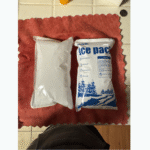
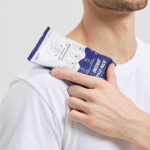
المكون الأساسي عبارة عن حزمة هلامية تستخدم داخل الشاحن السلبي أو الطرود المعزولة. لأن الشكل مرن, إنه يعمل بشكل جيد في أجهزة البريد المعزولة, شاحني العينات, كرتونة صغيرة, وتجميعات المعدات حيث تحتاج إلى اتصال واسع ولكن قابل للتكيف. تُستخدم عبوات الجل على نطاق واسع للشحنات المبردة والمُراقبة لأنها نظيفة, قابلة للتطوير, ومتوافقة مع الأنظمة المعزولة السلبية.
يصبح قرار الشراء أكثر وضوحًا بمجرد الفصل بين الأسئلة الثلاثة: مما تتكون العبوة, كيف مشروطة, وما إذا كان تصميم الشحن بأكمله مناسبًا للمنتج. يعد هذا الإطار أكثر فائدة من مقارنة الصور المخزنة أو المطالبات العامة بالاحتفاظ بالبرودة.
كيف يتحكم المبرد فعليًا في درجة الحرارة
تعمل عبوة الجل على حماية درجة الحرارة من خلال العمل كمخزن حراري داخل النظام السلبي. يعمل العزل على تقليل معدل اكتساب الحرارة من خارج الطرد, ويقوم المبرد بامتصاص تلك الحرارة لفترة محدودة بعد التعبئة. هذا يبدو بسيطا, لكن الأداء يعتمد بشكل كبير على التكييف, الموضع, وحساسية المنتج.
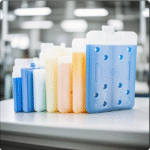
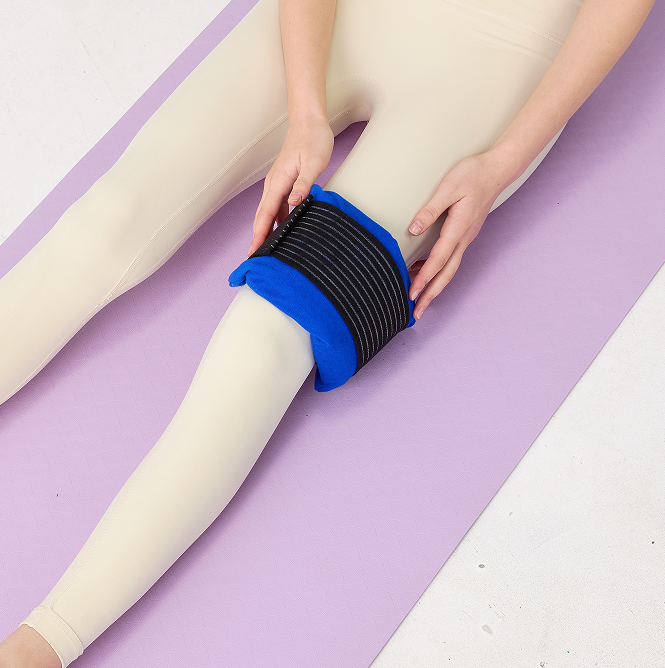
تمنحك العبوة الرفيعة مزيدًا من الاتصال ويمكن أن تبرد بشكل أسرع, في حين أن الكتلة أو الطوب الأثقل عادة ما تحمل احتياطيًا أكبر. تعمل البطانيات والوسائد على تحسين التغطية; تعمل الوسادات على إنشاء واجهة أكثر انبساطًا; العبوات القياسية متعددة الاستخدامات وسهلة التغيير. الهندسة الصحيحة هي التي تدعم مسارك دون إضاعة الحجم أو إنشاء نقطة باردة غير آمنة.
توضح إرشادات البنك الحيوي العام الفرق بوضوح – عبوات هلامية لنطاقات معينة من المواد الباردة والمبردة, الثلج الجاف لنطاقات أكثر برودة, والشاحنين الجافين للظروف المبردة. لكن مشتري التكنولوجيا الحيوية يعرفون بالفعل الحقيقة الصعبة: حزمة الجل ليست مطالبة للتحقق من الصحة. مؤهل, خطر الطريق, ولا تزال بيانات الاستقرار تتحكم في التصميم. للبرامج الحساسة, تصميم المسار الفعلي ومخاطر التأخير, ليس فقط وعد الخدمة المثالية.
الجانب العلمي المادي لقرار الشراء
من وجهة نظر المواد, يتم تصنيع معظم المبردات الهلامية التجارية حول هلام مائي أو تركيبة أخرى متغيرة الطور موجودة داخل طبقة خارجية محكمة الغلق. تشير معلومات الشركة المصنعة العامة عادةً إلى مادة البولي إيثيلين المتينة أو أفلام اللدائن الحرارية المماثلة, طبقات مختومة بالحرارة, والتصميمات التي تهدف إلى تقليل التسرب أثناء المناولة. هذا البناء الأساسي يبدو بسيطا, ولكن الاختلافات الصغيرة في قوة الفيلم, جودة الختم, والتحكم في وزن التعبئة يمكن أن يغير الأداء الميداني بشكل كبير.
هناك خاصيتان مهمتان أكثر مما يتوقعه المشترون في بعض الأحيان. الأول هو الكتلة الحرارية: المزيد من الكتلة يعني عادة المزيد من الاحتياطي, ولكنه يضيف أيضًا وزن الشحن واستهلاك الحجم الداخلي. والثاني هو سلوك الاتصال: يمكن أن تلتف العبوة المرنة وتبرد بسرعة, في حين أن الشكل الصلب يمكن أن يجعل الوضع أكثر قابلية للتكرار ويقلل من حركة العبوة داخل الصندوق. هذا هو السبب في أنه التنسيق الأكثر تنوعًا: من السهل وضعها أعلاه, أقل, أو حول المنتج ومتوفر بعدة أوزان وأبعاد.
هناك أيضًا مشكلة تتعلق بانضباط البيانات. ينشر بعض الموردين نسب بداية تقريبية لشحن المواد الغذائية والطرود, مثل استخدام حوالي رطل واحد من سائل التبريد لكل رطلين من المنتج. يمكن أن يكون ذلك مفيدًا كاختصار للتخطيط, ولكنها ليست قاعدة التصميم. موسم, ملف تعريف المحيط, العزل, مساحة فارغة بالكرتون, ويمكن لدرجة حرارة بدء المنتج أن تحرك المتطلبات بعيدًا عن أي نسبة عامة.
حيث يعمل بشكل جيد
عادةً ما يبدأ التوافق الجيد بالمنتج والطريق وليس بكتالوج غاز التبريد. إنه التنسيق الأكثر تنوعًا: من السهل وضعها أعلاه, أقل, أو حول المنتج ومتوفر بعدة أوزان وأبعاد. عندما يكون التنسيق متطابقًا جيدًا مع المسار, يمكن أن يقلل من الفوضى, تحسين جودة الاستلام, وجعل عمل المستودعات أكثر قابلية للتكرار.
عادة ما يحصل المشترون على أفضل النتائج عندما يتناسب المبرد بشكل طبيعي مع الشاحن المعزول الموجود, سير عمل الفريزر, وعملية الاستلام. هذا مهم لأن المجموعة القوية من الناحية الفنية لا تزال خيارًا سيئًا إذا كانت الفرق تكافح من أجل تكييفها, وضعه بشكل صحيح, أو تجديده بشكل موثوق.
في مجال التكنولوجيا الحيوية, يكون الملاءمة الأقوى عادة للشحنات المبردة أو المبردة الخاضعة للرقابة حيث يكون المنتج حساسًا لدرجة الحرارة ولكنه لا يتطلب ثلجًا جافًا أو نقلًا مبردًا. لأن قيمة المحتويات يمكن أن تكون عالية, يميل المشترون إلى تفضيل التنسيق الذي يخلق أقل قدر من المخاطر الإجرائية.
عوامل الاختيار التي تهم أكثر من سعر الوحدة
ابدأ بالطريق وتحمل المنتج, ثم العمل للخلف إلى المبرد. هذا التغيير الوحيد في التسلسل يمنع العديد من عمليات الشراء السيئة لأنه يجبرك على مقارنة العبوة بالشحنة التي تقوم بتشغيلها بالفعل.
قياس الأبعاد الداخلية, ليس فقط حجم الكرتون الخارجي. تحقق من الحجم القابل للاستخدام, وضع الحزمة المحتمل, وما إذا كان المبرد سيخلق اتصالًا مباشرًا بحمولة حساسة للتجميد. تساعد مرونتها في التعبئة, لكن العبوات الخفيفة جدًا يمكن أن تسخن بسرعة على الطرق الطويلة إذا تم استخدامها بدون كتلة أو عزل كافٍ. في العديد من البرامج, الخيار الأفضل هو التصميم الذي يلبي المسار مع أبسط حزمة قابلة للتكرار.
أدوات اتخاذ القرار مفيدة
تحقق من التفاصيل قبل اختيار التغليف
يمكن أن تساعدك هذه الأدوات السريعة في مقارنة مخاطر المسار, احتياجات التحجيم, خيارات المبرد, وتفاصيل التعبئة والتغليف قبل أن تطلب عرض أسعار.
سائل التبريد & مرجع PCM
قارن خيارات سائل التبريد وPCM عندما يحتاج المسار إلى دعم إضافي لدرجة الحرارة.
قارن الخياراتمولد قائمة التحقق من الامتثال
قم ببناء قائمة مرجعية عملية لمراجعة التغليف, شحن, والتوثيق.
بناء قائمة مرجعيةمدقق مخاطر الطريق
قم بمراجعة ظروف المسار قبل اختيار التغليف لمتطلبات التشغيل الحقيقية.
تحقق من مخاطر الطريققارن أيضًا طريقة التكييف, مراحل الفريزر, منطق التلقي, وتأخير التسامح. يقدم بعض الموردين قواعد البدء المفيدة, ولكن ينبغي التعامل مع هذه الأمور كإشارات تخطيطية فقط حتى يتم اختبار الحزمة على مسار واقعي. يصبح دليل المشتري ذا قيمة فقط عندما يتحول إلى قرار مدرك للطريق.
لماذا لا تزال الوثائق والمؤهلات مهمة؟
أحد الفروق الأكثر فائدة للمشترين هو الخط الفاصل بين مكون التبريد ونظام الشحن المؤهل. إرشادات منظمة الصحة العالمية للوقت- وتعالج المستحضرات الصيدلانية الحساسة لدرجة الحرارة عبوات الهلام, الطوب, زجاجات, الحقائب, والمبردات ذات الصلة كوسيلة لتثبيت درجة الحرارة داخل الحاويات السلبية. ينطبق عبء التأهيل على التصميم الإجمالي, ليس للكمادة الباردة وحدها.
وهذا مهم حتى خارج قطاع الأدوية، لأن نفس المنطق ينطبق من الناحية العملية على الغذاء, مستحضرات التجميل, معمل, وأعمال التكنولوجيا الحيوية. لا يزال من الممكن أن تفشل الكمادات الباردة الجيدة في الشحن إذا كان المسار, العزل, أو التعبئة والتغليف خاطئة.
يعد مؤهل المورد جزءًا من هذه الحدود. إذا كانت مكونات التعبئة والتغليف مهمة لعملية الجودة الخاصة بك, نسأل كيف ملء الوزن, ختم, تعريف, ويتم التحكم في أي تغييرات مستقبلية في التصميم وإبلاغها. وهذا يحول الامتثال من كلمة غامضة إلى قائمة مرجعية للشراء.
ماذا تسأل الموردين قبل الطلب بكميات كبيرة
تجمع القائمة المختصرة العملية بين الأسئلة الهندسية وأسئلة الشراء. أنت لا تشتري فقط شكل المبردات. أنت تشتري التكرار, الانضباط التجديد, وعلاقة التحكم في التغيير. يجب عليك أن تسأل عن وزن التعبئة, سمك الفيلم, جودة التماس, وكيف يتحكم المورد في الاتساق بين الكثير.
- الأبعاد الداخلية مقابل الأبعاد الخارجية. اطلب التوافق الداخلي الدقيق مع الشاحن أو الكرتونة المعزولة التي تستخدمها بالفعل, ليس فقط الحجم الاسمي للحزمة.
- الحجم القابل للاستخدام ووضع العبوة. تأكيد ما إذا كانت الحزمة تعمل أعلاه, أقل, بجانب, أو حول المنتج ومقدار المساحة القابلة للبيع التي يستهلكها.
- تفاصيل المواد والراتنج. اسأل ما هو هيكل الفيلم المستخدم, كيف تصنع اللحامات, وما إذا كانت العبوة مقاومة للتسرب بما يكفي لظروف التعامل الخاصة بك.
- بروتوكول التكييف. وضح ما إذا كان ينبغي تجميد العبوة بشكل صلب, مبردة, أو خفف قبل الاستخدام, والمدة التي تستغرقها عملية التهيئة المسبقة في مجمد المستودع العادي.
- التراص وكفاءة العودة. لبرامج أكبر, نسأل ما إذا كانت حزمة القضية, نمط البليت, ونموذج إعادة الاستخدام المحتمل يعمل على تحسين التخزين وكفاءة اللوجستيات العكسية.
- وضع العلامات والتتبع. تحقق مما إذا كان الكثير, رموز التاريخ, أو يمكن تطبيق المعرفات المخصصة بشكل متسق لتلقي أعمال التحقيق.
- اتساق العينة إلى الإنتاج. اطلب من المورد أن يشرح كيفية التحقق من صحة العينة, الكثير الطيار, ويتم الحفاظ على محاذاة الإنتاج الضخم مع مرور الوقت.
- مو, مهلة, والخيارات المخصصة. قارن مدى توفر المخزون بالسعة المخصصة الحقيقية حتى لا توافق على تنسيق لا يمكن تجديده عند ارتفاع الطلب.
- اطلب إمكانية تتبع الكمية, التحكم في الوزن, الشيكات الختم, ودليل على اتساق العينة مع الإنتاج.
- تحقق مما إذا كان تنسيق الحزمة مناسبًا أم لا 2-8 ج, درجة حرارة الغرفة التي تسيطر عليها, أو نطاق مستهدف آخر بعد التكييف.
- تأكد من كيفية دعم المورد للشحنات المراقبة, الشاحنين المؤهلين, والتحقيق في الرحلة إذا حدث خطأ ما.
يجيب الموردون الجيدون على هذه النقاط بوضوح قبل أول طلب كبير. يوفر هذا الانضباط المبكر الوقت لاحقًا عندما ترتفع الأحجام أو تتغير المسارات.
التحولات الصناعية التي تؤثر على المصادر
وتتحرك توقعات المشتري الحالية في اتجاه واضح. تريد الشركات مكونات التبريد التي تدعم التصميم الخاص بالمسار, تقليل نفايات التغليف التي يمكن تجنبها, وخلق فوضى أقل في التعبئة والاستلام. وهذا هو أحد الأسباب التي تجعل أشكال النقل القابلة لإعادة الاستخدام أو الأكثر متانة تستمر في جذب الانتباه في عمليات سلسلة التبريد.
تسلط المواد الصناعية والجمعيات حول عبوات النقل القابلة لإعادة الاستخدام الضوء على نفس منطق العمل: يمكن للتغليف المصمم لرحلات متعددة أن يقلل من تكلفة الرحلة ويقلل العبء البيئي عندما تكون حلقة العودة حقيقية وتتم إدارتها بشكل جيد. لا يمكن لكل برنامج أن يدعم إعادة الاستخدام, لكن الحديث عن المصادر يشمل بشكل متزايد إمكانية الإرجاع, Recyclabality, وكفاءة المواد بشكل عام بدلاً من النظر إلى سعر القطعة فقط.
يفضل مشترو علوم الحياة بشكل متزايد استخدام العبوات الخاصة بمسارات معينة بدلاً من استخدام أعداد غازات التبريد العامة ذات المقاس الواحد الذي يناسب الجميع. هناك تركيز متزايد على التوثيق, يراقب, وأنظمة التعبئة والتغليف التي تقلل من مخاطر الرحلة دون إضافة كميات كبيرة غير ضرورية. للمشترين, والخلاصة العملية هي أن اختيار الموردين يشمل الآن الاستخبارات التشغيلية: من يمكنه مساعدتك في تبسيط المسار, تحسين إمكانية تكرار الحزمة, وتقليل النفايات دون المخاطرة بأداء درجة الحرارة.
حيث يفقد المشترون الهامش أو الموثوقية
معظم مشاكل الشراء لا تأتي من عيوب التصنيع الكارثية. إنهم يأتون من عدم التطابق الهادئ بين القطيع, الصندوق, والحارة. يوافق المشتري على عينة واعدة, ثم يستخدم المستودع طريقة تكييف مختلفة, أو يتغير المربع المخصص, أو أن الطريق الصيفي أقسى من المسار التجريبي.
- الاختيار على أساس سعر الوحدة وحده وإهمال وزن الشحن, تأثير الأبعاد, وعمالة التعبئة.
- استخدام تنسيق مبرد يناسب صورة الكتالوج ولكنه يهدر الحجم الداخلي في الكرتون الحقيقي.
- تعتبر معاملة العبوات الصلبة المجمدة آمنة عالميًا حتى عندما يكون المنتج حساسًا للتجميد.
- بافتراض المرور على حارة قصيرة واحدة يثبت التصميم لكل وجهة وموسم.
- تخطي إمكانية تتبع الكمية ومن ثم النضال من أجل التحقيق في التسرب, ملء الاختلاف, أو شكاوى ميدانية.
- طلب الكميات بالجملة قبل التأكد من مطابقة دفعات الإنتاج للعينة المعتمدة.
- الخلط بين مكون التبريد النظيف ونظام الشحن المؤهل للمواد الخاضعة للرقابة أو الحساسة.
للبيولوجيا, الكواشف, أو عينات ذات قيمة عالية, حزمة الجل ليست سوى جزء واحد من النظام. بيانات الاستقرار, خطر الطريق, والمؤهلات لا تزال تقرر تصميم الشحن. عادة ما يكون الإصلاح عبارة عن اختبار منضبط, تصميم مدرك للطريق, واتصالات أقوى مع الموردين - وليس بالضرورة حزمة أكثر تكلفة.
إجابات قصيرة على الأسئلة الشائعة
هل يمكن لفريق التكنولوجيا الحيوية الاعتماد على عبوات الجل المجمدة القياسية؟ 2-8 ج- الشحنات?
ليس تلقائيا. يمكن للحزم الصلبة المجمدة أن تدفع درجات الحرارة المحلية إلى مستويات منخفضة للغاية. تستخدم العديد من الأنظمة حزمًا مكيفة, طبقات الانفصال, والحزم المؤهلة.
ما هي الوثائق التي يجب أن يتوقعها مشتري التكنولوجيا الحيوية؟?
إمكانية تتبع الكثير, اتساق الأبعاد, التحكم في وزن التعبئة, وتعليمات التعامل الواضحة هي التوقعات الأساسية. قد تطلب البرامج عالية المخاطر أيضًا مستندات الجودة الواردة وشفافية التحكم في التغيير.
لماذا تعتبر مخاطر الطريق مهمة جدًا؟?
لأن نفس سائل التبريد يمكن أن يتصرف بشكل مختلف تمامًا في حارة محلية قصيرة مقابل حارة طويلة مع مسكن المطار, جمارك, أو التعرض المتكرر للباب.
الوجبات الجاهزة النهائية
بعبارة أخرى, الشراء الجيد لا يتعلق بلغة الكتالوج بقدر ما يتعلق بالملاءمة: مناسب للمنتج, يصلح للحارة, تتناسب مع سير عمل المستودع, وتناسب توقعات الجودة. قبل أن تقوم بقياس عملية الشراء, تأكيد هندسة الحزمة, طريقة التكييف, مجموعة العزل, وانضباط الموردين في ظل نفس الظروف التي ستواجهها عمليتك بالفعل.
حول Tempk
و Tempk, نحن نركز على عبوة تسيطر عليها درجة الحرارة ل شحن السلسلة الباردة, مشتمل حزم الجليد, أكياس معزولة, صناديق تبريد, و أغطية البليت الحرارية. نحن نقدم أيضًا حلول تغليف مخصصة مبنية على مدة النقل, أهداف درجة الحرارة, مقاس, واحتياجات التعامل. للفرق التي تقوم بتقييم مبردات سلسلة التبريد, تكمن قوتنا العملية في الجمع بين مكونات التغليف والتفكير على مستوى النظام بحيث يتوافق الحل مع المسار بدلاً من الاعتماد على مطالبة عامة بالبرد.
الخطوة التالية
إذا كنت بحاجة إلى ملاءمة أفضل لنطاق درجة الحرارة لديك, وقت العبور, أو برنامج الطلب بالجملة, اطلب توصية تغليف مبنية على مسارك الفعلي. للمشاريع المخصصة أو بالجملة, ابدأ بالصندوق, الطريق, وحساسية المنتج – ثم اختر مادة التبريد.