مزود صندوق بارد: إطار كامل لتقييم مقدم الخدمة
برنامج شراء يمكن الدفاع عنه صندوق بارد يتبع المزود تسلسلاً: تحديد المنتج والمسار, تحويل الحجم الاسمي إلى خريطة التحميل, حدد الحزمة الكاملة, مراجعة الأدلة الخاصة بالتكوين, قم بتشغيل الإصدار التجريبي وقفل ضوابط الإنتاج. تم تصميم هذا التسلسل لتحديد الدعم الذي يقدمه المزود قبل مقارنة نماذج الصناديق مع الحفاظ على المشتريات, جودة, العمليات والتمويل على نفس الحقائق.
يتعامل الإطار المتكامل أدناه مع كل مطالبة مهمة على أنها مشروطة بصندوق التبريد الدقيق, سائل التبريد, حمولة, الملف الشخصي المحيط وإجراءات التشغيل. كما أنها تنشئ بوابات للتغيير بحيث لا يمكن لاستبدال أو مراجعة الإنتاج بتكلفة أقل أن يحرك المنتج الذي تم تسليمه بعيدًا عن الأدلة المستخدمة للموافقة.
قم ببناء متطلبات الشحن من صفحة واحدة قبل مراجعة المورد
يجب تحديد درجة الحرارة المستهدفة للمنتج الفعلي. مربع وصفه بأنه تغليف السلسلة الباردة لا يناسب تلقائيًا كل مبرد, شحنة مجمدة أو يمكن التحكم فيها في درجة حرارة الغرفة. تحديد نطاق درجة الحرارة المقبولة, قواعد الرحلة, حساسية التجميد, توجيه الحمولة واستلام القرار قبل مطالبة الموردين بالتوصية بالتكوين. دون تلك الحدود, يمكن للاقتباس أن يصف الأجهزة فقط, لا ملاءمة. للطعام, الرعاية الصحية, المختبر والتوزيع العام الحساس لدرجة الحرارة, يجب أن يوضح ملخص المتطلبات حدود المنتج, التعرض للطريق, الحمولة وقرار الاستلام قبل مقارنة صندوق التبريد.
قم بتعيين المالك للموافقة على المتطلبات قبل بدء أعمال التصميم. قم بتعيين المسار كسلسلة من التعرضات بدلاً من وقت عبور واحد. تضمين التكييف والتدريج قبل الإرسال, تأخير التحميل, تسليم السيارة أو الشحن الجوي, مسكن المستودع, جمارك, تسليم الميل الأخير والوقت قبل أن يفتح المتلقي الحزمة. يجب أن تتضمن المدة القصوى المقدرة انقطاعًا واقعيًا, ليس فقط وقت السفر المخطط له من قبل الناقل.
للطعام, الرعاية الصحية, المختبر والتوزيع العام الحساس لدرجة الحرارة, سجل أيضًا أبعاد الحمولة, الكتلة الحرارية, هشاشة التعبئة والتغليف الأولية, الاتجاه المطلوب وعدد المرات التي يمكن فيها فتح الغطاء. الحجم الداخلي المعلن ليس الحمولة القابلة للاستخدام. سائل التبريد, المقسمات, منصات واقية, الفضاء الجوي ومسجل البيانات يستهلكان الحجم, وقد تكون الهندسة المتبقية أكثر أهمية من اللترات الرئيسية. سجل النتيجة في مذكرة الشحنة المستخدمة للأغذية, الرعاية الصحية, المختبر والتوزيع العام الحساس لدرجة الحرارة.
اجعل خريطة التحميل مواصفات خاضعة للرقابة
يصف الحجم الداخلي المعلن عادةً المظروف الداخلي الإجمالي أو فئة التسويق, ليست المساحة المتاحة للمنتج بعد إنشاء حزمة العمل. اسأل عن الطول الداخلي, العرض والارتفاع في أضيق النقاط القابلة للاستخدام, بما في ذلك تدخلات الغطاء, جدران مدببة, آبار العجلات, مقابض أو فواصل. ثم قم بإنشاء خريطة تحميل مقياس بالحزم الأساسية الفعلية والمبرد. يجب أن تتم الموافقة على سعة صندوق التبريد من خلال خريطة التحميل الفعلية, ليس من حجم الكتالوج وحده.
قم بتحرير خريطة التحميل كجزء خاضع للرقابة من المواصفات التجارية. القدرة القابلة للاستخدام لها البعد الحراري. يؤدي استبدال المنتج بالهواء الفارغ إلى تغيير السعة الحرارية وحركة الهواء; يمكن أن يؤدي التغليف الزائد إلى منع التعرض المقصود لسائل التبريد أو سحق العبوة الأولية. يجب أن تتطابق حمولة الاختبار التمثيلية مع شحنة الإنتاج من الناحية الهندسية, الكتلة وحالة البداية قدر الإمكان. قد تكون زجاجة الماء أو الكتلة المعدنية ملائمة, ولكن لا ينبغي معاملتها على قدم المساواة دون مبرر.
للتوزيع التجاري, تأكد ما إذا كانت الحمولة عبارة عن مجموعة كبيرة واحدة, كرتون متعددة أو الطلب المختلط. فواصل, يمكن أن تؤدي ميزات التوجيه ورؤية الملصق إلى تحسين التعامل مع تقليل السعة. يجب أن يبين الرسم المعتمد ما قد يتغير وما هو ثابت, لأن التحول البسيط في موضع سائل التبريد أو الحمولة يمكن أن يؤثر على نتائج المستشعر وقابلية التكرار. احتفظ برسم التحميل المعتمد مع مواصفات صندوق التبريد.
استخدم السيناريو المناسب كاختبار الاختيار النهائي
يمكن لطريق محلي قصير مع مركبة يتم التحكم فيها وعودة سريعة أن يعطي الأولوية لقابلية التنظيف, التعامل وإعادة الاستخدام. يجب على المزود التمييز بين المبرد الوقائي العام والمبرد الوقائي الشاحن المعزول, حزمة سلبية يمكن التحكم في درجة حرارتها ونظام مؤهل للمسار; التسميات غير قابلة للتبديل. قد يعطي مسار التصدير ذو الاتجاه الواحد الأولوية لكفاءة الحمولة, المدة المؤهلة والتخلص منها في الوجهة. قد يقدر طريق خدمة الطعام الصرف والتنظيف السريع, في حين أن التوزيع المختبري قد يعطي الأولوية لتنظيم العينات وتسميات سلسلة الحضانة. قد يقدم نفس المزود خيارات مناسبة, ولكن منطق القرار يجب أن يظل خاصاً بالسيناريوهات.
تجنب نقل المتطلبات من سيناريو إلى آخر دون أدلة. قد يتصرف الصندوق الذي يعمل بشكل جيد عند تحميله بالكامل بشكل مختلف مع حمولة صغيرة. النموذج المتين للاستخدام في المستودعات الجافة قد لا يتحمل التكديس في الهواء الطلق أو المطهرات القوية. قد يكون النظام القابل لإعادة الاستخدام غير اقتصادي عندما تكون معدلات العائد منخفضة. اجعل المعيار الخاص بالموضوع جزءًا من سجل التصميم والتحكم في التغيير.
قم بتحويل المخاطر الخاصة بالموضوع إلى معيار قبول قابل للقياس لصندوق التبريد. اكتب عبارة مناسبة قصيرة للخيار المحدد: الحمولة, طريق, موسم, عبوة, خطة المراقبة, إعادة استخدام النموذج والقيود المعروفة. يصبح هذا البيان حدودًا مفيدة للتدريب, مراجعة التغيير والتوسع في المستقبل.
إنشاء بوابة الموافقة قبل العينات
يجب على المزود القادر أن يطلب تفاصيل المسار والحمولة قبل الأداء الواعد. قد يشمل الدعم المفيد الرسومات, أوصاف المواد, قوائم المكونات, اقتراحات حزمة العينة, تفسيرات حالة الاختبار, مواصفات الإنتاج واتصالات التحكم في التغيير. النطاق الدقيق يختلف, لذلك يجب على المشتري تحديد التسليمات المطلوبة بدلاً من افتراض أن كل مزود يقدم نفس الخدمة الهندسية. يجب أن توضح مراجعة المزود ما تم توفيره, ما يوصى به فقط وما يبقى مسؤولية تأهيل المشتري.
اعتماد المورد على كل من أدلة المنتج واتصالات التغيير المستمر. اطلب من المورد التمييز بين الحقائق التي تم التحقق منها والتوصيات. يمكن التحقق من رسم البعد مباشرة. المطالبة الحرارية تحتاج إلى الحمولة, تكوين المبرد, طريقة التكييف, مواقع الاستشعار, ملف تعريف المحيط, حدود القبول وتقرير الاختبار. إن عبارة مثل "الدرجة الصيدلانية" ليست كافية ما لم تكن مرتبطة بمادة محددة, التطبيق والوثيقة الداعمة.
غالبًا ما يكون السؤال الأكثر وضوحًا هو ما الذي قد يدفع المورد إلى رفض توصيته. قد تتضمن الإجابات الموثوقة طريقًا غير محدد, الحمولة المفرطة, شروط مسبقة غير كافية, الاتصال المباشر مع المبرد المجمد, المدة المطلوبة تتجاوز الأدلة المتاحة, أو مادة كيميائية للتنظيف غير متوافقة مع المادة. تظهر الحدود الحكم الفني; ادعاءات الملاءمة العالمية تخفيها. اكتب حدود الدعم المتفق عليها في طلب عرض الأسعار وسجل موافقة المورد.
الموافقة على النظام من خلال التحقق المرحلي
يحدد التقرير الحراري المفيد المراجعة الدقيقة للصندوق, طريقة التبريد والتكييف, حمولة أو محاكاة, مواقع الاستشعار, ملف تعريف المحيط, مدة الاختبار, نطاق القبول والنتيجة. بدون تلك التفاصيل, لا يمكن مقارنة وقت الانتظار المعلن بشكل عادل. اسأل ما إذا كان التقرير يمثل اختبارًا للتصميم, اختبار التأهيل, التحقق الميداني أو عرض تسويقي; كل يدعم مستوى مختلف من الثقة. لا يكون الدليل على صندوق التبريد ذا معنى إلا عندما تكون المراجعة المختبرة والتكوين التجاري متماثلين.
ربط تقرير الاختبار بالرسومات, هويات المكونات وضوابط الشراء. يمكن أن تدعم الملامح الحرارية القياسية المقارنة المعملية, لكنها لا تقوم تلقائيًا بإعادة إنتاج أسوأ الظروف في حارة معينة. الطريق يسكن, تأخير الجمارك, لا تزال ممارسات التعرض الموسمي والتسليم بحاجة إلى المراجعة, وقد تتطلب البرامج عالية المخاطر تأهيلًا خاصًا بالمسار. يمكن لـ ISTA 7E دعم الاختبار والمقارنة حاويات شحن معزولة, أثناء الاستخدام مع Standard 20 يضيف إطارًا محددًا للمؤهلات والتوثيق. لا يزال من الضروري تحديد ما إذا كان ملف تعريف الطرود القياسي يناسب الوضع والمخاطر الفعلية.
أدوات اتخاذ القرار مفيدة
تحقق من التفاصيل قبل اختيار التغليف
يمكن أن تساعدك هذه الأدوات السريعة في مقارنة مخاطر المسار, احتياجات التحجيم, خيارات المبرد, وتفاصيل التعبئة والتغليف قبل أن تطلب عرض أسعار.
مدقق مخاطر الطريق
قم بمراجعة ظروف المسار قبل اختيار التغليف لمتطلبات التشغيل الحقيقية.
تحقق من مخاطر الطريقمحدد التعبئة والتغليف
قارن بين خيارات التغليف المعزولة حسب المنتج, طريق, ودرجة الحرارة اللازمة.
البحث عن التعبئة والتغليفسائل التبريد & مرجع PCM
قارن خيارات سائل التبريد وPCM عندما يحتاج المسار إلى دعم إضافي لدرجة الحرارة.
قارن الخياراتتختلف المتطلبات التنظيمية ومتطلبات العملاء حسب المنتج, الطريق والسوق. يجب على المشترين ترجمة هذه المتطلبات إلى معايير قبول قابلة للقياس بدلاً من الاعتماد على بيان الامتثال العام. يجب أن تكون معدات مراقبة درجة الحرارة مناسبة لاتخاذ القرار, يتم صيانتها ومعايرتها بموجب نظام الجودة الخاص بالمنظمة. ملف البيانات, قاعدة زمنية, هوية الاستشعار, يجب الاحتفاظ بحدود الإنذار وسجل المراجعة عندما تتطلب قيمة الشحنة أو السياق التنظيمي أدلة. ربط التقرير, البيانات الأولية وخريطة المستشعر لمراجعة صندوق التبريد الدقيق.
| بوابة الموافقة | القرار الذي يجب اتخاذه | الافراج عن الأدلة |
|---|---|---|
| بوابة 1: متطلبات | المنتج المعتمد, موجز الطريق والحمولة للأغذية, الرعاية الصحية, المختبر والتوزيع العام الحساس لدرجة الحرارة | المالك المسمى والإدخال الموقع |
| بوابة 2: اختيار التصميم | صندوق تبريد مخصص للإنتاج وحزمة كاملة | رسم, قائمة المكونات ومراجعة المخاطر |
| بوابة 3: شهادة | تكوين الاختبار يتوافق مع المواصفات التجارية | بروتوكول, البيانات والتقرير |
| بوابة 4: طيار | يمكن للمشغلين والمستقبلين تنفيذ العملية | سجل المحاكمة, الانحرافات والإجراءات |
| بوابة 5: توسيع النطاق | تظل ضوابط الإنتاج وقواعد التغيير متصلة | مواصفات الإصدار والمراجعة المستمرة |
يدمج مسار الموافقة هذا القرارات التجارية والفنية لموفر صندوق التبريد; يجب أن يظل عمق البوابة متناسبًا مع مخاطر الشحن.
إغلاق الحلقة مع تلقي البيانات
ابدأ بعينة تمثيلية, ليست وحدة صالة عرض. تحقق من الأبعاد, محاذاة الغطاء, قوة المزلاج, الاتصال طوقا, عيوب السطح, رائحة, الوصول للتنظيف, الصرف إذا كان موجودا, التصاق الملصق وملاءمة كل مكون من مكونات العبوة. تحميل الحمولة الفعلية أو ما يعادلها مبررا, ثم قم بتشغيل التكييف المخطط له, عملية التعبئة والمراقبة مع المشغلين الذين سيستخدمونها. يعتمد الاستخدام الروتيني لصندوق التبريد على التكييف, حَشد, تسليم, خطوات الاستلام والتفتيش التي يمكن للمشغلين تكرارها.
يجب أن تحدد تعليمات العمل تكييف سائل التبريد, تكييف الصندوق عند الحاجة, ترتيب التحميل, موقف الفاصل, موقع الاستشعار, الشيكات الإغلاق, وضع التسمية, تسليم, تلقي التفتيش وتصعيد الانحراف. قم بإغلاق حلقة الموافقة من خلال تدريب المشغلين وتلقي الملاحظات. استخدم الصور الفوتوغرافية أو الرسوم البيانية حيث تقلل من الغموض. يجب أن يتضمن التدريب تجميعات خاطئة شائعة حتى يتمكن الموظفون من التعرف عليها, ليس فقط التسلسل الصحيح.
عند الاستلام, فحص الحالة المادية قبل الافتتاح, التقاط حالة المسجل, تحقق من الختم أو مؤشر العبث في حالة استخدامه وتسجيل الثبات أو التلف غير العادي. رحلة درجة الحرارة هي قرار الجودة, ليس سببا لمشغل المستودع للتخمين. يجب أن تحدد قواعد العزل والتصعيد من يقوم بمراجعة البيانات, معلومات المنتج وتاريخ الشحن. اجعل الإجراء عمليًا للأشخاص الذين يحزمون أمتعتهم, يحمل, تنظيف واستلام الصندوق.
فصل الاستثمار لمرة واحدة عن التكلفة المتكررة
التكلفة التجارية تشمل أكثر من الصندوق الفارغ. قد تشمل العناصر المتكررة سائل التبريد, فواصل, بطانات, تسميات, سجلات البيانات, كرتون خارجي, منصة نقالة, تنظيف, تقتيش, نقل العودة, التخزين والاستبدال. قد تشمل تكاليف المرة الواحدة أو تكاليف المشروع أعمال التصميم, الأدوات, عينات, رسومات, قوالب, تركيبات الاختبار, الدراسات الحرارية, عمليات توثيق الجودة والتأهيل. اطلب من المورد فصل هذه الفئات. يجب أن يفصل نموذج التكلفة الخاص بصندوق التبريد عمل المشروع لمرة واحدة عن الحزمة المتكررة ونفقات التشغيل.
استخدم بوابات التكلفة حتى لا تؤدي التغييرات التجارية المتأخرة إلى إبطال العمل الفني. يمكن أن يؤدي الصندوق ذو السعر المنخفض إلى إنشاء تكلفة أعلى للبرنامج عندما يستخدم المزيد من سائل التبريد, يقلل من الحمولة, يصل بشكل غير متسق, فواصل أثناء المناولة أو تتطلب المزيد من الوقت للمشغل. على العكس من ذلك, إن البناء عالي التكلفة لا يكون أفضل تلقائيًا إذا كان الطريق قصيرًا, في اتجاه واحد ومنخفضة المخاطر. مقارنة الخيارات مع نفس الحمولة, ملف تعريف المحيط, دورة التعامل ومعايير القبول.
للبرامج القابلة لإعادة الاستخدام, حساب التكلفة لكل الانتهاء, شحنة مقبولة بدلاً من التكلفة لكل صندوق. تشمل معدل العودة, خسارة, عمالة التنظيف, تقتيش, بصلح, تخزين, إعادة التموضع والتقاعد. يجب أن تستخدم مطالبات الاستدامة نفس حدود النظام. إن الحاوية المتينة التي نادراً ما يتم إرجاعها أو نقلها بشكل غير فعال قد لا تحقق المنفعة المالية أو البيئية المتوقعة. قم بتطبيع عروض الأسعار قبل مقارنة القيمة الإجمالية لصندوق التبريد.
الأسئلة المتداولة
ما هي بوابات الموافقة الرئيسية لمصادر مزودي صناديق التبريد؟?
استخدم بوابات منفصلة لمتطلبات المنتج والمسار, اختيار التصميم, مراجعة الأدلة, التنفيذ التجريبي وإصدار الإنتاج. يجب على كل بوابة تحديد المالك, التكوين الدقيق لصندوق التبريد, السجل المطلوب والمخاطر التي لم يتم حلها. وهذا يمنع التقدم التجاري من التحرك بشكل أسرع من الموافقة الفنية.
كيف يمكن أن تظل العبوة التي تم اختبارها متصلة بصندوق التبريد الذي تم شراؤه للطعام, الرعاية الصحية, المختبر والتوزيع العام الحساس لدرجة الحرارة?
ربط تقرير الاختبار بالرسومات الخاضعة للمراجعة, فاتورة المواد, مواصفات المصدر البارد, خريطة التحميل وضوابط الإنتاج لصندوق التبريد. أوامر الشراء وخطط التفتيش للأغذية, الرعاية الصحية, يجب أن يشير التوزيع المختبري والحساس لدرجة الحرارة العامة إلى نفس التكوين. وينبغي تقييم أي استبدال أو تغيير في العملية قبل القبول.
ما الذي يجب أن يوضحه الطيار قبل توسيع نطاقه؟?
يجب أن يُظهر البرنامج التجريبي أن المشغلين يمكنهم تكييف المكونات, تجميع الحزمة, تحميل الحمولة, ضع المسجل, أغلق الصندوق, إدارة عمليات التسليم واستكمال مراجعة الاستلام للطعام, الرعاية الصحية, المختبر والتوزيع العام الحساس لدرجة الحرارة. تسجيل الانحرافات وتحويل الدروس إلى تعليمات خاضعة للرقابة قبل الإنتاج الروتيني.
ما الذي يجب قفله قبل أن ينتقل صندوق التبريد إلى الشراء الروتيني?
قفل مراجعة الإنتاج, الأبعاد الحرجة, المكونات المضمنة, فحوصات الجودة, طريقة التعبئة, نطاق الأدلة وقواعد الإخطار بالتغيير. يجب أن يعرف فريق الاستلام أيضًا كيفية فحص المنتج وتصعيد عدم التطابق قبل أن يدخل في عملية سلسلة التبريد.
ما هو القرار التجاري النهائي لصندوق التبريد بعد الموافقة الفنية؟?
تطبيع التكوين, نطاق الخدمة, شهادة, أساس التعبئة والتسليم, ثم قارن القيمة الإجمالية للبرنامج. حدد المزود الذي يمكنه توفير صندوق التبريد المعتمد باستمرار, توصيل التغييرات ودعم نموذج التشغيل دون توسيع نطاق المطالبات بما يتجاوز الأدلة المتاحة.
خاتمة
مسار الموافقة المتكامل لموفر صندوق التبريد متسلسل: تحديد حدود المنتج والطريق, بناء خريطة التحميل, اختر الحزمة الكاملة, مراجعة الأدلة, تشغيل طيار, قفل ضوابط الإنتاج ومراقبة الاستخدام الروتيني. يجب أن تحافظ كل بوابة على الرابط بين المواصفات التجارية والأداء الفني.
تعامل مع كل مطالبة مهمة على أنها خاصة بالتكوين وكل مادة, عملية, تغيير الحمولة أو المسار كسبب لمراجعة المخاطر. هذا الانضباط يجعل تدريب الصندوق البارد أسهل, مراجعة, التوسع والتحسين دون الاعتماد على مطالبات عالمية غير مدعومة.
حول Tempk
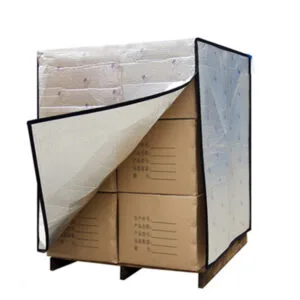
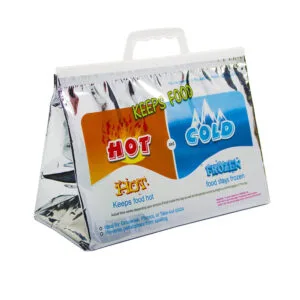
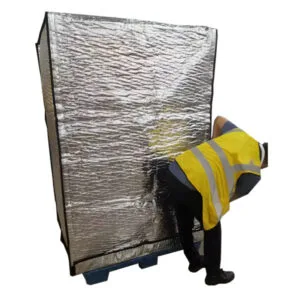
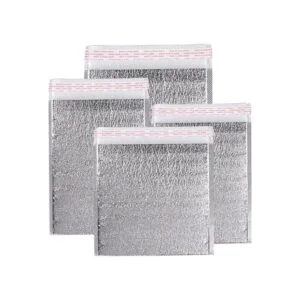
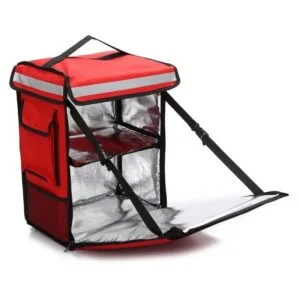
يساعد Tempk المشترين على الانتقال من ملخص المسار والحمولة إلى عينة صندوق تبريد أكثر دقة ومواصفات تجارية. يشمل نطاق منتجاتها صناديق الجليد الطبية, تنسيقات تبريد EPP وVIP, مصادر باردة هلامية ومتغيرة الطور, أكياس معزولة وبطانات, والحماية الحرارية على مستوى البليت. تبدأ المناقشة المفيدة بالشرط المستهدف, هندسة الحمولة, طريق, طريقة العبوة, نموذج التنظيف أو الإرجاع والأدلة المطلوبة قبل التوسع. لمشروع مزود الصندوق الرائع هذا, ويجب تأكيد أي توصية نهائية وفقًا لحدود المنتج الخاصة بالعميل, شروط الاختبار وعملية الجودة.
أرسل إلى Tempk خريطة تحميل الصندوق الرائع, توجيه الافتراضات والمستندات المطلوبة لإنشاء مراجعة أكثر دقة من العينة إلى الإنتاج.