موزع الثلج الجاف لشحن الحليب: كيفية اختيار الحزمة المناسبة قبل الشراء
قبل أن تطلب الموزع حزمة الثلج الجاف لشحن الحليب, تحديد متطلبات درجة حرارة المنتج ومخاطر المسار الحقيقية. الحزمة ليست سوى جزء واحد من نظام سلسلة التبريد. للحليب, الاختيار الصحيح يجب أن يوازن بين قوة التبريد, العزل, حساسية المنتج, سلامة التعامل, الوثائق, واتساق الموردين. يبدأ القرار المجمع الجيد بملاءمة تم التحقق منها, ليس مع أقل سعر للوحدة أو اسم المبرد الأكثر عدوانية.
ابدأ بدرجة حرارة المنتج, ليس اسم الحزمة
يمكن أن تشير عبارة كيس الثلج الجاف إلى حقائق مختلفة. وقد يعني ذلك وضع ثاني أكسيد الكربون الصلب في العبوة, أو قد يعني رطب, قابل لإعادة الاستخدام, مكيفة بالفريزر حزمة باردة يستخدم كعنصر تبريد على طراز الثلج الجاف. التسمية مهمة بسبب متطلبات التعامل, شدة البرد, وتوقعات الناقل ليست هي نفسها. يجب على المشتري تحديد هوية المبرد قبل مناقشة السعر, مقدار, أو الطباعة المخصصة.
للحليب, يجب أن يكون الشرط المكتوب الأول هو الحالة المطلوبة للمنتج. الحليب هو طعام مبرد حيث يكون الاحتفاظ بالبرودة والتعامل الصحي أكثر أهمية من التعرض للبرودة الشديدة. يجب أن يتم تصميم الحزمة حول هذا المطلب. إذا كان يجب أن يظل المنتج مبردًا, يجب السيطرة على خطر التجميد. إذا كان يجب أن يظل مجمداً أو شديد البرودة, يحتاج المشتري إلى احتياطي تبريد كافٍ وشاحن يمكنه إدارة المسار.
المطلب الثاني: الأدلة. قد يحتاج التسليم الداخلي الصغير إلى سجل بسيط فقط. منظم, يصدّر, طبي, أو قد تحتاج الشحنات التجارية ذات القيمة العالية إلى أجهزة تسجيل البيانات, إجراءات التشغيل القياسية المكتوبة, ومراجعة الجودة. إن كيس الثلج الجاف لا يخلق هذا الدليل في حد ذاته; يجب أن يكون جزءًا من العملية.
عندما يكون توزيع عبوات الثلج الجاف لشحن الحليب أمرًا منطقيًا
يمكن أن تكون عبوة الثلج الجاف منطقية عندما يحتاج المسار إلى احتياطي تبريد أكبر مما يمكن أن يوفره العزل الأساسي ويمكن للمنتج أن يتحمل المظهر الحراري الناتج. يمكن لحزم الثلج الجاف أن تضيف احتياطي تبريد للطرود المعزولة, لكن التعرض المباشر للثلج الجاف الصلب يمكن أن يؤدي إلى تجميد المنتج, تشويه الزجاجات, وخلق مشاكل التعامل التي يمكن تجنبها. قد يكون من المنطقي أيضًا أن يحتاج المشتري إلى وضع مرن للحزم, فوضى منخفضة مقارنة بالجليد السائب, أو تنسيق حزمة قابلة للتكرار لموظفي المستودعات.
تكون الحزمة مفيدة للغاية عندما يتم التحكم في بقية الشاحن. وهذا يعني أن المنتج يبدأ بالحالة الصحيحة, الحزمة مكيفة بالكامل, العزل مناسب, تتم إدارة المساحة الفارغة, والمتلقي يعرف ما يجب القيام به. إذا كان أي من هذه العناصر مفقودا, قد تؤدي إضافة حزمة أقوى إلى إخفاء المشكلة الجذرية بدلاً من حلها.
للمشتريات بالجملة, يجب على المشتري أيضًا أن يأخذ في الاعتبار سعة الفريزر. يجب أن تكون عبوات الترطيب والجل أو عبوات PCM مشروطة قبل الاستخدام. طلب كبير لا يمكن تجميده, نظموا, وتدويرها بشكل صحيح لن يقدم الأداء المتوقع. يجب أن تكون مساحة التخزين وسير العمل جزءًا من قرار الشراء.
حيث لا يكفي
إن كيس الثلج الجاف لا يكفي عندما يكون نطاق المنتج غير معروف, الشاحن غير معزول, طريق الناقل غير متحكم فيه, أو أن المتلقي لا يتصرف على الفور. إنه ليس بديلاً عن المركبات المبردة, إجراءات الاتصال الغذائي النظيفة, أو تغليف الطرود المعتمدة للطرق الأطول. ولا يكفي أيضًا أن يحتاج المشتري إلى وثائق تنظيمية ولكنه لم يحدد معايير القبول أو مسؤوليات المراقبة.
قد تكون الأداة الخاطئة عندما يكون المنتج حساسًا للحرارة بشكل طفيف. في تلك الحالات, PCM يمكن التحكم فيه, حزمة هلام, بطانة معزولة, الحقيبة الحرارية, أو قد تكون السيارة المبردة أكثر ملاءمة. قد يؤدي التبريد الزائد إلى إتلاف المنتج, خلق الرطوبة, زيادة وزن الشحن, وتعقيد التعامل. التصميم الأكثر أمانًا لسلسلة التبريد ليس دائمًا هو التصميم الأكثر برودة.
ولا يكفي أيضًا الموافقة على حزمة بناءً على شحنة ناجحة دون فهم سبب نجاحها. إذا كان الطريق خفيفا, كانت الحمولة صغيرة, أو فتح المتلقي الصندوق على الفور, قد تفشل نفس الطريقة على طريق أكثر سخونة أو أطول. القرار الجيد يفصل الحظ عن الأداء المتكرر.
شيكات الموزع التي تحمي العملاء النهائيين
| فحص المشتري | لماذا يهم | ماذا تسأل قبل الطلب |
|---|---|---|
| متطلبات درجة حرارة المنتج | قد يتلف الحليب بسبب ارتفاع درجة الحرارة أو التبريد الزائد. | ما هو نطاق التخزين أو النقل الدقيق الذي يجب أن تحميه العبوة? |
| هوية المبرد | عبوات على شكل الثلج الجاف المرطب, حزم PCM, حزم هلام, وثاني أكسيد الكربون الصلب يتصرف بشكل مختلف. | هل تحتوي العبوة على ثاني أكسيد الكربون الصلب, أم أنها حزمة مكيفة بالفريزر? |
| تكييف العبوة | تحتوي العبوة غير المكيفة بالكامل على احتياطي تبريد أقل فائدة. | كيف ينبغي أن تكون غارقة العبوات, المجمدة, نظموا, وتحميلها? |
| الحمولة والمساحة الفارغة | تغير المساحة الفارغة تدفق الهواء ويمكن أن تخلق مناطق دافئة أو باردة. | ما هو حجم الحمولة الذي تم استخدامه في أي اختبار أو توصية? |
| أدلة الطريق | قد لا يتطابق أداء المختبر مع الرصيف الساخن, عقد عطلة نهاية الأسبوع, أو تأخير الميل الأخير. | هل يمكن للمورد دعم التجربة مع قطع الأشجار في المسار الفعلي الخاص بك? |
| تغيير التحكم | تغيير بسيط في المادة أو الحجم يمكن أن يغير الأداء. | هل سيتم الإبلاغ عن تغييرات الإنتاج قبل الشحن بالجملة? |
استخدم هذه الأسئلة لمقارنة الموردين على نفس الأساس. اقتباس يتضمن تفاصيل جوهرية, تعليمات تكييف, ونصيحة الحزمة ليست مثل اقتباس للورقة العامة. الهدف ليس إنشاء أوراق غير ضرورية; الهدف هو منع الشراء الذي لا يمكن استخدامه باستمرار.
لشحن الحليب, يجب على المشتري إضافة أي سؤال خاص بالمنتج يؤثر على الإصدار أو البيع. قد يشمل ذلك حساسية التجميد, حماية الرطوبة, نقل الرائحة, البليت أو التعامل مع الطرود, أو الحاجة إلى دليل درجة الحرارة عند الاستلام. يمكن للمورد الذي يفهم هذه القيود أن يوصي بتكوين أكثر أمانًا.
من العينة إلى الشحن الروتيني
يجب أن تقوم مرحلة العينة بنسخ الشحنة الحقيقية بأكبر قدر ممكن. استخدم نفس كرتونة المنتج, نفس الشاحن, نفس عدد الحزم, نفس التوسيد, نفس خدمة الناقل, ونفس تلقي التعليمات. إذا كانت الحمولة النهائية غير متوفرة, استخدم دمية حرارية ذات كتلة وموضع مماثلين, ولاحظ بوضوح القيد. لا تختبر عينة صغيرة مثالية ثم تفترض عينة أكبر, الحمولة المختلطة سوف تتصرف بنفس الطريقة.
خلال العينة, فحص أكثر من درجة الحرارة. تحقق مما إذا كانت الحزمة لا تزال سليمة, ما إذا كانت التسميات تظل قابلة للقراءة, ما إذا كانت الكراتين تصبح مبللة, ما إذا كانت زوايا المنتج تلامس الأسطح الباردة, ما إذا كان من السهل إغلاق الحزمة, وما إذا كان بإمكان موظفي المستودع تكرار هذه الطريقة دون تدريب خاص. غالبًا ما تفسر هذه الملاحظات الشكاوى المستقبلية بشكل أفضل من بيانات درجة الحرارة وحدها.
بعد المحاكمة الأولى, تحديد ما يمكن توحيده. يجب أن تحدد التعليمات النهائية كمية العبوة, اتجاه الحزمة, مادة عازلة, وضع الحمولة, إغلاق الكرتون, توقيت الشحن, وعمل المتلقي. إذا كانت هناك مواسم أو طرق متعددة, إنشاء أكثر من نسخة معتمدة بدلاً من السماح للموظفين بالارتجال.
أدوات اتخاذ القرار مفيدة
تحقق من التفاصيل قبل اختيار التغليف
يمكن أن تساعدك هذه الأدوات السريعة في مقارنة مخاطر المسار, احتياجات التحجيم, خيارات المبرد, وتفاصيل التعبئة والتغليف قبل أن تطلب عرض أسعار.
منشئ قائمة التحقق من الامتثال
قم ببناء قائمة مرجعية عملية لمراجعة التغليف, شحن, والتوثيق.
بناء قائمة مرجعيةمقاومة سقوط المواد العازلة
مراجعة مقاومة السقوط وعوامل المناولة قبل اختيار المواد العازلة.
تحقق من المقاومةبطانة الصندوق & تحجيم غطاء البليت
تحقق من منطق تحديد حجم بطانة الصندوق وغطاء منصة التحميل لمشاريع التغليف المعزولة.
تقدير الحجمتلقي التفتيش والتحسين المستمر
الاستلام هو المكان الذي تصبح فيه أدلة سلسلة التبريد قرارًا تجاريًا. يجب على المتلقي فحص حالة الحزمة, حالة المبرد, حالة المنتج, وأي سجل لدرجة الحرارة قبل نقل البضائع إلى التخزين الروتيني. للحليب, يجب أن تكون معايير الاستلام مكتوبة بطريقة تناسب المنتج. قد يقوم جهاز استقبال المأكولات البحرية بفحص ذوبان الجليد والرائحة. يجوز للمستلم الصيدلاني مراجعة ملف المسجل وقواعد الحجر الصحي. يمكن لمستقبل الزهرة التحقق من رطوبة وحالة البتلة.
يجب على المشتري جمع تعليقات الشحن المبكرة بطريقة منظمة. إذا كانت الشكاوى تتجمع حسب المنطقة, الناقل, موسم, تنسيق المنتج, أو سلوك المتلقي, قد تحتاج الحزمة إلى التعديل. إذا كان أحد المستودعات لديه حالات فشل أكثر من الآخر, قد تكون ممارسة التكييف أو التحميل غير متناسقة. إذا أظهرت وحدات الحافة فقط الضرر, قد يحتاج موضع العبوة أو الطبقة العازلة إلى إعادة تصميم.
لا ينبغي أن يتحول التحسين المستمر إلى تغيير لا يمكن السيطرة عليه. إذا قام الفريق بتقليل عدد العبوات, يغير العزل, تبديل الكراتين الخارجية, أو يستبدل المبرد, ينبغي مراجعة التغيير. تغليف السلسلة الباردة يعمل كنظام. قد يؤدي تغيير مكون واحد إلى توفير التكلفة, ولكنه قد يؤدي أيضًا إلى إزالة الهامش الذي أدى إلى نجاح الحزمة.
التعليمات
عبارة عن كيس ثلج جاف موزع لشحن الحليب مثل الثلج الجاف الحقيقي?
ليس دائما. يستخدم بعض المشترين العبارة لثاني أكسيد الكربون الصلب, بينما يستخدمه الآخرون في العبوات الرطبة أو القابلة لإعادة الاستخدام والتي يتم تسويقها للتبريد على طراز الثلج الجاف. الفرق مهم لأن الثلج الجاف الصلب يطلق غاز ثاني أكسيد الكربون وهو بارد للغاية, في حين أن العبوة الرطبة عادة ما تكون مكيفة في الثلاجة وتتصرف مثل مكون التبريد. اطلب من المورد تحديد مادة التبريد بوضوح قبل أن تقرر وضع العلامات, التعامل, أو الاتصال بالمنتج.
هل يمكنني استخدام هذا النوع من العبوات مباشرة ضد الحليب?
نادرًا ما يكون الاتصال المباشر هو الخيار الأكثر أمانًا. قد يكون الحليب حساسًا للبقع الباردة, رُطُوبَة, ضغط, أو صدمة الحرارة. استخدم المخزن المؤقت, مقسم, كم, أو تم اختبار نمط التحميل ما لم يؤكد المورد وفريق الجودة الخاص بك أن الاتصال المباشر مقبول. الهدف ليس جعل المنطقة الأكثر برودة أكثر برودة; إنه الحفاظ على الحمولة ضمن الحالة المطلوبة عبر المسار.
ما الذي يجب أن أطلبه من المورد قبل الطلب بالجملة؟?
اسأل عن تنسيق الحزمة, مواد, تعليمات التكييف, الحزمة الموصى بها, التوافق مع الشاحن المعزول الخاص بك, توافر العينة, وأي معلومات اختبار مرتبطة بحمولة محددة وملف تعريف محيط. لطلبات الموزعين, تأكد أيضًا من تعبئة الكرتون, الكثير من الاتساق, تغيير الإخطار, مهلة, وما إذا كان بإمكان المورد دعم تجربة المسار قبل حجم الإنتاج.
هل ما زلت بحاجة إلى مسجل درجة الحرارة?
لعمليات التسليم المحلية منخفضة المخاطر, يجوز للمشتري الاعتماد على الشيكات الإجرائية. للقيمة العالية, منظم, يصدّر, طبي, أو طرق الرفض المتكررة, غالبًا ما يكون المسجل هو الطريقة الأكثر عملية لفهم ما حدث أثناء النقل. المسجل لا يحمي المنتج في حد ذاته, ولكنه يقدم دليلاً يساعدك على تحسين التعبئة واتخاذ قرارات الاستلام.
كيف أعرف ما إذا كانت الحزمة مبنية بشكل زائد أم لا?
قد تصل العبوة المفرطة في البرودة ولكنها تظل خاطئة إذا جمدت المنتج, يخلق التكثيف, يضيف وزن الشحن غير الضروري, أو يؤدي إلى متطلبات التعامل التي لا تحتاج إليها. مراجعة درجة حرارة الوصول, حالة المنتج, حالة التعبئة والتغليف, حالة المبرد, وملاحظات المتلقي عبر عدة شحنات. ثم قم بتقليل أو ضبط سائل التبريد فقط من خلال تجربة خاضعة للرقابة.
خاتمة
من الجدير النظر في عبوة الثلج الجاف الموزعة لشحن الحليب عندما تناسب المنتج, طريق, ومتطلبات الأدلة. ابدأ بالحالة المطلوبة للمنتج, التمييز بين عبوات الثلج الجاف المرطب وثاني أكسيد الكربون الصلب, واختبار العبوة داخل الشاحن الفعلي. لشحن الحليب, القرار الصحيح يحمي الحمولة دون التسبب في التجميد, رُطُوبَة, وضع العلامات, أو تلقي المشاكل.
يجب على المشتري الانتقال من البحث عن المنتج إلى توجيه التأهيل: تحديد الشرط, طلب عينات, اختبار الحزمة, مراجعة استلام النتائج, ومن ثم توسيع نطاق الشراء. وهذا التسلسل أبطأ من الطلب حسب السعر وحده, لكنه يخلق طريقة يمكن تكرارها.
حول Tempk
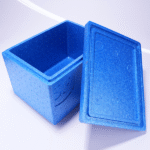
تركز شركة Tempk على مكونات التعبئة والتغليف لسلسلة التبريد مثل عبوات الثلج الجاف, عبوات جل الثلج, طوب الجليد, أكياس معزولة, بطانات, صناديق برودة EPP, وخيارات التعبئة والتغليف ذات الصلة للأغذية, الأدوية, والشحنات القابلة للتلف. لشحن الحليب, دورنا هو مساعدة المشترين على التفكير من خلال حساسية المنتج, التعرض للطريق, العزل, وضع المبرد, والاتساق العملي للحزم قبل أن يقوموا بتوسيع الطلب. نحافظ على تركيز المناقشة على ما تحتاجه الشحنة بدلاً من التركيز على اسم حزمة واحدة.
مشاركة طريق شحن الحليب الخاص بك, حمولة, وحالة درجة الحرارة المطلوبة مع Tempk قبل الطلب. يمكننا مساعدتك في مقارنة تنسيقات الحزم العملية وتحديد ما يجب اختباره قبل التوسع.
ملاحظات إضافية للمشتري
عندما يقوم فريق بتقييم موزع الثلج الجاف لشحن الحليب, وينبغي تجنب التعامل مع الاقتباس كإجابة فنية نهائية. الاقتباس هو نقطة البداية. يخبرك بتنسيق الحزمة, أساس السعر, والتوافر التجاري. لا يخبرك تلقائيًا ما إذا كانت العبوة ستحمي الحليب في طريقك. هذه الإجابة تعتمد على التكييف, العزل, كتلة الحمولة, وضع الحزمة, موسم, يسكن الوقت, وتلقي السلوك.
أبسط مستند مفيد هو ورقة حزمة من صفحة واحدة. يجب أن تظهر الشاحن, عدد العبوات, حيث تجلس كل حزمة, ما إذا كان المخزن المؤقت مطلوبًا, كيف يتم ترتيب الحمولة, كيف يتم إغلاق الكرتون, وما يجب على المتلقي فعله عند الوصول. لشحن الحليب, يمكن لهذه الورقة أن تمنع الأسئلة المتكررة من موظفي المستودعات ويمكن أن تجعل مقارنات الموردين أسهل بكثير.
يجب على المشتري أيضًا أن يسأل عن كيفية التعامل مع الاستثناءات. إذا لم يتم تجميد العبوة بالكامل, هل يمكن استخدامه? إذا كانت الحمولة أكثر دفئا من المتوقع, في حالة تأخير الشحنة? إذا فات الناقل الالتقاط, يجب فتح الصندوق وإعادة تعبئته? إذا أبلغ المتلقي عن مشكلة, من يراجع القرار? هذه الأسئلة تبدو عملية, لكنهم يحددون ما إذا كانت الحزمة موثوقة تحت الضغط.
أخيراً, تذكر أن اختيار المورد ليس مجرد مقارنة للمنتج. إنه اختبار التواصل. يجب أن يكون الشريك المناسب قادرًا على شرح ما يمكن أن تفعله المجموعة, حيث قد يكون غير مناسب, وما هي المعلومات التي لا تزال مطلوبة قبل أن تصبح التوصية آمنة. للمشترين الموزعين, غالبًا ما تكون هذه الصدق أكثر قيمة من الادعاء العام بأن عبوة واحدة مناسبة لكل شحنة حساسة لدرجة الحرارة.