اختيار صندوق تبريد من الطوب الجل لطرق النقل الحقيقية
أ الطوب هلام يجب تحديد صندوق التبريد لمهمة محددة, ليس من أجل وعد واسع النطاق بأنه يبقي الأمور باردة. يأتي أدائها من الاقتران بين العلبة والمبرد, بالإضافة إلى الحمولة, حالة الطوب, التباعد الداخلي, إنهاء, التعامل, ورحلة. نفس الشيء مربع معزول يمكن أن تكون كافية لحلقة توصيل طعام قصيرة وغير مناسبة لشحنة طبية خاضعة للرقابة.
ابدأ بتسمية فئة الاستخدام ورسم خريطة لدورة التشغيل الكاملة. ثم قم بقياس التجويف المحمل, حماية المنتج من الظروف الدافئة والباردة, واختبار الحزمة التجارية. وهذا يمنع حدوث خطأ شائع: شراء مبرد أولاً وإجبار المسار والحمولة على ملاءمته لاحقًا.
قم بتسمية فئة المبرد في ملخص الشراء
يغطي "صندوق التبريد" المنتجات بأدلة وتوقعات تشغيل مختلفة تمامًا. تم تصميم مبرد المشروبات الاستهلاكية لتوفير الراحة. يمكن إدارة حقيبة التسليم القابلة لإعادة الاستخدام داخل بقالة مغلقة, تقديم الطعام, صيدلية, أو طريق الخدمة. قد يتم تصميم شاحن الطرود السلبي حول رحلة مختومة. يرتبط نظام النقل الطبي المؤهل بمكونات محددة, تحضير, الحمولات, التحديات, ومعايير القبول.
يمكن لهذه الفئات مشاركة المواد والمظهر دون أن تكون قابلة للتبديل. إن إضافة الطوب المجمد إلى المبرد اليومي لا يحوله إلى نظام مؤهل. تميز إرشادات اللقاحات الحالية لمراكز مكافحة الأمراض والوقاية منها (CDC) بين الحاوية والعبوة المؤهلة, تم اختباره في ظل ظروف خاضعة للرقابة, من مبردات الطعام أو المشروبات العادية. يجب أن تتبع برامج اللقاحات تعليمات المنتج والبرامج الحالية; تتطلب منتجات الرعاية الصحية الأخرى تقييم الجودة الخاصة بها.
يحدد موجز الشراء المفيد:
المنتج وحالته المعتمدة أو المبررة
سواء تجميد, الاتصال البارد المباشر, رُطُوبَة, أو الضوء هو مصدر قلق
الحد الأدنى والحد الأقصى لأحمال المنتج
إجمالي الوقت من التعبئة حتى التخزين الخاضع للرقابة عند الاستلام
التعرض الموسمي, توقف, عمليات التسليم, وتأخيرات موثوقة
ما إذا كان الغطاء يظل مغلقًا أو مفتوحًا أثناء الطريق
قوة التعامل المطلوبة, تنظيف, يعود, وعملية التخزين
يراقب, التتبع, وتلقي المسؤوليات
يتيح هذا الموجز للمورد اقتراح تنسيق لواجب فعلي بدلاً من مقارنة قدرات الكتالوج غير ذات الصلة.
التجويف القابل للاستخدام مهم أكثر من الحجم الاسمي
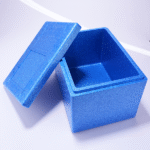
لا يُظهر ملصق السعة المكان الذي يمكن أن توضع فيه المنتجات والطوب بأمان. تفتق الجدار مصبوب, زوايا مدورة, يتوقف, مقابض, تجاويف الغطاء, ميزات الصرف, سلال, والفواصل تعيد تشكيل الداخل. يستهلك العزل والبطانات مساحة إضافية. قد يتغير شكل الطوب أيضًا قليلاً بعد التكييف.
قم ببناء مظروف حمولة يبقى واضحًا بعد اكتمال مجموعة الطوب, فواصل, المسجل, ويتم إضافة تصريح الإغلاق. قياس عينة نية الإنتاج في القاعدة, وسط, وغطاء. تحقق من أبعاد الطوب الأدنى والأعلى المسموح بها بدلاً من افتراض أن الرسم الاسمي يمثل كل وحدة.
الغطاء يستحق تجربة جسدية. إذا كانت الطبقة العليا تتطلب القوة, يمكنها سحق المنتج, القوس لبنة, ضغط العزل, أو منع المشاركة الكاملة. الحزمة التي تبدو مغلقة بينما لا تزال هناك فجوة في الزاوية لها مسار حرارة مختلف عن المجموعة التي تم اختبارها.
حجم المبرد يغير أيضًا تدفق الحرارة. الصندوق الصغير له علاقة مختلفة بين السطح الخارجي وحجم الحمولة عن الصندوق الكبير. يمكن للتجويف الطويل تطوير تدرجات عمودية; يمثل الغطاء العريض حدًا علويًا كبيرًا. إن مضاعفة الحجم وعدد الطوب لا يؤدي إلى إعادة إنشاء نفس السلوك الحراري.
| واجب برودة | ميزات الضميمة للفحص | القلق بشأن المبرد والحمولة | الأدلة التي تدعم القرار |
|---|---|---|---|
| طرد مختوم في اتجاه واحد | مكعب خارجي منخفض, إغلاق آمن, الحماية الخارجية | مدة, التحول, ومساحة الرأس الدنيا للحمل | كامل الحزمة الحرارية واختبار التوزيع |
| التسليم المحلي المتكرر | جسم متين, تنظيف يمكن الوصول إليه, سهلة التعامل | تجديد, فتحات الغطاء, استعادة, والتفتيش | محاكاة الطريق بالإضافة إلى إجراءات مراقبة الأصول |
| نقل الرعاية الصحية الخاضع للرقابة | فاتورة المواد الثابتة, السيطرة على العبث, التتبع | حماية من التجميد, يراقب, وتغيير السيطرة | المؤهلات الخاصة بالمنتج وموافقة الجودة |
| توزيع المواد الغذائية | صحة, الاحتواء, تكديس, التحميل السريع | التبريد المسبق للمنتج, سائل, سحق, والتعبئة المتغيرة | مراجعة سلامة الأغذية وتجارب المسار التمثيلي |
| جمع الميدان | إغلاق محمول, الاحتواء الثانوي, كفالة | إضافات دافئة, تغيير الحمل, وحماية العينة | خطة التقييم والرصد الخاصة بالإجراءات |
الجدول ليس ترتيب المواد. يمكن أن يكون الصندوق الصلب القابل لإعادة الاستخدام فعالاً عندما تعود المركبات إلى مستودع واحد ويكون مرهقًا عند التسليم البعيد في اتجاه واحد. قد يؤدي شاحن الطرود الخفيفة إلى تقليل الشحن ولكنه يتطلب تحكمًا أقوى في الأضرار والتخلص منها. قم بمطابقة التنسيق مع حلقة التشغيل.
ترتيب الطوب للسيطرة على طرفي النطاق
تؤثر مجموعة الطوب على توزيع درجة الحرارة بقدر تأثيرها على إجمالي كتلة سائل التبريد. يمكن للقنوات الجانبية إنشاء تجويف مركزي واضح, ولكن يجب منع الطوب من السقوط إلى الداخل. يمكن للطبقة العليا أن تعالج تعرض الغطاء وتجعل عملية العد بسيطة, ومع ذلك فقد يؤدي إلى تبريد المنتجات العلوية أكثر من اللازم. توفر الطبقات العلوية والسفلية تغطية مدمجة مع زيادة مخاطر الاتصال البارد والضغط. يشغل المحيط الكامل مساحة أكبر للحمولة ويمكن أن ينشئ حدودًا باردة حول المحتويات الحساسة.
لا يوجد موقف صحيح عالميا. حدد ترتيبًا أوليًا من مسارات دخول الحرارة المحتملة والحدود الدنيا والعليا للمنتج, ثم قم بتعيين النتيجة الفعلية.
إدارة التعرض المبكر للبرد
يمكن للطوب المتجمد الغني بالمياه أن يترك الفريزر بسطح أقل من الحالة المسموح بها لبعض المنتجات المبردة. قد يؤدي الاتصال المباشر إلى حدوث رحلة باردة محلية حتى عندما يبدو متوسط درجة حرارة الهواء مقبولاً. استخدم فاصلًا محددًا, سلة, كم, أو طريقة تكييف بديلة عندما يظهر الاختبار الحاجة إليها. المادة العازلة, سماكة, التغطية, ويصبح التنسيب أجزاء خاضعة للتحكم.
إن خفض نقطة ضبط الفريزر لتصحيح النتيجة الدافئة المتأخرة يمكن أن يؤدي إلى تفاقم هذا الخطر المبكر. على نفس المنوال, قد تؤدي إضافة الطوب بدون بيانات إلى زيادة الشحن وإزاحة الحمولة مع إنشاء مساحة سطحية أكثر برودة.
الحفاظ على قدرة الطريق المتأخر
يعتمد الأداء الدافئ على معدل دخول الحرارة, قدرة التبريد المخزنة للطوب, الكتلة الحرارية للمنتج, والوقت المنقضي. ابدأ تشغيل المنتج ضمن حالته المعتمدة ما لم تكن العملية التي تم التحقق من صحتها تستخدم الشاحن عمدًا في عملية السحب. يمكن أن تستهلك المنتجات الدافئة الاحتياطي قبل أن يقوم الناقل بتجميع الصندوق.
استخدم التحكم الفارغ للحفاظ على الحمل في الموضع المعين. غالبًا ما يمثل الحد الأدنى للطلب الحالة الأصعب لأنه يحتوي على كتلة حرارية أقل ومساحة أكبر للحركة. قم بالموافقة على ملحق محدد منخفض التحميل أو حجم مبرد آخر بدلاً من ترك السائقين يرتجلون مع العبوات الاحتياطية.
أدوات اتخاذ القرار مفيدة
تحقق من التفاصيل قبل اختيار التغليف
يمكن أن تساعدك هذه الأدوات السريعة في مقارنة مخاطر المسار, احتياجات التحجيم, خيارات المبرد, وتفاصيل التعبئة والتغليف قبل أن تطلب عرض أسعار.
مولد قائمة التحقق من الامتثال
قم ببناء قائمة مرجعية عملية لمراجعة التغليف, شحن, والتوثيق.
بناء قائمة مرجعيةحاسبة الثلج الجاف
تقدير احتياجات الثلج الجاف للشحنات المجمدة أو شديدة البرودة قبل التعبئة.
تقدير الثلج الجافسائل التبريد & مرجع PCM
قارن خيارات سائل التبريد وPCM عندما يحتاج المسار إلى دعم إضافي لدرجة الحرارة.
قارن الخياراتتصميم حول دورة الاستخدام بأكملها
تبدأ الرحلة الحرارية قبل مغادرة السيارة وقد تستمر بعد إثبات التسليم. وثيقة تكييف الطوب, تحضير الصندوق, تحميل المنتج, انطلاق الإرسال, ينقل, الفتحات, إيصال, التفريغ, يعود, تنظيف, والتخزين.
تستحق المسارات متعددة الإسقاط تصميمًا خاصًا بها. تقوم كل فتحة غطاء بتبادل الهواء الداخلي مع البيئة, يعرض الطبقة العليا, ويغير كتلة المنتج. قد تجمع المحطة النهائية بين أطول وقت منقضي وأخف حمل. لا يمكن نقل مدة الغطاء المختوم إلى سير العمل دون تقييم.
إعادة إنتاج نمط الافتتاح المتوقع أثناء التطوير. تحديد التردد, مدة الافتتاح, إزالة المنتج, الحالة المحيطة, وما إذا كان الطوب يتحرك. قم بتنظيم الطلبات بحيث لا يقوم السائق بالبحث والغطاء مفتوح. قد تكون وحدات المسار الأصغر أو السديلة الداخلية مفيدة, ولكن يجب تقييمها كجزء من التكوين.
فكر في طريق توصيل الصيدلية الذي يتضمن عدة محطات. تستخدم الحزمة الأولى تجويفًا واحدًا كبيرًا, ويقوم الموظفون بإزالة الفواصل مع مغادرة الطلبات. بالمحطة النهائية, سقط قطعتان من الطوب باتجاه المنتج المتبقي. الاستجابة الصحيحة ليست بالضرورة أكثر برودة. نظام مقصورة ثابتة, وحدات توقف محددة, أو قد تحافظ الصناديق الصغيرة المنفصلة على الشكل الهندسي وتقلل من وقت فتح الغطاء. التصحيح المقترح لا يزال يحتاج إلى اختبار معين.
يعد فشل التسليم والإرجاع من الشروط الحدودية أيضًا. حدد ما إذا كان الصندوق سيعود إلى التخزين المتحكم فيه, يبقى في السيارة, أو يتم تسليمها في وقت لاحق. لا يمكن أن يحل احتياطي التعبئة محل جهة اتصال تصعيد محددة وإجراء الاسترداد.
قم ببناء دليل على زوج الصندوق والطوب الدقيق
يجب أن يستخدم اختبار التطوير المبرد المقتبس, جزء من الطوب, فواصل, حمولة أو محاكاة مبررة, إنهاء, وعملية التكييف الفعلية. ضع أجهزة استشعار معايرة في مواقع المنتجات الدافئة والباردة المشتبه بها, ليس فقط في المركز. قم بتضمين الحد الأدنى والحد الأقصى للأحمال والتعرض الساخن والبارد ذي الصلة.
تصف الإرشادات الفنية لمنظمة الصحة العالمية التصميم, التشغيلية, وتأهيل الأداء للسلبي حاويات الشحن. معيار ISTA 20 تقدم عملية منظمة لتصميم وتأهيل الحاويات المعزولة, بينما يوفر ISTA 7E ملفات تعريف حرارية للطرود. يمكن أن تدعم هذه المراجع البروتوكول, لكن التحدي المختار لا يزال بحاجة إلى أن يعكس المنتج, طريق, الفتحات, ومخاطر التأخير.
يجب أن يمثل التقييم الميكانيكي القطرات المتوقعة, اهتزاز, ضغط, والتعامل معها. قد يؤدي المبرد الذي يعمل أثناء الثبات إلى إنشاء فجوة في الغطاء بعد الاصطدام أو السماح للطوب بالهجرة تحت الاهتزاز. يجب اختبار الأصول القابلة لإعادة الاستخدام وفحصها في حالة تمثل التآكل المسموح به, ليس فقط عندما تكون جديدة.
ثم تقوم التجارب الميدانية باختبار العملية المحيطة. ربط المسجل بآثار المغادرة, توقف, الفتحات, التأخير, حالة الحزمة, والاستلام. مسجل يسجل التعرض; لا يقوم بتبريد المنتج بشكل فعال. دقتها, معايرة, فاصلة, الموضع, التنشيط, ويجب أن تدعم عملية المراجعة قرار الجودة المقصود.
يجب أن يكون الاستلام جزءًا من البروتوكول, ليست عملية تسليم غير رسمية. تحديد من يقوم بفحص الختم وحالة الصندوق, يوقف أو يسترد المسجل, ينقل الحمولة إلى التخزين الخاضع للرقابة, ويبلغ عن الانحراف. لا يزال الصندوق الذي ترك دون فتح في مكتب الاستقبال يستهلك مخزونه الحراري. يساعد سجل الاستلام على فصل أداء التغليف عن التسليم الداخلي المتأخر ويوفر سياق فريق الجودة عندما يتطلب تتبع درجة الحرارة التقييم.
إعادة الاستخدام هي حلقة إرجاع مُدارة
لا يقوم الصندوق المتين بإنشاء برنامج لإعادة الاستخدام في حد ذاته. يحتاج البرنامج إلى ملكية العوائد, قدرة التنظيف, مساحة التجفيف, تقتيش, المخزون المفرج عنه, قطع الغيار, وقرار التقاعد. يمكن أن تؤدي المعالجة غير المعروفة خارج نطاق التحكم التنظيمي إلى الإضرار بالنظافة أو الهندسة المؤهلة.
فحص أسطح الختم, مشاركة الغطاء, يتوقف أو المزالج, تلف الجدار والقاعدة, ميزات الصرف, تسميات, والأبعاد الداخلية. فحص الطوب بحثًا عن الشقوق, تسرب, تورم, تشوه, تلوث, وفقدان الهوية. احتفظ بالعائدات القذرة, الأصول النظيفة, العناصر المعزولة, وفصل المخزون المفرج عنه.
يجب أن تحدد تعليمات التنظيف العوامل المتوافقة, تركيز, وقت الاتصال, الشطف عند الاقتضاء, والتجفيف الكامل. المواد الكيميائية أو الحرارة يمكن أن تلحق الضرر بالبلاستيك, الطلاءات, مواد لاصقة, الحشيات, أو الطباعة. قد تحتاج اللحامات والأجهزة الصعبة إلى اهتمام خاص.
تتبع الإرساليات المكتملة والمرتجعات الناجحة بدلاً من افتراض عمر الخدمة من نوع المادة. تعتمد تكلفة دورة الحياة والقيمة البيئية على الاسترداد الفعلي, رفض التفتيش, تنظيف, نقل فارغ, خسارة الأصول, وحماية المنتج. الملصق القابل لإعادة الاستخدام هو هدف التصميم, ليست أدلة عملية.
أسئلة الموردين التي تكشف الافتراضات الخفية
اطلب من موفري الصناديق والطوب الرد على نفس بيان الواجب. طلب الرسومات الداخلية والخارجية, التحمل التصنيع, بناء العزل, تفاصيل الإغلاق, حدود الكتلة المملوءة بالطوب, البيانات الوظيفية لغاز التبريد, تعليمات التكييف, ووثائق السلامة أو النقل ذات الصلة بالصياغة الدقيقة.
أي مدة حرارية يجب أن تأتي مع حدودها: المربع الدقيق, الطوب, حمولة, شروط البداية, ملف تعريف المحيط, مواقف الاستشعار, معايير القبول, والنقطة التي تم قياس الوقت منها. يمكن للنتيجة الناتجة عن اختبار حجم مختلف أو اختبار الصندوق الفارغ أن توجه الفحص المبكر ولكن لا ينبغي معاملتها على أنها مؤهلة للحزمة المقترحة.
مراجعة توافق التنظيف, طرق الاختبار الميكانيكي والتسرب, الكثير أو تحديد الأصول, التعبئة والتغليف الواردة, استمرارية العرض, وشروط إشعار التغيير. لا يزال من الممكن أن يختلف الطوب الأرخص ذو الأبعاد المطابقة في كتلة الحشو, سلوك المرحلة, الموصلية قذيفة, توسع, أو الختم. قم بتقييم البدائل من خلال عملية التغيير التي يقوم بها المشتري قبل الاستخدام الروتيني.
يعد تسليم العينة إلى الإنتاج أمرًا بالغ الأهمية. استخدم عينات من المواصفات التجارية المقصودة والموقع حيثما أمكن ذلك. تأكد من أن تفاوتات الإنتاج تترك تصريحًا كافيًا للتجميع وأن المورد سيحدد الدفعة الأولى التي تم تغييرها بعد المراجعة المعتمدة.
الأسئلة المتداولة
إلى متى سيظل صندوق التبريد المصنوع من الطوب الجل ضمن النطاق؟?
لا توجد مدة عالمية مسؤولة. الأداء يعتمد على البناء برودة, صياغة الطوب وحالته, حمولة, درجات حرارة البداية, التخطيط الداخلي, الملف الشخصي الخارجي, الفتحات, ومجموعة المنتجات المسموح بها. اسأل عن شروط الاختبار وتأهل التكوين التجاري الدقيق للرحلة المقصودة وبدل التأخير.
هل يمكن استخدام المبرد العادي لنقل الأدوية؟?
لا تفترض أنه يمكن. الشروط المعتمدة للدواء, طريق, يراقب, عملية الجودة, وتوجيهات البرنامج المعمول بها تحدد مدى ملاءمتها. يجب أن تتبع برامج اللقاحات تعليمات الصحة العامة والمنتجات الحالية, التي تميز العبوات المؤهلة عن مبردات الأطعمة أو المشروبات العادية. تتطلب الأدوية الأخرى قرارًا خاصًا بالمنتج.
هل يجب أن يكون الصندوق نفسه مشروطًا مسبقًا?
قد تكون التهيئة المسبقة جزءًا من بعض الحزم التي تم اختبارها, ولكن لا ينبغي أن تضاف بشكل غير رسمي. يغير العمل, رُطُوبَة, وبدء الحمل الحراري. إذا كان المؤهل يستخدم شرط مربع محدد, يجب أن تعيد العمليات إنتاجها. إذا لم يكن كذلك, تقييم الخطوة المقترحة قبل تغيير العملية المعتمدة.
متى يجب إزالة المبرد القابل لإعادة الاستخدام من الخدمة؟?
استخدم معايير رفض محددة للشقوق, تلف اللوحة, تشوه, فشل في ربط الغطاء أو الحشية, تلوث, رائحة, هوية غير مقروءة, وتغيير الأبعاد. قد يدعم عدد الدورات التخطيط للتفتيش, لكن الحالة الفعلية وأدلة الأداء الدورية أكثر فائدة من المظهر أو العمر وحده.
خاتمة: حدد نظام التشغيل, ليس الصندوق الفارغ
يتميز صندوق التبريد المناسب من الطوب الهلامي بالملاءمة البدنية, تناسب الحرارية, وعملية تناسب. يقبل تجويفه تخطيطًا مستقرًا لسائل التبريد والحمولة; عزلها وإغلاقها يعالجان الطريق; حالتها يمكن أن تتكرر; ويبقى التعامل اليومي معها داخل التصميم الذي تم اختباره. ثم يقدم التأهيل والمراقبة الميدانية دليلاً على استخدام محدد بدلاً من مطالبة مادية واسعة النطاق.
قبل مقارنة الاقتباسات السائبة, تجميع عينة واحدة لغرض الإنتاج مع الحمل الحقيقي. قياس التخليص, حملها كما سوف المشغلين, فتحه وفقا للطريق, وحدد كل خيار يمكن أن يتخذه عامل التعبئة أو السائق بشكل مختلف.
حول Tempk
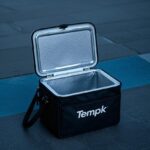
و Tempk, نحن نقدم عبوات جل الثلج والأشكال المعزولة التي تشمل صناديق تبريد, أكياس, وغيرها من العبوات التي يمكن التحكم في درجة حرارتها. يمكننا مساعدة المشترين على مقارنة هندسة الطوب مع التجويف القابل للاستخدام ومناقشة خيارات المكونات القياسية أو المخصصة للتطوير. حدود المنتج, ظروف الطريق, تنظيف, يراقب, ويظل التأهيل النهائي خاصًا بطلب المشتري.
أرسل Tempk أبعاد الحمولة الخاصة بك, الشرط المطلوب, رحلة ونمط الافتتاح, موارد التكييف, وخطة العودة لمناقشة عينة التبريد والطوب للتقييم.