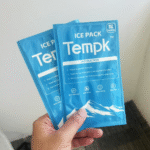
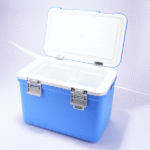
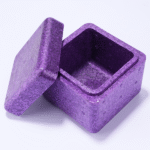
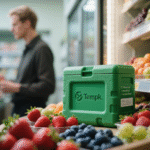
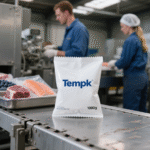
يعد الحفاظ على الخضروات مقرمشة ومغذية من المزرعة إلى المائدة أكثر تعقيدًا من وضعها في الثلاجة. ال vegetables سلسلة التبريد packaging يتحكم النظام في درجة الحرارة والرطوبة في كل مرحلة, منع التلف والأمراض المنقولة بالغذاء. تظهر الأبحاث ذلك تقريبًا 40 % من الأطعمة المبردة و 15 % من الاستهلاك العالمي للطاقة يستخدم في التبريد. ورغم هذه الجهود, حول 25 % of سلسلة التبريد products are still wasted. في 2025 ويكمن التحدي في الحفاظ على الحداثة مع تبني الاستدامة واللوائح الجديدة. هذا الدليل يزيل الغموض عن الخضروات تغليف السلسلة الباردة ويوضح لك كيف يمكن أن يساعد أنت الاحتفاظ بالجودة, تقليل النفايات وتلبية توقعات السوق المتزايدة.
Why vegetables سلسلة التبريد packaging is essential for food safety and investment — فهم لماذا يصل إلى 25 % من المنتجات يضيع when سلسلة التبريد integrity fails and how proper packaging preserves vitamins.
How vegetables سلسلة التبريد packaging works - استكشاف العزل, تبريد, مواد متغيرة الطور وتقنيات ذكية تحافظ على الخضروات ضمن نطاقات درجة الحرارة والرطوبة الآمنة.
اختيار التعبئة والتغليف للخضروات المختلفة - مراجعة درجات الحرارة والرطوبة النسبية الموصى بها للخضر الورقية, الخضروات الجذرية, محاصيل الموسم الدافئ ومنتجات التخزين الجاف.
Best practices for managing سلسلة التبريد inventory - تعرف على المراقبة في الوقت الحقيقي, تحسين المسار المدعوم بالذكاء الاصطناعي, التناوب والتدريب على FIFO/FEFO.
الاتجاهات والابتكارات ل 2025 - اكتشاف أحدث التطورات في مجال الاستدامة, إنترنت الأشياء, الذكاء الاصطناعي والامتثال التنظيمي.
What Is Vegetables سلسلة التبريد Packaging and Why Does It Matter?
Vegetables سلسلة التبريد packaging هو نظام حاويات معزولة, وسائط التبريد وتقنيات المراقبة التي تحافظ على المنتجات الطازجة في درجات الحرارة والرطوبة المثلى من الحصاد وحتى التوزيع. أنها تنطوي على ثلاثة عناصر متفاعلة: ال منتج (درجة الحرارة والرطوبة التي تحتاجها كل خضروات), ال الأصل / الوجهة (حيث يتم زراعتها واستهلاكها) و شبكة التوزيع (الشعاب المرجانية, المستودعات والحاويات). عندما تتماشى هذه العناصر, يتباطأ التنفس, يقل فقدان الرطوبة ويتحسن الاحتفاظ بالمغذيات.
Why سلسلة التبريد Is Crucial
يحافظ على العناصر الغذائية والملمس. ظلت الخضار الورقية قريبة من التجمد بنسبة 90-95 % تبقى الرطوبة منتعشة وتحتفظ بالفيتامينات. في المقابل, حتى التقلبات الطفيفة في درجات الحرارة يمكن أن تسمح لمسببات الأمراض بالظهور السالمونيلا و ه. القولونية لتزدهر.
يقلل من النفايات ويزيد الربح. عن 70 % من المواد الغذائية في الولايات المتحدة. passes through سلسلة التبريدs, حتى الآن 25 % يتم إهدار هذه المنتجات بسبب الخروقات. التغليف المناسب يبطئ عملية التنفس ويقلل نمو الميكروبات, تمديد مدة الصلاحية.
يتوافق مع اللوائح. قانون تحديث سلامة الأغذية (FSMA) قسم 204 يتطلب من الشركات الحفاظ عليه عناصر البيانات الرئيسية (محصول, تبريد, التعبئة, شحن, أحداث التلقي والتحويل) للأطعمة على قائمة تتبع الأغذية, مع بدء مواعيد الامتثال يناير 20 2026.
تضمن عبوات السلسلة الباردة بقاء الخضروات آمنة, جودة عالية ومربحة مع تلبية المتطلبات التنظيمية. فكر في الأمر على أنه الترمس لمنتجاتك - فهي تحافظ على المحتويات ضمن نطاق درجة حرارة ضيق, وحمايتهم من التقلبات الخارجية.
فهم متطلبات درجة الحرارة والرطوبة
تتطلب فئات الخضروات المختلفة شروطًا محددة. يلخص الجدول أدناه درجات حرارة التخزين الموصى بها والرطوبة النسبية, مقتبس من جامعة كورنيل التخزين البارد جدول.
| فئة الخضار | درجة الحرارة الموصى بها | الرطوبة النسبية | معنى عملي |
| الخضر الورقية (خَسّ, سبانخ, كرنب) | ~32 درجة فهرنهايت (0 درجة مئوية) | 90-95 % | تعمل الظروف القريبة من التجمد على إبطاء عملية التنفس وتحافظ على الأوراق منتعشة. حتى الزيادات الطفيفة تسبب الذبول وفقدان الفيتامينات. |
| الخضروات الجذرية (البطاطس, جزر, البنجر) | 38-40 درجة فهرنهايت (3-4 درجة مئوية) | 85-90 % | الظروف الأكثر دفئًا قليلاً تتجنب الإصابة بالبرودة بينما تقلل الرطوبة العالية من الانكماش. |
| محاصيل الموسم الحار (الفلفل, طماطم) | 45-60 درجة فهرنهايت (7-15 درجة مئوية) | 85-90 % | درجات الحرارة المرتفعة تمنع الضرر الناتج عن التبريد; الرطوبة تقلل من فقدان الماء. |
| منتجات التخزين الجاف (البصل, ثوم) | 32 ° f (0 درجة مئوية) | 70-75 % | انخفاض الرطوبة يقلل من ظهور العفن والعفن; تخزينها بشكل منفصل عن المنتجات الرطبة. |
| محاصيل متنوعة (الاسكواش الشتاء, البطيخ) | 50-55 درجة فهرنهايت (10-13 درجة مئوية) | 70-85 % | مطلوب درجات حرارة أعلى; مراقبة الرطوبة لتجنب الاضمحلال. |
حفظ الخضار ضمن هذه النطاقات يقلل من التنفس, يؤخر الشيخوخة ويحافظ على التورم. على سبيل المثال, يتم تبريد الهليون إلى 0-2 درجة مئوية مع 95-99 % تبقى الرطوبة طازجة لمدة 14-21 يومًا, في حين أن التأخير في التبريد يزيد من المتانة بنسبة 40 %.
How سلسلة التبريد Packaging Protects Your Vegetables
أنظمة التعبئة والتغليف بسلسلة التبريد يجمع العزل, تبريد و مواد تغيير المرحلة (PCMS) مع أجهزة الاستشعار الذكية للحفاظ على هذه الشروط. جدران معزولة مصنوعة من البوليسترين الموسع (EPS), البولي يوريثان (بور), البوليسترين المبثوق (XPS) أو الألواح المعزولة بالفراغ (كبار الشخصيات) تقليل انتقال الحرارة. وحدات التبريد النشطة استخدم الضواغط والمكثفات للحفاظ على الحاويات عند درجة حرارة 0-4 درجة مئوية, بينما PCMS تمتص أو تطلق الطاقة الحرارية عند درجات حرارة محددة, الحفاظ على نطاقات ضيقة دون قوة مستمرة. مستشعرات إنترنت الأشياء مراقبة درجة الحرارة, الرطوبة والموقع في الوقت الحقيقي, إرسال تنبيهات للانحرافات. تقوم العديد من الأنظمة أيضًا بضبط مستويات الأكسجين وثاني أكسيد الكربون لإبطاء النضج.
How Do Vegetables سلسلة التبريد Packaging Systems Work?
لفهم حقا vegetables سلسلة التبريد packaging, دعونا نحلل مكوناته الأساسية. يعمل كل جزء معًا لحماية المنتجات أثناء الرحلة من المزرعة إلى المائدة.
العزل, مواد التبريد وتغيير الطور
أنظمة العزل تقليل التبادل الحراري بين البيئة الخارجية والحاوية. وتشمل المواد المشتركة:
موسع البوليسترين (EPS): رغوة خفيفة الوزن تستخدم لدرجة حرارة تتراوح بين 0 درجة مئوية و 25 درجة مئوية. إنه ميسور التكلفة ولكنه يوفر عزلًا معتدلًا.
البولي يوريثان (بور) & البوليسترين المبثوق (XPS): توفر الرغاوي الأكثر كثافة عزلًا أفضل للشحنات التي تتراوح درجة حرارتها بين -20 درجة مئوية و 15 درجة مئوية. إنها مثالية للمسافات الطويلة ولكن لها بصمة كربونية أعلى.
لوحات معزولة فراغ (كبار الشخصيات): توفر النوى الصغيرة المسامية الموجودة تحت التفريغ عزلًا شديدًا لدرجات حرارة منخفضة تصل إلى -80 درجة مئوية. تتيح الشخصيات المهمة الشحن في درجات حرارة منخفضة للغاية ولكنها تكلف أكثر.
مواد تغيير المرحلة (PCMS): المواد التي تمتص أو تطلق الحرارة عند درجات حرارة محددة, مثل 0-4 درجة مئوية للخضروات. تعمل وحدات PCM على تقليل الاعتماد على التبريد النشط وإطالة أوقات الانتظار.
وحدات التبريد النشطة استخدام الضواغط والمكثفات للحفاظ على درجات حرارة دقيقة. للخضروات, تحافظ وحدات التبريد المحمولة على الحاويات عند درجة حرارة 0-4 درجات مئوية. في المقابل, الأنظمة السلبية الاعتماد على العزل وأجهزة PCM بدون معدات ميكانيكية; فهي فعالة من حيث التكلفة ولكنها تقتصر على الشحنات الأقصر. الأنظمة الهجينة الجمع بين كليهما, باستخدام العزل السلبي بالإضافة إلى نسخة احتياطية نشطة لمزيد من الموثوقية.
أجهزة الاستشعار, إنترنت الأشياء والأجواء الخاضعة للرقابة
Modern سلسلة التبريد packaging integrates أجهزة الاستشعار الذكية و إنترنت الأشياء (إنترنت الأشياء) تكنولوجيا لتوفير بيانات مستمرة عن درجة الحرارة, الرطوبة والموقع. تتنبأ التحليلات التنبؤية بأعطال المعدات وتحسين المسارات, بينما تعمل حلول blockchain على تعزيز إمكانية التتبع من خلال تسجيل كل مرحلة من الحصاد إلى التسليم. أنظمة التحكم في الجو ضبط مستويات الأكسجين وثاني أكسيد الكربون لإبطاء النضج, كما هو موضح في تقنية EverFRESH® من شركة Carrier للتوت والخضروات الورقية.
تعمل هذه الابتكارات على تحويل التغليف من صندوق سلبي إلى نظام ذكي يتكيف مع الظروف المتغيرة. كما سوق الحاويات الذكية ينمو من 6.07 مليار دولار أمريكي 2025 إلى 30.48 مليار دولار أمريكي 2034, نتوقع المزيد من الشحنات لتشمل أجهزة الاستشعار, نظام تحديد المواقع والرصد السحابي.
ملخص المواد والتقنيات
| المواد أو التكنولوجيا | نطاق درجة الحرارة النموذجية | صفات & يستخدم | الآثار العملية |
| الرغوة EPS | 0 درجة مئوية إلى 25 درجة مئوية | خفيفة الوزن وفعالة من حيث التكلفة; عزل معتدل | مناسبة للتوصيل المحلي ولكنها قد تتطلب عبوات هلامية; تحقق من خيارات إعادة التدوير. |
| بور & XPS | -20 درجة مئوية إلى 15 درجة مئوية | رغوة أكثر كثافة ذات قيمة عزل أعلى | مثالية للشحنات الأطول; ارتفاع البصمة الكربونية; إعادة استخدامها لتعويض النفايات. |
| كبار الشخصيات | -80 درجة مئوية إلى 25 درجة مئوية | النواة الصغيرة المسامية تخلق عزلًا عاليًا للغاية | تمكن درجات حرارة منخفضة للغاية; أكثر تكلفة; الأفضل للمنتجات ذات القيمة العالية. |
| PCMS | -50 درجة مئوية إلى 20 درجة مئوية (يختلف) | امتصاص أو إطلاق الحرارة عند درجات حرارة محددة | تمديد وقت الانتظار وتقليل وزن الحمولة; زوج مع العزل. |
| كرتون مموج & ألياف طبيعية | 0 درجة مئوية إلى 15 درجة مئوية | متعدد الطبقات من الورق المقوى أو إدراج الصوف | قابلة لإعادة التدوير بالكامل; قد تتطلب عبوات هلامية أو PCMs للرحلات الطويلة. |
| حاويات صلبة قابلة لإعادة الاستخدام & شاحني البليت | -80 درجة مئوية إلى 25 درجة مئوية | حاويات بلاستيكية أو معدنية متينة ومتكاملة مع كبار الشخصيات, أجهزة PCM وأجهزة الاستشعار | تكلفة أولية عالية ولكن تكلفة إجمالية أقل للملكية; من المتوقع أن ينمو السوق من 4.97 مليار دولار أمريكي في عام 2018 2025 إلى 9.13 مليار دولار أمريكي 2034. |
تتيح لك هذه المواد والتقنيات مطابقة منطقة درجة الحرارة (رائع, مبردة, المجمدة, Ultracold) مع العبوة المناسبة. إن اختيار التركيبة الصحيحة يضمن بقاء خضرواتك طازجة ويقلل من الهدر.
Selecting the Right Vegetables سلسلة التبريد Packaging for Different Crops
لا تستجيب جميع الخضروات بنفس الطريقة للبرد. يتطلب اختيار العبوة الصحيحة فهم خصائصها الفسيولوجية وطول الرحلة.
التعبئة والتغليف للخضر الورقية والأعشاب
الخضار الورقية مثل الخس, تتمتع السبانخ والأعشاب بمعدلات تنفس عالية وتتطلب درجات حرارة قريبة من التجمد تصل إلى 90-95 % الرطوبة النسبية. الألواح المعزولة بالفراغ أو صناديق PUR مقترنًا بأجهزة PCM في 0 توفر درجة مئوية ظروفًا باردة ثابتة. أفلام تنفس السماح بتبادل الغازات ومنع تراكم الرطوبة, بينما صناديق بلاستيكية مبطنة بحزم هلام وسادة الأوراق الحساسة. بسبب مدة صلاحيتها القصيرة, يجب أن تكون الشحنات سريعة; تحسين المسار يضمن التسليم في الوقت المناسب.
التعبئة والتغليف للخضروات الجذرية والدرنات
الخضروات الجذرية مثل الجزر, تتحمل البطاطس والبنجر درجات حرارة أعلى قليلاً (38-40 درجة فهرنهايت) والرطوبة العالية. كرتون مموج مع إدراج الصوف أو صناديق EPS مع عبوات الجل تحافظ على الرطوبة دون التسبب في التكثيف. لمنع الإنبات, يجب أن تمنع العبوة الضوء, ويجب أن تظل الرطوبة حوالي 85-90 %. تعتبر المنصات السائبة أو الحاويات الصلبة القابلة لإعادة الاستخدام عملية بالنسبة للأحمال الكبيرة لأنه يمكن تكديسها بكفاءة.
التعبئة والتغليف للخضروات WarmSeason
الطماطم, الفلفل والخيار عرضة لذلك إصابة تقشعر لها الأبدان عندما تبقى باردة جدا. أنها تتطلب 45-60 درجة فهرنهايت مع 85-90 % رطوبة. لهذه المحاصيل, حاويات EPS أو XPS مع PCMs مضبوطة على ما حولها 10 درجة مئوية تحافظ على بيئة آمنة. العبوة ذات التهوية تقلل من التكثيف, وتقوم أنظمة الجو الخاضعة للرقابة بضبط مستويات الأكسجين لإبطاء النضج. لشحنات التصدير, توفر الأنظمة الهجينة التي تجمع بين العزل السلبي ودوران الهواء النشط أمانًا إضافيًا.
التعبئة والتغليف لمنتجات التخزين الجاف
يحتاج البصل والثوم إلى رطوبة أقل (70-75 %). أكياس شبكية داخل حاويات صلبة السماح بتدفق الهواء وتقليل الرطوبة, منع تنبت. التبريد النشط أقل أهمية هنا, لكن التغليف يجب أن يحمي من الأضرار المادية. يجب أن تبقى منتجات التخزين الجاف منفصلة عن السلع ذات الرطوبة العالية لتجنب التلوث المتبادل.
اختيار الحاوية على أساس المرحلة
تمر الخضروات بعدة مراحل قبل وصولها إلى المستهلكين. يلخص الجدول أدناه التغليف والممارسات الموصى بها في كل مرحلة.
| Stage of the سلسلة التبريد | غاية & درجة الحرارة الموصى بها | التغليف & الممارسات | ماذا يعني لك |
| إنتاج & محصول | قم بتبريد الخضروات الطازجة التي تم حصادها بسرعة باستخدام الهواء القسري أو التبريد المائي; يحفظ بين 0-5 درجة مئوية | استخدم الصناديق ذات التهوية في الغرف المبردة; إزالة حرارة الحقل على الفور | يبطئ عملية التنفس ونمو الميكروبات, الحفاظ على العناصر الغذائية وإطالة مدة الصلاحية. |
| يعالج & التغليف | غسل, قطع وتغليف تحت درجات حرارة يمكن التحكم فيها | تعقيم المرافق; استخدام مواد صحية وأفلام قابلة للتنفس | يمنع التلوث ويقلل من حمل مسببات الأمراض; يحافظ على الجودة. |
| التخزين البارد | قم بتخزين الخضروات المبردة عند درجة حرارة 0-4 درجة مئوية والمرق المجمد عند درجة حرارة -18 درجة مئوية | استخدم الصناديق المعزولة مع أجهزة PCM; الحفاظ على مناطق منفصلة للمحاصيل المختلفة | يوفر المخزون العازل ويقلل من الهدر; يضمن إمدادات ثابتة. |
| مواصلات | Use refrigerated trucks and reefers to maintain a continuous سلسلة التبريد | استخدم أجهزة الاستشعار التي تدعم نظام تحديد المواقع العالمي (GPS).; اختر الحاويات ذات العزل المناسب و PCMs | يمنع التلف عبر مسافات طويلة; يراقب الظروف في الوقت الحقيقي. |
| توزيع & بيع بالتجزئة | تحافظ مراكز التوزيع والمتاجر متعددة المناطق على مناطق ذات درجات حرارة متنوعة | استخدم حاويات معيارية لسهولة التعامل معها; قم بتدوير المخزون باستخدام FIFO/FEFO | يحافظ على الخضار طازجة حتى يتم شراؤها; يقلل من الانكماش في منافذ البيع بالتجزئة. |
| التعامل مع المستهلك | يُبرد عند درجة حرارة ≥4 درجة مئوية ويُجمد عند -18 درجة مئوية; تستهلك على الفور | توفير تعليمات تخزين واضحة على العبوة; قم بتضمين رموز QR للحصول على النصائح | يحافظ على الجودة في المنزل ويقلل من النفايات المنزلية. |
Best Practices for Maintaining سلسلة التبريد Integrity
اختيار العبوة المناسبة هو نصف المعركة فقط. Maintaining سلسلة التبريد integrity requires operational best practices across inventory management, التدريب والامتثال.
أدوات اتخاذ القرار مفيدة
تحقق من التفاصيل قبل اختيار التغليف
يمكن أن تساعدك هذه الأدوات السريعة في مقارنة مخاطر المسار, احتياجات التحجيم, خيارات المبرد, وتفاصيل التعبئة والتغليف قبل أن تطلب عرض أسعار.
محدد التعبئة والتغليف
قارن بين خيارات التغليف المعزولة حسب المنتج, طريق, ودرجة الحرارة اللازمة.
البحث عن التعبئة والتغليفمرجع المواد العازلة
قارن بين خيارات المواد العازلة لاحتياجات التعبئة والتغليف المختلفة لسلسلة التبريد.
قارن الموادمقاومة سقوط المواد العازلة
مراجعة مقاومة السقوط وعوامل المناولة قبل اختيار المواد العازلة.
تحقق من المقاومةالمراقبة والتتبع في الوقت الحقيقي
تقوم أجهزة استشعار إنترنت الأشياء بمراقبة درجة الحرارة, الرطوبة والموقع بشكل مستمر. تسجل الأجهزة الظروف كل 10-15 دقيقة وترسل تنبيهات عند حدوث انحرافات, تمكين الإجراءات التصحيحية قبل التلف. تقوم العديد من الشركات بدمج أجهزة الاستشعار مع المنصات السحابية لتحليل البيانات, تحديد الاتجاهات وتحسين العمليات. المراقبة في الوقت الفعلي لا تمنع الخسائر فحسب، بل توفر أيضًا دليلاً على الامتثال التنظيمي.
التحليلات التنبؤية المدعومة بالذكاء الاصطناعي وتحسين المسار
الذكاء الاصطناعي (منظمة العفو الدولية) يتنبأ بالطلب, يحسن طرق التسليم ويتوقع أعطال المعدات. تقوم خوارزميات التعلم الآلي بتحليل تاريخ المبيعات, الأنماط الموسمية والطقس للتنبؤ باحتياجات المخزون. يعمل تخطيط الطريق المعتمد على الذكاء الاصطناعي على تقليل وقت العبور, توفير الوقود وضمان وصول الخضار قبل انخفاض الجودة. في المستودعات, يقترح الذكاء الاصطناعي تخصيص المساحة الديناميكية, تحسين الكفاءة وخفض تكاليف العمالة. عن طريق التحول من رد الفعل إلى استباقية إدارة, الذكاء الاصطناعي يقلل الهدر ويزيد الربحية.
ممارسات التناوب FIFO وFEFO
يتبنى أولا في, أول خروج (يصرف أولاً) و الأول منتهية الصلاحية, أول خروج (FEFO) التناوب للتأكد من شحن المخزون الأقدم أو القريب من انتهاء الصلاحية أولاً. يؤدي الجمع بين هذه الطرق وبيانات انتهاء الصلاحية في الوقت الفعلي إلى تحسين الدقة وتقليل الانكماش. قم بتسمية المنصات والحاويات بتواريخ واضحة واستخدم أنظمة الباركود أو رمز الاستجابة السريعة للتتبع.
التنبؤ بالطلب وتحسين المخزون
التنبؤ الدقيق يمنع الإفراط في التخزين والنقص. تستخدم النماذج المعتمدة على البيانات المبيعات التاريخية, الأنماط الموسمية والنشاط الترويجي لتحديد نقاط إعادة الطلب. تعمل أنظمة إدارة المستودعات المتكاملة على ضبط الطلبات وتخصيص مساحة التخزين تلقائيًا. توصي خوارزميات التعلم الآلي بمستويات مخزون السلامة المثالية بناءً على التباين والمهل الزمنية, تقليل تكاليف الحمل مع ضمان التوافر.
التدريب وإجراءات التشغيل القياسية
حتى أفضل التقنيات تفشل بدون موظفين مدربين. يجب أن يفهم الموظفون بشكل صحيح التعامل, تكديس البليت, الصرف الصحي و تشغيل المعدات. إجراءات التشغيل القياسية (SOPS) يجب أن تحدد الاستلام, تخزين, ممارسات الانتقاء والشحن. Regular training refreshes skills and reinforces the importance of سلسلة التبريد integrity. إنشاء قوائم مرجعية لتحميل وتفريغ المركبات, وإجراء التدريبات لحالات الطوارئ مثل انقطاع التيار الكهربائي.
التوثيق والامتثال
تتطلب الأطر التنظيمية سجلات مفصلة لدرجة الحرارة, رطوبة, أرقام الدفعة وتواريخ انتهاء الصلاحية. قسم FSMA 204 التفويضات التي تقدمها الشركات عناصر البيانات الرئيسية إلى إدارة الغذاء والدواء في الداخل 24 ساعات بعد الطلب. تاريخ الامتثال لمعظم الشركات هو يناير 20 2026, مع التمديد المقترح حتى يوليو 20 2028. دمج ميزات التتبع في أنظمة المخزون وتدريب الموظفين على التقاط البيانات بدقة. عدم الامتثال يمكن أن يؤدي إلى غرامات, الاستدعاءات وفقدان ثقة المستهلك.
انقطاع التيار الكهربائي والتخطيط للطوارئ
يمكن أن يؤدي انقطاع التيار الكهربائي إلى رفع درجات حرارة التخزين بسرعة. يجب تثبيت المرافق مولدات احتياطية, إجراء اختبارات منتظمة والاستثمار في أنظمة التبريد الموفرة للطاقة. يساعد العزل عالي الجودة في الحفاظ على درجة الحرارة لفترة أطول أثناء انقطاع التيار الكهربائي. قم بتطوير خطط الطوارئ التي توضح بالتفصيل إجراءات نقل البضائع أو إعادة توزيع المنتجات بسرعة أثناء حالات الطوارئ.
الرطوبة ومراقبة جودة الهواء
الحفاظ على الرطوبة المناسبة يمنع التكثيف والعفن بينما يمنع الذبول وفقدان الوزن. يجب أن تستخدم المرافق أجهزة الترطيب, مزيلات الرطوبة والتهوية المناسبة. يزيل تدفق الهواء النظيف غاز الإيثيلين, مما يسرع عملية النضج ويؤثر على الخضروات الحساسة. فصل المحاصيل المنتجة للإيثيلين (على سبيل المثال, طماطم) من تلك الحساسة للإيثيلين (على سبيل المثال, خَسّ).
تأخيرات النقل وحلول التغليف
التأخير بسبب حركة المرور أو الطقس يمكن أن يؤدي إلى تدهور المنتجات. ينفذ تحسين الطريق والتأكد من أن المركبات لديها صيانة وقائية. اختر العبوة التي تتوافق مع مسافة الشحن: الأنظمة النشطة للرحلات الطويلة, الأنظمة السلبية أو الهجينة لمسافات قصيرة. تبريد الحاويات والمركبات قبل التحميل للحفاظ على درجة الحرارة.
النظافة ومنع التلوث
يجب تنظيف مناطق التخزين البارد وتعقيمها بانتظام. فحص الشحنات للتأكد من امتثالها لدرجة الحرارة وفصل المنتجات الجديدة عن المخزون القديم. تعليم الموظفين اتباع ممارسات النظافة الشخصية, ارتداء معدات الحماية ومنع التلوث المتبادل.
2025 Trends and Innovations in Vegetables سلسلة التبريد Packaging
The landscape of vegetables سلسلة التبريد packaging is evolving rapidly. في 2025, تعمل العديد من الاتجاهات على تغيير كيفية قيام الشركات بتخزين ونقل المنتجات.
الاستدامة واللوجستيات الخضراء
تواجه عمليات سلسلة التبريد ضغوطًا متزايدة تقليل البصمة الكربونية الخاصة بها. تشمل الابتكارات مصادر الطاقة المتجددة مثل الطاقة الشمسية وطاقة الرياح لتشغيل المرافق المبردة. ال مبادرة الانتقال إلى -15 درجة مئوية يشجع تقنيات التبريد الموفرة للطاقة لخفض الانبعاثات. Efficient سلسلة التبريدs also reduce food loss: أكثر من 1 يتم هدر مليار طن من الغذاء سنويًا, توليد 8-10 % من انبعاثات الغازات الدفيئة العالمية. اعتماد حاويات قابلة لإعادة الاستخدام, تساعد المواد القابلة للتحلل الحيوي وتحسين المسارات على تقليل التأثيرات البيئية.
الذكاء الاصطناعي والأتمتة
يعمل الذكاء الاصطناعي على إحداث تحول في لوجستيات سلسلة التبريد. الصيانة التنبؤية تتوقع فشل المعدات, بينما تحسين الطريق يقلل من التأخير. تستخدم أتمتة المستودعات الروبوتات لتحسين المساحة وتقليل تكاليف العمالة. ويساعد الذكاء الاصطناعي أيضًا في تصميم تخطيطات المنشأة التي تعزز السلامة والكفاءة, التكيف ديناميكيًا مع ملفات تعريف المنتج. هذه القدرات تجعل إدارة سلسلة التبريد استباقية وليست تفاعلية.
مراقبة الوقت الحقيقي وتوسيع إنترنت الأشياء
أجهزة استشعار إنترنت الأشياء موجودة في كل مكان 2025. إنها توفر بيانات مستمرة عن درجة الحرارة والرطوبة وتتكامل مع برامج سلسلة التوريد للحصول على رؤية شاملة. تعمل تقنيات Blockchain على تحسين إمكانية التتبع; تتعاون شركات مثل Walmart مع IBM's Food Trust لتتبع المنتجات من المزرعة إلى المتجر. المنصات الذكية المضمنة بنظام تحديد المواقع العالمي (GPS) والتحكم في المناخ, كما تستخدمها شركات مثل نستله, تقييم ظروف الشحن وتقليل النفايات.
توسيع مرافق التخزين البارد وحلول BuildtoSuit
تدفع تكاليف البنية التحتية المرتفعة إلى الاستعانة بمصادر خارجية لمقدمي خدمات التخزين البارد المتخصصين. مرافق مدمجة يتم تخصيصها لتلبية الاحتياجات التشغيلية, تحسين التكاليف والكفاءة. يتيح الاستعانة بمصادر خارجية للشركات الوصول إلى التقنيات المتقدمة دون الحاجة إلى استثمارات رأسمالية كبيرة.
القدرة على الصمود في مواجهة تغير المناخ واضطرابات سلسلة التوريد
Extreme weather events such as flooding and drought challenge سلسلة التبريد logistics. تستثمر الشركات في البنية التحتية المرنة, مسارات متنوعة ومخزونات استراتيجية. يؤدي الاحتفاظ بالحاويات المبردة الإضافية وخيارات النقل الاحتياطية إلى زيادة المرونة.
زيادة الضغط التنظيمي وإمكانية التتبع
يقوم المنظمون في جميع أنحاء العالم بتشديد المتطلبات. قسم FSMA 204 يتطلب إمكانية التتبع والضوابط القائمة على المخاطر. تشجع جمعيات الصناعة تنسيقات البيانات القياسية لتبسيط الامتثال. يدفع هذا الاتجاه الشركات إلى اعتماد التتبع الرقمي, التسميات الذكية وحفظ السجلات الآلية.
نمو السوق والاستثمار
ال نحن. سلسلة تبريد الطعام سوق ومن المتوقع أن تنمو من دولار أمريكي 14.17 مليار في 2025 إلى USD 54.88 مليار من قبل 2034. الاستثمار يتدفق إلى الذكاء الاصطناعي, إنترنت الأشياء, عبوة مستدامة والطاقة المتجددة لتلبية توقعات المستهلكين والمتطلبات التنظيمية. مع مطالبة المستهلكين بتوافر الخضروات على مدار العام وزيادة الشفافية, companies must upgrade their سلسلة التبريد packaging systems.
الأسئلة الشائعة: تمت الإجابة على أسئلتك الشائعة
- What is the primary benefit of vegetables سلسلة التبريد packaging?
تحافظ سلسلة التبريد على الخضروات ضمن نطاقات درجة الحرارة والرطوبة المثالية, تباطؤ التنفس ونمو الميكروبات. وهذا يمتد العمر الافتراضي و يقلل من النفايات. استخدم الحاويات ذات العزل المناسب وأجهزة الاستشعار للحفاظ على سلامة الإنتاج. - ما مدى برودة تخزين الخضار الورقية؟?
تحتاج الخضر الورقية إلى ظروف قريبة من التجمد – تقريبًا 32 ° f (0 درجة مئوية) مع 90-95 % الرطوبة النسبية. استخدام حاويات VIP أو صناديق PUR مع أجهزة PCM في 0 درجة مئوية تضمن القرمشة والاحتفاظ بالعناصر الغذائية. - لماذا لا يمكن تخزين البصل مع الخس?
البصل يتطلب رطوبة منخفضة (70-75 %) لمنع الإنبات, بينما يحتاج الخس إلى رطوبة عالية. إن الخلط بينهما يؤدي إلى تقويض كليهما; تخزينها في حاويات منفصلة مع الرطوبة المناسبة. - هل أحتاج إلى تسجيل درجات الحرارة من أجل الامتثال التنظيمي؟?
إذا كانت الخضروات الخاصة بك مدرجة في قائمة تتبع الأغذية, يجب عليك تسجيل عناصر البيانات الأساسية وتقديمها إلى إدارة الغذاء والدواء بداخلها 24 ساعات. استخدم مستشعرات إنترنت الأشياء وحفظ السجلات الرقمية لتبسيط عملية الامتثال. - كيف يمكنني تقليل استهلاك الطاقة في سلسلة التبريد الخاصة بي?
اعتماد التبريد الموفرة للطاقة, مصادر الطاقة المتجددة مثل الطاقة الشمسية أو الرياح, والعزل المناسب. يؤدي تحسين المسار المعتمد على الذكاء الاصطناعي أيضًا إلى تقليل استهلاك الوقود. - هل المواد المتغيرة الطور آمنة لشحنات المواد الغذائية?
نعم. يتم إغلاق PCMs المختارة لشحنات المواد الغذائية داخل حاويات ومصممة لتكون غير سامة. أنها تمتص وتطلق الحرارة في درجات حرارة محددة, تقليل استهلاك الطاقة. - ما هو التغليف الذكي وكيف يساعد؟?
التغليف الذكي يستخدم أجهزة الاستشعار, المواد الذكية وإنترنت الأشياء لرصد وتنظيم العوامل البيئية مثل درجة الحرارة, الرطوبة وتركيزات الغاز. إنه يمتد العمر الافتراضي, يعزز سلامة الأغذية ويقلل من الهدر عن طريق تعديل الظروف الداخلية ديناميكيًا. - Are biodegradable materials suitable for سلسلة التبريد packaging?
نعم. توفر الألياف الطبيعية مثل الصوف بدائل قابلة لإعادة التدوير, على الرغم من أنهم قد يحتاجون إلى عبوات هلامية أو PCMs للرحلات الطويلة. تظهر ابتكارات في مجال التغليف الذكي القابل للتحلل الحيوي لتقليل النفايات البلاستيكية.
ملخص وتوصيات
الوجبات الرئيسية:
فهم احتياجات الخضروات الخاصة بك: قم بتخزين الخضار الورقية في 0 درجة مئوية مع رطوبة عالية, الخضروات الجذرية أكثر دفئا قليلا, تنتج محاصيل الموسم الدافئ في درجات حرارة معتدلة والتخزين الجاف في رطوبة منخفضة.
استثمر في التغليف المناسب: اختر المواد—EPS, بور, VIPs وPCMs - بناءً على متطلبات درجة الحرارة ومدة الشحن. للشحنات ذات القيمة العالية أو الطويلة, فكر في استخدام حاويات قابلة لإعادة الاستخدام ومزودة بأجهزة استشعار مدمجة.
تنفيذ المراقبة في الوقت الحقيقي: استخدم مستشعرات إنترنت الأشياء والذكاء الاصطناعي للحصول على بيانات مستمرة, الصيانة التنبؤية وتحسين المسار.
اتبع أفضل الممارسات: تطبيق التناوب FIFO/FEFO, تدريب الموظفين, الحفاظ على النظافة وإعداد خطط الطوارئ.
البقاء في صدارة الاتجاهات: احتضان الاستدامة, منظمة العفو الدولية, إنترنت الأشياء والامتثال التنظيمي; الاستثمار في الطاقة المتجددة وتتبع نمو السوق.
خطة العمل:
قم بتقييم سلسلة التبريد الحالية لديك. إجراء تدقيق لمواد التعبئة والتغليف, أجهزة الاستشعار وممارسات التخزين. تحديد الانحرافات الحرارية ومناطق النفايات.
ترقية أنظمة التعبئة والتغليف. استثمر في العزل وأجهزة PCM المصممة خصيصًا لمنتجاتك. للشحنات ذات القيمة العالية, اعتماد حاويات قابلة لإعادة الاستخدام مزودة بأجهزة استشعار ذكية.
دمج الرصد والتحليلات. استخدم أجهزة الاستشعار المتصلة بالسحابة والذكاء الاصطناعي للتنبؤ بمشاكل الصيانة, تحسين الطرق وتوقع الطلب.
تدريب وتمكين فريقك. تطوير إجراءات التشغيل الموحدة وإجراء تدريب منتظم على التعامل, إجراءات الصرف الصحي والطوارئ.
اعتماد الممارسات المستدامة. تنفيذ حلول الطاقة المتجددة, تقليل المواد البلاستيكية ذات الاستخدام الواحد واختيار المواد القابلة لإعادة التدوير أو القابلة للتحلل.
ابق متوافقًا. تعرف على قسم FSMA 204 وإعداد أنظمة حفظ السجلات الخاصة بك لـ 2026 المواعيد النهائية.
حول Tempk
Tempk متخصص في سلسلة التبريد packaging and technology solutions. يركز فريق البحث والتطوير لدينا على الإبداع صديقة للبيئة, منتجات قابلة لإعادة الاستخدام وقابلة لإعادة التدوير. نحن نقدم الصناديق المعزولة, عبوات جل الثلج وأنظمة استشعار متكاملة تحافظ على الخضروات في درجة الحرارة المناسبة طوال فترة النقل. من خلال الجمع بين المواد المبتكرة والمراقبة في الوقت الحقيقي, نحن نساعد تقليل التلف بنسبة تصل إلى 50 %. نحن ملتزمون بالاستدامة والامتثال التنظيمي, دعم عملك بحلول موثوقة.
دعوة إلى العمل: Need help optimizing your vegetables سلسلة التبريد packaging? تواصل مع خبرائنا للحصول على استشارة شخصية واكتشف مدى استدامتنا, يمكن لحلول التغليف الذكية أن تحافظ على منتجاتك طازجة وراضية عن عملائك.