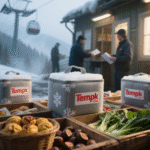
كيفية اختيار أفضل هلام للمأكولات البحرية الباردة
يصبح اختيار أفضل موزع للأطعمة البحرية للمراكم الباردة الهلامية أسهل عندما تتوقف عن التعامل معها كسلعة وتبدأ في مطابقة الهدف الحراري, الانضباط في التنفيذ, وقدرة المورد في إطار واحد. يحتاج مشترو المأكولات البحرية إلى برودة قوية ومستقرة, لكنهم بحاجة أيضًا إلى تجنب المياه المجانية الزائدة, التسميات التالفة, والحزم التي تتحول في صندوق مبلل. تحتاج أيضًا إلى التفكير في تجهيز المأكولات البحرية وتوزيعها, حيث أسلوب التعامل, التعرض المحيطي, ويمكن لممارسة المستودعات أن تغير النتيجة أكثر بكثير مما يقترحه الكتيب العام. تم بناء إرشادات إدارة الأغذية والعقاقير (FDA) للمأكولات البحرية حول نظام تحليل المخاطر ونقاط التحكم الحرجة (HACCP)., مطالبة المعالجات بتحديد المخاطر والسيطرة عليها بشكل منهجي. تستهدف قاعدة النقل الصحي الخاصة بـ FSMA أيضًا فشل النقل مثل التبريد غير المناسب, في حين أن التوجيهات الغذائية العامة لإدارة الأغذية والعقاقير (FDA) لا تزال تشير إلى التبريد عند درجة أو أقل 4 C والتجميد عند أو أقل -18 ج. يحول هذا الدليل هذا التعقيد إلى قرارات واضحة حتى تتمكن من مقارنة العروض, التحقق من صحة المسار الأيمن, وبناء برنامج مناسب لموزعي المأكولات البحرية الطازجة, مشغلي المحار, المعالجات, والعلامات التجارية للمأكولات البحرية التي تركز على التصدير.
هذه المقالة سوف تساعدك على الإجابة:
كيفية تحديد نافذة درجة الحرارة المناسبة, حجم العبوة, والتنسيب قبل طلب الاقتباس.
أي مادة, تصديق, وتفصل إشارات العرض بين العرض القوي والعرض المحفوف بالمخاطر.
كيفية تأهيل موزع المأكولات البحرية دون إضاعة الوقت في عينات ضعيفة أو ادعاءات غامضة.
أي التعبئة والتغليف, تكييف, وخيارات المواضع تقلل من التسريبات, الرحلات, والنفايات التي يمكن تجنبها.
ماذا 2026 تغيرات السوق والسياسة تعني التكلفة, الوثائق, والاستدامة.
ما هي أوضح طريقة لاختيار موزع المأكولات البحرية لمراكم الجل البارد?
القرار الأول دائمًا هو نافذة درجة الحرارة. غالبًا ما يختار المشترون مجمع الجل البارد أولاً ولا يفكرون إلا لاحقًا في وقت التعرض, العزل, وضع الحزمة, كتلة الحمولة, و تردد الفتح. هذا التسلسل يخلق المخاطر. يمكن أن تفشل الحزمة التي تعمل على مسار واحد في مسار آخر إذا كانت مدة المكوث, نمط التحميل, أو تغييرات الملف الشخصي المحيط. النهج الأكثر أمانا بسيط: ابدأ بحساسية المنتج, ثم قم بتعيين المسار, ثم حجم خطة المبرد. ويمنع هذا الأمر عدداً مذهلاً من الاستثناءات التي يمكن تجنبها.
أقوى طريقة شراء تستخدم تسلسلًا بسيطًا: تحديد الهدف الحراري, فهم الطريق, تحديد هندسة الحزمة والمواد, ثم قارن قدرة المورد. وهذا يمنعك من شراء حزمة جيدة من الناحية الفنية لا تناسب المسار. كما أنه يساعدك على التوقف عن الجدل حول سعر الوحدة قبل أن تعرف ما إذا كان التصميم صحيحًا بالفعل.
إطار القرار
| منطقة القرار | ما يجب تحديده | ماذا للتحقق | لماذا يساعدك |
|---|---|---|---|
| نافذة درجة الحرارة | حساسية الحمولة والنطاق المسموح به | التعرض للمسار الحقيقي وخطة المسجل | أنت تطابق المبرد مع الخطر الحقيقي. |
| تنسيق الحزمة | وزن, شكل, ومفهوم التنسيب | مرونة الفيلم, الأختام, وملء التسامح | يمكنك تحسين الاتساق وتقليل الأضرار التي يمكن تجنبها. |
| تصديق | الصيف والشتاء أو ملامح ما يعادلها | حدود القبول ومواقف المسجل | تشتري ضد الأدلة, لا تخمين. |
| قدرة المورد | خطة المخزون, التخصيص, والتوثيق | سرعة الاستجابة وإمكانية التتبع | يمكنك خفض المفاجآت التشغيلية. |
| الاستدامة | البيانات المادية, إعادة الاستخدام, ومنطق النفايات | سواء كان يعمل دون الإضرار بالأداء | يمكنك محاذاة التكلفة, سياسة, وتوقعات العملاء. |
ما هي التفاصيل الفنية الأكثر أهمية بعد أن تبدو العينة الأولى جيدة؟?
معظم الأشكال الباردة المعتمدة على الهلام هي أنظمة ثقيلة الماء ومثبتة في شبكة بوليمر. في العديد من التصاميم, الشبكة تحد من التباطؤ, يستقر التعبئة, ويقلل من الفوضى في حالة حدوث ثقب. وهذا مهم لأن الحزمتين بنفس الحجم الخارجي يمكن أن تتصرفان بشكل مختلف تمامًا عند الاستخدام. يمكن للمرء أن يطلق البرد بسرعة ويخلق خطر التجميد المحلي. قد يقوم آخر بتحريرها بشكل متساوٍ وحماية الحمولة لفترة أطول. للمشترين من مجمع الجل البارد, الدرس العملي هو هذا الشكل, نسبة الملء, وطريقة التكييف مهمة تقريبًا بقدر الوزن الإجمالي المطبوع على ورقة المواصفات.
اختيار الفيلم لا يقل أهمية عن اختيار الجل. الحقيبة, طَوّق, إدراج, أو يجب أن تتحمل الحقيبة ضغط التراص, اتصال الحافة, دورات التبريد المتكررة, والاحتكاك الناتج عن التحرك عبر الصناديق المموجة أو حقائب اليد القابلة لإعادة الاستخدام. الفيلم السميك ليس أفضل تلقائيًا. يوازن الهيكل الصحيح مقاومة الثقب, سلامة الختم, المرونة بعد التكييف, وكفاءة نقل الحرارة. في العمليات الحقيقية, عادةً ما تفشل الأختام الضعيفة قبل منتصف الفيلم. لهذا السبب يسأل المشترون الحذرون عن عرض الختم, اختبار التسرب, التسامح مع ملء الوزن, والتحكم في الأبعاد بدلاً من افتراض أن كل منتج في نفس فئة السُمك متساوٍ.
يجب أن يعكس التحقق الواقع. وهذا يعني تكييف مُراكم الجل البارد بالطريقة التي سيقوم بها فريقك بالفعل, تحميل الشاحن بالحمولة الحقيقية أو ما يعادلها مختبرة, وضع قطع الأشجار حيث يكون الخطر أعلى, وتشغيل أكثر من ملف تعريف محيط. منحنى المختبر النظيف مفيد, ولكنها ليست نفس نتيجة المسار. اسأل كيف يتغير الأداء عند وقت العبور, فتحات الصندوق, كثافة الحمولة, أو تغيير موضع الحزمة. أفضل الموردين يساعدك على فهم الهامش, ليس فقط النتيجة الأفضل.
إذا كنت تتذكر قاعدة فنية واحدة, تذكر هذا: الانتظار ليس كل القصة. يمكن أن تحتوي العبوة على طاقة احتياطية كافية ولا تزال تتصرف بشكل سيئ بسبب نمط الاتصال السيئ, فيلم هش, تعبئة غير متناسقة, أو طريقة تكييف لا يمكن للمستودع تكرارها باستمرار.
كيف يغير الامتثال والقواعد الإقليمية القائمة المختصرة؟?
تغير اللائحة القائمة المختصرة لأن المراقبة الموثقة جزء من إدارة المخاطر. تم بناء إرشادات إدارة الأغذية والعقاقير (FDA) للمأكولات البحرية حول نظام تحليل المخاطر ونقاط التحكم الحرجة (HACCP)., مطالبة المعالجات بتحديد المخاطر والسيطرة عليها بشكل منهجي. تستهدف قاعدة النقل الصحي الخاصة بـ FSMA أيضًا فشل النقل مثل التبريد غير المناسب, في حين أن التوجيهات الغذائية العامة لإدارة الأغذية والعقاقير (FDA) لا تزال تشير إلى التبريد عند درجة أو أقل 4 C والتجميد عند أو أقل -18 ج. وهذا يعني أن المورد لديه تعليمات واضحة, سجلات أفضل, وغالبًا ما يكون المنطق الخاص بالمسار هو الخيار الأقل خطورة حتى لو لم يكن سعر الوحدة هو الأدنى على الصفحة.
تنتقل الاستدامة من لغة التسويق إلى معيار الشراء في 2026. يتساءل المشترون الآن عما إذا كان التنسيق قابلاً لإعادة الاستخدام, كم يحتوي من البلاستيك, ما إذا كان الإصدار الأخف يمكنه القيام بنفس المهمة, وكيف سيبدو التعامل مع نهاية العمر. إن الإجابة المعقولة عن الاستدامة لا تعني اختيار أنحف أو أرخص حزمة. وهذا يعني خفض الوزن الذي يمكن تجنبه, الحد من النفايات ذات الاستخدام الواحد حيثما كان ذلك عمليًا, واستخدام اختيارات المواد الموثقة التي تناسب المسار. إن نمو سلسلة التبريد والتوقعات الأكثر صرامة فيما يتعلق بسلامة المأكولات البحرية يدفعان الموزعين نحو المزيد من التحقق من صحتهم, المجمعات الخاصة بالتطبيقات بدلاً من المجمعات العامة حزم هلام.
ماذا يفعل أقوى 2026 تبدو بطاقة أداء الموردين?
بالنسبة للبرامج الموزعة, الاتساق مهم أكثر من مجرد صفقة لمرة واحدة. أنت بحاجة إلى جودة مستقرة, موك واقعية, تخطيط واضح للمخزون, والتجديد المتوقع. وهذا صحيح بشكل خاص عندما يؤثر مجمع الجل البارد أيضًا على تكلفة الشحن, حجم التخزين, تكلفة التخلص, أو التعرض الضريبي. يساعدك شريك التوريد الأقوى على تبسيط عدد SKU, توحيد قواعد الطريق, تقليل عمليات الشراء الطارئة, والحفاظ على الاستثناءات الخاصة بالحساب من تولي العملية.
مشغلي المأكولات البحرية في 2026 نريد مركمات أنظف توفر بيئة قريبة من الصفر للأسماك الطازجة, أفلام أقوى تتحمل الظروف الرطبة, وأنظمة التعبئة والتغليف التي تناسب سرعة التعبئة في المصنع وعرض البيع بالتجزئة. كما تتزايد أسئلة الاستدامة أيضًا لأن المشترين لا يريدون مكاسب في الأداء تؤدي إلى رد فعل عكسي عند التخلص منها. إن نمو سلسلة التبريد والتوقعات الأكثر صرامة فيما يتعلق بسلامة المأكولات البحرية يدفعان الموزعين نحو المزيد من التحقق من صحتهم, مركمات خاصة بالتطبيقات بدلاً من عبوات الجل العامة.
بطاقة أداء الموردين العملية
| نقطة التحكم | ماذا تسأل | كيف تبدو جيدة | لماذا يهم |
|---|---|---|---|
| تناسب درجة الحرارة | ما هو نطاق درجة الحرارة الذي تم التحقق من صحة هذا التصميم له? | تشير الإجابة إلى نطاق حقيقي ونوع حارة حقيقي. | أنت تتجنب شراء حزمة قوية ولكنها خاطئة. |
| مراقبة الإنتاج | كيف يتم التحكم في وزن التعبئة وجودة الختم? | التسامح الموثق وفحوصات الجودة الروتينية. | يمكنك تقليل التباين من الكثير إلى الكثير. |
| دعم التحقق | هل يمكنك إظهار الصيف والشتاء أو الملفات الشخصية الدافئة والباردة? | نعم, مع طريقة اختبار واضحة وإرشادات تكييف عملية. | تحصل على أدلة تنطبق على مسارك. |
| مرونة العرض | أين يتم الاحتفاظ بالمخزون وماذا يحدث أثناء الارتفاعات? | استراتيجية الأسهم المحددة والتزامات المهلة الزمنية الواقعية. | يمكنك تجنب التدافع أثناء ذروة الطلب. |
| استراتيجية المواد | ماذا يمكنك توثيقه عن الفيلم, بلاستيك, إعادة الاستخدام, أو التخلص منها? | واضح, معلومات مادية محددة. | أنت تدعم مراجعة المشتريات والاستدامة. |
خطة العمل التي يمكنك استخدامها على الفور
قم بتخطيط صناديق الأسماك الطازجة وممرات توزيع المحار حسب وقت التعرض والمخاطر المحيطة.
أدوات اتخاذ القرار مفيدة
تحقق من التفاصيل قبل اختيار التغليف
يمكن أن تساعدك هذه الأدوات السريعة في مقارنة مخاطر المسار, احتياجات التحجيم, خيارات المبرد, وتفاصيل التعبئة والتغليف قبل أن تطلب عرض أسعار.
بطانة الصندوق & تحجيم غطاء البليت
تحقق من منطق تحديد حجم بطانة الصندوق وغطاء منصة التحميل لمشاريع التغليف المعزولة.
تقدير الحجممرجع المواد العازلة
قارن بين خيارات المواد العازلة لاحتياجات التعبئة والتغليف المختلفة لسلسلة التبريد.
قارن الموادمحدد التعبئة والتغليف
قارن بين خيارات التغليف المعزولة حسب المنتج, طريق, ودرجة الحرارة اللازمة.
البحث عن التعبئة والتغليفقم بتقليل المحادثة إلى مجموعة أصغر من تنسيقات مراكم الجل البارد المرشحة التي تتطابق فعليًا مع تلك الممرات.
اطلب بيانات التحقق القابلة للمقارنة وتفاصيل المواد من كل مورد جاد.
قم بتشغيل طيار واحد يتم التحكم فيه باستخدام الحمولة الحقيقية أو ما يعادلها تم اختباره قبل توسيع نطاقه.
لقطة القضية: قام أحد موزعي المأكولات البحرية بتوحيد مجموعة أصغر من أحجام مراكم الجل البارد حول عائلات المسار الفعلي بدلاً من التخمين من عميل لآخر. هذا يقلل من تعقيد التعبئة, تحسين اتساق الوصول, وتقليل التعبئة الزائدة في حالات الطوارئ عندما تصبح الظروف المحيطة أكثر صعوبة.
الانضباط النهائي المفيد هو إبقاء تعليقات ما بعد الإطلاق مرتبطة ببيانات المسار. عندما تنجح الشحنة أو تفشل, سجل المسار, الظروف المحيطة, عدد الحزمة, وضع الحزمة, وأي مراجعة للتغليف، لذا فإن القرار التالي يعتمد على الأدلة بدلاً من الذاكرة. هذه العادة ذات قيمة خاصة لموزعي المأكولات البحرية الطازجة, مشغلي المحار, المعالجات, والعلامات التجارية للمأكولات البحرية التي تركز على التصدير, لأن برامج سلسلة التبريد غالبًا ما تبدو مستقرة حتى موسم واحد, طريق واحد جديد, أو أن تغييرًا واحدًا في مزيج المنتجات يكشف عن افتراض ضعيف. حلقة ردود فعل بسيطة تجعل الجولة التالية من التغليف أكثر وضوحًا.
تنتقل الاستدامة من لغة التسويق إلى معيار الشراء في 2026. يتساءل المشترون الآن عما إذا كان التنسيق قابلاً لإعادة الاستخدام, كم يحتوي من البلاستيك, ما إذا كان الإصدار الأخف يمكنه القيام بنفس المهمة, وكيف سيبدو التعامل مع نهاية العمر. إن الإجابة المعقولة عن الاستدامة لا تعني اختيار أنحف أو أرخص حزمة. وهذا يعني خفض الوزن الذي يمكن تجنبه, الحد من النفايات ذات الاستخدام الواحد حيثما كان ذلك عمليًا, واستخدام اختيارات المواد الموثقة التي تناسب المسار. إن نمو سلسلة التبريد والتوقعات الأكثر صرامة فيما يتعلق بسلامة المأكولات البحرية يدفعان الموزعين نحو المزيد من التحقق من صحتهم, مركمات خاصة بالتطبيقات بدلاً من عبوات الجل العامة.
بالنسبة للبرامج الموزعة, الاتساق مهم أكثر من مجرد صفقة لمرة واحدة. أنت بحاجة إلى جودة مستقرة, موك واقعية, تخطيط واضح للمخزون, والتجديد المتوقع. وهذا صحيح بشكل خاص عندما يؤثر مجمع الجل البارد أيضًا على تكلفة الشحن, حجم التخزين, تكلفة التخلص, أو التعرض الضريبي. يساعدك شريك التوريد الأقوى على تبسيط عدد SKU, توحيد قواعد الطريق, تقليل عمليات الشراء الطارئة, والحفاظ على الاستثناءات الخاصة بالحساب من تولي العملية.
الانضباط النهائي المفيد هو إبقاء تعليقات ما بعد الإطلاق مرتبطة ببيانات المسار. عندما تنجح الشحنة أو تفشل, سجل المسار, الظروف المحيطة, عدد الحزمة, وضع الحزمة, وأي مراجعة للتغليف، لذا فإن القرار التالي يعتمد على الأدلة بدلاً من الذاكرة. هذه العادة ذات قيمة خاصة لموزعي المأكولات البحرية الطازجة, مشغلي المحار, المعالجات, والعلامات التجارية للمأكولات البحرية التي تركز على التصدير, لأن برامج سلسلة التبريد غالبًا ما تبدو مستقرة حتى موسم واحد, طريق واحد جديد, أو أن تغييرًا واحدًا في مزيج المنتجات يكشف عن افتراض ضعيف. حلقة ردود فعل بسيطة تجعل الجولة التالية من التغليف أكثر وضوحًا.
الأسئلة المتداولة
لماذا تعتبر المياه المجانية مشكلة في صناديق المأكولات البحرية؟?
لأن الكثير من المياه السائبة يمكن أن تلحق الضرر بالملصقات, إضعاف المواد المموجة, تؤثر على العرض, وإنشاء شكاوى معالجة حتى عندما يظل المنتج باردًا بدرجة كافية.
ما الذي يجب على موزعي المأكولات البحرية اختباره أولاً؟?
اختبار مقاومة الثقب, سلامة الختم, وحزم الاستقرار في الظروف الرطبة. تعتبر بيئات المأكولات البحرية أكثر خشونة ورطوبة مما تفترضه العديد من اختبارات سلسلة تبريد البضائع الجافة.
كيف يرتبط نظام تحليل المخاطر ونقطة التحكم الحرجة (HACCP) باختيار المجمع?
يمكن للتغليف أن يدعم أهداف نظام تحليل المخاطر ونقطة التحكم الحرجة (HACCP) عندما تكون طريقة التحكم في درجة الحرارة قابلة للتنبؤ وتكون عملية المعالجة محددة بوضوح. يجب أن تتناسب الخطة التراكمية مع منطق التحكم في المخاطر.
يمكن لمراكم واحد التعامل مع المأكولات البحرية الطازجة والمجمدة?
عادة لا. تتطلب المعالجة المبردة الطازجة والممرات المجمدة منطقًا مختلفًا لدرجات الحرارة وأنظمة تعبئة مختلفة في كثير من الأحيان.
ما الذي يتغير في 2026 شراء سلسلة تبريد المأكولات البحرية?
يريد المشترون متانة أقوى في الظروف الرطبة, عرض أنظف, وعدد أقل من شكاوى التخلص دون التخلي عن الأداء.
ملخص وتوصية
نادرًا ما يكون أفضل قرار بشأن مجمع الجل البارد هو القرار الذي يحتوي على كتلة أكثر برودة أو أقل سعر للعنصر. هو الذي يناسب الطريق, يحمي الحمولة, يدعم قواعد تشغيل واضحة, ويمنحك الوثائق التي يمكنك استخدامها بالفعل. إذا قمت بتحديد هدف درجة الحرارة أولا, التحقق من صحة المسار بصدق, وتسجيل الموردين على أكثر من السعر, سوف تتخذ قرارًا أفضل على المدى الطويل.
يجب أن تكون خطوتك التالية بسيطة: قم بوضع قائمة مختصرة للطرق الأكثر أهمية, طلب معلومات فنية ومعلومات توريد قابلة للمقارنة, وتشغيل طيار واحد يتم التحكم فيه. يمنحك هذا النهج الأدلة بسرعة ويحافظ على المشتريات, العمليات, وQA الانحياز.
حول Tempk
و Tempk, نحن نركز على العملي تغليف السلسلة الباردة للطعام, الرعاية الصحية, وغيرها من احتياجات التوزيع الحساسة لدرجة الحرارة. نحن نعمل على صياغة هلام مستقر, الأختام موثوقة, التحجيم المخصص, ودعم التحقق من الصحة على أساس المسار حتى يتمكن المشترون من مطابقة الحزمة مع المسار بدلاً من التخمين.
إذا كنت بحاجة إلى مساعدة في مقارنة التنسيقات, وضع حزمة التكرير, أو بناء خطة تجريبية أبسط, يمكننا مساعدتك في تحويل بيانات المسار إلى قرار أكثر وضوحًا بشأن التغليف.