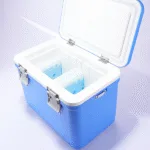
تحتاج العلامات التجارية الخاصة بتوصيل الأغذية وأدوات الوجبات إلى تغليف يحمي سلامة الأغذية, جودة المنتج, وتجربة العملاء من خلال طريق التسليم الكامل. أ 24-48 حزمة الساعة ليست مجرد صندوق به حزم هلام. إنه نظام متحكم فيه يبدأ بالأطعمة المبردة مسبقًا, يستخدم العزل المناسب والمبرد, حسابات تأخير الميل الأخير, ويصل بتغليف نظيف, تسميات قابلة للقراءة, ودرجة حرارة المنتج المقبولة.
تشرح هذه المقالة كيفية تصميم مجموعة سلسلة تبريد عملية للوجبات المبردة, مجموعات الوجبات, منتجات البقالة, ألبان, الحلويات, الصلصات, وغيرها من الأطعمة الحساسة لدرجة الحرارة. ويستخدم المراجع الرسمية لسلامة الأغذية والتعبئة والتغليف الناقل حيثما أمكن ذلك ويفصل المعلمات المدعومة من المصدر عن قرارات التصميم التي تتطلب الاختبار.
ابدأ بدرجة حرارة الطعام المستهدفة
تنص إرشادات سلامة الأغذية الصادرة عن إدارة الغذاء والدواء (FDA) على ضرورة حفظ الطعام البارد عند درجة حرارة 40 درجة فهرنهايت / 4درجة مئوية أو أقل, ويجب ألا يبقى الطعام القابل للتلف في "منطقة الخطر" التي تتراوح بين 40 درجة فهرنهايت إلى 140 درجة فهرنهايت لأكثر من 2 ساعات, أو أكثر من 1 ساعة إذا كانت درجة الحرارة أعلى من 90 درجة فهرنهايت. هذا هو مرجع سلامة الأغذية, ليس بروتوكولًا كاملاً للتحقق من صحة الشحن, ولكنه يساعد في تحديد هدف سلسلة التبريد لتوصيل الطعام المبرد.
للأغذية المجمدة, تشير إرشادات التعامل الآمن من إدارة الغذاء والدواء (FDA) إلى تخزين الفريزر عند درجة حرارة 0 درجة فهرنهايت / -18درجة مئوية أو أقل. وهذا يعني أنه لا ينبغي تصميم مجموعة أدوات الوجبات المبردة وحزمة الوجبات المجمدة بنفس الطريقة.
جدول درجة الحرارة وتخطيط المنتج
| فئة المنتج | هدف التصميم العملي | الخطر الرئيسي | آثار التعبئة والتغليف |
|---|---|---|---|
| الوجبات الجاهزة المبردة | حافظ على البرودة, عموما عند أو أقل من 40 درجة فهرنهايت / 4درجة مئوية لسلامة الأغذية. | الاحترار خلال يسكن الميل الأخير, تسرب الصلصة, تشوه صينية. | حزم هلام, بطانة معزولة أو صندوق رغوة, طبقة ماصة, تصميم كرتون نظيف. |
| الألبان والبروتين الطازج | حماية مبردة قوية, تجنب إساءة استخدام درجة الحرارة. | مخاطر سلامة الأغذية وتسرب التطهير. | كتلة سائل التبريد أعلى, فصل المنتج, مادة ماصة, سير عمل التعبئة السريعة. |
| المنتجات والسلطات | حافظ على برودتك ولكن تجنب تلف التجميد. | التجميد من الاتصال المباشر لحزمة هلام, أضرار الرطوبة. | طبقة عازلة, التحكم في تدفق الهواء, تجنب الاتصال المباشر مع المبرد المجمد. |
| حلويات الشوكولاتة والمخبوزات | منع ذوبان أو تشوه; في كثير من الأحيان ليست باردة مثل الأطعمة المجمدة. | تليين الحرارة, التكثيف, ضرر المظهر. | استخدم بطانة معزولة, عبوات جل مع فصل, فتح علبته نظيفة. |
| الوجبات الجاهزة المجمدة | الحفاظ على حالة الوصول المجمدة. | ذوبان الجليد, إعادة التجميد, التعامل مع الثلج الجاف إذا تم استخدامه. | عزل قوي, استراتيجية المبرد المجمد, ربما الثلج الجاف حسب الطريق. |
| مجموعات وجبة مع المكونات المختلطة | قد يكون للعناصر المختلفة حساسية مختلفة. | يحتاج البروتين إلى حماية أكثر برودة, قد يتجمد المنتج. | مناطق منفصلة, المقسمات, تجميع المكونات, التعبئة الواضحة SOP. |
قم ببناء العبوة من الداخل إلى الخارج
ينبغي تصميم حزمة توصيل الطعام من الحمولة إلى الخارج.
ابدأ بالطعام نفسه. قم بتعبئة الطعام في درجة حرارة البداية الصحيحة. يجب أن تحمي عبوات الجل المنتج أثناء النقل, عدم تبريد الطعام الدافئ بعد سوء التعامل مع المستودعات. ثم حدد ترتيب المنتج. احتفظ بالصواني الهشة, الصلصات, ويتم الإنتاج بعيدًا عن نقاط الضغط والأسطح المجمدة المباشرة. أضف فاصلًا أو مخزنًا مؤقتًا حيث يوجد خطر التجميد.
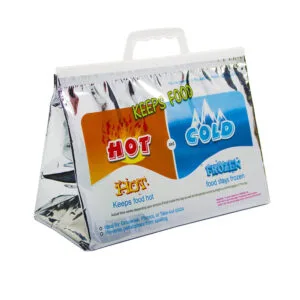
بعد ذلك اختر المبرد. تصف FedEx المبردات الهلامية للمنتجات التي يجب أن تظل في درجة حرارة تتراوح بين 34 درجة فهرنهايت / 1درجة مئوية و50 درجة فهرنهايت / 10درجة مئوية. لذلك تعتبر عبوات الجل خيارًا شائعًا للأطعمة المبردة ومجموعات الوجبات. للأغذية المجمدة, الثلج الجاف أو قد تكون هناك حاجة إلى حزمة مجمدة مختلفة.
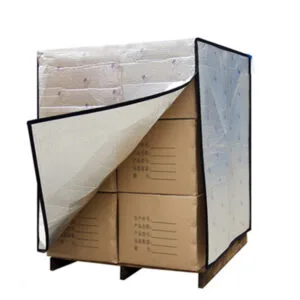
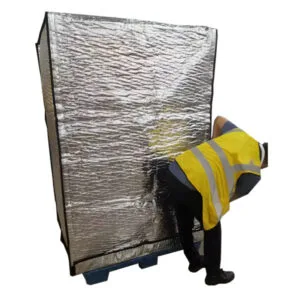
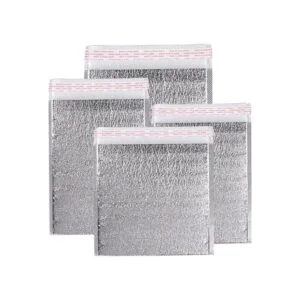
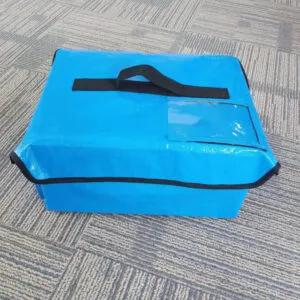
وأخيرا اختيار العزل. أ بطانة الصندوق قد تكون مناسبة لوجبات التجارة الإلكترونية حيث تريد العلامة التجارية تخزينًا مسطحًا وحجم شحن أقل. قد يعمل شاحن EPS على تحسين العزل والصلابة للطرق الأطول. قابلة لإعادة الاستخدام صندوق EPP قد تعمل مع حلقات التسليم المحلية أو البرامج القابلة للإرجاع.
طبقات الحزمة الموصى بها
| طبقة | وظيفة | ملاحظات التصميم |
|---|---|---|
| الكرتون الخارجي | يحمي الشحنة ويحمل الملصقات. | استخدم قوة كافية لضغط الطرود والتعرض للرطوبة. |
| بطانة معزولة أو شاحن رغوة | يقلل من اكتساب الحرارة أثناء النقل. | اختر بناءً على وقت الانتظار, مساحة التخزين, يكلف, وأهداف الاستدامة. |
| بطانة بلاستيكية | يحمي الكرتون من التكثيف, تسرب, وتطهير المنتج. | توصي شركة FedEx بالبطانات البلاستيكية للشحنات القابلة للتلف. |
| طبقة ماصة | يلتقط التكثيف أو التسرب. | مفيدة بشكل خاص للمأكولات البحرية, لحمة, ألبان, والمنتجات الرطبة. |
| عبوات جل أو سائل تبريد | يمتص الحرارة ويطيل فترة الاحتفاظ بالبرودة. | قم بالتجميد أو الحالة وفقًا لتعليمات العبوة. |
| غرفة المنتج | يحافظ على تنظيم الطعام ويمنع تلفه. | استخدم الفواصل أو الأكمام عند الحاجة. |
| تعليمات التعبئة | يتحكم في تكرار المستودع. | تضمين طلب الحزمة, موقع المبرد, ووقت قريب. |
| تلقي التعليمات | يساعد العميل على الحكم على حالة المنتج. | قم بتضمين "التبريد على الفور" وإرشادات التخلص من العبوات الباردة. |
تصميم ل 24 ساعات مقابل 48 ساعات
غالبًا ما يستخدم تصميم 24 ساعة عزلًا أخف وأقل سائل تبريد من تصميم 48 ساعة, ولكن الفرق ليس خطيا. قد تمر الطرود لمدة 48 ساعة عبر محاور متعددة, المركبات الأكثر دفئا, وقت أطول يسكن, وعدم اليقين بشأن التسليم السكني. يمكن للطرد المتأخر لمدة 24 ساعة أن يتصرف مثل شحنة مدتها 36 ساعة. يمكن أن تصبح شحنة الجمعة مشكلة في عطلة نهاية الأسبوع إذا فشلت الخدمة.
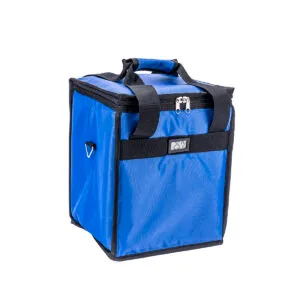
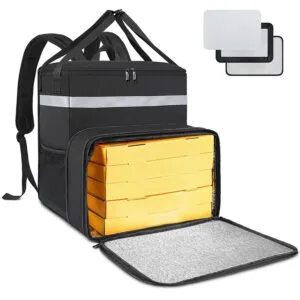
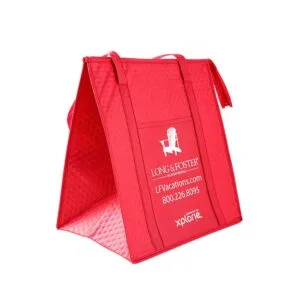
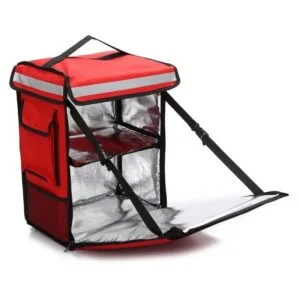
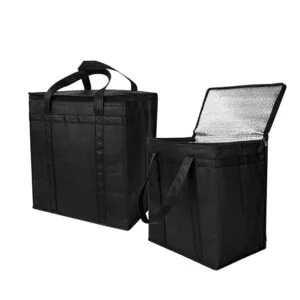
لتوصيل المواد الغذائية للمؤسسات, يجب أن يتضمن هدف التصميم وقت الخدمة بالإضافة إلى هامش التأخير. قد تحتاج العلامة التجارية لمجموعة الوجبات التي يتم شحنها في الصيف إلى إصدارات عبوات مختلفة للمواسم الدافئة والمعتدلة. قد يحتاج طريق التسليم المحلي في نفس اليوم إلى حقيبة معزولة والعبوات القابلة لإعادة الاستخدام بدلاً من شاحن الطرود الرغوية.
أدوات اتخاذ القرار مفيدة
تحقق من التفاصيل قبل اختيار التغليف
يمكن أن تساعدك هذه الأدوات السريعة في مقارنة مخاطر المسار, احتياجات التحجيم, خيارات المبرد, وتفاصيل التعبئة والتغليف قبل أن تطلب عرض أسعار.
مدقق مخاطر الطريق
قم بمراجعة ظروف المسار قبل اختيار التغليف لمتطلبات التشغيل الحقيقية.
تحقق من مخاطر الطريقمحدد التعبئة والتغليف
قارن بين خيارات التغليف المعزولة حسب المنتج, طريق, ودرجة الحرارة اللازمة.
البحث عن التعبئة والتغليفمرجع المواد العازلة
قارن بين خيارات المواد العازلة لاحتياجات التعبئة والتغليف المختلفة لسلسلة التبريد.
قارن الموادتوجيه عوامل الخطر لمجموعات الوجبات وتوصيل الطعام
| عامل الخطر | كيف يؤثر على الحزمة | التخفيف |
|---|---|---|
| حرارة الصيف في الميل الأخير | يزيد من اكتساب الحرارة قرب الولادة. | المزيد من العزل, كتلة سائل تبريد أعلى, نوافذ تسليم أقصر, فحص مخاطر الطريق. |
| عتبة الباب تسكن | قد يبقى المنتج بعد التسليم. | أضف هامش الأمان وتعليمات العميل. |
| تأخير عطلة نهاية الأسبوع | 24-قد يفشل تصميم الساعة إذا تأخر. | تجنب أيام الشحن عالية المخاطر أو التصميم لفترة أطول. |
| مكونات مختلطة | بروتين, ينتج, والصلصات لها احتياجات مختلفة. | مناطق باردة منفصلة واستخدام المقسمات. |
| التكثيف | ملصقات تلف الكراتين المبللة وتجربة العملاء. | بطانة بلاستيكية, طبقة ماصة, عبوات مقاومة للتسرب. |
| الإفراط في التجميد | يمكن أن تؤدي عبوات الجل المجمدة إلى إتلاف المنتجات أو الصلصات. | طبقة عازلة, بي سي إم, تكييف أكثر دفئا, أو التنسيب غير المباشر. |
نهج التحقق من الصحة
لبرنامج جديد, ابدأ بتصميم مكتب باستخدام كتلة المنتج, درجة الحرارة المستهدفة, مدة الطريق, وشكل العزل. ثم قم ببناء حزمة عينة وتسجيل درجة حرارة المنتج والهواء باستخدام مسجلات البيانات. إذا كانت الشحنة كبيرة الحجم أو وطنية, اختبار ضد الملامح الدافئة والباردة. يوفر ISTA 7E ملفات تعريف النقل الحراري التي تم تطويرها من بيانات الحرارة والبرودة الواقعية ويمكن أن يدعم اختبارات أكثر تنظيماً.
يجب أن يوثق التحقق درجة حرارة تحميل المنتج, تكييف المبرد, تسلسل الحزمة, موقع مسجل البيانات, ملف تعريف المحيط, وحالة الوصول. إذا تم تمرير الصندوق فقط عندما يتم تعبئته بواسطة خبير واحد, قد يفشل التصميم في الإنتاج. يجب أن يكون التصميم النهائي بسيطًا بما يكفي ليقوم موظفو المستودعات بتكراره أثناء ذروة الطلب.
الاستدامة وتجربة العملاء
تحتاج العلامات التجارية لتوصيل الطعام أيضًا إلى التفكير فيما هو أبعد من درجة حرارة الوصول. العملاء يشكون عندما حزم الجليد تسريب, تصل كرتونة مبللة, التخلص من الجل أمر مربك, أو كثيرة جدًا عبوات باردة تتراكم في المنزل. يجب أن تتضمن العبوة المصممة جيدًا تعليمات التخلص أو إعادة الاستخدام, المبرد ذو الحجم الصحيح, بطانات نظيفة, والتعبئة والتغليف التي لا تبدو مفرطة.
يمكن للأنظمة القابلة لإعادة الاستخدام أن تعمل على التوصيل المحلي في حلقة مغلقة. عبوات ثلج حقن الماء يمكن أن يقلل من حجم الشحن والتخزين الداخلي قبل الترطيب. قد تدعم البطانات القابلة لإعادة التدوير أهداف الاستدامة, لكنهم ما زالوا بحاجة إلى الاختبار الحراري. لا تستبدل شاحن الرغوة المعتمد ببطانة أخف دون إعادة اختبار العبوة.
التعليمات
هل يمكن أن تبقى مجموعة الوجبات باردة؟ 48 ساعات مع عبوات الجل?
ذلك يعتمد على الحمولة, العزل, طريق, درجة حرارة البداية, كتلة حزمة هلام, والتعرض المحيطي. تُستخدم عبوات الجل بشكل شائع للشحنات المبردة, ولكن يجب اختبار التصميم الذي يستغرق 48 ساعة في ظل ظروف واقعية.
في حالة ملامسة عبوات هلام مجموعة الوجبات للطعام?
ليس دائما. يمكن أن يكون الاتصال المباشر مفيدًا لبعض المنتجات المبردة ولكنه قد يؤدي إلى تجميد المنتج, الصلصات, أو الأطعمة الحساسة. استخدم المخازن المؤقتة أو المقسمات عند وجود خطر التجميد.
ما هو الفرق الرئيسي بين شحن الوجبات المبردة والمجمدة؟?
تم تصميم الوجبات المبردة لتبقى باردة ولكن ليست مجمدة. يجب أن تظل الوجبات المجمدة مجمدة وقد تتطلب عزلًا أقوى, PCM المجمدة, أو الثلج الجاف حسب الطريق.
كيف يمكن للعلامات التجارية تقليل الكراتين الرطبة?
استخدم عبوات هلامية مقاومة للتسرب, بطانات بلاستيكية, مادة ماصة, وضع أفضل لسائل التبريد, وتصميم كرتوني يحافظ على الملصقات بعيدًا عن الأسطح الرطبة.
الوجبات الجاهزة النهائية
أ 24-48 يجب تصميم مجموعة وجبات الطعام لمدة ساعة أو حزمة توصيل الطعام حول سلامة الأغذية, واقع الطريق, حساسية المنتج, وتجربة العملاء. ابدأ بمراجع درجة حرارة إدارة الغذاء والدواء (FDA)., اختر نظام التبريد والعزل الذي يتناسب مع المسار, تشمل التحكم في الرطوبة, والتحقق من صحة الحزمة الكاملة قبل القياس.