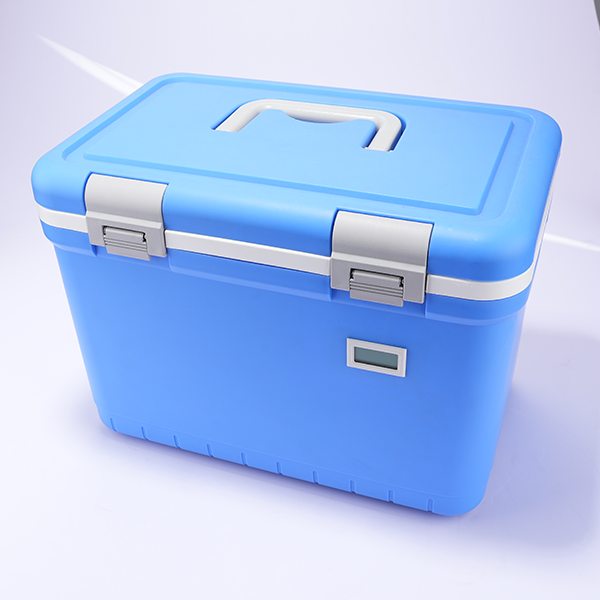
صندوق معزول للمنتجات الزراعية
أفضل طريقة للتقييم مربع معزول for agricultural products is to treat it as part of a complete cold-chain system, وليس كحاوية قائمة بذاتها. For agricultural product logistics, يجب أن يتناسب الصندوق الصحيح مع المنتج, حجم الحمولة, خطة المبرد, مدة الطريق, بيئة التعامل, واحتياجات التوثيق. وينبغي أيضًا أن يكون من السهل على موظفي المستودعات التعبئة باستمرار. يشرح هذا الدليل كيفية الحكم على الملاءمة العملية, حيث للتحقق من مطالبات الموردين, وعندما يحتاج الصندوق المعزول إلى تأهيل إضافي قبل الاستخدام الروتيني.
للشحنات الغذائية والزراعية, التعامل الصحي, التبريد المسبق, معدات نظيفة, واستلام مواد التفتيش بقدر العبوة المعزولة. تختلف القواعد الغذائية حسب السوق والمنتج, لذلك يجب على المشترين التعامل مع الصندوق باعتباره جزءًا من عملية سلسلة التبريد الأوسع نطاقًا وليس بديلاً للتحكم المبرد حيث يكون هذا التحكم مطلوبًا.
ابدأ بمتطلبات المنتج, وليس تسمية الصندوق
الخطوة الأولى هي تحديد متطلبات المنتج كتابيًا. للمنتجات الطازجة, الأعشاب, زهور, بذور, المحاصيل المتخصصة, and value-added farm products, قد يكون هذا المتطلب نطاق تخزين, حالة النقل, تعليمات البروتوكول, قيود SDS, مواصفات المشتري, أو توقع تنظيمي محلي. بدون هذا الإدخال, the phrase insulated box for agricultural products is too broad to support a safe purchase.
الصندوق المعزول هو أحد مكونات التغليف السلبي. يمكن أن تقلل من نقل الحرارة, حماية الحزمة, ودعم خطة الطريق, لكنه لا يخلق الامتثال من تلقاء نفسه. سائل التبريد, ترتيب الحمولة, يراقب, تسميات, خطوات الاستلام, وقد تكون هناك حاجة إلى أدلة موثقة اعتمادًا على المنتج. يجب أن تكون هذه الحدود واضحة قبل أن تقارن المشتريات بين الموردين.
ويجب على المشتري أيضًا أن يقرر مستوى الإثبات الضروري. قد تحتاج الشحنات منخفضة المخاطر فقط إلى حزمة معقولة وفحوصات قبول داخلية. ذات قيمة عالية, منظم, أو قد تتطلب الشحنات الحساسة للاستقرار تقارير اختبار, تأهيل المسار, موافقة الجودة, وتوقعات التحكم في التغيير. يعتمد عبء التوثيق الصحيح على المخاطر, وليس على اسم المربع.
تحويل المسار إلى مواصفات التعبئة والتغليف
يجب أن تصف مواصفات المسار كل فترة تكون فيها البضائع خارج التخزين الخاضع للرقابة. تشمل تنظيم المستودعات, تأخير الالتقاط, نقل الناقل, التعامل مع المطار أو عبر الرصيف, مراجعة الجمارك, عطلة نهاية الأسبوع, تسليم الميل النهائي, ومعالجة المتلقي. هذه التفاصيل ليست إدارية; فهي تحدد مقدار الحماية الحرارية التي تحتاجها العبوة.
For farm-to-packhouse, exporter consolidation, الشحن الجوي, شاحنة مبردة, and farmers market or e-commerce delivery, يجب على المشترين أيضًا مراعاة الاختلاف الموسمي. قد يحتاج المسار الذي يعمل بشكل مقبول في الطقس المعتدل إلى حزمة مختلفة أو شاحن أقوى في الصيف أو الشتاء. التأهل الموسمي لا يعني التخمين. وهذا يعني السؤال عما إذا كانت بيانات المورد, الاختبارات الداخلية, أو تغطي الشحنات التجريبية ظروف التعرض التي يمكن أن يواجهها المسار بشكل واقعي.
يجب مشاركة مواصفات المسار مع الموردين المحتملين قبل طلب العينات. عندما يفهم المورد مخاطر الطريق, يمكنهم التوصية بحجم الصندوق, نوع العزل, تكوين المبرد, وتعليمات التجميع بشكل أكثر مسؤولية. بدون الطريق, معظم التوصيات تصبح افتراضات.
يجب على المشترين طلب الأدلة قبل القياس
| الأدلة على الطلب | ما ينبغي توضيحه | كيفية استخدامه |
|---|---|---|
| وصف المواد والبناء | نوع العزل, الكرتون الخارجي, بطانة, إنهاء, وإدراج خاص. | تأكد من تطابق العينة ووحدات الإنتاج. |
| ملخص الاختبار الحراري | حمولة, سائل التبريد, التعرض المحيطي, مدة, وتمرير المعايير. | تحقق مما إذا كان الاختبار يشبه المسار الخاص بك والمنتج. |
| تعليمات الحزمة | تكييف, ترتيب التحميل, وضع المسجل, وخطوات الإغلاق. | استخدامه للتدريب على المستودعات وفحوصات التدقيق. |
| تغيير عملية الإخطار | كيف يتم توصيل تغييرات المواد أو التصميم. | حماية اتساق العينة إلى الإنتاج. |
| تلقي وتوجيه الاستثناء | ما يجب على المستلم تسجيله في حالة تأخر الشحنة أو تلفها. | تقليل النزاعات ودعم مراجعة الجودة. |
ليس المقصود من قائمة الأدلة هذه تحويل كل عملية شراء إلى مشروع رسمي للتحقق من الصحة. It helps buyers decide whether the insulated box for agricultural products is supported by enough information for the risk level of the shipment.
للسلع الحساسة, غالبًا ما تكون التفاصيل الأكثر أهمية هي ما إذا كان التكوين الذي تم اختباره يتطابق مع التكوين الحقيقي. إذا استخدم التقرير حمولة مختلفة, كمية المبرد, أو بناء الصندوق, يجب على المشتري التعامل مع النتيجة كنقطة بداية, ليست إجابة نهائية.
الخيارات المادية ومقايضات الاستدامة
يجب أن يكون اختيار المواد مرتبطًا بالمسار وخطة التعافي. قد توفر أنظمة الرغوة عزلًا قويًا ومقاومة للصدمات, لكن يمكنهم إثارة أسئلة حول التخلص منها. قد تدعم الأنظمة المبطنة بالورق أو الألواح الليفية أهداف تقليل النفايات, ولكن يجب التحقق من مدى تحمل الرطوبة والأداء الحراري. صناديق قابلة لإعادة الاستخدام يمكن أن تكون جذابة في الحلقات المغلقة, ومع ذلك فهم بحاجة إلى التفتيش, تنظيف, تتبع العودة, والسيطرة على الخسارة.
Moisture tolerance, breathable packout design, توسيد, ضغط الصندوق, coolant separation from produce, and liner compatibility with humidity should be evaluated as practical design factors, ليست مطالبات المنتج المعزولة. يمكن أن تضعف المادة عالية الأداء بسبب سوء تركيب الغطاء. يمكن أن تفشل البطانة المستدامة إذا أدى التكثيف إلى إتلافها. يمكن للحقيبة المدمجة أن تقلل من حجم الشحن ولكنها قد لا تناسب طريقًا طويلًا أو غير مؤكد. يجب توثيق المقايضة قبل الطلب بكميات كبيرة.
عندما تكون الاستدامة جزءًا من قرار الشراء, اسأل عن الأدلة وراء هذا الادعاء. هي المادة القابلة لإعادة التدوير حيث يعمل جهاز الاستقبال? هل تتطلب العبوة فصل المكونات؟? هل يمكن للمشتري استعادة المبردات أو الصناديق القابلة لإعادة الاستخدام? إن فائدة الاستدامة التي تعمل من الناحية النظرية فقط قد لا تساعد سلسلة التوريد الفعلية.
الضوابط التشغيلية بعد وصول الصناديق
تعمل الضوابط التشغيلية على تحويل تصميم التغليف إلى أداء قابل للتكرار. قبل استخدام الإنتاج, قم بإنشاء تعليمات تعبئة قصيرة تغطي حالة بدء تشغيل المنتج, تكييف المبرد, ترتيب التحميل, ملء باطلة, وضع المسجل, إغلاق الغطاء, وضع التسمية, والتخزين قبل الاستلام. يجب أن تكون التعليمات سهلة بما يكفي ليتبعها فريق المستودع المزدحم دون ترجمة فورية.
يعتبر استلام التفتيش جزءًا من نفس النظام. يجب أن يعرف المتلقي ما يجب فعله في حالة تلف الصندوق, تأخير, دافئة للمس, في عداد المفقودين التسمية, أو تفتقر إلى المسجل المتوقع. إذا كانت الشحنة منظمة أو حساسة للجودة, يجب تحديد مسار الاستثناء قبل تحرك الشحنة الأولى.
يمكن للطيار العملي أن يكشف عن المشكلات التي تفتقدها ورقة المواصفات. على سبيل المثال, قد يكتشف الموظفون صعوبة إغلاق الصندوق عندما يكون عدد الحمولة صحيحًا, الذي - التي حزم هلام تنزلق إلى الموضع الخاطئ, أو أن منطقة الملصق صغيرة جدًا بعد وضع الشريط اللاصق. يعد إصلاح هذه المشكلات قبل التوسع أقل تكلفة من تصحيحها بعد بدء التوزيع الروتيني.
متى يجب إشراك الجودة, الخدمات اللوجستية, والموردين معا
عادةً ما تتضمن أفضل قرارات الصناديق المعزولة الشراء, الخدمات اللوجستية, جودة, والمورد. المشتريات ترى التكلفة والتوافر. ترى الخدمات اللوجستية صعوبة الطريق والعمالة. الجودة ترى مخاطر المنتج والوثائق. يرى المورد الخيارات المادية, قيود الإنتاج, وخيارات الحزمة. عندما تقرر مجموعة واحدة وحدها, غالبًا ما يتم تفويت الافتراضات المهمة.
لمصدري المنتجات, farm cooperatives, packhouse managers, ومشتري سلسلة التبريد, يمكن أن تكون المراجعة الداخلية المفيدة قصيرة. تأكيد الحالة المطلوبة, خطر الطريق, تكوين الحمولة, الأدلة اللازمة, وتوقعات التحكم في التغيير. إذا كان المنتج حساسًا أو منظمًا, تضمين فريق الجودة قبل تقديم طلب الشراء. إذا كان الطريق صعبا من الناحية التشغيلية, قم بتضمين فريق المستودع أو الناقل قبل الموافقة على العينات.
أدوات اتخاذ القرار مفيدة
تحقق من التفاصيل قبل اختيار التغليف
يمكن أن تساعدك هذه الأدوات السريعة في مقارنة مخاطر المسار, احتياجات التحجيم, خيارات المبرد, وتفاصيل التعبئة والتغليف قبل أن تطلب عرض أسعار.
مقاومة سقوط المواد العازلة
مراجعة مقاومة السقوط وعوامل المناولة قبل اختيار المواد العازلة.
تحقق من المقاومةحاسبة الثلج الجاف
تقدير احتياجات الثلج الجاف للشحنات المجمدة أو شديدة البرودة قبل التعبئة.
تقدير الثلج الجافمولد قائمة التحقق من الامتثال
قم ببناء قائمة مرجعية عملية لمراجعة التغليف, شحن, والتوثيق.
بناء قائمة مرجعيةتعتبر هذه المراجعة التعاونية ذات أهمية خاصة لتغييرات الموردين, وجهات جديدة, عبوات موسمية, وتوسيع نطاقها من العينات إلى الطلبات بالجملة. قد يكون المربع المحدد للطيار مناسبًا, ولكن العملية المحيطة بها يجب أن تتوسع أيضًا. إن قرارات التغليف الجيدة تحمي المنتج وتقلل من ارتباك الأشخاص الذين يقومون بالتعبئة, يحمل, واستلامها.
يجب أن يتضمن قرار الشراء النهائي مراجعة بسيطة للقبول أو عدم الاستمرار. هل يمكن للفريق ذكر متطلبات المنتج? هل يمكن وصف مخاطر الطريق? هل بناء العينة هو نفس الإنتاج? هل تتناسب الحزمة مع الحمولة دون فرض الاختصارات? هل هناك وثائق كافية لمستوى المخاطرة? إذا كان هناك أي إجابة غير واضحة, يجب على المشتري حلها قبل القياس.
الهدف ليس جعل كل شحنة معقدة. الهدف هو منع الافتراضات التي يمكن تجنبها. للسلع منخفضة المخاطر, قد تكون العملية مختصرة. بالنسبة للسلع ذات المخاطر العالية, قد تنطوي على التأهيل الرسمي. في كلتا الحالتين, the buyer benefits from treating the insulated box for agricultural products as a designed part of the route rather than a generic حاوية معزولة.
ملاحظات ميدانية إضافية لفرق الشراء
When teams compare insulated box for agricultural products, وينبغي عليهم توثيق الافتراضات التي تم إثباتها والتي لا تزال مجرد تقديرات. قد تتضمن المعلومات المثبتة وصفًا ماديًا, الأبعاد المقاسة, خطوات الحزمة المتفق عليها, ونموذج البناء الذي يتوافق مع الإنتاج. قد تتضمن المعلومات المقدرة مخاطر التأخير, التعرض الموسمي, انضباط المتلقي, ومدى استمرارية تكييف الموظفين لسائل التبريد. إن إبقاء هذه الفئات منفصلة يساعد المشتريات على تجنب التعامل مع الافتراض كحقيقة.
ومن الممارسات المفيدة الأخرى إعداد خطة استثناء صغيرة قبل الشحنة الأولى. قرر ما يجب على الموظفين فعله إذا وصل الصندوق محطمًا, التسمية غير قابلة للقراءة, المسجل مفقود, أو أبلغ المتلقي عن تأخر التسليم. لا يجب أن تكون الخطة طويلة, ولكن يجب أن تحدد من يقوم بمراجعة الشحنة وما هي الأدلة التي ينبغي الاحتفاظ بها. وهذا يحول عملية شراء التغليف إلى عملية سلسلة تبريد يمكن التحكم فيها.
يجب على المشترين الذين يطلبون كميات كبيرة أن يسألوا أيضًا عن كيفية تعامل المورد مع البدائل. تغيير في درجة الكرتون, مادة بطانة, إدراج العزل, شريط الإغلاق, أو توصية المبرد يمكن أن تؤثر على التعامل والسلوك الحراري. الترتيب الأكثر أمانًا هو مواصفات مكتوبة مع إشعار قبل إجراء تغييرات على المواد أو البناء. That is especially important for agricultural product logistics, حيث يمكن أن تؤدي التغييرات الصغيرة في العملية إلى حدوث مشكلات متكررة عبر العديد من الشحنات.
أخيراً, لا تغفل عن تخزينه قبل الاستخدام. صناديق فارغة, بطانات, و حزم المبرد يمكن تنظيمها بطرق تجعل التعبئة أكثر صعوبة أو أقل اتساقًا. يجب أن تعرف المستودعات مكان تخزين المواد, عندما تكون المبردات مكيفة, كيف يتم رفض الصناديق التالفة, ومن يتحقق من أن تعليمات الحزمة حديثة. غالبًا ما تكون هذه الإجراءات أكثر أهمية من الاختلاف البسيط بين مواصفات الكتالوج.
ومن المفيد أيضًا تحديد ما لا يُتوقع أن تبقى عليه الشحنة. لا ينبغي التعامل مع أي حزمة سلبية على أنها حماية غير محدودة ضد التأخير الطويل, التعامل الخشن, التعرض لأشعة الشمس لفترة طويلة, أو نطاق درجة حرارة مختلف عن تلك التي تمت مراجعتها. إن ذكر هذه الحدود في ملف الشراء يساعد في المبيعات, الخدمات اللوجستية, وتتجنب فرق خدمة العملاء المبالغة في الوعود. كما أنه يمنح المورد حدودًا أوضح لأي توصية يقدمها.
للبرامج المتكررة, احتفظ بحزمة مرجعية صغيرة. قد يتضمن ذلك صورة لتسلسل التحميل الصحيح, اسم الكرتون أو الخطوط الملاحية المنتظمة المعتمدة, عدد سائل التبريد أو تعليمات التكييف إن أمكن, وملاحظة المتلقي. عندما ينضم موظفون جدد أو يبدأ موسم مزدحم, الحزمة المرجعية تقلل من التباين. غالبًا ما يكون هذا الاتساق هو ما يفصل بين الحزمة المعزولة القابلة للتنفيذ والعملية الهشة التي تعتمد على موظف واحد من ذوي الخبرة.
أخيراً, مواءمة وحدة الطلب مع طريقة عمل المستودع. إذا قام الفريق بتخزين الكراتين, بطانات, والمبردات في مناطق منفصلة, يجب أن تجعل مواصفات الشراء سير العمل مرئيًا. إذا كان المشتري يحتاج إلى مجموعات مجمعة مسبقًا, وحدات متداخلة, أو ملصقات واضحة على علب المكونات, اسأل قبل الموافقة على الطلب. هذه التفاصيل ليست زخرفية; فهي تؤثر على ما إذا كانت الحزمة المقصودة تُستخدم بالفعل أثناء الشحن اليومي.
التعليمات
Can insulated box for agricultural products replace refrigerated transport?
ليس في حد ذاته. يمكن للصندوق المعزول أن يبطئ اكتساب الحرارة أو فقدانها لطريق محدد, ولكنها لا يمكن أن تحل محل التخزين المبرد أو النقل عندما يتطلب المنتج ذلك, المشتري, أو الحكم المحلي. استخدمه كجزء من استراتيجية الحزمة والطريق المخطط لها.
كيف أعرف أن حجم الصندوق مناسب?
قارن مساحة الحمولة القابلة للاستخدام بعد إضافة سائل التبريد والحماية, وليس فقط الأبعاد الخارجية. يمكن للصندوق الكبير جدًا أن يخلق مساحة رأس زائدة, في حين أن الصندوق الضيق جدًا يمكن أن يدفع المنتج إلى سائل التبريد أو الجدران. كلتا المشكلتين يمكن أن تؤثر على الجودة.
هل خيارات الورق أو الألواح الليفية أكثر استدامة دائمًا؟?
ليس دائما. وتعتمد الاستدامة على الحزمة الكاملة, بما في ذلك الطلاءات, إدراجات العزل, أفلام, المبردات, تلوث, وأنظمة الاسترداد المحلية. يمكن أن يكون الخيار الورقي مفيدًا, لكنها لا تزال بحاجة إلى التحكم في الرطوبة والأدلة الحرارية للمسار.
ما الذي يجب علي اختباره قبل طلب بالجملة?
اختبار سرعة التجميع, متانة الكرتون, سلوك التكثيف, سهولة قراءة التسمية, تناسب الحمولة, وحالة الوصول على طريق تمثيلي. إذا كانت البضاعة حساسة, اطلب أدلة مرتبطة بنفس تكوين الحمولة والمبرد الذي تخطط لاستخدامه.
خاتمة
A good decision about insulated box for agricultural products begins with product requirements and route reality. The box should be judged by how it fits fresh produce, الأعشاب, زهور, بذور, المحاصيل المتخصصة, and value-added farm products, كيف يمكن للموظفين حزمها باستمرار, وما الأدلة التي تدعم استخدامه في الطريق المقصود.
عملية الشراء الأكثر أمانا ليست معقدة, لكنه منضبط: تحديد درجة الحرارة أو حالة المناولة, خريطة الممر, تأكيد مساحة الحمولة الصالحة للاستخدام, مراجعة توافق المبرد, واطلب الوثائق التي تتوافق مع مستوى المخاطر. تجنب المطالبات العالمية, خاصة عندما يتم تنظيم المنتج, قيمة عالية, أو حساسة للتجميد, حرارة, رُطُوبَة, أو تأخير.
بمجرد عمل العينة, حماية هذه النتيجة من خلال التحكم في التغييرات. التأكد من مطابقة وحدات الإنتاج للعينة, تعليمات المستودع واضحة, وتعرف فرق الاستقبال ما يجب فحصه. هذه هي الطريقة التي يصبح بها الصندوق المعزول جزءًا من عملية سلسلة تبريد يمكن الاعتماد عليها بدلاً من مجرد عنصر تعبئة آخر.
حول Tempk
و Tempk, نحن نقترب العبوة المعزولة كقرار مناسب للمنتج والطريق. We help buyers think through the practical questions behind insulated box for agricultural products: الشرط المطلوب, مساحة الحمولة, ترتيب المبرد, خطوات التعامل, وما إذا كانت أدلة المورد كافية لمواجهة مخاطر الشحن. For agricultural product logistics, يتمثل دورنا في دعم محادثات التغليف الأكثر وضوحًا قبل أن ينتقل المشترون من العينات إلى الطلبات المتكررة, التحجيم المخصص, أو الشراء بالجملة. نحن نبقي المناقشة قائمة على ظروف الطريق وتفاصيل الحزمة بدلاً من الوعود العامة.