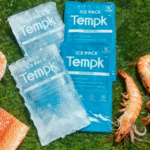
اختيار الصندوق المعزول لشحن سلسلة التبريد الموثوق به
يجب اختيار صندوق معزول من الشحنة العكسية. ابدأ بحالة المنتج, التعرض للطريق, حجم الحمولة, خطة المبرد, وعملية الاستلام, ثم حدد تنسيق المربع الذي يمكنه دعم هذه المهمة. الحاوية مهمة, ولكنه جزء واحد فقط من نظام التحكم السلبي في درجة الحرارة. إذا قمت بشراء الصندوق قبل تحديد الطريق, قد ينتهي بك الأمر بتغليف يبدو قويًا ولكنه لا يمكنه دعم المخاطر الفعلية لسلسلة التبريد.
أقوى قرار شراء يعتمد على الأدلة. فهو يفصل ما يمكن أن يفعله الصندوق, ما يجب أن يفعله المبرد, ما يسجله المسجل, وما يجب على المشغل فعله أثناء التعبئة والاستلام. هذا هو الفرق بين شراء حاوية وبناء عملية شحن موثوقة.
قرر مستوى التحكم الذي تحتاجه الشحنة حقًا
لا تحتاج كل شحنة تستخدم صندوقًا معزولًا إلى نفس المستوى من التحكم. قد يحتاج طريق توصيل الوجبات المحلية إلى تخزين مؤقت لدرجة الحرارة, صحة, قابلية التكديس, وسهولة التنظيف. قد تحتاج طرد المأكولات البحرية المبردة إلى حماية حرارية أقوى, التحكم في التسرب, وحزمة تم اختبارها في اتجاه واحد. قد تحتاج الشحنة الصيدلانية أو التشخيصية أيضًا إلى تاريخ موثق لدرجات الحرارة, معايير القبول المحددة, ومراجعة الجودة.
الخطوة الأولى هي تصنيف احتياجات الشحنة. هل تحاول تقليل تقلبات درجات الحرارة أثناء المناولة القصيرة؟, الحفاظ على حالة مبردة أو مجمدة من خلال طريق الطرود, حماية منتج حساس للتجميد, أو دعم إجراء التوزيع المنظم? هذه وظائف مختلفة. صندوق تسليم قابل لإعادة الاستخدام, شاحن معزول للاستخدام مرة واحدة, صندوق بارد للقاح, نظام سلبي مؤهل, والحاوية النشطة غير قابلة للتبديل لمجرد أنها جميعها تشتمل على العزل.
الصندوق المعزول يبطئ نقل الحرارة. لا يسبب البرد من تلقاء نفسه, إثبات الامتثال في حد ذاته, أو جعل كل منتج آمنًا لكل طريق. إذا كانت البضاعة تبدأ في حالة خاطئة, إذا لم يتم إعداد المبرد بشكل صحيح, أو إذا ترك المستلم الشحنة دون فتحها, قد يحافظ المربع على فشل العملية بدلاً من منعه.
بناء المواصفات من المنتج, طريق, والحمولة
تبدأ المواصفات المفيدة بمتطلبات المنتج. التأكد من الحالة المقبولة من صاحب المنتج, ملصق, بيانات الاستقرار, أو إجراءات الجودة. بعض المنتجات تحتاج إلى التبريد. يحتاج البعض إلى ظروف مجمدة. يجب ألا يتجمد البعض. بعضها مقبول في درجة حرارة الغرفة التي يمكن التحكم فيها. لا تستخدم افتراضًا واحدًا لسلسلة التبريد في جميع المنتجات.
التالي, خريطة الطريق. تشمل وقت التعبئة, وقت الانتظار قبل الاستلام, العبور الناقل, مراكز الفرز, نقاط عبر قفص الاتهام, التفتيش الجمركي أو الأمني, تسليم الميل الأخير, والوقت قبل أن يفتح المتلقي الحزمة. إذا قمت بالشحن عبر شبكة الطرود, لا يجوز لك التحكم في كل عملية تسليم. إذا كنت تقوم بتشغيل طريق محلي مغلق, قد يكون لديك المزيد من التحكم ولكنك لا تزال بحاجة إلى انضباط السائق وتلقي الانضباط.
الحمولة هي المرساة الثالثة. الأبعاد الداخلية ليست هي نفس مساحة الحمولة القابلة للاستخدام. المساحة الصالحة للاستخدام هي ما يتبقى بعد العزل, سائل التبريد, المقسمات, مواد ماصة, حماية المنتج, تسميات, ويتم تضمين أجهزة المراقبة. إذا كان المنتج يجب أن يكون في وضع مستقيم, منفصلة عن المبرد, أو محمية من التكثيف, المساحة الصالحة للاستخدام تصبح أصغر.
هذا هو المكان الذي تبدأ فيه العديد من أخطاء الشراء. يقارن المشترون الأبعاد الخارجية والسعر, ثم اكتشف أثناء التعبئة التجريبية أن المنتج, سائل التبريد, ولا يمكن للمسجل أن يتناسب معًا دون ارتجال. الطريقة الأفضل هي اختبار العبوة المقصودة بأبعاد المنتج الحقيقية قبل الموافقة على الصندوق.
اختر تنسيق الصندوق بعد أن تفهم نموذج التشغيل
استخدام واحد الشاحنين المعزولون يمكن أن يكون عمليًا لشحنات الطرود في اتجاه واحد, خاصة عندما يكون المستلمون غير معروفين أو عندما تكون لوجستيات الإرجاع غير واقعية. لا يزال يتعين مراجعتها لمقاومة الضرر, قوة الكرتون الخارجي, طريق التخلص, وظروف التعبئة المختبرة.
قابلة لإعادة الاستخدام الصناديق المعزولة يمكن أن تعمل بشكل جيد في المسارات المتكررة حيث يمكن إرجاع الصندوق, تنظيفها, تفتيشها, وإعادة انتشارها. قد تناسب تسليم البقالة, توزيع الوجبة, جمع العينات الطبية, شبكات المختبرات, والخدمات اللوجستية للفروع. نجاحهم يعتمد على معدل العائد, السيطرة على الخسارة, إجراءات التنظيف, وقواعد التفتيش. الصندوق القابل لإعادة الاستخدام بدون نظام إرجاع ليس برنامجًا لإعادة الاستخدام; إنها مجرد حزمة أكثر تكلفة في اتجاه واحد.
أنظمة لوحات عالية الأداء, بما في ذلك تصاميم الألواح المعزولة بالفراغ, يمكن أن يساعد عندما تكون كفاءة الحمولة والمقاومة الحرارية مهمة. كما أنها تتطلب معالجة دقيقة وفحص الأضرار. قد تدعم الأنظمة المعزولة المصنوعة من الألياف أو الورق أهداف التخلص أو الاستدامة في بعض العمليات, لكن الرطوبة, ضغط, ويجب التحقق من أدلة الطريق.
يجب أن يرتبط اختيار المواد بوضع الفشل. إذا تم سحق الصناديق في الشاحنات, التراص وقوة الجدار مسألة. إذا تم إعادة استخدام الصناديق, مسألة ارتداء التنظيف والإغلاق. إذا تم شحن الصناديق عن طريق الطرود, التغليف الخارجي ومسألة حماية الزاوية. إذا تم تنظيم المنتج, الوثائق والحزم القابلة للتكرار.
اطلب الأدلة التي تصف الظروف الكامنة وراء الأداء
تكون مطالبات الأداء مفيدة فقط عندما تتمكن من رؤية الشروط الكامنة وراءها. يجب أن يكون البيان حول وقت الانتظار أو حماية درجة الحرارة مدعومًا بالتفاصيل: ملف تعريف المحيط, حمولة, حالة بدء المنتج, نوع المبرد, حالة المبرد, تخطيط الحزمة, وضع المسجل, معايير القبول, وما إذا كان التكوين الذي تم اختباره يتطابق مع المربع المقتبس.
يمكن أن تساعد مراجع الصناعة في تنظيم المحادثة. يمكن أن يكون اختبار النقل الحراري ومعايير المعالجة ISTA ذا صلة بـ حاويات شحن معزولة, ولكن يجب مقارنة ملف تعريف الاختبار بمسار المشتري. تركز مجموعة أدوات تخزين ومناولة اللقاحات التابعة لمراكز السيطرة على الأمراض والوقاية منها (CDC) على مراقبة درجة الحرارة والتعامل الصحيح مع برامج اللقاحات. تميز موارد منظمة الصحة العالمية واليونيسف الصناديق الباردة, حاملات اللقاح, وغيرها حاويات معزولة تستخدم مع حزم المبرد. تعد موارد التحكم في درجة الحرارة التابعة للاتحاد الدولي للنقل الجوي مفيدة في التعامل مع الشحن الجوي بمرور الوقت- والشحنات الحساسة لدرجة الحرارة. هذه المراجع لا تحول مربعًا واحدًا إلى حل عالمي, لكنها تساعد المشترين على طرح أسئلة أكثر وضوحًا.
| المطالبة أو الوثيقة | ما ينبغي أن أقول لك | الحذر المشتري |
|---|---|---|
| بيان وقت الانتظار | المدة في ظل ظروف اختبار محددة | لا تستخدمه إلا إذا كان الملف الشخصي المحيط, حمولة, والمبرد يتطابقان مع شحنتك بشكل وثيق بما فيه الكفاية |
| تعليمات الحزمة | طريقة التجميع الدقيقة للمنتج, سائل التبريد, المقسمات, والمسجل | إذا كان يجب على الموظفين التخمين, قد لا يكون الأداء قابلاً للتكرار |
| سجل درجة الحرارة | ما حدث أثناء المحاكمة أو الشحن | يجب أن يعكس موضع المسجل مخاطر المنتج, ليس فقط درجة حرارة الجدار أو سائل التبريد |
| مواصفات المواد | نوع العزل وتفاصيل البناء | اسم المادة وحده لا يثبت أداء المسار |
| عملية التحكم في تغيير الموردين | كيف المواد, غطاء, كرتون, أو يتم الإبلاغ عن تغييرات المبرد | التغييرات الصغيرة يمكن أن تؤثر على الملاءمة, إنهاء, والسلوك الحراري |
استخدم هذا الجدول أثناء مراجعة الموردين والموافقة الداخلية. إنها تحافظ على المحادثة عملية. أنت لا تطلب لغة مثيرة للإعجاب; أنت تسأل عن الشروط, حدود, والتكرار.
صمم العبوة بعناية مثل الصندوق
الحزمة هي نسخة العمل الحقيقية للصندوق المعزول. يقرر أين يجلس المنتج, حيث يجلس المبرد, كيفية إدارة تدفق الهواء أو المساحة الفارغة, كيف يتم التحكم في التكثيف, حيث يتم وضع المسجل, وكيف يغلق الغطاء. يمكن أن يفشل الصندوق القوي بحزمة ضعيفة. يمكن أن يؤدي الصندوق المعقول أداءً جيدًا عندما تكون الحزمة منضبطة ومتوافقة مع المسار.
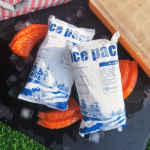
يحتاج اختيار المبرد إلى رعاية خاصة. حزم هلام, مواد تغيير المرحلة, الثلج الجاف, والمبردات الأخرى تتصرف بشكل مختلف. قد لا يكون المبرد المناسب للأطعمة المبردة مناسبًا للأدوية الحساسة للتجميد. يمكن أن يكون الثلج الجاف مفيدًا لبعض الشحنات المجمدة, ولكنه قد يؤدي إلى متطلبات نقل وسلامة إضافية ولا يناسب كل منتج أو صندوق.
حماية المنتج جزء من تصميم العبوة. لا تدع العناصر الهشة تتحرك. لا تدع التسميات تصبح غير قابلة للقراءة. لا تضع مسجلاً حيث سيسجل فقط درجة حرارة سائل التبريد. لا تصمم حزمة تعمل فقط عندما يقوم أحد الموظفين ذوي الخبرة بتجميعها ببطء. إذا لم يتمكن فريق المستودع من تكرار ذلك أثناء نوبة العمل المزدحمة, التصميم ليس جاهزًا من الناحية التشغيلية.
على سبيل المثال, قد تحتاج شبكة المختبر إلى صندوق معزول لنقل العينات الإقليمية. قد يوافق الفريق الفني على الحجم الداخلي, لكن تجربة التعبئة تكشف أن الحاويات الثانوية, مادة ماصة, سائل التبريد, ويترك المسجل مساحة أقل قابلية للاستخدام من المتوقع. قد يكون الحل بتنسيق داخلي مختلف, تخطيط سائل التبريد المنقح, أو حجم صندوق مختلف. الدرس بسيط: اختبار الحزمة بأكملها, وليس الصندوق الفارغ.
أدوات اتخاذ القرار مفيدة
تحقق من التفاصيل قبل اختيار التغليف
يمكن أن تساعدك هذه الأدوات السريعة في مقارنة مخاطر المسار, احتياجات التحجيم, خيارات المبرد, وتفاصيل التعبئة والتغليف قبل أن تطلب عرض أسعار.
محدد التعبئة والتغليف
قارن بين خيارات التغليف المعزولة حسب المنتج, طريق, ودرجة الحرارة اللازمة.
البحث عن التعبئة والتغليفمقاومة سقوط المواد العازلة
مراجعة مقاومة السقوط وعوامل المناولة قبل اختيار المواد العازلة.
تحقق من المقاومةمدقق مخاطر الطريق
قم بمراجعة ظروف المسار قبل اختيار التغليف لمتطلبات التشغيل الحقيقية.
تحقق من مخاطر الطريقبناء عملية الاستلام قبل مغادرة الشحنة الأولى
تظهر العديد من مشاكل سلسلة التبريد بعد الولادة, ليس أثناء اختيار المربع. قد لا يعرف المتلقي مكان المسجل, مدى سرعة فتح الصندوق, ماذا يعني التنبيه, أو متى يتم عزل المنتج. إذا كان المنتج حساسًا أو منظمًا, يجب أن يكون تلقي التعليمات جزءًا من خطة الشحن.
تحديد من يقوم بالتحقق من حالة الحزمة, الذي يسترد المسجل, الذي يراجع سجل درجات الحرارة, وماذا يحدث إذا بدت الشحنة دافئة, تالف, تأخير, أو خارج النطاق. لا يمكن للصندوق أن يتخذ قرارًا بالتخلص. ينتمي هذا القرار إلى إجراء الجودة أو مالك المنتج.
لشحنات المواد الغذائية, قد يركز الاستلام على حالة المنتج, تسرب, رائحة, سلامة الحزمة, والوقت بعد الولادة. للشحنات التشخيصية والصيدلانية, قد يتضمن الاستلام أيضًا بيانات درجة الحرارة, تسميات, خطوات سلسلة الحضانة, والتوثيق. تختلف المتطلبات حسب المنتج والسوق, لذلك يجب أن تتم الموافقة على العملية من قبل الفريق المسؤول قبل طرحها.
تغذي عملية الاستلام أيضًا التحسين. إذا أظهر المسجلون تعرضًا متكررًا عند نقطة تسليم معينة, قد يكون الإصلاح هو تخطيط الطريق, السيطرة على التدريج, مستوى خدمة مختلف, أو حزمة أقوى. دون تلقي البيانات, قد يستمر المشترون في تغيير الصناديق دون العثور على السبب الحقيقي.
أسئلة الموردين التي تمنع أخطاء القياس الباهظة الثمن
قبل الشراء بالجملة, اطرح على الموردين أسئلة تربط تصميم المنتج بالتحكم في الإنتاج. ما هي الأبعاد الداخلية والخارجية? ما هي مساحة الحمولة الصالحة للاستخدام مع المبرد الموصى به؟? ما هي المواد المستخدمة, وما هي التغييرات التي من شأنها أن تؤدي إلى إشعار المشتري? كيف ينبغي تنظيف الصندوق, تفتيشها, مخزنة, ويتقاعد إذا كان قابلاً لإعادة الاستخدام?
اسأل ما إذا كانت العينة تتطابق مع وحدات الإنتاج. يمكن إجراء عينة بعناية, بينما يقدم الإنتاج بالجملة التنوع. تأكد من ملاءمة الغطاء, التوتر الإغلاق, اتساق الجدار, تناسب الكرتون, وضع الملحقات, وموقع التسمية. إذا كان المورد يقدم التخصيص, اسأل كيف تؤثر التغييرات المخصصة على الأدلة الحرارية. قد لا يهم موضع الشعار المختلف, ولكن غطاء مختلف, بطانة, ملف تعريف الجدار, أو يمكن تخطيط المبرد.
اسأل عن الوثائق المتاحة. اعتمادا على المنتج ومستوى المخاطر, قد تحتاج إلى تعليمات الحزمة, المعلومات المادية, تقارير الاختبار, سجلات المعايرة لقطع الاشجار, أو مراجعة الملف الشخصي المحيط. لا تطلب وعدًا غامضًا بأن الصندوق متوافق. اسأل كيف تدعم العبوة عملية الشحن المحددة الخاصة بك.
أخيراً, اسأل كيف يتعامل المورد مع الشكاوى والتغييرات. إذا فشلت الشحنة, هل يمكن للمورد المساعدة في التحقيق فيما إذا كانت المشكلة تتعلق بالحزم أم لا, التعامل, التعرض للطريق, حالة بدء المنتج, أو تلف الصندوق? إذا تغيرت المادة, سيتم إخبارك قبل الإنتاج? هذه الأسئلة مهمة أكثر من مجرد كتيب مصقول.
يجب أن تتبع الاستدامة الموثوقية, لا يحل محله
أصبحت الاستدامة الآن جزءًا من العديد من قرارات التغليف, ولكن لا ينبغي اختزالها في تسمية واحدة. العبوات القابلة لإعادة الاستخدام يمكن أن تقلل من النفايات في الطرق المتكررة, ومع ذلك فإن ذلك يعتمد على لوجستيات العودة, تنظيف, تقتيش, والسيطرة على الخسارة. قد يدعم الحل القابل لإعادة التدوير أو القائم على الألياف أهداف التخلص, لكنها لا تزال بحاجة إلى أدلة الطريق ومقاومة الرطوبة. قد يؤدي الشاحن عالي الأداء إلى تقليل فقدان المنتج, ولكنه قد يضيف تكلفة أو تعقيدًا في التعامل.
الصندوق المعزول الأكثر مسؤولية هو الذي يحمي المنتج بشكل موثوق أثناء التشغيل الحقيقي مع تلبية نفايات المشتري, يعود, وقيود التكلفة. منتج نفايات الشحنة المرفوضة, تَعَب, الشحن, التغليف, وثقة العملاء. الموثوقية جزء من الاستدامة لأن فشل المنتج له بصمته الخاصة.
عند تقييم خيارات أقل النفايات, قم بتشغيل نفس الأسئلة التي قد تطرحها على أي صندوق. ما هو المنتج المحمي? ما هو الطريق الذي يتم استخدامه? ما هي الأدلة التي تدعم الأداء? ماذا يحدث بعد الاستخدام? من يقوم بتنظيف العبوة أو التخلص منها? كيف تتم إزالة المواد التالفة من الخدمة? إذا كانت تلك الإجابات واضحة, تصبح أهداف الاستدامة عملية وليست زخرفية.
التعليمات
ما هو الغرض الرئيسي من صندوق معزول?
والغرض الرئيسي هو إبطاء انتقال الحرارة بين مساحة المنتج والبيئة الخارجية. يساعد على مقاومة تغيرات درجة الحرارة أثناء النقل أو التخزين, لكنه لا يخلق التبريد في حد ذاته. ل شحن السلسلة الباردة, يحتاج الصندوق عادةً إلى سائل التبريد الصحيح, عبوة, حالة بدء المنتج, خطة الطريق, وعملية الاستلام.
كيف أعرف ما إذا كان الصندوق المعزول مناسبًا لمنتجي؟?
ابدأ بمتطلبات المنتج, ثم قارن الطريق, حمولة, سائل التبريد, والأدلة. اسأل ما إذا كان الصندوق قد تم اختباره باستخدام عبوة مشابهة لشحنتك. تأكيد المساحة الداخلية القابلة للاستخدام, وضع المبرد, استراتيجية المسجل, وإجراءات الاستلام. للمنتجات الخاضعة للتنظيم, إشراك فريق الجودة قبل الموافقة.
هل الصندوق المعزول السميك هو الأفضل دائمًا?
ليس دائما. العزل السميك يمكن أن يقلل من انتقال الحرارة, ولكنه قد يقلل من مساحة الحمولة الصالحة للاستخدام, زيادة حجم الشحن, أو خلق مشاكل التعامل. غطاء مناسب, تصميم الحزمة, وضع المبرد, الحالة المادية, ويمكن أن يكون التعرض للطريق مهمًا بقدر سمك الجدار. يجب على المشترين تقييم النظام الكامل بدلاً من بُعد واحد.
هل يمكنني استخدام صندوق معزول واحد لجميع شحنات سلسلة التبريد؟?
عادة ما يكون ذلك محفوفًا بالمخاطر. المنتجات المختلفة لها احتياجات درجات حرارة مختلفة, أحجام الحمولة, حساسية للتجميد, مدة الطريق, ومتطلبات التوثيق. قد يغطي صندوق واحد مجموعة من الشحنات المماثلة, خاصة في الطريق الخاضع للرقابة, ولكن لا ينبغي للمشترين أن يفترضوا ملاءمة عالمية دون اختبار ومراجعة الجودة.
ما الذي يجب علي التحقق منه قبل تقديم طلب بالجملة?
التحقق من اتساق العينة إلى الإنتاج, مساحة حمولة قابلة للاستخدام, تعليمات الحزمة, توافق المبرد, أساس الاختبار, عملية التحكم في التغيير, متطلبات التنظيف أو التخلص منها, واستلام سير العمل. إذا تم ذكر مدة الأداء, تأكيد الملف الشخصي المحيط, حمولة, حالة المبرد, وضع المسجل, ومعايير القبول وراء هذا البيان.
خاتمة
يبدأ اختيار الصندوق المعزول الموثوق به بالشحن, وليس الكتالوج. تحديد حالة المنتج, طريق, حمولة, خطة المبرد, عبوة, حاجة المراقبة, وعملية الاستلام قبل مقارنة أنماط الصندوق. ثم اطلب من الموردين تقديم الأدلة التي تصف الظروف الكامنة وراء مطالبات الأداء.
الصندوق مهم, but it is not the full سلسلة التبريد. نظام عملي يجمع بين الحاوية المناسبة, المبرد الصحيح, التعبئة المتكررة, الوعي بالطريق, المراقبة عند الحاجة, وقرار استلام واضح. هذا النهج يقلل من مخاطر المنتج, يدعم مراجعة الجودة, ويساعد المشترين على تجنب الأخطاء المكلفة عند التوسع من العينة إلى الإنتاج.
حول Tempk
يدعم Tempk احتياجات التعبئة والتغليف للتحكم في درجة الحرارة عبر التطبيقات التجارية والشخصية, مشتمل العبوة المعزولة لسيناريوهات سلسلة التبريد والتسليم. لمشاريع الصناديق المعزولة, نحن نساعد المشترين على ترجمة تفاصيل الشحنة إلى خيارات تعبئة عملية: حالة المنتج, حجم الحمولة, تناسب المبرد, التعرض للطريق, طريقة التعامل, وتوقعات التوثيق. يجب مراجعة أي هدف أداء محدد مقابل الحزمة والمسار المقصودين بحيث تستند التوصية إلى ظروف التشغيل الحقيقية.
شارك طريقك, حمولة, حالة الهدف, وسير عمل التعبئة باستخدام Tempk لمقارنة خيارات الصناديق المعزولة قبل الالتزام بطلب مجمع.