حقيبة غداء معزولة من الصوف: مخطط الموافقة من الموجز إلى إعادة الطلب
اللحظة الخطرة في حقيبة غداء معزولة مشروع الصوف السائب ليس هو المراجعة الأولى للعينة. إنها إعادة الترتيب, عندما انتقل المطور الأصلي, يقترح المورد أ "مشابه" وسادة من الصوف, ولا يمكن لأحد أن يشرح أي عينة تدعم الادعاء الحراري أو التسويقي. منع هذه المشكلة عن طريق بناء ملف الموافقة قبل الإنتاج الضخم. يجب أن يحدد الملف المستخدم, غداء مرزوم, حقيبة كاملة, المطالبات المعمول بها, ضوابط الإنتاج, وتغيير القواعد في شكل الشراء, جودة, امتثال, تسويق, ويمكن للمورد متابعة الجميع.
يعامل هذا النهج الموافقة كسلسلة من الأدلة. ملاءمة المستخدم تحدد التصميم. أداء حدود اختبار الحقيبة الكاملة. تدعم سجلات المواد ووضع العلامات المطالبات. تقوم العينة التمثيلية للإنتاج بربط التطوير بأمر الشراء. يحافظ الفحص الوارد والتحكم في التغيير على الدفعات اللاحقة ضمن الحالة المعتمدة.
تعريف النجاح في اللحظة التي يفتح فيها المستخدم الحقيبة
تخيل المستخدم المقصود في الغداء. أي حاويات, شرب, أواني, ويجب أن تخرج المصادر الباردة? هل ظل السحاب مغلقا؟? هل الحقيبة تناسب الخزانة, حمل ركاب, ثلاجة مكتب, أو صندوق التسليم? هل يمكن تنظيف البطانة بعد التسرب؟? هل لا تزال الحقيبة جافة ومريحة للحمل؟? تخلق هذه الأسئلة متطلبات أكثر فائدة من القدرة الاسمية وموقع الشعار.
قم ببناء مجموعة حمولة تحتوي على أكبر وأصغر الحاويات الفعلية. أضف المصادر الباردة التي ستوصي بها التعليمات, ثم قم بتضمين ملحقات واقعية. قم بقياس المجموعة ووزن حالة التحميل المقصودة. استخدامه لمناقشات الموردين, تجارب العينة, والصور في تعليمات التعبئة. لا يمكن لحساب الحجم الداخلي للمورد أن يكشف ما إذا كانت الحاوية الزجاجية المستطيلة تلتقط سحابًا منحنيًا أو ما إذا كان جيب المصدر البارد يسد الغطاء.
قم بتعيين مجموعة المستخدمين قبل تحديد الميزات. قد يقدر المسافر البالغ حزام الكتف القابل للإزالة والعلامة التجارية الدقيقة. قد تحتاج الحقيبة المدرسية التي تركز على الطفل إلى أبعاد أصغر, أجهزة بسيطة, تحديد واضح, ومراجعة محددة للسلامة والشهادة. قد تعطي حقيبة خدمة الوجبات الأولوية للتكديس, المسح السريع, وتوجيه الحاوية الموحدة. لا تقم بإنشاء قائمة ميزات واحدة من خلال الجمع بين الثلاثة.
اكتب حدود الاستخدام المقصود. اذكر ما إذا كانت الحقيبة تحتوي فقط على حاويات طعام مغلقة أم أنها قد تحتوي على اتصال مباشر مع الطعام. تحديد ما إذا كان مصممًا لوجبات الغداء الباردة, عناصر مستقرة على الرف, أو استخدام آخر. اشرح أن العزل يبطئ التغير في درجة الحرارة ولكنه لا يبرد الطعام بشكل فعال. إذا كانت وجبات الغداء القابلة للتلف ضمن النطاق, يجب أن تكون التعليمات متسقة مع إرشادات سلامة الأغذية المعمول بها. في الولايات المتحدة, توصي إرشادات وزارة الزراعة الأمريكية باستخدام حقيبة معزولة ومصدرين باردين على الأقل لوجبة غداء باردة قابلة للتلف.
يجب أن يتوافق التنظيف مع السلوك الطبيعي. إذا كان لا يمكن غمر الحقيبة الكاملة, لا تستخدم رمز الغسيل أو العبارة التي تشير إلى الغسيل في الغسالة. إذا كانت البطانة القابلة للإزالة فقط قابلة للغسل, إظهار إزالته وتجفيفه. حدد ماذا يحدث عندما يخترق السائل الصوف. الوسادة المخفية المبللة هي قرار مشروط, ليست مجرد شكوى تجميلية.
ترجمة هذه الملاحظات إلى معايير النجاح: المجموعة الكاملة تناسب دون ضغط مفرط; الإغلاق ينخرط بالكامل; يمكن حمل الحقيبة المحملة على النحو المنشود; يمكن تنظيف الأسطح المعتمدة; يبقى العزل في مكانه; التعليمات مفهومة; ولا تتعارض الزخرفة النهائية مع الملصقات أو الاستخدام.
قم بتصميم الحزمة قبل تقديم المطالبة بالوقت
يمكن لشبكة ألياف الصوف المجعدة أن تحبس الهواء وتبطئ نقل الحرارة بالتوصيل. وهذه الآلية مفيدة ولكنها غير كاملة. تنتقل الحرارة أيضًا عبر البطانة, صدَفَة, تعزيزات القاعدة, طبقات, سستة, مقابض, والفجوات الهوائية. يدخل الهواء الدافئ عند فتح الكيس. تضيف أشعة الشمس والأسطح المحيطة الساخنة تعرضًا للإشعاع. تحدد مصادر الغذاء والبرودة السعة الحرارية.
حدد وسادة الصوف كمكون هندسي. سجل تكوين الألياف, بما في ذلك أي ألياف أو مواد رابطة داعمة; سواء تمت المطالبة بمحتوى معاد تدويره أو محتوى آخر; العلاجات ذات الصلة; الكتلة النهائية; سمك تحت ضغط قياس محدد; حالة الكثافة أو الضغط; شكل لوحة; التغطية; والاحتفاظ. يجوز للمورد إدارة إعدادات العملية داخليًا, ولكن يجب أن تكون سمات الإخراج قابلة للتحقق.
تجنب استخدام بيانات عزل المباني كمطالبة بحقيبة الغداء. تساعد الدراسات المعملية في تفسير سبب قدرة الصوف على العزل وسبب كثافته, ضغط, والرطوبة تؤثر على السلوك. العينة المسطحة لا تحتوي على سحاب, زاوية مدورة, حمولة, أو مصدر بارد. استخدم بيانات المواد لمقارنة الفوط والتحكم فيها, ثم اختبر الحقيبة المجمعة.
يبدأ بروتوكول الحقيبة الكاملة بقرار. إذا أراد التسويق تحديد المدة, تحديد الغداء أو المحاكاة, مصادر باردة, درجات حرارة البداية, ملف تعريف المحيط, اتجاه الحقيبة, جدول الافتتاح, وضع الاستشعار, نقطة نهاية القياس, وحد القبول الذي يجعل البيان ذا معنى. إذا كان الغرض هو الاختيار الداخلي وليس المطالبة العامة, نفس الوضوح يسمح بمقارنة المرشحين بشكل عادل.
اختبار الحمولات المنخفضة والعالية. قد تحتوي الحالة المنخفضة على كتلة حرارية قليلة وهواء أكثر; قد تضغط العلبة المرتفعة على الغطاء وتحل محل سائل التبريد. تشمل البطانة النهائية, الغلاف الخارجي, سستة, الطباعة, جيوب, والمقابض لأن تفاصيل البناء يمكن أن تخلق مسارات حرارية. استخدم وحدات تمثيل الإنتاج وكرر عمليات البناء وفقًا لمخاطر المشروع ومبرر الجودة.
تعامل مع المصادر الباردة كجزء من التكوين. نوع السجل, هندسة الوحدة, كمية, تكييف, والتنسيب. منع الاستبدالات غير المقصودة بين الحزم ذات المظهر المماثل. يجب أن يحافظ الكيس عمومًا على وجبة مُعدة بشكل صحيح بدلاً من الطعام الدافئ البارد من خلال عملية غير خاضعة للرقابة. يجب أن تخبر التعليمات المستخدمين بالبدء بتناول الأطعمة المبردة القابلة للتلف بشكل مناسب واتباع الإرشادات المحلية الحالية.
عندما يفشل الاختبار, الحفاظ على الجمعية. تحقق من شروط البداية, شكل منحنى, موقف الاستشعار, إغلاق بسحاب, موقع اللوحة, ضغط القاعدة, الرطوبة, اتصال المبرد, وحركة الحمولة. الوسادة السميكة ليست دائمًا أفضل تصحيح; فقد تستهلك المساحة اللازمة لمصادر التبريد أو الإغلاق الكامل.
قم بمراجعة المنتج النهائي من خلال أربع عدسات للامتثال
العدسة الأولى هي ملامسة الطعام. تعتبر إدارة الغذاء والدواء المواد التي تتلامس مع الغذاء ضمن الاستخدام المقصود ضمن إطار الاتصال بالأغذية. إن حقيبة الغداء التي تحتوي على حاويات محكمة الغلق ليست هي نفس البطانة التي تهدف إلى لمس شطيرة غير مغلفة. اذكر جهة الاتصال المقصودة, تحديد السطح الفعلي والمكونات ذات الصلة, والاحتفاظ بالوثائق التي تتوافق مع الاستخدام. "حقيبة آمنة للطعام" يكون واسعًا جدًا إذا كان الدليل يغطي راتينج بطانة واحدًا فقط.
العدسة الثانية هي وضع العلامات على الصوف والنسيج. تتطلب قواعد لجنة التجارة الفيدرالية عمومًا أن تكشف منتجات الصوف المغطاة عن محتوى الألياف, معلومات البلد, وهوية الشركة المصنعة أو المسوق. قد تنطبق أيضًا متطلبات النسيج, تخضع للنطاق والإعفاءات. تحديد ما إذا كانت حقيبة الغداء النهائية مغطاة وكيف ينبغي وصف عزل الصوف المخفي. يجب استكمال التحليل القانوني للسوق المستهدف, غير منسوخة من ملصق الملابس أو من حقيبة مورد آخر.
العدسة الثالثة هي الأصل. مصدر للألياف الخام, معالجة الصوف, صناعة القماش, الطباعة, وقد يتم التجميع النهائي في بلدان مختلفة. يجب أن تتبع علامة المنتج النهائي معيار المنشأ المعمول به. تحتاج لغة التسويق الخاصة بالصوف المحلي أو التصنيع المحلي إلى إثبات منفصل. احتفظ بفواتير المواد, تصريحات الموردين, سجلات الإنتاج, ومحاذاة وثائق الاستيراد.
العدسة الرابعة هي سلامة المنتجات الاستهلاكية. إذا كانت الحقيبة مصممة أو مخصصة في المقام الأول للأطفال في سن الثانية عشرة أو أقل في الولايات المتحدة, قد يتم تطبيق متطلبات CPSC لمنتجات الأطفال, بما في ذلك الامتثال للقواعد المعمول بها, اختبار طرف ثالث, شهادة, وتتبع المعلومات. التصنيف يعتمد على التصميم النهائي, البيانات, ترقية, وعوامل أخرى. يجب مراجعة الأعمال الفنية أو الملحقات التي تركز على الأطفال قبل الموافقة عليها, لم تتم إضافتها بعد الاختبار.
الأسواق الأخرى لديها قواعد مختلفة للمواد الملامسة للأغذية, المنتجات الاستهلاكية, المنسوجات, القيود الكيميائية, التغليف, والنفايات. يجب أن يحتوي الملف على مصفوفة سوق الوجهة المملوكة لوظيفة الامتثال المختصة. شهادات الموردين يمكن أن تدعم المراجعة, لكن عنوان الشهادة ليس كافياً; تأكيد الجهة المصدرة, منتج, نموذج, مواد, المعايير, بلح, والصلاحية الحالية.
تحتاج تعليمات الرعاية والمطالبات البيئية أيضًا إلى مراجعة قانونية. "مسح نظيفة," "يمكن غسله في الغسالة," "قابل للتسميد," "قابلة للتحلل," "قابل لإعادة التدوير," "خالية من البلاستيك," و "قابل لإعادة الاستخدام" يصف كل منها أدلة مختلفة. لا ينبغي للادعاء المتعلق بالصوف أن يمتد بصمت إلى الفيلم, قذيفة المغلفة, سستة, حزام, الطباعة, والمبرد.
اجعل ملف الموافقة مركز الشراء
يجب أن يكون لكل بوابة موافقة مالك, الأدلة المطلوبة, ومحفز تغيير محدد. يمكن أن يكون الجدول التالي بمثابة فهرس الملف.
| بوابة الموافقة | الأدلة المطلوبة للإفراج | قرار المالك | التغيير الذي يعيد فتح البوابة |
|---|---|---|---|
| المستخدم والقدرة | طقم الحمولة, عينة محملة, ملاحظات الحمل والتنظيف, التعليمات المعتمدة | يقبل المنتج أو العمليات الاستخدام المقصود | عائلة الحاوية, مجموعة المستخدمين, حزام, مقاس, طريقة التنظيف |
| التكوين الحراري | هوية الحقيبة النهائية, مواصفات الصوف, حزمة المصدر البارد, بروتوكول, البيانات الخام, تقرير | تقوم الوظيفة الفنية أو وظيفة الجودة بالموافقة على الاستخدام أو المطالبة المحدودة | حجم الحقيبة, وسادة, بطانة, إنهاء, سائل التبريد, حمولة, التعرض |
| التسمية والمطالبات | سجلات الألياف والمنشأ, مراجعة السوق, عمل فني, الرعاية والإثبات البيئي | يوافق الامتثال والعلامة التجارية على الصياغة الدقيقة | تعبير, مصدر, عمل فني, سوق, العمر المقصود أو الاستخدام |
| مرجع الإنتاج | فاتورة المواد الخاضعة للرقابة, رسم, عينة ما قبل الإنتاج مزينة, معايير الصنعة | المشتريات والجودة إطلاق الإنتاج الضخم | مزود, الصف المادي, عملية, موقع التجميع, زخرفة |
| قبول الكثير | خطة أخذ العينات, نتائج التفتيش, التتبع, التصرف في عدم المطابقة | الجودة تقبل, يتضمن, أو يرفض الكثير | خطر الكثير الجديد, الخلل المتكرر, الإجراء التصحيحي للموردين |
| إعادة ترتيب التحكم | المواصفات الحالية, التغييرات المعتمدة, مراجعة الشكوى, المرجع المحتفظ به | يؤكد المالك متعدد الوظائف الحالة المعتمدة | الاستبدال, المطالبة المنقحة, سوق جديد, قضية الميدان المتراكمة |
يمنع هذا الجدول تحول الموافقة إلى توقيع واحد على علامة نموذجية. التسويق يمتلك كلماته الدقيقة. يمتلك الامتثال تحليل قابلية التطبيق. يمتلك الطاقم الفني حدود الأداء. المشتريات تمتلك التكوين المتعاقد عليه. الجودة تمتلك التصرف الكثير. يقدم المورد الأدلة ويراقب الإنتاج ولكن لا ينبغي أن يُطلب منه اتخاذ القرارات التنظيمية أو قرارات إطلاق المنتج الخاصة بالمشتري.
أدوات اتخاذ القرار مفيدة
تحقق من التفاصيل قبل اختيار التغليف
يمكن أن تساعدك هذه الأدوات السريعة في مقارنة مخاطر المسار, احتياجات التحجيم, خيارات المبرد, وتفاصيل التعبئة والتغليف قبل أن تطلب عرض أسعار.
حاسبة الثلج الجاف
تقدير احتياجات الثلج الجاف للشحنات المجمدة أو شديدة البرودة قبل التعبئة.
تقدير الثلج الجافحاسبة علبة الثلج
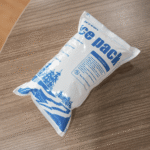
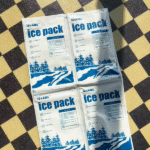
تقدير كمية عبوات الثلج الهلامي للشحنات المبردة والتخطيط العملي للمسار.
تقدير عبوات الثلجمقاومة سقوط المواد العازلة
مراجعة مقاومة السقوط وعوامل المناولة قبل اختيار المواد العازلة.
تحقق من المقاومةيحتاج الملف إلى التحكم في الإصدار. إعطاء المواصفات, عمل فني, ملصق, تعليمات, بروتوكول, تقرير, وعينة معرف التكوين المشترك. يجب أن يذكر سجل التغيير ما تغير, لماذا, ما هي المخاطر التي تم تقييمها, ما حدث التحقق, ومن وافق عليه. احتفظ بالإصدارات التي تم استبدالها وفقًا لسياسة السجل الخاصة بالمؤسسة حتى يمكن فحص مجموعة الإنتاج القديمة.
العينات المرجعية المادية تحتاج إلى رعاية. يمكن للحقيبة الناعمة المملوءة بالصوف أن تضغط أو تتقادم في التخزين, لذلك يجب أن تحمل الوثيقة معايير قابلة للقياس بدلاً من مطالبة المفتشين بمطابقة الدور العلوي بالعين المجردة. قم بتخزين مرجع المشتري والمورد حيثما كان ذلك ممكنًا, مختومة أو عليها علامة ضد الاستخدام غير المقصود. قم بتصوير تفاصيل البناء وقم بتضمين عينة مقطعية معتمدة إذا كان ذلك يساعد في التحقق من الطبقات المخفية.
إثبات اتساق العينة إلى الإنتاج
ابدأ بعينة هندسية لحل المسائل الهندسية. أعلن عن المواد المؤقتة حتى لا يخطئ أحد في أنها وحدة معتمدة. بعد أن تكون اللياقة مستقرة, قم بإنشاء عينة عمل فني لمراجعة اللون, طريقة الطباعة, موقف الشعار, رائحة, فرك, والتنظيف. يجب أن تجمع عينة ما قبل الإنتاج النهائية بين مواد الإنتاج المقصودة, زخرفة, الأجهزة, تسميات, تعليمات الرعاية, والتجمع.
قارن عينة ما قبل الإنتاج بقائمة المواد الخاضعة للرقابة سطرًا بسطر. تأكد من تكوين الصوف وعلاجاته, محول الوسادة, بطانة, صدَفَة, طلاء, سستة, خيط, حزام, مشبك, الطباعة, تسميات, التعبئة والتغليف الفردية, والكرتون الرئيسي. قياس الأبعاد الوظيفية وسمات الوسادة باستخدام الطرق المتفق عليها. تحميل العينة مع مجموعة الحمولة والمصادر الباردة.
اطلب من المورد شرح ضوابط العملية لاستلام وسادات الصوف, قطع, وضع اللوحة, الخياطة أو الختم, زخرفة, التفتيش النهائي, والتعبئة. إن تنوع الألياف الطبيعية لا يعفي الإنتاج غير المنضبط. قد تتضمن عمليات التحقق المناسبة سجلات التكوين, كتلة, سماكة, أبعاد اللوحة, التغطية, وزن الحقيبة الكاملة كشاشة, والتدقيق المدمر للوحدات المختارة.
قم بفحص عملية الإنتاج الأولى قبل شحن الكمية بأكملها عندما تسمح مخاطر المشروع والخدمات اللوجستية بذلك. سحب العينات عبر أوقات الإنتاج والكرتون. التحقق من الأبعاد, إنهاء, الأشرطة, نظافة, رائحة, خياطة, العزل المخفي من خلال طرق الفحص المعتمدة, عمل فني, تسميات, والتعبئة. إذا كان التحقق الحراري جزءًا من خطة الجودة, استخدم التكوين والمعايير المعتمدة بدلاً من الاختبار السريع المرتجل.
تحديد العيوب قبل التفتيش. تسميات مفقودة أو خاطئة, تلوث, العزل المكشوف, الأجهزة غير الآمنة, الأشرطة الفاشلة, أو السوستة غير المغلقة قد تتطلب علاجًا شديدًا. انحرافات الأبعاد, لوحات تحولت, طبقات مفتوحة, أخطاء اللون, وعيوب الطباعة تحتاج إلى تصنيف متفق عليه. لا يمكن لشركة التفتيش أن تخترع قدرة تحمل العلامة التجارية للمخاطر عند بوابة المصنع.
يجب أن يغطي التحكم في التغيير التعاقدي مصدر الصوف أو مزيجه, علاج, الموثق, بناء الوسادة, سماكة, بطانة, صدَفَة, الطلاءات, سستة, الأجهزة, حبر, مزود, مقاول من الباطن, عملية, وموقع التجمع. يجب على المورد طلب الموافقة قبل التنفيذ. يجب على المشتري الاستجابة من خلال المسار القائم على المخاطر, والتي قد تتطلب السجلات, عينة, الاختبار المستهدف, مراجعة التسمية, أو إعادة التأهيل الكامل.
عند الاستلام, الحفاظ على إمكانية التتبع بالقرعة والكرتون. وحدات الحجر الصحي إذا كانت الأدلة المطلوبة مفقودة. الموعد النهائي ليس سببًا لتوزيع الأكياس التي تحمل ملصق ألياف لم يتم حله أو وسادة غير معتمدة. عادة ما تكون تكلفة الاحتواء الخاضع للرقابة أقل من تصحيح برنامج ضخم مشتت.
تجربة الخدمة, ثم قم بتصميم إعادة الترتيب
لا يمكن لاختبار الغرفة أن يكشف عن كل سلوك. قم بتشغيل طيار مستخدم محدود مع حاويات غداء تمثيلية, مصادر باردة, يتنقل أو التخزين, عادات التنظيف, والفئة العمرية المقصودة. مراقبة التعبئة دون تدريب. تسجيل أوضاع الفشل: حذفت المصادر الباردة لأنها لا تناسب, إغلاق غير كامل, حمل محرج, التكثيف, الانسكابات, تخزين رطب, تلف الطباعة, رائحة, وتعليمات مربكة.
لا تطلب من المستخدمين الحكم على السلامة الميكروبية عن طريق لمس الطعام أو شمه. إذا كان الطيار يدرس درجة الحرارة, استخدام خطة قياس محددة وتفسير مؤهل. افصل تعليقات تفضيلات المستخدم عن أدلة الأداء. يقول أحد المشاركين "بقي باردا" هي بيانات الإدراك مفيدة, ليست نتيجة معايرة.
لإعادة الاستخدام المؤسسي, قم بتجربة التدفق العكسي بعناية مثل الحقيبة. مشكلة المسار, يعود, الفصل القذر, تنظيف, تجفيف, تقتيش, بصلح, يطلق, والخسارة. تحديد ما إذا كان الموظفون والمساحة يمكنهم دعم ذروة المخزون. قد يوفر تصميم الإرجاع القابل للطي المكعب ولكن يجب ألا يضغط الصوف أو يزيحه بشكل دائم.
للحقائب المملوكة للمستهلك, تعليمات العناية بالاختبار والتخلص منه. يمكن للمستلم التعرف على إدراج الصوف? هل يمكن إزالته بدون تقطيع? هل طريق إعادة التدوير أو التسميد المذكور متاح محليًا؟? إذا كان الجواب لا, مراجعة التصميم أو المطالبة. لا تجعل المستخدمين مسؤولين عن حل منتج متعدد المواد لم تصممه العلامة التجارية للفصل.
يجب أن تجمع مراجعة إعادة الطلب الأولى بين الشكاوى, يعود, سجلات التفتيش, التغييرات المادية, الاستخدام الفعلي, والمطالبة بالأداء. إنها فرصة لتصحيح المواصفات, وليس مجرد تكرار أمر الشراء. إذا توسع المنتج إلى حجم جديد, سوق, مجموعة المستخدمين, أو موضوع العمل الفني, إعادة فتح بوابات الموافقة ذات الصلة.
جعل القيمة البيئية قابلة للتحقق
يمكن أن يساهم الصوف بألياف متجددة وقد يستخدم درجات ذات طلب محدود على الملابس. الحقيبة الكاملة لا تزال لديها دورة حياة. معالجة الخريطة, مواد أخرى, حَشد, الشحن, يستخدم, تنظيف, استبدال, ونهاية الحياة. مقارنة الخيارات حسب الخدمة المقدمة, مثل وجبة غداء مرزومة مقبولة لعدد محدد من الاستخدامات, بدلاً من كل كيس فارغ.
حماية المنتج تنتمي إلى الحسابات البيئية. الحقيبة التي لا تناسب مصادر التبريد أو تشجع على الاستخدام غير الآمن يمكن أن تزيد من هدر الطعام. الإفراط في المواصفات له أيضًا تكلفة: العزل الزائد, كرتونة شحن كبيرة, والميزات غير المستخدمة تستهلك الموارد. أفضل تصميم هو أصغر نظام عملي يفي بوظيفته المقصودة بهامش مناسب.
وينبغي قياس إعادة الاستخدام من خلال الاستخدامات المكتملة, ليست مطالبة دورة المختبر. تتبع ما إذا كان المستلمون يستخدمون الحقيبة بالفعل, ما إذا كانت الوحدات المؤسسية تعود, ولماذا تتقاعد الحقائب. تشمل مدخلات التنظيف والنقل العكسي. لا يمكن لمتانة التصميم العالية أن تعوض الخسارة أو عدم الاستخدام على نطاق واسع.
يجب أن تحدد بيانات نهاية العمر المكون والوجهة. قد يتحلل الصوف بيولوجيًا في ظل ظروف مناسبة, ولكن العلاجات, المجلدات الاصطناعية, أفلام, تلوث, وتؤثر سياسات المنشأة المحلية على القبول. إذا كان الانفصال مطلوبا, اجعلها مرئية وسهلة. إذا لم يكن هناك طريق الانتعاش موثوقة, إعطاء الأولوية للاستخدام الدائم, إصلاح حيثما كان ذلك عمليا, وتوجيهات التخلص الدقيقة.
تختلف التزامات التغليف والنفايات حسب المنطقة وتستمر في التطور. مراجعة كيفية حقيبة الغداء, التفاف التجزئة, كرتونة الشحن, ويتم تصنيف التوزيع الترويجي في كل سوق. إطار التعبئة والتغليف للاتحاد الأوروبي, على سبيل المثال, يعكس اهتمامًا أكبر بدورة الحياة, وضع العلامات, إعادة الاستخدام, وقابلية إعادة التدوير, لكن الواجبات الدقيقة تعتمد على العنصر ودور الشركة. تجنب المطالبات العالمية القائمة على ولاية قضائية واحدة.
أما البيان البيئي المبني على الأدلة فهو أضيق وأقوى: فهو يحدد محتوى الصوف الذي تم التحقق منه, المكونات الرئيسية الأخرى, إعادة الاستخدام المقصود, والرعاية المتاحة أو تعليمات نهاية الحياة. ولا يعد بأن كل مستخدم سيحقق نفس النتيجة.
الموافقة على الاستخدام, إنتاج, والحقيقة
يصبح الشراء بالجملة من الصوف لحقيبة الغداء المعزولة جاهزًا عند محاذاة ثلاثة أشياء. الحقيبة مناسبة للمستخدم المحدد ووجبة غداء مرزومة. يمكن لمواصفات الإنتاج إعادة إنتاج البناء الذي تم اختباره. يصف الملصق والتسويق فقط ما تدعمه المواد والأدلة. ويبقي ملف الموافقة على تلك القرارات مرتبطة من خلال الشحنة الأولى وكل عملية إعادة طلب.
حول Tempk
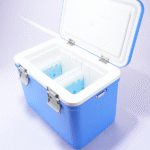
لوازم تيمبك الأكياس الحرارية, بما في ذلك الغداء المعزول, الوجبات الجاهزة, وصيغ التسليم, جنبا إلى جنب مع حزم هلام, طوب الجليد, صناديق تبريد, والدعم المخصص. يمكن للمشترين مناقشة الحجم, بطانة, إنهاء, العلامة التجارية, المقسمات, والعينات التمثيلية للإنتاج. للحصول على حقيبة معزولة بالصوف, ينبغي التأكد من تكوين اللوحة المتاحة والبناء, ويجب تقييم أي مطالبة حرارية على الكيس النهائي مع الحمولة المقصودة ومصادر التبريد.
أعط Tempk مجموعة الحمولة الخاصة بك, نطاق الكمية, المستخدم والأسواق المستهدفة, عمل فني, طريقة الرعاية, وقائمة أدلة الموافقة. اطلب خطة نموذجية مرحلية لمنتجك, شراء, جودة, ويمكن لفرق الامتثال التوقيع معًا.