حقيبة ظهر معزولة للتغليف للأغذية المجمدة: تحديد النظام, ليس فقط الحقيبة
يمكن أن يترك الطلب المجمد مجمد الإرسال في حالة ممتازة ويظل يصل مخففًا لأن قرار التغليف بدأ بحجم الكيس بدلاً من المسار. فعال حقيبة ظهر معزولة التعبئة والتغليف للأغذية المجمدة هو نظام محدد: منتج, العبوات الأولية, العزل, المبردات, نمط التحميل, التعامل, يراقب, ومعايير القبول. تعمل حقيبة الظهر على إبطاء دخول الحرارة إلى الحمل. لا يخلق بيئة مجمدة غير محدودة, ولا يمكنه إصلاح منتج البداية الدافئ. يمكن للمشترين الذين يحددون النظام الكامل اختبار وعد ذي معنى, تدريب الدراجين على إعادة إنتاجه, ومعرفة متى تكون هناك حاجة إلى حاوية أو طريق مختلف.
يبدأ العمل بالاستبدال "كم من الوقت تبقى هذه الحقيبة باردة?" مع مجموعة أفضل من القرارات.
حدد ما يجب أن يكون عليه الطعام عند التسليم
"لا يزال باردا" ليست مواصفات. ولا هو كذلك "تبدو مجمدة." يجب على مالك المنتج وفريق الجودة تحديد شروط الوصول التي تراعي السلامة, جودة, الحياة الافتراضية, ووعد العميل. قد يفقد الآيس كريم قوامه قبل أن يصل إلى الحد العام لسلامة الغذاء. يمكن أن يكون أداء العجين المجمد مختلفًا بعد الذوبان الجزئي. طلاء المأكولات البحرية, قطع مجمدة بشكل فردي, وتظهر كل من مكونات الوجبة المختومة علامات مختلفة لإساءة استخدام درجة الحرارة.
تحدد إرشادات المستهلك الفيدرالية الأمريكية 0 درجة فهرنهايت, أو حوالي -18 درجة مئوية, كمرجع لتخزين الفريزر. وهذه نقطة توجيه مفيدة, ولكنه لا يلغي الحاجة إلى حد التسليم الخاص بالمنتج. يجب أن يذكر البرنامج التجاري شرط البداية, الحد الأقصى للحالة المقبولة عند التسليم, الحد الأقصى لوقت الطريق, والعمل بعد الانحراف. قد يأخذ القرار في الاعتبار درجة حرارة المنتج, حالة الحزمة, التاريخ الزمني, وإجراءات الجودة المعتمدة.
فصل ثلاثة مفاهيم في المواصفات:
- هدف التخزين المجمد: الحالة الطبيعية في التخزين الخاضع للرقابة قبل وبعد الولادة
- حد قبول التسليم: الحالة القابلة للقياس التي يجب أن يفي بها المنتج عند التسليم
- حد التصرف الآمن: النقطة وتاريخ التعرض الذي يؤدي إلى التقييم أو الرفض بموجب خطة سلامة الأغذية
قد لا تكون هذه القيم متطابقة. إن التعامل معها كرقم واحد يمكن أن يؤدي إما إلى التخلص منها دون داع أو الوعد بالتسليم المجمد بشكل مفرط. تختلف القواعد المحلية ومتطلبات العملاء أيضًا. يعد قانون الغذاء FDA نموذجًا معروضًا لاعتماده من قبل السلطات القضائية, لذا يجب التأكد من الكود المعتمد والخطة الخاصة بالمنشأة.
يجب أن يغطي بيان القبول الحالة البدنية أيضًا. يمكن سحق المنتج المجمد كثيرًا, مبتل, تسرب, أو ملوثة للقبول حتى عندما تكون قراءة درجة الحرارة ضمن النطاق. على العكس من ذلك, لا ينبغي لأي موظف تذوق أي شيء مشكوك فيه ليقرر ما إذا كان آمنًا أم لا.
استخدم خمس بوابات قرار قبل الموافقة على حقيبة الظهر
تمنع المراجعة القائمة على البوابة الميزات الجذابة من تجاوز الملاءمة الأساسية. تطلب كل بوابة قرارًا وقطعة من الأدلة.
| بوابة | القرار الذي يجب اتخاذه | الدليل على إغلاق البوابة | سبب نموذجي للتوقف |
|---|---|---|---|
| منتج | ما هي حالة الوصول التي تحمي هذا الطعام ووعد العميل? | البداية المعتمدة, قبول, ومعايير الانحراف | "المجمدة" لم يتم تعريف للمنتج |
| طريق | ما الوقت موثوقة, التعرض المحيطي, الفتحات, التأخير, ويجب تغطية عمليات التسليم? | الطريق المعين مع الحد الأدنى, طبيعي, والحالات الشديدة ولكن ذات مصداقية | البقاء غير المراقب أو وقت الطريق يظل غير قابل للتحكم |
| الحزمة | أي حقيبة, المبردات, نطاق الحمولة, ونمط التحميل يمكن أن يواجه التحدي? | تكوين غرض الإنتاج مع إجراءات التشغيل المعيارية (SOP) الموضحة | مصدر بارد, سعة, أو الإغلاق لا يزال عاما |
| تَحَقّق | هل يعمل النظام الكامل مع اختلاف واقعي? | الدراسة الحرارية الخاضعة للرقابة بالإضافة إلى الطيار الميداني التمثيلي | تستخدم الأدلة حمولة مختلفة أو حقيبة غير مفتوحة |
| يتحكم | هل يمكن للإنسان أن يتكاثر, فحص, ينظف, شاشة, وتغيير النظام بأمان? | تمرين, الشيكات الواردة, حدود التشغيل, وتغيير السيطرة | النجاح يعتمد على خبير تعبئة واحد أو ظروف مثالية |
الفشل عند البوابة معلومات مفيدة. قد يشير إلى طريق أقصر, وعد خدمة مختلفة, منطقة طلب أصغر, أكثر قوة الشاحن السلبي, مركبة مبردة, أو حاوية نشطة. الهدف ليس إجبار كل حارة على شكل حقيبة ظهر.
ترجمة الطريق إلى التحدي الحراري
قم بقياس وقت المسار من الإزالة من التخزين المجمد الخاضع للرقابة إلى وضعه في مخزن مناسب أو التسليم النهائي المقبول. تضمين تجميع الطلب, طوابير الإرسال, تحميل متسابق, مرور, وقوف السيارات, الوصول الأمني, مصاعد, محاولات تسليم فاشلة, وتلقي التأخير. يمكن أن تصبح الرحلة التي تستغرق خمسة عشر دقيقة عرضًا لمدة أربعين دقيقة قبل أن يصل الطعام إلى الثلاجة.
درجة الحرارة المحيطة ليست سوى جزء من التحدي. ضوء الشمس المباشر, صندوق دراجة نارية فوق محرك دافئ, سيارة مغلقة, الرصيف المظلم, ويمكن لرف التدريج الخارجي تعريض حقيبة الظهر للحرارة الموضعية. سجل مكان وضع الحقيبة وكيفية تقييدها. إذا تم استخدام نفس الحقيبة في فصل الشتاء, قم بتضمين المرونة في درجات الحرارة المنخفضة والتكثيف في التقييم بدلاً من افتراض أن الطقس البارد يزيل جميع المخاطر.
عد الفتحات. تواجه حقيبة الظهر المشتركة المستخدمة لست عمليات تسليم عملية مختلفة عن ست وحدات مغلقة تتم إزالتها واحدة تلو الأخرى. يتعرض الطلب الأخير لكل عملية فتح وبحث سابقة. تسلسل الطريق, رؤية التسمية, وبالتالي يؤثر تصميم المقصورة على الأداء الحراري.
تحديد نطاق الحمولة. غالبًا ما يحتوي الحد الأدنى من الحمل على كمية أقل من الهواء البارد المخزن والمزيد من الهواء الفارغ. الحد الأقصى للحمل قد يضغط العزل, كتلة الأكمام المبرد, فواصل الانحناء, أو منع الإغلاق من الختم. استخدم الأبعاد الداخلية بعد تركيب البطانة والألواح, ثم اطرح المساحة التي تشغلها المبردات, رفوف, والفواصل. إجمالي حجم الكتالوج ليس حجم الغذاء القابل للاستخدام.
توثيق الحالات العادية والاستثناءات. قد يتضمن التحدي الشديد ولكن ذو المصداقية إرسالًا متأخرًا, تسليم مبنى واحد ممتد, والتعرض لأشعة الشمس العالية. ولا ينبغي لها أن تجمع بين كل فشل يمكن تصوره ما لم يحدث هذا الجمع. يكون بروتوكول الاختبار أكثر قيمة عندما يمثل قرارًا تشغيليًا وليس عرضًا مسرحيًا للإجهاد.
قم ببناء حزمة حول تدفق الحرارة والوصول إليها
جدار حقيبة الظهر يبطئ التوصيل, الحمل الحراري, والإشعاع. تدخل الحرارة أيضًا من خلال عمليات الإغلاق, طبقات, المكونات الهيكلية, والأغطية المفتوحة. إن التجميع النهائي مهم أكثر من الموصلية المعلن عنها لطبقة رغوية واحدة.
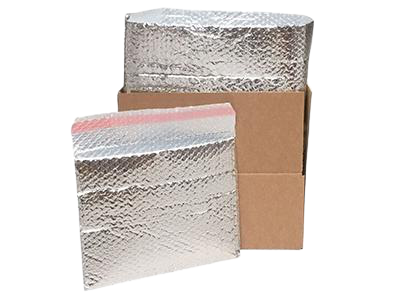
اسأل عن البناء الكامل: الخارج, نوع العزل والسمك الاسمي, تغطية اللوحة, بطانة, قاعدة, تداخل الغطاء, إنهاء, طبقات, تعزيز, والأجهزة. تحقق من وجود زوايا وفجوات مضغوطة. يمكن للقاعدة الصلبة أن تحمي الوجبات وتثبت الناقل, ولكنها يمكن أيضًا أن تشكل جسرًا حراريًا إذا كانت معزولة بشكل سيء. قد تساعد البطانة العاكسة في إدارة التبادل الإشعاعي في التجميع المناسب, ومع ذلك، فإن لمعانها لا يثبت أداء الحقيبة بأكملها.
الإغلاق هو ميزة حرارية وسلوكية. يحتاج الدراجون إلى فتح المنطقة الصحيحة بسرعة, استرداد أمر واحد, وإغلاقه تماما. مسارات السوستة الطويلة, مقصورات مملوءة, والملصقات المخفية تطيل مدة التعرض. قد ينحني الغطاء الذي يُغلق عندما تكون العينة فارغة عندما يضغط عليه أمر حقيقي. قم بتقييمها وهي محملة بالكامل وأثناء ارتدائها أو تركيبها على النحو المنشود.
يجب أن تقاوم البطانة عملية التنظيف المحددة وأن تظل مرنة في درجات حرارة الخدمة. يجب أن تكون الطبقات مرئية بدرجة كافية لفحصها وتشكيلها لتجنب احتجاز السائل. يجب أن توفر العبوات الغذائية الأولية المختومة الحاجز الأول ضد التسرب; حقيبة الظهر عبارة عن احتواء ثانوي, ليس بديلاً لتغليف المواد الغذائية الصحيحة. إذا كانت البطانة أو أي مكون آخر مخصصًا للاتصال المباشر بالطعام, التحقق من وضعها التنظيمي للأغذية الفعلية وشروط الاستخدام في سوق الوجهة.
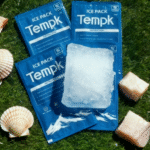
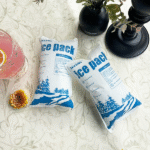
حدد مادة التبريد وفقًا لمتطلبات المنتج. قد تضيف عبوة الجل المجمدة ذات الأساس المائي كتلة حرارية مفيدة لطريق قصير, لكن سلوكه المرحلي بالقرب من نقطة تجمد الماء قد لا يدعم المنتج الذي يجب أن يظل متجمدًا بعمق في مسار صعب. يمكن اختيار مواد أخرى لتغيير الطور حول مناطق انتقالية مختلفة. مهما كان الشكل, طلب البيانات الحرارية, تعليمات التكييف, معلومات متانة العبوة, وأدلة الاختبار الخاصة بالحزم.
الجليد الجاف, ثاني أكسيد الكربون الصلب عند حوالي -78.5 درجة مئوية, يمكن أن تخدم التطبيقات المجمدة الصعبة. كما أنه يخلق مخاطر تغير التعبئة والتغليف والتشغيل. يمكن أن يؤدي التلامس إلى إصابة الجلد أو إتلاف بعض العبوات, بينما يمكن أن يتراكم الغاز المتسامي في الأماكن سيئة التهوية. يجب ألا تكون العبوة محكمة الغلق بالغاز. يحتاج العمال إلى إجراءات التعامل المناسبة, وتتطلب الشحنات الجوية مراجعة حالية للبضائع الخطرة, علامات, الوثائق, وقبول الناقل. لا ينبغي أبدًا افتراض أن حقيبة الظهر القياسية الخاصة بالمطعم متوافقة مع الثلج الجاف دون تقييم كامل للسلامة والنقل.
وضع مصادر التبريد حيث يحدث الحمل الحراري وتأمينها ضد التحول. يمكن للأكمام المخصصة تحسين التكرار. استخدم الحواجز حيث يمكن أن يؤدي الاتصال المباشر إلى إتلاف عبوات المواد الغذائية. إدارة الفراغات دون سحق المنتج أو فتح الغطاء بالقوة. يجب أن يوضح مخطط التحميل المعتمد طلب المنتج, مواقع المبردات, مواقف المقسم, وفحص الإغلاق.
حالة كل مكون على النحو المحدد. حقيبة دافئة ومقسم يمتصان البرد عند التحميل. تحتاج المبردات إلى طريقة تحضير تم التحقق منها, ليس فقط "ترك بين عشية وضحاها." يجب أن يدخل المنتج في حالة الإرسال المعتمدة. تم تصميم الحزمة السلبية للحفاظ على حالة البداية لتحدي محدود; إنه ليس بديلاً عن التجميد الانفجاري أو التخزين الخاضع للرقابة.
قم بإنشاء أدلة تشبه التسليم الحقيقي
يكون تقرير المورد مفيدًا فقط عندما تكون شروطه واضحة. طلب مراجعة حقيبة الظهر, حمولة, درجات حرارة البداية, نوع المبرد والتكييف, ملف تعريف المحيط, مواقف الاستشعار, جدول الافتتاح, مدة الاختبار, معيار القبول, البيانات الخام, والانحرافات. تأكد من أن الوحدة التي تم اختبارها تمثل بناء الإنتاج.
أدوات اتخاذ القرار مفيدة
تحقق من التفاصيل قبل اختيار التغليف
يمكن أن تساعدك هذه الأدوات السريعة في مقارنة مخاطر المسار, احتياجات التحجيم, خيارات المبرد, وتفاصيل التعبئة والتغليف قبل أن تطلب عرض أسعار.
مرجع المواد العازلة
قارن بين خيارات المواد العازلة لاحتياجات التعبئة والتغليف المختلفة لسلسلة التبريد.
قارن الموادسائل التبريد & مرجع PCM
قارن خيارات سائل التبريد وPCM عندما يحتاج المسار إلى دعم إضافي لدرجة الحرارة.
قارن الخياراتبطانة الصندوق & تحجيم غطاء البليت
تحقق من منطق تحديد حجم بطانة الصندوق وغطاء منصة التحميل لمشاريع التغليف المعزولة.
تقدير الحجميمكن للاختبار الخاضع للرقابة استخدام غرفة بيئية أو أي إعداد مبرر آخر. يمكن للمناهج الموحدة مثل ISTA 7E أن تفيدنا التغليف الحراري تطوير لتوزيع الطرود. تعمل بواسطة متسابق, حقيبة الظهر المفتوحة بشكل متكرر لها سلوكيات إضافية, لذلك تظل التجارب الخاصة بالمسار ضرورية. الملف الشخصي القياسي هو مرجع, ليس ضمانا لكل حارة.
استخدم المنتج الفعلي عندما يكون ذلك عمليًا أو بديلًا حراريًا مبررًا يمثل كتلته وسلوكه. الحد الأدنى من الاختبار, طبيعي, والحمولات القصوى. قم بتضمين أكياس متعددة لأغراض الإنتاج نظرًا لاختلاف المواد والتجميع. إذا تم التخطيط لإعادة الاستخدام, تقييم الوحدات القديمة أو ذات التحديات الميكانيكية بالإضافة إلى العينات الجديدة.
يجب أن يكشف موقع المستشعر عن المخاطر. لن يُظهر المسبار الموجود في المركز المحمي زاوية عليا دافئة. ضع أجهزة الاستشعار المعايرة بالقرب من الغطاء, إنهاء, الجدران الخارجية, قاع, والمنتجات المعرضة للخطر, مع نقطة أساسية تمثيلية للمقارنة. سجل التعرض المحيط بشكل منفصل. تمييز الهواء, سطح, وقراءات محاكاة المنتج لأنها تستجيب بشكل مختلف.
تعتبر السلسلة الزمنية الكاملة أكثر فائدة من القراءة النهائية. خطوة بعد كل نقطة فتح الغطاء للوصول إلى التحكم. تشير الحافة الصاعدة باستمرار ذات النواة المستقرة إلى عدم كفاية التغطية أو وجود جسر حراري. يمكن أن يشير الارتفاع السريع من الإرسال إلى وجود مكونات دافئة أو تكييف غير صحيح لغاز التبريد. قد يُظهر موقع واحد بارد بشكل غير عادي اتصالًا مباشرًا بسائل التبريد بدلاً من التحكم الفائق.
متابعة العمل المختبري مع طيار ميداني. مراقبة سرعة التعبئة, رؤية التسمية, راحة الراكب, اتجاه الحقيبة, الانضباط الإغلاق, حركة المبرد, تأخير التسليم, والتنظيف. تشمل مختلف الموظفين المدربين; نظام يعمل فقط عندما يكون المصمم غير جاهز للقياس.
تخيل خدمة بقالة تحتوي على خمسة طلبات مجمدة في شركة نقل واحدة. يتم اختبار الغرفة مع إغلاق الحقيبة. خلال الطيار, يتم تسخين الطلب الأخير بشكل أسرع لأن الركاب يفتحون الغطاء بالكامل وينقلون الطرود في كل محطة. قد تؤدي إضافة المزيد من سائل التبريد إلى زيادة الوزن مع ترك مشكلة الوصول سليمة. وحدات الطلب, تحديد خارجي مرئي, تسلسل التسليم المنقح, أو قطرات أقل تعالج السبب الفعلي. ومن المفترض أن يساعد الاختبار في الاختيار من بين تلك الضوابط.
تشغيل السلسلة من الفريزر إلى جهاز الاستقبال
قم بإنشاء فحص إرسال قصير يمكن إكماله في ظل عبء العمل الحقيقي. تأكيد المنتج الذي تم إصداره, حالة البداية, مصادر باردة مكيفة بشكل صحيح, حقيبة ظهر نظيفة وجافة, بطانة سليمة, عزل كامل, إغلاق العمل, فواصل مثبتة, هوية قابلة للقراءة, والحمولة المعتمدة. قم بالتحميل وفقًا للرسم التخطيطي وأغلقه على الفور.
أثناء النقل, احتفظ بالكيس بعيدًا عن الحرارة التي يمكن تجنبها وثبته في الاتجاه المعتمد. لا تجمع بين الوجبات الساخنة والأطعمة المجمدة في حجرة لا يمكن التحكم فيها. يجب على الراكبين فتح المنطقة المطلوبة للتوصيل الحالي فقط ويجب ألا يقوموا مطلقًا بإزالة مادة التبريد لتوفير مساحة لطلب إضافي. يحتاج الإرسال إلى مسار تصعيد لتجاوزات المسار, مشاكل السيارة, العملاء المفقودين, الحقائب التالفة, ومراقبة الإنذارات.
عند التسليم, يتبع المتلقي أو الراكب عملية القبول المحددة. قد يشمل ذلك تأكيد الأختام, حالة المنتج مرئية, أدلة درجة الحرارة, ونقلها إلى التخزين المجمد. إذا غاب الحد, قم بفصل المنتج واتبع عملية التخلص المعتمدة. إعادة التجميد ليست إجراءً تصحيحيًا عالميًا; يحدد تاريخ المنتج وخطة سلامة الأغذية ما هو مسموح به.
لعمليات السيارات أو السكك الحديدية المغطاة في الولايات المتحدة, تحدد قاعدة النقل الصحي لإدارة الغذاء والدواء (FDA) مسؤوليات الممارسة الصحية بين الأطراف مثل شركات الشحن, لوادر, شركات النقل, والمستقبلات. يمكن أن تؤثر الاتفاقيات المكتوبة على من يتحكم في مهام معينة وكيفية إظهار ظروف درجة الحرارة. يجب على الشركات تأكيد التغطية, الإعفاءات, والأدوار بدلا من الطباعة "متوافق مع FSMA" على حقيبة. حالة المعدات, الوقاية من التلوث, تمرين, السجلات, وتبقى الاتصالات التشغيلية مركزية.
بعد الاستخدام, فصل العوائد القذرة عن المخزون الصادر. اتبع كيمياء وطريقة التنظيف المعتمدة, شطف عند الحاجة, وتجفيف حقيبة الظهر مفتوحة بالكامل. فحص البطانات, طبقات, لوحات, الإغلاق, الأشرطة, والقواعد قبل الإصدار. إزالة الوحدات الملوثة, الرطوبة المحاصرة, رائحة, بطانات متشققة, العزل المضغوط, السوستة الفاشلة, أو أضرار هيكلية حتى يتم إصلاحها أو تقاعدها.
تتبع أسباب الانحرافات. فئات مثل الإرسال الدافئ, المبرد المفقود, حزمة خاطئة, الطريق المتأخر, فتحات مفرطة, إغلاق فاشل, العزل التالف, خطأ في المراقبة, وعقد التنظيف يؤدي إلى العمل. واحد "فشل درجة الحرارة" تخفي الفئة ما إذا كان يجب أن يذهب الاستثمار إلى المجمدات, معدات, التوجيه, تمرين, أو التوظيف.
الشراء من أجل تناسق الإنتاج والملكية الكاملة
يجب على قسم المشتريات مقارنة الموردين بالأدلة والضوابط الموجودة خلف حقيبة الظهر, ليس فقط سعر الوحدة. إصدار موجز يحتوي على حالة المنتج, طريق, نطاق الحمولة, المبردات, نمط الوصول, احتياجات النظافة, بيئة العمل, نموذج إعادة الاستخدام المتوقع, توقعات الاختبار, وأسواق الوجهة. اطلب من الموردين تحديد الافتراضات والاستثناءات.
قم بمراجعة عينة غرض الإنتاج مع تثبيت كافة الإدخالات ومصادر التبريد. تأكيد الأبعاد الداخلية والخارجية, حمولة قابلة للاستخدام, الوزن المحمل, محاذاة الإغلاق, كومة طبقة, تغطية اللوحة, طبقات بطانة, استقرار القاعدة, تعديل تسخير, مواقع التسمية, وتقييد السيارة. لديك حزم, الدراجين, موظفي التنظيف, جودة, ويستخدمه ممثلو الاستقبال.
يجب أن تحدد مواصفات الشراء المواد الهامة والبناء, التسامح, طرق التفتيش, العينة المعتمدة, تتبع الكثير, والإخطار قبل التغييرات. رغوة بديلة, بطانة أرق, لاصق منقح, سستة مختلفة, تم نقل مرساة الحزام, أو قد يؤثر فيلم المصدر البارد الجديد على الأداء الحراري أو النظافة حتى لو ظل اسم المنتج كما هو. تحديد التغييرات التي تتطلب المراجعة وإعادة الاختبار.
حساب الملكية خارج سعر الشراء. قم بتضمين مخزون المصدر البارد, مساحة الفريزر والطاقة للتكييف, العمل لحزم, يراقب, تنظيف, منطقة التجفيف, إصلاحات, مكونات احتياطية, اللوجستية العكسية, خسارة, الاختبار الحراري, نفايات المنتج, والتعامل مع نهاية العمر. يمكن أن تكون الحقيبة منخفضة التكلفة التي تستغرق وقتًا طويلاً للتنظيف أو تفشل مبكرًا، باهظة الثمن في الخدمة اليومية. كما يفقد التصميم الدائم قيمته إذا لم تتمكن الشبكة من استعادته.
عبوة قابلة لإعادة الاستخدام ينبغي تقييمها طوال دورة حياتها. يمكن أن تؤدي إعادة الاستخدام إلى تقليل عمليات الشراء المتكررة عندما تكمل الحقائب رحلات آمنة كافية, ولكن الغسيل, نقل العودة, وتحمل قطع الغيار تأثيرات. الحجم الصحيح للناقل, تقليل المواد غير الضرورية, تصميم للإصلاح, والتحقق من وجود مسارات إعادة التدوير المزعومة حيث سيتم إيقاف الوحدات. قد يكون من الصعب فصل الهياكل متعددة الطبقات حتى عندما تبدو كل مادة قابلة لإعادة التدوير.
يجب على الشركات التي تضع مواد التعبئة والتغليف في سوق الاتحاد الأوروبي أن تتضمن اللائحة التنظيمية (الاتحاد الأوروبي) 2025/40 في مراجعة التعبئة والتغليف الخاصة بهم. تنطبق اللائحة بشكل عام اعتبارًا من أغسطس 2026 ويقدم المتطلبات والتدابير المتعلقة بتكوين التعبئة والتغليف, Recyclabality, إعادة الاستخدام, ومنع النفايات. تعتمد الالتزامات المحددة على العبوة ودور الشركة, لذلك من الضروري إجراء مراجعة قانونية أو مراجعة امتثال مؤهلة. إعادة الاستخدام وحدها ليست دليلاً على المطابقة.
اعرف متى تكون حقيبة الظهر هي الإجابة الخاطئة
تعتبر حقيبة الظهر المعزولة مناسبة تمامًا للعمل الذي يتم التحكم فيه في الميل الأخير حيث يمكن الوصول إليه سيرًا على الأقدام, سلالم, دراجات, أو الدراجات النارية تجعل التنقل مهمًا وحيث تتناسب ظروف الطريق مع الحزمة التي تم التحقق منها. قد يكون التنسيق خاطئًا للتسليم غير المراقب لفترة طويلة, أحمال ثقيلة جدًا, أوقات عودة غير متوقعة, التعرض المحيطي الشديد, كميات عالية من الثلج الجاف, الوصول المتكرر لدرجة الحرارة المختلطة, أو المسارات التي لا يمكنها تحمل تقلب النظام السلبي.
لا تحل كل الاستثناءات بإضافة مادة التبريد. المزيد من المصدر البارد يقلل من مساحة الطعام ويزيد الوزن; قد يؤدي أيضًا إلى إنشاء نقاط باردة أو مخاطر معالجة جديدة. تتضمن البدائل نطاق خدمة أصغر, قبعات الطريق, وحدات ترتيب منفصلة, التخزين المجمد الوسيط, الشاحن السلبي جامدة, مركبة مبردة, حاوية تعمل بالطاقة, أو وعد العميل المنقح.
قرار الإدارة الرئيسي هو مظروف التشغيل. اذكر ما يمكن أن تحمله حقيبة الظهر المعتمدة, كيف هي معبأة, المسار والتعرض الذي يغطيه, كيف يتم مراقبتها, وما الذي يثير التصعيد. عندما يغير العمل القائمة, حمولة, مصدر بارد, مزود, بناء الحقيبة, طريق, عربة, تنظيف كيميائي, أو وعد التسليم, مراجعة ما إذا كانت الأدلة لا تزال سارية.
أفضل حقيبة ظهر للأطعمة المجمدة ليست هي التي تحتوي على قائمة المواد الأكثر إثارة للإعجاب. إنه النظام الذي يمكن لفريقك تحديده, امتحان, إعادة إنتاج, فحص, وتحسين. ابدأ بحالة وصول المنتج, رسم خريطة لمسار التسليم بأكمله, صمم الكيس والمصدر البارد كحزمة واحدة, وتحديها في ظل اختلاف موثوق. الحفاظ على النتيجة من خلال ضوابط المورد وإجراءات التشغيل الموحدة اليومية. إذا كان الطريق يقع خارج هذا الظرف, تغيير النظام بدلا من تمديد المطالبة.
حول Tempk
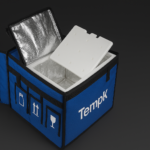
تصنع شركة تيمبك تغليف السلسلة الباردة منتجات, بما في ذلك حقائب الظهر المعزولة للوجبات الجاهزة, الأكياس الحرارية, حزم هلام, طوب الجليد, والمواد ذات الصلة لتوزيع المواد الغذائية. يمكن أن يبدأ دورنا في مشروع التسليم المجمد بالموجز التشغيلي: حالة المنتج, هندسة الحمولة, التعرض للطريق, الفتحات, تنظيف, وإعادة استخدام. من هناك, يمكننا مناقشة البناء, مقصورة, إنهاء, وخيارات المصدر البارد لعينة غرض الإنتاج. يجب على فريقك التحقق من التكوين النهائي من خلال بروتوكول وتجربة ميدانية تعكس ظروف التسليم الفعلية.
شارك متطلبات الأطعمة المجمدة, خريطة الطريق, الحد الأدنى والحد الأقصى للحمل, مصدر بارد مخطط له, وتلقي المعايير مع Tempk. اطلب التكوين الذي تشتريه, العمليات, ويمكن لفرق الجودة التقييم معًا قبل التوسع.