اقتباسات بطانة التغليف المعزولة: كيفية اختيار بطانة سلسلة التبريد المناسبة
تعتبر بطانة التغليف المعزولة مفيدة فقط عندما تكون متطابقة مع المنتج, كرتون, نطاق درجة الحرارة, مدة النقل, وطريق المناولة. قد يبدو شراء الخطوط الملاحية المنتظمة بمثابة طلب بسيط لسعر الوحدة, ولكن المشترين عادة ما يحتاجون إلى أكثر من ورقة الأسعار. إنهم بحاجة إلى معرفة ما إذا كانت البطانة يمكنها حماية الحمولة أثناء التعبئة الحقيقية, تحميل, يسكن الوقت, توصيل, والاستلام.
الطريقة الأكثر أمانًا لتقييم بطانات التغليف المعزولة هي معاملتها كجزء واحد من نظام التغليف. البطانة تبطئ نقل الحرارة, يحمي العرض التقديمي, وقد يحسن أداء عبوات الجل, مواد تغيير المرحلة, أو الجليد الجاف. إنها لا تجعل الكرتون مؤهلاً تلقائيًا لكل حارة سلسلة التبريد. يبدأ الاختيار الصحيح بملف تعريف مسار واضح وينتهي بعملية تعبئة متكررة يمكن لموظفي المستودع اتباعها.
ابدأ بالمهمة التي يجب أن تؤديها الخطوط الملاحية المنتظمة
قبل مقارنة بطانات التغليف المعزولة, تحديد الوظيفة من الناحية التشغيلية. ما هو المنتج الذي يتم شحنه? ما هو نطاق درجة الحرارة الذي يجب الحفاظ عليه أو تخزينه مؤقتًا? كم من الوقت هي الشحنة في العبور? ما هي درجات الحرارة المحيطة واقعية? ما مقدار حجم الحمولة المتوفرة بعد العبوات الباردة, المقسمات, والوثائق معبأة? هذه الإجابات تضيق المجال بسرعة.
غالبًا ما يبدأ المشترون بالحجم أو المادة المطلوبة, لكن نقطة البداية الأكثر فائدة هي خطر الفشل. إذا كان المنتج منخفض القيمة ويحتاج فقط إلى تخزين مؤقت للحرارة, قد تكون بطانة بسيطة كافية. إذا كانت الشحنة تحتوي على دواء, البيولوجيا, المواد السريرية, أو المواد القابلة للتلف ذات القيمة العالية, يجب مراجعة البطانة كجزء من نظام التعبئة والتغليف الذي تم اختباره.
مطابقة المواد للتوجيه, حمولة, وطريقة التعبئة
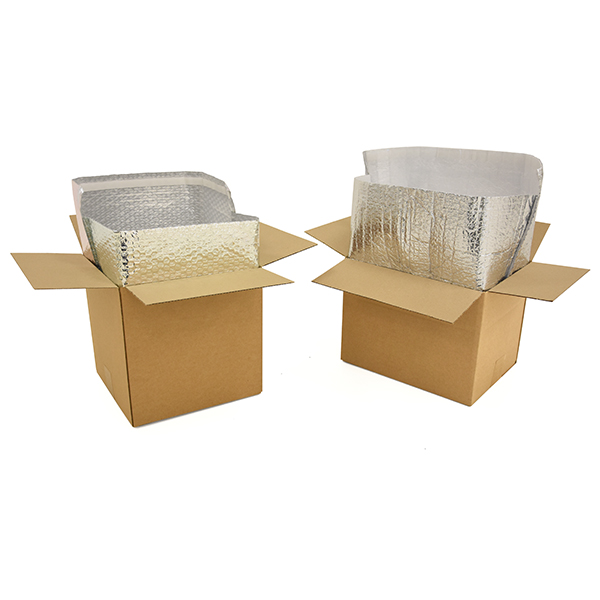
يمكن تصنيع بطانات التغليف المعزولة من الفقاعات, رغوة, فيلم عاكس, ألياف الورق, عزل غير منسوج, أو أكوام المواد الهجينة. يؤثر كل خيار على المقاومة الحرارية, سلوك الرطوبة, توسيد, أضعاف الذاكرة, حجم المستودع, والتخلص منها. أفضل المواد هي التي تعمل مع المسار الفعلي وعملية التعبئة, ليس بالضرورة الخيار الأكثر سمكًا أو الأقل تكلفة.
يمكن للأسطح العاكسة أن تقلل من التعرض للحرارة الإشعاعية عندما تواجه الاتجاه الصحيح, الهواء المحبوس يمكن أن يبطئ التوصيل, والألياف الكثيفة أو الرغوة يمكن أن تضيف هيكلًا. لكن, لا توجد مادة تعمل بمعزل عن غيرها. الكرتونة, المبردات, كتلة الحمولة, مساحة رأس فارغة, طريقة الختم, ووقت التعامل كلها تشكل النتيجة الحقيقية.
يجب أن يكون اختيار المواد عمليًا. تتميز هياكل الفقاعات بالمرونة والسرعة في التعبئة. يمكن أن تضيف الرغوة والألياف هيكلًا أو توسيدًا. يمكن أن تساعد الواجهات العاكسة في التعرض للحرارة المشعة عند تركيبها بشكل صحيح. قد تدعم التصميمات الورقية أهداف العلامة التجارية والتخلص منها, لكنهم ما زالوا بحاجة إلى مراجعة الرطوبة والأداء. يمكن للتنسيقات المضغوطة توفير مساحة التخزين, ولكن فقط إذا كانوا يتعافون باستمرار قبل الاستخدام.
يجب أن تترك البطانة المثبتة حجمًا كافيًا قابلاً للاستخدام للمنتج وغاز التبريد. قم بقياس الكرتون بعد إدخال البطانة. تحقق مما إذا كان الغطاء يغلق, ما إذا كانت الكمادات الباردة توضع في المكان الذي تتطلبه تعليمات العمل, وما إذا كانت الملصقات أو المستندات محمية. يمكن أن تؤدي مشكلة الملاءمة الصغيرة إلى حدوث مشكلة كبيرة في درجة الحرارة أو التعامل بعد آلاف الشحنات.
عبوات واقية منفصلة عن الأنظمة التي يتم التحكم في درجة حرارتها
للأغذية غير المنظمة, عينة, وشحنات التجارة الإلكترونية, قد لا يكون التأهيل الصيدلاني الرسمي مطلوبًا, لكن اختبار الطريق لا يزال ذا قيمة. إن البطانة التي تحمي التوصيل المحلي لمدة ساعتين قد لا تحمي طردًا موضوعًا على عتبة باب ساخن, يتحرك من خلال محور الهواء, أو يبقى في سيارة التوصيل لمدة يوم كامل.
عندما تتضمن الشحنة دواءً, البيولوجيا, العينات التشخيصية, أو غيرها من المنتجات الحساسة, يجب على المشتري تطبيق عملية أكثر صرامة. نطاق درجة الحرارة المطلوبة, مدة الشحن, حجم الحمولة, نوع المبرد, التعرض المحيطي, ظروف الحارة, استلام الشيكات, ويجب مراجعة الوثائق قبل الموافقة على استخدام البطانة.
هذا التمييز مهم لكل مشتري. يمكن للبطانة الواقية أن تقلل من اكتساب الحرارة وتحسن من اتساق العبوة, لكن النظام الذي يتم التحكم في درجة حرارته يحتاج إلى تكوين محدد. يتضمن النظام الكرتونة, بطانة, سائل التبريد, حمولة, تسلسل التعبئة, إنهاء, خطة المراقبة, وافتراضات المسار. بدون تلك النظرة الكاملة, مطالبات الأداء غامضة للغاية بالنسبة للشحنات عالية المخاطر.
للمنتجات التي يمكن التحكم في درجة حرارة الغرفة, قد يكون التحدي هو تجنب ارتفاع درجة الحرارة والتجميد. للمنتجات المبردة, قد يكون التحدي هو الحفاظ على نطاق مبرد دون حدوث ضرر مباشر لحزمة التبريد. للمنتجات المجمدة, التسامي, تهوية, وضع العلامات, وقد تصبح متطلبات التعامل مهمة. لا يمكن لبطانة واحدة أن تحل جميع نطاقات درجات الحرارة بنفس الطريقة.
استخدم قائمة مرجعية عملية للموردين
يجب أن يتضمن طلب عرض الأسعار المفيد أبعاد الكرتون الداخلية والخارجية, حجم الحمولة والوزن, نطاق درجة الحرارة المستهدفة, مدة العبور المتوقعة, الموسم أو الملف الشخصي المحيط, وحجم الطلب الشهري أو السنوي. بدون هذه التفاصيل, قد يستشهد الموردون بافتراضات مختلفة ويجعلون من المستحيل مقارنة الأسعار.
اسأل ما إذا كان الاقتباس يتضمن صنع العينات, العمل الفني أو الطباعة, الأدوات, تنسيق الضغط, كرتونة التصدير, منصة نقالة, شروط الشحن, وأي دعم الوثائق. يمكن أن يصبح سعر الوحدة المنخفض مكلفًا إذا كان يتطلب عبوات كرتونية كبيرة الحجم, ارتفاع الشحن الداخلي, تجميع بطيء, أو إعادة التعبئة المتكررة في المستودع.
يجب أن تتضمن المواصفات الجاهزة للمشتري الأبعاد الداخلية المثبتة, بناء المواد, التحمل الحرجة, وزن الخطوط الملاحية المنتظمة, أسلوب الإغلاق, توافق الكرتون, توافق الحزمة الباردة, خطوات التجميع, متطلبات التخزين, وضع علامات على الكثير, وقواعد الاستبدال. لتصنيع المعدات الأصلية أو العمل المخصص, إضافة موافقة العمل الفني, معيار اللون, عدد التعبئة والتغليف, علامات الكرتون الرئيسية, وعينات الموافقة.
للطلبات بالجملة, تحديد كيفية تعامل المورد مع الإنتاج المتكرر. هل ستتطابق كل دفعة إنتاج مع العينة المعتمدة؟? ماذا يحدث إذا تغيرت المواد الخام? يتم الاحتفاظ بالعينات المتاحة? هل يمكن للمورد تقديم إجراءات تصحيحية في حالة انحراف الأبعاد? قد تبدو هذه الأسئلة مفصلة, لكنها تمنع حدوث مفاجآت باهظة الثمن بعد التوسع.
تقييم التكلفة الإجمالية, ليس فقط سعر الوحدة
لا يمثل سعر الخطوط الملاحية المنتظمة المنخفض دائمًا أقل تكلفة للبرنامج. كرتونة كبيرة الحجم تزيد من وزن الأبعاد. تستهلك العبوات الداخلية الضخمة مساحة المستودع. التجميع البطيء يزيد من العمالة. الخطوط غير المتناسقة تخلق إعادة صياغة. يمكن أن يؤدي الأداء الحراري الضعيف إلى رفض المنتج. يجب على المشترين حساب التكلفة عبر الشراء, التخزين, التعبئة, الشحن, تجربة العملاء, واستثناءات الجودة.
قد تؤدي البطانات المضغوطة والمسطحة إلى تقليل الشحن الداخلي ومكعب التخزين, في حين أن التحجيم المخصص قد يقلل من المساحة الفارغة الزائدة. على الجانب الآخر, قد يؤدي الإنتاج المخصص إلى زيادة موك أو المهلة الزمنية. أفضل قرار للتكلفة هو القرار الذي يتوافق مع الحجم المتوقع, تقلب الطلب, ومستوى المخاطرة للمنتج المشحون.
أدوات اتخاذ القرار مفيدة
تحقق من التفاصيل قبل اختيار التغليف
يمكن أن تساعدك هذه الأدوات السريعة في مقارنة مخاطر المسار, احتياجات التحجيم, خيارات المبرد, وتفاصيل التعبئة والتغليف قبل أن تطلب عرض أسعار.
مدقق مخاطر الطريق
قم بمراجعة ظروف المسار قبل اختيار التغليف لمتطلبات التشغيل الحقيقية.
تحقق من مخاطر الطريقسائل التبريد & مرجع PCM
قارن خيارات سائل التبريد وPCM عندما يحتاج المسار إلى دعم إضافي لدرجة الحرارة.
قارن الخياراتبطانة الصندوق & تحجيم غطاء البليت
تحقق من منطق تحديد حجم بطانة الصندوق وغطاء منصة التحميل لمشاريع التغليف المعزولة.
تقدير الحجماختبار قبل القياس
لا يلزم أن يبدأ الاختبار دائمًا بدراسة رسمية كبيرة. للفحص المبكر, يمكن للمشترين تعبئة الكرتون الفعلي, محاكاة الحمولة, المبردات, والبطانة, ثم مراقبة سلوك درجة الحرارة في ظل معالجة واقعية. للشحنات المنظمة أو عالية المخاطر, قد تكون هناك حاجة إلى عملية تأهيل أكثر تحكمًا. في كلتا الحالتين, يجب أن يعكس الاختبار المسار بدلاً من سيناريو المستودع المثالي.
يجب أن يشمل الاختبار أيضًا الأشخاص. اطلب من مشغلين مختلفين تجميع البطانة وتعبئة الصندوق باستخدام تعليمات العمل المقترحة. انتبه للارتباك, خطوات بطيئة, طيات غير متناسقة, تغطية الزاوية المفقودة, ومشاكل الإغلاق. يرتبط أداء درجة الحرارة والتكرار التشغيلي; من المرجح أن تفشل الحزمة المعقدة للغاية على نطاق واسع.
أخطاء شائعة لتجنب
القيد الأكثر أهمية بسيط: بطانات التغليف المعزولة ليست حلولاً عالمية. لا يمكنهم التغلب على مادة التبريد غير المناسبة, كرتونة مثقلة, طريق لم يتم اختباره, أو عملية استلام تترك المنتجات مكشوفة بعد التسليم. إن افتراض أن البطانة وحدها يمكن أن تحل محل الشاحن الحراري المؤهل هو خطأ شراء شائع.
قد تقدم الخطوط الملاحية المنتظمة أيضًا مقايضات تشغيلية. العزل السميك يقلل من الحجم القابل للاستخدام. يمكن أن تكون الأفلام العاكسة زلقة في محطات التعبئة. قد تحتاج المواد الورقية أو المصنوعة من الألياف إلى حواجز الرطوبة. قد تحتاج البطانات المضغوطة إلى وقت للتعافي. قد يكون لدى OEM أو البطانات المطبوعة فترات زمنية أطول. هذه المشكلات لا تجعل المنتج غير مناسب; فهي تحتاج ببساطة إلى معالجتها قبل توسيع نطاقها.
خطأ شائع آخر هو الموافقة على الخطوط الملاحية المنتظمة دون التحقق من شروط الاستلام. إذا ترك المتلقي العبوة مفتوحة في منطقة دافئة, فشل في فحص جهاز مراقبة درجة الحرارة, أو يتجاهل تعليمات التعبئة والتغليف, ربما لا تزال أفضل حزمة صادرة تفشل. تتم مشاركة أداء سلسلة التبريد عبر شركات الشحن, الناقل, المتلقي, ومراجعة الجودة.
يجب على المشترين أيضًا تجنب تغيير حجم الكرتون بعد الموافقة على البطانة دون تكرار عمليات التحقق من الملاءمة والأداء. يمكن للكرتون الأطول قليلاً أن يخلق مساحة أكبر للرأس, ويمكن للكرتون الأصغر ضغط البطانة أو العبوات الباردة. تعامل مع تغييرات الكرتون كتغييرات في العبوة, ليست بدائل شراء بسيطة.
التعليمات
هل يمكن لبطانة التغليف المعزولة أن تحل محل صندوق الشحن البارد?
عادة لا. يمكن للبطانة تحسين العزل داخل الكرتون أو المبرد, لكن صندوق شحن بارد أو الشاحن المؤهل يشمل الحاوية الخارجية, العزل, المبردات, تخطيط الحمولة, واختبار الأدلة لطريق محدد.
كيف أعرف حجم بطانة التغليف المعزولة التي يجب طلبها؟?
قياس الحجم القابل للاستخدام المثبت, ليس فقط الكرتون الخارجي. تأكد من أن الحمولة, عبوات باردة, فواصل, والإغلاق مناسب تمامًا للتكوين المعبأ.
ما هي المعلومات التي يجب أن أرسلها إلى المورد قبل التسعير؟?
إرسال أبعاد الكرتون, حجم الحمولة والوزن, هدف درجة الحرارة, مدة العبور, الحجم السنوي, احتياجات التخصيص, سوق الوجهة, وأي وثائق أو قيود التعبئة والتغليف.
ما هو أكبر خطأ عند استخدام البطانات المعزولة؟?
أكبر خطأ هو الموافقة على البطانة من صورة أو ورقة أسعار دون اختبار الكرتون الفعلي, المبردات, حمولة, إنهاء, وطريق المناولة.
حول Tempk
يدعم Tempk تغليف السلسلة الباردة مشاريع مع منتجات مثل بطانات الصندوق المعزولة, صناديق الشحن الباردة, صناديق معزولة EPP, عبوات جل الثلج, حزم الثلج الجاف, الطوب الجليد الفريزر, أغطية البليت, ومواد التحكم في درجة الحرارة ذات الصلة. لبطانات التعبئة والتغليف المعزولة, نحن نركز على الملاءمة العملية, تكوين التعبئة, واحتياجات المسار بدلاً من التعامل مع الخطوط الملاحية المنتظمة باعتبارها وعدًا قائمًا بذاته. يمكننا مساعدة المشترين على مقارنة خيارات المواد, التحجيم, والمتطلبات السائبة أو المخصصة للأغذية, الرعاية الصحية, والشحنات الحساسة لدرجة الحرارة.
طلب توصية الخطوط الملاحية المنتظمة
شارك نطاق درجة الحرارة المستهدف, مدة الشحن, حجم الكرتون, تفاصيل الحمولة, وخطة الطلب لمناقشة تكوين الخطوط الملاحية المنتظمة الذي يناسب مسارك وعملية التعبئة.
تفاصيل التعبئة الإضافية غالبًا ما يفتقدها المشترون
تفاصيل التعبئة الصغيرة يمكن أن تحدد ما إذا كانت البطانة تعمل في العمليات اليومية. يجب أن يتم تنظيم البطانة حيث يمكن للمشغلين الوصول إليها دون الانحناء أو البحث. يجب أن تكون الكمادات الباردة مشروطة وفقًا لعملية مكتوبة, وليس عن طريق التخمين. يجب تحميل المنتجات في نفس الاتجاه المستخدم أثناء أي اختبار. يجب أن تكون عمليات الإغلاق قوية بما يكفي للحفاظ على البطانة في موضعها أثناء التعامل مع الناقل.
الحجم القابل للاستخدام يستحق اهتمامًا خاصًا. قد تبدو الكرتونة كبيرة بدرجة كافية قبل تركيب البطانة, لكن مساحة الحمولة النهائية يمكن أن تتقلص بسرعة بعد العزل, حزم هلام, المقسمات, وثائق, ويتم إضافة ملء الفراغ. يجب على المشترين بناء صندوق عينة على نطاق كامل, قم بتصوير العبوة, وزن الشحنة النهائية, وتأكد من أن الكرتون لا يزال يناسب متطلبات الناقل والبليت.
الوثائق التي تجعل إعادة الطلب أسهل
يستفيد برنامج الخطوط الملاحية المنتظمة القابل للتكرار من حزمة وثائق بسيطة. احتفظ بالعينة المعتمدة, الرسم النهائي أو ورقة الأبعاد, وصف المواد, صور التعبئة, مواصفات الشراء, تنسيق وضع العلامات على الكثير, وأي ملاحظات اختبار في مكان واحد. هذه المعلومات تساعد المشترين الجدد, فرق الجودة, مشرفين مستودعات, ويتخذ الموردون نفس القرار بعد أشهر.
يعد التوثيق مفيدًا أيضًا عند فشل الشحنة. بدلا من التخمين, يمكن للفريق مقارنة الحزمة الفاشلة بالتكوين المعتمد: نفس الكرتون, نفس الخطوط الملاحية المنتظمة, نفس المبرد, نفس الحمولة, نفس الإغلاق, نفس الطريق, ونفس عملية الاستلام. تعمل السجلات الواضحة على تحويل مشكلات التغليف إلى أسئلة عملية قابلة للحل.
كيفية الاختيار بين المخزون والبطانات المخصصة
بطانات المخزون مفيدة عند السرعة, تكلفة الإعداد منخفضة, والطلب المرن أكثر أهمية من ملاءمة الكرتون المثالية. يمكنهم العمل بشكل جيد للطيارين, البرامج الموسمية, أو المنتجات ذات المخاطر المتوسطة. تعتبر البطانات المخصصة أكثر ملاءمة عند تكرار الحمولة, حجم الكرتون ثابت, قيمة الشحنة مرتفعة, أو تحتاج العلامة التجارية إلى عرض تقديمي أنظف.
وينبغي أن يستند القرار المخصص إلى مكاسب قابلة للقياس. هل البطانة المخصصة تقلل من حجم الكرتون؟, تحسين سرعة التعبئة, ضرر أقل, تقليل كمية التبريد, أو جعل عملية تدقيق الحزمة أسهل? إذا كان الجواب نعم, قد يكون هناك ما يبرر جهد الإعداد الأعلى. إذا لم يكن كذلك, قد تكون بطانة المخزون المختارة جيدًا خطوة أولى أفضل.