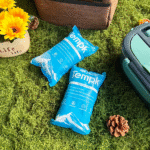
Shipping mushrooms through courier, خضروات, or ecommerce lanes requires a product-specific سلسلة التبريد plan because freshness loss is not caused by temperature alone. رُطُوبَة, ضغط الكرتون, تدفق الهواء, التبريد المسبق, وضع المبرد, ومدة الإقامة كلها تؤثر على جودة الوصول.
Mushrooms are cold-sensitive in a practical sense: they need cold handling, but their surface quality can fail if moisture sits on the caps. قد تؤدي عبوة المنتجات الطازجة العامة إلى إبقاء الصندوق باردًا, ولكن لا يزال من الممكن أن يفشل إذا تسبب في التكثيف, كتل فتحات, يسحق حزمة البيع بالتجزئة, أو يستخدم سائل تبريد بارد جدًا بالنسبة للمنتج.
Recommended سلسلة التبريد range
لتخطيط الطريق, mushrooms should be handled around 0-2 ج مع رطوبة نسبية حولها 95% RH. هذه القيم عبارة عن نطاقات تخطيط بناءً على إرشادات تخزين المنتجات التجارية ويجب فحصها وفقًا لمواصفات منتج المورد, تنسيق الكرتون, مرحلة النضج, ومناخ الوجهة.
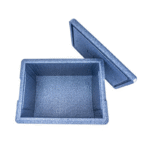
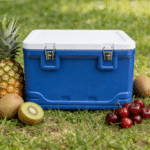
أهم قاعدة عملية هي إزالة حرارة الحقل قبل التعبئة. و الشاحن المعزول تم تصميمه لإبطاء اكتساب الحرارة أثناء النقل; فهو ليس بديلاً عن التبريد المسبق.
المقارنة مع المنتجات الطازجة المماثلة
| منتج | درجة حرارة التخطيط | الرطوبة النسبية | حساسية الضرر | التبريد المسبق | أولوية الحزمة |
|---|---|---|---|---|---|
| الفطر | 0-2 ج | 95% | عالي | صواني تبريد مسبقة | Avoid wet caps, رائحة, والضغط |
| التوت | 0-1 ج | 90-95% | عالية جدا | تبريد الهواء القسري السريع | Very low compression and leak control |
| الهليون | 0-2 ج | 95-100% | عالي | تبريد مائي أو تبريد مسبق | Maintain turgor without wet carton failure |
جدول تخطيط المسار والحزم
| متغير المسار | المتطلبات الخاصة بالمنتج | استجابة حزمة Tempk |
|---|---|---|
| درجة حرارة | 0-2 ج | حدد سمك العزل والمبرد المكيف أو PCM للمسار الذي تم اختباره. |
| رطوبة | 95% RH | استخدم الفواصل, التحكم في الامتصاص, تنفيس, أو حواجز الرطوبة على أساس حزمة البيع بالتجزئة. |
| التبريد المسبق | Pre-cool product and trays before packing; keep retail film or venting matched to the route. | لا تعتمد على الشاحن لإزالة حرارة الحقل; يجب أن يحافظ على حالة البداية. |
| ضغط التغليف | قليل. Caps mark easily under tray compression, ملء باطل ضيق, or heavy coolant weight. | مطابقة دعم الكرتون, ملء باطلة, وموضع المبرد وفقًا لحساسية سحق المنتج. |
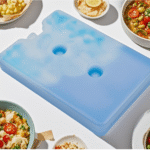
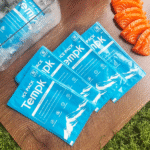
| موقف المبرد | Conditioned gel packs placed around the tray zone with an absorbent separator; avoid frozen pack contact with retail trays. | احتفظ بسائل التبريد بعيدًا عن الاتصال المباشر بعبوة البيع بالتجزئة واختبر درجة حرارة مساحة المنتج. |
| مدة العبور | 24-48 hours is preferred for parcel routes. Longer lanes need careful condensation and browning tests. | التحقق من صحة المسار في ظل وقت المكوث الحقيقي, التعامل مع المستودعات, والتعرض عتبة الباب. |
كيفية اختيار حزمة ل 24, 48, و 72 طرق ساعة
| نوع الشحنة | منطق الحزمة | ماذا للتحقق |
|---|---|---|
| تسليم البقالة المحلية | Use a cool insulated tote and keep trays upright with airflow space. | Inspect cap moisture and odor after delivery. |
| 24-ساعي ساعة | استخدم شاحنًا معزولًا, عبوات جل منفصلة, and absorbent control near the tray zone. | Avoid overpacking that compresses the tray film. |
| 24-48 ساعات | Validate both temperature and condensation after warm-to-cold transitions. | Check browning, الوحل, and tray deformation. |
للطرق الأطول, تجنب حل كل مشكلة بإضافة المزيد من المجمدة حزم هلام. يمكن أن يؤدي وجود سائل تبريد إضافي إلى ظهور بقع باردة, علامات المياه, منع تدفق الهواء, أو ضغط المنتج. النهج الأفضل هو ضبط العزل, تكييف المبرد, تصميم فاصل, تناسب الكرتون, وتوقيت المسار معًا.
أنماط الخسارة الشائعة
The main transit losses to watch are browning, slimy surfaces, wet film, cap bruising, open veils, odor absorption, and shortened shelf life. عادة ما تأتي هذه المشكلات من وقت الإقامة الدافئ, التبريد المسبق غير كاف, فصل المبرد السيئ, كرتونة مطحونة, التهوية المسدودة, أو التكثيف داخل عبوة البيع بالتجزئة.
أدوات اتخاذ القرار مفيدة
تحقق من التفاصيل قبل اختيار التغليف
يمكن أن تساعدك هذه الأدوات السريعة في مقارنة مخاطر المسار, احتياجات التحجيم, خيارات المبرد, وتفاصيل التعبئة والتغليف قبل أن تطلب عرض أسعار.
حاسبة علبة الثلج
تقدير كمية عبوات الثلج الهلامي للشحنات المبردة والتخطيط العملي للمسار.
تقدير عبوات الثلجمقاومة سقوط المواد العازلة
مراجعة مقاومة السقوط وعوامل المناولة قبل اختيار المواد العازلة.
تحقق من المقاومةمحدد التعبئة والتغليف
قارن بين خيارات التغليف المعزولة حسب المنتج, طريق, ودرجة الحرارة اللازمة.
البحث عن التعبئة والتغليفعند مراجعة الشحنة الفاشلة, فحص المنتج والتعبئة والتغليف معا. قد تشير الملصقات الرطبة إلى التكثيف; قد تشير الكدمات إلى الضغط العمودي; قد تشير درجة الحرارة غير المتساوية إلى وضع سيئ لسائل التبريد; وقد تشير بيانات المسجل الجيدة ذات المظهر السيئ إلى ضغط التغليف أو الرطوبة بدلاً من درجة الحرارة.
توصية التعبئة والتغليف Tempk
شاحن معزول, ventilated trays, عبوات جل مكيفة, بطانة ماصة, odor-clean materials, and a logger during warm-season validation. للاستخدام التجاري, يجب اختبار الحزمة مع وزن الحمولة الحقيقي, حزمة البيع بالتجزئة, حجم الكرتون, مدة الطريق, وأدفأ ممر التسليم المتوقع.
يمكن لـ Tempk دعم اختيار الحزمة باستخدام الصناديق المعزولة, بطانات معزولة, حزم هلام, حزم PCM, طبقات فصل التحكم في الرطوبة, دعم الكرتون, والتحقق من صحة المسار. يجب أن يحمي التصميم النهائي كلاً من نطاق درجة الحرارة المستهدفة وجودة البيع بالتجزئة المرئية للمنتج.
قائمة التحقق من الصحة قبل القياس
- تأكد من اللب الأولي للمنتج أو درجة حرارة مساحة المنتج قبل التعبئة.
- ضع مسجل درجة الحرارة بالقرب من المنتج, ليس فقط ضد الجدار الخارجي للشاحن.
- قم بإجراء الاختبار من خلال مسار التسليم الفعلي, بما في ذلك بيك اب, مستودع يسكن, تحميل فان, ووقت عتبة الباب.
- فحص الرطوبة, رائحة, كدمات, حالة الجذع أو الطرف, قوة الكرتون, حالة التسمية, ومظهر حزمة البيع بالتجزئة بعد التفريغ.
- كرر التحقق من الصحة عندما الموسم, الناقل, عدد الكرتون, وزن الحمولة, أو تغيير وقت التسليم.
المعلومات التي يجب إرسالها قبل طلب الحزمة
للتوصية بحزمة Tempk العملية, مشاركة وزن المنتج لكل شحنة, نوع حزمة البيع بالتجزئة, أبعاد الكرتون, درجة حرارة البداية, مدة المسار المستهدف, مناخ الوجهة, الحد الأقصى لدرجة الحرارة المحيطة المتوقعة, وما إذا كانت الشحنة لا يتجزأ, تسليم البقالة, الشحن الجوي, أو البريد السريع المحلي.
أساس البيانات
تعتمد نطاقات التخطيط المذكورة أعلاه على دليل الزراعة التابع لوزارة الزراعة الأمريكية-ARS 66 توجيهات تخزين السلع, ممارسات التعامل مع ما بعد الحصاد الشائعة, وطرق التحقق من صحة العبوة المعزولة Tempk. يجب تأكيد إعدادات الشحن النهائية عن طريق اختبار المسار المباشر.
دعوة إلى العمل
If you ship mushrooms through warm courier, خضروات, أو ممرات التجارة الإلكترونية, يمكن لـ Tempk مراجعة حمولتك, حجم الكرتون, موعد التسليم, والتعرض للمناخ للتوصية بحزمة معزولة للاختبار.