How to Choose Pallet insulation covers for electronics for Real Shipment Conditions
أغطية عزل البليت for electronics should be chosen by matching product sensitivity, التعرض للطريق, هندسة البليت, ومتطلبات الإثبات. للإلكترونيات والمكونات الإلكترونية, يمكن أن يقلل الغطاء من الضغط الحراري قصير المدى أثناء التدريج أو التسليم, لكنها لا تستطيع تصحيح الشروط المسبقة السيئة, التعامل غير الآمن, أو وسيلة نقل غير مناسبة. أفضل قرار شراء هو ربط الغلاف بسير عمل مكتوب: عندما يتم تطبيقه, كيف يتم تأمينه, ما هي الأدلة التي تدعم استخدامه, وما يتحقق منه الفريق المتلقي.
إجابة سريعة: استخدم أغطية عزل البليت للإلكترونيات عندما تحتاج الحمولة المنقولة على منصات نقالة إلى حماية سلبية مؤقتة أثناء النقل, التدريج, أو تلقي التأخير. لا تستخدمها كدليل على الامتثال لدرجة الحرارة ما لم تتضمن عملية التغليف الكاملة دليلاً على منتجك, طريق, ومعايير القبول.
الحدود المفيدة: حماية, ليس سحرا
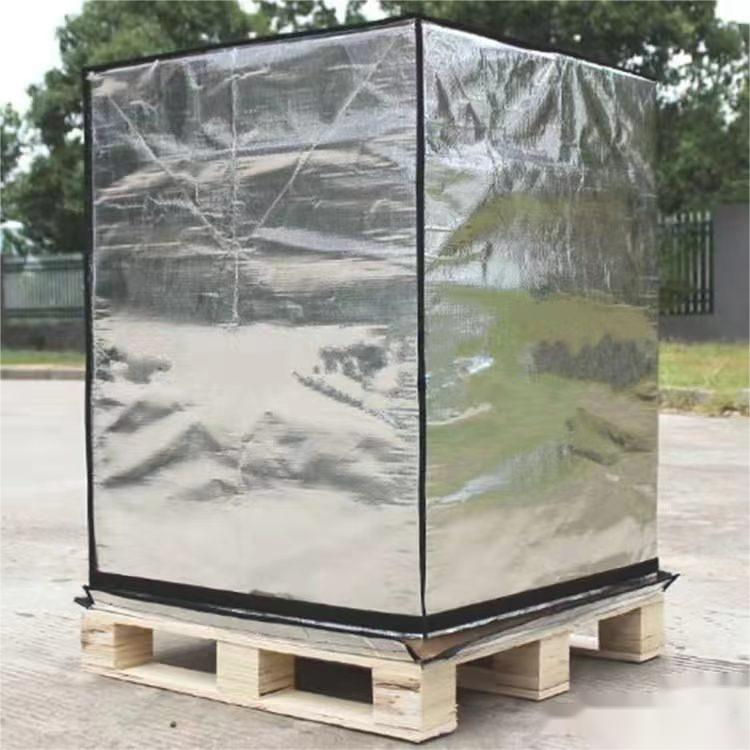
أ غطاء البليت هي طبقة واقية سلبية. يمكن أن يقلل من الحرارة المشعة المباشرة, تبادل الحمل الحراري البطيء حول الكراتين, وإضافة حاجز قابل للإزالة أثناء التعرض. لا يولد الهواء البارد, تسخين الحمل بنشاط, أو التحقق من أن الشحنة بقيت ضمن النطاق المطلوب. That is why pallet insulation covers for electronics should be described as part of a temperature-management process, ليس مثل العملية برمتها.
The operational boundary is especially important for electronics and electronic components. Electronics are often more vulnerable to condensation and packaging stress than to a single mild temperature change. إذا غادر المنتج المستودع وهو دافئ بالفعل, مبتل, تالف, أو خارج الحالة المطلوبة, قد يخفي الغطاء ببساطة المشكلة حتى الاستلام. يبدأ سير عمل أقوى قبل تطبيق الغطاء: تأكيد حالة المنتج, تأكد من أن البليت مستقر, ثم قم بتغطية الحمل لنافذة التعرض المحددة.
استخدم الغطاء حيث يتناسب مع المخاطر: shielding palletized electronics from temperature swings, الشمس المباشرة, cold dock exposure, and condensation-prone handovers. تجنب معاملته كبديل للتخزين الخاضع للرقابة, التعبئة والتغليف المؤهلة, التحكم في درجة حرارة السيارة, أو تعليمات خاصة بالمنتج. They do not replace moisture barrier packaging, المجففات, ESD-safe handling, or controlled warehouse storage when those are required.
ابدأ بالممر, ليست صورة الكتالوج
من السهل تحديد مواصفات الغلاف الصحيحة بمجرد رسم المسار على الورق. قم بتضمين كل مكان يتم فيه ركن منصة نقالة, تفتيشها, إعادة تسمية, موحدة, أو تنتقل بين مناطق درجة الحرارة. لهذا الموضوع, the common route may include air cargo terminals, ocean freight warehouses, المستودعات المستعبدة, fulfillment hubs, and distributor docks. هذه المواقع ليست متطابقة. بعضها لديه أبواب قفص الاتهام مفتوحة, البعض لديه شمس مباشرة, البعض يعاني من ازدحام الرافعة الشوكية, وبعضهم لديه تأخير في الأعمال الورقية.
يجب أن تحدد خريطة الطريق المفيدة من يملك منصة التحميل في كل خطوة. يجوز للشاحن تطبيق الغطاء, ويجوز للناقل إزالته للتفتيش, قد يقوم المستودع بإعادة تغليف البليت, وقد يحتاج المتلقي إلى إعادة الغطاء. إذا لم يكن أحد يملك تلك الخطوات, يصبح برنامج الغلاف غير متناسق. قد ترى نتائج قوية في أحد الحارات ونتائج سيئة في حارة أخرى, حتى مع نفس المنتج ونفس الغطاء.
اطلب من الفرق الإبلاغ عن نقاط السكن الحقيقية, ليست نقاط السكن المخطط لها. قد يُظهر الجدول الزمني تحويلاً قصيرًا, بينما تشمل العمليات الفعلية المواعيد الفائتة, الشيكات الجمركية, طوابير الشاحنات, أو التدريج في منطقة أكثر دفئا. يجب أن يؤثر هذا الواقع على حجم الغلاف, تصميم الإغلاق, الوصول إلى العلامات, وما إذا كانت هناك حاجة إلى مراقبة إضافية.
Risk notes for electronics and electronic components
The main risks to watch are condensation after cold-to-warm transfer, sun exposure on airport ramps, dust and light exposure, static-sensitive packaging being handled incorrectly, and poorly sealed cartons after rework. لا يتم حل هذه المخاطر عن طريق العزل وحده. إنها تتطلب قرارًا بشأن متى يكون الحمل جاهزًا للتغطية, كم من الوقت يمكن أن تنتظر, كيف تتم مراقبة الطريق, وماذا تفعل فرق الاستلام إذا كانت حالة التغليف تبدو موضع شك.
للإلكترونيات والمكونات الإلكترونية, يجب أن يدعم الغطاء تعليمات المنتج بدلاً من تجاوزها. إذا كانت التسمية, ورقة بيانات السلامة, مواصفات العميل, أو تحدد اتفاقية الجودة شرطًا مطلوبًا, استخدم هذا المستند كنقطة بداية. عندما يكون الشرط المطلوب غير واضح, لا تختار غطاء بناءً على مطالبة عامة. اطلب من مالك المنتج أو فريق الجودة التأكد من النطاق المقبول وشروط التعامل المسموح بها.
السؤال الأكثر عملية حول ملاءمة المنتج بسيط: ما هي المشكلة التي تحاول الحد منها? قد يساعد الغطاء في التعرض المؤقت لأشعة الشمس, التدريج القصير خارج غرفة تسيطر عليها, أو تقلبات درجات الحرارة أثناء التسليم. قد تكون الأداة الخاطئة عندما يتطلب المسار تبريدًا نشطًا, الشاحن المعتمد, حزمة المبردات, أو سجلات درجات الحرارة الموثقة عند مستوى لا يمكن للغطاء توفيره.
أسئلة الموردين التي تمنع حالات عدم التطابق الباهظة الثمن
| ما للتأكيد | سبب السؤال | إشارة شراء جيدة |
|---|---|---|
| حجم البليت والارتفاع مناسبا | تقلل الفجوات من الحماية وتجعل التعامل معها أمرًا محرجًا. | يطلب المورد أبعاد البليت المحملة, ليس فقط بصمة البليت. |
| إغلاق والوصول إلى التسمية | قد تتم إزالة الأغطية إذا تعذر مسح الملصقات ضوئيًا. | التصميم يسمح بالمسح الضوئي, تقتيش, وإعادة الختم. |
| الأدلة الحرارية | يعتمد الأداء على التعرض والحمل. | يشرح المورد شروط الاختبار أو يذكر الحدود بوضوح. |
| التنظيف وإعادة الاستخدام | تحتاج العناصر القابلة لإعادة الاستخدام إلى النظافة والتحكم في الحالة. | تتوفر إرشادات التنظيف ومعايير التفتيش. |
| اتساق التوسع | يجب أن تتطابق الطلبات بالجملة مع العينات المعتمدة. | يحدد المورد الموافقة على العينة والاتصال بتغيير المواد. |
للإلكترونيات والمكونات الإلكترونية, أفضل مورد ليس هو الذي لديه وعد أوسع. فهو الذي يساعدك على تحديد الافتراضات والتحقق مما إذا كانت هذه الافتراضات تتطابق مع مسارك.
ليس المقصود من الجدول إبطاء عملية الشراء. يمنع نمط الفشل الشائع: يختار المشتري الغلاف بناءً على لغة المنتج العامة, ثم تكتشف فرق المستودعات أنها لا تناسب منصة التحميل, تسميات كتل, يصبح مبللاً, أو يفتقر إلى الأدلة اللازمة لحساب حساس.
أنشئ غلافًا لإجراءات التشغيل المعيارية (SOP) سيستخدمه العمال بالفعل
تبدأ العملية العملية قبل وصول البليت إلى الباب. تأكيد حالة المنتج, سلامة التعبئة والتغليف, استقرار البليت, وأي تعليمات خاصة. ثم ضعي الغطاء على منطقة محددة, إغلاق آمنة, إبقاء التسميات المطلوبة مرئية, وتسجيل أي استثناء. للإلكترونيات والمكونات الإلكترونية, غالبًا ما تكون هذه الخطوة أكثر أهمية من الاختلافات الصغيرة بين الأغلفة المتشابهة.
أثناء النقل أو التدريج, يجب أن يعرف الموظفون ما إذا كان من الممكن فتح الغطاء للفحص وكيف يجب إعادة إغلاقه. إذا تم تقسيم البليت, إعادة صياغتها, أو إعادة تسميتها, يجب ألا تختفي عملية الغطاء. يجب على المتلقي فحص كل من عبوة المنتج وحالة الغطاء, لأن البلل, رائحة, تمزق, أو الإغلاق المفقود قد يكشف عن مشكلة في التعامل.
يمكن أن يكون السجل البسيط كافيًا للشحن غير المنظم: الوقت المغطى, موقع, الشخص المسؤول, حالة مرئية, وتلقي الملاحظات. قد تتطلب الشحنات عالية المخاطر سجلات درجات الحرارة, مراجعة الجودة, أو التعامل مع الانحراف الموثق. يجب أن يتوافق مستوى التوثيق مع مخاطر المنتج وتوقعات المشتري, الناقل, والمتلقي.
استخدم المطالبات الحذرة في الممرات المنظمة أو الحساسة للسلامة
للإلكترونيات, compliance language usually comes from customer specifications, moisture-control procedures, ESD programs, and product handling instructions. A thermal cover may protect against sun or temperature swings, but it should not be called ESD-safe, ضد للماء, or moisture-proof unless the supplier provides a specification that supports those claims.
Customer quality agreements, product handling instructions, and ESD controls should guide packaging decisions; an insulation cover is not an ESD control unless specified. استخدم لغة حذرة في المواصفات والعقود. تفضل عبارات مثل "يدعم الحماية المؤقتة من التعرض".,' 'يتم استخدامه كجزء من عملية معالجة موثقة,أو "سيتم تقييمها مقابل مسار الشحن." تجنب العبارات التي تشير إلى الامتثال العالمي, صيانة مضمونة لدرجة الحرارة, أو الملاءمة لكل طريق.
عندما يكون التأهيل الرسمي مطلوبًا, نسأل ما هو المعيار, حساب تعريفي, حمولة, وتم استخدام معايير القبول. بيانات الاختبار الحراري من الشاحن المعزول أو لا ينبغي نقل تنسيق تعبئة مختلف تلقائيًا إلى غطاء منصة نقالة. إذا كان التطبيق مهمًا, تأهيل النظام في ظل ظروف تشبه المسار الفعلي.
أدوات اتخاذ القرار مفيدة
تحقق من التفاصيل قبل اختيار التغليف
يمكن أن تساعدك هذه الأدوات السريعة في مقارنة مخاطر المسار, احتياجات التحجيم, خيارات المبرد, وتفاصيل التعبئة والتغليف قبل أن تطلب عرض أسعار.
مولد قائمة التحقق من الامتثال
قم ببناء قائمة مرجعية عملية لمراجعة التغليف, شحن, والتوثيق.
بناء قائمة مرجعيةبطانة الصندوق & تحجيم غطاء البليت
تحقق من منطق تحديد حجم بطانة الصندوق وغطاء منصة التحميل لمشاريع التغليف المعزولة.
تقدير الحجممحدد التعبئة والتغليف
قارن بين خيارات التغليف المعزولة حسب المنتج, طريق, ودرجة الحرارة اللازمة.
البحث عن التعبئة والتغليفمن العينة إلى الطرح: ينسى المشترين الشيكات
قبل السؤال عن السعر, تحديد الافتراضات التشغيلية. تأكيد أبعاد البليت المحملة, فئة المنتج, التعرض للحارة, عمر الغطاء المتوقع, طريقة التنظيف, مساحة التخزين, وعما إذا كان يغطي العودة إلى الأصل. للإلكترونيات والمكونات الإلكترونية, also confirm moisture sensitivity, ESD packaging compatibility, وقوة الكرتون. تحدد هذه التفاصيل ما إذا كانت العينة التي تتلقاها ذات معنى أم لا.
أثناء مراجعة العينة, تجنب الموافقة على المظهر المرئي فقط. دع عمال المستودعات يتقدمون ويزيلون الغطاء تحت ضغط الوقت العادي. حرك البليت عبر المداخل, حول الزوايا الضيقة, وبالقرب من نقاط المسح. تحقق مما إذا كان الغطاء يسحب, دموع, تسميات كتل, أو يخلق مشكلة تتعلق بالسلامة. ثم اطلب من الجودة أو العمليات تحديد معايير النجاح أو الفشل قبل الانتقال إلى طلب مجمع.
لتكرار الشراء, اسأل كيف يتعامل المورد مع بدائل المواد, تغييرات الإنتاج, تغليف الأغطية نفسها, والاتساق من دفعة إلى دفعة. لا يحتاج المشتري إلى تحويل كل طلب إلى مشروع معملي, ولكن لا ينبغي للنشر المجمع أن يعتمد على عينة غير رسمية واحدة إذا كان الغلاف جزءًا من عملية شحن خاضعة للرقابة.
الاستدامة تنتمي إلى نموذج التشغيل, ليس فقط الكتيب
Reusable covers can reduce disposable protective layers, but only if reverse logistics prevent loss and contamination. تلك هي النظرة المتوازنة. يمكن أن تكون الأغطية القابلة لإعادة الاستخدام بديلاً معقولاً للبطانات التي تستخدم لمرة واحدة أو التغليف المتكرر للطوارئ, ولكنها تتطلب أيضًا لوجستيات عكسية, تَعَب, تخزين, تقتيش, والتنظيف. إذا اختفت الأغطية بعد الولادة أو عادت ملوثة, قصة الاستدامة تصبح ضعيفة.
عندما تكون الاستدامة جزءًا من قرار الشراء, اطلب إجابات عملية بدلاً من المطالبات العامة. كم مرة يتم استخدام الغطاء تحت ظروف التعامل الخاصة بك? كيف سيتم التعرف على الأغطية التالفة? أين سوف تجف الأغطية الرطبة? من يدفع ثمن إعادة الشحن? ما هي العبوة المستخدمة لشحن الأغطية نفسها? تساعد هذه الأسئلة البرنامج على البقاء بعد أمر الشراء الأول.
للإلكترونيات والمكونات الإلكترونية, لا ينبغي أن تأتي الاستدامة أبدًا على حساب سلامة المنتج, صحة, أو التعامل الموثق. لا يكون الغطاء الأكثر متانة ذا قيمة إلا إذا ظل مناسبًا للبضائع التي يحميها. إذا التنظيف, رائحة, بقايا, أو لا يمكن السيطرة على الأضرار المادية, قد يكون نهج التغليف المختلف أكثر أمانًا.
مثال عملي: عينة تبدو جيدة ولكنها تفشل في المسار
Imagine a buyer needs pallet insulation covers for electronics for electronics and electronic components moving through a route with a warehouse staging area, تسليم الناقل, وجهاز الاستقبال الذي غالبًا ما يعاني من ازدحام الرصيف. قد يبدو الطلب الأول بسيطًا: توفير غطاء قابل لإعادة الاستخدام للمنصات القياسية. يتضمن الطلب الأفضل أبعاد البليت المحملة, نقاط السكن المتوقعة, ما إذا كان يمكن فحص البليت أثناء النقل, كيف يجب أن تظل التسميات قابلة للمسح الضوئي, وما هي الملاحظات المطلوبة إذا وصل الغلاف مبللاً, ممزق, أو مفقود.
يمكن للمورد بعد ذلك أن يوصي بأسلوب الغلاف ويشرح حدوده. يمكن للعمليات اختبار سرعة التطبيق وملاءمته. يمكن للجودة أن تقرر ما إذا كانت هناك حاجة إلى مزيد من الأدلة. يمكن للمشتريات مقارنة سعر الوحدة مقابل إعادة الاستخدام, خسارة, تنظيف, والتخزين. هذا المثال ليس حالة عميل; إنها طريقة عملية لمنع حدوث خطأ شائع في الشراء: التعامل مع الغطاء السلبي باعتباره ملحقًا بسيطًا عندما يؤثر فعليًا على أقسام متعددة.
تجنب نقاط الفشل هذه قبل التوسع
- Covering electronics and electronic components before confirming that the load is in the right starting condition.
- الشراء عن طريق مساحة البليت فقط وتجاهل الارتفاع المحمل, المتراكمة, تسميات, ونقاط الوصول.
- ترك فجوات إغلاق تسمح بتبادل الهواء عند الزوايا, طبقات, أو قاعدة البليت.
- استخدام غطاء قابل لإعادة الاستخدام دون تنظيف, تجفيف, تقتيش, وعملية التقاعد.
These mistakes matter because pallet insulation covers for electronics are usually used at the messy edge of a controlled process: المدخل, طابور الشاحنة, الرصيف المتقاطع, نقطة التفتيش, أو منطقة استقبال العملاء. هذا هو المكان الذي تتراكم فيه الإجراءات الصغيرة. رفرف فضفاض, غطاء مبلل, أو أن الاستبدال المتأخر يمكن أن يقلل من قيمة منتج معقول.
طريقة الوقاية ليست معقدة. اكتب القاعدة, تدريب الأشخاص الذين يلمسون البليت, ومراجعة العملية أثناء الشحنات الحقيقية. إذا كان الغطاء مهمًا بما يكفي للشراء, من المهم بما يكفي لجعلها مرئية في سير العمل.
التعليمات
Do pallet insulation covers for electronics guarantee a specific temperature range?
لا. إنها منتجات حماية سلبية ولا تخلق نطاقًا مضمونًا لدرجة الحرارة بمفردها. يعتمد الأداء على حالة بدء تشغيل المنتج, كتلة البليت, غطاء مناسب, التعرض المحيطي, وقت التعامل, وبقية نظام النقل. إذا كان هناك حاجة إلى نطاق درجة حرارة محددة, تأكد من ذلك من خلال تعليمات المنتج واسأل عن الأدلة التي تدعم إعداد العبوة.
When should I use pallet insulation covers for electronics?
استخدمها عندما يكون الخطر الرئيسي هو التعرض المؤقت أثناء التحميل, التفريغ, التدريج, تقتيش, أو التنقل بين المناطق الخاضعة للسيطرة. وهي مفيدة بشكل خاص عندما يحتوي المسار على نقاط تسليم يمكن التنبؤ بها ويمكن للموظفين تقديم الطلب وإزالة الغطاء بشكل صحيح. وهي أقل ملاءمة كبديل للتبريد النشط, التعبئة والتغليف المؤهلة, أو إعادة تصميم المسار بالكامل.
ما الذي يجب علي التحقق منه قبل تقديم طلب بالجملة?
تأكيد أبعاد البليت المحملة, تصميم إغلاق الغطاء, الوصول إلى التسمية, متطلبات التنظيف, العودة اللوجستية, واتساق العينة إلى الإنتاج. للإلكترونيات والمكونات الإلكترونية, also review moisture sensitivity, and ESD packaging compatibility. يجب أن يعتمد الطلب بالجملة على تجربة البليت الحقيقية, ليس مجرد رسم أو صورة المنتج.
هل يمكن للغطاء القابل لإعادة الاستخدام أن يخلق مخاوف بشأن النظافة أو التلوث?
نعم, يمكن ذلك إذا عاد الغطاء مبللاً, متسخ, معطر, ممزق, أو تتعرض لبضائع غير متوافقة. تحتاج البرامج القابلة لإعادة الاستخدام إلى إرشادات التنظيف, معايير التفتيش, قواعد التخزين, وطريقة لإزالة الأغطية التالفة من الخدمة. للطعام, مختبر, أو الشحنات الصناعية الحساسة, يجب أن تتم مراجعة النظافة قبل بدء التشغيل.
ما هي الأدلة التي يجب على المورد تقديمها?
اطلب المواصفات التي تشرح المواد, أبعاد, أسلوب الإغلاق, الاستخدام المقصود, إرشادات التنظيف, وأي تقييم حراري متاح. إذا ذكر المورد الاختبار, اسأل عن شروط الاختبار, حمولة, ملف تعريف المحيط, ومعايير القبول. يجب أن تتطابق الأدلة مع طلبك بشكل وثيق بما يكفي لدعم القرار.
خاتمة
Pallet insulation covers for electronics make sense when they are tied to a clear route problem, مخاطر المنتج المحددة, وعملية معالجة متكررة. للإلكترونيات والمكونات الإلكترونية, التركيز على حالة بدء الحمل, نقاط التسليم الفعلية, ملاءمة الغطاء, والأدلة وراء أي مطالبة المورد. القرار الأكثر أمانا ليس هو الوعد الأكثر دراماتيكية; إنه المستودع الخاص بك, الناقل, فريق الجودة, ويمكن للمتلقي تكرار باستمرار.
قبل الشراء, تأكيد حالة المنتج المطلوبة, اختبار عينة على منصة نقالة حقيقية, توثيق سير العمل, وتحديد ما يجب على الفرق المستقبلة التحقق منه. يحمي هذا النهج العملي جودة المنتج وثقة المشتريات.
حول Tempk
تدعم Tempk فرق الخدمات اللوجستية ذات السلسلة الباردة والحساسة لدرجة الحرارة والتي تحتاج إلى خيارات تعبئة عملية للشحن على منصات نقالة. In a discussion about pallet insulation covers for electronics, نحن نركز على التفاصيل التي تؤثر على الاستخدام اليومي: حجم البليت, التعرض للطريق, غطاء مناسب, بناء المواد, التعامل مع سير العمل, وحدود الحماية السلبية. نحن نتجنب التعامل مع غلاف واحد كإجابة عالمية, لأن المنتجات مختلفة, الممرات, وتتطلب احتياجات التوثيق اتخاذ قرارات تغليف مختلفة.
CTA
مشاركة أبعاد البليت الخاص بك, نوع المنتج, التعرض للطريق, وخطوات التعامل المتوقعة مع Tempk. We can help you compare pallet insulation covers for electronics options before you move from sample review to a larger order.