تحتاج شحنات شرائح لحم الخنزير إلى خطة تغليف تحمي درجة الحرارة وحالة العبوة المادية. لتوصيل اللحوم والدواجن, the most useful سلسلة التبريد plan is built around the actual product form, التعبئة والتغليف الأولية, طول الطريق, وقواعد الاستلام.
غالبًا ما تكون شرائح لحم الخنزير معبأة في صينية أو معبأة بالفراغ, ويمكن أن تؤدي حواف العظام إلى فشل التغليف قبل ظهور فشل درجة الحرارة.
أفضل حزمة تفصل سائل التبريد عن طبقة البيع بالتجزئة وتحمي العبوة الأساسية من الضغط المباشر.
لصناديق اللحوم المختلطة, لا ينبغي أن توضع شرائح لحم الخنزير تحت منتجات مجمدة كثيفة أو قطع حادة بدون فاصل.
بيانات تخطيط سلسلة التبريد
| نافذة درجة الحرارة | 0-4 ج مبرد; تجنب تجميد الاتصال ما لم يتم بيع شرائح لحم الخنزير مجمدة. |
|---|---|
| الرطوبة أو الرطوبة | استخدم تجويف الشحن الجاف وطبقة ماصة لإدارة التطهير دون ترطيب الكرتون الخارجي. |
| التبريد المسبق | Pre-cool sealed pork chop trays or vacuum packs to the dispatch target before closing the shipper. |
| ضغط التغليف | Protect bone-in cuts from puncturing liners or adjacent packs; keep carton stacking pressure off tray corners. |
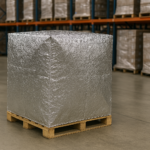
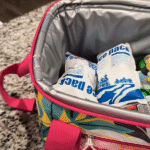
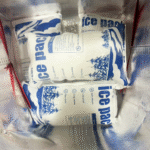
| وضع المبرد | Use perimeter and top gel packs with cardboard or liner separation; place extra coolant near lid heat gain for parcel lanes. |
| مدة العبور | 24-72 ح حسب كتلة الكرتون, موسم, ساعي يسكن, ونافذة الاستقبال الوجهة. |
| الخسائر المشتركة | ثقب الفيلم, purge leaks, شقوق صينية, grey surface color, الطبقة العليا دافئة, and wet master cartons. |
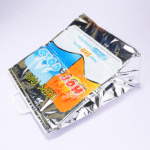
| حزمة Tempk مناسبة | Tempk insulated carton with reinforced liner, ورقة ماصة, خريطة حزمة هلام, and optional corner protection for bone-in packs. |
نهج التعبئة والتغليف الموصى به
ابدأ بالمنتج الموجود بالفعل ضمن نطاق درجة حرارة الإرسال. و الشاحن المعزول لا ينبغي أن نتوقع سحب اللحوم الدافئة إلى درجة الحرارة المستهدفة أثناء النقل. استخدم بطانة مقاومة للتسرب, مادة ماصة, وخريطة سائل التبريد التي تحافظ على الكتلة الباردة قريبة بدرجة كافية للتحكم في اكتساب الحرارة مع منع الضغط المباشر أو تجميد الاتصال على عبوات البيع بالتجزئة.
أدوات اتخاذ القرار مفيدة
تحقق من التفاصيل قبل اختيار التغليف
يمكن أن تساعدك هذه الأدوات السريعة في مقارنة مخاطر المسار, احتياجات التحجيم, خيارات المبرد, وتفاصيل التعبئة والتغليف قبل أن تطلب عرض أسعار.
سائل التبريد & مرجع PCM
قارن خيارات سائل التبريد وPCM عندما يحتاج المسار إلى دعم إضافي لدرجة الحرارة.
قارن الخياراتمحدد التعبئة والتغليف
قارن بين خيارات التغليف المعزولة حسب المنتج, طريق, ودرجة الحرارة اللازمة.
البحث عن التعبئة والتغليفمدقق مخاطر الطريق
قم بمراجعة ظروف المسار قبل اختيار التغليف لمتطلبات التشغيل الحقيقية.
تحقق من مخاطر الطريقللطرق المبردة, حزم هلام يتم وضعها عادةً حول الجدران الجانبية والغطاء لأن اللوحة العلوية والجدران الخارجية تشهد أكبر حمل حراري أثناء مناولة الطرود. للبرامج المجمدة, يجب التحقق من صحة المسار بشكل منفصل لأنه الثلج الجاف, عبوات جل مجمدة, وضع العلامات, تهوية, وقواعد قبول الناقل تغير الحزمة. لا تخلط بين الفروض المبردة والمجمدة في نفس اختبار التأهيل.
فحوصات الجودة قبل الإصدار
قبل استخدام العبوة تجاريًا, تشغيل التحقق من صحة المسار بنفس حجم الشاحن, وزن المنتج, كتلة المبرد, موسم, وخدمة البريد السريع. التحقق من درجة حرارة المنتج عند الوصول, جفاف الكرتون, سلامة الحزمة الأساسية, رائحة, حالة التسمية, وما إذا كان سائل التبريد قد تحول إلى اتصال مباشر بالمنتج.
لاختيار التعبئة والتغليف Tempk, نقطة البداية المعتادة هي EPS أو الأداء العالي مربع معزول, بطانة مختومة, قاعدة ماصة, وحزم هلام مكيفة مسبقًا. يجب تعديل كتلة سائل التبريد النهائية بعد اختبار المسار بدلاً من اختيارها من حجم الكرتون فقط. This helps the receiving team see a practical difference between a stable سلسلة التبريد and a package that is merely cold when it leaves the warehouse.
الأساس المرجعي
تتوافق افتراضات درجة الحرارة مع إرشادات الأغذية المبردة المستخدمة على نطاق واسع والتي تحافظ على الأطعمة القابلة للتلف 40 ف / 4 C أو أقل والبرامج المجمدة في 0 ف / -18 ج أو أقل. للحوم والدواجن, التحقق دائمًا من صحة مواصفات المنتج الخاصة بالشاحن, ممر الناقل, ومتطلبات تلقي الوجهة.