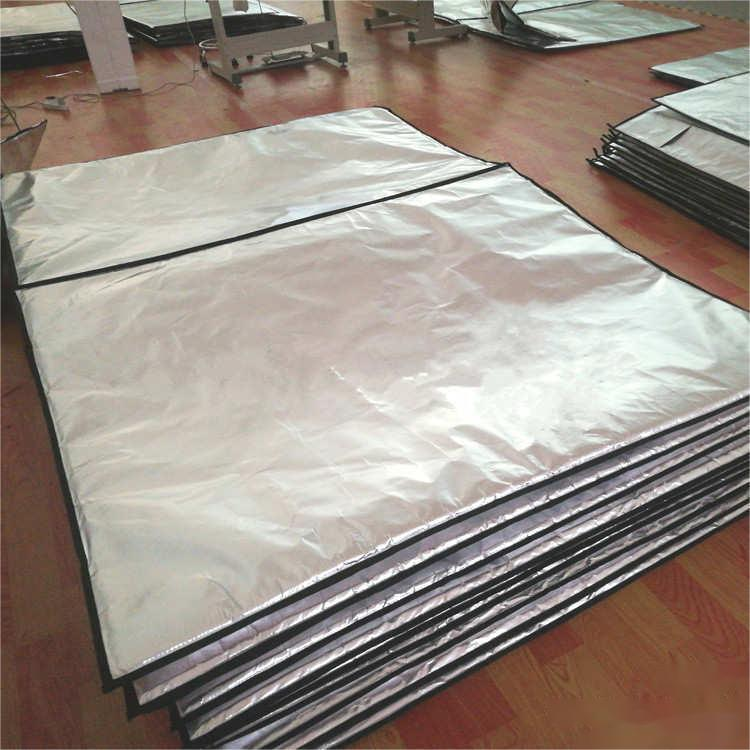
كيفية تحديد أغطية البضائع المعزولة للزراعة
السؤال المفيد ليس ما إذا كان غطاء البليت "يعمل". السؤال المفيد هو ما إذا كان يتحكم في التعرض المسمى دون خلق مشكلة أخرى. أغطية البضائع المعزولة بالنسبة للزراعة، يمكن أن يؤدي ذلك إلى إبطاء اكتساب الحرارة أو فقدان الحرارة حول الحمل الموحد أثناء التدريج, تحويل, تقتيش, أو الاستلام. لا يمكنهم إزالة حرارة الحقل, تشغيل سلسلة التبريد, أو إثبات أن السلعة ظلت مقبولة. وبالتالي فإن المواصفات القوية تبدأ بفجوة في العملية, ليست مادة. فهو يربط متطلبات المحاصيل, حالة البليت, بيئة, تصميم الغلاف, قاعدة التشغيل, والأدلة في قرار واحد يمكن للعاملين تكراره ويمكن لفرق الجودة مراجعته.
حدد فجوة حرارية واحدة قبل تحديد المنتج
ابدأ بجملة تصف الاستخدام المقصود. على سبيل المثال: "قم بحماية المنتجات المنقولة على منصات نقالة المبردة مسبقًا أثناء انتقالها من التخزين الخاضع للرقابة عبر منطقة التحميل المكشوفة إلى النقل المبرد.وهذا أكثر قيمة من "توفير غطاء معزول لمنصات التصدير" لأنه ينص على شرط البداية, شكل, موقع, والتحكم في الوجهة.
الآن اختبر الجملة على الطريق. هل تنتظر البليت أيضًا الفحص؟? يمكن أن يتوقف التحميل? هل الشمس المباشرة ممكنة? هل ترفع الرياح اللوحات السائبة? هل سيبقى الغطاء في السيارة المبردة؟? من يزيله? إذا كان من المتوقع أن يخدم الغطاء عدة فجوات, توثيق كل واحد على حدة. - يمكن أن يكون التصميم مناسبًا لأكثر من استخدام, ولكن لا ينبغي أن تتوسع الموافقة بصمت.
ويكشف نهج فجوة العملية أيضًا عن المواقف التي يكون فيها الغطاء الاستثماري الأول الخاطئ. إذا لم يتم تبريد المنتج مسبقًا بشكل كافٍ, تحسين إزالة الحرارة. إذا تم حظر تدفق الهواء المبرد بسبب التراص السيئ, تكوين الحمل الصحيح. إذا انتظرت المنصات بسبب فشل جدولة المواعيد, تقليل يسكن. إذا كانت القاعدة المكشوفة هي المسار الحراري السائد, العزل الجانبي وحده لن يحل المشكلة. يجب أن تتبع العبوة وضع الفشل الذي تم تشخيصه.
هناك ثلاث بوابات مبكرة:
بوابة المنتج: ما هي الحالة التي تتطلبها السلعة؟, وما التغيرات في درجات الحرارة, رطوبة, أو التهوية التي يمكن أن تتحملها?
بوابة الطريق: ما هو التعرض غير المنضبط المهم في ظل التشغيل العادي وتحت تأخير معقول?
بوابة التحكم: هو غطاء سلبي قادر على دعم تلك الفترة, أو هو التبريد النشط, حركة أسرع, الظل, غرفة عازلة يمكن التحكم فيها, أو هناك حاجة إلى حزمة مختلفة?
لا تشرع في مقارنة الموردين حتى تتم الإجابة على البوابات الثلاثة بشكل جيد بما يكفي للحصول على ملخص عينة.
الحفاظ على حالة المنتج دون عرقلة سلسلة التبريد
تبدأ إدارة درجة الحرارة الزراعية قبل تغطية منصة التحميل. توقيت الحصاد, الظل, التبريد المسبق, التعبئة, التخزين البارد, والنقل المبرد يثبت حالة المنتج ويحافظ عليها. تصف توجيهات منظمة الأغذية والزراعة سلسلة التبريد بأنها أنشطة مرتبطة بالمنبع والمصب, بينما تؤكد إرشادات ما بعد الحصاد على تدفق الهواء من خلال عبوات الإنتاج والأحمال المكدسة. ويجب إدخال غطاء بما لا يتعارض مع تلك الضوابط.
أحد الأخطاء المتكررة هو تطبيق العزل في وقت مبكر جدًا. قد يستمر المنتج الدافئ في التنفس وإطلاق الحرارة, بينما يبطئ الغطاء عملية إزالة الحرارة. والطريقة الأخرى هي ترك الغطاء حول الكراتين المهواة داخل الثلاجة دون التأكد من تأثير تدفق الهواء. في كلتا الحالتين, يمكن للمنتج الذي يهدف إلى تقليل التعرض الخارجي أن يتداخل مع العملية المخطط لها.
اكتب نقاط التطبيق والإزالة في المواصفات:
حالة إصدار المنتج المطلوبة قبل التغطية
الموقع الذي تم تركيب الغطاء فيه
الحد الأقصى المسموح به لهندسة البليت
فحص الإغلاق
المواقع المعتمدة حيث يمكن انتظار البليت المغطى
الحدث الذي يؤدي إلى الإزالة
الإجراء المتخذ أثناء التأخير
التصرف في الاستلام أو الإرجاع
لا ينبغي أن يصبح الغطاء إذنًا بتوسيع مسكن غير خاضع للرقابة. قد تقوم قاعدة التأخير بتوجيه البليت مرة أخرى إلى التخزين البارد, في منطقة عازلة يمكن التحكم في درجة حرارتها, أو من خلال رد آخر معتمد. الإجراء الدقيق يعتمد على العملية. ما يهم هو أن العمال لا يخترعونه بجانب الرصيف.
تحويل نقل الحرارة إلى خيارات التصميم
يدير كل غطاء مجموعة من ثلاثة مسارات خارجية لنقل الحرارة. الطبقات العازلة تبطئ التوصيل خلال التجميع. تعمل عمليات الإغلاق والتداخلات على تقليل تبادل الهواء الدافئ غير المرغوب فيه. قد يقلل الجزء الخارجي العاكس من الحمل الحراري الإشعاعي عندما يواجه المجال الجوي والتعرض ذي الصلة. الحمولة, كومة الكرتون, قاعدة البليت, ويحدد الهواء الداخلي كيفية تأثير تلك الأحمال الخارجية على درجة حرارة المنتج.
لا توجد طبقة واحدة تصف النتيجة النهائية. يمكن للنواة السميكة ذات التنورة القصيرة أن تترك الكراتين السفلية مكشوفة. الوجه العاكس للغاية قد لا يفعل الكثير ضد التعرض للهواء الدافئ لفترة طويلة إذا ظلت الطبقات مفتوحة. قد يؤدي التصميم المريح إلى تحسين التغطية ولكنه يستغرق وقتًا طويلاً لتثبيت أو عرقلة التهوية اللازمة. يجب مراجعة اختيار المواد والهندسة معًا.
يجب أن يتضمن الحد الأدنى لوصف التصميم:
الأبعاد القابلة للاستخدام النهائية وتفاوتات الأبعاد;
قمة, جانب, ركن, والتغطية السفلية;
الوصف الوظيفي للوجه الخارجي, العزل, والبطانة الداخلية;
بناء التماس والحافة;
نوع الإغلاق, تداخل, والموقع;
الوصول إلى التسمية أو المسح الضوئي عند الاقتضاء;
وزن, أضعاف الحجم, ومميزات التعامل;
أدوات اتخاذ القرار مفيدة
تحقق من التفاصيل قبل اختيار التغليف
يمكن أن تساعدك هذه الأدوات السريعة في مقارنة مخاطر المسار, احتياجات التحجيم, خيارات المبرد, وتفاصيل التعبئة والتغليف قبل أن تطلب عرض أسعار.
حاسبة علبة الثلج
تقدير كمية عبوات الثلج الهلامي للشحنات المبردة والتخطيط العملي للمسار.
تقدير عبوات الثلجمولد قائمة التحقق من الامتثال
قم ببناء قائمة مرجعية عملية لمراجعة التغليف, شحن, والتوثيق.
بناء قائمة مرجعيةحاسبة الثلج الجاف
تقدير احتياجات الثلج الجاف للشحنات المجمدة أو شديدة البرودة قبل التعبئة.
تقدير الثلج الجافطريقة تنظيف وتجفيف متوافقة للمنتجات القابلة لإعادة الاستخدام;
تحديد ووضع علامات على الكثير من الإنتاج;
معايير الإصلاح والتقاعد المعتمدة, إذا كان متاحا.
تجنب استخدام عبارة "مقاوم للماء" أو "درجة الغذاء" دون تعريف دقيق ووثائق داعمة للاستخدام المقصود. قد لا يزال الوجه المقاوم للماء يحتوي على طبقات قابلة للاختراق. الغطاء الذي يلامس علب النقل فقط له حالة تلامس مختلفة عن المواد التي تلامس الأطعمة غير المعبأة. يجب على فرق الجودة والفرق التنظيمية تقييم الواجهة الفعلية.
تحديد أغطية الحمولة المعزولة للزراعة ضد أوضاع الفشل
تعد مراجعة وضع الفشل أكثر إنتاجية من قائمة طويلة من الميزات. فهو يسأل كيف يمكن أن يفشل التحكم المقصود ويحول الإجابة إلى تصميم, عملية, أو متطلبات الأدلة.
| وضع الفشل | النتيجة المحتملة | المواصفات أو استجابة التشغيل |
|---|---|---|
| تتم تغطية المنتج قبل اكتمال التكييف | يتم الاحتفاظ بالحرارة وقد يتباطأ التبريد لاحقًا | ربط التطبيق بإصدار المنتج الموثق أو حالة التبريد المسبق |
| الغطاء صغير جدًا بحيث لا يتناسب مع انتفاخ البليت أو تراكبه | تكشف الفجوات عن الصناديق الكرتونية ولا يمكن إغلاقها | قياس منصات الإنتاج المقبولة لأسوأ الحالات وتحديد الأبعاد الداخلية القابلة للاستخدام |
| يتم ترك الجزء العلوي أو القاعدة خارج الحدود الحرارية | الحمل الحراري غير المتساوي يتجاوز الحماية الجانبية | حدد الأسطح التي يجب تغطيتها وما إذا كان المحلول الأساسي جزءًا من النظام |
| غطاء كتل التهوية المخططة | يتم تقليل تدفق الهواء المبرد عبر الكراتين أو المكدس | حدد نقطة الإزالة أو أظهر التوافق مع خطة تدفق الهواء الفعلية |
| يتم تمثيل التعرض لأشعة الشمس فقط من خلال اختبار درجة حرارة الهواء | الحمل الإشعاعي لم تتناوله الأدلة | قم بتضمين التعرض الإشعاعي ذي الصلة أو حدد المطالبة بوضوح |
| يرفع العمال الغطاء بشكل متكرر لمسح الملصقات ضوئيًا | انقطعت الحماية وتلف الغطاء | قم بإضافة ميزة الوصول الموضوعة بشكل صحيح أو قم بمراجعة تسلسل المسح |
| غطاء قابل لإعادة الاستخدام يعود رطبًا أو ملوثًا | رائحة, تدهور, أو تطور خطر النظافة | إنشاء الفصل, تنظيف, التجفيف الكامل, تقتيش, وخطوات الافراج |
| يقوم المورد بتغيير الطبقة أو الإغلاق دون مراجعة | ملائم, متانة, قابلية التنظيف, أو قد يتغير السلوك الحراري | تتطلب مواصفات خاضعة للرقابة, إشعار, وقواعد إعادة التقييم |
لا يلزم أن تكون الاستجابة دائمًا عبارة عن غطاء أكثر تعقيدًا. في بعض الأحيان يكون تغيير المسار أو تعليمات العمل هو التحكم الأكثر فعالية. ويمنع الجدول أيضًا حدوث مشكلة شراء شائعة: مطالبة خاصية مادية واحدة بحل الأعطال الناجمة عن العمليات.
بناء الأدلة في طبقات
يجب أن تصبح الأدلة أكثر تمثيلاً مع انتقال عملية الشراء من الفكرة إلى النشر. يمكن لبرنامج منضبط استخدام أربع طبقات.
طبقة 1: مراجعة الوثيقة
مراجعة البناء المقترح, أبعاد, الاستخدام المقصود, تعليمات التعامل, البيانات المادية, وأي تقرير اختبار موجود. تقرير مفيد يحدد العنصر الذي تم اختباره, الحمولة أو جهاز محاكاة, شروط البداية, الملف البيئي, مدة, إعداد القياس, ومعايير القبول. قد تدعم الملخصات التسويقية التي لا تحتوي على هذه التفاصيل عملية الفحص ولكنها لا تدعم قرار المسار.
طبقة 2: تجربة الملاءمة وسهولة الاستخدام
تطبيق العينة على منصة نقالة تمثيلية وأكبر منصة نقالة مقبولة. تضمين الكرتون المتراكم, الأشرطة, لوحات الزاوية, والتسميات. تطبيق الوقت والإزالة, مراقبة نقاط العقبة, إغلاق الاختبار, تحقق من وصول الرافعة الشوكية, وممارسة التخزين. قم بتشغيل النسخة التجريبية مع المشغلين الفعليين خلال فترة عمل واقعية.
طبقة 3: المقارنة الحرارية التي تسيطر عليها
قارن التكوين المغطى المقترح مع خط الأساس ذي الصلة في ظل الظروف الموثقة. يجب أن يعكس تصميم المقارنة القرار. يتطلب النقل المباشر للشمس تعرضًا مختلفًا عن الانتظار الداخلي الدافئ. ينبغي التخطيط لوضع أجهزة الاستشعار ومعدات القياس, ولكن تفسير البيانات يجب أن يستخدم معايير منتج مالك السلعة.
طبقة 4: تأكيد المسار ومراجعة الاستثناءات
عندما يستدعي الخطر ذلك, مراجعة المسار الكامل أو طيار ممثل. قم بتضمين عمليات التسليم وعملية التأخير, ليس فقط التوقيت العادي. الطيار الناجح على مسار واحد لا يوافق على جميع المناخات, المحاصيل, تنسيقات البليت, أو المواسم. قم بتسجيل الحدود حتى تعرف الفرق لاحقًا ما تم إنشاؤه.
قد يظهر ISTA 7E في مطبوعات الموردين, ولكنه مصمم للحرارة تغليف النقل في أنظمة تسليم الطرود. إنه ليس مؤهلاً عالميًا لـ أغطية البليت أو الممرات الزراعية. استخدام المعايير التي يتطابق نطاقها مع القرار, واستكملهم بالعمل الخاص بالمسار عند الاقتضاء.
اجعل عنصر التحكم مرئيًا عند كل عملية تسليم
يتمتع برنامج التغطية الفعال بالتحكم المادي والمعلوماتي. التحكم المادي هو الغطاء المجهز بشكل صحيح. يخبر التحكم المعلوماتي الشخص التالي عن ماهية البليت, ما الوضع الذي لديه, عندما تم تغطيتها, حيث يجب أن تذهب, وماذا تفعل إذا تغيرت الخطة.
للحصول على غطاء يمكن التخلص منه, قد تكون المعلومات جزءًا من ملصق الشحن وتعليمات العمل. للحصول على غطاء قابل لإعادة الاستخدام, قد يحمل العنصر نفسه معرفًا فريدًا للأصول بالإضافة إلى الحجم المرئي وعلامة الحالة. حافظ على تميز إمكانية تتبع المنتج وتتبع أصول التغطية: معرف البليت يتبع البضائع, بينما يتبع معرف الأصل الغلاف.
عند الاستلام, يجب على المرسل إليه عدم استخدام حالة التغطية كإشارة القبول الوحيدة. الغطاء النازح أو التالف هو دليل ذو صلة, لكن الغطاء السليم لا يثبت حالة المنتج. مراجعة سجلات درجات الحرارة, تاريخ الشحنة, حالة التعبئة والتغليف, وفحص المنتج وفقًا للإجراء المحدد.
إذا كانت الشحنة تندرج تحت متطلبات نقل المواد الغذائية, يجب النظر في الأدوار والسجلات المعمول بها بشكل منفصل. في الولايات المتحدة, متطلبات النقل الصحي لإدارة الغذاء والدواء تتناول المركبات, العمليات, تمرين, السجلات, والحماية من مخاطر سلامة الأغذية ضمن نطاقها. يمكن للغطاء أن يدعم الإجراء, لا بديل عنه.
قرر ما إذا كانت إعادة الاستخدام تناسب الشبكة أم لا
تعتبر إعادة الاستخدام أمرًا جذابًا عندما تكون التدفقات الزراعية قابلة للتنبؤ بها, ولكن موسم الحصاد يزيد من احتمالات اختلال توازن الأصول. وتعتمد الحالة الاقتصادية والبيئية على العائدات الفعلية, لا المتانة النظرية.
ارسم المسار العكسي. قد تعود الأغطية على نفس الشاحنة, توحيد في مركز التوزيع, أو التحرك من خلال تجمع طرف ثالث. كل خيار يحتاج إلى الملكية, أحداث المسح, مسؤولية التنظيف, مساحة التجفيف, مخازن المخزون, ومعالجة الخسارة. إذا لم يقبل أي طرف المسؤولية في الوجهة, قد لا تبدأ حلقة العودة المقصودة أبدًا.
إن التفكير في دورة الحياة أكثر مصداقية من عبارة "قابلة لإعادة الاستخدام مستدامة".. يؤكد إطار إدارة المواد المستدامة لوكالة حماية البيئة على الاستخدام الإنتاجي للمواد طوال دورة الحياة بأكملها. قم بتطبيق هذه الفكرة على الغلاف من خلال النظر في كمية المواد, تصنيع, النقل ذهابا وإيابا, تنظيف, بصلح, خسارة, استخدام, ونهاية الحياة.
قواعد الوجهة مهمة أيضًا. يبدأ تطبيق لائحة نفايات التغليف والتعبئة الخاصة بالاتحاد الأوروبي عمومًا من 12 أغسطس 2026 ويقدم المتطلبات عبر دورة حياة التغليف, مع التطبيق اعتمادا على المشغل وشكل التعبئة والتغليف. وينبغي للمصدرين الزراعيين الذين يخدمون أسواق الاتحاد الأوروبي أن يحصلوا على التيار, نصيحة خاصة بالحالة. لا تفترض أن الملصق القابل لإعادة الاستخدام أو إعلان المادة يثبت الامتثال.
قد يظل المنتج أحادي الاتجاه هو الخيار التشغيلي الأفضل لممر تصدير مفتوح. قد يكون التصميم المتين القابل لإعادة الاستخدام أقوى على طريق محلي مغلق. الاستنتاج الصحيح يأتي من الشبكة, وليس من التسلسل الهرمي العالمي.
الانتقال من العينة إلى الإنتاج الخاضع للرقابة
قبل التحجيم, تحويل العينة المعتمدة إلى مواصفات خاضعة للرقابة. احتفظ بالصور, رسومات, أوصاف الطبقة, تفاصيل الإغلاق, تسميات, والتسامح. الاتفاق على نقاط التفتيش وإخطار التغيير. قرر ما إذا كانت دفعة الإنتاج الأولى تحتاج إلى فحص محسّن أو تجربة ملائمة متكررة.
يجب أن يكون التدريب قصيرًا ومرئيًا. إظهار الاتجاه الصحيح, تسلسل الإغلاق, علاج القاع, الوصول إلى التسمية, وطريقة الإزالة. تشمل العيوب التي تتطلب الفصل. يجب أن يكون المشرفون قادرين على مراقبة الاستخدام الصحيح دون تفكيك البليت.
استخدم بيانات النشر المبكر لتحسين النظام. تتبع الأغطية المفقودة, وقت التطبيق, مواقع الضرر, عوائد رطبة, أخطاء الحجم, والاستثناءات. تكشف هذه البيانات ما إذا كان التصميم أو العملية بحاجة إلى الاهتمام. ولا ينبغي أن تتحول إلى مطالبات أداء دون دراسة مناسبة.
يستمر التحكم في التغيير بعد الإطلاق. إعادة النظر في القرار عندما يكون هناك سلعة جديدة, كرتون, نمط البليت, طريق, مناخ, عربة, طريقة التنظيف, المواد الموردة, أو متطلبات العملاء. العزل جزء من عملية توزيع المعيشة.
الأسئلة المتداولة
إلى متى سيحمي غطاء البضائع الزراعية المعزول منصة نقالة؟?
لا توجد مدة عالمية مسؤولة. تعتمد النتيجة على حالة بداية المنتج, الكتلة الحرارية, تكوين البليت, التعرض المحيطي, الشمس والرياح, بناء الغطاء, ملائم, قاعدة, ومعيار القبول. اسأل عن الشروط الكاملة وراء أي مطالبة بالمدة, ثم قرر ما إذا كانت هناك حاجة إلى اختبارات إضافية لمسارك.
هل التغطية السفلية الكاملة ضرورية دائمًا؟?
ليس دائما, ولكن يجب النظر في القاعدة. يمكن أن تدخل الحرارة من خلال ملامسة سطح ساخن أو الهواء حول التنورة المفتوحة. تستخدم بعض الأنظمة قاعدة معزولة, ورقة البليت, أو سطح التدريج الذي تسيطر عليه. حدد الحالة الأساسية وقم بإدراجها في التقييم بدلاً من افتراض أن التغطية الجانبية والعلوية تمثل منصة التحميل بأكملها.
هل يمكن أن يظل الغطاء ثابتًا أثناء النقل المبرد?
فقط إذا كان المنتج, تهوية الكرتون, تدفق هواء السيارة, وتقييم دعم التكوين الذي يستخدم. تعتمد العديد من أحمال المنتجات الطازجة على الهواء المتحرك عبر فتحات العبوات وقنوات المنصات. قد يلزم إزالة الغطاء المستخدم أثناء النقل الخارجي قبل التحميل النهائي. ضع نقطة الإزالة في تعليمات العمل.
ما هي وثيقة المورد الأكثر أهمية?
لا توجد وثيقة واحدة تجيب على كل سؤال. تحدد مواصفات المنتج الخاضعة للرقابة ما سيتم توفيره, بينما يشرح تقرير الاختبار التفصيلي أي دليل حراري. تعليمات التنظيف, التوثيق المادي, شروط التحكم في التغيير, وقد تكون سجلات فحص الإنتاج مهمة أيضًا. يقومون معًا بتوصيل العينة, مطالبة, والكثير من الإنتاج.
متى يجب إيقاف الغطاء القابل لإعادة الاستخدام?
استخدم معايير يمكن ملاحظتها يدعمها المورد وعملية النظافة والجودة الخاصة بك. قد تشمل الأمثلة عمليات الإغلاق التالفة, طبقات مفتوحة, العزل المثقوب أو الرطب, التصفيح, التلوث الذي لا يمكن إزالته, فقدان اللياقة, أو إصلاح غير معتمد. تجنب افتراض عدد محدد من الرحلات إلا إذا كان مدعوما بالظروف الفعلية.
خاتمة
تبدأ مواصفات الغطاء الزراعي الذي يمكن الدفاع عنه بفجوة عملية واحدة وتتبعها خلال حالة المنتج, تدفق الهواء, نقل الحرارة, هندسة, التعامل, شهادة, والملكية. يجب أن يحافظ الغطاء على الحالة التي حددتها سلسلة التبريد, لا تخفي عنصر تحكم مفقود. اختبار في طبقات, إبقاء المطالبات مرتبطة بإعداداتها, وتحديد استجابة التأخير قبل النشر. للتصاميم القابلة لإعادة الاستخدام, إثبات حلقة العودة بعناية مثل المنتج المادي. تنتج هذه الطريقة المستندة إلى الطريق أصغر, مطالبة أكثر وضوحًا وعملية أكثر موثوقية.
حول Tempk
Tempk هو B2B تغليف السلسلة الباردة المزود الذي تشمل عروضه ذات الصلة المنصات المعزولة والأغطية الحرارية وما يتصل بها عبوة تسيطر عليها درجة الحرارة. يمكننا مساعدة المشترين على تحويل وصف المسار إلى مناقشة غلاف تتناول الأبعاد القابلة للاستخدام, التغطية, الإغلاق, التعامل مع الوصول, وإعادة الاستخدام المقصود. متطلبات المنتج الزراعي, استراتيجية التأهيل, وتظل الموافقة على التشغيل مسؤولية شركة الشحن وفريق الجودة التابع لها. وبالتالي فإن نقطة البداية الأكثر فائدة لـ Tempk ليست المدة المطلوبة العامة, ولكن منصة نقالة تمثيلية ووصف واضح للتعرض الذي يهدف الغطاء إلى إدارته.
شارك بضاعتك, هندسة البليت, تسلسل النقل, التعرض البيئي, وخطة العودة مع Tempk. استخدم هذه المعلومات لطلب عينة مركزة ومراجعة الأدلة قبل القياس.