كيس حراري مبطن بالرقائق: دليل المشتري العملي للعمليات الحقيقية
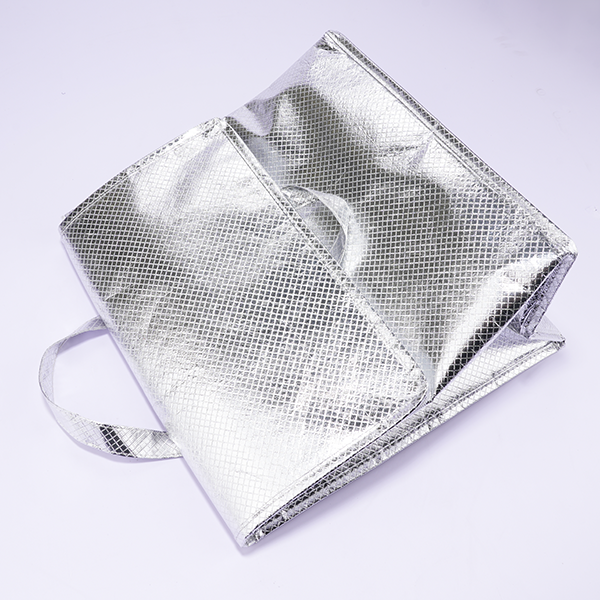
يجب أن تبدأ عملية الشراء التي تتضمن كيسًا حراريًا مبطنًا بورق الألمنيوم بسؤال عملي واحد: أين سيتم استخدام الحقيبة, وأي فشل من شأنه أن يخلق أكبر مشكلة? لبعض المشترين, الجواب هو التعرض للحرارة أثناء التسليم. للآخرين, إنها متانة ضعيفة للشعار, التنظيف الصعب, مقابض ضعيفة, أو إنتاج غير متناسق. تعتبر الحقيبة الحرارية المبطنة بالرقائق أكثر قيمة عندما تربط المواصفات بالتخزين الحراري, التعامل مع المستخدم, احتياجات العلامة التجارية, والتحكم في الموردين في موجز واحد واضح.
ابدأ بالممر, ليس اسم الحقيبة
يبدأ مسار الشراء الأكثر موثوقية بالمسار أو سير العمل, وليس مع اسم المنتج. وصف نقطة الأصل, التخزين قبل التحميل, التعامل مع السيارة أو الراكب, تأخير التسليم, التعرض المحيطي المتوقع, شكل الحمولة, واستلام الفحص. برنامج غداء مكتبي قصير, أسطول توصيل البقالة, حملة بيع بالتجزئة ترويجية, ويستخدم كل من طريق شحن الطرود الأكياس المعزولة بشكل مختلف. نفس المصطلح, كيس حراري مبطن بالرقائق, يمكن إخفاء متطلبات التصميم المختلفة جدًا.
بمجرد أن يصبح سير العمل مرئيًا, المقايضة تصبح أسهل. قد تكون الحقيبة التي يمكن طيها بشكل مسطح مثالية للتخزين ولكنها أقل تنظيماً للمحتويات الحساسة. قد تساعد حقيبة الظهر القوية الدراجين ولكنها تشغل مساحة أكبر في المستودع. قد تحمل الحقيبة الكبيرة المزيد من البقالة ولكن يصعب إغلاقها بشكل صحيح. قد يؤدي الجدار المعزول السميك إلى تحسين التخزين المؤقت ولكنه يقلل من الحجم الداخلي القابل للاستخدام. لا توجد حقيبة مثالية لكل مهمة; هناك حقيبة تناسب وظيفة محددة.
للمشتريات العالمية, يمكن استخدام نفس الحقيبة في مناخات مختلفة, نماذج التسليم, وسياقات العلامة التجارية. وهذا يعني أنه يجب على المشتري تحديد المسار, نقاط التسليم, عملية التنظيف, متطلبات الشعار, وفحص القبول قبل مقارنة أسعار الوحدات. المواصفات المكتوبة جيدًا تقلل من الحجج لاحقًا لأنها تحول اسم المنتج العام إلى قرار شراء خاضع للرقابة.
مطابقة التصميم للمستخدم
يجب أن يتناسب التصميم مع المستخدم. في بقالة الطريق القصير, وجبة, عينة مبردة, وأعمال التسليم بالتجزئة, قد يكون المستخدمون متسوقين, الدراجين, ملتقطي المستودعات, موظفي المكتب, موظفي التجزئة, أو الموزعين الميدانيين. يتفاعل كل مستخدم مع الحقيبة بشكل مختلف. يلاحظ المتسوقون راحة المقبض ومظهره. يلاحظ الدراجون التوازن, وصول, وسرعة التنظيف. تلاحظ فرق المستودعات الملصقات, تكديس, والتوافق مع حقائب اليد. تلاحظ الفرق الترويجية جودة الطباعة والعرض التقديمي. المواصفات الجيدة تسمي المستخدم بدلاً من التعامل مع الحقيبة كحاوية محايدة.
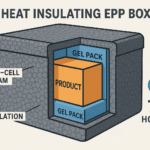
وينبغي وصف الدور الحراري بنفس الصدق. تعمل الحقيبة الحرارية المبطنة بالرقائق على إبطاء نقل الحرارة. يمكن استخدامه مع عبوات الجل, طوب الجليد, بطانات معزولة, كرتون, أو أي عبوات أخرى عندما يتطلب المنتج مزيدًا من التحكم. ولا ينبغي وصفه بأنه نظام مضمون للتحكم في درجة الحرارة ما لم يتم اختبار الحزمة والمسار بالكامل لهذا الغرض. تحتاج السلع الحساسة إلى مراجعة حذرة لنطاق درجة الحرارة, مدة, حمولة, والتوثيق.
على سبيل المثال, قد يتلقى المشتري الذي يقوم بتقييم عينات الأكياس الحرارية المبطنة بالرقائق عدة أكياس تبدو متشابهة في صور المنتج. بمجرد تحميل العينات, الاختلافات تصبح واضحة. واحد يغلق بإحكام ولكن لديه مقابض ضعيفة, آخر لديه قشرة قوية ولكن بطانة فضفاضة, والثالث يبدو ممتازًا ولكن يمكن طيه بشكل سيء في علب الكرتون. وينبغي أن يشمل التقييم العملي الحمولة الفعلية, المستخدم المقصود, طريقة التنظيف, وخطة تعبئة الكرتون قبل التفاوض على السعر النهائي.
المواصفات تستحق التأمين قبل محادثات السعر
يجب أن يكون الموجز القوي محددًا ولكن ليس مفرطًا في التعقيد. وينبغي أن تشمل الاستخدام المستهدف, الأبعاد الخارجية, الأبعاد الداخلية القابلة للاستخدام, الحمولة المتوقعة, وصف المواد, الانتهاء من الخطوط الملاحية المنتظمة, نوع العزل أو الهيكل, إنهاء, تصميم المقبض أو الحزام, طريقة الشعار, مرجع اللون, تعبئة الكرتون, عملية الموافقة على العينة, وقائمة التفتيش. إذا كان سيتم استخدام الحقيبة مع المبرد, يجب أن يعرف المورد شكل المبرد وموضعه. إذا سيتم إرجاع الحقيبة وإعادة استخدامها, وينبغي تضمين عملية التنظيف والتجفيف.
| نقطة المواصفات | لماذا يستحق الاهتمام | عمل المشتري |
|---|---|---|
| مساحة داخلية قابلة للاستخدام | الأبعاد الخارجية لا توضح مدى ملاءمة المنتجات بعد العزل والدرزات | قم بتحميل المنتجات الحقيقية في العينة وقم بتصوير النتيجة |
| تصميم الإغلاق | تسمح الفجوات المفتوحة بتبادل الهواء واختصارات المستخدم | اختبار الإغلاق تحت الحمل الكامل والفتح المتكرر |
| متانة البطانة | التنظيف والرطوبة يكشفان بسرعة عن الترابط الضعيف | يمسح, جاف, طية, وفحص البطانة أثناء مراجعة العينة |
| طريقة الطباعة | تنخفض قيمة العلامة التجارية في حالة تلاشي الشعار أو تشققه | الموافقة على اللون, موضع, وتوقعات التآكل قبل الإنتاج |
| مراقبة الإنتاج | يمكن أن تؤثر التغييرات الصغيرة في المواد على الاستخدام والمظهر | استخدم العينة الذهبية وقاعدة الموافقة على التغيير المكتوبة |
يساعد هذا الجدول في منع حدوث خطأ شائع في الشراء: التفاوض على السعر قبل تحديد المنتج. تصبح مقارنة الأسعار ذات معنى فقط عندما يقتبس جميع الموردين نفس المتطلبات الوظيفية. بدون هذا الانضباط, قد يؤدي أدنى عرض أسعار إلى إزالة التفاصيل المهمة أثناء الاستخدام.
اختبار ميداني بسيط قبل القياس
يمكن أن يكشف الاختبار الميداني البسيط عن أكثر من مجرد صفحة كتالوج. ضع الحمولة المقصودة في العينة. أغلقه بالكامل. احملها للمسافة المتوقعة. فتحه وإغلاقه مرارا وتكرارا. ضعه في السيارة, عربة, خزانة, أو الرف حيث سيتم تخزينه. قم بتنظيفه بالطريقة المخططة. ثم تحقق من العزل المسحوق, سلالة سستة, التعامل مع الانزعاج, تلف الخطوط الملاحية المنتظمة, احتباس الرائحة, وارتداء الشعار. هذا لا يحل محل التأهيل الحراري الرسمي, ولكنها تساعد في تحديد ما إذا كانت الحقيبة مناسبة للعمل اليومي.
للحقيبة الحرارية المبطنة بالرقائق, يجب أن يشمل الاختبار أيضًا الأشخاص الذين سيستخدمون الحقيبة. قد تركز المشتريات على سعر الوحدة, بينما قد تلاحظ العمليات سرعة التحميل, وقد يلاحظ التسويق جودة الطباعة. يمكن لاجتماع مراجعة قصير مع الفرق الثلاثة أن يمنع الشكاوى اللاحقة. إذا تم استخدام الحقيبة للتنظيم, حساسة للغاية, أو المنتجات الموثقة بدرجة الحرارة, يجب على فريق الجودة أو الخدمات اللوجستية أن يقرر ما إذا كان سيتم إجراء اختبارات إضافية, يراقب, أو مطلوب نظام تغليف مختلف.
قبل التحجيم, قفل حالة العينة. احتفظ بعينة واحدة معتمدة لدى المشتري وواحدة لدى المورد. سجل المواد, أبعاد, لون, وضع الشعار, نوع الإغلاق, تعبئة الكرتون, وأي التحمل المقبولة. اسأل كيف سيتم فحص الإنتاج الضخم وماذا يحدث إذا فشلت الدفعة في الفحص. هذا ليس مفرطًا بالنسبة للطلب بالجملة; إنها الحماية الأساسية ضد سوء الفهم.
المطالبات المسؤولة والحدود الواقعية
إن الادعاء الأكثر مصداقية فيما يتعلق بالحقيبة الحرارية المبطنة بالرقائق هو مطالبة محددة ومحدودة. يمكن القول أن الحقيبة مصممة للحمل المعزول القابل لإعادة الاستخدام, دعم توصيل الطعام, تسليم البقالة, البرامج الترويجية, أو التخزين المؤقت الحراري قصير المدى عند استخدامه على النحو المحدد. لا ينبغي أن تدعي التبريد العالمي, وقت الانتظار مضمون, أو الامتثال الكامل لجميع المنتجات الحساسة لدرجة الحرارة ما لم تكن مدعومة ببيانات الاختبار المطلوبة ومراجعة السوق.
تستحق مطالبات الاستدامة نفس الانضباط. يمكن للحقيبة القابلة لإعادة الاستخدام أن تدعم تقليل النفايات عندما تستخدمها العملية بشكل متكرر وتحافظ عليها بشكل جيد. لكن إمكانية إعادة الاستخدام لا تعني المسؤولية تلقائيًا. يجب على المشتري أن يفكر في المتانة, تنظيف, استبدال, تخزين, التعامل مع نهاية الحياة, وما إذا كان من الممكن توثيق المطالبة المادية. إن المطالبات المحددة أكثر جدارة بالثقة من الوعود البيئية الواسعة.
أدوات اتخاذ القرار مفيدة
تحقق من التفاصيل قبل اختيار التغليف
يمكن أن تساعدك هذه الأدوات السريعة في مقارنة مخاطر المسار, احتياجات التحجيم, خيارات المبرد, وتفاصيل التعبئة والتغليف قبل أن تطلب عرض أسعار.
بطانة الصندوق & تحجيم غطاء البليت
تحقق من منطق تحديد حجم بطانة الصندوق وغطاء منصة التحميل لمشاريع التغليف المعزولة.
تقدير الحجممقاومة سقوط المواد العازلة
مراجعة مقاومة السقوط وعوامل المناولة قبل اختيار المواد العازلة.
تحقق من المقاومةمحدد التعبئة والتغليف
قارن بين خيارات التغليف المعزولة حسب المنتج, طريق, ودرجة الحرارة اللازمة.
البحث عن التعبئة والتغليفعندما لا تكون الحقيبة الناعمة كافية, الحل ليس في المبالغة في حجم الحقيبة. قد يحتاج المشتري عبوات جل الثلج, طوب الجليد, صندوق معزول, الشاحن المعتمد, مسجل بيانات درجة الحرارة, أو التبريد النشط حسب المنتج والطريق. يؤدي فصل هذه الأدوار إلى حماية جودة المنتج والحفاظ على المقالة, كتيب, أو صفحة المبيعات دقيقة.
ملخص المورد الذي يقلل من ذهابًا وإيابًا
إن أسرع طريقة لتحسين عملية الشراء التي تتضمن كيسًا حراريًا مبطنًا بورق الألمنيوم هي إرسال ملخص المورد الذي يجيب على الأسئلة التي سيطرحها المورد الجيد. يجب أن يتضمن الموجز المنتج المستهدف, بيئة الاستخدام, الحمولة المتوقعة, نوع الحقيبة المرغوبة, الدور الحراري, متطلبات العلامة التجارية, متطلبات التعبئة والتغليف, نطاق الكمية, وعملية الموافقة. ويجب أن يذكر أيضًا ما هو غير مطلوب. إذا كانت الحقيبة مجرد حقيبة حرارية ترويجية, لا تطلب من المورد الإشارة ضمنًا إلى النقل المبرد الصارم. إذا كانت الحقيبة ستدعم السلع الحساسة, لنفترض أنه يجب مناقشة البيانات الداعمة أو نظام التعبئة والتغليف الأوسع.
كما يساعد الموجز الواضح المورد على التوصية بالبدائل. قد تكون الفكرة الأولى عبارة عن حقيبة حرارية بسيطة مبطنة بورق الألمنيوم, ولكن قد يشير سير العمل إلى حقيبة الظهر, حمل, بطانة, مربع معزول, أو كيس بالإضافة إلى عبوات الجل. يتجنب المشترون أحيانًا تقديم التفاصيل لأنهم يريدون عرض أسعار سريعًا. في الممارسة العملية, المعلومات المحدودة تؤدي إلى اختلاف الأسعار وتجعل مقارنة الموردين أكثر صعوبة. قد يستغرق الموجز الأفضل وقتًا أطول للكتابة ولكنه يقلل من المراجعات, نفايات العينة, ونزاعات الإنتاج.
ينبغي مراجعة الموجز من قبل الفريق الذي سيستخدم الحقيبة بالفعل. يمكن للمشتريات التحكم في التكلفة وشروط الموردين, لكن العمليات تتفهم التحميل والتنظيف. التسويق يفهم أولوية الشعار. الجودة تتفهم مخاطر المطالبة. عندما تتفق تلك الوظائف قبل أخذ العينات, من المرجح أن تظل الحقيبة المعتمدة صالحة للاستخدام الحقيقي دون إعادة تصميمها لاحقًا.
وصف الطريق, مستخدم, حمولة, طريقة التنظيف, والعلامة التجارية تحتاج في طلب المورد الأول.
اطلب عينة تتوافق مع مادة الإنتاج المقترحة, ليس فقط عينة مخزون مماثلة.
تضمين معايير القبول للدرزات, إنهاء, بطانة, شعار, أبعاد, والتعبئة الكرتون.
اذكر ما إذا كانت الحقيبة عبارة عن حامل معزول سلبي أو جزء من نظام أوسع للتحكم في درجة الحرارة.
التعليمات
ما الذي يجعل رقائق الأكياس الحرارية مبطنة بعملية شراء جيدة بين الشركات?
يتم تحديد الشراء الجيد من خلال ملاءمته للطريق, حمولة, مستخدم, عملية التنظيف, متطلبات العلامة التجارية, وخطة مراقبة الجودة. أقل سعر للوحدة ليس مفيدًا إذا تعطلت الحقيبة بسرعة, من الصعب تنظيفها, أو لا يتطابق مع سير العمل التشغيلي الحقيقي.
ما لا ينبغي افتراضه من صورة المنتج?
لا تفترض سمك العزل, متانة البطانة, ضيق الإغلاق, حجم داخلي قابل للاستخدام, جودة الطباعة, أو الأداء الحراري من الصور. طلب عينة, مواصفات مكتوبة, وواضحة عملية الموافقة على الإنتاج قبل الطلب بكميات كبيرة.
متى تكون الحقيبة الناعمة المعزولة غير كافية؟?
لا يكفي عندما يتطلب المنتج تحكمًا صارمًا في درجة الحرارة, حزمة التحقق من صحتها, التبريد النشط, أو وثائق درجة الحرارة الرسمية التي لا تستطيع الحقيبة دعمها بمفردها. في تلك الحالات, النظر في المبرد, الصناديق المعزولة, الشاحنين المؤهلين, أو أجهزة المراقبة.
كيف ينبغي أن تشارك Tempk قبل الطلب?
شارك بنوع المنتج, طريق, حمولة, متطلبات درجة الحرارة, خطة العلامة التجارية, والكمية المستهدفة. تساعد هذه المعلومات في فصل الحقيبة الترويجية البسيطة عن حقيبة التوصيل, أ حقيبة ظهر أكثر برودة, أو أكثر تسيطر عليها تغليف السلسلة الباردة خيار.
خاتمة
يعتمد الطلب الناجح المبطن برقائق الأكياس الحرارية على ظروف الاستخدام: طريق, حمولة, مستخدم, تنظيف, العلامة التجارية, ومراقبة الموردين. يجب وصف الكيس على أنه عنصر تعبئة معزول سلبي ما لم يتم اختبار نظام أوسع. المشترين الذين يوافقون على العينات ذات الحمولات الحقيقية, قفل تفاصيل الإنتاج, واستخدام المطالبات الحذرة هم أكثر عرضة لتلقي الحقائب التي تعمل في هذا المجال.
حول Tempk
تدعم شركة Tempk قرارات التعبئة والتغليف المعزولة وسلسلة التبريد بمنتجات مثل الأكياس المعزولة, أكياس التوصيل الحراري, عبوات جل الثلج, حزم الثلج الجاف, صناديق إي بي بي, بطانات الصندوق المعزولة, وأغطية البليت. لهذه الفئة, يمكن لـ Tempk مساعدة المشترين في توضيح ما إذا كانوا بحاجة إلى حقيبة ناعمة تحمل علامة تجارية, حقيبة ظهر التسليم, حمل البقالة, أو إعداد تعبئة أوسع للتحكم في درجة الحرارة.
CTA
أرسل إلى Tempk حقيبتك الحرارية المبطنة بالرقائق مع الحمولة, طريق, مستخدم, احتياجات الشعار, والكمية المستهدفة لمقارنة الخيارات المناسبة قبل الإنتاج الضخم.