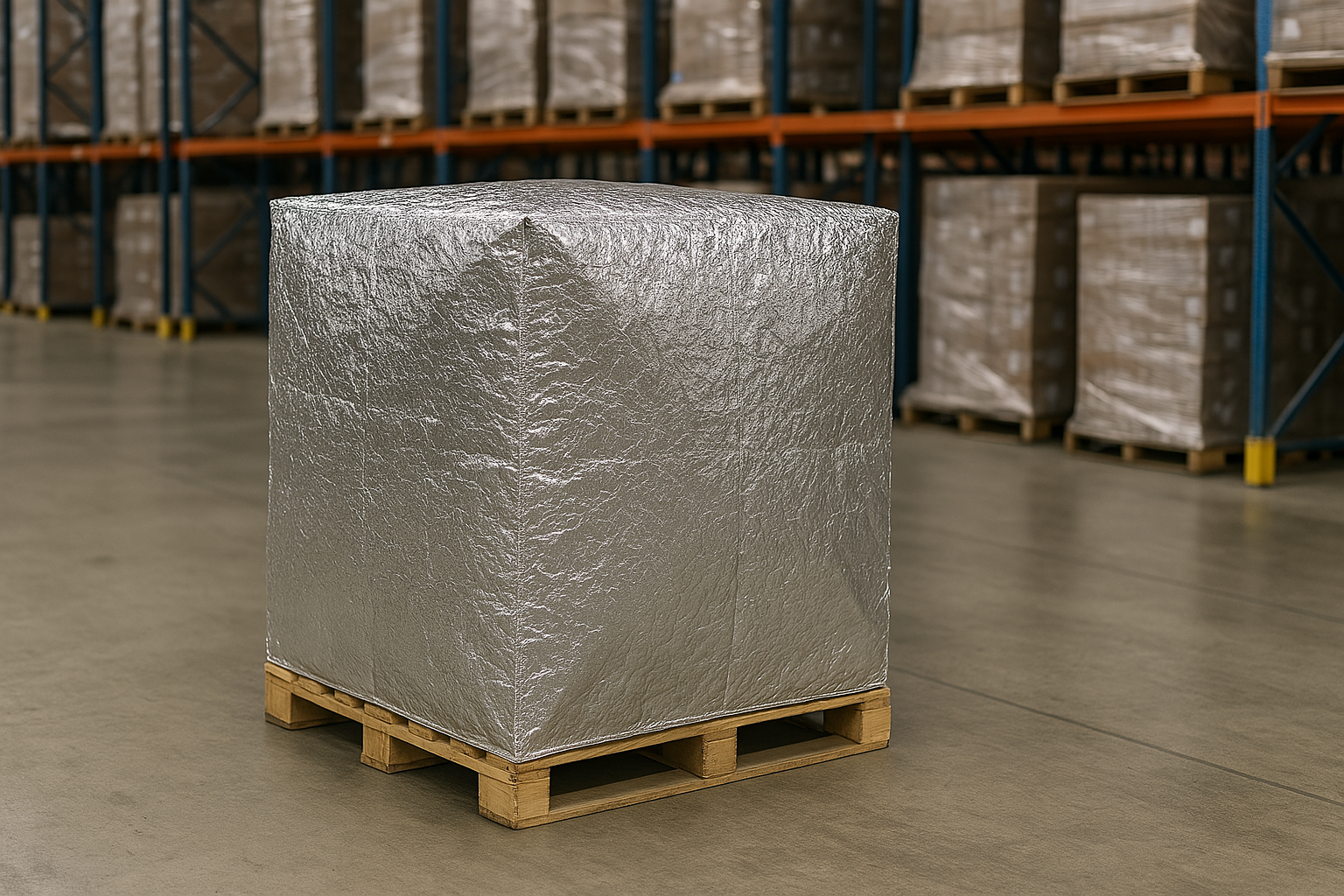
أغطية البليت الحرارية للشحن: دليل الاختيار والاستخدام العملي
أغطية البليت الحرارية for shipping make sense when the buyer can define the exposure problem clearly. وهي مصممة لإبطاء انتقال الحرارة حول الشحنات المنقولة على منصات نقالة أثناء الشحن أو التدريج, ولكن يجب أن تكون مطابقة للمنتج, طريق, هدف درجة الحرارة, بناء البليت, وعملية التعامل. أفضل قرار شراء يبدأ بالمسار, وليس الكتالوج. يوضح هذا الدليل الأمثل كيفية الاختيار, امتحان, واستخدام الأغلفة دون المبالغة في تقدير ما يمكنهم فعله.
هذا مهم لمديري الخدمات اللوجستية, مشتري سلسلة التبريد, مخططي المستودعات, وفرق المشتريات لأن نفس الغطاء يمكن أن يكون مناسبًا جدًا في حارة واحدة وسيئًا في حارة أخرى. يعتمد القرار على شحنات B2B المختلطة التي تتحرك عبر الأرصفة, نقل الشاحنات, توحيد, وعمليات التسليم الخارجية القصيرة, حساسية المنتج, متطلبات الأدلة, والأشخاص الذين يطبقون الغطاء. يجب أن تساعدك المقالة الجيدة أو صفحة المورد على تحقيق هذا التمييز بدلاً من الوعد بالحماية في كل موقف.
حدد نافذة التعريض قبل اختيار الغطاء
ابدأ بكتابة النقطة المحددة التي تصبح فيها البليت عرضة للخطر: وقت السكن غير المخطط له, الشمس المباشرة, hot dock plates, winter wind, كرتونة مبللة, and inconsistent handover discipline. هذه الخطوة تبدو أساسية, لكنه يمنع معظم الشراء المفرط والشراء المنخفض. إذا كانت النافذة الضعيفة قصيرة ويمكن التنبؤ بها, قد يكون الغطاء كافيًا لتقليل المخاطر. إذا كانت النافذة الضعيفة طويلة, غير المنضبط, أو مرتبطة بمجموعة منتجات ضيقة, قد يتطلب الطريق معدات نشطة, التعبئة والتغليف السلبي المؤهل, سائل التبريد, أو خطة لوجستية مختلفة.
تتضمن خريطة التعرض الجيدة الموقع, الوقت المتوقع, أسوأ تأخير يمكن تصديقه, موسم, ضوء الشمس, حركة الهواء, رطوبة, ومن يتحكم في البليت في تلك المرحلة. وينبغي أيضًا أن تظهر أول نقطة محمية بعد التعرض. وينبغي استخدام الغطاء لسد هذه الفجوة. إذا لم يتمكن أحد من تحديد هذه الفجوة, الفريق ليس جاهزًا لاختيار هيكل الغلاف بعد.
مطابقة الهيكل للمنتج, طريق, والتعامل معها
يجب أن يتطابق هيكل الغطاء مع الطريقة التي تصل بها الحرارة إلى البليت. رقائق عاكسة, woven reinforcement, عزل الفقاعات أو الرغوة, طبقات, إنهاء, and skirt design may all matter, ولكن ليس على قدم المساواة. تشير أشعة الشمس المباشرة والأسطح الساخنة إلى الحماية الإشعاعية والتغطية العلوية. يشير التعرض للرياح أو الرصيف البارد إلى نظام الإغلاق وملاءمة التنورة السفلية. نقاط إعادة الاستخدام الخشنة نحو طبقات معززة ومقاومة للتنظيف. يجب على المشتري أن يسأل عن الميزة التي تحل مشكلة المسار الرئيسي.
متطلبات المنتج تأتي أولا. النطاق المطلوب يعتمد على المنتج. A cover slows heat flow; it does not create a verified temperature-controlled environment by itself. لا تختر غطاءً بواسطة ملصق درجة حرارة عام ما لم يؤكد فريق الجودة أو العمليات الخاص بك أن الملصق يطابق الشحنة. قد لا يكون الغطاء المستخدم لمنتج واسع التحمل مقبولاً لحمل دوائي عالي الخطورة أو منصة نقالة للأطعمة المجمدة التي تواجه مكانًا محيطًا طويلًا.
| نقطة القرار | ماذا للتحقق | لماذا يهم |
|---|---|---|
| المنتج والنطاق | تأكد من حساسية المنتج ودرجة الحرارة المستهدفة المطلوبة. النطاق المطلوب يعتمد على المنتج. A cover slows heat flow; it does not create a verified temperature-controlled environment by itself. | يمنع استخدام الغطاء لنطاق لم يكن من المفترض أن يدعمه على الإطلاق. |
| تعرض الطريق | Map unplanned dwell time, الشمس المباشرة, hot dock plates, winter wind, كرتونة مبللة, and inconsistent handover discipline before choosing the structure. | يوضح ما إذا كان الغلاف يحمي نقطة الضعف الحقيقية أم أنه يبدو جيدًا فقط في عينة المراجعة. |
| بناء البليت | قياس العرض المحمل, عمق, ارتفاع, زوايا, الملف الشخصي العلوي, التفاف تمتد, واحتياجات التنورة السفلية. | يتجنب الفجوات, زوايا ضيقة, والأغطية التي لا يمكن تطبيقها بسرعة. |
| طريقة التعامل | تحقق من اتصال الرافعة الشوكية, وقت التدريج, رؤية التسمية, طريقة الافتتاح, ومن يزيل الغطاء عند الاستلام. | يجعل الغلاف قابلاً للاستخدام في العمليات اليومية بدلاً من استخدامه في ملف الشراء فقط. |
| شهادة | اسأل ما الحمولة, ملف تعريف المحيط, خريطة التحقيق, ومعايير القبول تدعم أي بيان أداء. | يبقي المطالبات التسويقية منفصلة عن أدلة التحكم في المخاطر القابلة للاستخدام. |
استخدم الجدول كمرشح للشراء وليس كإجراء شكلي. إذا لم تتمكن من الإجابة على أحد العناصر, الجواب المفقود هو خطر. وقد يكون هذا الخطر صغيرا, ولكن ينبغي فهم ذلك قبل طلب الغلاف بكميات كبيرة أو كتابته في تعليمات العمل القياسية.
التحجيم والتطبيق جزء من الأداء
حتى هيكل المواد القوي يمكن أن يكون أداءه سيئًا عندما لا يتناسب مع الحمل الفعلي. قياس البليت المحملة, بما في ذلك الكراتين المتدلية, لوحات الزاوية, التفاف تمتد, عدم انتظام أعلى, وتغييرات SKU الموسمية. قرر ما إذا كان الغطاء يجب أن يظل محكمًا, إتاحة المجال لوضع سريع, أو قم بالهبوط لتغطية علب الحواف. إذا كان الفريق يستخدم عدة أنماط البليت, قم بمراجعة كل واحد منها قبل توحيد حجم الغلاف الواحد.
توقيت التطبيق مهم أيضا. يجب عادةً وضع الغطاء قبل بدء التعرض, ليس بعد أن تنتظر البليت بالفعل على الرصيف أو المنحدر. يجب أن يعرف الموظفون مكان تخزين الأغطية, كيف يتم التعرف عليهم, أي جانب يواجه الخارج, كيف ينبغي تأمين عمليات الإغلاق, ومتى يجب إزالة الأغطية. إذا لم تتم كتابة العملية, قد تتغير النتيجة من التحول إلى التحول.
المؤهلات والمراقبة تبقي المطالبات صادقة
لا يقتصر المؤهل على إثبات أن غطاءًا واحدًا جيدًا في كل الظروف الممكنة. يتعلق الأمر بإظهار ما إذا كان هناك غطاء محدد, على حمل معين, ضمن شروط محددة, يدعم متطلبات محددة. يجب أن يستخدم الاختبار حمولات واقعية, يبني البليت التمثيلي, مواقع التحقيق ذات مغزى, ومعايير القبول التي يتم الاتفاق عليها قبل التشغيل. للرعاية الصحية, طعام, أو الشحن الذي يسيطر عليه العملاء, قد تكون هناك حاجة لمراجعة الجودة قبل استخدام النتيجة.
يجب معالجة المراقبة بشكل منفصل عن العزل. مسجل البيانات يسجل ما حدث; لا يحمي البليت. غطاء يبطئ نقل الحرارة; لا يسجل دليلا. تستخدم العديد من إجراءات سلسلة التبريد الموثوقة كلا الأمرين, لكنهم يحلون مشاكل مختلفة. إذا فشلت الشحنة في تلقي المراجعة, يساعد سجل المسجل في التحقيق بينما تساعد حالة الغطاء وأحداث المسار في توضيح السبب.
أسئلة الموردين والعمليات قبل الاستخدام بالجملة
يجب أن تتجاوز مراجعة المشتريات السعر لكل غطاء. Buyers should confirm the pallet footprint, ارتفاع الحمولة, الملف الشخصي العلوي, cover closure, خطة إعادة الاستخدام, and whether the supplier can explain the test condition behind any performance claim. السبب بسيط: أغطية البليت هي عناصر تشغيلية. يتم التعامل معها من قبل فرق المستودعات, شركات النقل, والمستقبلات, لم يتم مراجعتها فقط من قبل موظفي الشراء. قد يفشل الغلاف الذي يبدو مثاليًا في الصورة إذا استغرق تثبيته وقتًا طويلاً, يخفي التسميات, الدموع في الزوايا, أو لا يمكن إعادتها بشكل نظيف لإعادة استخدامها.
| موضوع المورد | سؤال لطرحه | لماذا يهم |
|---|---|---|
| هيكل الطبقة | What layers are used in the reflective foil, woven reinforcement, عزل الفقاعات أو الرغوة, طبقات, إنهاء, and skirt design? | اسم المادة وحده لا يفسر سلوك نقل الحرارة أو المتانة. |
| أساس الحجم | هي الأبعاد على أساس بصمة البليت, البليت المحملة, أو القياس المخصص? | الحجم الخاطئ هو أحد أسرع الطرق لفقدان الحماية عند الحواف والقاعدة. |
| أساس الاختبار | أي حمولة, ملف تعريف المحيط, اتجاه التعرض, وتم استخدام مواقع التحقيق? | قد يكون الاختبار من مسار مختلف بمثابة خلفية مفيدة, وليس التأهيل المباشر. |
| إعادة استخدام التحكم | كيف ينبغي تنظيف الأغطية, المجففة, مطوية, تفتيشها, ومتقاعد? | تعتمد القيمة القابلة لإعادة الاستخدام على انضباط العملية, ليس فقط المتانة المادية. |
| اتساق الإنتاج | هل ستتطابق وحدات الإنتاج مع العينة المعتمدة في طبقة المكدس, تصميم التماس, والإغلاق? | يعد اتساق العينة إلى الحجم أمرًا مهمًا عند استخدام الأغطية عبر العديد من المنصات. |
ليس المقصود من هذا الجدول جعل عملية الشراء أبطأ. يساعدك على تجنب الخطأ الشائع المتمثل في الموافقة على العينة بناءً على مظهر المادة وحده. يجب أن يكون المورد قادرًا على شرح الغرض من الغطاء المصمم للقيام به, ما لم يتم تصميمه للقيام به, وما هي المعلومات التي يجب على المشتري تقديمها قبل تقديم توصية موثوقة.
أدوات اتخاذ القرار مفيدة
تحقق من التفاصيل قبل اختيار التغليف
يمكن أن تساعدك هذه الأدوات السريعة في مقارنة مخاطر المسار, احتياجات التحجيم, خيارات المبرد, وتفاصيل التعبئة والتغليف قبل أن تطلب عرض أسعار.
محدد التعبئة والتغليف
قارن بين خيارات التغليف المعزولة حسب المنتج, طريق, ودرجة الحرارة اللازمة.
البحث عن التعبئة والتغليفحاسبة علبة الثلج
تقدير كمية عبوات الثلج الهلامي للشحنات المبردة والتخطيط العملي للمسار.
تقدير عبوات الثلجمرجع المواد العازلة
قارن بين خيارات المواد العازلة لاحتياجات التعبئة والتغليف المختلفة لسلسلة التبريد.
قارن الموادمثال عملي
على سبيل المثال, a distributor staging mixed cartons for a route transfer wants added protection during a known dock and yard dwell window before the load enters a temperature-controlled vehicle. لن يتساءل المشتري المعقول عما إذا كان الغطاء يمكن أن يحل كل مشكلة درجة الحرارة على الطريق. السؤال الأفضل هو ما إذا كان الغطاء يقلل من التعرض المعروف بدرجة كافية لدعم إجراء التشغيل. وهذا يتطلب قياس البليت, فهم المدة التي تنتظرها البليت, وتأكيد من يتقدم ويزيل الغطاء.
نفس الوضع يمكن أن يؤدي إلى قرارات مختلفة. قد يحتاج المنتج منخفض المخاطر ذو التسامح الواسع إلى غطاء بسيط قابل لإعادة الاستخدام وفحص استلام. قد يحتاج المنتج عالي المخاطر إلى اختبار التغطية, سجلات البيانات, النقل النشط, أو موافقة الجودة. يجب أن يتطابق اختيار الغلاف مع المنتج والمسار, ليس بيان عام حول شحن السلسلة الباردة.
متى تختار حلاً مختلفًا؟
Choose a different or additional solution when when freight needs active refrigeration, التحقق من صحة عقد الوقت, حزمة المبرد, or continuous product-level temperature control. هذا لا يعني أن الغلاف ليس له قيمة. وهذا يعني أن التغطية لا ينبغي أن تتحمل المسؤولية عن خطر لا يمكن السيطرة عليه. المركبات المبردة, الحاويات المبردة, وحدات الشحن الجوي النشطة, مؤهَل الشاحنين السلبيين, أنظمة التبريد, والمراقبة على مستوى المنتج جميعها لها أدوار. قد يجمع التصميم الصحيح بين عدة أدوات بدلاً من إجبار منتج واحد على حل المسار بأكمله.
القرار الحذر يحمي المشتري وكذلك البضائع. يمكن أن تؤدي المبالغة في أداء التغطية إلى رفض الشحنات, تضررت ثقة العملاء, وتحقيقات الانحراف الصعبة. يمكن أن يؤدي فهم ذلك إلى إنفاق غير ضروري على الحلول النشطة لفترة قصيرة, التعرضات التي يمكن التحكم فيها. الهدف هو الحكم المتوازن بناءً على أدلة الطريق.
التعليمات
What shipping moments create the most risk for palletized freight?
The most common weak points are loading, التفريغ, قفص الاتهام في انتظار, yard dwell, نقل عبر قفص الاتهام, and any handover where the pallet leaves a controlled space. A cover is most useful when those windows are predictable enough to manage. If the full route is uncontrolled, the solution should be redesigned rather than relying on a cover alone.
هل يمكن لغطاء البليت الحراري أن يحل محل النقل المبرد?
ليس في حد ذاته. الغطاء عبارة عن طبقة سلبية تعمل على إبطاء انتقال الحرارة; شاحنات مبردة, الشعاب المرجانية, والحاويات النشطة تتحكم في البيئة المحيطة. قد يدعم الغطاء نافذة التحميل أو التدريج القصيرة, أو قم بإضافة حاجز عند فتح أبواب المعدات النشطة, ولكن لا ينبغي استخدامه كبديل مباشر عندما تعتمد جودة المنتج على الإدارة النشطة لدرجة الحرارة.
أين يجب على المشتري وضع أجهزة تسجيل البيانات عند اختبار غطاء منصة التحميل?
يجب أن يعكس موضع المسجل المخاطر التي تحاول فهمها. تنظر العديد من الفرق إلى مواقع الحافة, التعرض العلوي, درجة حرارة المنتج المركزية, وأي جانب يواجه أقوى حرارة, بارد, أو الشمس. الخريطة الصحيحة تعتمد على المنتج, تصميم الغلاف, بناء البليت, ومعايير القبول. لا تعتمد فقط على الموقع الأكثر حماية.
هل تحتاج الأغطية القابلة لإعادة الاستخدام إلى عملية فحص؟?
نعم. إعادة الاستخدام لا تعمل إلا عند فحص الأغطية للتأكد من عدم وجود تمزقات, الإغلاق البالية, العزل المسحوق, تلوث, والملصقات المفقودة قبل كل استخدام. قد يبدو الغطاء التالف مقبولاً من مسافة بعيدة ولكنه يترك فجوات أو يخلق نقاط ضعف أثناء التعامل معه. للمنتجات الخاضعة للتنظيم أو إدارة الجودة, يجب أن يتطابق نهج التفتيش والتنظيف مع إجراءات الموقع.
ما هي المعلومات التي ينبغي طلبها من المورد؟?
اسأل عن الهيكل المادي, الأبعاد الداخلية, تصميم الإغلاق, شروط الاستخدام الموصى بها, إرشادات التنظيف, توافر العينة, وشرط الاختبار وراء أي مطالبة بالأداء. إذا ذكر المورد وقت الانتظار أو نتيجة درجة الحرارة, نسأل ما الحمولة, ملف تعريف المحيط, مواقع التحقيق, وتم استخدام معايير القبول.
خاتمة
The best decision on thermal pallet covers for shipping comes from matching the cover to the route risk, ليس من افتراض أن أي غطاء معزول سيحمي كل منصة نقالة. ابدأ بمتطلبات المنتج, خريطة نافذة التعرض, قياس بناء البليت الحقيقي, وتحقق مما إذا كان يمكن تطبيق الغطاء بشكل صحيح من قبل الأشخاص الذين يتعاملون مع الشحن. ثم قم بمراجعة الأدلة بعناية وتجنب التعامل مع الحاجز السلبي باعتباره تحكمًا نشطًا في درجة الحرارة.
إذا كان الطريق قصيرًا ونقطة الضعف واضحة, يمكن أن يكون الغطاء بمثابة تحكم عملي ومتكرر. إذا كان المنتج حساسًا للغاية, الممر طويل, أو أن نطاق القبول ضيق, ربما لا يزال للغطاء دور ولكن يجب دمجه مع التغليف المؤهل, المعدات النشطة, يراقب, أو مراجعة الجودة حسب الحاجة. يتعامل المشتري الحذر مع الغطاء كجزء من عملية سلسلة تبريد منضبطة.
ملاحظات ميدانية إضافية للمشترين
For thermal pallet covers for shipping, غالبًا ما يكون الانضباط الميداني هو الفرق بين التغطية المفيدة والشراء المخيب للآمال. اكتب من يطبق الغطاء, حيث يتم تخزين الأغطية غير المستخدمة, عندما يجب إزالة الغطاء, وكيف تقوم فرق الاستقبال بالإبلاغ عن الأضرار أو البلل. هذه التفاصيل تبدو صغيرة, ولكنها تحدد ما إذا كان سيتم استخدام الغطاء بشكل متسق عندما يكون المسار مشغولاً, الرصيف مزدحم, أو وصول الناقل في وقت سابق من المتوقع.
يجب على المشترين أيضًا مقارنة العينة المعتمدة بوحدات الإنتاج. تحقق من مكدس الطبقة, عرض التماس, وضع الإغلاق, منطقة التسمية, تعزيز الزاوية, وتناسب أطول حمل متوقع. إذا كان المسار يتضمن مستودعات متعددة أو شركاء 3PL, مشاركة نفس صور التطبيق وتعليمات العمل مع كل موقع. الهدف ليس جعل الإجراء معقدًا; إنه منع كل موقع من اختراع طريقة مختلفة لاستخدام نفس الغطاء.
حول Tempk
تعمل Tempk مع المشترين الذين يحتاجون إلى عملية تغليف السلسلة الباردة وخيارات العزل على مستوى منصة التحميل لظروف الشحن والتدريج الحقيقية. لمشاريع غطاء البليت الحراري, فالحديث المفيد لا يقتصر على أسماء المواد فقط. فهو يقع في حوالي حجم البليت, ارتفاع الحمولة, التعرض للطريق, إعادة استخدام التوقعات, وكيف سيتم تطبيق الغطاء من قبل فرق المستودعات أو الخدمات اللوجستية. يمكننا مساعدتك في مقارنة هياكل التغطية, مناقشة التحجيم المخصص, وقم بإعداد الأسئلة الصحيحة قبل الانتقال من مراجعة العينة إلى الاستخدام المجمع.