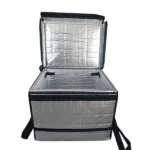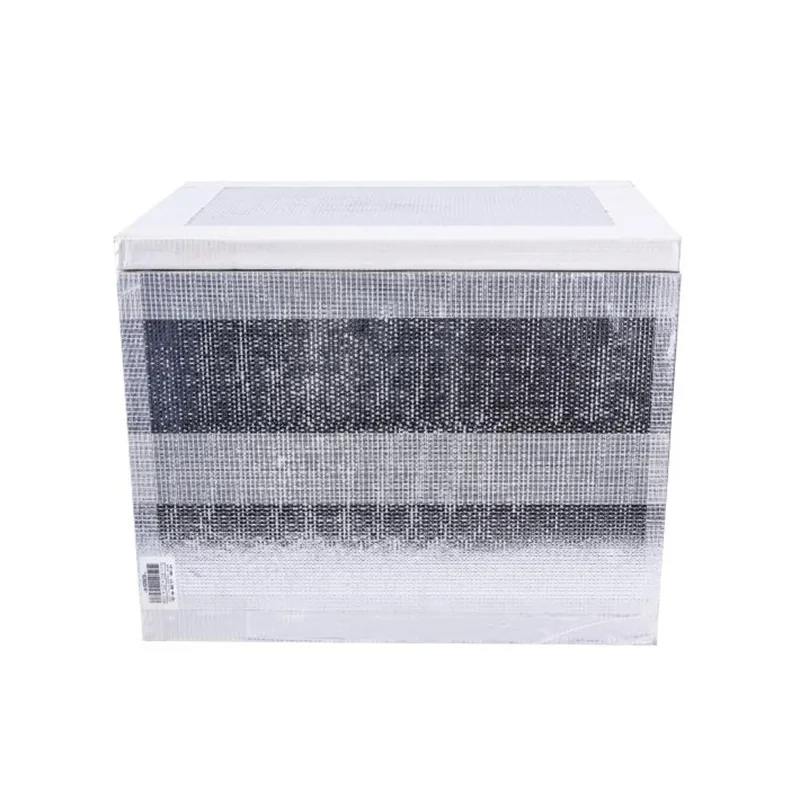
حاوية مبردة VIP لتحسين التعبئة: دليل الاختيار العملي
الطريقة الأكثر أمانًا لتقييم أ حاوية مبردة VIP for pack out optimization is to treat it as one part of a controlled packout system. يمكن لعزل VIP أن يوفر مقاومة حرارية قوية في هيكل مدمج, ولكن لا يمكنه تحديد نطاق درجة الحرارة المطلوبة, حالة المبرد الخاص بك, منع سوء التحميل, أو اكتب إجراء الاستلام الخاص بك. For pack out optimization, القرار المفيد هو ما إذا كانت الحاوية, سائل التبريد, حماية الحمولة, يراقب, والوثائق كلها تناسب المسار الذي تشحنه بالفعل.
إجابة عملية قبل وضع قائمة مختصرة للموردين
A VIP refrigerated container for pack out optimization is a good candidate when your current package is too large, قريبة جدًا من حدود درجة الحرارة, ضعيف جدًا عند نقاط التسليم, أو يصعب توثيقه. إنه ليس الحل الصحيح تلقائيًا لكل شحنة. نطاق درجة الحرارة المطلوبة, مدة الطريق, هندسة الحمولة, اختيار المبرد, ويجب تحديد توقعات الأدلة قبل مقارنة العينات.
قم بتخطيط الشحنة قبل الموافقة على الصندوق
المواصفات الأولى ليست البعد الخارجي, سمك الجدار, أو السعر. هذا هو الطريق. يتضمن المسار وقت العبور, وقت التدريج, تسليم المركبات أو الطائرات, الجمارك أو المستودع يسكن الوقت, التعرض الموسمي, وعملية الاستلام. For pack out optimization, تخلق هذه النقاط معظم المخاطر العملية لأن المنتج غالبًا ما يكون خارج ظروف التخزين المثالية عندما يتحرك الأشخاص, التحقق, أو الانتظار.
تمنحك حاوية VIP المختارة جيدًا كفاءة عزل أكبر من العديد من أنواع الرغوة التقليدية أو صناديق بلاستيكية في نفس حجم الحزمة. هذه الميزة مهمة عندما يكون هدف شحنتك هو تحسين العلاقة بين مساحة الحمولة, كتلة المبرد, الهامش الحراري, تكرار المشغل, يكلف, الوزن الأبعاد, وأدلة التأهيل. لا يهم كثيرًا عندما تكون الشحنة قصيرة, يمكن التنبؤ به, قيمة منخفضة, وقد ثبت بالفعل مع حزمة أبسط. يجب تحديد الحاوية فقط بعد أن تعرف مكان فشل الحزمة الحالية أو المكان الذي سيصبح فيه المسار التالي أكثر صعوبة.
اكتب المسار كقصة تشغيل بسيطة قبل أن تطلب عينة: المنتج يترك التخزين, يقوم المشغلون بتكييف سائل التبريد, يتم تحميل الحمولة, الغطاء مغلق, الناقل يجمع الصندوق, تحدث عمليات التسليم, وصول الشحنة, فيفتحه المتلقي. في كل خطوة, اسأل ما الذي يمكن أن يغير درجة الحرارة, تلف الحمولة, أو إضعاف البرهان. عادةً ما يوفر هذا التمرين معايير شراء أفضل من القائمة الطويلة من مطالبات العزل العامة.
يعد تحسين الحزمة بمثابة تغيير هندسي يتم التحكم فيه, ليس فقط توفير المساحة
يبدأ تحسين الحزمة عادةً بعد أن تعمل الحزمة بالفعل ولكنها غير فعالة. قد يكون ثقيلا جدا, مكلفة للغاية للشحن, من الصعب جدًا تجميعها, أو كبيرة جدًا بالنسبة للحمولة. ويكمن الخطر في قيام الفرق بإزالة سائل التبريد أو تغيير التصميم دون فهم سبب نجاح التصميم الأصلي.
توفر الحاوية المبردة لكبار الشخصيات فرق التحسين أداة مفيدة لأن أداء العزل قد يسمح بصندوق أصغر أو توازن أكثر كفاءة بين الحمولة الصافية والمبرد. لكن, يجب التعامل مع كل تغيير على أنه تغيير هندسي. لا يعد الوزن ذو الأبعاد الأقل تحسنًا إذا فقدت الحزمة المنقحة هامش درجة الحرارة أو أصبح من الصعب على المشغلين تكرارها.
يجب أن يقارن التحسين التصميمات الأساسية والتصميمات المنقحة باستخدام نفس افتراضات المنتج, ملف تعريف الطريق, استراتيجية المراقبة, ومعايير القبول. وإلا فإن المقارنة قد تكافئ التصميم الذي يبدو أرخص بدلاً من التصميم الذي يبقى على قيد الحياة.
تعامل مع عزل VIP كهامش حراري, ليس ضمانا
تساعد الألواح المعزولة بالفراغ على تقليل انتقال الحرارة بالتوصيل عبر الأسطح المعزولة الرئيسية. في أ حاوية الشحن, التي يمكن أن تخلق مساحة داخلية أكثر قابلية للاستخدام أو عازل حراري أقوى من الجدار التقليدي الأكثر سمكًا. تكون الفائدة ذات قيمة خاصة عندما تكون الحمولة ذات قيمة عالية, يجب أن يظل الصندوق مضغوطًا, أو تتأثر تكلفة الشحن بالوزن الأبعاد.
القيد العملي هو أن الصندوق الحقيقي ليس لوحة مختبرية. لا يزال من الممكن أن تدخل الحرارة من خلال الغطاء, زوايا, مفاصل اللوحة, المناطق المتضررة, وأي مساحة يترك فيها المشغل فجوة. يمكن أن يصبح سائل التبريد أيضًا خطرًا إذا كان مشروطًا, أكثر من مكيفة, يتم وضعها مباشرة على البضائع الحساسة للتجميد, أو تم ترتيبها بحيث لا يمكن للهواء أن يتحرك بالشكل المقصود داخل العبوة.
For pack out optimization, ينبغي وصف الحزمة كنظام: الحاوية الخارجية, طبقة VIP, بطانة واقية, المبرد أو PCM, مقسم الحمولة, المواد الماصة أو العازلة عند الحاجة, مراقبة درجة الحرارة, ملصق, والتعليمات. إذا تغير جزء واحد, يمكن أن يتغير أداء النظام بأكمله. ولهذا السبب يجب أن تتضمن الموافقة على العينة كيفية تعبئة الصندوق, ليس فقط كيف يتم صنعه.
بناء دليل على الحزمة من البداية
الحاوية لا تخلق الامتثال من تلقاء نفسها. وهو يدعم عملية. حسب المنتج والسوق, قد يحتاج فريقك إلى إجراءات مكتوبة, تقييم مخاطر الطريق, التعبئة والتغليف المؤهلة, مراقبة درجة الحرارة, تلقي التفتيش, ومعالجة الانحراف. For pack out optimization, دليل التغليف الأكثر فائدة هو الدليل الذي يساعد المستلم على تحديد ما إذا كان من الممكن قبول الشحنة.
قد تتضمن أطر المصدر ذات الصلة معايير ISTA الحرارية, مفاهيم التأهيل لمنظمة الصحة العالمية, توثيق نمط الناتج المحلي الإجمالي حيث يتعلق الأمر بالمنتجات الخاضعة للتنظيم, وتقارير اختبار الموردين. ولا تنطبق جميع هذه المصادر بنفس الطريقة على كل شحنة. طريق الغذاء, طريق طبي, ويمكن أن يكون لطريق التجارة الإلكترونية التجميلية توقعات قانونية وجودة مختلفة. يجب على المشتري تأكيد القواعد المعمول بها مع الجودة, التنظيمية, أو فريق سلامة الأغذية بدلاً من مطالبة مورد التغليف بتقديم وعد بالامتثال الشامل.
غالبًا ما تشتمل حزمة الأدلة العملية على سجل اختبار أساسي, خريطة الحمولة, وضع المبرد, مواقع المسجل, ملف تعريف المحيط, معايير القبول, وملاحظات التحكم في التغيير. تعتمد السجلات المحددة على منتجك ومسارك, ولكن المبدأ مستقر: لا تعتمد على مطالبة التغليف التي لا يمكن إرجاعها إلى حزمة محددة وحالة تشغيل محددة.
قم بوضع قائمة مختصرة بالحاوية مع الأدلة العملية
| سؤال المشتري | ماذا تسأل المورد | ما ينبغي أن تظهر إجابة مفيدة |
|---|---|---|
| متطلبات درجة الحرارة | ما هو نطاق المنتج وقواعد الرحلة التي تم تصميم الحزمة من أجلها? | نطاق خاص بالمنتج, ليست مطالبة عامة بسلسلة التبريد |
| المطالبة بوقت الانتظار | ما الملف الشخصي المحيطة, حمولة, سائل التبريد, ومعايير النجاح تدعم المطالبة? | سياق اختبار أو بيان واضح بأن هناك حاجة إلى مزيد من التأهيل |
| مساحة حمولة قابلة للاستخدام | هل يشمل الحجم سائل التبريد؟, المقسمات, ومراقبة التنسيب? | رسم أو صورة الحزمة المحملة, ليس فقط الأبعاد الداخلية الإجمالية |
| التوافق المبرد | أي حزمة هلام, بي سي إم, الجليد, أو المقصود مسار الجليد الجاف? | تعليمات التكييف والفصل عن البضائع الحساسة |
| التعامل وإعادة الاستخدام | كيف ينبغي للوحات, الأختام, بطانات, ويتم فحص الإغلاقات? | إجراء تشغيلي قياسي (SOP) عملي يمكن للمشغلين اتباعه بشكل متكرر |
| التوثيق | ما هي السجلات التي تدعم قرارات الشحن والاستلام? | خطة المسجل, قائمة التحقق من الحزمة, خطوات الانحراف, ومعايير الاستلام |
ليس المقصود من هذا الجدول إبطاء عملية الشراء. يمنع العينة الخاطئة من أن تبدو جذابة. For pack out optimization, فالعينة التي تناسب الحمولة ولكنها تفتقر إلى تعليمات واضحة بشأن سائل التبريد قد تخلق مخاطر تشغيلية أكبر من الحزمة الأكبر قليلاً مع أدلة أفضل.
استخدم الجدول أثناء مكالمات الموردين والمراجعة الداخلية. إذا كانت الإجابة غير متوفرة, تعامل معه كعنصر تحقق وليس سببًا لرفض المورد على الفور. غالبًا ما تبدأ مناقشات التغليف الجيد بمجهول; النقطة المهمة هي التعرف عليها قبل أوامر الإنتاج أو الشحنات الحية.
أدوات اتخاذ القرار مفيدة
تحقق من التفاصيل قبل اختيار التغليف
يمكن أن تساعدك هذه الأدوات السريعة في مقارنة مخاطر المسار, احتياجات التحجيم, خيارات المبرد, وتفاصيل التعبئة والتغليف قبل أن تطلب عرض أسعار.
مدقق مخاطر الطريق
قم بمراجعة ظروف المسار قبل اختيار التغليف لمتطلبات التشغيل الحقيقية.
تحقق من مخاطر الطريقحاسبة علبة الثلج
تقدير كمية عبوات الثلج الهلامي للشحنات المبردة والتخطيط العملي للمسار.
تقدير عبوات الثلجسائل التبريد & مرجع PCM
قارن خيارات سائل التبريد وPCM عندما يحتاج المسار إلى دعم إضافي لدرجة الحرارة.
قارن الخياراتمثال: تحويل طلب غامض إلى موجز صالح للاستخدام
الفريق لديه حزمة العمل, لكن الصندوق كبير الحجم ومكلف للشحن. إنهم يريدون تقليل الوزن الأبعاد دون فقدان هامش الأمان الحراري. قد يبدو الطلب الأول بسيطًا: 'Please quote a VIP refrigerated container for pack out optimization.' A better brief describes the product, نطاق درجة الحرارة المطلوبة, الكمية لكل شحنة, مدة الطريق, نقاط التسليم المحتملة, قواعد الافتتاح, ومن سيقوم بفحص الشحنة عند وصولها.
بذلك الموجز, يمكن للمورد مناقشة ما إذا كان عزل VIP مناسبًا, ما هي عائلة المبرد التي ينبغي مراعاتها, مقدار مساحة الحمولة الصالحة للاستخدام المتبقية بعد المبرد والفواصل, وأين يجب أن تجلس الشاشة. يمكن للمشتري بعد ذلك مقارنة ليس فقط السعر ولكن أيضًا صعوبة التعبئة, جودة الأدلة, ومدى عدم اليقين في المسار الذي يمكن أن يتحمله التصميم.
هذا مثال افتراضي, ليس وعد الأداء. يجب فحص الحزمة النهائية وفقًا لمتطلبات المنتج الحقيقية و, عند الضرورة, ملف تعريف الاختبار أو تأهيل المسار. قيمة المثال هي منطق الشراء: قم بتحويل مخاطر المنتج إلى متطلبات التعبئة قبل التفاوض على تفاصيل الصندوق.
ما يجب تأكيده قبل الانتقال من العينة إلى الطلبات المتكررة
تعتبر المحادثة القوية مع الموردين محددة. اسأل عن الأبعاد الداخلية والأبعاد الخارجية, ولكن اسأل أيضًا كيف تتغير هذه الأبعاد بعد تحميل المبرد والفواصل. اسأل ما إذا كانت العينة مصنوعة من نفس المواد وطريقة البناء مثل وحدات الإنتاج. اسأل عن كيفية اكتشاف تلف اللوحة, كيف يتم فحص الأغطية والأختام, وما هي البدائل المسموح بها إذا كان أحد المكونات غير متوفر في المخزون.
إذا كانت الحاوية قابلة لإعادة الاستخدام, يجب أن يتضمن النموذج التجاري الخدمات اللوجستية العكسية. من يملك الصندوق بعد التسليم? من ينظفها? الذي يتفقد لوحات VIP والإغلاقات? ماذا يحدث عندما يفقد جهاز الاستقبال مكونًا واحدًا? يمكن للتغليف القابل لإعادة الاستخدام أن يقلل من النفايات على الطرق المتكررة, ولكن فقط عندما يتم التحكم في حلقة العودة بما يكفي لحماية الأداء والتكلفة.
لمهندسي التعبئة والتغليف, مديري سلسلة التبريد, فرق المشتريات, مراجعي ضمان الجودة, ومشرفي العمليات, نادرًا ما تكون القائمة المختصرة الأفضل هي المورد الذي يتمتع ببيان الأداء الأكثر دراماتيكية. إن المورد هو الذي يمكنه شرح الحدود, أظهر كيف يتم تجميع العبوة, وساعد فريقك على تحديد ما يجب التحقق منه قبل أن تصبح الشحنة روتينية.
تجنب اختصارات الموافقة هذه
معظم حالات الفشل لا تنتج عن مادة واحدة ضعيفة. إنها تأتي من عدم التوافق بين احتياجات المنتج وطريقة استخدام العبوة. For pack out optimization, انتبه بشكل خاص لتحسين الحمولة الصافية مع فقدان هامش درجة الحرارة, وضع المبرد حيث يقوم بتجميد المنتج, تجاهل تأثيرات الحافة, تغيير حجم الصندوق دون إعادة التأهيل, والفشل في التحكم في كيفية قيام المشغلين بتعبئة الشحنة فعليًا.
- الموافقة على الحاوية الخارجية دون الموافقة على العبوة المحملة.
- مقارنة الحجم الإجمالي مع تجاهل مقدار المساحة المتوفرة لسائل التبريد, المقسمات, ومراقبة الاستهلاك.
- استخدام مطالبة وقت الانتظار دون التحقق من ملف التعريف المحيط والحمولة خلفه.
- السماح للمشغلين بتغيير وضع سائل التبريد لأن التعليمات غير واضحة.
- وضع مسجل درجة الحرارة في مكان مناسب بدلاً من وضع مخاطر الحمولة النافعة.
- بافتراض أن الحاوية القابلة لإعادة الاستخدام مستدامة دون عائد واقعي, تنظيف, وعملية التفتيش.
إحدى الطرق البسيطة لتقليل هذه الأخطاء هي تجميد الحزمة المعتمدة كوثيقة تشغيل. تضمين الصور, تعليمات تكييف المبرد, ترتيب التحميل, بدائل مقبولة, مراقبة الموقع, طريقة الإغلاق, واستلام الشيكات. إذا كان هناك حاجة إلى التغيير, سجل سبب إجراء التغيير وما إذا كانت هناك حاجة إلى مزيد من المراجعة.
التعليمات
هي حاوية مبردة VIP لتحسين التعبئة مثل الحاوية المبردة النشطة?
لا. في معظم مناقشات المشتري, أ صندوق شحن VIP أو الحاوية عبارة عن حزمة معزولة سلبية. يستخدم عزلًا عالي الأداء واستراتيجية مختارة لسائل التبريد أو PCM, ولكنها لا تقوم بتبريد الحمولة ميكانيكيًا ما لم يتم تحديد نظام منفصل يعمل بالطاقة. تعامل معها على أنها عبوة سلبية لا تزال بحاجة إلى تصميم العبوة, تكييف, يراقب, والسيطرة على التعامل.
ما الذي يجب علي التحقق منه قبل الموافقة على عينة شحن VIP؟?
التحقق من نطاق درجة الحرارة المطلوبة, كمية الحمولة, مساحة داخلية قابلة للاستخدام, نوع المبرد, طريقة تكييف المبرد, مراقبة الموقع, مدة الطريق, خطر التسليم, ومعايير الاستلام. For pack out optimization, تأكد أيضًا من المخاطر الخاصة بالمنتج الأكثر أهمية, مثل حساسية التجميد, المياه الذائبة, تلوث, استقرار الصيغة, أو متطلبات التوثيق.
هل يمكن استخدام وقت الانتظار المعلن للمورد مباشرةً لمساري؟?
ليس بدون سياق. يعتمد وقت الانتظار على الملف الشخصي المحيط, حمولة, كتلة المبرد, تكييف المبرد, فتح الصندوق, درجة حرارة بدء المنتج, ومعايير القبول. استخدم بيانات المورد كنقطة بداية. للشحنات المنظمة أو ذات القيمة العالية, تأكيد ما إذا كان اختبار إضافي, تأهيل المسار, أو هناك حاجة إلى موافقة الجودة.
متى لا يستحق عزل VIP التعقيد الإضافي?
قد لا يكون عزل VIP ضروريًا عندما يكون الطريق قصيرًا, المنتج منخفض المخاطر, الحزمة الحالية أثبتت بالفعل, أو لا يستطيع المشغلون إدارة الحزمة المطلوبة. وقد يكون أيضًا غير مناسب عند الشحنات التي ليس لها معايير قبول محددة, لا يوجد سجل لدرجة الحرارة, وعدم الرغبة في اختبار أو مقارنة مراجعات الحزمة. وينبغي أن يقارن القرار بين الحد من المخاطر, تأثير الشحن, التحكم في إعادة الاستخدام, واحتياجات الأدلة.
هل تعمل عبوات VIP القابلة لإعادة الاستخدام على تحسين الاستدامة تلقائيًا؟?
ليس تلقائيا. يمكن أن تؤدي إعادة الاستخدام إلى تقليل المواد ذات الاستخدام الواحد في الممرات المتكررة, ولكن فقط عند العودة اللوجستية, تنظيف, فحص المكونات, ويتم التحكم في معدلات الخسارة. حاوية VIP قابلة لإعادة الاستخدام والتي يتم فقدانها بشكل متكرر, تالف, أو يتم شحنها مرة أخرى بشكل غير فعال قد لا يحقق المنفعة التشغيلية أو البيئية المتوقعة.
خاتمة
يمكن أن تكون الحاوية المبردة VIP لتحسين التعبئة خيارًا قويًا عندما تحتاج شحنتك إلى حماية حرارية مدمجة, هامش طريق أفضل, وأدلة أوضح مما يمكن أن توفره الحزمة المعزولة الأساسية. يجب أن يتم تحديده وفقًا لمواصفات المنتج, ظروف الطريق, استراتيجية المبرد, تخطيط الحمولة, خطة المراقبة, وعملية الاستلام. قاعدة الشراء الرئيسية بسيطة: الموافقة على النظام, ليس فقط الصندوق.
For pack out optimization, القرار الأعلى قيمة هو تحديد مشكلة الشحن قبل طلب عرض الأسعار. عندما يكون الخطر واضحا, يصبح عزل VIP أداة عملية. عندما يكون الخطر غامضا, فحتى الحاوية عالية الأداء يمكن أن تصبح تخمينًا مكلفًا.
حول Tempk
لوازم تيمبك تغليف السلسلة الباردة حلول للشحنات الحساسة لدرجة الحرارة بين الشركات, بما في ذلك VIP وEPP صناديق تبريد طبية, حزم هلام, حزم PCM, الصناديق المعزولة, وخيارات التعبئة والتغليف ذات الصلة. For pack out optimization, نحن نساعد المشترين على مناقشة ظروف الطريق, نطاق درجة الحرارة المستهدفة, تناسب الحمولة, اتجاه المبرد, وتفاصيل الحزمة قبل أن تنتقل من مراجعة العينة إلى تكرار تخطيط الشحن. تستخدم فرق التغليف مناقشات Tempk لمقارنة عائلة العزل, تخطيط المبرد, تصميم فاصل, تناسب الحمولة, مواقف المراقبة, واتساق العينة إلى الإنتاج.
شارك طريقك, حمولة, نطاق درجة الحرارة المستهدفة, وحدود التعامل مع Tempk لمقارنة ما إذا كانت الحاوية المبردة VIP لتحسين التعبئة هي الاتجاه الصحيح. يجب أن تبدأ التوصية العملية بشروط الشحن الخاصة بك, ليس حجم الصندوق وحده.