Beste Kühlkettenlieferanten für Schalentiere 2025: Wer führt den Markt an??
Die Aufrechterhaltung der Qualität und Sicherheit von Schalentieren beginnt mit der Auswahl Beste Kühlkettenlieferanten für Schalentiere. Da der weltweite Markt für Schalentiere von 55,5 Milliarden US-Dollar im Jahr wächst 2023 auf voraussichtlich 74,2 Milliarden US-Dollar 2033, Eine zuverlässige temperaturgeführte Logistik wird für Produzenten von entscheidender Bedeutung, Einzelhändler und Verbraucher. Schalentiere sind leicht verderblich, und leichte Temperaturschwankungen können zu Bakterienwachstum oder zum Verderb führen. Das Nationale Muschelhygieneprogramm (NSSP nssp) erfordert, dass lebende Schalentiere auf 50 °F gekühlt werden (10 ° C) innerhalb 10 Stunden der Ernte und transportiert bei oder unter dieser Temperatur. Wenn Sie Muscheln beziehen, Austern, Muscheln oder Krabben, Wenn Sie die Lieferkette verstehen und qualifizierte Partner auswählen, schützen Sie Ihr Unternehmen und Ihre Kunden.
Was macht einen Kühlkettenlieferanten aus? bester Kühlkettenlieferant für Schalentiere In 2025 und wie man sie bewertet?
Welche Schalentierproduzenten und Logistikunternehmen sind marktführend und warum??
Wie funktionieren Temperaturregulierungen?, HACCP-Richtlinien und Zertifizierungsstandards wirken sich auf die Sicherheit von Schalentieren aus?
Welche Innovationen und Trends in 2025 gestalten die Kühlketten für Schalentiere neu, Von der digitalen Überwachung bis zur nachhaltigen Verpackung?
Praktische Tipps zur Reduzierung von Produktverlusten, Erfüllen Sie Qualitätsstandards und wählen Sie Ihr Ideal Lieferant von Kühlketten für Schalentiere.
Warum ist die Kühlkette für die Qualität von Schalentieren unerlässlich??
Schalentiere verderben schnell, wenn sie warmen Temperaturen ausgesetzt werden. Lebende Schalentiere müssen bei oder darunter ankommen 50 ° F (10 °C) mit einer Lufttemperatur unter 45 ° F. Wenn die Kerntemperatur überschritten wird 50 ° F, Das Bakterienwachstum beschleunigt sich und die Sicherheit nimmt ab. Das Abkühlen unmittelbar nach der Ernte stoppt die Stoffwechselaktivität und bewahrt Geschmack und Textur. In 2025, mehr als 32 % des weltweiten Umsatzes im Kühlkettenmarkt stammen aus der gekühlten Lagerung von Fleisch und Meeresfrüchten, zeigt, wie wichtig die Temperaturkontrolle für Schalentiere ist.
Temperaturrichtlinien schützen die öffentliche Gesundheit. Das NSSP schreibt vor, dass Schalentiere gekühlt werden müssen 50 °F innerhalb 10 Stunden der Ernte und Transport mit Zeit-Temperatur-Indikatoren (TTIs). HACCP-Pläne erfordern Risikobewertungen, kritische Temperaturgrenzen und Korrekturmaßnahmen in jeder Phase. Diese Standards werden durch die Interstate Certified Shellfish Shippers List der FDA verstärkt, was Shuckers zertifiziert, Verlader und Umpacker unter einheitlichen Hygieneanforderungen. Durch die Zusammenarbeit mit zertifizierten Händlern, Sie stellen die Einhaltung bundesstaatlicher Vorschriften sicher und reduzieren das Risiko von Rückrufen oder Erkrankungen.
Kühlkettenmanagement ist gut fürs Geschäft. Eine ordnungsgemäße Temperaturkontrolle reduziert Produktverluste und schützt die Gewinnmargen. Little Wicomico Oyster Co. berichtet, dass es schnell abkühlt, Durch die spezielle Lagerung und den gekühlten Transport bleiben Geschmack und Textur der Austern erhalten, Verlängerung der Haltbarkeit und Reduzierung von Abfall. Wenn Ihre Kunden hohe Qualität erhalten, sichere Schalentiere, Sie werden zu Wiederholungskäufern und Fürsprechern Ihrer Marke.
Hauptvorteile effektiver Kühlketten für Schalentiere
| Nutzen | Erläuterung | Praktische Bedeutung |
| Sicherheitskonformität | Die Einhaltung der NSSP-Standards stellt sicher, dass lebende Schalentiere gekühlt werden 50 °F und gelagert bei 41 °F oder weniger. | Schützt die öffentliche Gesundheit und verringert das Risiko lebensmittelbedingter Erkrankungen. |
| Bewahrte Qualität | Schnelle Abkühlung und konstante Temperatur halten Schalentiere frisch, Der Salzgeschmack und die feste Konsistenz bleiben erhalten. | Steigert die Kundenzufriedenheit und den Produktwert. |
| Reduzierter Abfall | Durch die Aufrechterhaltung der Kühlkette werden Verderb und Produktverlust minimiert. | Verbessert Ihr Endergebnis und Ihre Nachhaltigkeitsleistung. |
| Vorschriftenregulierung | Zertifizierung als Shellstock-Versender, Ein Shucker- oder Umpacker im Rahmen des NSSP weist die Einhaltung von Hygienestandards nach. | Vereinfacht Audits, vermeidet Strafen und schafft Vertrauen. |
| Marke Ruf | Hohe Standards ziehen anspruchsvolle Verbraucher und Großkäufer an, die Sicherheit verlangen, rückverfolgbare Meeresfrüchte. | Hilft Ihnen, sich von der Masse abzuheben Beste Kühlkettenlieferanten für Schalentiere. |
Tipps zur Wahrung der Integrität der Kühlkette
Verwenden Sie Zeit-Temperatur-Indikatoren: Geräte wie Timestrip PLUS messen Temperaturverstöße und deren Dauer, Bereitstellung eines Audit-Trails für Ihre Sendungen.
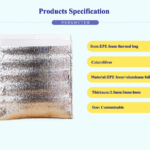
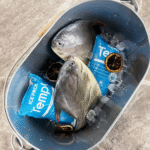
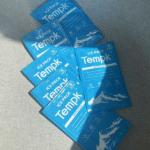
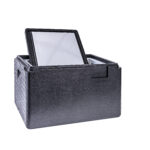
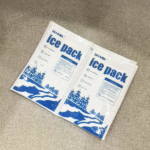
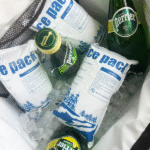
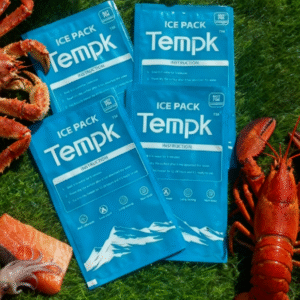
Investieren Sie in isolierte Verpackungen: Gefrorene Gelpackungen und Isolierboxen tragen dazu bei, die Temperaturen darunter zu halten 50 °F während des Transports.
Überwachen Sie in Echtzeit: Datenlogger, Bluetooth-Sensoren und Sondenthermometer ermöglichen eine kontinuierliche Temperaturverfolgung während der gesamten Lagerung und des Transports.
Trainiere dein Team: Richtige Handhabung, Hygiene- und Korrekturmaßnahmenprotokolle sind für die Aufrechterhaltung der Produktsicherheit und -qualität von entscheidender Bedeutung.
Planen für Eventualitäten: Halten Sie für den Fall von Verzögerungen eine Reservekühlung und Notfallpläne bereit, mechanische Ausfälle oder extreme Wetterbedingungen.
Beispiel aus der Praxis: Island Creek Seafood verwendet bei jeder Austernlieferung Timestrip PLUS-Indikatoren, um die NSSPs einzuhalten 50 °F-Regel. Kunden können sehen, ob die Lieferungen die Temperaturgrenzwerte überschritten haben, und können entscheiden, ob sie das Produkt annehmen oder entsorgen. Diese Transparenz schafft Vertrauen und zeigt die Verpflichtung zur Qualität.
Was einen Schalentierlieferanten auszeichnet?
Auswahl der Beste Kühlkettenlieferanten für Schalentiere geht es nicht nur um den Preis; es geht um Leistung, Konsistenz und Compliance. In den USA, Meeresfrüchteexporte erreicht 1.21 Millionen Tonnen wert $4.93 Milliarden in 2024, und führende Einkäufer priorisieren Partner, die sicher liefern können, qualitativ hochwertige Produkte schnell.
Kriterien zur Bewertung von Schalentierlieferanten
Zertifizierung und Erfolgsbilanz – Stellen Sie sicher, dass die Lieferanten auf der Interstate Certified Shellfish Shippers List der FDA aufgeführt sind und über saubere Aufzeichnungen verfügen. Zu den Kategorien gehören Shellstock-Versender (SS), Shucker Packer (SP), Umpacker (RP) und Wiederversender (RS).
Temperaturregelung – Stellen Sie sicher, dass die NSSP-Richtlinien für Kühlung und Versand eingehalten werden, mit TTIs und dokumentierten HACCP-Plänen.
Rückverfolgbarkeit und Nachhaltigkeit – Top-Lieferanten bieten vollständige Rückverfolgbarkeit von der Ernte bis zur Lieferung und halten sich an nachhaltige Erntepraktiken. Die East Coast Shellfish Growers Association vertritt mehr als 1,500 Landwirte und fördert eine nachhaltige Aquakultur.
Produktpalette und Spezialisierung – Einige Anbieter konzentrieren sich auf Nischenprodukte wie Halbschalenmuscheln oder Dungeness-Krabben. Zum Beispiel, JTR Produce ist auf Halbschalenmuscheln und gefrorene Schalentiere spezialisiert, während die Pacific Seafood Group Dungeness-Krabben und Kaltwassergarnelen produziert.
Service und Liefergeschwindigkeit – Bewerten Sie, ob der Lieferant Ihren Zeitplan einhalten kann. Freshdis 2025 Beim Ranking werden Lieferanten hervorgehoben, die konstant hohe Mengen liefern und aufrechterhalten. Prüfen Sie, ob sie in der Lage sind, plötzliche Nachfrageschübe zu bewältigen.
Innovation und Technologie – Unternehmen, die IoT-Sensoren verwenden, automatisierte Lager oder umweltfreundliche Verpackungen zeichnen sich aus 2025. Temperaturüberwachungsgeräte und digitale Protokolle sind unverzichtbare Werkzeuge.
Große Schalentierproduzenten und ihre Kühlkettenpraktiken
Die weltweite Versorgung mit Schalentieren wird von einer Mischung aus Genossenschaften dominiert, Familienunternehmen und multinationale Konzerne. Das Verständnis ihrer Kühlkettenpraktiken hilft Ihnen, potenzielle Partner zu vergleichen.
| Unternehmen | Überblick | Stärken & Implikationen |
| Wellfleet Shellfish Co. | Etabliert in 2002 in Eastham, Massachusetts, Dieses Unternehmen liefert gezüchtete und wild gefangene Muscheln, Austern, Rasierer, Dampfer, Jakobsmuscheln und kleine Bootshummer. | Ihr vielfältiges Produktsortiment und die regionale Ausrichtung sorgen für Frische, rückverfolgbare Schalentiere. Achten Sie unmittelbar nach der Ernte auf eine robuste Kühlung und direkte Beziehungen zu den Fischern. |
| Verband der Schalentierzüchter an der Ostküste | Gegründet in 1996, Diese gemeinnützige Organisation vertritt vorbei 1,500 Bauern entlang der Atlantikküste. | Der Verband fördert eine nachhaltige Aquakultur und bietet Schulungen zu Best Practices in der Kühlkette an, macht seine Mitglieder bei Großaufträgen zuverlässig. |
| Maruha Nichiro Corporation | Ein in Tokio ansässiges Fischerei- und Lebensmittelunternehmen, gegründet in 1880. Die internationale Lieferkette umfasst die Fischzucht, Angeln, Handel und Vertrieb. | Die globale Reichweite und der Schwerpunkt auf nachhaltiger Fischerei ermöglichen eine gleichmäßige Versorgung. Sie investieren in technologische Innovationen, um Abfall zu minimieren und nachverfolgbare Kühlketten sicherzustellen. |
| Hummelfutter, LLC | Ein in Kalifornien ansässiges Unternehmen (gegründet 1899) das Meeresfrüchte unter Marken wie Bumble Bee® und Brunswick® in mehr als fünfzig Märkten vermarktet. | Das Engagement für nachhaltige Beschaffung und anerkannte Marken unterstützen eine hohe Qualität. Suchen Sie nach zertifizierten Kühlkettenpartnern, die den breiten Vertrieb abwickeln. |
| Pacific Seafood Group | Seitdem in Familienbesitz 1941, es funktioniert 40 Einrichtungen in drei Ländern, Verkaufe Dungeness-Krabbe, Austern, Kaltwassergarnelen und Lachs weltweit. | Mit over 3,000 Mitarbeiter und Mehrwertfähigkeiten, Dieser Lieferant investiert stark in die Kühlkettenlogistik, um die Frische der Produkte beim weltweiten Export aufrechtzuerhalten. |
| Sunnyvale Meeresfrüchte | Sitz in Union City, Kalifornien (gegründet 2003), Sunnyvale bietet nachhaltig produzierten Fisch, Garnelen und andere Meeresfrüchte mit Einrichtungen in China und Partnerschaften weltweit. | Ihr globales Netzwerk erfordert fortschrittliche Kühlkettenlogistik und Qualitätskontrollsysteme, um eine konsistente Versorgung sicherzustellen. |
Diese Produzenten setzen auf eine robuste Kühllagerung, isolierte Verpackungen und Partnerschaften mit führenden Logistikdienstleistern. Fragen Sie nach deren Temperaturkontrollgeräten, digitale Überwachung und Compliance-Zertifizierungen, um ihre Eignung als zu beurteilen bester Kühlkettenlieferant für Schalentiere.
Führende Kühlkettenlogistiker für den Versand von Schalentieren
Selbst die feinsten Schalentiere erfordern eine zuverlässige Logistik. Der Markt für Kühlkettenlogistik wird voraussichtlich von USD aus wachsen 324.85 Milliarden in 2024 in USD 862.33 Milliarden von 2032. Fleisch und Meeresfrüchte stellen die größte Anwendung dar, einen Beitrag dazu leisten 41 % der Einnahmen. Daher ist die Wahl des richtigen Logistikpartners bei der Bewertung von entscheidender Bedeutung Beste Kühlkettenlieferanten für Schalentiere.
Top-Logistikunternehmen nach Kapazität und Fähigkeiten
Die Global Cold Chain Alliance (GCCA) und Lieferkette 24/7 Rangliste der Kühlhausbetreiber pro Jahr. Im 2025 Liste, Die folgenden Unternehmen sind führend auf dem Gebiet:
Abstammungslogistik - Mit 2.98 Milliarden ft³ temperaturgesteuerter Speicher, Lineage bietet umfassende Lagerung und Transport. Das Unternehmen nutzt Data Science, um Verschwendung zu reduzieren und die Logistik zu optimieren.
Americold Logistics – Halten 1.45 Milliarden ft³ Speicher, Americold bietet umfassende temperaturkontrollierte Lagerung und Verteilung. Seine fünf Fulfillment-Standorte ermöglichen eine direkte Lieferung an den Verbraucher innerhalb von zwei Tagen 99 % der USA. Bevölkerung.
NeuKalt – Allerdings kleiner mit 458.6 Millionen ft³, NewCold ist auf automatisierte Kühllager spezialisiert und investiert stark in Nachhaltigkeit.
DHL Freight Kühlkette – Bietet maßgeschneiderte Lösungen für Impfstoffe, Frische Produkte und empfindliche Fracht mit Feuchtigkeitskontrolle und Spezialverpackung.
Kuhne + Nagel – Über seinen KN FreshChain-Service, Es bietet spezielle Kühlausrüstung, 24/7 Überwachung und maßgeschneiderte Optionen für Meeresfrüchte.
UPS Healthcare – Nach der Übernahme der Andlauer Healthcare Group für USD 1.6 Milliarden im April 2025, UPS hat sein temperaturkontrolliertes Lager- und Speditionsnetzwerk in ganz Kanada erweitert.
Diese Betreiber stellen Infrastruktur und Fachwissen für Schalentierlieferanten bereit, die die Kühlung nicht alleine bewältigen können. Bei der Auswahl eines Logistikpartners, beurteilen ihre Netzabdeckung, Compliance-Zertifizierungen und Investitionen in Technologien wie IoT-Sensoren und KI-basierte Routenoptimierung.
Vergleich führender Kühlkettenbetreiber
| Unternehmen | Kernstärke | Globale Reichweite | What It Means for You |
| Abstammungslogistik | Größte Speicherkapazität (2.98 Milliarden ft³); nutzt Datenwissenschaft, um Verschwendung zu reduzieren | Über 400 Einrichtungen weltweit | Reduzierter Produktverlust und effiziente Verteilung durch automatisierte Lager. |
| Americold | Umfassendes Lager- und Vertriebsnetzwerk | Hauptsächlich Nordamerika, expandiert aber weltweit | Schnelle Direktabwicklung an den Verbraucher und umfassende US-Lieferung. Abdeckung. |
| NeuKalt | Hochautomatisierte Kühllager | Europa, Nordamerika, Asien | Starke Nachhaltigkeitsreferenzen und gleichbleibende Qualität. |
| DHL Freight Kühlkette | Maßgeschneiderte Lösungen mit Feuchtigkeitskontrolle und Spezialverpackung | Globales Netzwerk über Kontinente hinweg | Individuelle Handhabung von Meeresfrüchten, Impfstoffe und empfindliche Güter. |
| Kuhne + Nagel | 24/7 Überwachung, spezielle Kühlausrüstung | Weltweit, Starke Präsenz in Europa und Asien | Echtzeittransparenz und spezielle Optionen für Meeresfrüchtelieferungen. |
| UPS Healthcare | Erweitertes Netzwerk durch Andlauer-Übernahme; Überwachung der Kommandozentrale bei −80 °C | Nordamerika mit globalen Partnern | Zuverlässige, hochpräzise Kühlkette für empfindliche Produkte. |
Bei der Bewertung von Logistikpartnern, Ihren Produktanforderungen entsprechen (Z.B., Schalentiere brauchen 0–10 °C) mit ihren Temperaturbereichen und Ausstattung. Suchen Sie nach zertifizierten Praktiken und Nachhaltigkeitsverpflichtungen.
So wählen Sie den richtigen Kühlkettenpartner für Schalentiere aus?
Nicht alle Lieferanten oder Logistikdienstleister werden Ihren Anforderungen gerecht. Verwenden Sie diesen Schritt-für-Schritt-Prozess, um die zu identifizieren Beste Kühlkettenlieferanten für Schalentiere für Ihr Unternehmen:
Definieren Sie Ihr Produktprofil – Versenden Sie lebende Austern?, geschälte Muscheln oder gefrorene Krabbenbeine? Bestimmen Sie den erforderlichen Temperaturbereich und die Zeit bis zum Ziel. Zum Beispiel, lebende Schalentiere müssen den Kunden bei oder darunter erreichen 50 ° F.
Bewerten Sie Kapazität und Reichweite – Vergleichen Sie den Lagerraum und die geografische Abdeckung der Logistikpartner. Abstammung 2.98 Die Kapazität von Milliarden ft³ bietet Flexibilität für die Skalierung, wohingegen sich kleinere Anbieter möglicherweise auf regionale Märkte konzentrieren.
Überprüfen Sie die Zertifizierung und Konformität – Sehen Sie sich die Liste der zwischenstaatlich zertifizierten Schalentierversender der FDA an und fordern Sie eine Dokumentation der HACCP-Pläne und Temperaturprotokolle an.
Bewerten Sie Technologie und Transparenz – Wählen Sie Partner, die IoT-Sensoren verwenden, digitale Dashboards und TTIs für die Echtzeitüberwachung. Transparente Daten reduzieren Risiken und unterstützen Audits.
Denken Sie an Nachhaltigkeit – Verbraucher bevorzugen zunehmend Lieferanten, die in umweltfreundliche Verpackungen investieren, erneuerbare Kühlung und verantwortungsvolle Ernte. Fragen Sie nach Initiativen zur Kühleffizienz und CO2-Reduzierung.
Fordern Sie Leistungskennzahlen an – Fragen Sie nach wichtigen Leistungsindikatoren (KPIs) wie z. B. Pünktlichkeitslieferraten, Temperaturabweichungsaufzeichnungen und Kundenfeedback.
Entscheidungstool – Selbsteinschätzung
Um Ihre Auswahl zu vereinfachen, Bewerten Sie potenzielle Lieferanten auf einer Skala von 1 (arm) Zu 5 (exzellent) in den folgenden Kategorien: Zertifizierung, Temperaturregelung, Rückverfolgbarkeit, Kapazität, Nachhaltigkeit und Technologie. Summieren Sie die Ergebnisse, um die zu identifizieren bester Kühlkettenlieferant für Schalentiere für Ihre Bedürfnisse. Für noch mehr Präzision, Verwenden Sie eine interaktive Entscheidungsmatrix mit Gewichtungsfaktoren (Z.B., Temperaturregelung 30 %, Nachhaltigkeit 10 %).
Fallstudie: Effektive Kühlkette in der Austernzucht
Die Austernzucht zeigt, wie ein sorgfältiges Kühlkettenmanagement die Qualität bewahrt und die Sicherheit gewährleistet. Little Wicomico Oyster Co. in Virginia teilt seinen Ansatz:
Erntekühlung und sofortige Kühlung
Nach der Ernte, Austern werden in isolierte, mit Eis gefüllte Behälter gegeben, um sie schnell abzukühlen, Stoppen des Bakterienwachstums. Bei wärmerem Wetter, mehr Eis wird hinzugefügt, und Verzögerungen werden minimiert, um den idealen Temperaturbereich aufrechtzuerhalten. Diese Praktiken stehen im Einklang mit der Anforderung des NSSP, lebende Schalentiere zu kühlen 50 °F innerhalb 10 Std..
Verarbeitungs- und Speicherprotokolle
In der Verarbeitungsanlage, Austern werden in einer klimatisierten Umgebung gelagert, um während der Reinigung und Sortierung innerhalb sicherer Kühlgrenzen zu bleiben. Little Wicomico nutzt ein spezielles Kühlraumsystem, das seine Blackberry® Reserve Austern frisch und von hoher Qualität hält.
Verpackung und Transport
Für den Versand, Das Unternehmen setzt auf speziell entwickelte Verpackungen und Kühlfahrzeuge, die mit einer kontinuierlichen Temperaturüberwachung ausgestattet sind. Dadurch wird sichergestellt, dass die Austern in einwandfreiem Zustand ankommen, zum Verzehr bereit. Wenn während des Transports eine Temperaturabweichung auftritt, Es werden Korrekturmaßnahmen eingeleitet, um die Produktintegrität zu schützen.
Auswirkungen auf das Geschäft
Durch die Investition in ein robustes Kühlkettenmanagement, Little Wicomico reduziert Produktverluste und sorgt für erstklassige Qualität. Schnelle Abkühlung und konstante Temperatur schützen natürliche Aromen und Texturen, Dies führt zu einer längeren Haltbarkeit und einer höheren Kundenzufriedenheit. Ihr Ansatz zeigt, dass auch kleine Produzenten es können Beste Kühlkettenlieferanten für Schalentiere durch sorgfältige Planung und Investition.
Marktaussichten und Chancen für Kühlketten für Schalentiere
Der Schalentiermarkt wird voraussichtlich stetig wachsen, bietet Möglichkeiten für Lieferanten, die Qualität und Nachhaltigkeit priorisieren. Zu den Haupttreibern gehört die zunehmende Beliebtheit proteinreicher Diäten und Fertiggerichte. Verbraucher sind bereit, höhere Preise für küchenfertige Schalentierprodukte zu zahlen, Steigerung der Nachfrage nach Mehrwertoptionen.
Die Kühlkettenlogistik nimmt rasant zu. Der weltweite Markt für Lebensmittelkühlketten wird voraussichtlich 65,8 Milliarden US-Dollar erreichen 2025 und 205,3 Milliarden US-Dollar 2032, mit einer CAGR von 17.5 %. Die Investitionen in eine nachhaltige Kühlketteninfrastruktur belaufen sich zwischenzeitlich auf über 5 Milliarden US-Dollar 2023 Und 2025 von Unternehmen wie Lineage, Americold und Snowman Logistics. Kühllagerkonten für 58.6 % des gesamten Marktumsatzes, während Tiefkühlprodukte darstellen 59.7 % von Volumen. Meeresfrüchte und Fleisch bleiben dominant, große Kühlraummengen erforderlich..
Trends prägen 2025: Nach Brancheneinblicken, Fünf große Trends beeinflussen die Kühlkettenlogistik: geopolitische Störungen und Kapazitätsresilienz; Stärkere digitale Sichtbarkeit durch IoT und KI; Wachstum von Nischenprodukten wie pflanzlichen Proteinen; Modernisierung der veralteten Infrastruktur; und verbesserte Vertriebsnetze. Unternehmen stärken ihre Widerstandsfähigkeit, indem sie Routen diversifizieren und in Automatisierung und Nachhaltigkeit investieren. Da sich die Nachfrage nach Meeresfrüchten nahezu verdoppelt 2050 Und 3.3 Milliarden Menschen sind auf Fisch als Hauptprotein angewiesen, Effiziente und anpassungsfähige Kühlketten sind unerlässlich.
Innovationen in der Wertschöpfungskette für Schalentiere. Die Wertschöpfungskette für Schalentiere beginnt mit der Aquakultur oder dem Wildfang, geht dann durch die Verarbeitung, Verpackung und Vertrieb. Innovationen in der Kühlkettenlogistik haben die Qualität während des Transports verbessert, Dies ermöglicht eine breitere Verteilung an Supermärkte, Restaurants und Online-Kanäle. Verzehrfertige und hochwertige Schalentierprodukte wie vorgekochte oder marinierte Optionen passen zu einem geschäftigen Lebensstil und fördern das Marktwachstum.
2025 neu Kühlkette für Schalentiere
Trendübersicht
Die Kühlkettenindustrie in 2025 zeichnet sich durch eine rasante Digitalisierung aus, Nachhaltigkeitsinitiativen, und Markterweiterung. Zu den wichtigsten Innovationen gehört die Temperaturüberwachung in Echtzeit, KI-gesteuerte Routenoptimierung, umweltfreundliche Kältemittel, und modulare Kühllagereinheiten. Reedereien wie FedEx haben gekühlte Boxen und Container eingeführt, die die Haltbarkeit gewährleisten 2 ° C bis 8 °C für bis zu fünf Tage, während DHL feuchtigkeitskontrollierte Lösungen für empfindliche Artikel anbietet. Kühlkettenspezialisten investieren in erneuerbare Energien und umweltfreundliche Kühlung, um den CO2-Fußabdruck zu reduzieren.
Neueste Fortschritte
Datengesteuerte Logistik: IoT-Sensoren und KI-Algorithmen sorgen für Echtzeittransparenz und prädiktive Analysen, Dadurch können Bediener eingreifen, bevor es zu Temperaturverstößen kommt.
Nachhaltige Infrastruktur: Kühllager werden durch Automatisierung modernisiert, Solarenergie und Kältemittel mit niedrigem GWP.
Umgang mit Nischenprodukten: Das Wachstum pflanzlicher Proteine und spezieller Meeresfrüchte erfordert eine spezielle Verpackung und Handhabung.
Dezentraler Vertrieb: Neue Kühllager liegen näher an Produktions- oder Verbrauchszentren, um Transportzeiten und CO2-Emissionen zu reduzieren.
Digitale Rückverfolgbarkeit: Blockchain und fortschrittliche Tracking-Plattformen sorgen für durchgängige Transparenz, Gewährleistung der Einhaltung von Zertifizierungen und Möglichkeit für Verbraucher, Herkunft und Handhabungsbedingungen zu überprüfen.
Markteinsichten
Nordamerika bleibt die führende Region im globalen Markt für Lebensmittelkühlketten, befehlend 32 % des Umsatzes in 2025. Der Investitionsschwerpunkt liegt auf nachhaltiger Infrastruktur und digitaler Überwachung. Der asiatisch-pazifische Raum ist dank umfangreicher Investitionen in die Kühllagerung und der Ausweitung der E-Commerce-Lebensmittellogistik die am schnellsten wachsende Region. Die USA. exportiert weiterhin große Mengen erstklassiger Meeresfrüchte, Doch die Erwärmung des Wassers und die Zölle haben die Versorgung unterbrochen. In 2025, UNS. Die Hummerexporte fielen auf den niedrigsten Stand seit 15 Jahren 86.1 Millionen Pfund, die Preise in die Höhe treiben. Muscheln sahen ein 8 % Preisanstieg aufgrund starker Nachfrage in der EU und Asien. Lieferanten, die diese Schwankungen bewältigen und robuste Kühlketten aufrechterhalten können, werden Marktanteile gewinnen.
(FAQ)
Q1: Warum sind Kühlkettenlieferanten für die Sicherheit von Schalentieren so wichtig??
Schalentiere sind leicht verderblich und können Krankheitserreger beherbergen, wenn sie nicht gekühlt werden. Abkühlen auf 50 °F innerhalb 10 Stunden und die Aufrechterhaltung dieser Temperatur während des Transports verhindern das Wachstum von Bakterien. Zertifizierte Lieferanten mit robusten Kühlketten stellen sicher, dass die Produkte den Gesundheitsvorschriften entsprechen und für die Verbraucher sicher bleiben.
Q2: Bei welcher Temperatur sollten Schalentiere gelagert werden??
Lebende Schalentiere sollten bei oder darunter ankommen 50 ° F (10 °C) mit einer Lufttemperatur unter 45 ° F. Lagerkühlschränke sollten gewartet werden 41 ° F (5 °C) oder weniger. Für geschältes Schalentierfleisch, Halten Sie die Temperaturen aufrecht 45 °F oder darunter.
Q3: Wie kann ich überprüfen, ob ein Lieferant zertifiziert ist??
Sehen Sie sich die Liste der zwischenstaatlich zertifizierten Schalentierversender der FDA an. Es identifiziert Shellstock-Versender, Shucker Packer, Umpacker und Wiederversender, die Hygienestandards erfüllen. Seriöse Lieferanten geben ihre Zertifizierungsnummer auf Rechnungen und Versanddokumenten an.
Q4: Was zeichnet einen zuverlässigen Kühlkettenlogistikpartner aus??
Achten Sie auf eine große Speicherkapazität, globale Reichweite, IoT-basierte Temperaturüberwachung und Einhaltung von GDP oder ISO 22000 Standards. Partner wie Lineage, Americold und DHL investieren in Datenwissenschaft, Feuchtigkeitskontrolle und Nachhaltigkeitsinitiativen, Gewährleistung einer hohen Servicequalität.
Q5: Wie wirken sich Klimawandel und Vorschriften auf die Lieferketten für Schalentiere aus??
Der Klimawandel führt zu einer Verschiebung der Meerespopulationen und zu Versorgungsunterbrechungen. Fast 3.3 Milliarden Menschen sind auf Fischprodukte als Eiweißquelle angewiesen und die Nachfrage wird sich voraussichtlich verdoppeln 2050. Vorschriften wie NSSP und FSMA erfordern strenge Temperaturkontrollen und Rückverfolgbarkeit, Lieferanten dazu drängen, digitale Überwachung und nachhaltige Praktiken einzuführen. Auswahl der Beste Kühlkettenlieferanten für Schalentiere hilft Ihnen, diese Herausforderungen zu meistern.
Anregung
Auswählen der Beste Kühlkettenlieferanten für Schalentiere ist entscheidend für die Gewährleistung der Produktsicherheit, Qualität bewahren und wettbewerbsfähig bleiben. Denken Sie an diese wichtigen Erkenntnisse:
Die Temperaturkontrolle ist nicht verhandelbar. Schalentiere müssen abgekühlt werden 50 °F innerhalb 10 Stunden und unten gepflegt 41 °F während der Lagerung.
Schauen Sie über den Preis hinaus. Bewerten Sie die Zertifizierung, Rückverfolgbarkeit, Bei der Auswahl von Lieferanten und Logistikpartnern achten wir auf Technologie und Nachhaltigkeit.
Verstehen Sie Ihr Produkt und Ihren Markt. Passen Sie Ihre spezifischen Schalentierprodukte an die entsprechenden Temperaturbereiche und Lieferzeiten an. Erkennen Sie, dass die Nachfrage nach küchenfertigen Schalentieren mit Mehrwert wächst.
Nutzen Sie Technologie. Investieren Sie in IoT-Sensoren, Datenlogger und TTIs für Echtzeitüberwachung und Compliance.
Bleiben Sie den Trends immer einen Schritt voraus. Digitalisierung, Eine nachhaltige Infrastruktur und verbesserte Vertriebsnetze werden die Kühlkettenbranche prägen 2025 und darüber hinaus.
Umsetzbare nächste Schritte
Bewerten Sie Ihre aktuelle Lieferkette – Führen Sie ein Kühlketten-Audit durch und identifizieren Sie Bereiche, in denen die Temperaturkontrolle oder Rückverfolgbarkeit verbessert werden kann. Nutzen Sie digitale Tools zur Echtzeitüberwachung.
Vergleichen Sie potenzielle Lieferanten – Verwenden Sie das zuvor beschriebene Entscheidungstool, um Lieferanten hinsichtlich der Zertifizierung einzustufen, Technologie und Nachhaltigkeit. Versuchen Sie, mindestens fünf Kandidaten zu vergleichen.
Pilotsendungen – Vor dem Commit, Probelieferungen mit neuen Partnern durchführen, Verwendung von TTIs und Datenloggern zur Überwachung der Temperaturleistung.
Tauschen Sie sich mit Branchenexperten aus – Treten Sie Handelsverbänden bei und nehmen Sie an Webinaren teil, um über Vorschriften auf dem Laufenden zu bleiben, Technologien und Markttrends. Zusammenarbeit fördert kontinuierliche Verbesserung.
Handeln Sie jetzt – Der Markt wächst schnell; zuverlässig sichern Beste Kühlkettenlieferanten für Schalentiere heute wird Ihnen ein Wettbewerbsvorteil verschaffen.
Um Tempk
Tempk ist auf Kühlkettenverpackungs- und Logistiklösungen für Meeresfrüchte spezialisiert, Arzneimittel und verderbliche Waren. Wir Bereitstellung von Isolierboxen, wiederverwendbare Gelpackungen und fortschrittliche Überwachungsgeräte, die Ihnen helfen, strenge Temperaturanforderungen einzuhalten. Unsere Lösungen sind auf Benutzerfreundlichkeit und Nachhaltigkeit ausgelegt – viele unserer Produkte sind wiederverwendbar oder recycelbar, Reduzierung von Abfall und Umweltbelastung. Mit einem Bekenntnis zu Qualität und Innovation, Wir unterstützen Unternehmen jeder Größe dabei, das zu werden Beste Kühlkettenlieferanten für Schalentiere.
Nächste Schritte mit Tempk
Bereit, Ihre Kühlkette für Schalentiere zu verbessern? Kontaktieren Sie uns für eine Beratung oder erkunden Sie unser Angebot an isolierten Verpackungs- und Überwachungslösungen. Wir kann Ihnen beim Aufbau einer konformen Lösung helfen, Eine effiziente und nachhaltige Kühlkette, die die Sicherheit Ihrer Schalentiere und die Zufriedenheit Ihrer Kunden gewährleistet.