Eine frostrisikobewusste Spezifikation für Trockeneis-Großpackungen zur Insulinabgabe
Der Begriff Masse Trockeneisbeutel zur Insulinabgabe enthält einen versteckten Widerspruch. Wenn „Trockeneis“ festes Kohlendioxid bedeutet, Seine Temperatur ist für den direkten Kontakt mit Insulin, das nicht gefrieren darf, völlig ungeeignet. Wenn es sich um ein wiederverwendbares gefrorenes Blatt oder eine Gelpackung handelt, Das Material kann nützlich sein, aber sein Handelsname beweist weder Temperaturkontrolle noch pharmazeutische Eignung. Ein zuverlässiges Beschaffungsprojekt löst diese Unklarheiten zunächst. Anschließend wird eine Beweislinie anhand der genauen Insulinetikette ermittelt, durch thermisches Design und Qualifizierung, zu jeder Menge Kühlmittel und jedem verpackten Paket. Das Ergebnis ist keine kältere Box. Es handelt sich um ein reproduzierbares System mit einer bekannten Einfrierspanne und einer definierten Reaktion, wenn die Bedingungen unsicher sind.
Produkt- und Design-Tore
Tor eins: Definieren Sie das Produkt und den Entscheidungseigentümer
Kein Verpackungsteam sollte allein mit „Insulin“ arbeiten. Erfassen Sie genau das proprietäre oder nicht-proprietäre Produkt, Stärke, Markt, Fläschchen- oder Stiftpräsentation, Packungsmenge, ungeöffnet oder in Gebrauch, Überarbeitung des Etiketts, und genehmigte Aufbewahrungserklärung. Viele ungeöffnete Insulinprodukte sind für die Aufbewahrung im Kühlschrank gekennzeichnet 2 Grad Celsius bis 8 Grad Celsius und weisen darauf hin, dass sie nicht eingefroren werden dürfen, Die zulässigen Nutzungsmengen und Entsorgungsfristen variieren jedoch. Maßgeblich bleibt die genaue Kennzeichnung.
Weisen Sie die Entscheidungseigentümerschaft zu, bevor der Versand beginnt. Der Pharmahersteller, Apotheke, Vertriebsqualitätseinheit, oder eine andere autorisierte Gesundheitsfunktion sollte definieren:
- Transportannahmebereich und ggf. begründeter Abweichungsprozess.
- Erforderliche Überwachung und Datenaufbewahrung.
- Freigeben, Quarantäne, und Dispositionsverantwortung.
- Zulässige Produkt- und Nutzlastkonfigurationen.
- Genehmigte Routen und Notfallbedingungen.
- Auslöser für Änderungskontrolle und Neuqualifizierung.
Der Kühlmittellieferant kann Material- und Testinformationen bereitstellen. Es kann exponiertes Insulin nicht für sicher erklären, Erfinden Sie eine Raumtemperaturzulage, oder eine allgemeine Transportbedingung genehmigen. Durch die Klarstellung dieser Verantwortlichkeit wird verhindert, dass die kommerzielle Dringlichkeit den produktspezifischen Nachweis außer Kraft setzt.
Die Anforderung sollte auch Sicherheit und Qualität von Servicezielen unterscheiden. Eine Carrier-Verpflichtung ist keine thermische Qualifizierung. Der Wunsch, innerhalb eines Tages zu liefern, schließt das Risiko einer Verspätung am Wochenende nicht aus. Schreiben Sie die Anforderung für die maximal bewertete Reise auf und definieren Sie, was die Organisation außerhalb dieser Reise tun wird.
Tor Zwei: Klassifizieren Sie das vorgeschlagene Kühlmittel
Fordern Sie im Angebot an, anzugeben, was in der Packung enthalten ist. Die folgenden Namen sind nicht austauschbar:
- Festes Kohlendioxid: echtes Trockeneis, die nahe minus sublimiert 78.5 Grad Celsius, setzt Gas frei, und können als Gefahrgut eingestuft werden.
- Hydratblatt: ein trockenes Zellmaterial, das mit Wasser aktiviert und dann gefroren wird.
- Gelpackung: ein versiegelter wasserbasierter oder formulierter Kühlmittelbeutel oder -stein.
- Phasenwechselpaket: eine kontrollierte Formulierung, die für einen definierten Übergangsbereich ausgewählt wird.
Tatsächliches Trockeneis sollte nicht neben Insulin positioniert werden. Eine speziell entwickelte, Ein mehrschichtiges System, das es an einer entfernten thermischen Grenze verwendet, bräuchte immer noch eine Begründung durch den Produktinhaber, Analyse des Gefrierrisikos, Belüftung, Handhabungskontrollen, Transportklassifizierung, und Qualifikation. Das ist ein außergewöhnliches Ingenieursprojekt, kein routinemäßiger Großeinkauf.
Wiederverwendbare Tiefkühlpackungen vermeiden die Gefahr von Kohlendioxidgas, aber sie können immer noch zu kalt sein. Eine aus einem Tiefkühlschrank entnommene Wasserpackung hat eine Oberfläche, die unter dem Gefrierpunkt von Wasser liegt. Wenn es einen Fläschchenkarton berührt, Es kann zu einem lokalen Frost kommen, bevor die durchschnittliche Temperatur des Versenders ein Problem anzeigt. Ein PCM, das näher am Kühlbereich ausgelegt ist, kann diesen Gradienten bei ordnungsgemäßer Konditionierung verringern, aber die Sortenidentität und der Startzustand müssen kontrolliert werden.
Zusammensetzung erhalten, Phasendaten, sofern relevant, Sicherheitsinformationen, Aktivierungsanweisungen, Konditionierungsmethode, eingefrorene Dimensionen, Massentoleranz, Dichtungskonstruktion, und Transportklassifizierung. Bestätigen Sie Letzteres durch die zuständige Gefahrgut- oder Compliance-Funktion und nicht durch einen Handelsnamen.
Tor drei: Entwerfen Sie einen Wärmepuffer, Kein kalter Haufen
Das Designziel besteht darin, die warme Grenze und die kalte Grenze von der Produktanforderung fernzuhalten. Die Isolierung widersteht äußerer Hitze. Kühlmittel speichern Wärmeenergie. Trennwände erhöhen den Widerstand zwischen Medikamenten und kalten Oberflächen. Nutzlastmasse und Luftraum beeinflussen die Reaktion. Der Deckel, Ecken, Gelenke, und Kontaktflächen erzeugen ungleichmäßige Bedingungen.
Erstellen Sie aus einem definierten Komponentenstapel. Geben Sie den Umkarton an, Dämmplatten, Kühlmittelqualität und -anzahl, Trennmaterial, Nutzlastkarton, Leerekontrolle, Logger, Schließung, und Etiketten. Markieren Sie jedes Teil mit einer Kennung. Wenn Betreiber „gleichwertiges“ gewelltes oder ähnliches blaues PCM ersetzen können, Der getestete Stapel wird nicht kontrolliert.
Die Konditionierung erfordert die gleiche Präzision. State-Ausrüstungssortiment, Packladung, Mindestkonditionierungsdauer, ggf. temperieren, Überprüfung des Bereitschaftsstatus, Übertragungsmethode, und maximale Bereitstellungszeit. Für Trinklaken, Aktivierungswasser enthalten, Einweichvorgang, Drainage, Inspektion, und erweiterte Dimensionen. Ordnen Sie die Konditionierungsausrüstung entsprechend zu oder qualifizieren Sie sie; Ein voller Gefrierschrank mit blockiertem Luftstrom kann die Entwicklungsbedingungen möglicherweise nicht reproduzieren.
| Packout-Risiko | Wie es aussieht | Designkontrolle | Überprüfung |
|---|---|---|---|
| Das Produkt gefriert an der Packungsoberfläche | Lokale Leitung durch dünnen Karton | Kontrollierter PCM-Zustand, Separator, fester Abstand | Kaltstandortsonden und repräsentatives Produkt |
| Das Produkt erwärmt sich in der Nähe des Deckels | Wärmeleck oder fehlende Abdeckung | Durchgehende Isolierung und definierte Deckschicht | Hot-Location-Sonde und Verschlusskontrolle |
| Geringe Nutzlastverschiebungen | Zusätzliche Leere und Vibration | Qualifizierter Low-Fill-Einsatz oder separate Konfiguration | Handlingtest plus thermischer Schwachlastlauf |
| Falsche PCM-Sorte verwendet | Ähnliches Aussehen oder Etikett | Abgrenzung, Code, Scan, und Leitungsfreiheit | Chargenprotokoll und Packungskontrolle |
| Kühlmittel unterkonditioniert | Reduzierte Wärmekapazität | Kontrollierte Gefrierbeladung und Bereitschaftskontrolle | Konditionierungsprotokoll und thermischer Lauf |
Die Tabelle verwandelt abstrakte Risiken in Prozesskontrollen. Es zeigt auch, warum das Hinzufügen weiterer Pakete keine allgemeine Korrekturmaßnahme darstellt. Zusätzliches Kühlmittel kann eine heiße Stelle verbessern und eine gefrorene Stelle verschlimmern.
Tor vier: Qualifizieren Sie das System und den Workflow
Die Qualifikation sollte die Leistung des definierten Systems unter ausgewählten externen Herausforderungen und Routineschwankungen demonstrieren. Erstellen Sie vor dem Testen ein Protokoll. Geben Sie die Produktanforderung an, Konfiguration, Nutzlasten, Komponentenlose, Konditionierung, Umgebungsprofil, Sensoren, Akzeptanzkriterien, Wiederholungsstrategie, Abweichungsbehandlung, und Genehmigung melden.
Verwenden Sie repräsentative Insulinkartons oder einen gerechtfertigten Thermoersatz mit passender Masse, Geometrie, und Kontaktverhalten. Testen Sie die minimale und maximale Nutzlast, wenn beide kommerziell genutzt werden sollen. Bewältigen Sie heiße und kalte Jahreszeiten, denn gefrierempfindliche Produkte können in einer kalten Spur versagen, selbst wenn das Kühlmitteldesign für den Sommer konzipiert wurde.
Platzieren Sie Sensoren mithilfe einer thermischen Risikoanalyse. Berücksichtigen Sie vermutete Warmpositionen und Kaltkontaktpositionen. Geben Sie an, ob Sonden Luft messen, Oberfläche, oder Produktersatz. Verwenden Sie Geräte mit geeigneter Genauigkeit, Reichweite, Kalibrierung, und Intervall. Überprüfen Sie die vollständigen Ablaufverfolgungen. Ein akzeptabler Mittendurchschnitt kann einen unter dem Grenzwert liegenden Wandwert nicht außer Kraft setzen.
Technische Leitlinien der WHO für die Zeit- und temperaturempfindliche Arzneimittel bietet einen nützlichen Qualifikationsrahmen für Versandbehälter. ISTA-Thermoprofile können standardisierte Pakettests unterstützen. GDP-Grundsätze können eine geeignete Ausrüstung erwarten, dokumentierte Kontrolle, und Temperaturnachweis. Wenden Sie die für die Organisation relevanten Standards und Leitlinien an, Produkt, Route, und Markt; Vermarkten Sie eine Komponente nicht als weltweit konform, weil sie in einem erfolgreichen Test aufgetreten ist.
Eine Leistungsqualifizierung oder ein Pilot für kontrollierte Schifffahrt sollte nachweisen, dass geschulte Bediener die Verpackung mit normalen Produktionsmaterialien und Zeitdruck reproduzieren können. Schließen Sie gegebenenfalls die Übergabe und den Empfang durch den Spediteur ein. Für den Abschlussbericht ist eine genehmigte Stückliste erforderlich, Verpackungszeichnung, Fotos, Konditionierungsverfahren, und Nutzungsgrenzen.
Tor fünf: Übersetzen Sie Beweise in eine Massenkaufspezifikation
Die Lieferantenqualität muss die Merkmale bewahren, die in der Qualifikation verwendet wurden. Definieren Sie kritische Materialattribute und akzeptable Toleranzen. Abhängig vom Kühlmittel, Dazu kann die Formulierungsidentität gehören, Übergangsverhalten, Füllmasse, erweiterte Dimensionen, Filmstruktur, Versiegelungsintegrität, Ventilleistung, und Haltbarkeit des Drucks.
Hilfreiche Entscheidungshilfen
Überprüfen Sie die Details, bevor Sie sich für die Verpackung entscheiden
Mit diesen schnellen Tools können Sie das Routenrisiko vergleichen, Größenanforderungen, Kühlmittelauswahl, und Verpackungsdetails, bevor Sie ein Angebot anfordern.
Routenrisiko-Checker
Überprüfen Sie die Fahrspurbedingungen, bevor Sie die Verpackung entsprechend den tatsächlichen Betriebsanforderungen auswählen.
Streckenrisiko prüfenReferenz zu Isoliermaterialien
Vergleichen Sie die Auswahl an Isoliermaterialien für unterschiedliche Kühlkettenverpackungsanforderungen.
Vergleichen Sie MaterialienFallfestigkeit des Isolationsmaterials
Überprüfen Sie die Fallfestigkeit und die Handhabungsfaktoren, bevor Sie Isoliermaterialien auswählen.
Widerstand prüfenDie Qualitätsvereinbarung oder die Einkaufsbedingungen sollten darauf eingehen:
- Chargenkodierung und Rückverfolgbarkeit.
- Produktionskontrolle und -freigabe.
- Mit jedem Los gelieferte Dokumente.
- Kontrolle fehlerhafter Produkte.
- Reklamationsuntersuchung und Korrekturmaßnahmen.
- Vorankündigung der Formel, Film, Verfahren, Werkzeuge, Website, oder Unterlieferantenwechsel.
- Rückstellmuster soweit gerechtfertigt.
- Dem Risiko angemessene Prüfungs- oder technische Überprüfungsrechte.
- Lagerung, Transport, und Haltbarkeitsbedingungen.
- Geschäftskontinuität und bewährte Alternativen.
Bewerten Sie Proben aus normaler Produktion, nicht nur Prototypen. Messen Sie die Packungen nach der Flüssigkeitszufuhr und Konditionierung, wenn diese Zustände die Passform beeinträchtigen. Führen Sie eingehende Inspektionen basierend auf dem Funktionsrisiko durch. Ein schöner Druck gleicht kein schmales Siegel aus; Eine kleine Dimensionsabweichung kann von Bedeutung sein, wenn dadurch der qualifizierte Luftspalt um das Insulin entfernt wird.
Bei der kommerziellen Planung sollte ein Gefrierraum berücksichtigt werden, Lagerrotation, Aktivierungsarbeit, Pack-Inszenierung, und saisonales Volumen. Staffelpreise können irreführend sein, wenn eine Packung einen Arbeitsschritt erfordert, den die Einrichtung nicht kontrollieren kann. Vergleichen Sie die gesamten gelieferten und konditionierten Kosten innerhalb des qualifizierten Prozesses.
Tor Sechs: Machen Sie jede Sendung rückverfolgbar und überprüfbar
Durch die routinemäßige Ausführung sollte eine präzise Aufzeichnung dessen erstellt werden, was gepackt wurde. Geben Sie Produkt und Charge an, Kühlmittelmenge oder -status, sofern erforderlich, Packout-Konfiguration, Operator oder Leitung, Fertigstellungszeit des Pakets, Logger-Identität, falls verwendet, Trägerübergabe, und Quittung. Die Tiefe der Aufzeichnungen hängt vom Qualitätssystem und Vertriebsmodell ab.
Verwenden Sie visuelle Arbeitsanweisungen und Komponentensätze. Klar getrennt konditioniert, Temperierung, bereit, zurückgegeben, unter Quarantäne gestellt, und verworfenes Kühlmittel. Überprüfen Sie die Anzahl und Position vor dem Schließen. Vermeiden Sie kurzfristige Ergänzungen nach einer Verzögerung, es sei denn, ein genehmigtes Verfahren definiert die Reaktion; Eine zusätzliche gefrorene Packung kann ein nicht eingeschätztes Gefrierrisiko darstellen.
Die Überwachung muss einen Zweck und eine Reaktion haben. Bestätigen Sie die Aktivierung und den Standort des Loggers. Bei Erhalt, Verknüpfen Sie den Datensatz mit der Sendung, Überprüfungsstatus gemäß Verfahren, und lagern Sie Insulin umgehend unter den auf dem Etikett angegebenen Bedingungen. Wenn Daten fehlen oder außerhalb des gültigen Bereichs liegen, Das Produkt unter Quarantäne stellen und eskalieren. Verlassen Sie sich nicht auf verbleibendes Eis, ein cooler Karton, oder die Zusicherung eines Spediteurs.
Für den Direktversand an den Patienten, Vereinfachen Sie die Aktion des Empfängers. Der Patient sollte wissen, wie er einen Paketschaden oder eine Warnung erkennen kann, wo das Insulin aufbewahrt werden soll, und wen man anrufen soll. Bitten Sie den Patienten nicht, eine komplexe Kurve zu interpretieren oder die Stabilität zu beurteilen. Stellen Sie sicher, dass die Kühlmittelanweisungen eine wiederverwendbare Packung genau von echtem Trockeneis unterscheiden.
Tor sieben: Kontrollieren Sie Veränderungen und verbessern Sie die Spur
Qualifikationsnachweise bleiben nur gültig, solange ihre Annahmen angemessen bleiben. Definieren Sie Überprüfungsauslöser für die Kühlmittelformulierung, Film, Abmessungen, Lieferantenseite, Isolierung, Karton, Nutzlast, Etikettenzustand, Route, Träger, Jahreszeit, Konditionierungsausrüstung, Logger, und Packvorgang. Eine Änderung kann eine Dokumentenprüfung erfordern, technische Analyse, Bestätigungstests, oder vollständige Requalifizierung je nach Risiko.
Erfassen Sie Betriebsdaten, ohne Beobachtung mit Genehmigung zu verwechseln. Trends bei den Logger-Messwerten können auf schrumpfende Margen hinweisen. Beschwerden können Bewegungen des Rucksacks oder unklare Patientenanweisungen aufdecken. Gefrieraufzeichnungen können Aufbereitungsengpässe aufzeigen. Lieferantenabweichungen können Naht- oder Fülldrift erkennen.
Bei der Untersuchung eines warmen oder kalten Ereignisses, die Zeitleiste rekonstruieren. Untersuchen Sie den Ausgangszustand des Produkts, Kühlmittelbereitschaftsstatus, Komponentenidentität, Packout-Fotos, Montagezeit, Schließung, Trägerscans, Streckenwetter, Logger-Position, und Empfangsverzögerung. Identifizieren Sie die Grundursache, bevor Sie das System ändern.
Nachhaltigkeitsverbesserungen sollten durch denselben Veränderungsprozess erfolgen. Isolierung oder Kühlmittel in der richtigen Größe anhand von Nachweisen ermitteln. Wiederverwendbare Komponenten können in geschlossene Apotheken- oder Klinikgassen passen, während die Erholung zu Hause möglicherweise ineffizient ist. Vergleichen Sie gleichwertige erfolgreiche Lieferungen, inklusive Konditionierungsenergie, kehrt zurück, Reinigung, Verlust, Material, Fracht, und Medikamentenabfälle. Ein Vorschlag mit geringerem Materialaufwand, der die thermische Marge verringert, ist nicht gleichwertig.
FAQ
Was sollte ein Käufer in einem Kühlmittelangebot sofort ablehnen??
Vermeiden Sie Unklarheiten bezüglich der Zusammensetzung, ein universeller Haltezeitanspruch ohne Testkontext, oder eine Erklärung, dass die Packung für alle Arzneimittel konform ist. Fordern Sie auch eine Anweisung an, gefrorenes Kühlmittel ohne produktspezifische Qualifikation direkt gegen Insulin zu platzieren. Ein glaubwürdiges Zitat identifiziert das Material, Konditionierung, Abmessungen, Dokumentation, und Grenzen der verfügbaren Beweise.
Kann ich den Insulinkarton als einzige Kältebarriere verwenden??
Gehen Sie nicht davon aus. Ein Karton aus Pappe kann einen gewissen Widerstand bieten, aber seine Dicke, Feuchtigkeitszustand, Kontaktbereich, und Produktgeometrie variieren. Bei der qualifizierten Verpackung sollte festgestellt werden, ob eine separate Trennwand oder ein kontrollierter Raum erforderlich ist. Testen Sie Kaltkontaktpositionen mit repräsentativen Verpackungen. Die Qualifikation sollte den tatsächlichen Barrierenstapel überprüfen.
Wie viele Qualifikationswiederholungen sind erforderlich??
Es gibt keine einheitliche Zahl, die für jedes Programm gilt. Das Protokoll sollte die Wiederholungszählung basierend auf dem Risiko rechtfertigen, Variabilität, Standard- oder interne Anforderungen, Nutzlastreichweite, und Verwendungszweck. Ein Durchgang liefert normalerweise nur begrenzte Beweise für die Reproduzierbarkeit. Befolgen Sie das Qualitätssystem der Organisation und die relevanten Richtlinien.
Kann verbleibendes gefrorenes Kühlmittel beweisen, dass das Insulin akzeptabel blieb??
NEIN. Eine teilweise gefrorene Packung zeigt etwas über den Zustand der Packung beim Empfang an, nicht der vollständige Produkttemperaturverlauf. Möglicherweise hat sich das Insulin an einer anderen Stelle erwärmt oder ist an einer Kontaktstelle eingefroren. Nutzen Sie genehmigte Überwachungs- und Exkursionsverfahren, zusammen mit Paketinspektions- und Handhabungsaufzeichnungen.
Wann ist eine wiederverwendbare Packung nicht mehr geeignet??
Entsorgen Sie es entsprechend definierter Zustandskriterien wie z. B. Leckage, Schwellung, Delaminierung, Kontamination, Verlust des Etiketts, bleibende Verformung, oder Hinweise auf ein verändertes thermisches Verhalten. Verlassen Sie sich nicht nur auf eine nicht überprüfte maximale Zykluszahl. Verfolgen und prüfen Sie wiederverwendbare Vermögenswerte im Rahmen des genehmigten Prozesses. Dokumentieren Sie, warum jede Einheit ausgemustert wird.
Abschluss
Eine Massenspezifikation, die das Einfrierrisiko berücksichtigt, ist eine Kette von Toren. Definieren Sie den genauen Insulin- und Entscheidungsinhaber, Klassifizieren Sie das Kühlmittel, Erstellen Sie ein gepuffertes Packout, qualifizieren sowohl Design als auch Workflow, Bewahren Sie kritische Attribute durch Lieferantenkontrollen, Routinesendungen dokumentieren, und sinnvolle Veränderungen neu bewerten. Tatsächliches Trockeneis sollte nicht als direktes Insulin-Kältemittel behandelt werden. Wiederverwendbar Kühlakkus werden nur dann angemessen, wenn ihr Materialverhalten und ihre Konditionierung innerhalb eines Systems kontrolliert werden, das durch Beweise für beide Seiten des gekennzeichneten Bereichs gestützt wird.
Über Tempk
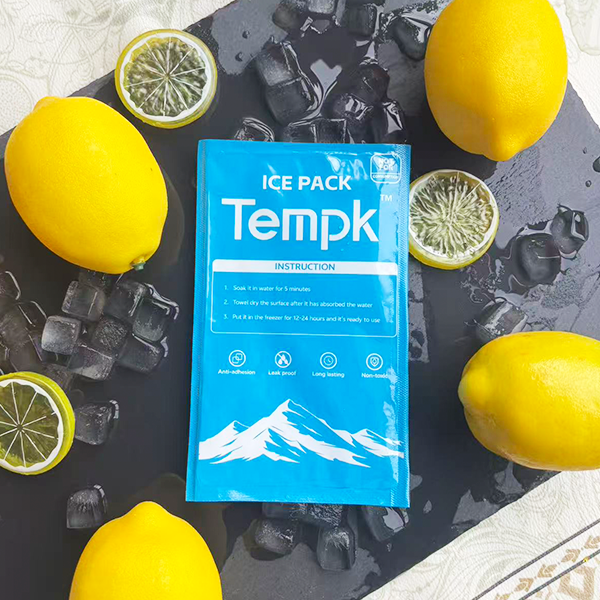
Tempk liefert passive Kühlkettenkomponenten, zu denen auch Hydrat gehört Kühlbleche, Gelpackungen, PCM-Optionen, und isolierte Versandprodukte. Für ein Großinsulinprojekt, Tempk kann Käufern dabei helfen, die Komponentenkonstruktion zu vergleichen, Konditionierung, Abmessungen, und Musterverfügbarkeit gegenüber einem Draft-Packout. Produktspezifische Anforderungen, Qualifizierungsprotokolle, Überwachungsstrategie, und die Arzneimitteldisposition liegen weiterhin in der Verantwortung der autorisierten Pharma- oder Gesundheitsqualitätsfunktion.
Stellen Sie Tempk Ihre kontrollierte Stückliste zur Verfügung, Nutzlastreichweite, beschrifteter Zustand, und Routenherausforderung, um Produktionsproben für eine Bewertung des Frostrisikos zu besprechen.