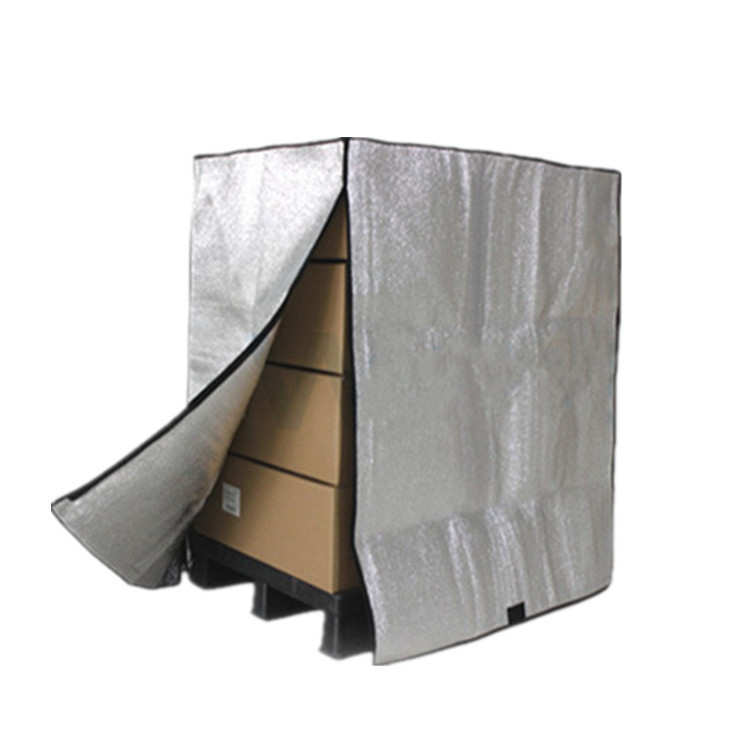
Ein praktischer Plan für eine große Isolierbox Temperaturkontrollierter Versand
Der sicherste Kauf einer temperaturgeführten Isolierbox für den Versand beginnt mit einer Kontrolleinweisung, kein Boxmuster. In diesem Briefing wird angegeben, was das Produkt benötigt, was die Route damit machen kann, welche Verpackung verwendet wird, Welche Beweise sind akzeptabel?, und wie Produktions- und Lagerteams die Konfiguration stabil halten. Dieser Ansatz vermeidet zwei teure Abkürzungen: Die Isolierung wird als automatische Temperaturregelung betrachtet und ein erfolgreicher Prototyp als Beweis für die Konstanz der Massenproduktion. Das Ergebnis ist ein Verpackungsprogramm, das der Einkauf beschaffen kann, Qualität kann verteidigen, und Bediener können wiederholen.
Verfassen Sie die Kurzbeschreibung für den temperaturgesteuerten Versand isolierter Großpackungen
Eine vage Anfrage führt zu vagen Vorschlägen. "Brauche eine Kühlbox für drei Tage" gibt keinen zulässigen Temperaturzustand an, Ausgangszustand, Nutzlast, Umgebungsherausforderung, oder Bestehenskriterium. Es fordert die Bieter auch dazu auf, unterschiedliche Annahmen zu treffen, Dadurch ist es unmöglich, Preise und angegebene Laufzeiten zu vergleichen.
Der Kontrollauftrag sollte mit dem Produktetikett beginnen, Stabilitätsinformationen, oder einer anderen genehmigten Produktanforderung. Notieren Sie akzeptable Bedingungen und bekannte Empfindlichkeiten, wie etwa eine Unverträglichkeit gegenüber dem Einfrieren oder die Notwendigkeit, eingefroren zu bleiben. Wo Ausflugsentscheidungen sowohl von der Zeit als auch von der Temperatur abhängen, Der Product Owner sollte festlegen, wie diese Entscheidungen getroffen werden. Ein Verpackungslieferant sollte keine Produktakzeptanzgrenzen erfinden.
Beschreiben Sie die Nutzlast, wie sie tatsächlich versendet wird. Berücksichtigen Sie die Abmessungen der Primär- und Sekundärverpackung, Masse, Ausgangszustand, Orientierung, minimale und maximale Belastungen, und ggf. erforderliche Trennung. Anschließend wird die Streckenuhr vom Beginn des Verpackens bis zum Zeitpunkt, an dem der Empfänger das Produkt in ein geeignetes Lager einlagern kann, abgebildet. Der geplante Transit ist nur ein Teil dieser Uhr. Abholfenster des Transportunternehmens, Hub wohnen, Zoll, Wochenenden, Zustellversuche, und die Auspackverzögerung kann die eigentliche Herausforderung bestimmen.
Umgebungsinformationen sollten mit der Fahrspur und der Jahreszeit verknüpft sein. Sofern historische Routendaten verfügbar sind, Verwenden Sie sie, um glaubwürdige Heiß- und Kaltexpositionen zu identifizieren. Wenn standardisierte Thermoprofile verwendet werden, Dokumentieren Sie, warum sie angemessen sind und ob zusätzliche streckenspezifische Tests erforderlich sind. Vermeiden Sie es, einen extremen Test auszuwählen, nur um die Zahl eindrucksvoll zu machen; Das Profil muss eine Entscheidung unterstützen.
Endlich, staatliche betriebliche Einschränkungen. Kann die Versandseite einfrieren?, kühlen, oder Kältemittel konsequent konditionieren? Wie viel Bühnenraum ist verfügbar?? Wer packt die Kiste?, und wie viel Komplexität kann die Linie aushalten? Sind Trockeneishandhabung und Gefahrgutprozesse verfügbar?? Gibt der Empfänger Vermögenswerte zurück?? Ein technisch taugliches Packout, das das Netzwerk nicht ausführen kann, ist keine praktikable Lösung.
Konzipieren Sie das Packout um Fehlermodi herum
Die Wärmeübertragung findet den schwachen Weg. Breite Wandpaneele eignen sich gut für Deckelverbindungen, Ecken, Durchdringungen, oder Montagelücken dominieren die fertige Box. Aus diesem Grund, Wählen Sie die Isolierung nach Berücksichtigung der gesamten Geometrie aus. Geformte Schaumstoffe können leichte Formen und Merkmale der Bauteilpositionierung bieten. Hartschaumplatten können andere Bauweisen unterstützen. Vakuumisolationspaneele können durch eine begrenzte Dicke einen starken Widerstand bieten, Ihre Kanten und Schutzhüllen erfordern jedoch eine sorgfältige Gestaltung. Faser- und reflektierende Elemente können in einigen Systemen nützlich sein, unterliegen Feuchtigkeit, Abstand, und Nachweis der fertigen Verpackung.
Das Kühlmittel ist gleichermaßen bedingt. Packungen auf Wasserbasis, starre Ziegelsteine, spezielle Phasenwechselmaterialien, und Trockeneis erfüllen unterschiedliche Anforderungen. Das Phasenverhalten, Ausgangszustand, Menge, Standort, und Produkttrennung beeinflussen heiße und kalte Zonen. Das Hinzufügen kälterer Komponenten kann das Gefrierrisiko in der Nähe von Kontaktflächen erhöhen. Das Hinzufügen weiterer Komponenten kann die Nutzlastkapazität verringern und die Konditionierung erschweren. Jede Änderung erfordert technisches Urteilsvermögen und nicht eine pauschale "mehr ist sicherer" Regel.
Entwerfen Sie gegen vorhersehbare Fehler:
- Eine Komponente wurde in der falschen Ausrichtung platziert.
- Eine Teilnutzlast entfernt sich von ihrem vorgesehenen Standort.
- Der Deckel scheint geschlossen zu sein, sitzt aber nicht richtig.
- Kältemittel werden zu früh aus der Konditionierung entfernt.
- An einer Packstation werden Sommer- und Winterteile gemischt.
- Eine beschädigte wiederverwendbare Platte wird wieder in Betrieb genommen.
- Eine veraltete Anweisung verbleibt neben der aktuellen.
Mechanische Verschlüsselung, einfache Ebenenreihenfolge, eindeutige Etiketten, Überprüfung der Komponentenanzahl, und eine sichtbare Verschlussbestätigung kann die Verpackung toleranter machen. Diese Funktionen bieten möglicherweise eine größere praktische Zuverlässigkeit als ein komplexes Design, dessen Erfolg von einem perfekten Speicher abhängt.
Ein typischer Großabnehmer hat möglicherweise eine kleine Nutzlast mit großem Volumen und eine seltenere große Nutzlast. Die Verwendung der großen Box für beides sieht einfacher aus, aber die kleine Ladung kann sich bewegen, Schaffen Sie variable Lufträume, und verbrauchen unnötig Kühlmittel und Frachtwürfel. Eine bessere Bewertung vergleicht ein dediziertes Kleinformat mit einem kontrollierten Einsatz für die größere Plattform. Die Auswahl sollte auf thermischen Beweisen basieren, Risiko von Verpackungsfehlern, Lagerbelastung, und Gesamtlieferkosten, nicht nur die Anzahl der Boxen.
Verwenden Sie eine Beweisleiter, bevor Sie Volumen freigeben
Die Beweise sollten konkreter werden, je näher die Entscheidung rückt. Materialeigenschaften helfen beim Screening von Konzepten. Bauteilzeichnungen und Toleranzen zeigen, ob die Konstruktion realisierbar ist. Entwicklungstests zeigen wahrscheinlich heiße und kalte Standorte. Qualifizierungstests prüfen die komplette Konfiguration. Packstations- und Vertriebspiloten decken Betriebsfehler auf. Die Produktionskontrolle und die regelmäßige Überprüfung zeigen, ob der genehmigte Zustand fortbesteht.
| Tor freigeben | Frage zur Beantwortung | Mindestens nützliche Beweise | Stoppbedingung |
|---|---|---|---|
| Konzept | Kann das Design plausibel zur Nutzlast und Route passen?? | Vorläufige Geometrie, materielle Begründung, Kühlmittelkonzept | Nutzlast oder Standortkonditionierung sind nicht kompatibel |
| Produktionsmuster | Ist die vorgeschlagene Einheit repräsentativ und wiederholbar?? | Kontrolliertes Zeichnen, Materialien, Toleranzen, Erstartikelprüfungen | Die Quelle oder Konstruktion des Beispiels kann nicht bestätigt werden |
| Thermische Überprüfung | Erfüllt das definierte Packout die angegebene Herausforderung?? | Genehmigtes Protokoll und Bericht mit Konfiguration, Sensoren, Profil, und Kriterien | Dem Anspruch fehlen Testbedingungen oder die erforderlichen Standorte sind fehlgeschlagen |
| Einsatzpilot | Kann normales Personal es ausführen und empfangen?? | Beobachtungen, Fehlerprotokoll, Überarbeitung der Anleitung, Ausnahmeübung | Kritische Schritte bleiben unklar oder unsicher |
| Massenfreigabe | Entspricht das erste Los dem genehmigten Zustand?? | Losidentität, vereinbarte Inspektionen, Status ändern, aufbewahrte Aufzeichnungen | Nicht genehmigte Änderung oder ungelöste Nichtkonformität |
Diese Leiter verhindert, dass ein Materialdatenblatt als Verpackungsnachweis verwendet wird, und verhindert, dass ein Kammertest als Produktionsaudit behandelt wird. Jedes Tor befasst sich mit einer anderen Unsicherheit. Ein Käufer kann die Formalität auf das Produktrisiko abstimmen, Aber das Überspringen der Frage beseitigt das Risiko nicht.
ISTA-Standard 20 kann eine Prozessstruktur für bereitstellen Isolierter Versandbehälter Qualifikation, und ISTA 7E bietet standardisierte Wärmeprofile für Herausforderungen bei der Paketzustellung. Zeitliche Leitlinien der WHO- und temperaturempfindliche pharmazeutische Produkte befasst sich mit der Qualifizierung von Versandbehältern, Routenprofilierung, und Transportüberwachung. Die Gute Vertriebspraxis der EU und das USP-Vertriebsrisikomaterial können ebenfalls in pharmazeutische Qualitätssysteme einfließen. Der anwendbare Ansatz hängt vom Produkt ab, Region, Route, und Unternehmensablauf; Die Benennung eines Standards macht eine Box nicht universell konform.
Ein nützlicher thermischer Bericht identifiziert die genaue Revision der Verpackung, Probenstatus, Nutzlast oder gerechtfertigtes Simulanz, Anfangsbedingungen, Umgebungsprofil, Dauer, Kühlmittelaufbereitung, Loggerstandorte und Kalibrierungsstatus, Akzeptanzkriterien, Ergebnisse, und Abweichungen. Wenn ein Lieferant die Bedingungen hinter einer Haltezeiterklärung nicht nachweisen kann, Wandeln Sie diese Aussage in einen offenen Verifizierungsposten und nicht in eine Kauffakten um.
Produktion sperren, Unterlagen, und Packstationen zusammen
Die Massenversorgung führt zu drei Abdriftquellen. Das Werk kann Materialien oder Prozesseinstellungen ändern, kontrollierte Dokumente können sich ändern, und Packstationen können die Methode formlos anpassen. Ein stabiles Programm verbindet alle drei.
Hilfreiche Entscheidungshilfen
Überprüfen Sie die Details, bevor Sie sich für die Verpackung entscheiden
Mit diesen schnellen Tools können Sie das Routenrisiko vergleichen, Größenanforderungen, Kühlmittelauswahl, und Verpackungsdetails, bevor Sie ein Angebot anfordern.
Trockeneisrechner
Schätzen Sie vor dem Verpacken den Bedarf an Trockeneis für gefrorene oder ultrakalte Sendungen.
Schätzen Sie TrockeneisEisbeutel-Rechner
Schätzen Sie die Menge an Gel-Eisbeuteln für gekühlte Sendungen und nutzen Sie die praktische Routenplanung.
Schätzen Sie EisbeutelKühlmittel & PCM-Referenz
Vergleichen Sie Kühlmittel- und PCM-Optionen, wenn eine Route zusätzliche Temperaturunterstützung benötigt.
Vergleichen Sie OptionenDie Kaufspezifikation sollte auf die genehmigte Zeichnung und Revision verweisen, kritische Dimensionen, Materialbeschreibungen, Verschlussfunktionen, Komponentenanzahl, Aussehen oder Schadensgrenzen, Beschriftung, Losidentifikation, und vereinbarte Aufzeichnungen. Es sollte auch eine Änderungsbenachrichtigung definieren. Änderungen an der Isolierung, Harz, Panel-Quelle, Film, Klebstoff, Kühlmittel, Werkzeuge, Produktionsstandort, oder Abmessungen können sich auf die Leistung auswirken und sollten vor der Implementierung je nach Risiko überprüft werden.
Die Konsistenz zwischen Probe und Produktion erfordert ein bewusstes Tor. Genehmigen Sie nach Möglichkeit Muster, die mit den vorgesehenen Werkzeugen und Materialien hergestellt wurden. Überprüfen Sie die erste Produktionscharge vor der uneingeschränkten Verwendung. Behalten Sie eine kontrollierte Referenz oder klare Inspektionskriterien bei, damit eingehende Teams wissen, was "entspricht der Zustimmung" bedeutet. Allein eine goldene Probe kann altern oder anders interpretiert werden, Kombinieren Sie es also mit Zeichnungen und messbaren Merkmalen.
Im Lager, Erteilen Sie eine Anweisung pro genehmigter Konfiguration. Fotos können die Ebenenreihenfolge zeigen, Kritische Werte und Akzeptanzschritte sollten jedoch in kontrolliertem Text bleiben. Kühlmittelaufbereitung definieren, ggf. maximale Transferzeit, Nutzlastreichweite, Komponentenfolge, Verschlusskontrolle, Etikettenplatzierung, Überwachen Sie Start und Position bei Verwendung, und endgültige Freigabe. Trainieren Sie sowohl auf Ausnahmen als auch auf den Normalfall: fehlende Komponente, beschädigte Box, falsche Nutzlast, Kühlmittel nicht verfügbar, verspäteter Spediteur, oder Monitor, der nicht startet.
Der Empfang von Anweisungen schließt den Kreis. Der Empfänger muss möglicherweise Schäden und Manipulationsmerkmale überprüfen, Suchen Sie den Monitor, Bringen Sie das Produkt in eine kontrollierte Lagerung, einen Alarm melden, Beweise aufbewahren, und wiederverwendbare Komponenten zurückgeben. Wenn niemand diese Stufen besitzt, Qualifikationsdaten schützen möglicherweise nicht die endgültige Übergabe.
Für ein wiederverwendbares System, Reinigungskompatibilität definieren, Trocknen, Inspektion, Reparaturbehörde, und Ruhestand. Eine Box ist nicht nur deshalb wiederverwendbar, weil sie eine weitere Reise übersteht. Es muss für die nächste definierte Verwendung geeignet sein. Verfolgen Sie Retouren je nach Anlage oder Charge, und untersuchen Sie wiederholte Verluste oder Schäden, bevor Sie die erwartete Lebensdauer in einem Kosten- oder Nachhaltigkeitsmodell erhöhen.
Verwalten Sie das Programm mit einer nützlichen Scorecard
Der Stückpreis ist eine schwache Programmmetrik. Messen Sie die Faktoren, die Kontrolle und Gesamtkosten offenbaren: Sendungen nach Konfiguration, Verpackungsabweichungen, Schaden, Temperaturalarme, fehlende Daten, verspätete Übergaben, Lieferung im ersten Versuch, Produktdispositionszeit, Kartonbestand, Kältemittelverfügbarkeit, Mehrweg-Rücklaufquote, Reinigungsverweigerung, Abfall nach Material, und Nichtkonformität des Lieferanten. Nicht jeder Vorgang benötigt jede Metrik. Wählen Sie diejenigen aus, die mit wichtigen Fehlermodi und Entscheidungen verbunden sind.
Trendergebnisse nach Fahrspur und Konfiguration, anstatt sie zu einem globalen Durchschnitt zusammenzufassen. Eine stabile Gesamtalarmrate kann eine schwierige Flughafenroute oder eine einzelne Packstation mit veralteten Anweisungen verbergen. Überprüfen Sie Beinaheunfälle, wie zum Beispiel ein Verschlussfehler, der vor dem Versand festgestellt wurde, weil sie Systemschwächen ohne Produktverlust aufdecken.
Die Gesamtkostenmodellierung sollte die Menge der verkaufbaren Nutzlast pro externem Würfel umfassen, Fracht, Eingangsspeicher, Energie und Ausrüstung zur Kühlmittelaufbereitung, Arbeit, Ausbildung, Überwachung, Entsorgung, Reverse-Logistik, Reinigung, reparieren, Verluste, Untersuchungen, und Produktrisiko. Verwenden Sie Bereiche, in denen die zukünftige Rückkehr oder Verzögerung ungewiss ist. Behaupten Sie nicht, dass ein wiederverwendbares System billiger oder umweltfreundlicher ist, bis der tatsächliche Kreislauf modelliert ist.
Nachhaltigkeit gehört auf die gleiche Scorecard. Der Lebenszyklus-Materialansatz der EPA unterstützt die Betrachtung der Materialnutzung von der Produktion über die Wiederverwendung bis zum Ende der Lebensdauer. Zum Verpacken, Schutzwirkung ist Teil dieser Sichtweise. Richtige Größe, trennbare Komponenten, glaubwürdige lokale Wiederherstellungsrouten, effiziente Renditen, und ein geringerer Schaden kann aussagekräftiger sein als ein umfassendes Umweltzeichen. Dokumentieren Sie die geografischen und betrieblichen Grenzen eines Anspruchs.
Governance muss nicht langsam werden. Bilden Sie eine kleine funktionsübergreifende Eigentümergruppe, eine genehmigte Konfigurationsliste, definierte Änderungsauslöser, und eine regelmäßige Ausnahmeprüfung. Eine Neubewertung kann erforderlich sein, wenn das Produkt, Nutzlast, Route, Träger, Pack-Site, Anbieter, Komponente, Monitor, oder Änderungen der Vorschriften. Die Tiefe der Prüfung sollte sich am Risiko orientieren.
Häufig gestellte Fragen
Was ist das erste Dokument, das für ein Großraum-Isolierkastenprojekt erstellt werden muss??
Erstellen Sie eine Kontrollbeschreibung, die die Produktbedingungen identifiziert, Nutzlastkonfigurationen, Routen- und Verzögerungsherausforderung, betriebliche Einschränkungen, erforderliche Nachweise, und erwartetes Auftragsmuster. Dadurch erhalten Lieferanten eine gemeinsame Grundlage für Vorschläge und internen Teams eine Aufzeichnung der Annahmen. Es kann später als Grundlage für die Kaufspezifikation und das Qualifizierungsprotokoll dienen.
Kann eine Qualifikation mehrere Kartongrößen oder Verpackungen abdecken??
Nur wenn eine dokumentierte, Ein technisch begründeter Ansatz unterstützt die Gruppierung. Änderungen in der Geometrie, Wandbereich, Kühlmittel, Nutzlast, und der Luftraum können das thermische Verhalten verändern. Eine Klammerungs- oder Matrixstrategie kann die Tests reduzieren, aber die gewählten Extreme und die Akzeptanzlogik sollten genehmigt werden. Gehen Sie nicht davon aus, dass das Passieren des größten Kästchens automatisch das kleinste überdeckt.
Wer sollte einen Haltezeitanspruch genehmigen??
Der Lieferant kann einen Prüfnachweis erbringen, Aber die entsprechende Qualität und technische Eigentümer des Käufers sollten entscheiden, ob die Konfiguration, Profil, Dauer, Nutzlast, und Kriterien stellen den Verwendungszweck dar. Marketingtexte sind keine Genehmigungsgrundlage. Der endgültige Anspruch sollte seine Bedingungen und Einschränkungen beibehalten, sodass er nicht für eine andere Spur oder ein anderes Produkt wiederverwendet wird.
Was sollte eine Requalifizierung auslösen??
Auslöser können Änderungen der Produktanforderungen sein, Nutzlast, Kastenabmessungen, Isolierung, Kühlmittel, Quelle, Werkzeuge, Montage, Pack-Site, Konditionierung, Route, Träger, Profil, Monitor, oder wiederholte Abweichungen. Nicht jede Änderung erfordert ein vollständiges Testprogramm. Eine dokumentierte Risikobewertung sollte bestimmen, ob eine Überprüfung erfolgt, gezielte Verifizierung, oder eine umfassendere Umqualifizierung ist angemessen.
Abschluss
Ein zuverlässiges, temperaturgesteuertes Versandprogramm für isolierte Boxen wird durch fünf miteinander verbundene Steuerungen aufgebaut: eine genaue Sendungsbeschreibung, ein Packout, das auf Fehlermodi ausgelegt ist, eine Beweisleiter, verschlossene Produktions- und Betriebsunterlagen, und eine Scorecard, die Drift aufdeckt. Diese Methode bewahrt die praktischen Vorteile des Großeinkaufs, ohne eine Kiste zu behandeln, Material, Logger, oder Testname als Garantie.
Bevor Sie endgültige Angebote anfordern, Bitten Sie jeden Bieter, die gleiche Kontrollaufgabe zu beantworten und jede Annahme zu benennen. Dieser einzige Schritt macht die technische Passform, Beweisqualität, nutzbare Nutzlast, betriebliche Belastung, und kommerzielle Bedingungen viel einfacher zu vergleichen.
Über Tempk
Tempk-Lieferungen Kühlkettenverpackung Formate und Komponenten, die Folgendes umfassen EPP-Isolierboxen, Kaltversandkartons, isolierte Liner, Thermobeutel, Palettenabdeckungen, Gelpackungen, Und Trockeneisbeutel. Wir können eine Käuferroute nutzen, Nutzlast, Abwicklungsprozess, und erforderliche Bedingungen, um zu diskutieren, welche Kategorien sinnvolle Kandidaten für die Bewertung sind. Wir betrachten die Komponentenliste nicht als Beweis für eine fertige Verpackung. Das ausgewählte System sollte durch produktionsrepräsentative Tests unterstützt werden, kontrollierte Anweisungen, und die der Sendung entsprechende Qualitätsprüfung.
CTA: Teilen Sie Ihren Kontrollauftrag mit Tempk, um Großverpackungskandidaten zu vergleichen und die Fragen zu definieren, die vor der Produktionsfreigabe geklärt werden sollten.