Ein Six-Gate-Plan für den Kauf von Süßigkeiten-Kühlpackungen
A Hersteller von Trockeneisbeuteln für die Süßwarenlogistik Bevor ein Käufer die Massenlieferung genehmigt, muss er eine Reihe von Beweispunkten durchlaufen. Der Prozess beginnt mit der Identifizierung dessen, was das Produkt tatsächlich enthält, Definiert dann die Süßigkeiten und die Spur, entwirft die komplette Verpackung, überprüft den Hersteller und den Verpackungsbetrieb, und gibt nur die getestete Konfiguration frei. Dies verhindert einen häufigen Beschaffungsfehler: Vergleich der Stückpreise bei gleichzeitiger Materialidentität, Sommerbelichtung, Lebensmitteltrennung, Konditionierungsarbeit, Dimensionsgewicht, und Akzeptanzkriterien bleiben undefiniert.
Beginnen Sie mit einer Stop-or-Release-Regel
Das Beschaffungsteam sollte sich darüber einig sein, dass ein vielversprechendes Muster kein freigegebenes Versandsystem ist. Jedes Tor braucht einen Besitzer, erforderliche Nachweise, Entscheidung, und dokumentierter Ausnahmeprozess.
| Tor | Entscheidung | Mindestbeweise | Stoppbedingung |
|---|---|---|---|
| 1. Identität | Verstehen wir die Kühlkomponente?? | Medium, Konstruktion, Masse, Abmessungen, Konditionierung, Sicherheits- und Transportstatus | „Trockeneisbeutel“ bleibt die einzige Materialbeschreibung |
| 2. Produktumschlag | Wissen wir, was die Süßigkeiten vertragen?? | Grenzen der Produktfamilie, Fehlermodi, Ausgangsbedingung, Anforderungen an Primärpakete | Eine universelle Bonbontemperatur ist einer Broschüre entnommen |
| 3. Spur und Wirtschaft | Ist die kommerzielle Route definiert? | Saisonales Profil, Dauer, Verzögerung, Service, Handhabung, Endabmessungen und Kostenmodell | In der Anfrage sind nur „zwei Tage“ und das Bonbongewicht angegeben |
| 4. Packout-Design | Gibt es ein reproduzierbares Gesamtsystem?? | Zeichnung, Stückliste, Kühlmittelplatzierung, Feuchtigkeitsbarriere, Schließung, Sensorplan | Die Kühlmittelanzahl wird ohne Position oder Zustand angegeben |
| 5. Qualifikation und Umfang | Stellt der Beweis Produktion und Vertrieb dar?? | Thermische und physikalische Tests, Piloten, Vollständiger Betriebsversuch, Lebensmitteltrennung | Es ist nur eine Demonstration im leeren Karton oder auf dem Tisch verfügbar |
| 6. Befreiung und Kontrolle | Können beide Parteien den genehmigten Zustand halten?? | Spezifikation, Akzeptanzplan, Rückverfolgbarkeit, Änderungsmitteilung, Kapazitäts- und Nichtkonformitätsprozess | Lieferantenänderungen können ohne Prüfung erfolgen |
Die Toraufzeichnung sollte einen bedingten Pass von einem vollständigen Pass unterscheiden. Zum Beispiel, Ein Prototyp kann einen sommerlichen Wärmetest bestehen, bleibt aber zustandsfähig, bis die Vibration und das Aufwärmen am Zielort bewertet sind. Die Beschaffung sollte dieses bedingte Ergebnis nicht in eine uneingeschränkte Einkaufsspezifikation umwandeln.
Weisen Sie funktionsübergreifende Eigentümer zu. Die Produktqualität definiert Süßigkeitengrenzen und untersucht die Blüte. Die Verpackungstechnik ist für das Systemdesign zuständig. Der Betrieb beweist die Konditionierung und die Ausführung in der Verpackungslinie. Aufsichts- oder Lebensmittelsicherheitspersonal überprüft die Hygieneverantwortung, Kontaktstatus, und Marktanforderungen. Die Logistik definiert tatsächliche Routen und Einschränkungen für Spediteure. Der Einkauf bewertet die Kapazität, Handelsbedingungen, und Änderungskontrolle. Der Hersteller stellt kontrollierte Komponenten und erklärte Annahmen zur Verfügung.
Tore 1 Und 2: Identifizieren Sie die Grenzwerte für Kühlmittel und Süßigkeiten
Tor 1: genaue Identität und beabsichtigte Funktion feststellen
Das Stichwort „Trockeneisbeutel“ kann auf zwei grundsätzlich unterschiedliche Kategorien hinweisen.
Echtes Trockeneis ist festes Kohlendioxid. Unter atmosphärischen Bedingungen geht es bei etwa −78 °C direkt vom festen in den gasförmigen Zustand über. Durch die Gasausdehnung muss die Verpackung entlüftet werden; Ein hermetisch verschlossenes Gehäuse ist unsicher. Arbeiter benötigen Kontrollen für Kältekontakt und Kohlendioxidansammlung. Materialien und Süßigkeiten in der Nähe des Trockeneises können örtlich extrem niedrige Temperaturen aufweisen. Die aktuellen Transport- und Transportvorschriften sind zu prüfen, insbesondere für den Flugdienst, wo das Programm möglicherweise eine UN1845-Identifikation benötigt, richtiger Versandname, Netto-Trockeneismasse, Paketmarkierungen, und betreiberspezifische Abnahme.
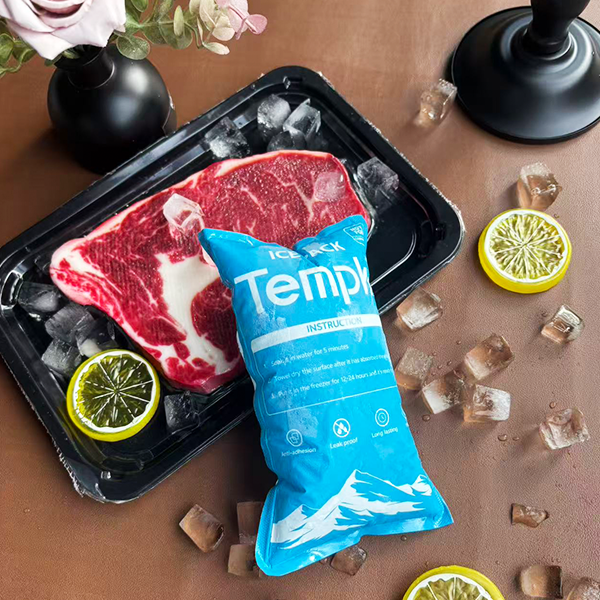
A Trockeneisbeutel mit Feuchtigkeit versorgen ist eine durch Wasser aktivierte Kaltfolie. Die Lieferung erfolgt trocken, absorbiert Wasser in die inneren Zellen, und wird vor der Verwendung eingefroren. Es enthält kein festes Kohlendioxid, nur weil „Trockeneis“ in seinem Handelsnamen vorkommt. Es übernimmt nicht allein die UN1845-Anforderungen für diesen Namen. Die operativen Risiken sind unterschiedlich: variable Aktivierung, unzureichende Entwässerung, Gefrierladung, lokaler Eistemperaturkontakt, Leckage, und Benetzung von Wellpappe- oder Geschenkverpackungen.
Andere Kandidaten sollen in der Entscheidung bleiben:
vorgefüllt Gelpackungen, Dadurch entfällt die Hydratationsarbeit, aber sie verbrauchen mehr Eingangs- und Gefrierraum;
starr Eisziegel, die eine feste Geometrie bieten, aber zusätzliche Druck- und Rückwärtslogistikanforderungen mit sich bringen können;
formulierte Phasenwechselpakete, Dies kann einen bonbonspezifischen Bereich puffern;
Nur-Isolierung-Packouts für kurze kontrollierte Bahnen;
logistische Veränderungen wie schnellerer Service, Einschränkungen am Versandtag, oder kontrollierte Aufnahme.
Fordern Sie den Hersteller auf, ein Identitätsblatt auszufüllen. Darin sollten der Produktname und der Code angegeben sein, tatsächliche mittlere Kategorie, Folien- oder Schalenbauweise, Kategorie „Absorbierend“ oder „Füllung“., Abmessungen und Toleranzen, trockene und verpackbare Masse, Siegel- oder Zellmuster, Lagerung, Aktivierungs- und Konditionierungsmethode, beabsichtigter Kontaktstatus, Losmarkierung, Fallzahl, und Ablehnungskriterien.
Für festes Kohlendioxid, Das Blatt wird zu einem Routen- und Sicherheitsdossier und nicht zu einer gewöhnlichen wiederverwendbaren Komponentenspezifikation. Lieferantenstandort definieren, Formular erhalten, erwarteter Handhabungsverlust, Speichermethode, Belüftung, Wiegen, Schutzausrüstung, Packzeit, Entlüftungsdesign, Markierungen, Dokumentation, Genehmigung des Spediteurs, und Notfallverfahren.
Am Ende des Tores 1, Jeder sollte antworten können, im Klartext, „Was absorbiert die Wärme?, welcher Phasenwechsel auftritt, Wie kalt kann die Schnittstelle werden?, und was muss der Verpacker vor dem Versand tun??„Wenn die Antwort von einem Handelsnamen abhängt, stoppen.
Tor 2: Genehmigen Sie den Umschlag mit Süßigkeiten und Feuchtigkeit
Erstellen Sie Produktfamilien nur dann, wenn ihre Risiken wirklich ähnlich sind. Eine Gruppierung nach Einzelhandelsabteilung oder Kartongröße reicht nicht aus.
Für jede Familie, Datensatzformulierungskategorie, Schokoladentyp, Beschichtung, Center, Einschlüsse, Primärverpackung, Einzelhandelskarton, Geometrie, Masse, Kopfspace, und Packungsausrichtung. Definieren Sie die genehmigten Startbedingungen und Grenzwerte für die Produkttemperatur, Feuchtigkeitseinwirkung, Druck, Vibration, und Genesung. Listen Sie beobachtbare Freisetzungskriterien auf.
Ein praktisches Mängelregister kann enthalten:
| Defekt | Fragen an den Product Owner | Logistiksteuerung zur Auswertung |
|---|---|---|
| Schmelzen oder Verformung | Welche Komponente wird zuerst weich?: Hülse, Center, Aufnahme, oder Kleber? | Hitzeeinwirkung, Ausgangszustand des Produkts, Isolierung, Service, Kühlmittelpufferung |
| Fettblüte | War temperamentstabil? Können Fette aus Nüssen oder Füllungen migrieren?? Worauf es beim Radfahren ankommt? | Reduzieren Sie qualifizierte Temperaturwechsel; Nach der Genesung überprüfen; Produktionsaufzeichnungen aufbewahren |
| Zuckerblüte | Kann die Primärverpackung Feuchtigkeit aufnehmen?? Wie wird das kalte Produkt am Bestimmungsort geöffnet?? | Feuchtigkeitsbarriere, Kühlmittelablauf, Taupunktabhängiges Aufwärmen, Empfängeranweisung |
| Klebrige oder feste Gummibärchen | Ist das Produkt hitzeempfindlich?, Luftfeuchtigkeit, kalt, oder Druck? | Produktspezifische Pufferung, Separator-Design, Regeln für gemischte Sortimente |
| Risse und Schrammen | Sind Schalen bei Kälte spröde?? Können Packungen oder Trennwände bewegt werden?? | Feste Kühlmitteltasche, Dämpfung, Verteilungstests, kontrollierter Kopfraum |
| Nasse oder verformte Geschenkbox | Kann Kondenswasser oder Leckage auf den Karton gelangen?? | Versiegelter Liner, physische Trennung, Ablaufstandard, Wiederherstellungsverfahren |
| Geruch oder Geschmack | Welche Filme, füllt, Ladungen, oder Reinigungschemikalien relevant sind? | Materialüberprüfung, versiegelte Primärverpackung, Fahrzeug- und Packplatzhygiene |
Chocolate Bloom verdient zwei Zeilen, da die Korrekturmaßnahmen unterschiedlich sind. Zuckerreif kann auftreten, wenn Wasser auf Schokolade kondensiert, löst Oberflächenzucker auf, und verdunstet dann. Fettreif ist mit dem Verhalten von Fettkristallen verbunden und kann mit dem Temperament zusammenhängen, Temperaturverlauf, oder Migration von Fetten aus einer Füllung oder einem Einschluss. Eine weiße Oberfläche ist keine vollständige Diagnose.
Nutzen Sie den Taupunkt als Betriebskonzept. Wenn ein kaltes Produkt oder eine kalte Verpackung unter dem Taupunkt der Umgebungsluft liegt, Wasser kann kondensieren. Das System benötigt möglicherweise eine intakte Primärhülle, versiegeltes Innenfutter, Feste Trennung vom Kühlmittel, Kontrolliertes Aufwärmen, während der Liner geschlossen bleibt, und Anweisungen zum Öffnen. Mehr Kühlmittel ist nicht automatisch sicherer; es kann den Temperaturunterschied erhöhen, der zur Kondensation führt.
Lebensmittelsicherheit und Handelsqualität sollten korrekt gekennzeichnet werden. In den Vereinigten Staaten, Für die abgedeckten Tätigkeiten gelten Hygiene- und Transportvorschriften, die sich auf geeignete Ausrüstung beziehen, Sanitärbetriebe, Aufzeichnungen, und bestimmte Schulungsaufgaben. Eine angemessene Temperaturkontrolle ist dort erforderlich, wo es auf die Sicherheit ankommt. Viele Spezifikationen zum Kühlen von Süßigkeiten dienen dem Schutz der Qualität und nicht der Einhaltung einer einheitlichen Lebensmittelsicherheitstemperatur. Abgefüllte oder speziell behandelte Produkte können unterschiedliche Bewertungen haben. Die zuständigen Regulierungs- und Qualitätsteams sollten die Abdeckung und Kontrollen festlegen.
Tor 2 besteht nur dann, wenn der Käufer über eine produktspezifische Hülle und Prüfmethode verfügt. Der Kühlakku-Hersteller kann dabei helfen, diese Grenzen zu erreichen, aber es sollte sie nicht erfinden.
Tor 3: Definieren Sie die Spur und die gesamte gelieferte Wirtschaftlichkeit
Verwandeln Sie die Route in einen Konstruktions- und Einkaufsauftrag:
Herkunft, Zielgruppe, und Serviceniveau;
Bestellschluss, Packzeit, abholen, und versprochene Lieferung;
tatsächliche Transitverteilung, nicht nur der nominelle Dienst;
Wochenenden, Feiertage, verpasste Verbindungen, und Reship-Regeln;
saisonale Herkunfts- und Zielbedingungen;
heißer Hub, Fahrzeug, Laderampe, Schließfach, oder Verandabelichtung;
äußere Kälteeinwirkung im Winter;
Orientierung, Tropfen, Vibration, Kompression, und Stapeln;
Empfängerverfügbarkeit und Aufwärmübungen;
Modus- und Trägerbeschränkungen für festes Kohlendioxid.
Ein anwendbares, anerkanntes Paket-Wärmeprofil kann eine konsistente Laborherausforderung darstellen. ISta 7e, Zum Beispiel, Bietet Wärme- und Kälteexpositionsprofile für Pakete Thermoverpackung. Das Team sollte dennoch das gewählte Profil anhand seiner Fahrspuren begründen und echte Sendungen durchführen. Ein Standardprofil ist eine Referenz, kein universelles Versprechen.
Erstellen Sie zumindest ein Basis-Sommerprofil, ein gerechtfertigtes Verzögerungsprofil, und gegebenenfalls eine Beurteilung des Winter- oder Kälteübergangs. Wenn das Unternehmen in ein weites geografisches Gebiet liefert, Segmentieren Sie Spuren in eine kleine Anzahl validierter Bänder. Legen Sie fest, wer das Band zuweist und was passiert, wenn die Bedingungen außerhalb dieses Bandes liegen.
Der Einkauf sollte die gesamten Lieferkosten an diesem Gate vergleichen, noch vor dem endgültigen Entwurf:
Materialien: Kühlmittel, Isolierung, Außenkarton, Feuchtigkeitsliner, Separatoren, Hohlraumfüllung, Band, Etiketten, Drucken, Werkzeuge, und Sensoren.
Vorbereitung: Hydratationswasser, Wehen einweichen und abtropfen lassen, Gefrierenergie, Gestelle, Inszenierung, Temperierung, Trockeneisverlust, Schutzausrüstung, Inspektion, und abgelehnte Einheiten.
Erfüllung: pflücken, Montage, Zeilenraum, Ausbildung, Zykluszeit, Packfehler, und saisonale Überstunden.
Fracht: tatsächliches Gewicht, Dimensionsgewicht, Serviceniveau, besondere Handhabung, übergroße Bedingungen, Trockeneisakzeptanz, und Zielzuschläge gemäß den aktuellen Tarifen.
Versagen: Produktverlust, Ersatz, Erstattung, zweite Güterbewegung, Kundendienst, Entsorgung, und Markenschädigung.
Erholung: Rücksendung, Reinigung, Trocknen, Inspektion, verlorenes Vermögen, Refreieren, und Stilllegung, wenn eine Wiederverwendung vorgesehen ist.
Das Dimensionsgewicht muss dem endgültigen Außenkarton und den aktuellen Regeln des Spediteurs für den ausgewählten Service entsprechen. Frieren Sie einen historischen Divisor nicht in einem mehrjährigen Geschäftsfall ein. Eine dicke Auskleidung kann den Kühlmittelbedarf verringern, aber das in Rechnung gestellte Volumen erhöhen. Ein schnellerer Service unterstützt möglicherweise einen kleineren Karton. Eine kostengünstige Kühlpackung erfordert möglicherweise mehr Gefrierarbeit. Tor 3 sollten diese Wechselwirkungen beibehalten, anstatt Komponenten nur nach dem Stückpreis zu bewerten.
Nachhaltigkeit nutzt die gleiche Systemgrenze. Vergleichen Sie eine erfolgreiche Lieferung akzeptabler Süßigkeiten. Verpackung einschließen, Aktivierung, kalte Energie, ausgehendes Volumen, Schaden, Ersatz, Reverse-Logistik, und tatsächliche End-of-Life-Optionen. Eine trockene Trinkdecke kann Platz sparen; Eine Gelpackung kann Aktivierungsfehler reduzieren; Ein Ziegelstein kann in einem geschlossenen Rücklaufkreislauf arbeiten. Keiner verdient einen universellen Umweltanspruch ohne Beweise und eine festgelegte Grenze.
Tor 4: Entwerfen Sie eine reproduzierbare Verpackung
Eine vollständige Packout-Spezifikation benennt jede Schicht und Position. Es sollte enthalten:
Umkartoncode und Verschluss;
Isolationsmaterial, Dicke, Gelenke, und Deckel passen;
Innere Feuchtigkeitsauskleidung und Versiegelungsmethode;
Kühlmittelcode, Menge, Zustand, Orientierung, und Tasche;
physische Trenner und Mindestabstand zu Süßigkeiten;
Süßigkeitenfamilie, Retail-Case-Muster, und Ausgangsbedingung;
Hilfreiche Entscheidungshilfen
Überprüfen Sie die Details, bevor Sie sich für die Verpackung entscheiden
Mit diesen schnellen Tools können Sie das Routenrisiko vergleichen, Größenanforderungen, Kühlmittelauswahl, und Verpackungsdetails, bevor Sie ein Angebot anfordern.
Routenrisiko-Checker
Überprüfen Sie die Fahrspurbedingungen, bevor Sie die Verpackung entsprechend den tatsächlichen Betriebsanforderungen auswählen.
Streckenrisiko prüfenBoxliner & Dimensionierung der Palettenabdeckung
Überprüfen Sie die Größenlogik für Kartoneinlagen und Palettenabdeckungen für isolierte Verpackungsprojekte.
Schätzen Sie die GrößeVerpackungsauswahl
Vergleichen Sie isolierte Verpackungsoptionen nach Produkt, Route, und Temperaturbedarf.
Verpackung findenHohlraumfüllung, Trenner, und Bewegungskontrolle;
Etiketten, Markierungen, Sensorpositionen, und Bruttoabmessungen.
Prototyp für mehr als eine Architektur. Nur Top vergleichen, Seite, oder verteilte Packungsplatzierung, sofern relevant. Dazu gehören Versionen mit gepuffertem Kontakt und ohne direkten Kontakt. Ein Kühlmittel, dessen Leistung weit über einer dichten Schokoladenladung liegt, kann eine Kältezone erzeugen, wenn es um ein leichtes Geschenksortiment gewickelt wird. Design unter Berücksichtigung von Wärmeeintritt und Produktrisiko, keine Symmetrie.
Feuchtigkeitssperren bedürfen einer eigenen Prüfung. Überprüfen Sie die Dichtungen der Primärwicklung, Sekundärliner-Verschluss, Kälteflexibilität, Punktion, Geruch, Tintenübertragung, und Wasserdampfschutz. Bewahren Sie wasserbasierte Packungen außerhalb der Hauptlebensmittelverpackung und in einem festen Fach auf. Testen Sie vorhersehbare Leckagen und Packungsbewegungen. „Ungiftige“ Füllungen sind für den unkontrollierten direkten Lebensmittelkontakt nicht zulässig.
Angaben zum Lebensmittelkontakt sollten das genaue Material und den Verwendungszweck angeben. Zu den Verpackungsmitteln können Folien gehören, Beschichtungen, Klebstoffe, Farbstoffe, und andere Komponenten. Wenn ein Kühlmittel oder Abscheider direkt oder zufällig mit Candy in Kontakt kommen könnte, Der Käufer benötigt für diesen Kontakttyp relevante Unterlagen, Essen, Temperatur, Dauer, und Markt. Die sicherste Standardlösung ist eine intakte Primärverpackung der Lebensmittel und eine eingehaltene Trennung.
Konditionierung ist Teil der Architektur. Für Hydratblätter, Definieren Sie die Wasserqualität entsprechend, Aktivierungsmethode, akzeptable Fertigmasse oder Füllung, Ablaufzeit, Rack-Muster, Beladung des Gefrierschranks, Phasenzustandsprüfung, Temperieren erlaubt, Inszenierungszeit, und Ablehnung. Für Gel- und Phasenwechselpackungen, Definieren Sie die Gefrieranordnung, Endpunkt, Oberflächenzustand, Radfahren oder Altersgrenzen, sofern unterstützt, und Inszenierung. Für festes Kohlendioxid, Definieren Sie das empfangene Formular, verpackte Nettomasse, Verlustentschädigung, Platzierung, Gasentlüftung, und Packlinienkontrollen.
Die visuelle Anleitung sollte den endgültigen Ablauf und häufige Fehler zeigen. Barrieren können nicht optional sein, und Verpacker sollten nicht improvisieren, wenn eine Produktkiste kürzer wird oder sich das Sortiment ändert. Das Auftragsverwaltungs- oder Lagersystem sollte jeder qualifizierten Bonbon- und Warengruppengruppe einen genauen Verpackungscode zuordnen.
Tor 5: Qualifizieren Sie das System und beweisen Sie die Skalierbarkeit
Die Qualifikation sollte drei verschiedene Fragen beantworten: Entspricht die Komponente ihrer Spezifikation?? Schützt die Verpackung die Süßigkeiten?? Kann es im normalen Betrieb reproduziert werden??
Beginnen Sie mit der Identitätsprüfung eingehender Komponenten, Abmessungen, Masse, Siegel, Leckage, Geruch, Aktivierung, Antwort einfrieren, drucken, Loscode, und Kartonanzahl. Dann instrumentieren Sie den kompletten Packout. Platzieren Sie kalibrierte Sensoren an wahrscheinlich warmen Orten, das Nutzlastzentrum, und kalte Schnittstellen in der Nähe des Kühlmittels. Dokumentengenauigkeit, Intervall, Anhang, und jedes Produktsimulans.
Verwenden Sie zum Screening echte Süßigkeiten oder ein entsprechendes Äquivalent, gefolgt von einem repräsentativen verkaufsfähigen Produkt zur Freigabe. Eine leere Box reproduziert nicht die Wärmekapazität der Nutzlast, Luftstrom, Geometrie, Paketdruck, oder Feuchtigkeitsverhalten.
Die thermische Belastung sollte das Spurprofil und die Verzögerung umfassen. Bei physischen Tests sollten Gefahren bei der Verteilung durch Stürze berücksichtigt werden, Vibration, Kompression, und Inversion kann Kühlmittel bewegen, eine Packung durchstechen, Öffnen Sie eine Isolierfuge, oder Bonbons abreiben. Überprüfen:
Produkttemperaturen im Vergleich zur zugelassenen Umgebung;
geschmolzen, deformiert, geknackt, abgewetzt, klebrig, oder Versatzstücke;
Schalen- und Mittelzustand für gefüllte Süßigkeiten;
Zucker- und Fettblüteindikatoren nach der Genesung;
Primärsiegel und Integrität des Einzelhandelskartons;
Benetzung, Kondensation, Leckage, und Geruch;
Trennposition, Isolierverbindungen, und äußerer Verschluss.
Führen Sie dann die instrumentierten Spurpiloten durch den vorgesehenen Dienst. Beziehen Sie herausfordernde Ziele und realistische Empfänger ein. Ein Paket, das bei sofortiger Abholung durchgeht, kann nach einem Aufenthalt auf der Veranda scheitern. Eine kalte Ankunft kann akzeptabel erscheinen, bevor sich Kondenswasser bildet. Verwenden Sie eine definierte Aufwärmphase und eine verzögerte Inspektion.
Für Hydrate und gefrorene Komponenten ist eine Waagenprüfung obligatorisch. Beladen Sie den Gefrierschrank so, wie er während der Spitzenproduktion beladen wird. Mittel- und Randgestelle prüfen. Zeitverschwendung, abtropfen lassen, Einfrieren, Inszenierung, pflücken, und packen. Wasser auf dem Boden messen, nass gewellt, Reichweite des Betreibers, Fehler, und Durchsatz. Bestätigen Sie, dass Zeitarbeitskräfte die Arbeitsanweisungen befolgen können.
Die Herstellerfähigkeit ist Teil von Gate 5. Überprüfen Sie den Prognoseprozess, Muster- und Produktionsvorlaufzeiten, Normal- und Spitzenkapazität, Rohstoffkontrollen, Chargenrückverfolgbarkeit, Inspektion, Reaktion auf Nichtkonformität, Geschäftskontinuität, Lagerung, Verpackungsanzahl, und Palettenkonfiguration. Behandeln Sie die Mindestbestellmenge und die kundenspezifische Anpassung als lieferantenspezifische kommerzielle Fakten, die es zu bestätigen gilt, keine allgemeinen Ansprüche.
Hypothetische Veröffentlichung gefüllter Schokolade
Ein Süßwarenunternehmen möchte dunkle Schokoladenschalen mit einer weichen Nussfüllung auf einer Zweierkette verschicken- bis zur dreitägigen Sommer-Paketspur. Der derzeitige große Versender verwendet Gelpacks an zwei Vorderseiten der Einzelhandelsverpackung. Zu den Beanstandungen zählen Kantenrisse, helle Oberflächen, und hohe Frachtkosten.
Tor 1 bestätigt, dass ein vorgeschlagener „Trockeneissee„ist eine wasseraktivierte Hydratpackung, kein Kohlendioxid. Als Vergleichskandidaten behält das Unternehmen ein Phasenwechselpaket und das aktuelle Gel.
Tor 2 trennt Schalenrisse, Zuckerblüte, und Fettblüte. Die Qualität bestätigt, dass die Füllung zur Fettmigration beitragen kann und definiert produktspezifische Grenzwerte. Verpackung findet das Kaltpackungen manchmal gegen die Geschenkbox drücken. Eingangstests zeigen Kondensation, wenn der Innenbeutel in feuchter Luft sofort geöffnet wird.
Tor 3 Kartiert eine starke Sommerspur und eine Verspätung von einem Tag. Die Finanzabteilung stellt fest, dass die Abrechnung aktueller Kartons oft nach Volumengewicht erfolgt. Ein schnellerer Service in ausgewählten Zonen wird in Frage kommen, da dadurch möglicherweise eine geringere Auslastung möglich ist.
Tor 4 schafft drei Systeme mit festen Kühlmittelkanälen, Trockenabscheider, ein versiegeltes Innenfutter, und kein direkter Kontakt zwischen Verpackung und Einzelhandelskarton. Die Verpackungszeichnung legt die Produktausrichtung und die Sensorpositionen fest.
Tor 5 testet die Hitzeeinwirkung, Verzögerung, Vibration, fallen, und Aufwärmen. Ein Design ist thermisch akzeptabel, macht die Schale jedoch an einer seitlichen Position spröde. Ein anderer verwendet einen kleineren Karton und eine gepufferte Phasenwechselpackung; Es erfüllt die definierten Bedingungen und senkt das abgerechnete Volumen auf modellierten Routen. Eine Hydratversion ist ebenfalls erfolgreich, benötigt jedoch mehr Abfluss- und Gefrierkapazität, als die Einrichtung während der Aktion bereitstellen kann.
Das Team wählt die kleinere Phasenwechselkonfiguration für den Start und behält das Hydrat-Design als mögliche zukünftige Spuroption nach Betriebsinvestitionen bei. Die Entscheidung basiert auf dem Zustand der Süßigkeiten, Skala, und Lieferkosten – keine Behauptung, dass ein Kühlmittel immer überlegen ist.
Tor 6: freigeben, Monitor, und Kontrollwechsel
Das Release-Paket sollte enthalten:
genehmigter Hersteller- und Komponentencode;
kontrollierte Spezifikation und Referenzmuster, wo sinnvoll;
Verpackungszeichnung und Stückliste;
Candy- und Lane-Anwendbarkeitsmatrix;
Konditionierungs- und Verpackungsanleitung;
Qualifikations- und Pilotberichte;
Produkt- und Verpackungsakzeptanzkriterien;
Eingangs- und Inprozesskontrollplan;
Regeln zur Rückverfolgbarkeit von Chargen und zur Aufbewahrung von Aufzeichnungen;
Nichtkonformität, Beschwerde, und Korrekturmaßnahmenprozess;
Änderungsmitteilungsvereinbarung des Herstellers;
Entscheidungsbaum für die Requalifizierung;
Kapazität und genehmigter Ersatzplan.
Definieren Sie kritische Änderungen weit genug, um Systembeweise zu schützen: füllend oder saugfähig, Filmharz oder Lehre, Hülse, Tinte, Klebstoff, Siegelmuster, Abmessungen, Masse, Ausrüstung, Prozessparameter, Rohstoffquelle, Produktionsstandort, Isolierung, Barriere, Karton, Bonbonformulierung, Primärpaket, Service, oder Route. Nicht jede Änderung erfordert einen vollständigen Test, Aber jede kritische Änderung erfordert eine dokumentierte Bewertung.
Überwachen Sie betriebliche Frühindikatoren wie die verpackungsbereite Masse, Gefrierendpunkt, Inszenierungszeit, Fehler bei der Packungsplatzierung, nasse Kartons, und Komponentenleckage. Verfolgen Sie Ergebnisindikatoren nach Produkt, Fahrbahn, und Packout-Code: Schmelzen oder Verformung, Riss, Abrieb, Klebrigkeit, Blütenklassifizierung, Kondensation, Lieferzeit, Ersatz, tatsächliches und dimensionales Gewicht, und Kosten.
Gehen Sie mit Beschwerdefotos vorsichtig um. Eine blasse Schokoladenoberfläche allein kann Zuckerreif nicht von Fettreif unterscheiden. Los abrufen, Temperament, Formulierung, Logger, Route, Luftfeuchtigkeit, und Beweise entgegennehmen. Korrigieren Sie den Mechanismus, anstatt einfach eine weitere Tiefkühlpackung hinzuzufügen.
Definieren Sie eine saisonale Überprüfung vor den heißesten und kältesten Versandzeiten. Bestätigen Sie die Regeln des Mobilfunkanbieters, Tariflogik, Packmaterialien, Herstellerkapazität, Gefrier- oder Hydratationsdurchsatz, Arbeitsanweisungen, Sensoren, zugelassene Alternativen, und Kundenberatung. Die Anforderungen an festes Kohlendioxid sollten erneut anhand der aktuellen Modus- und Trägerakzeptanz überprüft werden.
Die endgültige Freigabeerklärung sollte eng gefasst sein: Die genannte Verpackung schützt die genannte Bonbonfamilie unter den geprüften Bedingungen und Akzeptanzkriterien. Es sollte keine universelle Dauer versprochen werden, Menge, oder Temperatur für alle Süßigkeitensendungen.
Häufig gestellte Fragen
Was ist das erste Dokument, das von einem Hersteller angefordert werden muss??
Fordern Sie eine kontrollierte Produktspezifikation an, die das tatsächliche Medium und die Konstruktion angibt, Abmessungen, fertige Masse, Konditionierung, beabsichtigter Kontaktstatus, Losmarkierung, Lagerung, und Akzeptanzkriterien. Dann fordern Sie für Ihre Bewerbung relevante Systemnachweise an, nicht nur ein Komponentenanspruch.
Kann eine Hydrat-Kälteplatte festes Trockeneis eins zu eins ersetzen??
NEIN. Wassereis und festes Kohlendioxid haben ein unterschiedliches Phasenverhalten, Grenzflächentemperaturen, Gasproduktion, Massenveränderung, Sicherheitskontrollen, und Transportstatus. Entwerfen und qualifizieren Sie die gesamte Verpackung neu.
Was sollte einen Großeinkauf verhindern??
Hören Sie auf, wenn die materielle Identität vage ist, Süßigkeitenlimits fehlen, Die Leistung basiert auf einer leeren Box, Kühlmittel berührt unkontrolliert die Einzelhandelsverpackung, Eine Produktionskonditionierung wurde nicht nachgewiesen, Kritische Änderungen bedürfen keiner Ankündigung, oder die Kosten ignorieren die endgültigen Frachtabmessungen.
Wie können Käufer verhindern, dass Zucker nach der Lieferung ausblüht??
Verwenden Sie wirksame primäre und sekundäre Feuchtigkeitsbarrieren, Isolieren Sie nasse oder gefrorene Bestandteile, Vermeiden Sie unnötig kalte Produktoberflächen, und validieren Sie ein Aufwärmverfahren mit geschlossenem Liner für die Zielfeuchtigkeit. Untersuchen Sie die tatsächliche Blüte, anstatt jede blasse Oberfläche gleich zu behandeln.
Beseitigt eine Erklärung zum Lebensmittelkontakt die Notwendigkeit einer Trennung??
NEIN. Die Dokumentation muss zum Material und zur vorgesehenen Kontaktbeschaffenheit passen. Die physikalische Trennung schützt auch vor Flüssigkeit, Druck, Geruch, und Paketschäden. Ein intaktes Primärpaket und eine feste Kühlmitteltasche bleiben weiterhin sinnvolle Kontrollen.
Wann ist eine Umqualifizierung erforderlich??
Nutzen Sie eine dokumentierte Risikobewertung. Wechsel des thermischen Mediums, Masse, Abmessungen, Film, Siegel, Konditionierung, Isolierung, Kasten, Barriere, Süßigkeiten, Primärpaket, Fahrbahn, Service, oder Einrichtung kann die Leistung beeinträchtigen. Signifikante Änderungen erfordern in der Regel Tests, die im Verhältnis zu ihren Auswirkungen stehen.
Über Tempk
Tempk liefert wasseraktivierte Hydrat-Kältebleche, Gelpackungen, Eisziegel, Isolierte Kisten, und zugehörige Verpackungskomponenten zur Temperaturkontrolle. Die Hydratpackung von Tempk absorbiert Wasser und wird vor der Verwendung eingefroren; es ist kein festes Kohlendioxid. Käufer können Produktlimits mitbringen, Spurdaten, Verpackungsmaße, Betriebskapazität, und Volumenprognosen, um geeignete Probenformate und Qualifikationseingaben zu besprechen.
Das Beschaffungsziel ist ein kontrolliertes System, das die Süßigkeiten schützt, bleibt trocken und hygienisch, kann mit Spitzenvolumen gebaut werden, und hat vertretbare ökonomische Erkenntnisse geliefert. Der Sechs-Gate-Datensatz macht dieses Ziel von der Stichprobe bis zur Änderungskontrolle überprüfbar.
CTA: Senden Sie Tempk Ihre Candy-Family-Matrix, Primärverpackung, Spur- und Verzögerungsprofil, Kartonzeichnung, Qualitätsgrenzen, Kapazität der Packlinie, Vorhersage, und aktuelle Schadensdaten, um eine geschlossene Kühlpackungsbewertung zu beginnen.