Hersteller von Trockeneisbeuteln für biologische Verpackungen: Genehmigungstore
A Hersteller von Trockeneisbeuteln für biologische Verpackungen ist erst dann zum Kauf bereit, wenn sechs Genehmigungstore geschlossen sind. Die Tore beginnen mit der Produktkennzeichnung und -stabilität, keine Kühlmittelprobe. Sie unterscheiden festes Kohlendioxid von einer durch Wasser aktivierten Hydratationsschicht, Verbinden Sie die Komponente mit einem vollständig isolierten Versandsystem, Überprüfen Sie die Gefahrgut- und Eindämmungspflichten, Qualifizieren Sie minimale und maximale Nutzlasten unter Warm- und Kaltprofilen, und Kontrolle von Produktionsänderungen. Das letzte Tor beweist, dass die Betreiber packen können, Monitor, erhalten, und Ausflüge regelmäßig untersuchen. Dieser Ansatz verhindert, dass der kommerzielle Maßstab der wissenschaftlichen und qualitativ hochwertigen Evidenz voraus ist.
Tor 1: Stellen Sie die Produktwahrheit fest
Erstellen Sie ein kontrolliertes Produktprofil, bevor Sie Hersteller kontaktieren.
Die FDA definiert Biologika weit gefasst, einschließlich Impfstoffe, Blutprodukte, rekombinante Proteine, Zellen, Gewebe, und Gentherapien. Diese Liste erklärt, warum eine Kühlkettenvorlage nicht die gesamte Klasse darstellen kann. Das genehmigte Etikett oder die Genehmigung, Stabilitätsprogramm, klinisches Protokoll, sofern relevant, und Qualitätsverfahren ermitteln die tatsächlichen Lager- und Transportanforderungen.
Das Profil sollte den erforderlichen Zustand angeben, unterstützte Transportexposition, Ausflugsbasis, Gefrierempfindlichkeit, Frost-Tau-Grenze, Feuchtigkeits- oder Lichtschutz, Orientierung, Agitationsbeschränkungen, Primärcontainer, Sekundärmontage, und Verfügungsgewalt. Verwenden Sie die genaue Produktsprache. Wenn eine vorgeschlagene Versandbedingung nicht unterstützt wird, Leiten Sie die Lücke an Produktstabilitäts- und Regulierungsexperten weiter, anstatt einen Verpackungslieferanten mit der Entscheidung zu beauftragen.
Definieren Sie die Nutzlast als Klammer, keine Nominalzahl. Berücksichtigen Sie Mindest- und Höchsteinheiten, Masse, Abmessungen, Präsentation, Dunnage, und erlaubte eine Void-Strategie. Geben Sie den Versandzustand und den Empfangszustand an. Eine Mindestlast kann der schlimmste Fall auf der kalten Seite sein; Eine maximale Belastung kann zu warmen Bereichen führen oder den Kühlmittelraum verringern.
Vervollständigen Sie das Profil mit Routenfakten: Herkunft, Ziel, Übergaben, Modi, geplante Dauer, Verspätungszulage, Jahreszeiten, Zoll, Nachschub, und Empfangsstunden. Notieren Sie, ob es sich beim Inhalt um ein fertiges Biologikum handelt, ein Zwischenprodukt, ein nichtinfektiöses Material, oder ein Exemplar, das als Gefahrgut eingestuft werden muss.
Tor 1 wird geschlossen, wenn Produkt- und Routeneigentümer eine testbare Benutzeranforderung genehmigen.
Tor 2: Definieren Sie die Systemarchitektur
Identifizieren Sie jede Funktion und weisen Sie sie einer Komponente zu.
Das primäre Behälterverschlusssystem hält und schützt das Biologikum. Ein sekundäres Paket sorgt für zusätzliche Eindämmung, Orientierung, oder physischer Schutz. Kühlmittel oder Kältemittel sorgt für Wärmekapazität. Die Isolierung kontrolliert den Wärmefluss. Eine strukturelle Außenseite schützt die Baugruppe und trägt Markierungen. Stützen und Trennelemente verhindern Bewegungen und direkten Kältekontakt. Ein Temperaturmonitor zeichnet die Bedingungen auf. Das qualifizierte Versandsystem ist der vollständig kontrollierte Konfigurations- und Betriebsprozess.
Der Begriff „Trockeneisbeutel“ muss an diesem Tor geklärt werden.
Festes Trockeneis ist Kohlendioxid, solide. Es untermauert, schafft eine extrem kalte Umgebung, kann Hundeführer verletzen, und erfordert einen Gasfreisetzungspfad. Es kann die Stabilität eines gefrorenen Biologikums unterstützen, Materialien, Qualifikation, und Transport ermöglichen.
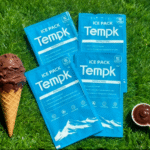
A Trockeneisbeutel mit Feuchtigkeit versorgen ist ein Produktbegriff des Lieferanten für eine wasseraktivierte Folie. Die offizielle Anweisung von Tempk weist darauf hin, dass es sich bei der Platte nicht um Trockeneis handelt, leitet die Hydratation, und fordert das Einfrieren vor der Verwendung. Es wird daher als gefrorenes wässriges Kühlmittel eingestuft. Es produziert kein Kohlendioxidgas und erbt auch keine UN 1845 Status.
Gelpackungen und speziell formulierte PCM-Packungen haben ihr eigenes Konditionierungs- und Phasenverhalten. Ein PCM kann dabei helfen, ein Temperaturprofil zu gestalten, Aber ohne die Isolierung schafft kein Rucksack eine kontrollierte Reichweite, Nutzlast, Platzierung, und Beweise.
Genehmigungsnachweis nach Komponente
| Systemelement | Zulassungsnachweis | Stoppbedingung |
|---|---|---|
| Biologisches und Primärpaket | Kennzeichnungs- und Stabilitätsanforderungen, Behälterverschluss und Materialverträglichkeit | Ungelöster Speicher, Einfrieren, Ausflug, oder Schließungspflicht |
| Kühlmittel oder Kältemittel | Identität, Formulierung oder Materialbezug, Konditionierung, Abmessungen, Loskontrolle, Sicherheitsinformationen | Unklare „Trockeneis-Pack“-Identität oder nicht unterstützte universelle Leistungsaussage |
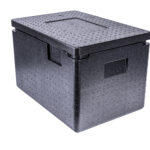
| Isolierung und Außenmaterial | Kontrolliertes Zeichnen, Materialien, Abmessungen, Schließung, körperliche Leistungsfähigkeit, Entlüftungsdesign, wo nötig | Unbekannte Konstruktion, blockierter Gasweg, oder unzureichende strukturelle Beweise |
| Nutzlasthalterung | Minimale und maximale Konfigurationen, Ausgangszustand, Separatoren, Leerekontrolle | Nur Nennlast getestet oder unkontrollierter Produktkontakt |
| Thermischer Beweis | Begründete Heiß- und Kaltprofile, zugeordnete Sensoren, Rohdaten, Kriterien, Staatsinstrument | Der Daueranspruch weist keine Nutzlast auf, Profil, oder Kontext übergeben |
| Monitor | Beabsichtigte Entscheidung, kartierte Position, Reichweite, Genauigkeitsbeweis, Intervall, Kalibrierungsstatus, Daten-Workflow | Gerät ohne Platzierungs- oder Dispositionsprozess ausgewählt |
| Operationen | Packout SOP, Konditionierungskapazität, Ausbildung, Inszenierung, Empfang, Antwort auf beschädigtes Paket | Laborkonfiguration kann nicht reproduziert werden |
| Herstellerkontrolle | Zugelassene Spezifikation, Produktionsmuster, Chargenrückverfolgbarkeit, Inspektion, Änderungsmitteilung | Verkaufsmuster können nicht mit der Routineproduktion verknüpft werden |
Während der Entwicklung kann eine Evidenzlücke offen bleiben, Es kann jedoch nicht hinter einem Zertifikatstitel oder einem Marketingadjektiv verborgen werden. Weisen Sie jeder Lücke einen Eigentümer und ein Akzeptanzkriterium zu.
Tor 3: Sicherheit lösen, Einstufung, und Verkehr
Inhalt und Kältemittel getrennt klassifizieren.
Festes Trockeneis ist UN 1845, Klasse 9 für den relevanten Luftverkehr. Die Anforderungen der Vereinigten Staaten für Flugzeug- und Schiffsbewegungen erfordern eine Verpackung, die Kohlendioxidgas freisetzt und einen Druckbruch verhindert. Zu den Lufttransportbestimmungen gehören Betreibervereinbarungen, Nettomassemarkierung, und spezifizierte Informationen. Der 2026 Die IATA-Trockeneis-Checkliste fügt in der aktuellen Ausgabe eine Betriebsabnahmeprüfung hinzu, und Fluggesellschaften können Abweichungen vorschreiben.
Auch Lager und Packstationen brauchen Kontrollen. In engen oder schlecht belüfteten Räumen kann sich Kohlendioxid ansammeln, und kalter Kontakt kann zu Verletzungen führen. Nutzen Sie eine standortspezifische Lüftungs- und Arbeitssicherheitsbeurteilung, geeignete Schutzausrüstung und Werkzeuge, sichere Lagerung, und geschulte Verfahren. Verschließen Sie niemals festes Trockeneis in einem luftdichten Volumen.
Als nächstes klassifizieren Sie die biologischen Inhaltsstoffe. Ein fertiges therapeutisches Biologikum ist nicht automatisch eine infektiöse Substanz. Wenn eine Probe der Definition einer biologischen Substanz entspricht, Kategorie b, dann UNO 3373 Es gelten die jeweiligen Anforderungen.
Die Vorschriften der Kategorie B in den Vereinigten Staaten erfordern eine Dreifachverpackung mit Primärbehälter, Sekundärverpackung, und starre Außenverpackung, plus auslaufsicher, staubdicht, saugfähig, Dämpfung, und Kennzeichnungsbestimmungen, soweit sie auf den Inhalt anwendbar sind. Unter 2026 IATA -Packanweisung 650, Trockeneis, das für gekühlte oder gefrorene Proben verwendet wird, befindet sich außerhalb der Sekundärverpackung oder in der Außen- oder Umverpackung; Stützen halten Sekundärverpackungen in Position, nachdem sich das Trockeneis aufgelöst hat; die Entlüftungsöffnungen des Trockeneispakets; und die primäre und sekundäre Integrität muss bei der Kältemitteltemperatur aufrechterhalten werden.
Diese Mustervorschriften sind anzuwenden, wenn die Einstufung dies erfordert, nicht auf jedes Biologikum kopiert. Träger, Herkunft, Transit, Ziel, Modus, Menge, Paket, Unterlagen, und Mitarbeiterschulung bedürfen einer aktuellen Überprüfung.
Tor 3 schließt mit einer dokumentierten Klassifizierung und Fahrspurabnahmebeurteilung ab.
Tor 4: Qualifizieren Sie sich warm, Kalt, und körperliche Leistungsfähigkeit
Schreiben und genehmigen Sie das Protokoll vor dem offiziellen Test. Das Protokoll identifiziert die genaue Konfiguration, fertigungsgleiche Komponenten, Nutzlasthalterungen, Startbedingungen, Profile, Sensoren, Instrumente, Dauer, körperliche Herausforderungen, und Bestehenskriterien.
Wählen Sie gerechtfertigte Umgebungsherausforderungen aus
Routendaten verwenden, anerkannte Standards, oder dokumentierte Risikoanalyse. ISTA 7E bietet thermische Profile für Paketzustellsysteme, und Standard 20 Bietet einen Design- und Qualifizierungsprozess für Isolierte Versandbehälter. Die Leitlinien der WHO umfassen die Qualifizierung von Versandcontainern und die Erstellung von Routenprofilen im Hinblick auf die Zeit- und temperaturempfindliche pharmazeutische Produkte. USP-Generalkapitel 1079 trägt einen risikobasierten Rahmen für die Lagerung und den Transport von Fertigprodukten bei. Wählen Sie die Methode, die zum Verteilungssystem passt; Ein Standardprofil ist nicht automatisch ein Spurprofil.
Fordern Sie bei Bedarf sowohl heiße als auch kalte Bedingungen heraus. Warmprofile bewerten den Wärmeeintrag und den Kühlmittelverbrauch. Kälteprofile untersuchen unerwünschtes Einfrieren oder übermäßige Abkühlung. Saisonale Kontrollen können unterschiedlich sein.
Ordnen Sie Sensoren dem Risiko zu
Platzieren Sie kalibrierte Sensoren an glaubwürdigen warmen und kalten Positionen, die durch die Entwicklung identifiziert wurden. Berücksichtigen Sie auch die an das Produkt angrenzenden Stellen, an denen der Kontakt mit dem Kühlmittel von Bedeutung sein kann, Wand- oder Deckelschnittstellen, und Innenbereiche, die sich erwärmen könnten. Geben Sie an, ob jeder Sensor Luft darstellt, ein Produktsimulans, eine primäre Verpackungsoberfläche, oder eine andere Messung.
Hilfreiche Entscheidungshilfen
Überprüfen Sie die Details, bevor Sie sich für die Verpackung entscheiden
Mit diesen schnellen Tools können Sie das Routenrisiko vergleichen, Größenanforderungen, Kühlmittelauswahl, und Verpackungsdetails, bevor Sie ein Angebot anfordern.
Eisbeutel-Rechner
Schätzen Sie die Menge an Gel-Eisbeuteln für gekühlte Sendungen und nutzen Sie die praktische Routenplanung.
Schätzen Sie EisbeutelFallfestigkeit des Isolationsmaterials
Überprüfen Sie die Fallfestigkeit und die Handhabungsfaktoren, bevor Sie Isoliermaterialien auswählen.
Widerstand prüfenVerpackungsauswahl
Vergleichen Sie isolierte Verpackungsoptionen nach Produkt, Route, und Temperaturbedarf.
Verpackung findenDer im Routineversand verwendete Monitor muss nicht jeden Qualifizierungssensor duplizieren, aber sein Standort sollte durch die Karte begründet werden. Instrumentenbereich, Genauigkeit, Intervall, Antwort, und der Eichnachweis muss zur Entscheidung passen.
Fordern Sie minimale und maximale Nutzlasten heraus
Testen Sie gerechtfertigte Klammern. Eine minimale Nutzlast kann eine geringere thermische Masse und ein hohes Kühlmittel-Produkt-Verhältnis aufweisen. Die maximale Nutzlast kann die Geometrie verändern, Kühlmittelraum reduzieren, oder warme Zonen schaffen. Wenn eine Familienstrategie verwendet wird, Erklären Sie, warum die gewählten Produkte und Belastungen die Extreme darstellen.
Überprüfen Sie die Materialien nach der Verteilungsbelastung
Kombinieren oder ordnen Sie thermische und physikalische Tests entsprechend der Risikobewertung an. Untersuchen Sie den Schutz des Primärbehälters, sekundäre Eindämmung, Kühlmitteldichtungen, Sprödigkeit bei niedrigen Temperaturen, Etikettenhaftung, Kondensation, Isolierung, äußere Kompression, Entlüftung, und Komponentenbewegung. Das Bestehen eines Temperaturdiagramms entschuldigt nicht eine gesprungene Packung oder ein beschädigtes Etikett.
Bestätigen Sie die operative Marge
Bewerten Sie bewusst glaubwürdige Variationen in der Konditionierung, Packzeit, Inszenierung, Technik des Bedieners, und Bauteiltoleranz. Führen Sie keinen willkürlichen Missbrauch ein; stellen Sie die tatsächlichen Prozessgrenzen in Frage. Stellen Sie fest, welche Abweichungen eine Nacharbeit oder Ablehnung erfordern.
Tor 4 schließt mit genehmigten Berichten ab, behobene Abweichungen, Rohdaten, und einen definierten Betriebsbereich.
Tor 5: Genehmigen Sie die Hersteller- und Produktionsbasislinie
Durch die Genehmigung des Herstellers sollte die qualifizierte Probe an die Routineversorgung angeschlossen werden.
Erstellen Sie eine Komponentenspezifikation, die Attribute steuert, die sich auf die Sicherheit auswirken können, fit, thermisches Verhalten, oder Compliance. Für ein Trinklaken, dazu kann die Zellgeometrie gehören, trockene und konditionierte Abmessungen, saugfähige Konstruktion, Folie oder Stoff, Siegelmuster, Anweisungen zur Flüssigkeitszufuhr, optische Mängel, und Chargenidentifikation. Für Gel- oder PCM-Packs, Referenz zur Kontrollformulierung, füllen, Container, Siegel, Abmessungen, Konditionierung, und Identifikation. Zur Isolierung, Kontrollmaterialien, Dichte oder Konstruktion, sofern relevant, innere Geometrie, Deckelschnittstelle, und äußerlich.
Überprüfen Sie produktionsäquivalente oder Vorproduktionsmuster. Die Eingangskontrolle kann die Identität umfassen, Abmessungen, Masse, wenn sinnvoll, Siegel, Leckage, drucken, konditionierte Passform, und Dokumentation. Die Probenahme- und Akzeptanzkriterien sollten sich an den Risiko- und Qualitätsverfahren orientieren.
Die Rückverfolgbarkeit sollte die Lieferantencharge mit dem Wareneingang verknüpfen, Konditionierung, Auspacken, Lieferung, und Exkursionsuntersuchung. Wenn sich später herausstellt, dass ein Los defekt ist, Die Organisation muss betroffene Systeme identifizieren, ohne sich auf den Speicher verlassen zu müssen.
Die Änderungskontrolle erstreckt sich auf Rohmaterial, Formulierung, Film, Dichtungsausrüstung oder -einstellungen, Abmessungen, Drucken, Produktionsstandort, Subunternehmer, und gelieferte Verpackung, wenn diese Änderungen Auswirkungen auf die Grundlinie haben können. Der Hersteller gibt eine Vorankündigung bekannt; Der Käufer beurteilt die Dokumentation, Inspektion, Vergleichstests, oder Umqualifizierung.
Handelsbegriffe gehören nach der technischen Definition. Bestätigen Sie die Mindestbestellmenge, Vorlaufzeit, Lagerung, Verpackung der gelieferten Einheit, Palettierung, benutzerdefinierte Identifikation, und Kontinuität als Fragen. Erfinden Sie sie nicht und gehen Sie nicht davon aus, dass ein individueller Druck eine individuelle Thermolösung bedeutet.
Tor 5 schließt sich, wenn der Lieferant die Genehmigung erteilt hat, Spezifikation, Qualitätsbegriffe, Eingangskontrollen, und Veränderungsprozess sind aktiv.
Tor 6: Beweisen Sie die Bereitstellungs- und Abweichungskontrolle
Führen Sie ein Pilotprojekt mit tatsächlichen Rollen und Systemen durch. Operatoren konditionieren Komponenten, Stellen Sie minimale und maximale Packouts zusammen, Monitore aktivieren, Markierungen anbringen, Ausschreibungspakete, empfange sie, Daten abrufen, und befolgen Sie die Entsorgungsverfahren. Beobachten Sie, ob Anweisungen unter routinemäßigem Zeitdruck klar bleiben.
Überprüfen Sie die Konditionierungskapazität. Ein auf vollständig konditionierten Packungen basierendes Protokoll schlägt fehl, wenn ein überlasteter Gefrierschrank diesen Zustand nicht reproduzieren kann. Hydratationsvorgänge erfordern eine kontrollierte Wasseraufnahme und -handhabung. Festes Trockeneis braucht einen sicheren Empfang, belüftete Bühne, geschütztes Wiegen, und genaue Nettomenge bei der Ausschreibung.
Überprüfen Sie die Datenintegrität. Verknüpfen Sie die Monitor-ID und -Daten mit den Sendungs- und Komponentenchargen. Steuern Sie Uhren und Zeitzonen, Originaldateien, Zugang, Rezension, und Aufbewahrung. Definieren Sie, wer auf eine Echtzeitwarnung reagiert und welche Intervention tatsächlich möglich ist.
Hypothetische Abweichung vom Genehmigungs-Gate
Stellen Sie sich ein gefrorenes biologisches Zwischenprodukt vor, dessen unterstützter Versandzustand ein qualifiziertes Feststoff-Trockeneis-System ermöglicht. Tor 4 Prüfung besteht, Der Pilotversuch zeigt jedoch, dass sich die sekundären Schalen nach unten verschieben, wenn sich das Trockeneis auflöst. Die Bewegung zerbricht noch keine Container, Es verändert jedoch die Position des Sensors und könnte das mechanische Risiko erhöhen.
Das Projekt verzichtet nicht auf die Beobachtung, da die Temperaturen überschritten wurden. Ingenieure fügen eine mit niedrigen Temperaturen kompatible Halterung hinzu, die die Wannenposition nach Kältemittelverlust beibehält. Sie bestätigen, dass die Stütze die Entlüftung nicht blockiert oder eine neue Wärmebrücke schafft, Wiederholen Sie relevante körperliche und thermische Herausforderungen, Aktualisieren Sie die Zeichnung, und Bediener umschulen.
Während eines späteren Pilotfilms, Es tritt ein Logger-Alarm auf. Die Sendung steht unter Quarantäne. Qualitätsüberprüfungen der kartierten Sensorposition, Belichtung, Stabilität, Packout-Datensatz, Komponentenlos, und Gerätestatus. Die Disposition erfolgt nach genehmigten Produktnachweisen. Die Verpackungsabweichung und die Produktentscheidung werden getrennt, aber zusammenhängend dokumentiert.
Dieses hypothetische Beispiel zeigt den Zweck von Gate 6: Entdecken Sie System- und Workflowfehler vor der allgemeinen Veröffentlichung.
Tor 6 Schließt sich bei Vorgängen, Überwachung, Empfang, und Exkursionsabläufe werden demonstriert und genehmigt.
Häufig gestellte Fragen
Können Genehmigungstore für eine Standardbox verkürzt werden??
Die Tiefe kann risikobasiert sein, Ein Standardprodukt enthebt jedoch nicht die produktspezifischen Verantwortlichkeiten. Sie benötigen noch genehmigte Konditionen, Nutzlast passt, thermische Relevanz, Materialverträglichkeit, Transportklassifizierung, Bedienungsanleitung, Überwachung, und Lieferantenkontrolle. Vorhandene Qualifikationsdaten können die Überprüfung unterstützen, wenn ihre Konfiguration und Kriterien vergleichbar sind.
Welche Gruppe besitzt die endgültige Verpackungsgenehmigung??
Die Eigentumsverhältnisse variieren je nach Organisation, Bei der Genehmigung sind jedoch normalerweise Produktstabilitäts- oder technische Experten beteiligt, Verpackungstechnik, Qualität, Logistik, Sicherheit, Regulierungs- oder Gefahrgutspezialisten, Beschaffung, und Operationen. Definieren Sie eine verantwortliche endgültige Freigabeautorität für den routinemäßigen Gebrauch. Eine Lieferantenempfehlung sollte nicht die Qualitätsentscheidung des Produkteigentümers ersetzen.
Ist eine durch Wasser aktivierte Folie sicherer als festes Trockeneis??
Es vermeidet die Sublimation von Kohlendioxid und die damit verbundene Gefahr der Gasfreisetzung, da es sich nicht um festes Trockeneis handelt. Es kann immer noch auslaufen, kalte Stellen schaffen, kann ein frostempfindliches Produkt beschädigen, oder scheitern, wenn sie nicht ausreichend konditioniert sind. Sicherheit und Eignung hängen von der Materialdokumentation ab, kontrollierte Handhabung, Auspacken, Qualifikation, und Beweise.
Wann sollte das System neu qualifiziert werden??
Verwenden Sie nach Änderungen am Produkt eine dokumentierte Risikobewertung, Nutzlast, Komponente, Hersteller, Verfahren, Route, Service, Profil, Einrichtung, Konditionierungsausrüstung, oder Akzeptanzkriterien. Auch erhebliche Abweichungen oder ungünstige Trends können eine Überprüfung auslösen. Nicht jede Änderung erfordert die gleichen Tests, Aber jede relevante Änderung erfordert eine formal dokumentierte Bewertung.
Wer entscheidet, ob sich ein Ausflug auf die Biologie auswirkt??
Die autorisierte Produktqualitätsfunktion entscheidet anhand genehmigter Stabilitätsinformationen und -verfahren, mit Input relevanter Experten. Das Verpackungspersonal liefert Konfiguration und thermische Beweise; Routenaufzeichnungen für Logistikbedarf; Der Monitor liefert Daten. Der Träger, Kühlmittelhersteller, oder der Logger allein kann das Produkt nicht freigeben oder ablehnen.
Schließen Sie jedes Tor vor kommerziellem Maßstab
Der Genehmigungspfad hält die Produktanforderung vor der Bestellung. Bestätigen Sie die Etikett- und Stabilitätsbedingungen, Definieren Sie das Gesamtsystem, Inhalt und Trockeneis klassifizieren, Qualifizieren Sie Warm- und Kaltprofile mit Nutzlasthalterungen, Kontrolle des Herstellers, und die betriebliche Reproduzierbarkeit nachweisen. Festes Trockeneis unterstützt möglicherweise ein kompatibles gefrorenes Biologikum, kann jedoch gefrierempfindlichen Produkten schaden und muss entlüftet werden. Eine Trinkschicht ist ein gefrorenes Kühlmittel auf Wasserbasis, kein Kohlendioxid. Überwachung, Isolierung, Kühlmittel, Eindämmung, und Qualifizierung bleiben separate Funktionen, die nur als gesteuertes System funktionieren.
Über Tempk
Tempk beschreibt wasseraktivierte Hydratschichten, Gelpackungen, Und Isolierte Verpackung. Bewerten Sie die genaue Komponente anhand der aktuellen Spezifikationen, Anweisungen, produktionsäquivalente Muster, und relevante Dokumente. Der biologische Eigentümer definiert weiterhin die Produktbedingungen und qualifiziert die fertige Verpackung; keine Reichweite, Nutzlast, Dauer, Zertifizierung, oder die Einhaltung ergibt sich aus dem Namen des Kühlmittels. Senden Sie die kontrollierte Benutzeranforderungs- und Nachweismatrix, um die für die Herstellergenehmigung erforderlichen Informationen anzufordern.