Vertriebshändler für Trockeneis-Packs für biologische Logistik: Genehmigungstore
Ein Händler Trockeneis pack for biologic logistics should enter routine use only after the product, Material, Fahrbahn, Qualifikation, Inventar, Überwachung, und Qualitätstore sind geschlossen. Dies schützt den Verteiler vor der Behandlung von festem Kohlendioxid, wasseraktivierte Hydratationstücher, Gelpackungen, und PCM-Packs als austauschbare Kältequellen. Es sorgt außerdem dafür, dass zugelassene biologische Bedingungen Vorrang vor der Lagerfreundlichkeit haben. Das endgültige Programm muss identifizieren, welche Nutzlasten und Routen jeder Packout-Code abdeckt, wie Komponenten konditioniert und verfolgt werden, was Überwachungsdaten bedeuten, Wer entscheidet über Ausflüge?, und wie sich der Lieferant ändert, CAPA, Reverse-Logistik, und Nachhaltigkeit bleiben auch nach der Markteinführung kontrolliert.
Tor 1: Genehmigen Sie die Produkt- und Materialidentität
Beginnen Sie mit einem kontrollierten biologischen Verteilungsprofil. Notieren Sie genehmigte oder unterstützte Lager- und Transportbedingungen, Gefrierempfindlichkeit, Ausflugsbasis, Primärcontainer, Sekundärmontage, Orientierung, Licht- oder Unruheprobleme, minimale und maximale Nutzlast, und der autorisierte Dispositionsprozess.
Biologika sind vielfältig; Die Kategorie der FDA umfasst Impfstoffe, Blutprodukte, Proteine, Zellen, Gewebe, und Gentherapien. Für alle sollte kein universeller Sollwert gelten. Verpackungs- und Vertriebskriterien ergeben sich aus dem genauen Produktetikett und dem Stabilitätsprogramm.
Dann klären Sie den Kühlmittelbegriff.
Festes Trockeneis ist Kohlendioxid, solide. Es untermauert, erzeugt extreme Kälte, verliert vor und während des Transports an Masse, kann frostempfindliche Produkte oder spröde Materialien beschädigen, und erfordert die Freisetzung von Kohlendioxidgas.
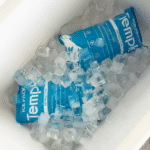
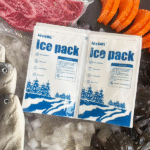
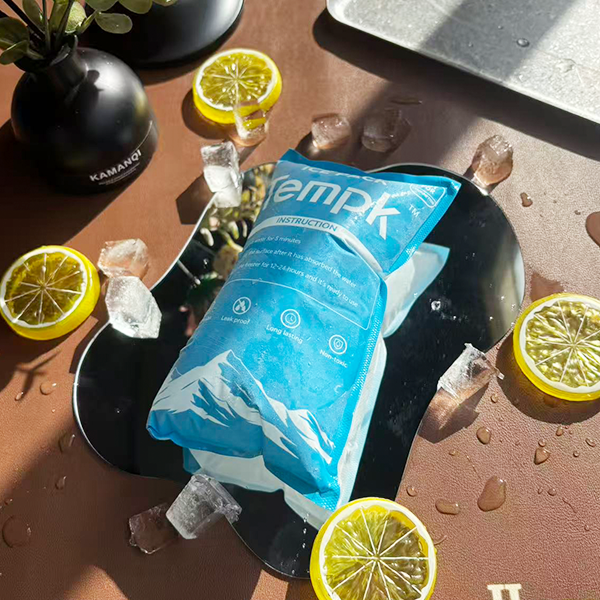
A Trockeneisbeutel mit Feuchtigkeit versorgen can be a water-activated sheet rather than carbon dioxide. In der offiziellen Anweisung von Tempk wird angegeben, dass es sich bei der Trinkschicht nicht um Trockeneis handelt, und die Benutzer werden angewiesen, Wasser hinzuzufügen und einzufrieren. Es wird daher als gefrorenes wässriges Kühlmittel mit Hydratation behandelt, Erweiterung, Konditionierung, Siegel, und Leckagekontrollen.
Gel- und PCM-Packungen erhalten je nach ihrer tatsächlichen Formulierung unterschiedliche Identitäten, Container, Phasenverhalten, und Anweisungen. Ein Händlermaterialcode sollte nur genehmigten Verpackungscodes zugeordnet werden; Physische Ähnlichkeit kann keinen Ersatz rechtfertigen.
Tor 1 wird geschlossen, wenn die Qualität die Produktanforderung und den Materialstamm genehmigt.
Tor 2: Erstellen Sie den Distributor Packout-Katalog
Ein kontrollierter Katalog verknüpft jede biologische Gruppe und jede Spurgruppe mit einer bestimmten Revision des Versandsystems.
Der Katalogeintrag identifiziert:
Primär- und Sekundärpaket;
Kühlmittel oder Kältemittelgegenstand, Menge, Zustand, und Position;
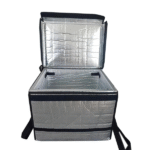
Isolierter Behälter and structural outer;
Separatoren, unterstützt, saugfähig, und Stauholz;
minimale und maximale Nutzlast;
Überwachung und kartierte Platzierung;
Schließung, Entlüftung, Markierungen, und Etiketten;
Auspacken und Empfangen der SOP;
qualifizierte Warm- und Kaltprofile;
erlaubte Fahrspuren, Dienstleistungen, Jahreszeiten, und Kontingenz.
Einzelne Funktionen bleiben sichtbar. Kühlmittel nimmt Wärme auf; Isolierung verlangsamt den Wärmeeintritt; Die Eindämmung schützt den Inhalt; das Äußere überlebt die Verteilung; Der Monitor zeichnet die Bedingungen auf; Qualifizierung unterstützt das System. Keine Komponente allein sorgt dafür, dass die Sendung temperaturkontrolliert oder konform ist.
Die Gruppierung von Fahrspuren erfordert eine schriftliche Begründung. Ein direkter regionaler Service, internationale Flugroute, Wochenendroute, und entfernte Standorte erfordern möglicherweise unterschiedliche Betriebsbereiche. Verwenden Sie Auftragsverwaltungsregeln oder Barcode-Prüfungen, damit Bediener eine Verpackung nicht ausschließlich anhand der Kartongröße auswählen können.
Auch die Gruppierung von Nutzlasten erfordert Grenzen. Eine Mindestlast kann eine Herausforderung auf der Kalt- oder Warmseite sein. Eine maximale Belastung kann dazu führen, dass sich das Kühlmittel verstopft oder ein innerer warmer Bereich entsteht. Wenn Ersatzladung oder Stauholz verwendet wird, Katalogisieren Sie es als genehmigten Artikel und geben Sie die Platzierung an.
Tor 2 schließt mit kontrollierten Zeichnungen, Stücklisten, Teilnahmebedingungen, und Überarbeitungen.
Tor 3: Überprüfen Sie die Nachweise vor der Qualifizierung
| Beweistor | Genehmigungsfrage | Nachweis erforderlich |
|---|---|---|
| Produkt | Welche Bedingungen und Ausflüge werden unterstützt?? | Etikett, Stabilitätsbasis, Containerinformationen, Qualitätsverfahren |
| Kühlmittel | Was ist der tatsächliche materielle und bedingte Zustand?? | Technische Spezifikation, Sicherheitsinformationen, Anweisungen, Produktionsmuster |
| Hersteller | Können Routinechargen mit der Entwicklungsprobe übereinstimmen?? | Loskontrollen, Inspektion, Rückverfolgbarkeit, Qualitätsvereinbarung, Änderungsmitteilung |
| Nutzlast | Welche Mindest- und Höchstbestellmengen abgedeckt sind? | Zeichnungen laden, Geometrie, Dunnage, Klammerbegründung |
| Fahrbahn | Welche Belichtung und Verzögerung sind glaubwürdig?? | Streckenplan, Service, Übergaben, Saisonale Daten, Kontingenz |
| Thermotest | Es wurden warme und kalte Risiken kartiert? | Protokoll, Profile, Sensorkarte, Instrumente, Rohdaten, Bestehenskriterien |
| Körperlicher Test | Machen Sie Materialien, Siegel, Etiketten, und unterstützt überleben? | Konditionierte Verteilungstests und Nachprüfung |
| Operationen | Können Lagerhäuser die Verpackung reproduzieren?? | Konditionierungsstudie, SOP, Ausbildung, Pilot, Fehlerkontrollen |
| Überwachung | Unterstützt das Gerät eine definierte Entscheidung?? | Begründung der Platzierung, Konfiguration, Kalibrierung oder Genauigkeitsnachweis, Daten-Workflow |
| Nachhaltigkeit | Verwendet der Vergleich erfolgreiche Lieferungen?? | Definierte Grenze, Verpackung, Energie, kehrt zurück, Schaden, Ausflüge, Produktverlust |
Schließen Sie Beweislücken nicht durch generische Zertifikate oder Lieferantenzusicherungen. Markieren Sie sie zum Testen, Dokumentation, oder Qualitätsentscheidung. Bei vergleichbarer Konfiguration kann ein Herstellerbericht eine Zulassung unterstützen, Der Händler muss jedoch die Anwendbarkeit beurteilen.
Tor 3 wird geschlossen, wenn das Qualifizierungsprotokoll geschrieben werden kann, ohne kritische Eingaben zu erraten.
Tor 4: Qualifizieren Sie das System und die Spurhülle
Das genehmigte Protokoll legt die genauen produktionsäquivalenten Komponenten fest, Nutzlasthalterungen, Startbedingungen, Konditionierung, Profile, Dauer, Sensorpositionen, Instrumente, körperliche Herausforderungen, und Akzeptanzkriterien.
Verwenden Sie gerechtfertigte Heiß- und Kaltprofile. ISTA 7E bietet thermische Profile für Pakete, und Standard 20 bietet einen Entwurfs- und Qualifizierungsprozess für isolierte Behälter. WHO guidance addresses shipping-container qualification and route profiling for time-and-temperaturempfindliche Produkte. USP-Generalkapitel 1079 unterstützt einen risikobasierten Lager- und Transportrahmen. Der gewählte Test muss zur Verteilungsfrage passen.
Hilfreiche Entscheidungshilfen
Überprüfen Sie die Details, bevor Sie sich für die Verpackung entscheiden
Mit diesen schnellen Tools können Sie das Routenrisiko vergleichen, Größenanforderungen, Kühlmittelauswahl, und Verpackungsdetails, bevor Sie ein Angebot anfordern.
Verpackungsauswahl
Vergleichen Sie isolierte Verpackungsoptionen nach Produkt, Route, und Temperaturbedarf.
Verpackung findenBoxliner & Dimensionierung der Palettenabdeckung
Überprüfen Sie die Größenlogik für Kartoneinlagen und Palettenabdeckungen für isolierte Verpackungsprojekte.
Schätzen Sie die GrößeEisbeutel-Rechner
Schätzen Sie die Menge an Gel-Eisbeuteln für gekühlte Sendungen und nutzen Sie die praktische Routenplanung.
Schätzen Sie EisbeutelKartensensoren an zuverlässig warmen und kalten Standorten. Geben Sie an, was jede Messung darstellt. Ein Sensor neben Trockeneis ist keine vollständige Nutzlastmessung. Instrumentenbereich, Intervall, Genauigkeitsbeweis, Antwort, Kalibrierungsstatus, und Datenkapazität sollten den Test erfüllen.
Testen oder begründen Sie minimale und maximale Nutzlasten und Produktfamilien. Stellen Sie Komponenten- und Betriebstoleranzen in Frage, die vernünftigerweise auftreten können. Fügen Sie keinen willkürlichen Missbrauch hinzu, Aber testen Sie nicht nur die ideale Baugruppe.
Bewerten Sie gemeinsam die körperliche und thermische Leistung. Bei niedrigen Temperaturen, Kunststoff, Filme, Etiketten, Klebstoffe, und Dichtungen können sich ändern. Vibrationen und Tropfen können ein Kühlmittel bewegen oder den Behälter beschädigen. Kondensation kann eine äußere oder unklare Identifikation schwächen. Bestätigen Sie, dass die Entlüftung auch nach dem Schließen und bei körperlicher Belastung funktionsfähig bleibt, wenn festes Trockeneis vorhanden ist.
Führen Sie einen operativen Pilotversuch durch. Zustand des Lagerpersonals, wählen, Scan, montieren, Monitor, markieren, zart, und Empfangen von Paketen mit den vorgesehenen Systemen und im vorgesehenen Timing.
Tor 4 schließt mit genehmigten Berichten ab, behobene Abweichungen, und eine definierte Spur- und Nutzlasthülle.
Tor 5: Inventar freigeben, Überwachung, und Rückverfolgbarkeit
Eingehende Kontrollen verifizieren den Artikel, Revision, viel, Menge, Zustand, und erforderlichen Unterlagen. Unerklärliche Änderungen oder Schäden unter Quarantäne stellen.
Festes Trockeneis erfordert eine belüftete Lagerung, geschützte Handhabung, sichere Werkzeuge, geschultes Personal, und eine Methode zur Bestimmung der Nettomenge bei der Ausschreibung. Bestandsverluste durch Sublimation sollten geplant und gemessen werden.
Hydratationslaken benötigen eine Statuskontrolle vom trockenen bis zum hydratisierten und konditionierten Zustand. Konditionierungsaufzeichnungen sollten die Methode identifizieren, Ausrüstung, Zeit oder Akzeptanz, Charge, freigeben, und Speicherung. Gel- und PCM-Packungen benötigen gleichwertige Konditionierungskontrollen. Ein Rucksack, der sich kalt anfühlt, ist nicht automatisch im zugelassenen Zustand.
Rückverfolgbarkeit verknüpft Lieferantencharge, Quittung, freigeben, Konditionierung, Überarbeitung der Verpackung, Produkt, Nutzlast, Operator, Monitor, Lieferung, Fahrbahn, und risikogerechte Disposition. Dies unterstützt gezielte Sperrungen und Lieferantenuntersuchungen.
Überwachungsdaten erfordern Integrität und Eigentum. Geräte-ID verknüpfen, Konfiguration, kartierte Position, Uhr, starten und stoppen, Originaldatei, Rezensent, und Entscheidung. Definieren Sie Alarmabdeckung und Interventionen in Echtzeit. Bei Erhalt, Produkt schützen, Überprüfen Sie das System, Daten abrufen, und Abweichungen eskalieren.
Die Bestandskontinuität sollte geplant werden, ohne eine stille Substitution zu genehmigen. Definieren Sie genehmigte alternative Lieferanten oder Komponenten erst nach einer Vergleichbarkeitsbewertung und den erforderlichen Tests. Während eines Mangels, Das Lager sollte den betroffenen Packout-Code kontrolliert zurückstellen, anstatt ein Kühlmittel durch einen ähnlich aussehenden Artikel zu ersetzen. Beschaffung, Verpackung, Qualität, und der Betrieb entscheidet, ob eine andere genehmigte Konfiguration den Auftrag bedienen kann. Die Prognose sollte die Vorlaufzeit für die Konditionierung einschließen, Gefrierdurchsatz, Verfügbarkeit von Trockeneis, Haltbarkeitsdauer der Komponenten, sofern unterstützt, saisonales Volumen, und Quarantänebestand. Dadurch wird verhindert, dass eine Versorgungsunterbrechung zu einem undokumentierten Wechsel zu einem qualifizierten Versandsystem wird.
Tor 5 wird geschlossen, wenn eine Routinesendung aus kontrollierten Aufzeichnungen rekonstruiert werden kann.
Tor 6: Abweichung betreiben, CAPA, Anbieter, und Rücklaufschleifen
Eine Abweichung beginnt, wenn eine genehmigte Anforderung oder ein genehmigter Prozess nicht erfüllt wird: Temperaturalarm, unterkonditioniertes Kühlmittel, Falscher Packout-Code, blockierte Entlüftung, beschädigtes Äußeres, Komponentenleck, fehlende Daten, Trägerverzögerung, oder nicht genehmigter Ersatz.
Produkt schützen und Beweise sichern. Bei der Produktqualitätsdisposition werden genehmigte Stabilitätsinformationen und -verfahren verwendet. Die Untersuchung rekonstruiert Gerät, Standort, verfolgen, Nutzlast, Komponentenlose, Konditionierung, Montage, Route, und Quittung.
Die Ursache kann im Produkt liegen, Paket, Verfahren, Ausrüstung, Person, Anbieter, Träger, Daten, oder eine Kombination. Die Korrektur bezieht sich auf das unmittelbare Ereignis. CAPA begegnet systemischen Risiken mit Maßnahmen, Besitzer, Fälligkeitstermine, Wirksamkeitskontrollen, und Trendrückblick.
Lieferantenqualitätsvereinbarungen unterstützen Beschwerden und Untersuchungen. Änderungen am Material, Formulierung, füllen, Siegel, Abmessungen, Verfahren, Website, Subunternehmer, Isolierung, oder Etiketten werden vor der Verwendung beurteilt. Das Risiko bestimmt, ob die Dokumentation erfolgt, Inspektion, Vergleichstests, oder es ist eine Umqualifizierung erforderlich.
Reverse Logistics ist ein weiterer Regelkreis. Zurückgegebene Systeme bleiben bis zur Reinigung unter Quarantäne, Inspektion, Überholung, und loslassen. Spurverlust, Schaden, Geschichte, Reparatur, wenn erlaubt, und Ruhestand. Nutzen Sie gemessene Rendite- und Leistungsdaten für Nachhaltigkeitsaussagen.
Hypothetische Gate-6-Untersuchung
Ein Händler erhält auf einer internationalen Route mithilfe einer qualifizierten Trockeneisverpackung wiederholt Warnungen vor Hitze. Das Produkt unterliegt einem Verfahren und wird anhand der Stabilitätsdaten überprüft.
Die Trendanalyse zeigt, dass Warnungen nach einem bestimmten Carrier-Hub auftreten. Jedoch, Die Packout-Aufzeichnungen zeigen auch eine geringere Netto-Trockeneismenge bei Lieferungen am späten Nachmittag, da das Kältemittel zu früh gewogen und zu lange bereitgestellt wurde.
Die Untersuchung identifiziert zwei Mitwirkende: Staging-Verlust innerhalb des Vertriebsprozesses und Hub-Verzögerung außerhalb. CAPA rückt das Endwiegen näher an die Ausschreibung, fügt eine maximale kontrollierte Bereitstellungszeit hinzu, überarbeitet die Datenerfassung, und arbeitet mit dem Spediteur im Service- und Notfallbereich zusammen. Das Packout wird unter der überarbeiteten Worst-Case-Exposition neu bewertet. Die Wirksamkeitsüberwachung verfolgt die Trockeneismenge, Alarmrate, und Spurdauer.
Dieses hypothetische Beispiel vermeidet die Schuld auf ein Kühlmittel oder einen Trägerstoff, bevor Beweise vorliegen.
Tor 6 bleibt während des gesamten Programmlebenszyklus aktiv.
Häufig gestellte Fragen
Kann ein Händler ein neues Kühlmittel allein aufgrund der Maßhaltigkeit genehmigen??
NEIN. Passform ist nur ein Attribut. Kühlmittelidentität, Phasenverhalten, Konditionierung, Wärmekapazität, Kältenebenwirkung, Versiegelungsintegrität, Materialdokumentation, Nutzlastinteraktion, körperliche Leistungsfähigkeit, und Lieferantenkontrolle kann das qualifizierte System verändern. Führen Sie eine dokumentierte Änderungsbewertung und entsprechende Tests durch. Aktualisieren Sie die Baseline nach der Genehmigung. Ersetzen Sie nicht stillschweigend.
Wem gehört die Lane-Qualifikation, wenn ein Dritter das Produkt verpackt??
Die Zuständigkeiten können nach Vereinbarung verteilt werden, aber die Verantwortlichkeit muss explizit sein. Produktbesitzer definieren Stabilitätsanforderungen; Händler oder Packer kontrollieren die Ausführung; Transportunternehmen kontrollieren Transportsegmente; Qualität genehmigt Beweise und Disposition. Ein Vertrag sollte die Qualifikation festlegen, Aufzeichnungen, Abweichungen, Änderungen, Audits, und Kommunikation. Dokumentieren Sie jede betriebliche Schnittstelle.
Ist festes Trockeneis für die Logistik gefrorener biologischer Produkte erforderlich??
Nicht allgemein. Verwenden Sie es nur, wenn das Produkt stabil ist, Verpackungsmaterialien, qualifizierte Leistung, Sicherheit, und Transportvorschriften unterstützen dies. Andere passive oder aktive Lösungen können in Betracht gezogen werden. Die richtige Wahl hängt vom Produkt und der Spur ab, nicht nur das Wort „eingefroren“.. Überprüfen Sie Alternativen mit Qualität. Dokumentieren Sie die Auswahlgründe.
Welche Daten sollten in eine Händler-Trendbewertung einbezogen werden??
Überprüfen Sie die Temperaturen, Warnungen, Nutzlasten, Gassen, Dauern, Trägerveranstaltungen, Schaden, Kühlmittelzustand, Konditionierungsabweichungen, Komponentenlose, Verpackungsrevisionen, Beschwerden, Produktdisposition, kehrt zurück, und Rücksendungen. Normalisieren Sie die Ergebnisse, wo dies sinnvoll ist, damit das Wachstum des Sendungsvolumens die Raten nicht verdeckt. Überprüfen Sie beide Tarife und Zählungen. Untersuchen Sie wiederkehrende negative Muster.
Können nachhaltige Verpackungsziele die qualifizierte Stückliste außer Kraft setzen??
NEIN. Nachhaltigkeitsänderungen sollten einer kontrollierten Neugestaltung folgen, Risikoüberprüfung, und Qualifikation. Reduzieren Sie Überschüsse dort, wo Belege dafür vorliegen, aber schützen Sie die zugelassenen Bedingungen und die Eindämmung des Biologikums. Vergleichen Sie Kandidaten anhand gleichwertiger Erfolgskriterien und berücksichtigen Sie Produktverluste, Energie, kehrt zurück, und Lebensende. Genehmigen Sie Änderungen vor der Verwendung.
Genehmigen Sie ein Living-Distribution-Programm
Die Händlergenehmigung ist kein einmaliger Boxtest. Es beginnt mit der Produkt- und Materialidentität, Erstellt kontrollierte Packout- und Lane-Codes, qualifiziert warm, kalt, und körperliche Risiken, und gibt Inventar- und Datensysteme frei. Überwachung, Abweichungen, CAPA, Lieferantenwechsel, Reverse-Logistik, und Nachhaltigkeit sorgen dafür, dass die Grundlinie wirksam bleibt. Feste Trockeneis- und Hydratationsschichten bleiben deutlich erkennbar, und kein Kühlmittel, Isolierung, Logger, oder Zertifikat ersetzt die qualifizierte System- und Produktqualitätsentscheidung.
Über Tempk
Tempk’s official catalog includes hydration coolant sheets described as Trockeneisbeutel mit Feuchtigkeit versorgen, Gelpackungen, Und Isolierte Verpackung Kategorien. Seine Hydratationsfolien-Anweisung unterscheidet das Produkt von festem Trockeneis und steuert die Wasseraktivierung mit anschließendem Gefrieren. Ein Händler kann Tempk anhand genauer Artikelspezifikationen beurteilen, Anweisungen, produktionsäquivalente Muster, Losinformationen, und relevante Dokumentation. Tempk-Komponenten sollten dann in die Qualifikation des Händlers eingehen, Inventar, Rückverfolgbarkeit, und Änderungskontrollsystem. Produktspezifische Bio-Sortimente, Nutzlasten, Dauern, Zertifizierungen, und die Einhaltung darf nicht ohne entsprechende Beweise angenommen werden.
Stellen Sie Tempk die kontrollierte Komponentenanforderung und die Verteilernachweistabelle zur Verfügung. Fordern Sie das Muster und die Dokumentation an, die zur Qualifizierung eines genehmigten Packout-Codes erforderlich sind, und nicht nach einem allgemeinen Kühlversprechen.