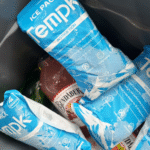
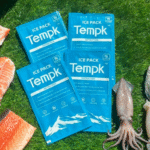
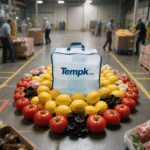
Trockeneis-Packung Bulk USA: Pro-optimierter Leitfaden
Wenn Sie bewerten Trockeneisbeutel Masse USA, Sie wollen wahrscheinlich mehr als nur eine Liste von Anbietern. Sie möchten wissen, welches Packungsformat zu Ihrem Temperaturziel passt, welche Dokumente die Genehmigung beschleunigen, und welches Beschaffungsmodell den Service stabil hält, wenn die Nachfrage schwankt. In 2026, Die besten Kaufentscheidungen treffen Sie, wenn Sie sich der Käuferberatung anschließen, technische Beweise, regionale Compliance, und echte Betriebsökonomie in einem Rahmen. Genau so machen Sie aus einer umfassenden Suche eine risikoarme Kaufentscheidung.
Was dieser Artikel beantwortet
So trennen Sie echtes Trockeneis, Plattenpakete im Trockeneis-Stil, Gelpackungen, und PCM-Optionen für die Beschaffung in den USA
Welche technischen Details sind am wichtigsten, wenn Sie ein Sammelangebot prüfen?, eine Validierungsdatei, oder eine Pilotenbestellung
Welche Dokumente und Marktsignale sollten Ihre Auswahlliste prägen, bevor Sie sich auf ein Produktionsprogramm festlegen?
So gleichen Sie den Speicherbedarf aus, Routenrisiko, Nachhaltigkeitsdruck, und Gesamteinstandskosten
Warum ist Dry Ice Pack Bulk USA immer noch eine hochinteressante Suche in? 2026?
Der Suchbegriff „Trockeneis-Packung in loser Schüttung“ in den USA zieht immer noch ernsthafte Käufer an, da er an der Schnittstelle von Produktsicherheit steht, Verpackungseffizienz, und Versorgungskontinuität. Aber der Begriff selbst ist weit gefasst. Ein Lieferant meint möglicherweise eine wasseraktivierte Trockeneisplatte, Ein anderer könnte einen wiederverwendbaren PCM-Stein bedeuten, und ein anderer könnte für belüftete Verlader echtes festes CO2 bedeuten. Wenn Sie diese Angebote vergleichen, als wären sie identisch, Sie riskieren, das falsche Temperatursystem zu kaufen, das falsche Betriebsmodell, oder beides.
Der klügere Einstieg besteht darin, Trockeneispackungen in großen Mengen in den USA als Beschaffungsfrage zu behandeln, keine Produktantwort. Sie definieren zunächst den Nutzlastbereich, das eigentliche Transitfenster, das Zielklima, und die Abweichungstoleranz. Anschließend überprüfen Sie die Anbieter anhand Ihrer internen Speichergrenzen, Arbeit, Dokumentation, und Nachschubgeschwindigkeit. Dieser Vorgang funktioniert unabhängig davon, ob Sie Essenssets kaufen, Meeresfrüchte, Diagnostik, Arzneimittel, oder Pakete in die USA exportieren.
Ein praktisches Entscheidungstool in vier Schritten
Die zuverlässigsten Käufer verwenden einen einfachen Bildschirm, bevor sie Muster anfordern. Sie fragen, welche Temperatur das Produkt wirklich braucht, wie die Route wirklich aussieht, was das Lager jeden Tag vorbereiten kann, und welche Beweisqualität vor der Markteinführung erforderlich ist. Diese vier Fragen grenzen das Feld sofort ein und erleichtern den Vergleich der einzelnen Angebote von Großlieferpartnern erheblich. Sie verringern auch die weitverbreitete Angewohnheit, die am kältesten aussehende Option anstelle der am besten geeigneten Option zu wählen.
| Entscheidungsfaktor | Was zu definieren ist | Warum ist es wichtig | Was es für Sie bedeutet |
|---|---|---|---|
| Nutzlastziel | 2° C bis 8 ° C., 15° C bis 25 ° C., gefroren, oder ultragefroren | Verhindert, dass Käufer eine kältere Verpackung wählen, als das Produkt tatsächlich benötigt | Besserer Produktschutz durch weniger verschwendetes Kühlmittel |
| Transitprofil | Kurierpaket, Luftexport, Linienverkehr, oder Closed-Loop-Rückführung | Spiele halten Zeit, Umgang mit Risiken, und Nachschublogik | Präziseres Auspacken und weniger Rücksendungen im Notfall |
| Lagerrealität | Flache Lagerung, Gefrierraum, Hydratationsarbeit, und Klimatisierungsfenster | Vermeidet den Kauf eines Formats, das Ihre Website nicht in großem Umfang vorbereiten kann | Reibungsloserer täglicher Betrieb |
| Genehmigungslast | Datei zum Lebensmittelkontakt, BIP-Unterstützung, Testdaten, und Änderungskontrolle | Verhindert Verzögerungen, nachdem die Beschaffung „Ja“ sagt | Schnellerer Start und einfachere Audits |
Praktische Tipps und Empfehlungen
Notieren Sie sich den zulässigen Produkttemperaturbereich, bevor Sie mit dem Vertriebsteam sprechen.
Bitten Sie um routenspezifische Empfehlungen anstelle einer allgemeinen Broschürenpackung.
Trennen Sie zu Beginn Einweg-Paketprogramme von Mehrwegprogrammen mit geschlossenem Kreislauf.
Feldbeispiel: Ein Käufer, der in den USA nach Trockeneis-Packs in großen Mengen sucht, wird aus Sicherheitsgründen voraussichtlich den schwersten Pack wählen. Nach der Kartierung von Spuren und Lagergrenzen, Das Team wählte für die meisten Routen ein leichteres Format und reservierte die schwere Bauweise für Ausreißer im Sommer. Das reduzierte den Lagerdruck und schützte dennoch die Produktqualität.
Wie wählen Sie das richtige Kühlmittelformat für Trockeneis-Großpackungen in den USA aus??
Das richtige Kühlmittelformat hängt vom Produkt ab, die Route, und die Website, die Bestellungen vorbereitet. Hydratisierte Lakenpakete glänzen, wenn Sie eine flache Aufbewahrung und flexible Platzierung benötigen. Gel- oder PCM-Steine eignen sich für Programme, die eine definierte Geometrie und wiederholte Konditionierung bevorzugen. Echtes Trockeneis gehört zu Programmen, die wirklich extrem niedrige Temperaturen benötigen oder Gefahrgutabläufe bereits souverän bewältigen.
Mit anderen Worten, Die Frage ist nicht, ob eine Packung allgemein besser ist. Es geht darum, ob das Format Ihrer Realität entspricht. Für eine Massensuche, Das heißt, Sie sollten nachfragen, wie die Packung gelagert wird, vorbereitet, geladen, und nach der Lieferung entsorgt. Eine Packung, die auf dem Papier günstig aussieht, kann teuer werden, wenn sie Platz im Gefrierschrank beansprucht, verlangsamt die Aufnahmegeschwindigkeit, oder erhöht die Ausnahmebehandlung.
Wo technische Passform die Schlagzeilenkälte übertrifft
Käufer überschätzen oft die niedrigste Nenntemperatur und unterschätzen die Kontrolle. Der Schutz Ihrer Sendung hängt nicht nur davon ab, wie kalt die Verpackung zu einem bestimmten Zeitpunkt sein kann, sondern wie gleichmäßig es die Temperatur rund um die Nutzlast hält und wie vorhersehbar es sich im Karton verhält. Ein etwas wärmeres, aber besser abgestimmtes System kann ein extremes Kühlmittel übertreffen, bei dem die Gefahr eines Einfrierens besteht, Kondensation, oder unnötige Handhabungskomplexität.
| Format | Typischer Vorteil | Wachpunkt | Was es für Sie bedeutet |
|---|---|---|---|
| Hydratisierte Blattpackung | Lässt sich flach verstauen und ist schnell aktiviert | Benötigt gute Flüssigkeitszufuhrdisziplin | Ideal, wenn der Platz im Lager knapp ist und die Anzahl der Bestellungen schnell schwankt |
| Gelpackung | Einfache Konditionierung und vertraute Handhabung | Bei schlechter Größenanpassung kann Platz im Karton verschwendet werden | Nützlich für Standardprogramme für gekühlte Pakete |
| PCM-Stein | Engeres Temperaturband bei richtiger Auswahl | Erfordert eine disziplinierte Vorkonditionierung | Starke Option, wenn Sie eine präzisere Steuerung benötigen |
| Echtes Trockeneis | Höchste Tieftemperaturfähigkeit | Erfordert Belüftung, Beschriftung, und sorgfältige Transportregeln | Am besten nur, wenn Ihr Produkt oder Ihre Route dies wirklich rechtfertigt |
Praktische Tipps und Empfehlungen
Fordern Sie eine Empfehlung für Ihre normale Fahrspur und eine für Ihre risikoreichste Fahrspur in den USA an.
Erkundigen Sie sich, wie viele nutzbare Packungen pro Karton und pro Palette passen, bevor Sie die Stückpreise vergleichen.
Behandeln Sie jede thermische Empfehlung als unvollständig, bis der Anbieter die Konditionierungszeit und die Handhabungsschritte erklärt.
Feldbeispiel: Ein Diagnoseteam für Sendungen testete sowohl PCM-Steine als auch Trockeneisplatten. Die Blätter überzeugten hinsichtlich Lagerdichte und Aufnahmegeschwindigkeit, während die PCM-Option bei der engen Temperaturregelung überzeugte. Die endgültige Entscheidung wird nach Routentyp aufgeteilt, anstatt eine Lösung für jede Sendung zu erzwingen.
Welche technischen Details unterscheiden ein zuverlässiges Massenangebot von einem riskanten??
Ein zuverlässiges US-Programm für Trockeneis-Großpackungen basiert auf kleinen technischen Details, die Käufer leicht übersehen können. Die Filmstärke beeinflusst die Durchstoßfestigkeit und das Auslaufen. Die absorbierende Struktur oder PCM-Formulierung beeinflusst, wie gleichmäßig die Packung Energie auflädt und freigibt. Die Qualität der Versiegelung bestimmt, ob der Rucksack die Flüssigkeitszufuhr übersteht, Einfrieren, Stapelung, und Kuriermissbrauch. Wenn diese Details abweichen, Fehler erscheinen normalerweise als Chaos, Temperaturverlust, oder beides.
Aus diesem Grund gehen ernsthafte Beschaffungsgespräche über eine Broschüre hinaus. Sie wollen Maßtoleranzen, Füllgewichtskonsistenz, Berst- oder Dichtheitsprüfung, und klare Anweisungen zur Konditionierung und Lagerung. Wenn Sie mit einem Hersteller zusammenarbeiten, Sie wollen auch Disziplin bei der Änderungskontrolle, also einen Film, Harz, oder das Füllen von Updates ändert nicht stillschweigend die Leistung. Wenn Sie mit einem Händler oder Lieferanten zusammenarbeiten, Sie möchten dennoch eine Rückverfolgbarkeit bis zum ursprünglichen Produktionsstandard.
Die materialwissenschaftlichen Prüfungen, die im täglichen Betrieb von Bedeutung sind
Denken Sie an a Kühlakku wie eine Batterie in einer schützenden Haut. Der äußere Film ist die Hülle, Das innere Medium ist die gespeicherte Energie, und die Dichtung ist der Punkt, der das System unter Druck intakt hält. Wenn eines dieser drei Elemente schwach ist, Die Packung sieht in einer Musterverpackung möglicherweise noch akzeptabel aus, versagt jedoch beim Hochskalieren, längerer Transport, oder heißeres Wetter. Deshalb spart eine technische Prüfung schon lange vor der ersten Reklamation Geld.
| Technisches Element | Was zu überprüfen ist | Warum sich Käufer interessieren | Was es für Sie bedeutet |
|---|---|---|---|
| Äußere Filme | Filmdicke, Durchstoßfestigkeit, und Siegelverhalten | Schützt vor Auslaufen, Abrieb, und rauer Pakethandling | Weniger beschädigte Kartons und sauberere Verpackungslinien |
| Absorbierender oder PCM-Kern | Wasseraufnahme, Phasenpunkt, und Massenkonsistenz | Steuert, wie gleichmäßig die Packung kühlt und wie lange sie hält | Berechenbarerer thermischer Halt |
| Geometrie | Zellgröße, Blattlayout, oder Ziegelmaße | Bestimmt die Passform um die Nutzlast und den toten Raum im Karton | Besserer kubischer Wirkungsgrad |
| Dichtungssystem | Berstfestigkeit und Eckenintegrität | Schwache Dichtungen versagen normalerweise während der Flüssigkeitszufuhr, Einfrieren, oder Komprimierung | Geringere Verlust- und Reklamationsquoten |
Praktische Tipps und Empfehlungen
Erkundigen Sie sich nach den Standardtoleranzen des Anbieters für Verpackungsabmessungen und Füllgewicht.
Fordern Sie einen Nachweis an, dass die Siegelqualität chargenweise geprüft wird, nicht nur während der ersten Produktentwicklung.
Steuern Sie die Packung in Ihrem echten Karton mit Ihrer echten Nutzlast, bevor Sie nationale oder Exportmengen genehmigen.
Feldbeispiel: Ein Lebensmittelexporteur mochte ein kostengünstiges Muster, weil es genauso aussah wie das etablierte Unternehmen. Während eines Stresstests, Die billigere Packung zeigte nach der Komprimierung und dem Auftau- und Wiedergefriervorgang ein Durchsickern in den Ecken. Die visuelle Ähnlichkeit verbarg eine Lücke in der Dichtungsqualität, die zu kostspieligen Ausfällen im Feld geführt hätte.
Welche Dokumente sollten Sie vor der Genehmigung von Trockeneisbeuteln in großen Mengen in den USA verlangen??
Dokumentation ist die stille Kraft, die schnelle Starts von schmerzhaften Verzögerungen trennt. Vor der Genehmigung, Sie sollten genau wissen, woraus die Packung besteht, wie es konditioniert ist, wie die Leistung getestet wurde, und welche Erklärungen für Ihren Markt gelten. In den USA, Sie sollten drei Themen trennen: Verpackungsmaterialien, Praxis des Lebensmitteltransports, und Luftverkehrsregeln. Lebensmittelkontaktmaterialien werden durch das FDA-Rahmenwerk für Lebensmittelkontaktstoffe reguliert. Wenn Ihre Packung oder Folie Lebensmittel direkt berührt oder vernünftigerweise migrieren kann, Ihr Lieferant sollte Ihnen die Zulassungsgrundlage erläutern, Harzauswahl, und vorgesehenen Nutzungsbedingungen. Zur Essensverteilung, Die FSMA Sanitary Transportation Rule konzentriert sich auf geeignete Fahrzeuge und Ausrüstung, dokumentierte Temperaturkontrolle, Aufzeichnungen, und Schulung, wenn der Beförderer für die Hygienebedingungen verantwortlich ist. Wenn Ihr Programm echtes Trockeneis für die Luftfracht verwendet, Die IATA-Regeln fügen eine zweite Ebene hinzu: Entlüftung, Nettogewichtskennzeichnung, und Luftfrachtbriefnotation.
Viele Teams warten mit der Anforderung hochwertiger Dateien, bis eine kommerzielle Vereinbarung vorliegt. Das ist rückwärts. In 2026, Beschaffung, Qualität, Operationen, und Nachhaltigkeit betrachten oft dieselbe Packung aus verschiedenen Blickwinkeln, Daher ist die Dokumentenbereitschaft Teil der Lieferantenbereitschaft. Wenn ein Anbieter keine saubere Ware zusammenstellen kann, marktgerechtes Feilenset frühzeitig, Die Beziehung wird wahrscheinlich langsam und reaktiv bleiben.
Eine Mindestgenehmigungsdatei für ernsthafte Käufer
Eine starke Genehmigungsdatei sollte die Spezifikation verbinden, Beweis, und kommerzielle Kontinuität. Es sollte Ihnen sagen, um welches Paket es sich handelt, wie es funktioniert, und wie das Angebot stabil bleibt, wenn sich Wetter oder Nachfrage ändern. Wenn diese Datei vor der ersten Bestellung fertig ist, Die funktionsübergreifende Genehmigung wird schneller und die Zeitpläne für Piloten werden viel einfacher zu verwalten.
| Dokumentenblock | Was es enthalten sollte | Warum ist es wichtig | Was es für Sie bedeutet |
|---|---|---|---|
| Produktspezifikation | Abmessungen, Füllgewicht, Konditionierungsmethode, und Toleranzen | Macht Angebote wirklich vergleichbar | Weniger Verwirrung bei der Genehmigung |
| Compliance-Datei | Basis für Lebensmittelkontakt, Testberichte, Erklärungsschreiben, und Änderungskontrolle | Zeigt an, ob die Verpackung zu Ihrem Markt und Ihrer Produktklasse passt | Schnellere Qualitätsprüfung |
| Transitbeweise | Streckentest, Sommer- und Winterprofile, und Akzeptanzkriterien | Beweist echte Leistung statt Marketing-Versprechen | Zuversichtlichere Starts |
| Versorgungsplan | MOQ, Vorlaufzeit, Sicherheitsbestand, und Hochsaisonplan | Verhindert Engpässe bei Werbeaktionen oder heißem Wetter | Bessere Kontinuität |
Praktische Tipps und Empfehlungen
Denn in den USA, Bitten Sie den Anbieter, marktspezifische Erklärungen in einfachem Englisch zu erläutern, Senden Sie Zertifikate nicht einfach ohne Kontext.
Erfordern Routentestzusammenfassungen, die mit dem tatsächlichen Karton übereinstimmen, Nutzlast, und Kühlmittelmasse, die Sie kaufen möchten.
Hilfreiche Entscheidungshilfen
Überprüfen Sie die Details, bevor Sie sich für die Verpackung entscheiden
Mit diesen schnellen Tools können Sie das Routenrisiko vergleichen, Größenanforderungen, Kühlmittelauswahl, und Verpackungsdetails, bevor Sie ein Angebot anfordern.
Kühlmittel & PCM-Referenz
Vergleichen Sie Kühlmittel- und PCM-Optionen, wenn eine Route zusätzliche Temperaturunterstützung benötigt.
Vergleichen Sie OptionenBoxliner & Dimensionierung der Palettenabdeckung
Überprüfen Sie die Größenlogik für Kartoneinlagen und Palettenabdeckungen für isolierte Verpackungsprojekte.
Schätzen Sie die GrößeKühlakku-Rechner
Schätzen Sie die Menge an Gel-Eisbeuteln für gekühlte Sendungen und nutzen Sie die praktische Routenplanung.
Schätzen Sie EisbeutelBestätigen Sie, was passiert, wenn sich Rohstoffe oder Abmessungen nach der Genehmigung ändern, einschließlich Benachrichtigungszeitpunkt.
Feldbeispiel: Ein Käufer hätte einer neuen Quelle allein aufgrund des Preises fast zugestimmt. Das Projekt wurde unterbrochen, als die Qualitätsabteilung feststellte, dass für die Transitdaten eine andere Box und Nutzlast als beim Startdesign verwendet wurde. Eine Woche, die man für die frühzeitige Abstimmung der Dokumente aufgewendet hätte, hätte einen Monat Nacharbeit eingespart.
Wie erfolgt die Lagerung?, Service, und Preis ändern den tatsächlichen Wert von Trockeneisbeuteln in großen Mengen in den USA?
Die beste kommerzielle Wahl ist selten der niedrigste Stückpreis. Der wahre Wert ergibt sich aus dem gesamten System: Lagerfläche, Konditionierungsarbeit, Wählen Sie Geschwindigkeit, Rate beschädigter Sendungen, Nachschubgeschwindigkeit, und Notfall-Backup bei Bedarfsspitzen. Für Trockeneisbeutel in großen Mengen, USA, Sie sollten die gelandete Leistung vergleichen, nicht nur der Rechnungspreis.
Hier kommt es auf die Rolle an. Bei einem Massenmodell liegt der Schwerpunkt tendenziell auf der Beschaffung großer Mengen, Paletteneffizienz, Gefrierraum, Sicherheitsbestand, und jährliche Versorgungsplanung. Das kann hervorragend sein, wenn es zu Ihrem Kaufverhalten passt. Es kann aber auch zu Spannungen führen, wenn Ihre innere Realität anders ist. Der Kauf in großen Mengen senkt den Stückpreis nur dann, wenn Ihre Lagerkapazität sinkt, Vorkonditionierung, und Abrufrhythmus sind geplant. Ansonsten, Billige Lagerbestände werden zu teurem Abfall.
Eine 20-Punkte-Käufer-Scorecard für den abschließenden Vergleich
Eine praktische Methode besteht darin, jeden in die engere Wahl gezogenen Lieferanten anhand von vier Dimensionen zu bewerten: thermische Passform, betriebstauglich, Dokumentation fit, und kommerzielle Passform. Jede Kategorie erhält fünf Punkte. Ein Anbieter mit einem etwas höheren Preis, aber einer viel besseren Bewertung führt aufgrund von Ausfällen in der Regel über eine gesamte Saison zu niedrigeren Gesamtkosten, reships, und interne Verzögerungen verringern sich.
| Punktebereich | Frage, die man stellen muss | Punktzahl | Was es für Sie bedeutet |
|---|---|---|---|
| Thermo-Passform | Zeigt der Anbieter spurspezifische Haltedaten statt allgemeiner Broschürenansprüche an?? | 0-5 | Eine höhere Punktzahl bedeutet ein geringeres Verderbrisiko |
| Einsatztauglich | Kann Ihre Website speichern?, Hydrat, einfrieren, und nehmen Sie das Paket mit der erforderlichen Geschwindigkeit auf? | 0-5 | Eine höhere Punktzahl bedeutet eine reibungslosere tägliche Ausführung |
| Dokumentation passt | Sind die Compliance-Dokumente vor dem Start fertig?, nicht danach? | 0-5 | Eine höhere Punktzahl bedeutet eine schnellere Genehmigung |
| Kommerzielle Passform | Machen Sie MOQ, Abrufregeln, und Notfall-Backup unterstützen Ihre tatsächliche Nachfragekurve? | 0-5 | Eine höhere Punktzahl bedeutet ein geringeres Störungsrisiko |
Praktische Tipps und Empfehlungen
Vergleichen Sie keine direkt ab Werk erhältlichen Modelle mit Modellen aus lokalem Lagerbestand, ohne die Vorlaufzeit und den Genehmigungsaufwand zu berücksichtigen.
Fragen Sie, welcher Notfallplan gilt, wenn eine Hitzewelle oder eine Sonderaktion die wöchentliche Nachfrage verdoppelt.
Überprüfen Sie die Verpackungsabmessungen, da kleinere Kartons die Fracht- und Lagerkosten senken können, selbst wenn der Packungspreis unverändert bleibt.
Feldbeispiel: Zwei Angebote für Trockeneis-Packungen in großen Mengen in den USA schienen preislich nahe beieinander zu liegen. Das niedrigere Angebot erforderte eine größere Mindestbestellmenge, längere Vorlaufzeit, und kein Hitzewellen-Ersatzbestand. Das höhere Angebot kam von einem lokalen Partner mit kürzerer Wiederbeschaffung und besserer Dokumentation. Im Laufe der Saison, Die zweite Option führte zu niedrigeren Gesamtbetriebskosten.
Wie verändern Nachhaltigkeit und Markttrends die Massenproduktion von Trockeneisbeuteln in den USA? 2026?
In 2026, Nachhaltigkeit ist kein separates Gespräch mehr, das nach der thermischen Genehmigung geführt wird. Es ist vom ersten Tag an Teil des Sourcings. In 2026, Käufer in den USA drängen auf spurspezifische Verpackungen anstelle einer nationalen Verpackungsformel. Eine Nordostparzelle für zwei Tage und eine Südwestparzelle für den Sommer benötigen nicht die gleiche Kühlmittelmenge, Kartongröße, oder Sicherheitsmarge. Sie sehen auch eine stärkere Nachfrage nach kleineren Speicherflächen, wiederverwendbare Formate für geschlossene Kreisläufe, und eine klarere Dokumentation, die die Beschaffung ermöglicht, Qualität, und der Betrieb genehmigt eine Lösung schneller. Nachhaltigkeitsgespräche in den USA sind eher praktisch als abstrakt. Sie gewinnen die Zulassung, wenn Sie ein geringeres Dimensionsgewicht vorweisen können, weniger ungenutztes Kühlmittel, weniger beschädigte Sendungen, und ein realistischer End-of-Life-Weg für den Film, saugfähige Füllung, und Isolierung. Für städtische Strecken mit hoher Wiederholungsfrequenz, Wiederverwendbare Steine oder Mehrweg-Einlagen können funktionieren. Für breite Einweg-Paketnetzwerke, Einwegverpackungen in der richtigen Größe bleiben oft die bessere Lösung.
Der stärkste Markttrend ist kein einzelner Materialwechsel. Es passt besser. Käufer wünschen sich zunehmend bahnspezifische Packouts, leichtere Kartons, klarere Angaben zur Recyclingfähigkeit, und Beweise dafür, dass ein Lieferant Schäden und Verschwendung reduzieren kann, ohne das Risiko auf das Produkt zu verlagern. In den USA, Das stärkste Signal ist die operative Segmentierung. Aufgrund der Lebensmittelsicherheitskontrollen verlagern sich große nationale Programme weg von einer generischen Verpackung hin zu routenspezifischen Designs, Regeln für den Lufttransport von echtem Trockeneis, und Parzellenökonomie bestrafen alle überbaute oder unterbaute Lösungen.
Drei Trendsignale, die Käufer im Auge behalten sollten
Wenn Sie ein zukunftssicheres Lieferprogramm wünschen, Beobachten Sie, wo Politik, Operationen, und Kundenerwartungen überschneiden sich. In dieser Überschneidung zeigt sich nun der Lieferantenvorteil. Firmen, die Materialien klar dokumentieren, Packungen in der richtigen Größe, und die routenbasierte Validierung unterstützen, sind in der Regel besser positioniert als diejenigen, die nur über den Preis oder Schlagworte konkurrieren.
| Trend | Was passiert | Warum ist es wichtig | Was es für Sie bedeutet |
|---|---|---|---|
| Spurspezifische Packouts | Immer mehr Käufer genehmigen einen anderen Sommer, Winter, und regionale Bauten | Reduziert Überladung auf einfachen Strecken und schützt gleichzeitig risikoreiche Fahrspuren | Stärkeres Kosten-Leistungs-Verhältnis |
| Dokumentationsorientierte Beschaffung | Qualitätsteams benötigen frühzeitig Dateien, insbesondere in regulierten Sektoren | Verlagert Entscheidungen von Marketingaussagen hin zu Beweisen | Schnellere funktionsübergreifende Genehmigung |
| Abfallbewusstes Design | Verpackungspolitik und Entsorgungskosten prägen die Entscheidungen in jeder Region | Belohnt Formate in der richtigen Größe und ehrliche Materialaussagen | Bessere ESG-Gespräche ohne Leistungseinbußen |
Praktische Tipps und Empfehlungen
Bitten Sie die Lieferanten, die Abfallgeschichte der gesamten Verpackung zu erklären, nicht nur eine Komponente.
Fordern Sie eine Überprüfung der richtigen Größe an, bevor Sie sich auf ein jährliches Volumen festlegen.
Wenn Nachhaltigkeitsansprüche geltend gemacht werden, Fragen Sie, ob sie auf tatsächlichen lokalen Verwertungspfaden basieren oder nur auf theoretischer Recyclingfähigkeit.
Feldbeispiel: Ein Versender von Premium-Lebensmitteln verbesserte sowohl die Kosten als auch die Nachhaltigkeit, indem er von einem übergroßen nationalen Karton auf zwei routenspezifische Kartongrößen mit angepasster Kühlmittelmasse umstieg. Der Schaden ist gesunken, Dimensionsfracht fiel ab, Gleichzeitig gingen die Entsorgungsbeschwerden der Kunden zurück.
2026 neueste Entwicklungen und Käufersignale
Der 2026 Markt für Trockeneis-Großpackungen in den USA belohnt Beweise, fit, und Abfallbewusstsein stärker als generische Produktaussagen. Sowohl in regulierten Sektoren als auch in gängigen Paketprogrammen, Käufer tendieren zu kürzeren Genehmigungszyklen, die auf besseren Dateien basieren, Weitere Routentests, und klarere materielle Entscheidungen. Das bedeutet, dass die stärksten Lieferanten diejenigen sind, die nicht nur erklären können, worum es in der Packung geht, aber warum ist es die richtige Antwort für Ihre genaue Spur?.
Das Wachstum verlagert sich hin zu streckenspezifischen Packouts anstelle einer universellen nationalen Formel.
Qualitäts- und Beschaffungsteams benötigen zunehmend Dokumentenpakete vor der Pilotgenehmigung, nicht nach der kommerziellen Diskussion.
Der Nachhaltigkeitsdruck zwingt Käufer dazu, die Kartongröße zu überprüfen, Kühlmittelmasse, und Entsorgungsrealismus als Teil derselben Beschaffungsentscheidung.
In der Praxis, Die Gewinner in den USA sind nicht immer die lautesten Vermarkter. Sie sind die Partner, die operative Ehrlichkeit vereinen, Testnachweise, und reaktionsschneller Service. Wenn ein Lieferant technische Details in alltäglichen Nutzen für Ihr Team umsetzen kann, Die Zustimmung verläuft tendenziell schneller und die langfristige Leistung verbessert sich tendenziell.
Häufig gestellte Fragen
Unter Trockeneispackungen in großen Mengen versteht man in den USA echtes Trockeneis und nicht nur eine Packung im Trockeneis-Stil?
Ja. Käufer verwenden den Ausdruck in beide Richtungen. Deshalb sollten Sie jeden Anbieter bitten, den Kühlmitteltyp zu definieren, Temperaturbereich, und Abwicklungsmethode, bevor Sie Angebote vergleichen.
Was ist der schnellste Weg, um in den USA Großlieferanten für Trockeneisbeutel in die engere Wahl zu ziehen??
Verwenden Sie vier Filter: Nutzlasttemperatur, Transitfenster, Lagerbereitschaft, und Dokumentenbereitschaft. Lieferanten, die alle vier Kriterien erfüllen, verdienen in der Regel zunächst eine Probenahme.
Wie wichtig ist die Dokumentation für Trockeneis-Großpackungen in den USA in regulierten Sektoren??
Es ist kritisch. Selbst ein Paket mit guter Leistung kann sich verzögern, wenn die Dateiqualität beeinträchtigt ist, Markterklärungen, oder Routentestnachweise sind unvollständig oder stimmen nicht mit Ihrem Startdesign überein.
Aus Sicherheitsgründen sollten Sie die kälteste verfügbare Packung wählen?
Nicht automatisch. Der sicherste Rucksack ist derjenige, der den richtigen Temperaturbereich für die tatsächliche Route einhält, ohne dass die Gefahr eines Einfrierens besteht, Leckage, oder unnötiger Handhabungsaufwand.
Wann ist ein örtlicher Großhändler besser als ein Fabrik-Direktmodell??
Normalerweise bei Vorlaufzeit, Notfall-Nachschub, Bestellungen mit gemischter Groß- und Kleinschreibung, oder Genehmigungsgeschwindigkeit sind wichtiger als der absolute Fabrikpreis. Das Gesamtbetriebsrisiko ist oft wichtiger als die nominalen Stückkosten.
Zusammenfassung und Empfehlungen
Die beste Wahl für Trockeneis-Großpackungen in den USA 2026 entsteht durch die gleichzeitige Kombination von vier Ansichten. Sie benötigen eine Buyer-Fit-Analyse, technische Beweise, marktgerechte Dokumente, und ein ehrliches Kostenmodell. Wenn Sie die Fahrspur klar definieren, Testen Sie das Paket in Ihrem echten Versender, und punkten Sie Lieferanten nicht nur hinsichtlich des Preises, Sie erhalten in der Regel einen besseren Produktschutz und einen reibungsloseren Betrieb. Das ist der Unterschied zwischen dem Kauf einer Kühlpackung und dem Aufbau eines zuverlässigen Kühlkettenprogramms.
Ihr nächster Schritt ist einfach. Geben Sie Ihre Zieltemperatur an, normale und Worst-Case-Laufzeiten, aktuelle Kartongrößen, und Genehmigungsunterlagen. Bitten Sie dann die in die engere Wahl gezogenen Anbieter, auf denselben Auftrag zu antworten, damit ihre Angebote vergleichbar bleiben. Dieser einzelne Schritt spart Zeit, reduziert interne Debatten, und hilft Ihnen, schneller das richtige Paket auszuwählen.
Über Tempk
Über Tempk: Wir konzentrieren uns auf das Praktische Kühlkettenverpackung Entscheidungen, von Plattenpaketen im Trockeneis-Stil bis hin zu wiederverwendbaren Temperaturkontrollformaten und exportbereiter Packout-Unterstützung. Wir gehen davon aus, dass Käufer klare Produktdefinitionen benötigen, zuverlässige Qualität, und Dokumente, die Betriebs- und Qualitätsteams dabei helfen, schneller zu genehmigen. Unser Vorteil ist kein Hype. Es hilft Teams dabei, das richtige Kühlmittelsystem an die reale Schifffahrtsroute anzupassen.
Sprechen Sie mit Tempk über Ihr Routenprofil, Paketformatoptionen, und Validierungsanforderungen, damit Sie einen Beschaffungsplan mit geringerem Risiko erstellen können.