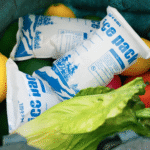
Enzymersatztherapien sind hochwertige biologische Arzneimittel, die häufig über Spezialapotheken vertrieben werden, Krankenhaus, Hausinfusion, und klinische Vertriebswege. Die Verpackung soll den Kühlbereich schützen, Vermeiden Sie Frostkontakt, Schützen Sie zerbrechliche Fläschchen und Kartons, und erstellen Sie eine übersichtliche Temperaturaufzeichnung für den Empfang. Weil der Dosiswert und das Timing des Patienten hoch sein können, Der Routenplan muss besser kontrolliert werden als bei einem gewöhnlichen Kühlpaket.
Planungsdaten zur Enzymersatztherapie
| Typischer Zielbereich | Viele Enzymersatztherapien erfordern 2-8 C gekühlte Handhabung; Befolgen Sie immer das genehmigte Etikett und die örtliche SOP. |
|---|---|
| Feuchtigkeitskontrolle | Schützen Sie die Fläschchenkartons, Einsätze, und Etiketten vor Kondensation, da die empfangenden Teams möglicherweise saubere Chargen- und Ablaufdaten benötigen. |
| Vorkühlung | Verwenden Sie vorkonditionierte Versandtaschen, Kühlmittel, und Trennzeichen; Vermeiden Sie das Laden des Produkts während einer längeren Lagerung bei Raumtemperatur. |
| Verpackungsdruck | Zum Schutz des Glases Fläschchenschalen oder Kartonstützen verwenden, Stopper, Etiketten, und spezielle Infusionsverpackungen. |
| Kühlmittelposition | Konditioniert verwenden 2-8 C-Kühlmittel mit No-Freeze-Puffer. Stellen Sie Fläschchen nicht gegen gefrorene Gelpackungen. |
| Transportdauer | Bestätigen 24-96 h Kurier- oder Spezialapothekenspuren mit Sommer- und Winterprofilen, sofern relevant. |
| Häufige Verluste | Kontakt einfrieren, warmes Wohnen, Etikettenbenetzung, Fläschchenbruch, Kartonquetschen, fehlende Temperaturdaten, und lehnte den Empfang ab. |
| Tempk-Verpackung passt | Medizinischer isolierter Versender, 2-8 C PCM, Fläschchen-Stützeinsatz, Trockenbarriere, Saugfähige Einlage, Originalitätssiegel, und Holzfäller. |
Warum Enzymtherapien ein stärkeres Kühlkettenpaket benötigen
Enzymprodukte können empfindlich auf Temperaturschwankungen und grobe Handhabung reagieren. Das Produkt wird möglicherweise in kleinen Durchstechflaschen geliefert, die anfällig für kalte Stellen sind, wenn die Kühlmittelmasse zu nahe beieinander liegt. Gleichzeitig, Wärmeeinwirkung während der Verweildauer auf der letzten Meile kann zu einem Freisetzungsproblem führen. Die Verpackung muss beide Enden des Bereichs kontrollieren und gleichzeitig die Etiketten schützen, Fläschchen, Stopper, Kartons, und Infusionsdokumentation.
Tempk würde normalerweise einen qualifizierten Fachmann einsetzen Isolierter Versender, konditioniert 2-8 C PCM, ein Fläschchen-Stützeinsatz, Saugfähige Einlage, Trockenbarriere, und einen Originalitätsverschluss. Der Logger sollte sich in der Nutzlastzone befinden und, für Fahrspuren mit hohem Risiko, Ein Kantenlogger kann dabei helfen, das Risiko kalter Wände oder warmer Ecken zu erkennen. Die Routenvalidierung sollte die tatsächliche Anzahl der Fläschchen testen, Kartonformat, saisonales Umgebungsprofil, Kurier-Timing, und Empfangsworkflow.
Hilfreiche Entscheidungshilfen
Überprüfen Sie die Details, bevor Sie sich für die Verpackung entscheiden
Mit diesen schnellen Tools können Sie das Routenrisiko vergleichen, Größenanforderungen, Kühlmittelauswahl, und Verpackungsdetails, bevor Sie ein Angebot anfordern.
Verpackungsauswahl
Vergleichen Sie isolierte Verpackungsoptionen nach Produkt, Route, und Temperaturbedarf.
Verpackung findenReferenz zu Isoliermaterialien
Vergleichen Sie die Auswahl an Isoliermaterialien für unterschiedliche Kühlkettenverpackungsanforderungen.
Vergleichen Sie MaterialienRoutenrisiko-Checker
Überprüfen Sie die Fahrspurbedingungen, bevor Sie die Verpackung entsprechend den tatsächlichen Betriebsanforderungen auswählen.
Streckenrisiko prüfenEmpfohlener Tempk-Ansatz
Bestätigen Sie das genehmigte Etikett, Produktspezifikation, Streckendauer, Abgabefrist für den Patienten, und Empfangskriterien, bevor Sie den Versender auswählen. Beim Empfang, Überprüfen Sie die Temperaturaufzeichnung, Lesbarkeit des Etiketts, Kartontrockenheit, Glaszustand, Originalitätssiegel, und Streckenzeit. Die eCFR-Regeln für die Lagerung und den Vertrieb von Arzneimitteln legen Wert auf schriftliche Verfahren, geeignete Lagerbedingungen, und Chargenrückverfolgbarkeit; Das Paket sollte die Dokumentation dieser Kontrollen erleichtern.