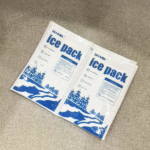
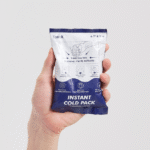
Rekombinante Proteintherapeutika benötigen eine Kühlverpackung Plan, der das Molekül und die Freisetzungsaufzeichnung schützt. Diese Produkte können hitzeempfindlich sein, Einfrieren, Agitation, Licht, und wiederholte Übergabe. Eine gute Kühlkettenverpackung sollte das Produkt innerhalb seines zulässigen Bereichs halten, Vermeiden Sie direkten Frostkontakt, Begrenzen Sie die Bewegung des Fläschchens oder der Spritze, und liefern Temperaturnachweise für die Qualitätsprüfung.
Daten zur therapeutischen Planung rekombinanter Proteine
| Typischer Zielbereich | Die meisten gekühlten rekombinanten Proteinprodukte sind in der Produktion erhältlich 2-8 C, es sei denn, das Etikett oder das Stabilitätsprotokoll legt einen anderen Bereich fest. |
|---|---|
| Feuchtigkeitskontrolle | Kartons aufbewahren, Etiketten, Fläschchentabletts, und die Gebrauchsanweisungsdokumente sind trocken; Kondensation kann die Sichtprüfung und den Erhalt von Aufzeichnungen erschweren. |
| Vorkühlung | Bereiten Sie den isolierten Transportbehälter vor, Kühlmittel, und Puffermaterialien, bevor das Produkt aus einem qualifizierten Kühllager geladen wird. |
| Verpackungsdruck | Stützfläschchen, Spritzen, oder Kartuschen, damit die Sekundärverpackung nicht durch Kühlmittelmasse oder Transportvibrationen zerdrückt wird. |
| Kühlmittelposition | Verwenden Sie konditioniertes PCM oder Gelpackungen mit einer Pufferschicht. Vermeiden Sie den Kontakt mit gefrorenen Wänden, da dies zu einer Denaturierung oder Aggregation des Proteinprodukts führen kann. |
| Transportdauer | Allgemein validiert für 24-96 h-Spuren abhängig von der Nutzlastmasse, Versendergröße, Kühlmittelaufbereitung, und Umgebungsprofil. |
| Häufige Verluste | Temperaturexkursion, Kontakt einfrieren, Proteinaggregationsrisiko, Etikettenbenetzung, Kartonquetschen, und fehlende Routenaufzeichnungen. |
| Tempk-Verpackung passt | Qualifizierter isolierter Versender, 2-8 C PCM, Puffereinsatz, Halterung für das Fläschchentablett, absorbierende Schicht, Originalitätssiegel, und Logger-Aufzeichnung. |
Warum rekombinante Proteine eine produktspezifische Handhabung benötigen
Rekombinante Proteinprodukte werden häufig in Fläschchen versandt, Fertigspritzen, Patronen, oder Sekundärkartons. Die Nutzlast kann gering sein, Dies bedeutet, dass es möglicherweise stärker dem Kaltwandeffekt ausgesetzt ist, wenn gefrorenes Kühlmittel zu nahe platziert wird. Dasselbe Produkt kann auch anfällig für das Verweilen in warmen Strecken sein, Feuchtigkeit im Karton, und physischer Schock, der die Präsentation oder Inspektion beeinträchtigt.
Normalerweise beginnt Tempk mit der Bestätigung des Produktetiketts, Stabilitätsbereich, Streckendauer, und Freigabekriterien. Die Verpackung sollte klimatisiert sein 2-8 C PCM oder Gelpackungen, eine Pufferschicht, Produktauflagefach, Saugfähige Einlage, und ein Logger, der in der Nutzlastzone positioniert ist. Für höherwertige Lanes, Fügen Sie einen Kantenlogger in der Nähe des erwarteten kältesten oder wärmsten Punkts hinzu.
Hilfreiche Entscheidungshilfen
Überprüfen Sie die Details, bevor Sie sich für die Verpackung entscheiden
Mit diesen schnellen Tools können Sie das Routenrisiko vergleichen, Größenanforderungen, Kühlmittelauswahl, und Verpackungsdetails, bevor Sie ein Angebot anfordern.
Routenrisiko-Checker
Überprüfen Sie die Fahrspurbedingungen, bevor Sie die Verpackung entsprechend den tatsächlichen Betriebsanforderungen auswählen.
Streckenrisiko prüfenTrockeneisrechner
Schätzen Sie vor dem Verpacken den Bedarf an Trockeneis für gefrorene oder ultrakalte Sendungen.
Schätzen Sie TrockeneisEisbeutel-Rechner
Schätzen Sie die Menge an Gel-Eisbeuteln für gekühlte Sendungen und nutzen Sie die praktische Routenplanung.
Schätzen Sie EisbeutelEmpfohlener Tempk-Ansatz
Verwenden Sie die tatsächliche Anzahl der Fläschchen oder Spritzen, Ausgangsprodukttemperatur, Versendergröße, Kühlmittelaufbereitung, Umgebungsprofil, und Zeitpunkt der Kurierübergabe bei der Validierung. Eingangskontrollen sollten eine Temperaturverfolgung umfassen, Kartontrockenheit, Zustand des Fläschchens oder der Spritze, Lesbarkeit des Etiketts, Originalitätssiegel, und Streckenzeit. Die eCFR verlangt, dass Arzneimittel unter angemessenen Temperaturbedingungen gelagert werden, Luftfeuchtigkeit, und Licht so Identität, Stärke, Qualität, und Reinheit werden nicht beeinträchtigt; Die Verpackung sollte diese Erwartung in realen Vertriebswegen unterstützen.