EPP-Boxverteiler für die Medizintechnik: Ein praktischer Auswahlleitfaden für B2B-Käufer
Eine praktische Entscheidung über EPP-Kastenverteiler Denn die Medizin sollte mit der Aufgabe beginnen, die die Box erfüllen muss. Möglicherweise muss es abgefedert werden, isolieren, Stapel, zurückkehren, Präsentieren Sie das Produkt ordentlich, oder unterstützen Sie einen dokumentierten Abwicklungsprozess für die medizinische Verteilung. EPP ist nützlich, weil es leicht ist, robust, und formbar, Käufer sollten das Material jedoch nicht als Abkürzung für die Routenplanung betrachten, Reinigung, Temperaturüberprüfung, oder Lieferantenbewertung. Dieser Leitfaden konzentriert sich auf die Fragen, die Fehlkäufe reduzieren, bevor sie zu betrieblichen Problemen werden.
Entscheidung in einem Absatz
Der EPP-Kastenverteiler für den medizinischen Bereich ist ein guter Kandidat, wenn die Anwendung wiederverwendbaren Schutz erfordert, praktische Isolierung, und ein geformter Behälter, der wiederholt gehandhabt werden kann. Es ist keine universelle Antwort. Käufer sollten die Boxrolle überprüfen, die Produktanforderungen, Streckenbelichtung, Lieferantendokumentation, Reinigungsprozess, und alle Überwachungs- oder Qualifizierungsanforderungen, bevor von der Musterbestellung zur Serienbestellung übergegangen wird.
Wo EPP hilft und wo es Unterstützung braucht
Der nützlichste Weg, eine EPP-Box zu bewerten, besteht darin, die Betriebsaufgabe in einfacher Sprache zu beschreiben. Schützt die Box zerbrechliche Gegenstände?, langsamer Wärmezuwachs, eine schwere Last tragen, Organisieren Sie mehrere kleine Pakete, zur Wiederverwendung zurückgeben, oder legen Sie das Produkt bei der Übergabe sauber vor? Jeder Auftrag ändert die Designprioritäten. Ein für die trockene Lagerung geeigneter Deckel reicht für einen temperaturempfindlichen Weg möglicherweise nicht aus. Ein großes Innenvolumen mag effizient erscheinen, bis das Personal feststellt, dass eine beladene Kiste schwer zu heben ist oder dass sich die Nutzlast während des Transports verschiebt.
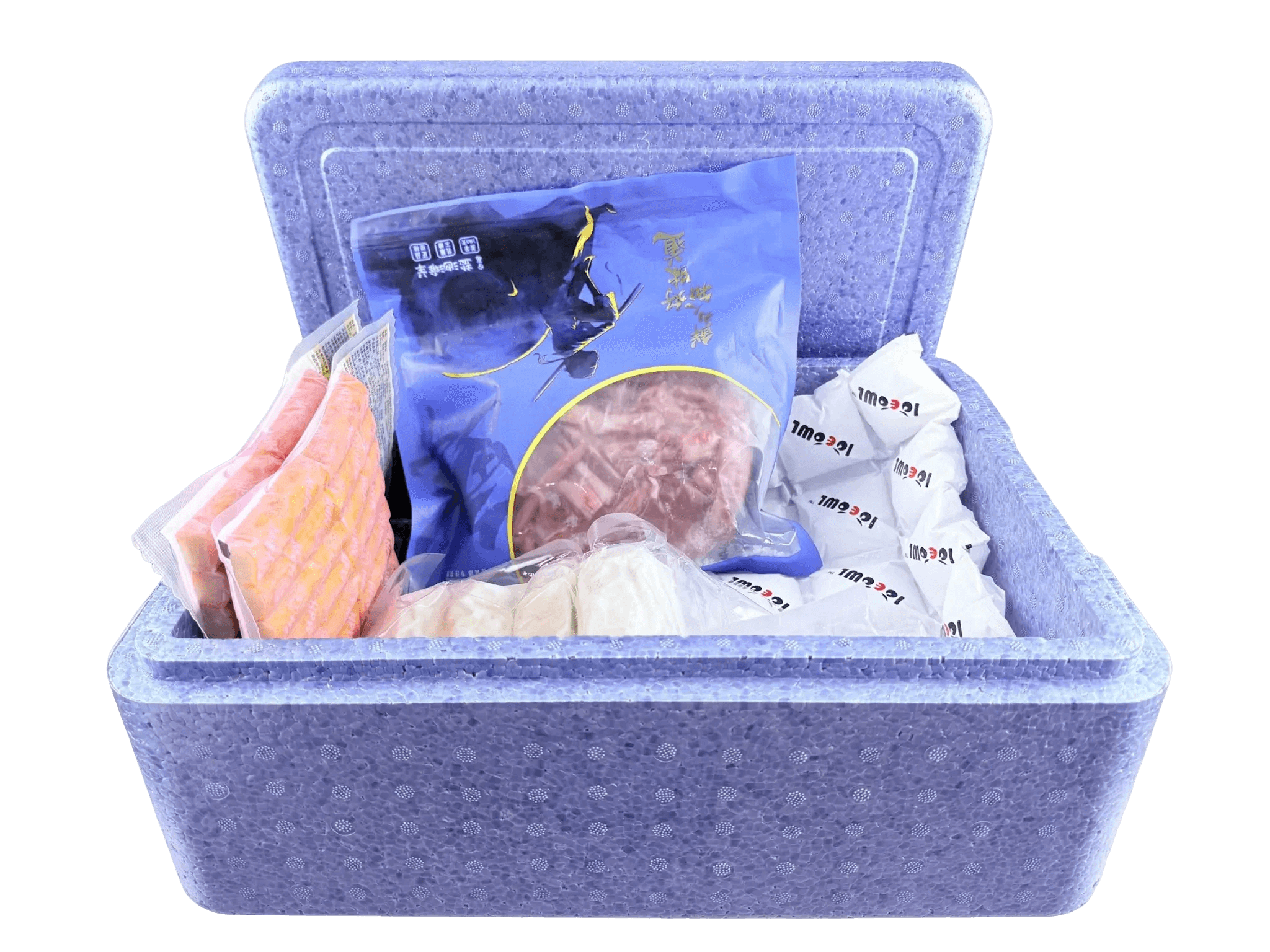
EPP hilft, weil die Formschaumstruktur Stöße absorbieren kann, sich von vielen Handhabungseinflüssen erholen, und bleiben leichter als viele starre Kunststoff- oder Metallalternativen. Seine geschlossenzellige Beschaffenheit unterstützt zudem die thermische Beständigkeit, weshalb es häufig verwendet wird Isolierte Behälter. Für den medizinischen Vertrieb, Dies kann Schäden an Übergabepunkten reduzieren und dem Käufer mehr Kontrolle über die Verpackungsform geben. Der Nachteil besteht darin, dass die EVP immer noch passiv ist. Es kühlt nicht, Hitze, Monitor, bestätigen, oder eine Sendung selbst dokumentieren.
Medizinische Produkte sind sehr unterschiedlich. Einige sind Ambient, einige gekühlt, einige gefroren, und einige erfordern eine formelle Überwachung der Kühlkette. Der Händler sollte den erforderlichen Temperaturbereich und die Dokumentation anfordern, bevor er eine Box empfiehlt.
Details der fertigen Schachtel sind wichtiger als allgemeine Materialadjektive. Eckgeometrie, Lidkompression, geformte Rippen, Entwässerungsverhalten, Oberflächenstruktur, Beschriftungsbereiche, und „Insert Fit“ beeinflussen alle das Verhalten der Box, nachdem das Personal sie auf einer stark befahrenen Route verwendet hat. Käufer sollten Muster anfordern, die die erwartete Produktion widerspiegeln, Testen Sie dann die tatsächliche Lademethode, anstatt die leere Box auf einem Konferenztisch zu überprüfen.
Checkliste für Käufer vor dem Übergang zu Mustern
In der folgenden Tabelle wird die Auswahl eines EPP-Boxverteilers für den medizinischen Bereich in praktische Tests umgesetzt. Es vermeidet nicht unterstützte Zahlen, da die richtige Antwort vom Produkttyp abhängt, Streckenbelichtung, Box-Design, und die vom Hersteller oder Händler vorgelegten Nachweise.
| Was zu überprüfen | So überprüfen Sie es | Warum ist es wichtig |
|---|---|---|
| Verpackungsrolle | Bestätigen Sie, ob es sich bei der Box um eine Schutzlagerung handelt, passive Isolierung, eine Versandaußenseite, oder Teil eines qualifizierten Systems. | Verhindert, dass das Team einen EPP-Behälter als für jede Verwendung geeignet betrachtet. |
| Nutzlast und Nutzvolumen | Überprüfen Sie den tatsächlich nutzbaren Platz nach den Einsätzen, Kühlmittel, Liner, Trenner, oder Tabletts sind im Lieferumfang enthalten. | Vermeidet überfüllt, Verlagerung von Nutzlasten, und unrealistische Kapazitätsannahmen. |
| Temperaturanforderung | Verwenden Sie die Produktanleitung, Lebensmittelsicherheitsplan, Labor-SOP, oder Qualitätsanforderung, statt von einem Standardsortiment auszugehen. | Hält die Verpackungsentscheidung an das Produkt und nicht an das Material gebunden. |
| Deckel- und Verschlussdesign | Überprüfen Sie die Siegellinie, Eröffnungsgewohnheit, Verriegelungsmethode, und wie sich der Deckel nach mehrmaligem Gebrauch verhält. | Viele Streckenausfälle beginnen mit einem Wärmeaustausch oder einer Kontamination an der Schließung. |
| Reinigung und Wiederverwendung | Reinigung definieren, Trocknen, Inspektion, zurückkehren, und Ruhestandsregeln vor der Volumenbestellung. | Die Wiederverwendung funktioniert nur, wenn der Betrieb die Kartons sauber und zweckmäßig halten kann. |
| Lieferantenbeweis | Bitten Sie um Materialinformationen, Proben, Kontrolle der Produktionskonsistenz, und alle für Ihre Anwendung relevanten Testdaten. | Eine gute Dokumentation schützt Katalogansprüche, Qualitätsbewertung, und Nachbestellungen. |
Diese Tabelle ist nützlich, da sie trennt, was EPP im Allgemeinen unterstützen kann, von dem, was für die tatsächliche Box überprüft werden muss. Käufer können es in Lieferantenanrufen verwenden, Beispielauswertungen, und interne Genehmigungsgespräche. Wenn ein Lieferant einen festen Leistungsanspruch abgibt, Fragen Sie, welche Nutzlast, Umgebungseinflüsse, Kühlmittelkonfiguration, und Akzeptanzkriterien wurden zur Erstellung dieser Behauptung herangezogen.
Beispielbewertung: Der Schritt, der teure Korrekturen verhindert
Eine Beispielbewertung sollte praktisch sein. Beladen Sie den Karton mit dem echten oder repräsentativen Inhalt, der zum Weiterverkauf oder zur Lieferung verwendet wird EPP -Boxen für Kliniken, Labors, Apotheken, häusliche Krankenpflege, Probenbewegung, und Medizinproduktlogistik. Schließen Sie den Deckel, Bewegen Sie es so, wie das Personal es bewegen wird, Stapeln Sie es, wenn ein Stapeln zu erwarten ist, Wischen Sie es nach einer simulierten Verschüttung ab, und prüfen Sie, ob Beschriftungen sichtbar bleiben. Diese Art der Überprüfung deckt häufig Probleme auf, die auf einem Produktfoto nicht sichtbar sind: Enge Ecken, in denen sich Rückstände festsetzen, schwer auszurichtende Lider, Griffe, die unbequem sind, oder Innenabmessungen, die nach dem Hinzufügen von Linern oder Trennwänden nicht zur Nutzlast passen.
Innenmaße und Außenmaße sollten gemeinsam überprüft werden. Die interne Größe steuert die Passform der Nutzlast. Die Außengröße beeinflusst die Regalfläche, Transporter beladen, Palettenmuster, und Rückgabelager. Wenn das Produkt Kühlmittel benötigt, Tabletts, saugfähiges Material, Einsätze, oder Schutzhüllen, Das Nutzvolumen kann kleiner sein als das Bruttoinnenvolumen. Käufer sollten Lieferanten bitten, zu definieren, welches Maß sie angeben.
Ein weiteres praktisches Detail ist das Verschlussdesign. Ein gut passender Deckel kann den Wärmeaustausch reduzieren und den Inhalt vor Staub oder Spritzern schützen, während ein schwacher Verschluss den Vorteil einer guten Isolierung zunichte machen kann. Für hochvolumige Operationen, Die Frage ist nicht nur, ob sich der Deckel einmal schließt. Es geht darum, ob vielbeschäftigtes Personal es jedes Mal richtig schließen kann, ob die Box beim Schließen ein deutliches visuelles Signal gibt, und ob Schäden an der Felge leicht zu erkennen sind.
Eine Klinik kann einen Händler um eine medizinische EPP-Box bitten, um Materialien zwischen Standorten zu transportieren. Wenn es sich bei dem Inhalt um allgemeine, nicht temperaturempfindliche Vorräte handelt, Die Box dient vor allem dem Schutz und der Organisation. Wenn es sich bei den Inhalten um Muster handelt, Impfungen, oder temperaturempfindliche Arzneimittel, Der Händler muss unterschiedliche Fragen zu Produktanweisungen stellen, Kühlmittel, Überwachung, Verpackungsqualifikation, und Erhalt von Schecks.
Was vor der Skalierung von der Probe zur Bestellung überprüft werden muss
Der erste Fehler besteht darin, den Ausdruck „EPP-Boxverteiler für Medizin“ so zu verwenden, als beschreibe er eine Komplettlösung. Es beschreibt das Material und die allgemeine Form, nicht die Route, Auspacken, Überwachungsmethode, oder Akzeptanzkriterien. Dies ist für die Arzneimittelverteilung von Bedeutung, da die Box möglicherweise von Mitarbeitern verwendet wird, die unter Zeitdruck stehen und die Grenzen der passiven Verpackung möglicherweise nicht verstehen.
Bei Lieferungen im Gesundheitswesen können BIP-Erwartungen berücksichtigt werden, IATA-Regeln für zeit- und temperaturempfindliche Luftfracht, Anforderungen der örtlichen Gesundheitsbehörden, oder produktspezifische Anweisungen. Ein Händler sollte die Box als Komponente einrahmen, es sei denn, es liegt ein Qualifikationsnachweis vor.
Der zweite Fehler besteht darin, die Übergabepunkte zu ignorieren. Beim Transport einer Kiste vom Lager zum Fahrzeug kommt es häufig zu Beschädigungen und Temperaturbelastungen, vom Fahrzeug zum Dock, vom Dock bis zum Empfangspersonal, oder vom Rückstapel zur Reinigung. Fragen Sie, wo die Box stehen soll, wer es öffnet, wie lange der Deckel geöffnet bleiben darf, und ob der Inhalt bei der Ankunft überprüft wird. Eine kleine operative Lücke kann wichtiger sein als ein großer materieller Vorteil.
Der sicherste Ansatz besteht darin, jedes Risiko in eine Lieferantenfrage umzuwandeln. Zu diesem Thema, Zu den Hauptrisiken gehört die nicht unterstützte Formulierung der medizinischen Compliance, Falsche Produktkategorie passt, fehlender Temperaturnachweis, unklare Reinigungsanforderungen, und verwechseln äußeren Schutz mit qualifizierter Versender. Keines dieser Risiken macht EPP zu einer schlechten Wahl. Sie zeigen lediglich, warum ein Käufer die Anwendung spezifizieren sollte, bevor er nach dem Preis fragt.
Hilfreiche Entscheidungshilfen
Überprüfen Sie die Details, bevor Sie sich für die Verpackung entscheiden
Mit diesen schnellen Tools können Sie das Routenrisiko vergleichen, Größenanforderungen, Kühlmittelauswahl, und Verpackungsdetails, bevor Sie ein Angebot anfordern.
Trockeneisrechner
Schätzen Sie vor dem Verpacken den Bedarf an Trockeneis für gefrorene oder ultrakalte Sendungen.
Schätzen Sie TrockeneisBoxliner & Dimensionierung der Palettenabdeckung
Überprüfen Sie die Größenlogik für Kartoneinlagen und Palettenabdeckungen für isolierte Verpackungsprojekte.
Schätzen Sie die GrößeReferenz zu Isoliermaterialien
Vergleichen Sie die Auswahl an Isoliermaterialien für unterschiedliche Kühlkettenverpackungsanforderungen.
Vergleichen Sie MaterialienEndlich, Plan für das Ende der Nutzung. Wenn die Box wiederverwendet werden soll, Entscheiden Sie, wie viele Teams damit umgehen werden, wo es gereinigt wird, wie Schäden erfasst werden, und wann es außer Betrieb genommen wird. Wenn Recyclingfähigkeit Teil der Verkaufsbotschaft ist, Überprüfen Sie, ob der Käufer, Verteiler, oder ein örtlicher Abfallpartner kann das Material tatsächlich abholen und verarbeiten. Ein Anspruch ist nur dann sinnvoll, wenn er durch den Betrieb durchsetzbar ist.
So wählen Sie einen Lieferanten für die tatsächliche Anwendung aus
Die Lieferantenauswahl sollte spezifischer sein als die Frage, wer einen EPP-Box-Verteiler für die Medizintechnik herstellen kann. Mehrere Anbieter bieten möglicherweise eine ähnlich aussehende Formschachtel an, aber die nützlichen Unterschiede zeigen sich in der Probenqualität, Kommunikation, Dokumentation, Anpassungskontrolle, und wie ehrlich der Lieferant die Anwendungsgrenzen beschreibt.
Beginnen Sie mit diesen Fragen: Mit welcher medizinischen Produktkategorie wird der Kunde umgehen?? Benötigt die Sendung einen Datenlogger?, qualifizierte Verpackung, oder spezifisches Etikett? Kann der Lieferant eine einheitliche Maß- und Materialdokumentation unterstützen?? Welche Ansprüche kann der Händler sicher in die Katalogkopie aufnehmen?? Es geht nicht darum, den Kauf zu verlangsamen. Es geht darum, eine Volumenreihenfolge zu vermeiden, die auf Annahmen basiert, die erst entdeckt werden, nachdem Boxen in die Route eingetreten sind.
Fragen Sie, wie Muster genehmigt werden und wie Produktionseinheiten mit dem genehmigten Muster verglichen werden. Dies ist besonders wichtig, wenn die Box einen geformten Deckel hat, einfügen, Scharnier, Stapelfunktion, Farbanforderung, oder Kunden-Branding. Ein kleiner Maßunterschied kann zu einer Lücke im Deckel führen, Fachstörung, Barcode-Problem, oder Nutzlastbewegung. Für medizinische, Labor, Essen, oder Luft- und Raumfahrtanwendungen, Die Kosten einer vagen Spezifikation sind oft höher als die Kosten einer sorgfältigen Stichprobenprüfung.
Besprechen Sie die Formulierung der Ansprüche vor den Produktseiten, Kataloge, oder Kundenangebote werden finalisiert. Man kann EPP getrost als Leichtgewicht bezeichnen, robust, isoliertes Material, wenn diese Aussagen mit dem Produkt übereinstimmen. Es ist nicht sicher, eine allgemeine Einhaltung zu versprechen, feste Haltezeit, Bescheinigte medizinische Eignung, oder garantierte Lebensmittelsicherheit, es sei denn, der Lieferant legt Nachweise für die genaue Verpackung und den genauen Anwendungsfall vor. Wenn Beweise fehlen, Schreiben Sie die Behauptung als Käuferverifizierungspunkt und nicht als Tatsache.
Der Preis sollte überprüft werden, nachdem die Anwendung definiert wurde. Ein niedrigerer Stückpreis kann teuer werden, wenn die Box schwer zu reinigen ist, wird vorzeitig aus dem Dienst genommen, führt zu Fehlkommissionierungen in einem Lager, oder zwingt den Käufer, später zusätzliche Verpackung hinzuzufügen. Der bessere Vergleich ist die vollständige betriebliche Eignung: Kaufpreis, Wiederverwendungsprozess, Schadensrate, Speichereffizienz, Umgang mit dem Personal, Dokumentation, und End-of-Life-Route.
Passformgrenzen: was von der Box nicht verlangt werden sollte
Verwenden Sie diese Art von EPP-Behälter, wenn die Route von einem wiederverwendbaren Formschutz profitiert, überschaubares Gewicht, und passive Isolierung. Es passt gut, wenn die Nutzlast bekannt ist, Der Handhabungsprozess ist wiederholbar, Das Personal kann die Box richtig verschließen und reinigen, und der Käufer kann vor der Markteinführung festlegen, welche Nachweise benötigt werden.
Das Feld reicht nicht aus, wenn der Kunde eine Validierung verlangt Kühlkettenverpackung, geregelter Probentransport, oder eine dokumentierte Pharmaspur. Der Händler sollte nach den erforderlichen Nachweisen fragen, anstatt jede EPP-Box als medizinkonform zu bezeichnen.
Auch Nachhaltigkeitsaussagen benötigen einen betrieblichen Nachweis. Recycelbares Material ist hilfreich, Das Umweltergebnis hängt jedoch davon ab, wie lange die Box im Einsatz bleibt, wie es gereinigt wird, ob Renditen effizient sind, und ob eine End-of-Life-Sammlung verfügbar ist. A wiederverwendbare Box das nach einigen Fahrten verloren geht, bringt möglicherweise nicht den beabsichtigten Nutzen. Ein gut verwaltetes Rückkehrprogramm kann den materiellen Vorteil noch bedeutsamer machen.
Bevor Sie eine Großbestellung aufgeben, Führen Sie eine kleine kontrollierte Überprüfung durch. Verwenden Sie echte Inhalte, normales Personal, erwartete Fahrzeuge, und der eigentliche Übergabevorgang. Notieren Sie, was einfach ist, was ist verwirrend, was schmutzig wird, was das Personal ausbremst, und welche Informationen das Empfangsteam benötigt. Diese Beobachtungen verraten Ihnen mehr als nur eine allgemeine Aussage über die Leistung von EPP-Boxen.
Übergabe an den Käufer und Erhalt der Notizen
Bei der Übergabe werden viele Verpackungsannahmen getestet. Für den medizinischen Vertrieb, Entscheiden Sie, wer die Schachtel versiegelt, wer es öffnet, wo es wartet, und was das Empfangsteam prüft, bevor es den Inhalt akzeptiert. Wenn die Box wiederverwendbar ist, Das Empfangspersonal sollte wissen, ob es sofort zurückgegeben werden soll, Schicken Sie es zur Reinigung, oder stellen Sie es wegen Beschädigung oder Kontamination unter Quarantäne. Diese kleinen Regeln verhindern, dass ein guter Container zu einem schwachen Glied auf der Route wird.
Auch eine Kennzeichnung sollte eingeplant werden. Eine wiederverwendbare EPP-Box benötigt möglicherweise ein Produktetikett, Routenbeschriftung, Rücksendeetikett, Statusetikett „sauber“ oder „schmutzig“., oder Warnhinweis zur Deckeldisziplin. Beschriftungen sollten Stapelfunktionen nicht blockieren, Schäden verbergen, oder beim Reinigen abfallen. Wenn die Box medizinische Informationen enthält, Labor, Essen, oder Luft- und Raumfahrtgüter, Der Etikettierungsprozess sollte den internen Qualitätsanforderungen des Käufers entsprechen.
FAQ
Was ist der Hauptvorteil des EPP-Boxverteilers für die Medizin??
Der Hauptvorteil ist die Kombination aus geformtem Schutz, Niedriges Gewicht, passive Isolierung, und Wiederverwendungspotenzial. Für den medizinischen Vertrieb, Dies kann Handhabungsprobleme reduzieren und die Verpackungskonsistenz verbessern, wenn der Karton an die Route angepasst wird.
Was ist der sicherste Weg, Lieferanten zu vergleichen??
Geben Sie jedem Lieferanten das gleiche Briefing: Nutzlast, interne größe bedürfnisse, Route, Temperaturanforderung, Reinigungsprozess, Modell wiederverwenden, Anpassungsbedürfnisse, und Grenzen beanspruchen. Vergleichen Sie Proben und Beweise, nicht nur Preis- oder Produktfotos.
Kann Tempk den erforderlichen Temperaturbereich für mein Produkt definieren??
Den erforderlichen Bereich entnehmen Sie bitte Ihrer Produktanleitung, Qualitätsteam, Lebensmittelsicherheitsplan, Laborprotokoll, oder regulatorischer Weg. Tempk kann bei der Erörterung von Verpackungsoptionen für diese Anforderung behilflich sein, Die Produktanforderung muss jedoch vom Käufer bestätigt werden.
Was sollte vor einer Großbestellung entschieden werden??
Vor einer Großbestellung, Bestätigen Sie die genehmigte Probe, Abmessungen, Deckel passt, Nutzlastanordnung, Reinigungsmethode, Anspruchssprache, Verpackungsrolle, Testnachweise, falls erforderlich, und der Prozess für zukünftige Designänderungen oder Ersetzungen.
Abschluss
Bei der Auswahl eines EPP-Box-Händlers für die Medizinbranche geht es nicht nur um den Kauf einer Verpackung. Es handelt sich um eine Entscheidung über den Produktschutz, Workflow, Temperaturrisiko, Disziplin wiederverwenden, Lieferantenbeweis, und Anspruchskontrolle. Beginnen Sie mit dem Produkt und der Route, Bestätigen Sie die Verpackungsrolle, Testproben unter realistischen Bedingungen, und erst dann zur Volumenbestellung übergehen. Dieser Ansatz gibt der EPP eine faire Chance, dort zu agieren, wo sie stark ist, und vermeidet es, Probleme zu lösen, die ein anderes System erfordern.