Abonnementboxen für frische Lebensmittel, Leitfaden zur Kühlkettenverpackung für die Paketzustellung
Abo-Boxen für frische Lebensmittel vereinen die Sicherheit gekühlter Lebensmittel, Qualität der Zutaten, und Kundenpräsentation in einem Paket. Die Verpackung muss Lebensmittel kalt halten, Schützen Sie frische Zutaten vor Feuchtigkeit und Druck, und sehen immer noch sauber aus, wenn der Kunde die Schachtel öffnet.
Warum Abo-Boxen für frische Lebensmittel eine eigene Verpackung benötigen
Bei einer Abo-Box handelt es sich in der Regel um eine gemischte Ladung: Protein, vorbereitete Gegenstände, frische Produkte, Saucen, Molkerei, und Rezeptkarten können sich denselben isolierten Raum teilen. Eine Kühlmittelanordnung kann Grüns zu stark abkühlen lassen, Weiche Produkte zerkleinern, nasse Papieretiketten, oder lassen Sie dichte Proteine wärmer als erwartet. Das Ziel besteht nicht nur darin, einen kalten Bereich zu halten, sondern um die Feuchtigkeit zu kontrollieren, Druck, und Produkttrennung durch Pakethandling.
Für die Lieferung gekühlter Lebensmittelpakete, Viele Betreiber verwenden ein praktisches Ziel 0-4 C für die kalte Zone und validieren Sie die Route anhand des wärmsten Produktstandorts. Der genaue Bedarf sollte sich nach der Lebensmittelart richten, örtlichen Vorschriften, customer promise, und Streckendauer.
Hilfreiche Entscheidungshilfen
Überprüfen Sie die Details, bevor Sie sich für die Verpackung entscheiden
Mit diesen schnellen Tools können Sie das Routenrisiko vergleichen, Größenanforderungen, Kühlmittelauswahl, und Verpackungsdetails, bevor Sie ein Angebot anfordern.
Trockeneisrechner
Schätzen Sie vor dem Verpacken den Bedarf an Trockeneis für gefrorene oder ultrakalte Sendungen.
Schätzen Sie TrockeneisBoxliner & Dimensionierung der Palettenabdeckung
Überprüfen Sie die Größenlogik für Kartoneinlagen und Palettenabdeckungen für isolierte Verpackungsprojekte.
Schätzen Sie die GrößeFallfestigkeit des Isolationsmaterials
Überprüfen Sie die Fallfestigkeit und die Handhabungsfaktoren, bevor Sie Isoliermaterialien auswählen.
Widerstand prüfenPackout-Anforderungstabelle
| Kühlkettenfaktor | Anforderung an eine Abonnementbox für frische Lebensmittel | Antwort auf die Tempk-Verpackung |
|---|---|---|
| Temperaturbereich | Chilled parcel route, allgemein validiert um 0-4 C für gekühlte Inhalte mit hohem Risiko. | Isolierte Box mit konditionierten Gelpackungen, deren Größe auf Transportzeit und Produktmasse abgestimmt ist. |
| Luftfeuchtigkeit | Hohes Risiko bei Blattgemüse, Rezeptkarten, Etiketten, and paper cartons. | Dry liner, absorbierender Pad, versiegelte Zutatenbeutel, und Kühlmittelabscheidung. |
| Vorkühlung | Proteine, Molkerei, und vorbereitete Komponenten sollten aus der Kaltlagerung in die Box gelangen. | Pack only after products, Gelpackungen, Liner, and shipper are ready. |
| Verpackungsdruck | Gemischte Zutaten können beim Transport mit dem Träger durch Kühlmittel oder schwerere Produkte zerkleinert werden. | Verwenden Sie Trennwände, Tablettträger, und eine flache Kühlmittelschutzschicht. |
| Kühlmittelposition | Gelpackungen sollten den Produktbereich kühlen, ohne direkten Druck auf empfindliche Gegenstände auszuüben. | Platzierung des Kühlmittels oben oder seitlich mit Produkttrennung und Streckenprüfung. |
| Transitdauer | Noch am selben Tag 48 h Paketrouten, inklusive Last-Mile und Aufenthalt vor der Haustür. | Validieren Sie Fahrspuren für die warme Jahreszeit mit Loggerdaten und Empfangskontrollen. |
| Häufige Verluste | Warmes Protein, verwelktes Grün, nasse Karten, auslaufende Soßen, zerkleinerte Produkte, und Kundenablehnung. | Ausgewogene Kältequelle, Feuchtigkeitskontrolle, Zonierung der Zutaten, und Empfangscheckliste. |
Hinweise zur Routengestaltung
Kartieren Sie die warmen Punkte, bevor Sie den Versender auswählen: Packbankzeit, Trägerübergabe, Sortierzentrum wohnen, Linientransport, Lieferwagen wohnen, und Exposition gegenüber der Haustür. Eine Route, die im Winter funktioniert, kann im Sommer versagen, wenn die Masse des Gelpacks oder die Dicke der Isolierung unverändert bleibt.
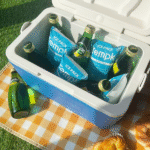
Die Innenaufteilung sollte dicht trennen, Gekühlte Artikel mit hohem Risiko aus empfindlichen Produkten und Papiermaterialien. Ort Gelpackungen wo sie den Lebensmittelbereich gleichmäßig kühlen, Vermeiden Sie jedoch den direkten Kontakt mit Grünpflanzen, Papieretiketten, Saucendeckel, oder dünne Einzelhandelspackungen. Für Kisten mit Proteinen und frischen Produkten zusammen, Verwenden Sie eine Produktzonierung anstelle eines losen Hohlraums.
Tempk-Empfehlung
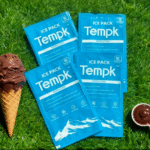
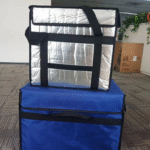
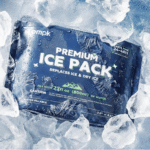
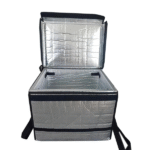
Ein typisches Tempk-Abonnementpaket für frische Lebensmittel verwendet eine isolierte Box oder Liner, konditionierte Gelpackungen, eine trockene Trennschicht, Produkttrenner, Bei Bedarf saugfähiges Material auftragen, und spurspezifische Validierung. Beginnen Sie mit Logger-Tests auf Produktebene, Überprüfen Sie dann die Lebensmitteltemperatur, Kondensation, zerkleinerte Gegenstände, Lecks, Etikettenzustand, und das gesamte Unboxing-Erlebnis.