Leitfaden zur Kühlkettenverpackung von Garnelen und Garnelen für die Lieferung von Meeresfrüchten
Kühlkettenverpackung Ratgeber für Garnelen und Garnelen, abdeckendes gekühltes Halten, Tropfkontrolle, Vorkühlung, Druckschutz, Kühlmittelplatzierung, Streckendauer, häufige Verluste, und Tempk-Meeresfrüchte-Packout-Auswahl.
Warum Garnelen und Garnelen eine spezielle Meeresfrüchte-Verpackung benötigen
Garnelen und Garnelen haben eine große Oberfläche und tropfen schnell ab. Eine Verpackung, die für ein dickes Fischfilet funktioniert, kann trotzdem scheitern, wenn sich kleine Packungen beim Sortieren erwärmen oder in den Außenkarton auslaufen. Die Verpackung von Meeresfrüchten muss gleichzeitig Temperatur und sichtbare Empfangsqualität schützen. Ein Paket kann kalt ankommen, aber dennoch scheitern, wenn es undicht ist, riecht warm, zerkleinert empfindliche Produkte, oder den Umkarton benetzt.
Die Verpackung sollte mit einem kalten Produkt beginnen, Verwenden Sie eine für Meeresfrüchte geeignete Innenauskleidung, Halten Sie das Kühlmittel von der Meeresfrüchtepackung getrennt, Dazu gehört auch der Empfang von Temperaturschecks, Geruch, tropfen, Textur, und Kartonzustand.
Hilfreiche Entscheidungshilfen
Überprüfen Sie die Details, bevor Sie sich für die Verpackung entscheiden
Mit diesen schnellen Tools können Sie das Routenrisiko vergleichen, Größenanforderungen, Kühlmittelauswahl, und Verpackungsdetails, bevor Sie ein Angebot anfordern.
Eisbeutel-Rechner
Schätzen Sie die Menge an Gel-Eisbeuteln für gekühlte Sendungen und nutzen Sie die praktische Routenplanung.
Schätzen Sie EisbeutelFallfestigkeit des Isolationsmaterials
Überprüfen Sie die Fallfestigkeit und die Handhabungsfaktoren, bevor Sie Isoliermaterialien auswählen.
Widerstand prüfenKühlmittel & PCM-Referenz
Vergleichen Sie Kühlmittel- und PCM-Optionen, wenn eine Route zusätzliche Temperaturunterstützung benötigt.
Vergleichen Sie OptionenPackout-Anforderungstabelle
| Kühlkettenfaktor | Bedarf an Garnelen und Garnelen |
|---|---|
| Zieltemperatur | 0-2 C gekühlt, oder -18 Bei gefrorenem Versand darf die Temperatur höchstens 4 °C betragen |
| Feuchtigkeit und Kondensation | Hohe Tropf- und Geruchsgefahr; Halten Sie Meeresfrüchtepackungen verschlossen und die Umkartons trocken |
| Vorkühlung | Laden Sie die Ware aus dem Kühllager und vermeiden Sie warme Ruhezeiten, bevor die isolierte Transportbox geschlossen wird |
| Verpackungsdruck | Medium. Kleine Stücke lassen sich leicht komprimieren und können durch schwache Einzelhandelsverpackungen austreten |
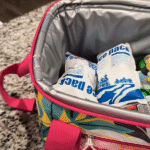
| Kühlmittelposition | Gel-Packs oder Meeresfrüchte-Eisbeutel über und um die Meeresfrüchte-Zone herum mit einer Auslaufsperre |
| Transitdauer | Noch am selben Tag 48 h gekühlte Paketspuren nach Routentests auf Produktebene |
| Häufige Verluste | Warmer Geruch, Tropfenleckage, zerdrückte Packungen, Etikett „Wet-Out“., Weichzeichnung der Textur, und Kundenablehnung |
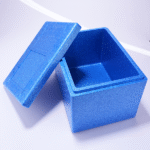
| Antwort auf die Tempk-Verpackung | Tempk-isolierter Meeresfrüchte-Versandbehälter mit versiegelter Innenauskleidung, konditionierte Gelpackungen, absorbierender Pad, Produktteiler, und Temperaturlogger |
Hinweise zur Routengestaltung
Kartieren Sie jeden warmen Punkt auf der Route: Packbankzeit, Trägerübergabe, Sortierzentrum wohnen, Lieferwagen wohnen, und Empfängerverzögerung. Meeresfrüchte mit hohem Feuchtigkeitsgehalt oder kleiner Packungsgröße können sich schneller erwärmen und auslaufen als dichte Filets, Daher sollte das Innenlayout mit der echten Einzelhandelsverpackung übereinstimmen.
Verwenden Sie versiegelte Liner, absorbierende Schichten, Tablettträger, und getrennt Gelpackungen wo nötig. Für lebende Meeresfrüchte, Frostkontakt und stehendes Wasser vermeiden. Für gekühlte verarbeitete Meeresfrüchte, Konzentrieren Sie sich auf die Produkttemperatur, Tropfkontrolle, Geruchskontrolle, und Verpackungstrockenheit.
Tempk-Empfehlung
Eine typische Tempk-Meeresfrüchteverpackung verwendet ein Isolierter Versender, konditionierte Gelpackungen oder Meeresfrüchte Eisbeutel, auslaufsicherer Liner, absorbierender Pad, Produktteiler, Kühlmittelabscheider, und ein Logger auf Produktebene. Genehmigen Sie die Verpackung, nachdem Sie die Temperatur überprüft haben, Geruch, tropfen, Textur, Beschädigung der Schale oder des Tabletts, und Kartontrockenheit nach der eigentlichen Route.