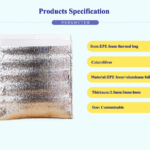
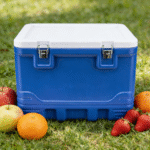
Gefrorene Pommes-Frites-Sendungen benötigen eine Tiefkühlverpackung, die sowohl die Temperatur als auch das Erscheinungsbild des Produkts schützt. Für die meisten kommerziellen Tiefkühlkost-Spuren, das empfangende Ziel ist -18 C oder niedriger, und der Karton muss auch frostsicher sein, zerquetschen, Beschädigung des Etiketts, und Qualitätsverlust durch Auftauen und Wiedereinfrieren.
Gefrorene Pommes frites sind auf eine stabile Handhabung im gefrorenen Zustand angewiesen, da das Auftauen und erneute Einfrieren die Knusprigkeit nach dem Garen beeinträchtigen kann.
Die Verpackung sollte dafür sorgen, dass die Beutel gefroren bleiben und gleichzeitig verhindert werden Trockeneis Abrieb, Kartonerweichung, und gewichtsbasiertes Zerkleinern.
Lebensmittelverpackungen und Einzelhandelsbeutel benötigen möglicherweise eine andere Kartonunterstützung, auch wenn die Zieltemperatur gleich ist.
Daten zur Kühlkettenplanung
| Temperaturfenster | -18 C oder niedriger für eingefrorenen Empfang, mit begrenzter Exposition während des Packens und der Übergabe. |
|---|---|
| Feuchtigkeit oder Nässe | Kontrollieren Sie Frost und Kondensation im Inneren des Kartons, um die Beutelgrafiken und die Bratkartoffelstruktur zu schützen. |
| Vorkühlung | Kühlen Sie die Versand- und Ladekisten oder Einzelhandelsbeutel aus der Tiefkühllagerung vor, ohne sie warm zu halten. |
| Verpackungsdruck | Verhindern Sie, dass Kartons zusammenfallen und Beutel zerdrückt werden, vor allem, wenn Pommes mit schwereren gefrorenen Fertiggerichten geliefert werden. |
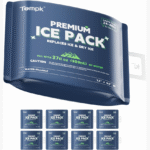
| Kühlmittelplatzierung | Verwenden Sie eine obere Trockeneiszone oder eine gefrorene Kühlmittelkarte mit einer Trennwand, um direkten Kontakt und Beutelabrieb zu vermeiden. |
| Transitdauer | 24-72 h abhängig von der Kartonmasse, Trockeneiszulage, Transportdienst, und Zielempfangsfenster. |
| Häufige Verluste | Die schlaffe Textur auftauen und wieder einfrieren, Frostblüte, Beutelpunktion, Kartonerweichung, und Qualitätsansprüche der Kunden. |
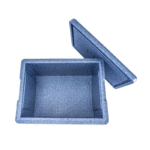
| Passende Tempk-Verpackung | Tempk EPS oder Hochleistungs-Isolierbox, Trockeneisliner, obere Kühlmittelschicht, Beutelschutzfolie, und Routenvalidierung. |
Empfohlener Packout-Ansatz
Beginnen Sie mit dem Produkt, das bereits am Versandziel eingefroren ist. Ein Isolierter Versender und Trockeneisplan sollte den gefrorenen Zustand während des Transports aufrechterhalten, Ziehen Sie das warme Produkt nach dem Laden nicht wieder nach unten. Bereiten Sie den Versender vor, Halten Sie die Gefrierbereitstellungszeit kurz, und schließen Sie den Karton schnell, um den Warmluftaustausch zu reduzieren.
Hilfreiche Entscheidungshilfen
Überprüfen Sie die Details, bevor Sie sich für die Verpackung entscheiden
Mit diesen schnellen Tools können Sie das Routenrisiko vergleichen, Größenanforderungen, Kühlmittelauswahl, und Verpackungsdetails, bevor Sie ein Angebot anfordern.
Eisbeutel-Rechner
Schätzen Sie die Menge an Gel-Eisbeuteln für gekühlte Sendungen und nutzen Sie die praktische Routenplanung.
Schätzen Sie EisbeutelRoutenrisiko-Checker
Überprüfen Sie die Fahrspurbedingungen, bevor Sie die Verpackung entsprechend den tatsächlichen Betriebsanforderungen auswählen.
Streckenrisiko prüfenFallfestigkeit des Isolationsmaterials
Überprüfen Sie die Fallfestigkeit und die Handhabungsfaktoren, bevor Sie Isoliermaterialien auswählen.
Widerstand prüfenFür Trockeneissendungen, Verwenden Sie eine getrennte Kühlmittelzone und eine trägergerechte Kennzeichnung. Trockeneis soll das Wärmeprofil schützen, ohne Einzelhandelstüten zu reiben, Cracking-Tabletts, oder direkte Oberflächenverbrennungen verursachen. Für Fahrspuren, auf denen Trockeneis nicht erlaubt ist, gefroren Gelpackungen und eine stärkere Isolierung erfordern eine separate Validierung, da die Temperaturkurve unterschiedlich sein wird.
Qualitätsprüfungen vor der Veröffentlichung
Vor der gewerblichen Nutzung des Packouts, Testen Sie die gleiche Versandgröße, Produktgewicht, Kühlmittelmasse, Transportdienst, Streckenlänge, und Jahreszeit. Beim Empfang, Überprüfen Sie die Produkttemperatur, Frostgrad, Unversehrtheit des Beutels oder Tabletts, Etikettenzustand, Kartontrockenheit, und ob das Produkt Anzeichen von Auftauen und Wiedereinfrieren aufweist.
Zur Auswahl der Tempk-Verpackung, Ein typischer Ausgangspunkt ist eine hohe Leistung isolierte Box, Trockeneis-kompatibler Liner, getrennte Kühlmittelschicht, Produktunterstützungsblatt, und Routenlogger. Die endgültige Kühlmittelmasse sollte durch Validierungsdaten und Bestimmungshandhabungsregeln festgelegt werden, Besonders für 48-72 h Paketrouten.
Referenzbasis
Die Temperaturannahmen orientieren sich an der gängigen Handhabung von Tiefkühlkost und den FDA-Richtlinien zur Lebensmittelsicherheit für Verbraucher, die die Gefriertemperatur angeben 0 F / -18 C. Die endgültigen Programme sollten den Spezifikationen des Versenders entsprechen, Regeln für den Zielmarkt, und Trägeranforderungen für Trockeneis.