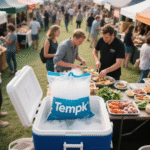
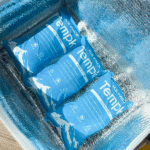
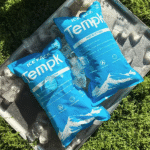
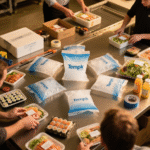
Gefrorene Obstlieferungen benötigen eine Tiefkühlverpackung, die sowohl die Temperatur als auch das Erscheinungsbild des Produkts schützt. Für die meisten kommerziellen Tiefkühlkost-Spuren, das empfangende Ziel ist -18 C oder niedriger, und der Karton muss auch frostsicher sein, zerquetschen, Beschädigung des Etiketts, und Qualitätsverlust durch Auftauen und Wiedereinfrieren.
Gefrorenes Obst kann sichtbar versagen, selbst wenn sich nur die oberste Schicht kurzzeitig erwärmt.
Beeren, Mango, und geschnittenes Obst muss vor Kompression geschützt werden, da sich Schäden durch Auftauen und Wiedereinfrieren in Form von Verklumpungen und Saftaustritt bemerkbar machen.
Beim Validierungstest sollten sowohl die Temperatur des Loggers als auch das Erscheinungsbild des Produkts nach dem Öffnen des Kartons überprüft werden.
Daten zur Kühlkettenplanung
| Temperaturfenster | -18 C oder niedriger für gefrorene Lieferung; Halten Sie die Lade- und Transferzeit kurz, um ein Auftauen der Oberfläche zu vermeiden. |
|---|---|
| Feuchtigkeit oder Nässe | Gefrorenes Obst reagiert empfindlich auf Kondensation und Eiskristallbildung, daher sollte der Versandraum trocken bleiben. |
| Vorkühlung | Bereiten Sie Obst und Verpackung vor dem Verladen gefroren vor; Laden Sie Obst nicht in eine warme Isolierbox. |
| Verpackungsdruck | Vermeiden Sie, dass hartes Kühlmittel in weiche Fruchtbeutel drückt; Verwenden Sie für Beeren und geschnittenes Obst eine Schutzfolie. |
| Kühlmittelplatzierung | Platzieren Sie Trockeneis oder gefrorenes Kühlmittel in einer separaten oberen Zone und bei längeren Leitungen entlang der Seitenwände. |
| Transitdauer | 24-48 h-Paketspuren sind üblich; 72 H-Strecken benötigen eine stärkere Isolierung und eine stärkere Kühlmittelvalidierung. |
| Häufige Verluste | Verklumpte Früchte, Saftbluten, Oberflächentauen, Gefrierbrand, zerdrückte Säcke, und nasse Etiketten. |
| Passende Tempk-Verpackung | Tempk-isolierter Transportbehälter mit feuchtigkeitsbeständiger Auskleidung, getrennte Trockeneiszone, Beutelstützschicht, und Ankunftskontrollen auf Verklumpung und Auftauen der Oberfläche. |
Empfohlener Packout-Ansatz
Beginnen Sie mit dem Produkt, das bereits am Versandziel eingefroren ist. Ein Isolierter Versender Und Trockeneis Der Plan sollte während des Transports im gefrorenen Zustand bleiben, Ziehen Sie das warme Produkt nach dem Laden nicht wieder nach unten. Bereiten Sie den Versender vor, Halten Sie die Gefrierbereitstellungszeit kurz, und schließen Sie den Karton schnell, um den Warmluftaustausch zu reduzieren.
Hilfreiche Entscheidungshilfen
Überprüfen Sie die Details, bevor Sie sich für die Verpackung entscheiden
Mit diesen schnellen Tools können Sie das Routenrisiko vergleichen, Größenanforderungen, Kühlmittelauswahl, und Verpackungsdetails, bevor Sie ein Angebot anfordern.
Referenz zu Isoliermaterialien
Vergleichen Sie die Auswahl an Isoliermaterialien für unterschiedliche Kühlkettenverpackungsanforderungen.
Vergleichen Sie MaterialienTrockeneisrechner
Schätzen Sie vor dem Verpacken den Bedarf an Trockeneis für gefrorene oder ultrakalte Sendungen.
Schätzen Sie TrockeneisBoxliner & Dimensionierung der Palettenabdeckung
Überprüfen Sie die Größenlogik für Kartoneinlagen und Palettenabdeckungen für isolierte Verpackungsprojekte.
Schätzen Sie die GrößeFür Trockeneissendungen, Verwenden Sie eine getrennte Kühlmittelzone und eine trägergerechte Kennzeichnung. Trockeneis soll das Wärmeprofil schützen, ohne Einzelhandelstüten zu reiben, Cracking-Tabletts, oder direkte Oberflächenverbrennungen verursachen. Für Fahrspuren, auf denen Trockeneis nicht erlaubt ist, gefroren Gelpackungen und eine stärkere Isolierung erfordern eine separate Validierung, da die Temperaturkurve unterschiedlich sein wird.
Qualitätsprüfungen vor der Veröffentlichung
Vor der gewerblichen Nutzung des Packouts, Testen Sie die gleiche Versandgröße, Produktgewicht, Kühlmittelmasse, Transportdienst, Streckenlänge, und Jahreszeit. Beim Empfang, Überprüfen Sie die Produkttemperatur, Frostgrad, Unversehrtheit des Beutels oder Tabletts, Etikettenzustand, Kartontrockenheit, und ob das Produkt Anzeichen von Auftauen und Wiedereinfrieren aufweist.
Zur Auswahl der Tempk-Verpackung, Ein typischer Ausgangspunkt ist eine hohe Leistung isolierte Box, Trockeneis-kompatibler Liner, getrennte Kühlmittelschicht, Produktunterstützungsblatt, und Routenlogger. Die endgültige Kühlmittelmasse sollte durch Validierungsdaten und Bestimmungshandhabungsregeln festgelegt werden, Besonders für 48-72 h Paketrouten.
Referenzbasis
Die Temperaturannahmen orientieren sich an der gängigen Handhabung von Tiefkühlkost und den FDA-Richtlinien zur Lebensmittelsicherheit für Verbraucher, die die Gefriertemperatur angeben 0 F / -18 C. Die endgültigen Programme sollten den Spezifikationen des Versenders entsprechen, Regeln für den Zielmarkt, und Trägeranforderungen für Trockeneis.