Tiefkühlgemüsesendungen benötigen eine Tiefkühlverpackung, die sowohl die Temperatur als auch das Erscheinungsbild des Produkts schützt. Für die meisten kommerziellen Tiefkühlkost-Spuren, das empfangende Ziel ist -18 C oder niedriger, und der Karton muss auch frostsicher sein, zerquetschen, Beschädigung des Etiketts, und Qualitätsverlust durch Auftauen und Wiedereinfrieren.
Gefrorenes Gemüse wird normalerweise anhand seiner frei fließenden Konsistenz beurteilt, Frostgrad, und ob Einzelhandelstüten sauber und unversehrt ankommen.
Die Verpackung soll einen Warmluftaustausch beim Beladen und Lagern verhindern Trockeneis durch Reibung an dünnen Folienbeuteln.
In gemischten Tiefkühlkartons sollte das Gemüse von schweren Kartons ferngehalten werden, die die Beutel zerdrücken und nach dem Auftauen und Wiedereinfrieren zu Verklumpungen führen können.
Daten zur Kühlkettenplanung
| Temperaturfenster | -18 C oder niedriger beim Empfang; Kurze Ladezeiten sollten durch Staging und Routenvalidierung kontrolliert werden. |
|---|---|
| Feuchtigkeit oder Nässe | Bewahren Sie den Versandkarton trocken und versiegelt auf. Durch Feuchtigkeit und warme Luft entsteht Frost, Verklumpung, und Etikettenschäden. |
| Vorkühlung | Bereiten Sie den isolierten Transportbehälter vor, Liner, und Kühlmittel. Laden Sie gefrorenes Gemüse direkt aus der Tiefkühltruhe. |
| Verpackungsdruck | Schützen Sie Einzelhandelstüten vor Kartonecken, Trockeneisblöcke, und schwere gemischte gefrorene SKUs. |
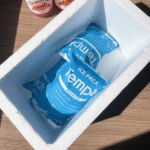
| Kühlmittelplatzierung | Verwenden Sie Trockeneis oder gefrorenes Kühlmittel über und um die Ladung herum mit einer Trennwand; Vermeiden Sie direkten Abrieb an dünnen Beuteln. |
| Transitdauer | 24-72 h-Routen sollten mit der tatsächlichen Gepäckzahl getestet werden, Kartongröße, und saisonaler Aufenthalt. |
| Häufige Verluste | Frostblüte, verklumpte Stücke, Beutelpunktion, Texturverlust durch Auftauen und erneutes Einfrieren, nasse Etiketten, und Kundenablehnung. |
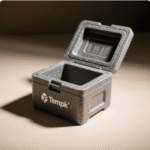
| Passende Tempk-Verpackung | Tempk-Isolierbox mit Trockeneis-kompatibler Auskleidung, obere Kühlmittelzone, Seitenwandisolierung, Beutelschutzfolie, und Routenlogger. |
Empfohlener Packout-Ansatz
Beginnen Sie mit dem Produkt, das bereits am Versandziel eingefroren ist. Ein Isolierter Versender und Trockeneisplan sollte den gefrorenen Zustand während des Transports aufrechterhalten, Ziehen Sie das warme Produkt nach dem Laden nicht wieder nach unten. Bereiten Sie den Versender vor, Halten Sie die Gefrierbereitstellungszeit kurz, und schließen Sie den Karton schnell, um den Warmluftaustausch zu reduzieren.
Hilfreiche Entscheidungshilfen
Überprüfen Sie die Details, bevor Sie sich für die Verpackung entscheiden
Mit diesen schnellen Tools können Sie das Routenrisiko vergleichen, Größenanforderungen, Kühlmittelauswahl, und Verpackungsdetails, bevor Sie ein Angebot anfordern.
Compliance-Checklisten-Generator
Erstellen Sie eine praktische Checkliste für die Verpackungsüberprüfung, Versand, und Dokumentation.
Checkliste erstellenKühlmittel & PCM-Referenz
Vergleichen Sie Kühlmittel- und PCM-Optionen, wenn eine Route zusätzliche Temperaturunterstützung benötigt.
Vergleichen Sie OptionenFallfestigkeit des Isolationsmaterials
Überprüfen Sie die Fallfestigkeit und die Handhabungsfaktoren, bevor Sie Isoliermaterialien auswählen.
Widerstand prüfenFür Trockeneissendungen, Verwenden Sie eine getrennte Kühlmittelzone und eine trägergerechte Kennzeichnung. Trockeneis soll das Wärmeprofil schützen, ohne Einzelhandelstüten zu reiben, Cracking-Tabletts, oder direkte Oberflächenverbrennungen verursachen. Für Fahrspuren, auf denen Trockeneis nicht erlaubt ist, gefroren Gelpackungen und eine stärkere Isolierung erfordern eine separate Validierung, da die Temperaturkurve unterschiedlich sein wird.
Qualitätsprüfungen vor der Veröffentlichung
Vor der gewerblichen Nutzung des Packouts, Testen Sie die gleiche Versandgröße, Produktgewicht, Kühlmittelmasse, Transportdienst, Streckenlänge, und Jahreszeit. Beim Empfang, Überprüfen Sie die Produkttemperatur, Frostgrad, Unversehrtheit des Beutels oder Tabletts, Etikettenzustand, Kartontrockenheit, und ob das Produkt Anzeichen von Auftauen und Wiedereinfrieren aufweist.
Zur Auswahl der Tempk-Verpackung, Ein typischer Ausgangspunkt ist eine hohe Leistung isolierte Box, Trockeneis-kompatibler Liner, getrennte Kühlmittelschicht, Produktunterstützungsblatt, und Routenlogger. Die endgültige Kühlmittelmasse sollte durch Validierungsdaten und Bestimmungshandhabungsregeln festgelegt werden, Besonders für 48-72 h Paketrouten.
Referenzbasis
Die Temperaturannahmen orientieren sich an der gängigen Handhabung von Tiefkühlkost und den FDA-Richtlinien zur Lebensmittelsicherheit für Verbraucher, die die Gefriertemperatur angeben 0 F / -18 C. Die endgültigen Programme sollten den Spezifikationen des Versenders entsprechen, Regeln für den Zielmarkt, und Trägeranforderungen für Trockeneis.