Lieferant von Gel-Kältespeichern für Milchprodukte: Ein praktisches Sample-to-Supply-Framework
Der kostspieligste Fehler bei diesem Kauf besteht selten darin, eine Packung zu wählen, die zu einfach aussieht. Es genehmigt ein Kühlmittel, bevor das Team den Produktgrenzwert definiert hat, Route, Kontaktweg, und Beweise, die beim Empfang benötigt werden. Für einen Käufer, der einen Lieferanten für Gel-Kältespeicher-Milchprodukte sucht, Die zentrale Entscheidung ist, ob die Kühlmittelanordnung zum jeweiligen Milchprodukt passt, Primärpaket, Haltbarkeitskontrollen, und Route. Eine vertretbare Beschaffungsentscheidung verbindet Produktgrenzen, materielle Beweise, Verpackungstests, Lieferantenkontrollen, und einen realistischen Plan für den täglichen Gebrauch.
Die endgültige Entscheidung liegt bei den Milchverarbeitern, Käse- und Joghurtmarken, Labors, Großhändler, und Kühlkettenteams, häufig über Anwendungen wie die Verteilung von Milch und Joghurt hinweg, Käselieferungen, Transport von Molkereiproben, sowie Tragetaschen für den Einzelhandel und die Lieferung nach Hause. Eine integrierte Bewertung verknüpft die Bedürfnisse des Benutzers, das fertige Produkt, Lieferantenkontrolle, Packout-Beweis, und tägliche Ausführung. Es sorgt dafür, dass Annahmen sichtbar bleiben, sodass derselbe Artikel nicht für eine breitere Verwendung zugelassen wird, als die Beweise belegen.
Erstellen Sie die Entscheidungsdatei, bevor Sie das Paket auswählen
Die Genehmigungskarte für einen Gel-Kältespeicher-Molkereilieferanten sollte fünf verknüpfte Entscheidungen enthalten: was das fertige Produkt ist, wo es verwendet wird, welche Risiken wichtig sind, Welche Beweise schließen diese Risiken aus?, und wie die Produktion dem genehmigten Muster entspricht. Diese Reihenfolge verhindert, dass das Team mit einem attraktiven Katalogartikel beginnt und später eine Verwendung dafür erfindet. Es gibt Lieferanten außerdem eine klare Möglichkeit, Einschränkungen offenzulegen, ohne dafür bestraft zu werden, dass sie eine unrealistische Garantie verweigern.
Schreiben Sie die Erklärung zur beabsichtigten Verwendung in betriebswirtschaftlicher Sprache. Benennen Sie die Nutzlast, erforderliche Bedingung, Container, Route, Kontaktvereinbarung, Konditionierungsmethode, und Entscheidung beim Empfang. Identifizieren Sie dann die möglichen Verwendungszwecke, inklusive Milch- und Joghurtverteilung, Käselieferungen, Transport von Molkereiproben, sowie Tragetaschen für den Einzelhandel und die Lieferung nach Hause, innerhalb der Erstgenehmigung liegen und welche außerhalb dieser bleiben. Die Kontrolle des Geltungsbereichs ist besonders wichtig, wenn sich ein Handelsname auf den Lebensmittelvertrieb beziehen könnte, Gesundheitspflege, persönliche Betreuung, oder industrielle Handhabung.
Halten Sie die Produktgrenze explizit: Milchprodukte sind keine thermische Kategorie. Flüssige Milch, kultivierte Produkte, Käse, Butter, gefrorene Desserts, und Laborproben können unterschiedliche Grenzwerte und Handhabungsanforderungen haben. Die Erklärung sollte im technischen Briefing und in der Schulung erscheinen, nicht nur in einem rechtlichen Hinweis. Betreiber und Vertriebsteams müssen verstehen, dass es sich um eine Gelkomponente handelt, ein Isolierter Behälter, eine qualifizierte Verpackung, und eine überwachte Route erfüllen unterschiedliche Funktionen. Lassen Sie sich die marktspezifische Interpretation vom verantwortlichen Team in den globalen Kühlketten für Milchprodukte bestätigen.
Weisen Sie jede Entscheidung einem Eigentümer zu. Das Produktteam definiert akzeptable Bedingungen; Die Verpackung definiert Passform- und Wärmeübertragungsannahmen; Qualitätsüberprüfungen, Beweise und Änderungen; Der Betrieb bestätigt die Vorbereitungskapazität; Der Einkauf steuert die kommerzielle Spezifikation; Empfangen von Aufzeichnungen über die Ergebnisse. Wenn die Eigentumsverhältnisse unklar sind, Lücken werden oft durch die Marketingsprache des Lieferanten geschlossen und nicht durch eine dokumentierte Käuferentscheidung. Verwenden Sie das Ergebnis, wenn Sie in diesem Programm untersuchen, ob der Packungskontakt den Luftstrom blockiert.
Übersetzen Sie das fertige Paket in kontrollierte Attribute
Die Spezifikation sollte Gel-Kältespeicher für die Milchverarbeitung beschreiben, Verteilung, Probenahme, und Lieferung als fertiger Artikel. Beziehen Sie unbedingte und bedingte Dimensionen ein, füllen oder massieren, Aussehen, Folien- oder Schalenbauweise, Naht oder Verschluss, drucken, Etikett, Einzelverpackung, Karton, Lagerung, und Inspektionsmethode. Geben Sie Toleranzen und Fehlerkategorien an. Wenn eine Immobilie erst nach dem Einfrieren von Bedeutung ist, Schwellung, Heizung, beugen, oder Putzen, Definieren Sie das Präparat, bevor es gemessen wird.
Informationen zur Formulierung sollten für die tatsächliche Gefahren- und Expositionsbewertung ausreichend sein. Ein Handelsname für ein Verdickungsmittel oder Polymer beschreibt nicht die Wasserqualität, Zusatzstoffe, Konservierungsstoffe, Farbstoffe, Reste, oder Kompatibilität mit dem Behälter. Ein Sicherheitsdatenblatt kann die Gefahrenkommunikation unterstützen, Für den Lebensmittelkontakt sind jedoch möglicherweise gesonderte Nachweise erforderlich, Hautkontakt, medizinische Ansprüche, Entsorgung, oder thermische Leistung. Stellen Sie die genaue Frage, bevor Sie das Dokument anfordern. Wenden Sie diese Prüfung auf Käsesendungen an und weisen Sie vor der Probenfreigabe den Eigentümer zu.
Vorhersehbare Fehlerzustände müssen dargestellt werden. In diesem Programm wird für jede Molkerei-SKU eine Temperatur angenommen, Kondenswasser schädigt Kartons, Der Packungskontakt blockiert den Luftstrom, und Wiederverwendung ohne überprüfte Hygiene. Die Auswertung soll zeigen, wie der Ausfall verhindert wird, erkannt, enthalten, untersucht, und auf vieles verlinkt. Dadurch werden umfassende Anforderungen wie „dicht“ oder „sicher“ in überprüfbare Kontrollen und Reaktionsregeln umgewandelt. Verknüpfen Sie den Nachweis mit dem genehmigten Artikelcode und der Lieferantencharge für Gel-Kälteakkumulatoren für die Milchverarbeitung, Verteilung, Probenahme, und Lieferung.
Für den Release-Record, Definieren Sie die Expositionsgrenze mit denselben Worten, die auch für Operationen verwendet werden. Halten Sie Akkus von unverpackten Milchprodukten getrennt. Überprüfen Sie die Leckage- und Kondensationswege bei Pappbechern, Etiketten, oder es werden poröse Umkartons verwendet. Die genehmigte Schlussfolgerung sollte vorhersehbare Leckagen abdecken, Reinigung, und Benutzerhandhabung sowie normale Trennung. Lassen Sie sich die marktspezifische Interpretation vom verantwortlichen Team in den globalen Kühlketten für Milchprodukte bestätigen.
| Genehmigungstor | Entscheidungsbeweise | Freigabebedingung |
|---|---|---|
| Verwenden Sie die Definition | Nutzlast, Route, Isolierung, Kontakt, und Annahmeerklärung | Alle kritischen Annahmen sind Eigentum und werden aufgezeichnet |
| Repräsentative Stichprobe | Endgültige Materialien, Formel, Verfahren, Kunstwerk, und packen | Abweichungen zur Produktion werden geschlossen oder formal beurteilt |
| Funktioneller Beweis | Eindämmung, Konditionierung, Handhabung, und für die Nutzung relevante thermische Daten | Methoden, Proben, und Einschränkungen sind sichtbar |
| Lieferantenkontrolle | Site-Rollen, Losaufzeichnungen, Inspektionsplan, und Veränderungsprozess | Die Verantwortlichkeit reicht bis in den eigentlichen Produktionsbetrieb hinein |
| Einsatzbereitschaft | Arbeitsanweisung, Ausbildung, Empfang, und Abweichungsworkflow | Der Käufer kann den genehmigten Zustand nachvollziehen und überwachen |
Diese Tore erzeugen eine Reihenfolge und keinen Dokumentenstapel. Ein Programm sollte nicht weitergeführt werden, da ein Zertifikat während der Probe stark aussieht, Route, bzw. Bedienungsanleitung bleibt vorläufig. Die Release-Entscheidung lässt sich leichter verteidigen, wenn sich jedes Gate auf denselben Produktcode und dieselbe Konfiguration bezieht. Nehmen Sie die Entscheidung in die Bedieneranweisung für den Transport von Molkereiproben auf.
Die Qualifikation verbindet Testbedingungen mit der Route
Eine Leistungsangabe ist nur dann sinnvoll, wenn ihre Bedingungen bekannt sind. Nehmen Sie den Isolierbehälter auf, Nutzlast, Kühlmittelmenge und -position, Ausgangstemperaturen, Konditionierungsprozess, Umgebungsprofil, Dauer, Sensorstandort, Bestehenskriterium, und alle Türöffnungen oder Abwicklungsereignisse. Der Bericht sollte die genaue getestete Packung identifizieren. Ohne diese Felder, Ein Stundenwert kann nicht fair verglichen oder sicher auf eine andere Route übertragen werden. Wenden Sie diese Prüfung auf Einzelhandels- und Heimlieferungsbehälter an und weisen Sie vor der Mustergenehmigung den Eigentümer zu.
Laborarbeit und Spurüberwachung beantworten unterschiedliche Fragen. Kontrollierte Profile helfen dabei, Designs zu vergleichen und eine qualifizierte Konfiguration zu erstellen. Routendaten zeigen, wie Spediteure, Übergaben, Inszenierung, Wetter, und Betriebsvariationen interagieren mit diesem Design. Verwenden Sie Abweichungen, um das Risikomodell zu verfeinern, Ich gehe nicht davon aus, dass mehr Kühlmittel immer die Lösung ist. Zusätzliches Kühlmittel kann Nutzlast verbrauchen, Fracht hinzufügen, und kältere Oberflächen erzeugen. Verknüpfen Sie den Nachweis mit dem genehmigten Artikelcode und der Lieferantencharge für Gel-Kälteakkumulatoren für die Milchverarbeitung, Verteilung, Probenahme, und Lieferung.
Der Betriebsplan muss am Einsatzort getestet werden. Koordinieren Sie die Bereitstellung von Kühlräumen, Konditionierung des Akkumulators, Ladereihenfolge, und Eingangskontrolle. Warmes Produkt kann durch Zugabe von a nicht zuverlässig korrigiert werden Kühlakku spät im Prozess. Eine repräsentative Schicht sollte die Vorbereitungsfähigkeit bestätigen, Inszenierungsdisziplin, Inspektion, und Eskalation, bevor das Volumen festgeschrieben wird. Lassen Sie sich die marktspezifische Interpretation vom verantwortlichen Team in den globalen Kühlketten für Milchprodukte bestätigen.
Definieren Sie Auslöser für die Neuqualifizierung bei der Genehmigung. Eine neue Nutzlast, Träger, Jahreszeit, Isolierung, Packungsgröße, Formulierung, Produktionsstandort, oder Konditionierungsmethode kann eine Annahme entkräften, selbst wenn die Kaufbeschreibung unverändert ist. Trenddaten aus Empfang und Reklamationen sollten auf kleinere Verschiebungen überprüft werden, die möglicherweise gezielte Tests rechtfertigen, bevor ein sichtbarer Fehler auftritt. Verwenden Sie das Ergebnis, wenn Sie in diesem Programm untersuchen, ob der Packungskontakt den Luftstrom blockiert.
Wählen Sie den Lieferanten aus, der hinter dem Angebot steht
Für einen Lieferanten von Gel-Kältespeicher-Molkereiprodukten, Stellen Sie fest, ob jeder Bieter der rechtmäßige Verkäufer ist, Fabrik, Konverter, Füllstoff, Verteiler, Importeur, oder Private-Label-Inhaber. Ordnen Sie zu, wer kritische Materialien kauft, genehmigt Formeländerungen, legt Siegelparameter fest, gibt Lose frei, speichert Aufzeichnungen, und bearbeitet Beschwerden. Ein Händler kann ein effektiver Partner sein, wenn er die Kontrolle über die Fabrik dokumentiert hat; Eine Fabrik kann immer noch schwach sein, wenn die Verantwortlichkeiten fragmentiert sind.
Hilfreiche Entscheidungshilfen
Überprüfen Sie die Details, bevor Sie sich für die Verpackung entscheiden
Mit diesen schnellen Tools können Sie das Routenrisiko vergleichen, Größenanforderungen, Kühlmittelauswahl, und Verpackungsdetails, bevor Sie ein Angebot anfordern.
Boxliner & Dimensionierung der Palettenabdeckung
Überprüfen Sie die Größenlogik für Kartoneinlagen und Palettenabdeckungen für isolierte Verpackungsprojekte.
Schätzen Sie die GrößeFallfestigkeit des Isolationsmaterials
Überprüfen Sie die Fallfestigkeit und die Handhabungsfaktoren, bevor Sie Isoliermaterialien auswählen.
Widerstand prüfenRoutenrisiko-Prüfer
Überprüfen Sie die Fahrspurbedingungen, bevor Sie die Verpackung entsprechend den tatsächlichen Betriebsanforderungen auswählen.
Routenrisiko prüfenVerwenden Sie inszenierte Proben. Erste Muster erforschen Dimensionen und Handhabung. Technische Muster bestätigen die beabsichtigte Konstruktion. Produktionsrepräsentative Muster verifizieren die vorgeschlagene Linie, Werkzeuge, Materialien, Formel, Kunstwerk, und packen. Beschriften Sie jede Probe mit ihrem Status und ihrer Charge. Die endgültige Genehmigung sollte sich nicht auf eine Einheit stützen, die mit einer speziellen Labormethode hergestellt wurde und die die normale Linie nicht reproduzieren kann. Wenden Sie diese Prüfung auf Käsesendungen an und weisen Sie vor der Probenfreigabe den Eigentümer zu.
Kommerzielle Bedingungen sollten die technische Kontrolle wahren. Verknüpfen Sie die Bestellung mit der Überarbeitung der Spezifikation und dem Bildmaterial, Definieren Sie Verpackung und Inspektion, Staatsdokument und Rekorderwartungen, und erfordern eine Benachrichtigung über kritische Änderungen. Besprechen Sie das Bestellmuster, Peaks, Rohstoffexposition, Kapazitätsbeschränkungen, Kontingenz, Zeitpunkt der Reklamation, und Entsorgung fehlerhafter Bestände. Ein niedriger Stückpreis ist nicht vollständig, wenn es um Inspektion geht, Umpacken, oder Ausfallkosten für den Käufer. Verknüpfen Sie den Nachweis mit dem genehmigten Artikelcode und der Lieferantencharge für Gel-Kälteakkumulatoren für die Milchverarbeitung, Verteilung, Probenahme, und Lieferung.
Bei der Regionalplanung für globale Kühlketten für Milchprodukte werden Importeurrollen hinzugefügt, Sprache, Ansprüche, Entsorgungshinweise, und lokaler Vertrieb. Lebensmittelunternehmen sollten produktspezifische Rechts- und Qualitätsanforderungen anwenden. Kanadische Regeln, Zum Beispiel, Definieren Sie gekühlte Lebensmittel im SFCR-Kontext, Diese Definition ist jedoch keine universelle Spezifikation für jedes Milchprodukt oder jedes Land. Stellen Sie sicher, dass die Modellidentität in allen Berichten konsistent bleibt, SDS-Dokumente, Rechnungen, Etiketten, und Kartons, mit einem kontrollierten Querverweis, bei dem sich Handelsmarken- und Fabrikcodes unterscheiden.
Ein praktischer Test des Frameworks
Verwenden Sie dieses Szenario, um die Genehmigungslogik in Frage zu stellen. Ein Molkereihändler vereint Joghurtbecher und gereiften Käse in einem Behälter. Die restriktivste Produktbeschränkung kann den Prozess vorantreiben, Aber durch Platzierung und Isolierung müssen auch lokale Kältebrücken und zerdrückte Verbraucherverpackungen verhindert werden. Es handelt sich um eine hypothetische Beschaffungssituation, kein behauptetes Kundenergebnis, und sein Zweck besteht darin, Variablen verfügbar zu machen, die einen Eigentümer benötigen. Nehmen Sie die Entscheidung in die Bedieneranweisung für den Transport von Molkereiproben auf.
Das Team sollte die aktuellen Annahmen einfrieren, bevor es den Entwurf ändert. Erfassen Sie die Nutzlastgeometrie und den Startzustand, Isolierung, Kühlmittelaufbereitung, Platzierung, Umgebungseinflüsse, Übergaben, Sensorplan, und Akzeptanzregel. Wählen Sie dann die kleinste Änderung aus, die das beobachtete Risiko berücksichtigt. Kühlmittelmasse ändern, Isolierung, Platzierung, und die gemeinsame Ladezeit kann zu einem Erfolg führen, lehrt aber wenig darüber, worauf es bei der Kontrolle ankommt. Notieren Sie die Schlussfolgerung im kontrollierten Freigabeprotokoll für den Gel-Kältespeicher-Molkereilieferanten.
Der Bieter erhält das gleiche Faktenmuster und gibt eine vorgeschlagene Konfiguration mit expliziten Einschränkungen zurück. Der Käufer vergleicht nicht nur den Preis, sondern auch, wie klar der Vorschlag das Rudel mit der Route verknüpft, wie repräsentativ die Stichprobe ist, welche Daten vorhanden sind, und wie Änderungen kontrolliert werden. Sobald die Konfiguration die Überprüfung durch den Käufer besteht, Arbeitsanweisung und Empfangskriterien werden mit der gleichen Revision freigegeben. Wenden Sie diese Prüfung auf Einzelhandels- und Heimlieferungsbehälter an und weisen Sie vor der Mustergenehmigung den Eigentümer zu.
Reduzieren Sie Verschwendung durch Verbesserung des Systems
Im Maßstab, Die Umweltfrage muss an den Betrieb gebunden bleiben. Mehrwegkisten für Milchviehbetriebe können die Erholung der Packung unterstützen, noch Waschvalidierung, Geruchskontrolle, Verlust, und Rücktransport entscheiden darüber, ob die Wiederverwendung in der Praxis funktioniert. Dokumentieren Sie die Annahmen hinter dem Vergleich, damit eine Änderung der Route möglich ist, Rücklaufquote, Reinigung, oder durch die Entsorgung bleibt eine alte Forderung nicht an ein anderes System gebunden. Lassen Sie sich die marktspezifische Interpretation vom verantwortlichen Team in den globalen Kühlketten für Milchprodukte bestätigen.
Material bewerten, gefrierende Energie, Paketgewicht, Isolierung, Produktverlust, Reinigung, Erholung, Rücktransport, und Entsorgung innerhalb einer Grenze. Die Wiederverwendung ist auf einer stabilen geschlossenen Strecke mit hoher Rendite und kontrollierter Kontrolle attraktiv. In einem offenen Netzwerk kann es unwirksam sein. Ähnlich, Ein Entsorgungsanspruch ist nur dann sinnvoll, wenn Benutzer genaue Anweisungen erhalten und die lokale Infrastruktur das angegebene Ergebnis erzielen kann. Verwenden Sie das Ergebnis, wenn Sie in diesem Programm untersuchen, ob der Packungskontakt den Luftstrom blockiert.
Das beste Reduzierungsprojekt könnte eine kleinere saisonale Verpackung sein, besseres Vorkühlen, kürzere Inszenierung, verbesserte Hohlraumkontrolle, oder Routensegmentierung. Diese Änderungen können den Kühlmittel- und Frachtverbrauch senken und gleichzeitig die Zuverlässigkeit erhöhen. Umweltmarketing sollte die nachgewiesene Verbesserung eng beschreiben und vermeiden, zu implizieren, dass eine Materialeigenschaft die gesamte Lieferung nachhaltig macht. Nehmen Sie die Entscheidung in die Bedieneranweisung für die Milch- und Joghurtverteilung auf.
Letzte Fragen vor der Veröffentlichung
Wann ist eine thermische Prüfung erforderlich??
Tests sind erforderlich, wenn sich der Käufer darauf verlässt, dass die Verpackung den Produktzustand über einen definierten Weg aufrechterhält. Die Studie soll Ausgangsbedingungen ermitteln, Umgebungsprofil, Nutzlast, Isolierung, Kühlmittelkonfiguration, Sensorpositionen, und Akzeptanzregel. Risiko, Produktempfindlichkeit, Spurvariabilität, und regulatorische Erwartungen bestimmen, ob zusätzliche Qualifizierung und laufende Überwachung erforderlich sind. Verknüpfen Sie den Nachweis mit dem genehmigten Artikelcode und der Lieferantencharge für Gel-Kälteakkumulatoren für die Milchverarbeitung, Verteilung, Probenahme, und Lieferung.
Kann eine Gelpack-Spezifikation mehrere Produkte abdecken??
Möglicherweise, aber erst, nachdem der gemeinsame Gestaltungsraum etabliert ist. Die Produkte können sich in der Empfindlichkeit unterscheiden, Geometrie, Ausgangsbedingung, Kontaktweg, und Akzeptanzkriterien. Für Anwendungen wie die Verteilung von Milch und Joghurt, Käselieferungen, Transport von Molkereiproben, sowie Tragetaschen für den Einzelhandel und die Lieferung nach Hause, Dokumentieren Sie, welche Kombinationen bewertet wurden und welche einer gesonderten Verpackung bedürfen. Ein gemeinsamer Kaufcode sollte keine anwendungsspezifischen Anweisungen verbergen.
Was muss nach dem Start eine Neubewertung auslösen??
Bei kritischem Material neu bewerten, Formel, Produktionsstandort, Werkzeug, Versiegelungsprozess, Packungsgröße, Isolierung, Nutzlast, Route, Konditionierungsmethode, Träger, oder Änderungen des Akzeptanzkriteriums. Beschwerdetrends und unerklärliche saisonale Schwankungen können ebenfalls eine Überprüfung auslösen. In der Qualitätsvereinbarung sollte festgelegt werden, wer wen benachrichtigt und welche Nachweise erforderlich sind, bevor die überarbeitete Konfiguration veröffentlicht wird. Notieren Sie die Schlussfolgerung im kontrollierten Freigabeprotokoll für den Gel-Kältespeicher-Molkereilieferanten.
Wie erstelle ich eine Auswahlliste für einen Lieferanten von Gel-Kältespeicher-Molkereiprodukten??
Geben Sie jedem Bieter den gleichen kontrollierten Auftrag: Verwendungszweck, Nutzlast, erforderliche Bedingung, Isolierung, Route, Konditionierung, Kontaktweg, Ordnungsmuster, und Zielmarkt. Bewerten Sie die Antworten hinsichtlich der Fertigungstransparenz, Beweis, Repräsentativität der Stichprobe, Änderungskontrolle, und Betriebstauglichkeit. Stellen Sie einen nicht unterstützten Stundenanspruch nicht über einen Vorschlag, der seine Testgrenzen klar angibt. Verknüpfen Sie den Nachweis mit dem genehmigten Artikelcode und der Lieferantencharge für Gel-Kälteakkumulatoren für die Milchverarbeitung, Verteilung, Probenahme, und Lieferung.
Geben Sie das System frei, Dann schauen Sie es sich an
Eine starke Lieferantenentscheidung für Gel-Kältespeicher-Milchprodukte endet mit einem kontrollierten Produkt, eine definierte Verwendung, Beweise mit sichtbaren Einschränkungen, ein Lieferantenwechselprozess, und Arbeitsanweisungen, die der Käufer vervielfältigen kann. Es beginnt auch eine Betriebsrückkopplungsschleife. Überprüfen Sie Chargenmängel, Konditionierungsausnahmen, Routendaten, Beschwerden, und Änderungen, damit das genehmigte Design nicht von den Bedingungen abweicht, die es gerechtfertigt haben.
Über Tempk
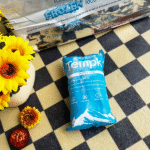
Tempk liefert flexibel Gel -Eisbeutel, starr Eisziegel, Wasserinjektionspackungen, und isoliert Kühlkettenverpackung Komponenten. Für Gel-Kältespeicher für die Milchverarbeitung, Verteilung, Probenahme, und Lieferung, Wir können das gewünschte Format überprüfen, Abmessungen, Anpassung, Verpackung, und kommerzielle Versorgungseinträge mit Ihrem Team. Die endgültige Wahl sollte im gesamten Verpackungs- und Marktkontext des Käufers bewertet werden, Daher umfasst die nützlichste Abfrage die Nutzlast, erforderliche Bedingung, Route, Isolierung, Kontaktweg, und erwartetes Auftragsmuster.
Senden Sie Tempk das kontrollierte Briefing für Ihr Gel-Kältespeicher-Molkereilieferantenprojekt, wenn Sie bereit sind, ein produktionsrepräsentatives Muster mit Ihren Routen- und Genehmigungsanforderungen zu vergleichen.