Kaufratgeber für Gel-Kühlakkus: Leistung, Lieferanten-Fit, und betriebliche Realität
Der beste Gel-Kühlakku im Vereinigten Königreich im Großhandel ist derjenige, der für die Aufgabe geeignet ist, ohne dass an anderer Stelle ein zusätzliches Risiko entsteht. In der Praxis, Käufer müssen das Design vergleichen, Phasenverhalten, Route fit, Lieferantendisziplin, und Konsistenz bei Großbestellungen zusammen. Nur so lässt sich eine Packung auswählen, die über die erste Mustercharge hinaus funktioniert.
Nachfolgend finden Sie einen praktischen Einkaufsleitfaden, der sich auf die Fragen konzentriert, die Beschaffungs- und Betriebsteams normalerweise zuerst beantworten müssen: was das Produkt wirklich leistet, wo es passt, was kann schief gehen, und wie man einen zuverlässigen Lieferanten von einer reinen Katalogoption unterscheidet.
Beginnend mit der richtigen Produktdefinition
Ein Gel-Kühlspeicher ist ein kontrollierter Kältespeicher, der in passiven Verpackungen verwendet wird. Einige Käufer verwenden den Begriff für flexible Gelpackungen, während andere es für starre Steine oder Platten verwenden, die mit einer eutektischen Flüssigkeit oder einem Gel gefüllt sind. Der Schlüsselgedanke ist nicht die Form, sondern die Funktion: Der Akku speichert Kühlenergie und gibt sie kontrollierter ab als loses Eis.
Das macht Akkumulatoren nützlich, wenn der äußere Versandbehälter eine feste Geometrie hat und das Auspacken wiederholbar sein muss. Ein richtig dimensionierter Akku sorgt für eine vorhersehbarere Ladung, besseres Stapeln, und einfachere Schulung für Lagerteams. Der Nachteil besteht darin, dass das beste Format stark von Ihrem Boxdesign abhängt, Zieltemperatur, und ob die Packung wiederverwendet wird.
Wenn der Akku im Gesundheitswesen oder anderen kontrollierten Kühlketten verwendet wird, Das gesamte Verpackungssystem erfordert möglicherweise eine Qualifizierung oder Streckenprüfung, selbst wenn die Kältequelle selbst einfach ist.
Wie Designentscheidungen die Leistung verändern
Kühlakkus können wasserbasierte Gele verwenden, Salzlösungen, oder andere Phasenwechselmaterialien, die um ein Zieltemperaturband herum ausgewählt werden. Öffentliche Referenzen im Markt zeigen sowohl weiche als auch starre Formate, einschließlich Ein-Liter-Bricks und Flachplatten in der Größe für Behälterwände oder Kartondeckel. Die Materialwahl verändert den Gefrierpunkt, strukturelle Steifigkeit, und wie eng die Einheit an der Nutzlast anliegt.
Starre Akkumulatoren bieten normalerweise eine sauberere Geometrie und lassen sich in Wiederverwendungsprogrammen leichter löschen. Flexible Versionen können sich besser an gemischte Lasten anpassen und Luftspalte reduzieren. Keines von beiden ist allgemein besser. Die Wahl hängt davon ab, ob Ihre größte Herausforderung in der präzisen Passform liegt, physikalische Haltbarkeit, Auspackgeschwindigkeit, oder engen Produktkontakt.
Für Akkus, Geometrie ist Teil der Leistung. Das Phasenwechselmedium ist wichtig, aber auch die Außenmaße, Wandkontakt, Wiederverwendungstemperatur, und die thermische Masse der umgebenden Box und des Produkts.
Käufer lernen in der Regel am meisten aus einer kurzen Liste harter Datenpunkte: Fertigmaße, Nettofüllgewicht, gefrorene Dicke, Phasenwechselbereich oder vorgesehenes Temperaturband, Konditionierungsanweisungen, und Verpackungskonfiguration pro Karton oder Palette. Anhand dieser Details können sich Betriebs- und Qualitätsteams schon vor Beginn eines Versuchs ein Bild davon machen, wie sich die Packung verhalten wird.
Auswahl nach Anwendung und Route
Akkumulatoren werden häufig in der Verteilung gekühlter Lebensmittel eingesetzt, wiederverwendbare Tragetaschensysteme, Diagnosesendungen, Apothekenpakete, und Serviceprogramme, bei denen die Packungen durch einen Gefrierraum zurückgeführt werden. Sie sind besonders hilfreich, wenn dieselbe Kartongröße wiederholt verwendet wird und der Betrieb von einer standardisierten Kältequelle statt einer losen Sammlung kleiner Packungen profitiert.
In der Praxis, Käufer entscheiden sich oft für einen Akkumulator, wenn sie einen saubereren Arbeitsablauf wünschen. Ein Ziegel oder eine Platte mit fester Größe kann schneller gezählt werden, konstant geladen, und effizienter gespeichert werden. Das heißt, Die Streckenleistung hängt immer noch von der Konditionierungstemperatur ab, Vorkühlung der Nutzlast, und der Isolationswert des gesamten Versenders.
Im Vereinigten Königreich, Käufer legen oft genauso viel Wert auf Lagerverfügbarkeit und vorhersehbaren Nachschub wie auf einen niedrigen Stückpreis. Viele Programme sind auf häufige Nachbestellungen angewiesen, kontrollierte Lagerung, und konsistente Passform mit vorhandenen Paketkästen, Tragetaschensysteme, oder Laborversender. Ein guter Großhandels- oder Lieferpartner ist in der Regel derjenige, der die Spezifikationen stabil halten und dennoch schnell reagieren kann.
Britische Beschaffungsteams fragen außerdem eher nach praktischer Dokumentation als nach Marketingsprache. Abmessungen, Gelmasse, Konditionierungsanweisungen, Lagerungsanleitung, und Rückverfolgbarkeitsdetails sind wichtig, denn das sind die Punkte, die bestimmen, ob das Lager, Qualitätssicherung, und Kundendienstteams können das Produkt reibungslos betreiben.
Für Akkus, Geometrie ist Teil der Leistung. Das Phasenwechselmedium ist wichtig, aber auch die Außenmaße, Wandkontakt, Wiederverwendungstemperatur, und die thermische Masse der umgebenden Box und des Produkts. Mit anderen Worten, Die Auswahl beginnt mit dem Bedienproblem, nicht das Katalogfoto. Käufer, die das Temperaturband definieren, Transitzeit, Nutzlastempfindlichkeit, und Lademethode tendieren eindeutig dazu, schnellere und sicherere Entscheidungen zu treffen.
Für einen käuferfreundlichen Vergleich sind in der Regel sechs Prüfungen erforderlich:
Wählen Sie starre Akkumulatoren, wenn Sie eine wiederholbare Entladung benötigen, saubereres Abwaschen, und einfacheres Zählen in Mehrwegprogrammen.
Wählen Sie flexible Akkumulatoren, wenn die Nutzlast ihre Form ändert oder der Versender enge Ecken und unebene Hohlräume hat.
Passen Sie den Phasenwechselpunkt an das tatsächliche Temperaturziel an, anstatt einfach gefrorene Medien auf Wasserbasis zu verwenden.
Prüfen Sie, ob das Gerät stapelbar ist, verschachtelt, oder effizient in Ihrem Gefrierraum gelagert werden.
Bestätigen Sie das Turnaround-Modell, wenn der Akkumulator Teil einer Wiederverwendungsschleife ist.
Testen Sie den Akku in der echten Tragetasche oder Isolierbox, denn die Geometrie ist einer der wichtigsten Werttreiber.
Großhandelskäufer wünschen sich in der Regel eine wiederholbare Passform innerhalb eines bestimmten Versenders, kein allgemeines Versprechen einer längeren Abkühlung. In Großbritannien, Lagerverfügbarkeit, schnelle Nachbestellungen, und eine klare Passung zu Paket- oder Laborspuren ist oft genauso wichtig wie der Stückpreis.
Was Sie Lieferanten fragen sollten, bevor Sie in großen Mengen bestellen
Um Großhandelsoptionen zu bewerten, Fragen Sie nach den fertigen Außenmaßen des Akkus, internes Füllmedium, Nennkältekapazität, Konditionierungsmethode, und erwarteter Betriebstemperaturbereich. Das sind die Punkte, die darüber entscheiden, ob das Gerät tatsächlich in Ihre Box passt und sich so verhält, wie es in Ihrer SOP angenommen wird.
Fragen Sie auch nach der Reinigung, Zyklen wiederverwenden, und Stapelbarkeit. Wenn das Gerät in einen Mehrwegbehälter oder einen isolierten Boxpool eingebaut wird, Betriebsdetails wie Abwaschtoleranz, Verschachtelungseffizienz, und die Widerstandsfähigkeit gegen Eckenrisse kann genauso wichtig sein wie das Wärmemedium selbst. Großhandelskäufer sollten die Gesamtbetriebskosten vergleichen, nicht nur der Kaufpreis.
Außenmaße, Gewicht, und Wandstärke
Hilfreiche Entscheidungshilfen
Überprüfen Sie die Details, bevor Sie sich für die Verpackung entscheiden
Mit diesen schnellen Tools können Sie das Routenrisiko vergleichen, Größenanforderungen, Kühlmittelauswahl, und Verpackungsdetails, bevor Sie ein Angebot anfordern.
Fallfestigkeit des Isolationsmaterials
Überprüfen Sie die Fallfestigkeit und die Handhabungsfaktoren, bevor Sie Isoliermaterialien auswählen.
Widerstand prüfenCompliance-Checklisten-Generator
Erstellen Sie eine praktische Checkliste für die Verpackungsüberprüfung, Versand, und Dokumentation.
Checkliste erstellenReferenz zu Isoliermaterialien
Vergleichen Sie die Auswahl an Isoliermaterialien für unterschiedliche Kühlkettenverpackungsanforderungen.
Vergleichen Sie MaterialienArt des Kühlmediums und empfohlene Konditionierungstemperatur
Wiederverwendungshandhabung, Abwaschtoleranz, und Stapelbarkeit oder Schachtelung
Passend zur vorgesehenen Tragetasche, Karton, oder isolierter Kastenhohlraum
Zyklenkonsistenz und Beständigkeit gegen Rissbildung oder Verformung
Kofferpackung, Paletteneffizienz, Vorlaufzeit, und benutzerdefinierte Optionen
Vor der Skalierung, Führen Sie einen einfachen, aber disziplinierten Versuch durch. Verwenden Sie die echte Nutzlast oder einen ähnlichen thermischen Ersatz, die eigentliche Umverpackung, die vorgesehene Konditionierungsmethode, und die Streckendauer, die Sie vor Ort erwarten. Berücksichtigen Sie mindestens eine härtere Umgebungseinwirkung als im Idealfall.
Wenn das Produkt in eine kontrolliertere Umgebung gelangt, Fragen Sie, ob der Lieferant diese Datenpunkte im Laufe der Zeit stabil halten kann und wie etwaige Änderungen kommuniziert würden. Die technische Zuverlässigkeit hängt ebenso von der Prozessdisziplin wie vom Erstmuster ab.
Probleme können Käufer frühzeitig verhindern
Ein häufiger Fehler besteht darin, einen abgestimmten Akkumulator durch einen generischen Eisstein zu ersetzen, ohne die Route erneut zu überprüfen. Die Passform kann sich verbessern, während sich das Temperaturverhalten verschlechtert, oder umgekehrt. Ein weiterer Fehler besteht darin, die Bearbeitungszeit zu übersehen. Wiederverwendbare Systeme benötigen ausreichend gefrorenen Bestand, Gefrierkapazität, und Bereitstellungsdisziplin zur Unterstützung des tatsächlichen Versandrhythmus.
Einige Teams ignorieren auch, wie sich der Akkumulator auf die Auspackarbeit auswirkt. Ein Format, das in einem Katalog gut aussieht, kann den Ladevorgang verlangsamen, wenn es eine umständliche Ausrichtung oder einen sorgfältigen Abstand erfordert. Das richtige Produkt ist dasjenige, das sowohl den thermischen Anforderungen als auch der betrieblichen Realität entspricht.
Akkumulatoren unterstützen häufig die Wiederverwendung gut, da starre oder wiederholbare Formate einfacher zu sammeln sind, überprüfen, und wieder in Betrieb nehmen. Dadurch können Einwegverpackungen in dichten Liefernetzwerken oder geschlossenen Kreislaufprogrammen reduziert werden. Der Nutzen für die Umwelt, Jedoch, hängt von den tatsächlichen Rücklaufquoten und der Reinigungseffizienz ab.
Akkumulatoren gewinnen in Programmen, die eine sauberere Wiederverwendung anstreben, zunehmend an Aufmerksamkeit, dichtere Gefrierlagerung, und weniger Abwechslung am Packtisch. Eine standardisierte Geometrie kann genauso wichtig sein wie die reine Kältekapazität.
Praktische Fragen vor dem Start
Wo Routen, Produkte, oder Dokumentationsanforderungen sind sensibler, Käufer sollten die vorgesehene Konditionierungsmethode sperren, Packposition, und Erhalt von Schecks vor der ersten größeren Bestellung. Diese einfache Disziplin verhindert später viel vermeidbare Verwirrung.
Während dieses Prozesses, Zeichnen Sie nicht nur die Temperatur auf. Schauen Sie sich die Oberflächenfeuchtigkeit an, Packungsintegrität, Ladegeschwindigkeit, gefrorene Passform, und den Zustand des gelieferten Produkts oder Kits. Diese Beobachtungen verraten oft mehr über die tatsächliche Eignung als eine Schlagzeile über die Wartezeit.
Nach dem Prozess, Sperren Sie die Spezifikation. Dokumentieren Sie die genehmigten Maße, Gelmasse, Filmstruktur, Konditionierungsmethode, und Packungsplatzierung. Diese einfache Disziplin reduziert die Abweichung zwischen Mustergenehmigung und Routineproduktion.
Schnelle Antworten, bevor Sie Lieferanten in die engere Auswahl nehmen
Was ist der Unterschied zwischen einem Gelakku und einem normalen Eisbeutel??
Ein Akkumulator wird normalerweise für einen kontrollierteren Sitz und ein wiederholbares thermisches Verhalten innerhalb eines bestimmten Versandbehälterdesigns ausgewählt.
Sind starre Akkus immer besser??
NEIN. Sie lassen sich oft besser wiederverwenden und ordentlich auspacken, aber flexible Formate können bei unregelmäßigen Nutzlasten besser funktionieren.
Was sollten Großhandelskäufer zuerst überprüfen??
Beginnen Sie mit den Abmessungen, Phasenwechselbereich, Konditionierungsmethode, und wie das Gerät in die eigentliche Box oder Tragetasche passt.
Betriebsdetails, die Aufmerksamkeit verdienen
Die Massenbeschaffung verändert die Entscheidung in einer wichtigen Hinsicht: Sie genehmigen keine einzige Packung, Sie genehmigen eine wiederholbare Herstellungs- und Betriebsmethode. Das bedeutet das Zitat, die Probe, die Lager-SOP, und die Nachbestellungsspezifikation müssen alle auf dasselbe Produkt verweisen. Wenn eines dieser Stücke vage ist, Kosten kommen meist erst später durch Lecks an die Oberfläche, Wiederaufnahmeverfahren, Kundenbeschwerden, oder langsame Verpackungslinien statt in der ersten Bestellung.
Ein weiterer praktischer Punkt ist die Lagerung und Handhabung vor dem Versand oder der Verwendung. Der Auftritt beginnt im Gefrierraum, Vorbereitungsbereich, oder Lagerraum, nicht am Zielort. Käufer sollten prüfen, wie das Produkt gelagert wird, wie lange die Konditionierung dauert, ob Kartons nach dem First-In-First-Out-Prinzip gedreht werden können, und wie sich das Rudel verhält, wenn Teams es in geschäftigen oder teilweise aufgetauten Zeiten handhaben. Kleine Betriebsdetails können das gelieferte Ergebnis stärker verändern, als die Katalogsprache vermuten lässt.
Beim Vergleich von Lieferanten, Fragen Sie sich, ob der Anbieter Ihnen dabei hilft, eine echte Entscheidung zu treffen, oder ob er Ihnen nur dabei hilft, ein Angebot zu erhalten. Nützliche Lieferanten antworten direkt auf die Abmessungen, Konditionierung, Änderungskontrolle, Dokumentation, und Anwendungsgrenzen. Weniger nützliche bleiben auf der Ebene der breiten Fachsprache und überlassen die technische Interpretation Ihnen.
Eine Probenbegutachtung sollte daher über die visuelle Prüfung hinausgehen. Frieren Sie das Produkt so ein, wie Ihr Team es tatsächlich einfrieren würde. Laden Sie es in die echte Umverpackung oder in das Benutzerformat. Prüfen Sie, wie einfach es zu platzieren ist, wie klar es beschriftet ist, wie es sich nach teilweisem Auftauen verhält, und ob die empfangende Seite verstehen würde, wie man damit umgeht.
Es lohnt sich auch, die Gesamtbetriebskosten und nicht nur den Artikelpreis zu vergleichen. Eine etwas teurere Packung kann immer noch die kostengünstigere Option sein, wenn sie die Überlastung des Gefrierschranks verringert, senkt die Leckraten, verbessert die Packgeschwindigkeit, oder Rücksendungen vermeidet. Das Gleiche gilt auch auf der Kundenseite: einfachere Entsorgung, bessere Präsentation, oder klarere Anweisungen sparen oft mehr, als Käufer erwarten.
Die Konsistenz vom Muster bis zur Produktion verdient besondere Aufmerksamkeit. Fragen Sie, ob der Lieferant das Füllgewicht kontrolliert, Filmstärke, Siegelqualität, Außenmaße, und Kartonkonfiguration innerhalb eines bekannten Toleranzbandes. Fragen Sie dann, wie eine Änderung kommuniziert werden würde. Diese Frage unterscheidet oft einen echten Produktionspartner von einem Händler mit eingeschränkter Prozesstransparenz.
Der stärkste Genehmigungsweg ist normalerweise einfach, aber diszipliniert. Definieren Sie den Anwendungsfall, Fordern Sie ein kontrolliertes Musterset an, Führen Sie eine realistische Route oder einen Packout-Test durch, Dokumentieren Sie die genehmigte Spezifikation, und bewahren Sie dieses Dokument bei jeder Nachbestellung auf. Diese Reihenfolge ist besonders wichtig, wenn sich das Produkt in einer kontrollierteren Kühlkette oder im Gesundheits-Workflow befindet.
Fazit
Beim Kauf eines starken Gel-Kühlakkus geht es selten darum, den kältesten zu kaufen, am günstigsten, oder am meisten vermarktete Packung. Es geht darum, das Packformat anzupassen, Konditionierungsmethode, und Lieferantendisziplin für den Job, den Sie tatsächlich ausführen.
Wenn Sie den Anwendungsfall klar definieren, Stellen Sie gezieltere Fragen zu Materialien und Prozesskontrolle, und testen Sie den Rucksack in der realen Route oder im Handling-Workflow, Es ist viel wahrscheinlicher, dass Sie sich für einen Lieferanten entscheiden, der nach dem Rollout eine gute Leistung erbringt, als nur in der Angebotsphase.
Über Tempk
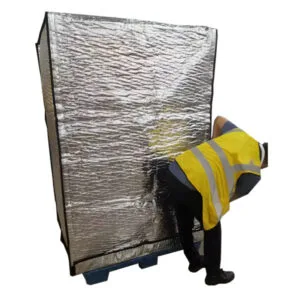
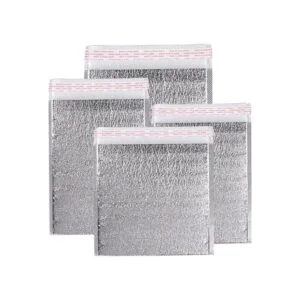
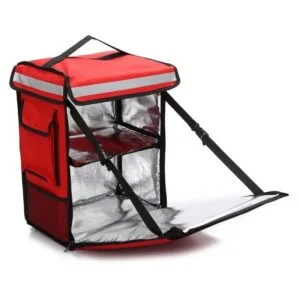
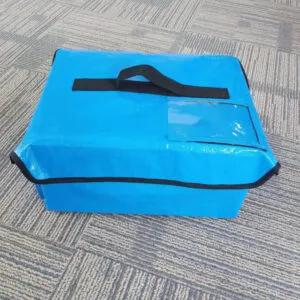
Und Tempk, wir konzentrieren uns auf Temperaturkontrollierte Verpackung für Essen, pharmazeutisch, und andere sensible Sendungen. Unser öffentliches Sortiment umfasst Gel -Eisbeutel, Trockeneisbeutel, Gefrier-Eissteine, Isoliertaschen, isolierte Boxauskleidungen, EPP-Isolierboxen, Kaltversandkartons, medizinische Kühlboxen, Und Thermopalettenabdeckungen. Weil wir sowohl mit Kältemitteln als auch mit isolierten Formaten arbeiten, plus kundenspezifische Verpackung zur Temperaturkontrolle, die von einem CNAS-zertifizierten Labor unterstützt wird, Wir können Käufern dabei helfen, eine Einzelpackungsoption innerhalb des breiteren Versandsystems zu vergleichen.
Nächster Schritt
Wenn Sie Lieferanten vergleichen, Fragen Sie nach Mustern, Konditionierungsanleitung, und eine Pack-Out-Empfehlung, die an Ihren tatsächlichen Temperaturbereich und Ihre Transportzeit gebunden ist. Ein kontrollierter Test mit Ihrer tatsächlichen Nutzlast und Umverpackung wird weit mehr verraten als ein Stückpreisblatt.