Hersteller von Gel-Eisbeuteln für medizinische Zwecke: Ein praktischer Einkaufsrahmen
Einführung
Ein Käufer sucht nach einem Gel-Eisbeutel manufacturer for medical use usually needs more than a cold pack. Das Ziel besteht darin, ein Kältemittelformat sicherzustellen, das zur Route passt, schützt das Produkt, und können jederzeit in der gleichen Qualität geliefert werden. Das klingt einfach, Die richtige Wahl hängt jedoch vom Temperaturbereich ab, Konditionierungsmethode, Packungsgeometrie, Kondensationsverhalten, und wie der äußere Versender um die Nutzlast herum aufgebaut ist.
Mit anderen Worten, the smart way to compare gel ice pouch products is to treat them as part of a shipping system. Wenn Sie das Produkt einmal so betrachten, Die zentralen Fragen werden klarer: Welches Temperaturverhalten benötigen Sie?, Welches Format passt zur Verpackung?, welche betrieblichen Risiken am wichtigsten sind, und welcher Lieferant die genehmigte Probe über zukünftige Chargen hinweg stabil halten kann.
Was Käufer normalerweise mit diesem Produkt meinen
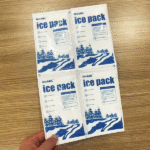
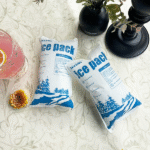
A gel ice pouch is a flexible sealed format that works well when the pack needs to sit close to the payload or conform to an irregular carton. Pouches are common in healthcare, parcel Kühlkette, and compact retail packouts because they are easy to place and easy to replace. The key technical issue is that flexibility only helps if the film, Siegel, and fill control are strong enough to survive handling. A pouch that leaks under edge pressure quickly stops being a low-cost option.
Medical use introduces an intended-use question that consumer Kaltpackungen do not always raise. A gel pouch or cold pack may be used for therapeutic cooling against the body, for sample transport, or as a refrigerant inside a healthcare shipping system. Those are related but not identical applications. The buyer should first decide which role the product must play, because labeling, Qualitätsdokumentation, and even the most relevant test criteria can differ.
For transport-oriented medical programs, the biggest risk is treating the pack as if it alone creates compliance. In Wirklichkeit, the cold pack is one component in a larger packaging system. You still need to think about product sensitivity, Transitzeit, exposure during handoff, and what the receiving team will do if the shipment arrives warm, overly cold, or physically damaged. For patient-contact products, Materialsicherheit, Verwendungszweck, and quality-system questions move further up the buying checklist.
Die Designentscheidungen, die Ergebnisse verändern
Die meisten Gel-Kältemittel basieren auf einer bekannten Architektur: ein flexibler Film oder laminierter Beutel, gefüllt mit Wasser und einem gelbildenden System, das die Flüssigkeit an Ort und Stelle hält. Auf dem öffentlichen Markt, Das Gelierungssystem basiert häufig auf Materialien wie Natriumpolyacrylat oder Verdickungsmitteln auf Zellulosebasis, während der äußere Beutel Polyethylen allein oder ein stärkeres Laminat wie PA/PE für eine bessere Durchstoßfestigkeit verwenden kann. Was für Käufer zählt, ist nicht der Name der Chemie allein, sondern die Art und Weise, wie sich diese Formulierung nach der Konditionierung verhält, nach wiederholter Handhabung, und nachdem die Packung gegen die Produktecken im Karton gedrückt wurde.
Auch das öffentliche Produktsortiment zeigt, dass eine Familie von Gelpacks nicht jeden Temperaturbedarf abdeckt. Einige sind für den Kühlbetrieb nahe 0 °C ausgelegt, Einige verwenden Formulierungen mit niedrigerer Temperatur für den gefrorenen Vertrieb, und einige Phasenwechselvarianten sind auf schmalere Bänder wie 3°C abgestimmt, 5°C, 7°C, oder wärmere kontrollierte Bereiche. Das ist wichtig, denn ein kälterer Rucksack ist nicht automatisch ein besserer Rucksack. Für frostempfindliche Produkte, Ein schmalbandiges Kühlmittel ist möglicherweise sicherer als ein hartgefrorenes Wassergel, während gefrorene Lebensmittel möglicherweise etwas viel Kälteres benötigen, als ein herkömmliches Kühlgel bieten kann.
Die Größenbereiche auf dem Markt sind gleichermaßen breit. Kleine Packungen können nur wenige Unzen wiegen, während größere Versandformate bis hin zu schweren Pads reichen, große Beutel, oder 80-Unzen-Klassenpakete und mehr. Die Nenngröße, Jedoch, ist nur ein Teil der Geschichte. Form, Füllverteilung, und Konsistenz von Gerät zu Gerät wirken sich alle darauf aus, wie das Kältemittel in den Karton passt und wie die Bediener es vor Ort verwenden. Eine gut kontrollierte 16-Unzen-Packung kann in der Praxis eine bessere Leistung erbringen als eine nominell größere Packung, die zu stark in Dicke oder Füllplatzierung variiert.
Ein Einkäufer benötigt keinen Abschluss in Chemie, um diese Informationen sinnvoll nutzen zu können. Das praktische Mitnehmen ist einfach: Erkundigen Sie sich beim Lieferanten, für welchen Temperaturbereich die Packung bestimmt ist, wie es konditioniert werden soll, und ob das exakt gleiche Folien- und Füllsystem beibehalten wird, sobald der Auftrag von den Mustern zur Produktion übergeht.
Die Wärmeleistung hängt von der gesamten Verpackung ab. Für eine frühzeitige Einschätzung können grobe Faustregeln hilfreich sein, Sie sollten jedoch niemals die streckenbasierte Auswertung ersetzen. Die gleiche Kältemittelbeladung kann sich je nach Kartonvolumen sehr unterschiedlich verhalten, Isolationsdicke, Nutzlastmasse, Ausgangstemperaturen, und das Muster der Umgebungsexposition entlang der Route. Sogar die Position der Packung im Karton spielt eine Rolle, weil Toplader, Seitenbeladung, und die umschließende Platzierung verändern den Wärmepfad und das Risiko eines direkten Kältekontakts.
Die Wartezeit auf dem Papier ist weniger wichtig als das tatsächliche Routenprofil. Eine kurze Spur mit wiederholter Dockexposition kann schwieriger sein als eine längere Spur, die innerhalb eines kontrollierten Netzwerks bleibt. Die Konditionierungsmethode ist wichtig, da eine Packung fest gefroren ist, halbkonditioniert, oder auf eine enge Zieltemperatur gekühlt verhält sich im selben Karton ganz anders. Auch die Packout-Geometrie ist wichtig. Lücken, direkter Kontakt, und die Position des Kältemittels um die Nutzlast herum kann sowohl die Temperaturverteilung als auch die Kondensation verändern. Für Gesundheitssendungen, Empfangsschecks und Exkursionsentscheidungen sind Teil des Systems, Daher muss die Verpackung für Standorte oder Depots einfach zu verwenden sein.
Wo es passt und wo nicht
Eine praktische Möglichkeit, Optionen zu vergleichen, besteht darin, sie in drei Gruppen einzuteilen. Flexible Beutel und Kissen eignen sich am besten, wenn die Form der Nutzlast unregelmäßig ist und ein enger Kontakt wichtig ist. Flachere Pads eignen sich gut, wenn der Kopfraum begrenzt ist und die Sendung in Schichten angeordnet ist. Blöcke und Ziegel eignen sich besser, wenn Sie eine wiederholbare Geometrie benötigen, einfacheres Training, und eine Packung, die innerhalb des Versandbehälters in einer definierten Position bleibt. No-Sweat-Konstruktionen verdienen bei nassen Kartons eine gesonderte Betrachtung, Etiketten, oder bedruckte Ärmel sorgen für vermeidbare Reklamationen.
Auch Form und Oberflächenverhalten wirken sich auf die Feldergebnisse aus. Flexible Kissen und Beutel können die Kontaktfläche um unregelmäßige Gegenstände herum maximieren, während Blöcke und Ziegel standardisierte Packouts vereinfachen. Schweißfreie Konstruktionen helfen, wenn Etikettenschäden oder nasse Kartons ein Problem darstellen. Halbstarre Packungen können die Konsistenz bei sich wiederholenden Vorgängen verbessern, Sie benötigen jedoch möglicherweise einen besser passenden Versender, um ungenutzte Lücken zu vermeiden. Mit anderen Worten, Der leistungsstärkste Rucksack ist derjenige, der gleichzeitig zum thermischen Ziel und zum physischen Arbeitsablauf passt.
Zur Beschaffung, Die Lektion ist einfach: Bewerten Sie die Gelpackung im Versandsystem, nicht als eigenständige Ware. Fordern Sie Probentests im vorgesehenen Karton oder Behälter an, und stellen Sie sicher, dass die Konditionierungsanweisungen für die Personen, die die Bestellung tatsächlich verpacken, realistisch sind.
Die temperaturempfindliche Logistik im Gesundheitswesen erfordert eine klare Grenze zwischen einer Kältemittelkomponente und einem qualifizierten Versandsystem. Eine Gelpackung, Beutel, Block, oder Ziegel können ein Teil des Systems sein, Dies allein ist jedoch keine Garantie für einen ordnungsgemäßen Transport. Für Arzneimittel und andere kontrollierte Gesundheitsmaterialien, Käufer müssen normalerweise das Routenrisiko berücksichtigen, zulässiger Temperaturbereich, Isolierung, Verpackungsanweisungen, und wie Ausflüge bei Versand und Empfang gehandhabt werden.
Auch der Verwendungszweck spielt eine Rolle. Wenn das Produkt als kalte Kompresse für den Patientenkontakt verwendet wird, Möglicherweise gelten gerätespezifische Qualitäts- und Kennzeichnungsfragen, die nicht automatisch auf ein Transportkühlmittel zutreffen. Wenn das gleiche Format für den Versand vorgeschlagen wird, Der Käufer sollte fragen, ob die Spezifikation, Dokumentation, und Herstellungskontrollen entsprechen dieser Verwendung. In vielen Fällen, Möglicherweise sind zusätzliche Qualifikationen oder eine separate Verwendungszweckerklärung erforderlich.
So vergleichen Sie Lieferanten vor einer Großbestellung
If you are buying gel ice pouch products in volume, Die Auswahlliste sollte eher auf Wiederholbarkeit als auf Broschürensprache basieren. Der Lieferant muss nachweisen, dass die gleiche Packung, die Sie als Muster freigegeben haben, mit dem gleichen Gelverhalten erneut hergestellt werden kann, Siegelqualität, und Abmessungen. That is especially important for medical handling, Therapie, and healthcare logistics, wo eine kleine Änderung der Packungsdicke oder des Konditionierungsverhaltens das Ergebnis im Feld verändern kann. Wenn Sie sich direkt an einen Hersteller wenden, Gehen Sie über das Verkaufsblatt hinaus und fragen Sie nach der Produktionskontrolle, nicht nur Fertigwaren-Katalogoptionen.
Auch wenn das Stichwort kein Land nennt, prägt die regionale Beschaffung die Kaufentscheidung. Vorlaufzeit, Abtastgeschwindigkeit, Zollexposition, und After-Sales-Follow-up beeinflussen alle, ob ein niedriger Stückpreis zu einem praktikablen Lieferprogramm führt. Ein gutes Lieferantengespräch sollte daher auch logistische Praktikabilität beinhalten, nicht nur die Gelformel und der angegebene Stückpreis.
Wenn Sie aussagekräftige technische Daten wünschen, Fragen Sie nach Parametern, die eine direkte Verbindung zur Verwendung herstellen. Zu den nützlichen Artikeln gehört das Nennfüllgewicht, Dickentoleranz, Außenmaße, Filmstruktur, empfohlener Konditionierungsbereich, und Hinweise zum Temperieren vor der Verwendung. Wenn die Packung wiederverwendbar ist, Fragen Sie, wie Wiederverwendung definiert ist und welche Verschleißerscheinungen eine Außerbetriebnahme auslösen sollten. Für den Einsatz im Gesundheitswesen oder bei sensiblen Produkten, Fordern Sie die klarste verfügbare Aussage zur beabsichtigten Verwendung und jegliche relevante Unterstützung des Qualitätssystems an.
Hilfreiche Entscheidungshilfen
Überprüfen Sie die Details, bevor Sie sich für die Verpackung entscheiden
Mit diesen schnellen Tools können Sie das Routenrisiko vergleichen, Größenanforderungen, Kühlmittelauswahl, und Verpackungsdetails, bevor Sie ein Angebot anfordern.
Compliance-Checklisten-Generator
Erstellen Sie eine praktische Checkliste für die Verpackungsüberprüfung, Versand, und Dokumentation.
Checkliste erstellenTrockeneisrechner
Schätzen Sie vor dem Verpacken den Bedarf an Trockeneis für gefrorene oder ultrakalte Sendungen.
Schätzen Sie TrockeneisEisbeutel-Rechner
Schätzen Sie die Menge an Gel-Eisbeuteln für gekühlte Sendungen und nutzen Sie die praktische Routenplanung.
Schätzen Sie EisbeutelEs ist auch sinnvoll zu fragen, wie der Lieferant Produktionsschwankungen kontrolliert. Ein Gelpack kann selbst dann versagen, wenn die Chemie stimmt, wenn die Versiegelungstemperatur schwankt, Füllgewichte sind zu weit verteilt, oder Filmlose ändern sich ohne Vorankündigung. Aus diesem Grund sollten Musterfreigabe und Änderungsmitteilung Teil des kommerziellen Gesprächs sein, Kein nachträglicher Einfall, der hinzugefügt wird, nachdem die erste Ausgabe im Feld erscheint.
Praktische Lieferanten-Checkliste
Überprüfen Sie die Innen- und Außenmaße, Füllgewicht, und Dickenbereich, sodass die Packung wirklich in den vorgesehenen Karton oder Behälter passt.
Fragen Sie nach, welche Gelchemie oder Phasentemperatur verwendet wird, Welche Konditionierungsmethode ist erforderlich?, und ob vor dem Auspacken eine Temperierung erforderlich ist.
Überprüfen Sie die Filmstruktur, Siegelstil, Durchstoßfestigkeit, und jede feuchtigkeitsregulierende Schicht, wenn Etiketten oder Kartons trocken bleiben müssen.
Bestätigen Sie die Chargencodierung, Beschriftungsmöglichkeiten, und ob der Lieferant die Rückverfolgbarkeit und konsistente Identifizierung über alle Nachbestellungen hinweg unterstützen kann.
Fordern Sie Muster-zu-Produktionskontrollen an: genehmigte Probenaufbewahrung, Änderungsmitteilung, und Chargenkonsistenz hinsichtlich Füllgewicht und Siegelqualität.
Besprechen Sie MOQ, Vorlaufzeit, Fallzahl, Palettenmuster, und ob ein Eilnachschub oder eine saisonale Zuteilung realistisch ist.
Wenn eine Anpassung erforderlich ist, Druck verdeutlichen, Größe, Film, oder Gel-Chemie-Optionen und fragen Sie, wie sich diese Änderungen auf die Durchlaufzeit und Wiederholbarkeit auswirken.
Fragen Sie nach, welche Dokumentation für den vorgesehenen Verwendungszweck verfügbar ist, wesentliche Informationen, und gegebenenfalls Unterstützung des Qualitätssystems.
Bestätigen Sie, ob der Lieferant streckenspezifische Tests unterstützen kann, Packout-Anleitung, oder Überprüfungsarbeiten, wenn die Sendung temperaturkontrolliert ist.
Fehler, die Zeit und Geld kosten
Der erste häufige Fehler besteht darin, jede Gelpackung als austauschbar zu betrachten. Zwei Packungen gleicher Größe können sich aufgrund der Gelchemie unterschiedlich verhalten, Konditionierungsanweisungen, Film, und Oberflächenkonstruktion sind nicht dasselbe. Der zweite Fehler besteht darin, nur nach dem Nenngewicht zu kaufen. Gewicht ist wichtig, aber Fußabdruck, Dicke, und Packungsposition sind im echten Karton oft genauso wichtig.
Ein weiterer vermeidbarer Fehler besteht darin, Kondensation und Handhabung zu ignorieren. Eine Route kann zwar die Temperatur halten, aber dennoch kommerziell ausfallen, weil die Packung undicht ist, die Kiste wird feucht, oder Bediener können die Konditionierungsanweisungen nicht konsequent befolgen. Der letzte Fehler besteht darin, anzunehmen, dass eine erfolgreiche Probe automatisch die langfristige Versorgungssicherheit beweist. Die größere Frage ist, ob der Lieferant dieses Muster Monat für Monat ohne stille Spezifikationsabweichung reproduzieren kann.
Nachhaltigkeitsdiskussionen in dieser Kategorie funktionieren am besten, wenn sie praxisorientiert bleiben. Wiederverwendbare Verpackungen können Abfall reduzieren und die Konsistenz der Verpackung verbessern, aber sie machen nur beim Abrufen Sinn, Inspektion, und Aufarbeitung sind realistisch. Einwegpakete bleiben für Open-Loop-Paketprogramme nützlich, insbesondere wenn die Rücksendekosten den materiellen Nutzen überwiegen würden. Die richtige Frage ist abstrakt gesehen nicht wiederverwendbar oder wegwerfbar; Es ist die Lösung, die Gesamtverschwendung und Ausfälle in Ihrem tatsächlichen Netzwerk reduziert.
Häufig gestellte Fragen
Q: Reicht eine Gelpackung allein für eine konforme Gesundheitssendung?? A: NEIN. Es ist eine Komponente, nicht das ganze System. Routenrisiko, Isolierung, Verpackungsanweisungen, und der Erhalt von Schecks müssen noch geklärt werden.
Q: Kann ein Kühlakku für den Patientengebrauch auch für den Versand verwendet werden?? A: Manchmal, Der Käufer sollte jedoch den Verwendungszweck bestätigen, Dokumentation, und ob die Spezifikation wirklich den Transportanforderungen entspricht.
Q: Was ist das größte technische Risiko für gekühlte Gesundheitsprodukte?? A: Häufig handelt es sich um Frostschäden durch zu kalte oder zu nahe an einem empfindlichen Produkt positionierte Verpackungen.
Zusammenfassung
The best gel ice pouch program is the one that matches temperature need, Packformat, Workflow, und Lieferkonsistenz in einer einzigen Entscheidung. Wenn Käufer Packungen auf diese Weise vergleichen, Sie vermeiden normalerweise die teuersten Fehler: falsche Phasentemperatur, schwache Dokumentation, schlechte Kondensationskontrolle, und Lieferanten, die eine genehmigte Probe nicht wiederholen können. Das macht aus einem einfachen Gelpack eine zuverlässige Versandkomponente.
Über Tempk
Und Tempk, wir konzentrieren uns auf Kühlkettenverpackung und Temperaturkontrolllösungen, die von Shanghai Tempk Industrial Co. entwickelt wurden., Ltd., etabliert in 2011. Unser öffentliches Produktsortiment umfasst Gel -Eisbeutel, mit Wasser gefüllte Kühlakkus, Trockeneisbeutel, Gefrier-Eissteine, Isolierte Kisten und Liner, Pharmazeutische Kühlkettenausrüstung, und Verifizierungsdienste für die Temperaturkontrolle. Für Gesundheitsprojekte, Dieser breitere Anwendungsbereich hilft uns, über einen einzelnen Kühlmittelartikel hinauszudenken und den gesamten Versandaufbau zu betrachten.
Nächster Schritt
Wenn Ihre Sendung ein definiertes Temperaturfenster oder Qualitätsanforderungen hat, Bitten Sie um Rat, der das Routenrisiko berücksichtigt, Packungsplatzierung, und das vollisolierte System, bevor Sie die Bestellung skalieren.