Die Wahl eines Kühlmittels ist eine der wichtigsten Entscheidungen in Kaltkettenverpackung. Gelpackungen, Trockeneis, und PCM-Pakete können alle schützen temperaturempfindliche Produkte, aber sie sind nicht austauschbar. Die richtige Wahl hängt vom Produkttemperaturbereich ab, Nutzlastmasse, Streckendauer, zulässiges Frostrisiko, Trägerregeln, Dokumentationsbedarf, und Kundenempfangserfahrung.
Für B2B-Käufer, Das Ziel besteht nicht darin, das kälteste Kühlmittel zu wählen. Das Ziel besteht darin, das Kühlmittel auszuwählen, das das Produkt für die erforderliche Zeit innerhalb seines erforderlichen Temperaturbereichs hält, unter realistischen Fahrbedingungen, mit akzeptabler Sicherheit, kosten, Einhaltung, und Markenerlebnis.
Schnelle Antwort
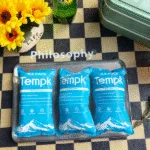
Gelpacks sind in der Regel der Ausgangspunkt für gekühlte und gekühlte Sendungen. FedEx beschreibt Gel-Kühlmittel für Produkte, deren Temperatur zwischen 34 °F liegen sollte / 1°C und 50°F / 10°C. Trockeneis wird verwendet, wenn Produkte gefroren bleiben müssen, aber es sublimiert bei -78,5°C / -109.3°F und erfordert eine Entlüftung, Markierung, und Handhabungskontrollen. PCM-Packungen werden verwendet, wenn die Packung eine kontrolliertere Wärmeabsorption und -abgabe in einem bestimmten Phasenübergangsbereich erfordert.
Quellengestützter Kühlmittelvergleich
| Kühlmitteltyp | Quellgestützter Parameter | Optimale Kühlkettennutzung | Hauptrisiko, das es zu kontrollieren gilt |
|---|---|---|---|
| Gelpackung / Gel-Kühlmittel | FedEx beschreibt Gel-Kühlmittel für Sendungen, die eine Temperatur von 34 °F haben müssen / 1°C und 50°F / 10°C. | Gekühltes Essen, Lebensmittelgeschäft, Mahlzeiten, Meeresfrüchte, die über dem Gefrierpunkt gehalten werden, Kosmetika, einige gekühlte Pakete. | Unzureichende Kühlmittelmasse, Es besteht die Gefahr eines Einfrierens bei direktem Kontakt, Kondensation, Leckage, nasse Kartons. |
| Trockeneis | USGS gibt an, dass Trockeneis bei -78,5 °C sublimiert / -109.3° F. | Gefrorenes Essen, gefrorene Meeresfrüchte, Eiscreme, tiefgefrorene Materialien, und Bahnen, in denen Gelpackungen die gefrorenen Bedingungen nicht aufrechterhalten können. | CO2-Gasdruck, Belüftung, Erfrischungsrisiko, Überfrieren, Markierung, Spediteurakzeptanz. |
| PCM-Paket | ScienceDirect definiert Phasenwechselmaterialien als Materialien, die während des Phasenwechsels große Wärmemengen absorbieren und abgeben, oft in der Nähe eines stabilen Temperaturbereichs. | 2-8°C Pharma, schmalbandgekühlte Produkte, kontrollierte Raumtemperaturprogramme, Premium-validierte Systeme. | Falsche Phasenwechseltemperatur, schlechte Konditionierung, kosten, Lieferspezifikation, Validierungsbedarf. |
| Eisbeutel mit Wassereinspritzung | Verwendet Wasser oder wasserbasiertes Kühlmittel, das vor dem Gebrauch eingefüllt wird; Die endgültige Leistung hängt vom Gefrier- und Verpackungsdesign ab. | Lebensmittel- und Lebensmittelprogramme mit hohem Volumen, die eine geringere Eingangsfracht und eine einfachere Lagerlagerung vor der Flüssigkeitszufuhr erfordern. | Füllqualität, Versiegelungsintegrität, Zeit einfrieren, Bedienerschulung. |
Wenn Gelpacks der richtige Ausgangspunkt sind
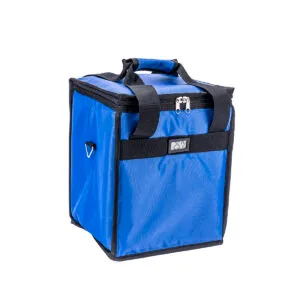
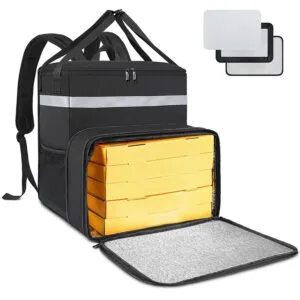
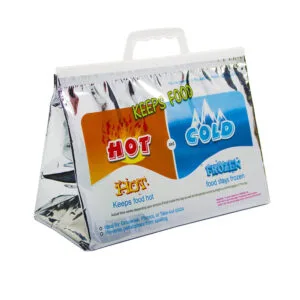
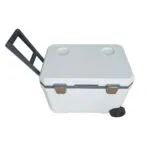
Gelpackungen werden häufig verwendet, weil sie bekannt sind, erschwinglich, und einfach zu integrieren Isoliertaschen, EPS-Boxen, Boxliner, EPP-Kühler, und Paketkartons. Für gekühlte Speisen sind sie oft die erste Wahl, Lebensmittellieferung, Zubereitete Mahlzeiten, frische Meeresfrüchte, Kosmetika, und gekühlte E-Commerce-Bestellungen.
Eine Gelpackung eignet sich, wenn das Produkt kalt, aber nicht unbedingt gefroren bleiben muss. Dies ist auch nützlich, wenn der empfangende Kunde eine Reinigung erwartet, ungefährliches Kühlmittel. Für Essenssets und Lebensmittellieferungen, Die Erfahrung des Endbenutzers ist wichtig: Die Gelpackung darf nicht auslaufen, Den Karton nicht übermäßig nass machen, oder die Entsorgung verwirrend machen.
Jedoch, Gelpacks sind keine universelle Lösung. Eine gefrorene Gelpackung kann lokale Gefrierpunkte verursachen, wenn sie mit Medikamenten in Berührung kommt, Salat, Schokolade, oder andere frostempfindliche Produkte. Im Sommer-Paketfernversand, Die Gelpackungsmasse muss möglicherweise größer sein als erwartet. In einem schwach isolierten Karton, Das einfache Hinzufügen weiterer Gel-Packs kann dazu führen, dass die Box schwer wird, die Route aber trotzdem scheitert.
Wenn noch Trockeneis benötigt wird
Trockeneis ist die stärkste Kältequelle bei Paket- und Lufttransporten. Es kann Produkte gefroren halten, während Gelpackungen sie möglicherweise nur gekühlt halten. Das macht Trockeneis für gefrorene Meeresfrüchte relevant, Eiscreme, gefrorenes Fleisch, gefrorene Fertiggerichte, und einige tiefgefrorene Labormaterialien.
Aber Trockeneis ist nicht nur eine kältere Gelpackung. Es handelt sich um festes Kohlendioxid. Wie es sublimiert, es wird zu Gas. Die Verpackung darf nicht luftdicht sein und muss eine Gasfreisetzung ermöglichen. PHMSA gibt das an Trockeneispackungen Das als Kältemittel verwendete Kältemittel muss so konstruiert sein, dass Gas freigesetzt werden kann, um einen Druckaufbau zu verhindern, und es muss mit der richtigen Versandbezeichnung und ID-Nummer gekennzeichnet sein, wie „Trockeneis,”UN1845, und ggf. Nettomasse. Die PackSafe-Richtlinie der FAA besagt außerdem, dass Trockeneisverpackungen nicht luftdicht sein dürfen und eine Belüftung ermöglichen müssen.
Trockeneis birgt auch ein Risiko für die Produktqualität. Es kann zu einem Überfrieren der Produkte kommen, Etiketten oder Behälter können durch extreme Kälte beschädigt werden, und stellen ein Sicherheitsproblem für Packer und Empfänger dar. Die Richtlinien von UPS für Lebensmittel- und verderbliche Sendungen empfehlen, den Inhalt getrennt von Trockeneis aufzubewahren und EPS-Schaum in Wellpappenverpackungen zu verwenden.
Wenn PCM-Packs besser sind als Standard-Gel-Packs
PCM-Packs sind nützlich, wenn der Kunde eine bessere Temperaturkontrolle rund um ein ausgewähltes Band benötigt. Ein Phasenwechselmaterial nimmt beim Schmelzen Wärme auf und gibt beim Gefrieren Wärme ab. Dieses latente Wärmeverhalten kann dazu beitragen, Temperaturschwankungen zu reduzieren, wenn das PCM richtig ausgewählt und konditioniert wird.
Hilfreiche Entscheidungshilfen
Überprüfen Sie die Details, bevor Sie sich für die Verpackung entscheiden
Mit diesen schnellen Tools können Sie das Routenrisiko vergleichen, Größenanforderungen, Kühlmittelauswahl, und Verpackungsdetails, bevor Sie ein Angebot anfordern.
Kühlmittel & PCM-Referenz
Vergleichen Sie Kühlmittel- und PCM-Optionen, wenn eine Route zusätzliche Temperaturunterstützung benötigt.
Vergleichen Sie OptionenEisbeutel-Rechner
Schätzen Sie die Menge an Gel-Eisbeuteln für gekühlte Sendungen und nutzen Sie die praktische Routenplanung.
Schätzen Sie EisbeutelReferenz zu Isoliermaterialien
Vergleichen Sie die Auswahl an Isoliermaterialien für unterschiedliche Kühlkettenverpackungsanforderungen.
Vergleichen Sie MaterialienPCM-Verpackungen werden häufig für Arzneimitteltransporte mit einer Temperatur von 2–8 °C in Betracht gezogen, kontrolliert gekühlte Produkte, Spezialbiologika, und Verpackungen, bei denen Frostschäden ein großes Problem darstellen. Sie sind auch nützlich, wenn die Marke eine Dokumentation benötigt, Wiederholbares Auspacken anstelle eines einfachen „Mehr Eis hinzufügen“-Ansatzes.
Der Nachteil besteht darin, dass PCM-Pakete eine genauere Spezifikation erfordern. Die Phasenwechseltemperatur, Containerdesign, Konditionierungsmethode, Nutzlastanordnung, und Prüfprofil müssen aufeinander abgestimmt sein. Wenn das PCM falsch konditioniert ist, es funktioniert möglicherweise nicht wie vorgesehen. PCM ist daher eine Lösungsdesign-Komponente, nicht nur ein Standardkühlmittel.
Entscheidungsmatrix für Unternehmenskäufer
| Käuferfrage | Bessere Startmöglichkeit | Warum |
|---|---|---|
| Das Produkt muss gekühlt, aber nicht gefroren ankommen. | Gel-Pack oder PCM-Pack | Gelpackungen sind kostengünstig; PCM kann das Gefrierrisiko in engeren Bereichen verringern. |
| Das Produkt muss hartgefroren bleiben. | Trockeneis- oder gefrorenes PCM-System | Für gefrorene Sendungen wird üblicherweise Trockeneis verwendet, erfordert aber Entlüftung und Markierungen. |
| Bei der Lieferung handelt es sich um ein 2-8°C warmes Arzneimittel. | PCM-Packung oder No-Freeze-Gel-Packung | Das Hauptrisiko besteht nicht nur in der Erwärmung, sondern auch im Gefrieren durch direkten Kühlmittelkontakt. |
| Die Route ist eine lokale Lebensmittellieferung. | Gelpackungen, Wasserinjektionspakete, isolierte Taschen oder Liner | Geringere regulatorische Komplexität und bessere Handhabung durch den Endbenutzer. |
| Die Marke möchte Private-Label-Verpackungen. | Gelpackungen, Wasserinjektionspakete, Isoliertaschen | Diese Komponenten können das Drucken von Logos und Anweisungen im Einzelhandelsstil unterstützen. |
| Die Route beinhaltet den Lufttransport mit Trockeneis. | Trockeneis-Verpackung mit Compliance-Überprüfung | Der Lufttransport erfordert eine Entlüftung, Markierung, und Spediteurannahmeverfahren. |
| Der Käufer wünscht sich geringere Eingangsfrachten und geringere Lagerhaltung. | Eisbeutel mit Wassereinspritzung | Die Packungen werden vor dem Befüllen kompakt versendet, Anschließend werden sie kurz vor der Verwendung mit Feuchtigkeit versorgt und eingefroren. |
Wie man über die Kühlmittelmasse nachdenkt
Die Kühlmittelmasse sollte nicht aus der Box eines Mitbewerbers kopiert werden. Die benötigte Menge hängt von der Produktmasse ab, Starttemperatur, Isolierung, Kastenabmessungen, Umgebungstemperaturprofil, Transitzeit, und der Sicherheitsmarge. Eine größere Box mit mehr Kopfraum erfordert eine andere Kühlmittelplatzierung als eine kleine isolierte Tasche. Eine gekühlte Mahlzeit bei 2–4 °C erfordert eine andere Strategie als eine Bestellung mit gefrorenen Meeresfrüchten, die den Gefrierschrank bei -18 °C verlässt.
Für einen ersten Entwurf, Erstellen Sie ein thermisches Budget anhand der Produktmasse, Isolationstyp, Streckendauer, und Umgebungsrisiko. Anschließend erfolgt die Validierung durch eine Musterverpackung mit einem Datenlogger. Für Unternehmenskunden, Die endgültige Spezifikation sollte die Kühlmittelgröße enthalten, Menge, Konditionierungszeit, Platzierung, Isolierformat, Kartongröße, und Verpackungsreihenfolge.
Praktische Auspackregeln
| Regel | Anwendung |
|---|---|
| Bereiten Sie Kühlmittel und Isolierung vor dem Verpacken vor. | FedEx empfiehlt, Gel-Kühlmittel einzufrieren und den Isolierbehälter nach Möglichkeit vorzukühlen. |
| Verwenden Sie bei Schmelzwasser eine Kunststoffeinlage und saugfähiges Material, säubern, oder es kann zu Kondensation kommen. | Verhindert nasse Kartons und schützt das Versandetikett. |
| Vermeiden Sie direkten Kontakt zwischen gefrorenem Kühlmittel und gefrierempfindlichen Produkten. | Besonders wichtig für die Medizin, Schokolade, produzieren, und zart zubereitete Speisen. |
| Lassen Sie Trockeneispackungen entlüften. | Durch die Trockeneissublimation entstehen Gas- und Druckrisiken. |
| Testen Sie die komplette Verpackung, nicht das Kühlmittel allein. | Die Kühlmittelleistung hängt von der Isolierung ab, Nutzlast, Platzierung, und Routenbelichtung. |
FAQ
Sind Gelpackungen sicherer als Trockeneis??
Für viele gekühlte Sendungen, Gelpackungen sind einfacher zu handhaben, da sie kein Kohlendioxidgas freisetzen und keine Trockeneismarkierung erfordern. Jedoch, Gelpackungen können immer noch auslaufen, gefrierempfindliche Produkte, oder es entsteht Kondenswasser, wenn die Verpackung schlecht konstruiert ist.
Kann Trockeneis für gekühlte Lebensmittel verwendet werden??
Für viele gekühlte Produkte kann es zu kalt sein. Trockeneis kann Produkte einfrieren, die gekühlt bleiben sollten. Nutzen Sie Trennung, Pufferung, und produktspezifische Tests, wenn Trockeneis für gekühlte Sendungen in Betracht gezogen wird.
Sind PCM-Packs immer besser als Gel-Packs??
NEIN. PCM-Verpackungen sind besser, wenn ihre Phasenwechseltemperatur und Konditionierungsmethode zur Sendung passen. Für einfache, entspannte Routen, Ein gut getestetes Gelpack- und Isoliersystem kann kostengünstiger sein.
Was sollte vor der Zulassung geprüft werden?
Testen Sie die vollständige Verpackung: Produktladung, Karton, Isolierung, Kühlmittel, Platzierung, Konditionierung, Streckenprofil, und Standort des Datenloggers. Geben Sie ein Kühlmittel nicht nur aufgrund seines Spezifikationsblatts frei.
Letzter Imbiss
Gelpackungen, Trockeneis, und PCM-Verpackungen lösen verschiedene Kühlkettenprobleme. Gelpackungen eignen sich normalerweise am besten für den gekühlten Vertrieb, Trockeneis wird für gefrorene Verpackungen verwendet, erfordert jedoch Belüftungs- und Transportkontrollen, und PCM-Packs sind nützlich, wenn ein engeres Temperaturband oder ein frostfreies Design erforderlich ist. Das beste Kühlmittel ist dasjenige, das die Nutzlast auf der realen Route in Reichweite hält, nicht diejenige, die auf dem Papier am kältesten aussieht.