Für Hackfleischsendungen ist ein Verpackungsplan erforderlich, der sowohl die Temperatur als auch den physischen Zustand der Verpackung schützt. Für die Lieferung von Fleisch und Geflügel, the most useful Kühlkette plan is built around the actual product form, Primärverpackung, Streckenlänge, und Empfangsregeln.
Rinderhackfleisch hat eine größere freiliegende Oberfläche als intakte Steaks, Daher sind Produkttemperatur und Integrität der Primärverpackung gleichzeitig wichtig.
Durch die Verpackung sollte das gekühlte Rindfleisch in der Nähe der Kühlannahmetemperatur gehalten werden, ohne dass die Verkaufsfläche einfriert oder eine Spülung durch die Versiegelungen erzwungen wird.
Für gefrorenes Hackfleisch, Dieselbe Spur sollte separat mit Logik für gefrorenes Kühlmittel ausgelegt werden Trockeneis nur, wenn die Transport- und Zielbestimmungen dies zulassen.
Daten zur Kühlkettenplanung
| Temperaturfenster | 0-4 C gekühlt; -18 C oder niedriger für gefrorenes Hackfleisch |
|---|---|
| Feuchtigkeit oder Nässe | Halten Sie den Versandraum trocken; Kontrollspülung mit versiegelten Primärpackungen und absorbierendem Material. |
| Vorkühlung | Produkt vorkühlen, Tabletts, und isolierter Versender vor dem Laden; Verwenden Sie keine warmen Kartons als erste Kühlladung. |
| Verpackungsdruck | Vermeiden Sie eine enge Stapelung, die zu einer Verformung der Tabletts führt, Döbel, oder Vakuumverpackungen; Verwenden Sie Trennwände, wenn Sie sie mit schwereren Proteinpackungen mischen. |
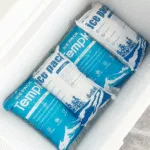
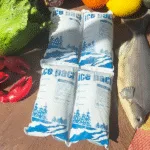
| Kühlmittelplatzierung | Platzieren Sie Gelpackungen mit einer Einlage oder Trennwand um den Umfang und über der Ladung; Legen Sie hartgefrorene Packungen nicht direkt auf dünne Einzelhandelsfolie. |
| Transitdauer | 24-48 Typisch sind h-Paketspuren; 48-72 h-Bahnen müssen mit dem tatsächlichen Packgewicht und der Jahreszeit getestet werden. |
| Häufige Verluste | Temperaturanstieg, Leckage beseitigen, zerkleinerte Tabletts, nasse Etiketten, Geruchsübertragung, und Ablehnung beim Empfang. |
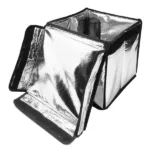
| Passende Tempk-Verpackung | Tempk EPS oder Isolierbox mit auslaufsicherer Auskleidung, absorbierender Pad, getrennte Gelpackungen, und Routenvalidierungslogger. |
Empfohlener Packout-Ansatz
Beginnen Sie mit dem Produkt, das bereits innerhalb des Versandtemperaturbereichs liegt. Ein Isolierter Versender Es ist nicht zu erwarten, dass warmes Fleisch während des Transports auf die Zieltemperatur sinkt. Verwenden Sie eine auslaufsichere Auskleidung, saugfähiges Material, und eine Kühlmittelkarte, die die kalte Masse nahe genug hält, um den Wärmegewinn zu kontrollieren und gleichzeitig direkten Druck oder Gefrierkontakt auf Einzelhandelsverpackungen zu verhindern.
Hilfreiche Entscheidungshilfen
Überprüfen Sie die Details, bevor Sie sich für die Verpackung entscheiden
Mit diesen schnellen Tools können Sie das Routenrisiko vergleichen, Größenanforderungen, Kühlmittelauswahl, und Verpackungsdetails, bevor Sie ein Angebot anfordern.
Trockeneisrechner
Schätzen Sie vor dem Verpacken den Bedarf an Trockeneis für gefrorene oder ultrakalte Sendungen.
Schätzen Sie TrockeneisReferenz zu Isoliermaterialien
Vergleichen Sie die Auswahl an Isoliermaterialien für unterschiedliche Kühlkettenverpackungsanforderungen.
Vergleichen Sie MaterialienVerpackungsauswahl
Vergleichen Sie isolierte Verpackungsoptionen nach Produkt, Route, und Temperaturbedarf.
Verpackung findenFür chillige Routen, Gelpackungen werden normalerweise um die Seitenwände und den Deckel herum positioniert, da die obere Platte und die Außenwände bei der Paketabfertigung der größten Wärmebelastung ausgesetzt sind. Für eingefrorene Programme, Die Spur sollte wegen Trockeneis separat validiert werden, gefrorene Gelpackungen, Beschriftung, Belüftung, und die Akzeptanzregeln der Spediteure ändern die Verpackung. Mischen Sie nicht gekühlte und eingefrorene Annahmen im selben Qualifikationstest.
Qualitätsprüfungen vor der Veröffentlichung
Vor der gewerblichen Nutzung des Packouts, Führen Sie eine Routenvalidierung mit derselben Versendergröße durch, Produktgewicht, Kühlmittelmasse, Jahreszeit, und Kurierdienst. Überprüfen Sie die Produkttemperatur bei der Ankunft, Kartontrockenheit, Integrität des Primärpakets, Geruch, Etikettenzustand, und ob das Kühlmittel in direkten Kontakt mit dem Produkt gelangt ist.
Zur Auswahl der Tempk-Verpackung, Der übliche Ausgangspunkt ist ein EPS oder High-Performance isolierte Box, ein versiegelter Liner, eine saugfähige Unterlage, und vorkonditionierte Gelpackungen. Die endgültige Kühlmittelmasse sollte nach einem Spurtest angepasst werden und nicht nur anhand des Kartonvolumens ausgewählt werden. This helps the receiving team see a practical difference between a stable Kühlkette and a package that is merely cold when it leaves the warehouse.
Referenzbasis
Die Temperaturannahmen orientieren sich an weit verbreiteten Leitlinien für die Kühlung verderblicher Lebensmittel 40 F / 4 C oder niedriger und eingefrorene Programme bei 0 F / -18 C oder niedriger. Für Fleisch und Geflügel, Validieren Sie immer anhand der Produktspezifikation des Versenders, Trägerspur, und Zielempfangsanforderungen.