So entwerfen Sie eine wärmeisolierende, anpassbare Box aus expandiertem Polypropylen
Eine wärmeisolierende anpassbare Box aus expandiertem Polypropylen funktioniert nur dann zuverlässig, wenn seine thermische Funktion erfüllt ist, Nutzlastreichweite, Kühlmittel, Route, Geometrie, Betriebsablauf, und Beweise werden gemeinsam definiert. EPP kann den Wärmefluss reduzieren und Handhabungsenergie absorbieren, Es handelt sich jedoch eher um eine passive Isolierung als um eine aktive Temperaturregelung. Der Käufer sollte mit der erforderlichen Reichweite und den Gefahren der Route des Produkts beginnen, Entwerfen Sie eine wiederholbare Verpackung unter Berücksichtigung der nutzbaren Abmessungen und der Deckelintegrität, Testen Sie produktionsrepräsentative Systeme unter begründeten Umgebungsprofilen, und Kontrolle der Reinigung, Schaden, und Produktionsänderungen während der Wiederverwendung.
Definieren Sie die Aufgabe, bevor Sie die Isolierung auswählen
Beginnen Sie mit der Produktanforderung. Der Produktbesitzer sollte den akzeptablen Temperaturbereich bestätigen, Ausflugsregeln, Verpackungstemperatur, und etwaige Orientierungs- oder Kontaktgrenzen. Das Logistikteam sollte die Routendauer festlegen, Übergaben, Fahrzeugbedingungen, Laderampen, Zoll- oder Hubrisiken, Exposition auf der letzten Meile, und Empfangen. Das Qualitätsteam sollte den Beweis- und Entscheidungsprozess definieren.
Verwenden Sie kein generisches gekühltes Produkt, gefroren, oder Umgebungsetikett als vollständige Spezifikation. Für verschiedene Produkte derselben Kategorie können unterschiedliche Anforderungen gelten. Das Boxdesign sollte die zugelassenen Reichweiten und Betriebsannahmen nutzen, ohne den Anspruch auf universelle Eignung zu erheben.
Nächste, klassifizieren die Architektur:
- Isolierte Transporttasche: verlangsamt den Austausch während interner oder gekühlter Bewegung.
- Passiv temperaturgesteuertes Packout: kombiniert Isolierung mit Kühlmittel und einer kontrollierten Verpackungsanweisung.
- Hybridsystem: Verwendet die Box in einer gekühlten oder aktiv kontrollierten Umgebung.
- Schützender Außenbehälter: schirmt ein anderes thermisches System vor Gefahren ab.
- Qualifizierter Versender: eine definierte Konfiguration, die durch Tests für ein angegebenes Produkt und eine bestimmte Verwendung unterstützt wird.
Das Etikett ist wichtig, weil es bestimmt, welche Beweise benötigt werden. Zur Vorauswahl kann ein Materialdatenblatt ausreichend sein, während a qualifizierter Versender benötigt eine vollständige Systemdokumentation.
Erstellen Sie eine Nutzlast- und Wärmemedienhülle
Messen Sie die Nutzlast im Lieferzustand, nicht als unverpacktes Produkt. Beziehen Sie Primärkartons mit ein, Flaschen, Beutel, Tabletts, Trenner, saugfähiges Material, Etiketten, Sonden, Holzfäller, Kühlmittel, und Ladefreigabe. Definieren Sie minimale und maximale Normallasten. Teillasten können thermisch anfälliger sein und die Bewegung von Komponenten ermöglichen.
Erstellen Sie Zonen in der Kavität:
- Produktzone mit ihren zulässigen Kontaktflächen;
- Kühlmittelzonen mit kontrollierter Ausrichtung;
- Trennzonen, die eine lokale Unterkühlung oder Erwärmung verhindern;
- Sensorzonen, die so ausgewählt wurden, dass sie wahrscheinliche Extreme darstellen;
- Achten Sie darauf, dass der Deckel genügend Spielraum hat, damit er vollständig sitzt;
- Handhabungsfreiraum für behandschuhtes Be- und Entladen.
Das nutzbare Volumen ist der Raum, der nach all diesen Zonen übrig bleibt. Das Bruttoinnenvolumen ist keine Betriebskapazität. Eingezogene Wände, abgerundete Ecken, Rippen, Deckelüberlappung, Stack-Funktionen, und Griffe können den Platzbedarf weiter reduzieren.
Ein individuell geformter Einsatz oder eine Tasche kann die Verpackung fehlersicher machen. Es sollte auch die tatsächlichen Kühlmittelabmessungen und den Konditionierungszustand tolerieren. Flexible Packungen können ihre Form verändern; Für starre PCM-Platten ist möglicherweise ein Einschubspielraum erforderlich. Durch die Bauteilidentifizierung soll verhindert werden, dass unterschiedliche Thermomedien oder Revisionen vermischt werden.
Verwalten Sie die Wärmeübertragung auf jedem Pfad
Wärme erreicht oder verlässt die Nutzlast auf mehreren Wegen. Die Leitung verläuft über Wände und Deckel. Konvektion findet an Oberflächen statt. Strahlung trägt an äußeren Grenzen bei. Der Luftaustausch erfolgt über Deckelspalte, Lüftungsschlitze, Abflüsse, Sensorkanäle, oder wiederholte Öffnungen. Starre Komponenten und dünne Formteile erzeugen Wärmebrücken.
Die Wandstärke ist daher nur ein Gestaltungshebel. Ein sehr dickes Gehäuse mit einem schlecht sitzenden Deckel kann die Leistung eines ausgewogeneren Systems unterschreiten. Ein Durchgangsgriff kann zu einem Luftweg werden. Ein Riemen kann den Verschluss verbessern. Eine gewellte Umverpackung kann den Deckel schützen und die Konvektion modifizieren. Jedes Merkmal sollte als Teil des Wärmenetzes überprüft werden.
| Wärmepfad | Design-Antwort | Überprüfungsmethode |
|---|---|---|
| Wandleitung | Note auswählen, Dichtestrategie, und Abschnittsdicke | Materialdaten plus Vergleich auf Kartonebene |
| Undichtigkeit am Deckelgelenk | Kontrollüberlappung, Ebenheit, Schließung, und tragen | Wiederholter Passform- und Wärmetest |
| Öffnungen und Kanäle | Entfernen Sie unnötige Pfade oder definieren Sie Plugs | Konfigurationsprüfung und Empfindlichkeitstest |
| Kühlmittelkontakt | Taschen verwenden, Abstandshalter, oder Trennzeichen | Temperaturkartierung der Produktschnittstelle |
| Interner Kopfraum | Passen Sie die Nutzlast genau an und steuern Sie Teilladungen | Versuche mit minimaler und maximaler Nutzlast |
| Äußere Grenze | Sonnenlicht darstellen, Bodenkontakt, Luftgeschwindigkeit, und Kammerprofil | Begründete Umgebungstest- oder Spurdaten |
| Wiederholtes Öffnen | Entwerfen Sie bei Bedarf Schnellzugriffs- oder Sekundärdeckel | Operative Eröffnungssequenz im Test |
Die Tabelle verbindet einen vermuteten Wärmepfad mit einem Design und Beweisen. Es zeigt auch, warum die Materialleitfähigkeit allein keine Aussage über die Streckendauer stützen kann.
Kühlmittel bewusst auswählen und konditionieren
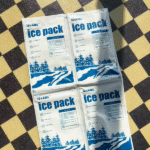
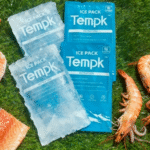
Wärmemedien sollten je nach Produkt und erforderlichem Bereich ausgewählt werden. Gefrorene wasserbasierte Packungen, konditioniert Gelpackungen, technische Phasenwechselmaterialien, oder Trockeneis haben ein unterschiedliches Temperaturverhalten, Sicherheitsanforderungen, und Handling. Trockeneis ist nicht mit a austauschbar Kühlakku, und ein für einen Bereich ausgewähltes PCM sollte nicht ohne Überprüfung ersetzt werden.
Die Konditionierung steuert den Ausgangszustand. Das Verfahren sollte die Ausrüstung definieren, Anordnung, Endpunkt oder Zeit, zulässige Variation, und der Zeitraum zwischen Entnahme und Verpackung. Eine Verpackung mit einer sehr kalten Oberfläche kann zu einer lokalen Produktexposition führen, selbst wenn die durchschnittliche Versandtemperatur später akzeptabel erscheint.
Die Platzierung steuert Farbverläufe. Kühlmittel an der Oberseite kann dem Eindringen warmer Luft beim Öffnen entgegenwirken, während Seitenwände eine gleichmäßigere Oberfläche schaffen können. Das Grundkühlmittel kann durch die Fußbodenwärme beeinflusst werden. Es gibt kein universelles Muster. Nutzen Sie bei Bedarf die thermische Modellierung, um Konzepte zu vergleichen, Ordnen Sie dann die Temperaturen in einer physischen Verpackung zu.
Die Kühlmittelmenge sollte durch Energiebilanz und Tests gestützt werden. Mehr hinzuzufügen ist nicht automatisch sicherer. Es verringert die Nutzlastkapazität, erhöht die Frachtmasse, und kann empfindliche Produkte unterkühlen. Verwenden Sie eine definierte Stückliste und verhindern Sie Substitutionen.
Entwerfen Sie das EPP-Teil für mechanische und thermische Haltbarkeit
Expandiertes Polypropylen kann sich nach vielen moderaten Stößen erholen, aber die fertige Leistung hängt von der Note ab, Formdichte, Fusion, Geometrie, und benutzen. Mechanische Schäden können durch Verformung der Felge zu thermischen Schäden werden, Der Deckel löst sich, oder eine Kühlmitteltasche findet keine Packung mehr.
Überprüfen Sie die Ladepfade. Die Griffe sollten das verpackte Gewicht auf die Seitenwände und den Boden übertragen. Die Stapellast sollte durch verstärkte Wände oder Pfosten um die Nutzlast herumgeführt werden. Ecken benötigen einen ausreichenden Querschnitt und Radius für Stöße. Bei langen Paneelen sind möglicherweise Rippen erforderlich, Rippen sollten jedoch keine Druckstellen oder Reinigungsfallen für die Nutzlast erzeugen.
Bewerten Sie verschiedene Zeitskalen. Stürze und Erschütterungen sind kurz. Vibration wendet viele Zyklen an. Durch das Stapeln entsteht eine anhaltende Kompression und ein anhaltendes Kriechen. Bei der Reinigung wird wiederholt Hitze angewendet, chemisch, und mechanische Belastung. Ein einziger Festigkeitstest kann nicht alle davon abdecken.
Zu den thermischen Inspektionskriterien sollte Folgendes gehören::
- Vollständiger Deckelsitz;
- Rand- und Eckengeometrie;
- Stapelregistrierung und Basisstabilität;
- Griff- und Wandverschmelzung;
- Kühlmitteltaschen und -abscheider;
- Entwässerungs- oder Stopfenkonfiguration;
- Lesbarkeit des Etiketts und der Verpackungsversion;
- Kontamination, Geruch, und speichert Feuchtigkeit.
Das Gerät kann kosmetisch abgenutzt bleiben, wenn diese Funktionen beibehalten werden. Es sollte außer Betrieb genommen werden, wenn durch Schäden die Verpackung oder der Verschluss verändert wird.
Testen Sie Beweise in Schichten
Verwenden Sie jeden Beweistyp für die Frage, die er beantworten kann. Materialdaten unterstützen die Sortenauswahl und Modellierung. Wärmelecktests auf Boxebene vergleichen Geometrie oder Deckel. Vollständige Packout-Tests unterstützen die getestete Nutzlast, Kühlmittel, und Profil. Die Spurqualifizierung berücksichtigt die tatsächlichen Streckenbedingungen. Die Sendungsüberwachung prüft die laufende Gefährdung.
Es sollte ein vollständiges thermisches Protokoll aufgezeichnet werden:
- Überarbeitung der Box und des Deckels;
- Nutzlast oder thermischer Simulator und Lastbereich;
- Kühlmittelidentität, Konditionierung, Menge, und Platzierung;
- Separatoren, Einsätze, Etiketten, und Schließung;
- Anfangstemperaturen;
- Umgebungsprofil, Kammersteuerung, und Luftbewegung;
- Sensortyp, Kalibrierung, Standorte, und Protokollierungsintervall;
- geplante Eröffnungen oder die Abwicklung von Veranstaltungen;
- Akzeptanzbereich und Analysemethode;
- Abweichungen und Wiederholungsläufe.
ISTA 7E bietet standardisierte Umgebungsprofile für Isolierter Versandbehälter Tests. Standardisierte Profile unterstützen Vergleich und Konsistenz; Möglicherweise sind weiterhin spurspezifische Daten erforderlich. Bei mechanischen Tests können geeignete ISTA-Verfahren oder ASTM D4169 verwendet werden, um Verteilungsgefahren darzustellen. Diese Verfahren bewerten definierte verpackte Produkte, kein EPP-Material als universelles Objekt.
Hilfreiche Entscheidungshilfen
Überprüfen Sie die Details, bevor Sie sich für die Verpackung entscheiden
Mit diesen schnellen Tools können Sie das Routenrisiko vergleichen, Größenanforderungen, Kühlmittelauswahl, und Verpackungsdetails, bevor Sie ein Angebot anfordern.
Compliance-Checklisten-Generator
Erstellen Sie eine praktische Checkliste für die Verpackungsüberprüfung, Versand, und Dokumentation.
Checkliste erstellenFallfestigkeit des Isolationsmaterials
Überprüfen Sie die Fallfestigkeit und die Handhabungsfaktoren, bevor Sie Isoliermaterialien auswählen.
Widerstand prüfenKühlakku-Rechner
Schätzen Sie die Menge an Gel-Eisbeuteln für gekühlte Sendungen und nutzen Sie die praktische Routenplanung.
Schätzen Sie EisbeutelFühren Sie Grenzfälle durch, die durch das Risiko gerechtfertigt sind. Mindestnutzlast, maximale Nutzlast, warme und kalte Jahreszeiten, Konditionierungsvariation, und Eröffnungsveranstaltungen können Sensibilität offenbaren. Fügen Sie keine willkürlichen Worst Cases hinzu, die nicht die Route widerspiegeln, aber testen Sie nicht nur die einfachste Bedingung.
Die Qualifikation endet nicht mit einem erfolgreichen Kammerlauf
Ein Test kann bestanden werden, während Routineabläufe fragil bleiben. Packer verwenden möglicherweise das falsche Kühlmittel, Konditionieren Sie es anders, Lassen Sie den Deckel teilweise geöffnet, ein Trennzeichen weglassen, oder eine kleinere Nutzlast versenden. Die Qualifizierung sollte daher eine klare Materialliste umfassen, bebilderte Verpackungsanleitung, Ausbildung, Leitungskontrollen, und Abweichungsregeln.
Ein Routenpilot verwendet normale Operatoren und Übergaben. Es bestätigt, ob die Verpackung innerhalb der verfügbaren Zeit zusammengestellt werden kann, ob Komponenten unterscheidbar sind, ob die Box zur Ausrüstung passt, und ob der Empfang Daten abrufen und interpretieren kann. Erfassen Sie Eröffnungsereignisse und Ausnahmen.
Ein häufiges Szenario ist eine Box, die um eine volle Nutzlast herum entworfen und ohne Öffnungen getestet wurde. Die Route umfasst später wiederholte Filiallieferungen und Bedingungen mit halber Auslastung. Die Temperaturgradienten nehmen zu, wenn die Last schrumpft. Die Korrekturmaßnahme erfordert möglicherweise eine andere Kühlmittelanordnung, Füllmodul, sekundärer Zugangsdeckel, oder routenspezifisches Packout. Der ursprüngliche Test behält nur für den angegebenen Aufbau seine Gültigkeit.
Durch laufende Überwachung kann eine Drift erkannt werden. Trendschaden, Verpackungsabweichungen, Temperaturschwankungen, Box-Turnaround, und Reinigung von Ablehnungen. Durch regelmäßige Überprüfungen kann festgestellt werden, wann sich der Betriebsbereich so stark verändert hat, dass eine Neubewertung erforderlich ist.
Reinigung, Lebensmittelkontakt, und Qualitätsgrenzen
Wiederverwendbar Thermoboxen benötigen einen definierten Reinigungsprozess. Geben Sie Reinigungsmittel oder Desinfektionsmittel an, Konzentration, Temperatur, Kontaktzeit, mechanische Aktion, spülen, und Trocknen. Bestätigen Sie die Kompatibilität mit der genauen EPP-Klasse und jeder Nebenkomponente. Überprüfen Sie die Etiketten, Klebstoffe, Siegel, Riemen, und starre Einsätze nach wiederholter Exposition.
Die geschlossenzellige Struktur schließt Hygienerisiken nicht aus. In Kratzern können Wasser und Erde verbleiben, Lüftungsschlitze, Griffe, tiefe Aussparungen, Deckelschnittstellen, und beschädigte Bereiche. Design für Entwässerung und Sichtzugang. Halten Sie schmutzige Retouren von sauberen Beständen getrennt und legen Sie Kriterien für die Ausmusterung fest.
Der Status des direkten Lebensmittelkontakts muss für die fertige Formulierung und den beabsichtigten Verwendungszweck bestätigt werden. Zu den europäischen Anforderungen gehören die allgemeine Sicherheit und Inertheit bei Lebensmittelkontakt, gute Herstellungspraxis, und spezifische Kontrollen für Kunststoffe. Für die Verwendung mit Lebensmitteln in den Vereinigten Staaten ist ebenfalls eine entsprechende Regulierungsgrundlage erforderlich. Fordern Sie Dokumentation für Pigmente an, Zusatzstoffe, recycelter Inhalt, Etiketten, und ggf. weitere Komponenten.
Eine gute Arzneimittelvertriebspraxis ist kein materielles Zertifikat. Es handelt sich um das kontrollierte Verteilungssystem. Eine vollständige Thermoverpackung erfordert möglicherweise eine Qualifizierung, Überwachung, Verfahren, Ausbildung, Dokumentation, Abweichungsbehandlung, und Änderungskontrolle. Beschreiben Sie die Box genau und vermeiden Sie pauschale Compliance-Behauptungen.
Machen Sie die Anpassung widerstandsfähig gegenüber Produkt- und Routenänderungen
Harte Werkzeuge können veraltet sein. Behalten Sie mögliche Änderungen an Modulelementen wie Produktbeilagen bei, Kühlmittelabstandshalter, Beschriftungsschilder, Sensorhalter, oder Füllmodule. Halten Sie eine stabile Außenplattform für die Palette bereit, Gestell, und Fahrzeugschnittstellen sind langlebig.
Modularität bringt ihre eigenen Risiken mit sich. Teile können verloren gehen, gemischt, rückwärts eingebaut, oder separat gereinigt werden. Verwenden Sie eine positive Identifikation und Geometrie, die eine falsche Paarung verhindert. Kontrollieren Sie die Stückliste durch Kartonrevision und Verpackung.
Wenn ein Produkt, Nutzlastreichweite, Kühlmittel, Route, Umgebungsprofil, Deckel, einfügen, Material, Formdichte, Produktionsstandort, Reinigungsmethode, oder Änderungen im Verpackungsprozess, Auswirkungen beurteilen. Die ISTA-Richtlinien erkennen dieses Produkt an, Paket, und Prozessänderungen können einen erneuten Test rechtfertigen. Das Qualitätsteam sollte risikobasierte Auslöser definieren, anstatt davon auszugehen, dass frühere Beweise für immer gültig bleiben.
Kontrollieren Sie den Herstellungszustand
Das genehmigte Design sollte die EPP-Klasse angeben, Dichtebereich oder Strategie, Farbe und Zusatzstoffe, Korpus- und Deckelrevisionen, Sekundärkomponenten, und kritische Dimensionen. Die Werkzeugüberprüfung sollte sich mit der Perlenfüllung befassen, Dampfzugang, Lüftungsschlitze, Kühlung, Entwurf, Auswurf, Trimmen, und Verzug.
Die ersten Formteile müssen vor der Messung konditioniert werden. Mindestöffnung prüfen, nutzbarer Hohlraum, Deckeleingriff, Base, Stack-Funktionen, Griffe, und Kühlmitteltaschen in repräsentativen Proben und Hohlräumen. Kombinieren Sie Körper und Deckel in unterschiedlichen Kombinationen, um Toleranzprobleme aufzudecken.
Ein Kontrollplan sollte Fertigungsvariablen mit funktionalen Risiken verknüpfen. Das Teilegewicht kann ein Hinweis auf die Konsistenz der Materialladung oder -dichte sein, kann jedoch keine gleichmäßige Verschmelzung oder thermische Leistung beweisen. Maß- und Funktionskontrollen bleiben weiterhin erforderlich. Nicht konforme Chargen sollten mit dokumentierter Entsorgung eingedämmt werden.
Die Änderungskontrolle sollte den Materiallieferanten und die Qualität umfassen, Dichteziel, Farbstoff, Zusatzstoffe, recycelter Inhalt, Schimmelreparaturen, Entlüftung, wichtige Prozesseinstellungen, Website, Deckel, Etiketten, Riemen, Siegel, und Einsätze, bei denen sich Funktion oder Compliance ändern können. Wesentliche Änderungen sollten Vergleichsdaten erhalten, Mustergenehmigung, und gegebenenfalls erneut testen.
Beschaffungs-Checkliste für ein glaubwürdiges Angebot
Bevor Sie einen Lieferanten auswählen, Bestätigen Sie, dass der Vorschlag Folgendes beantwortet:
- Das Produktsortiment, Nutzlastreichweite, Route, und die erforderliche Temperaturbedingung sind explizit.
- Die Box-Rolle wird treffend als isolierte Tragetasche bezeichnet, Passive Packout-Komponente, Hybrid, oder qualifiziertes System.
- Mindestnutzmaße passen zum Produkt, Kühlmittel, Separatoren, und Sensorplan.
- Deckel, handhaben, Stapel, und Öffnungsmerkmale haben definierte thermische und mechanische Funktionen.
- Jede Dauerangabe umfasst die vollständige Testkonfiguration und das Umgebungsprofil.
- Direkter Lebensmittelkontakt, pharmazeutisch, oder sonstige Compliance-Ansprüche den richtigen Umfang haben.
- Reinigung, Trocknen, zurückkehren, Inspektion, und Ruhestand sind Teil des Designs.
- Werkzeug- und Produktionskontrollen können das genehmigte Muster reproduzieren.
- Änderungsbenachrichtigungen und Auslöser für erneute Tests werden vereinbart.
- Das Wiederverwendungs- und End-of-Life-Programm verfügt über benannte Eigentümer und eine realistische Logistik.
Ein Vorschlag, der Einschränkungen sichtbar macht, ist einfacher zu qualifizieren und umzusetzen als einer, der auf der unerklärten Behauptung einer „hohen Isolierung“ basiert.
Häufig gestellte Fragen
Was sollte zuerst in einer Thermo-EPP-Box angepasst werden??
Priorisieren Sie die Schnittstellen, die für Abwechslung sorgen: nutzbarer Hohlraum, Kühlmittelplatzierung, Produkttrennung, Deckelverschluss, Griff- und Stapelgeometrie, Sensorstandort, und Ausstattung passen. Dekorative Farbe oder Textur sollten später kommen. Ein Standardkörper mit kundenspezifischen Einsätzen kann das Problem der Wärmekontrolle lösen, ohne dass eine völlig neue Form erforderlich ist.
Wie vergleichen Einkäufer die Wartezeitansprüche zweier Lieferanten??
Normalisieren Sie die Testbedingungen. Nutzlast und Mindestlast vergleichen, Kühlmittelidentität und -konditionierung, Menge und Platzierung, Kastenabmessungen und Nutzvolumen, Umgebungsprofil, Anfangstemperaturen, Sensoren, Öffnungen, Akzeptanzbereich, Probenanzahl, und Berichtsqualität. Ansprüche sind nicht vergleichbar, wenn diese Variablen unterschiedlich sind oder nicht offengelegt werden.
Kann eine wiederverwendbare Box nach sichtbarer Abnutzung in derselben Verpackung verwendet werden??
Nur wenn die Inspektion bestätigt, dass der Verschleiß den Sitz des Deckels nicht verändert hat, Felgenzustand, Kühlmittelplatzierung, nutzbare Abmessungen, Stapelstabilität, oder Hygiene. Kosmetische Abnutzungserscheinungen können akzeptabel sein, während ein kleiner eingedrückter Rand die Leckage erhöhen kann. Verwenden Sie funktionale Ablehnungskriterien und bestätigen Sie die wiederverwendete Flotte regelmäßig anhand der genehmigten Konfiguration.
Was macht einen Thermotest-Produktionsvertreter aus??
Der Test sollte die vorgesehene EPP-Klasse verwenden, Formdichte, Produktionsprozess, Körper und Deckel, Einsätze, Kühlmittel, Nutzlast, Verpackungsmethode, Schließung, und Etiketten. Prototypenersatz oder handgefertigte Teile müssen dokumentiert werden. Das Umgebungsprofil und die Vorgänge sollten auch mit der Frage übereinstimmen, die der Test beantworten soll.
Abschluss
Eine maßgeschneiderte Wärmedämmung EPP-Box wird durch kontrollierte Schnittstellen und Evidenz verlässlich. Beginnen Sie mit dem Produkt und der Route. Erstellen Sie eine Nutzlast- und Wärmemedienhülle. Verwalten Sie jeden Wärmepfad, vor allem der Deckel und die Öffnungen. Entwerfen Sie mechanische Haltbarkeit, um die thermische Wiederholbarkeit zu gewährleisten. Testen Sie die vollständige Produktionskonfiguration, Halten Sie es dann mit Verpackungskontrollen aufrecht, Reinigung, Inspektion, Fertigungsdisziplin, und Änderungsmanagement. Isolierung ist eine nützliche Materialfunktion; Die Temperaturregelung ist ein Systemergebnis.
Über Tempk
Tempk-Lieferungen Isolierte Verpackung, Kühlmedien, Temperaturüberwachung, und verwandt Kühlkettenlösungen. Wir können Käufern dabei helfen, ein individuelles EPP-Wärmeprojekt anhand der Variablen zu gestalten, die definiert und getestet werden müssen: Nutzlast, nutzbare Abmessungen, Temperaturanforderung, Dauer, Kühlmittel, Route, Öffnungen, Handhabung, Reinigung, und wiederverwenden. Jede Leistungsaussage sollte an die genaue Produktionsverpackung und dokumentierte Bewertung gebunden bleiben.
Teilen Sie das gewünschte Produktsortiment, Nutzlastoptionen, Umgebungsstraße, und aktuelle Verpackungsprobleme, um vor der Probenahme eine klarere Spezifikation zu entwickeln.