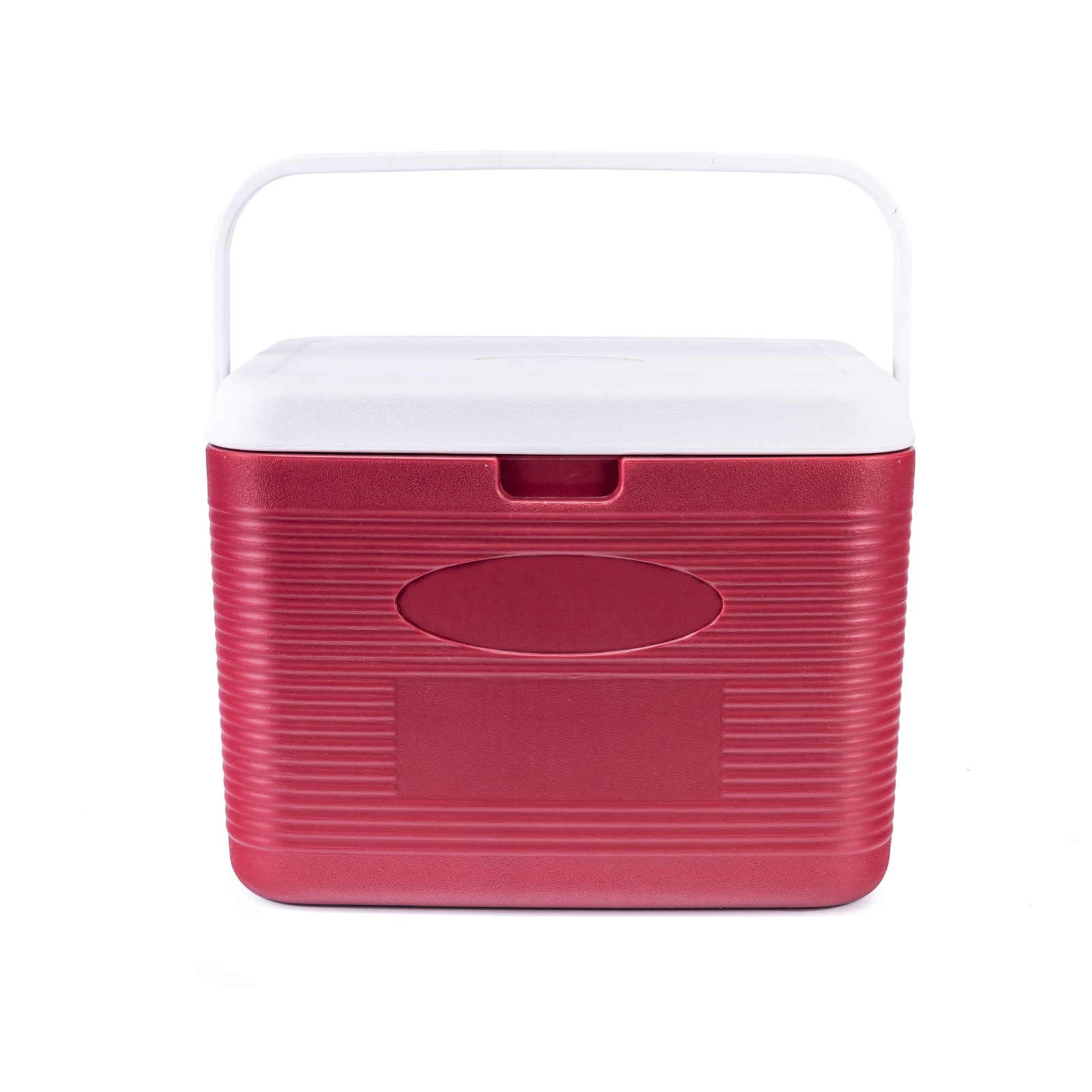
So spezifizieren Sie eine stapelbare EPP-Box für Frischwaren
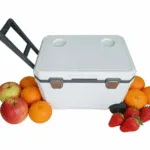
Eine stapelbare EPP-Box für Frischwaren sollte im Rahmen einer Route spezifiziert werden, nicht als isoliertes Schaumprodukt gekauft. Das gelungene Design passt zur Gebrauchs- und Verkaufsverpackung, ermöglicht den erforderlichen Kühlluftstrom, Befördert Stapellasten umher statt durch das Obst und Gemüse, bleibt reinigbar, und kostengünstig zur Wiederverwendung zurückgeben. Expandiertes Polypropylen kann ein Leichtgewicht darstellen, elastischer und isolierender Körper, aber es kann die Feldwärme nicht abführen, Kälte erzeugen, die Eignung für den Lebensmittelkontakt nachweisen, oder eine eigenständige Lebensdauer garantieren. Käufer sollten den Betriebsbereich definieren, Genehmigen Sie nutzbare Abmessungen und Stapelschnittstellen, Testen Sie eine volle Palette, und Produktionsänderungen vor der Skalierung kontrollieren.
Die erste Entscheidung: Wo in der Kühlkette wird die Box funktionieren??
Derselbe Behälter kann sich vor und nach dem Vorkühlen sehr unterschiedlich verhalten. Auf dem Feld verladene warme Produkte müssen schnell abgeführt werden. A geschlossen, hoch isolierte Box widersteht diesem Wärmefluss und kann die Abkühlzeit verlängern. Vorgekühlte Produkte, die durch Docks und Lieferrouten transportiert werden, können von einer Isolierung profitieren, die die Wärmeentwicklung verlangsamt. Der Versuch, beide Phasen zu optimieren, ohne die Priorität anzugeben, führt normalerweise zu einem Kompromiss, der schwer zu validieren ist.
Ordnen Sie die Box dem gesamten Prozess zu:
- Ladetemperatur und Zustand der Produkte;
- Zeit zwischen Ernte und Abkühlung;
- Kühlmethode und Richtung des Luftstroms;
- Kühlraumstapel und Verweilzeit;
- Paletten- und Fahrzeuganordnung;
- Übergaben, Gemischte Kommissionierung, und Deckelöffnungen;
- Eingangskontrolle und Produktentladung;
- leere Rückgabe, Sortierung, Waschen, Trocknen, und Speicherung.
Markieren Sie die Phase, in der die Produktqualität am anfälligsten ist. Bei empfindlichen Beeren können Kompression und Vibration vorherrschen. Bei Blattgemüse kann es zu schneller Abkühlung und Feuchtigkeitsverlust kommen. Pilze erfordern möglicherweise einen sorgfältigen Feuchtigkeits- und Kondensationsmanagement. Feste Früchte erlauben möglicherweise eine tiefere Belastung, leiden aber dennoch unter wiederholten Stößen. Das Design sollte dem Risiko mit der höchsten Konsequenz dienen und nicht generische Merkmale sammeln.
Übersetzen Sie die Produktpackung in nutzbare Abmessungen
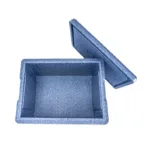
Außenmaße bestimmen das Palettenmuster, Rack-Passform, Fahrzeugwürfel, Fördererschnittstelle, Türfreiheit, und Rückgabelager. Innenmaße beschreiben den geformten Hohlraum. Nutzmaße beschreiben den Raum, der nach dem Entwurf verbleibt, Eckradien, Wandverjüngung, Lüftungsschlitze, Rippen, Deckeleingriff, Liner, Tabletts, und Handhabungsfreigabe. Käufer brauchen alle drei.
Erstellen Sie eine Nutzlasthülle aus der größten zugelassenen Paketkonfiguration. Fügen Sie Körbe hinzu, Taschen, Tabletts, Pads, absorbierende Schichten, Etiketten, und jegliches Kühlmittel. Messen Sie die breitesten und höchsten Bedingungen, keine durchschnittliche Stichprobe. Stellen Sie sicher, dass die Packung durch die Öffnung passt und ohne Drehen entnommen werden kann, Drücken, oder an den Produkten ziehen.
Tiefe ist eine Entscheidung über die Produktqualität. Eine größere Tiefe kann den Palettenwürfel verbessern, aber die unteren Schichten tragen mehr Gewicht und erhalten möglicherweise weniger Luftstrom. Eine flachere Box verringert den Bettdruck, erhöht jedoch die Anzahl der Einheiten und die Handhabung. Wo Einzelhandelsverpackungen ihre eigene vertikale Last tragen, Die Box kann tiefer sein; wo loses Obst und Gemüse die Last trägt, Die Tiefe erfordert möglicherweise eine strengere Kontrolle. Legen Sie eine Fülllinie und einen Deckelabstand fest, die für den Bediener sichtbar sind.
Vermeiden Sie eine Universalbox, es sei denn, die Serie ist wirklich kompatibel. Eine modulare Außenhülle mit kontrollierten Einsätzen oder Trennwänden kann mehrere Produkte tragen, Einsätze sollten jedoch keine Lüftungsöffnungen blockieren oder neue Reinigungsfallen schaffen. Auch gemischte Waren müssen hinsichtlich der Temperatur überprüft werden, Luftfeuchtigkeit, Geruch, und Ethylenkompatibilität. Freier Platz steht nicht automatisch für ein anderes Produkt zur Verfügung.
Entwerfen Sie einen Luftstrompfad, keine Ansammlung von Löchern
Verpackungsmethoden beeinflussen den Luftstrom, Temperatur, und Feuchtigkeitsmanagement rund um frische Produkte. Zur Umluftkühlung, Luft muss durch die Palettenfläche strömen, Kastenwand, Produktpaket, gegenüberliegende Wand, und Rückweg. Jedes Element kann Widerstand erzeugen. Stretchfolie, Palettenbretter, Liner, Etiketten, Taschen, und benachbarte Kisten können Öffnungen blockieren, die bei einer isolierten Probe großzügig erscheinen.
Beginnen Sie mit der Ausrüstung. Zieht das Packhaus Luft horizontal durch Palettentunnel?, Lassen Sie die Luft um die Schornsteine herum zirkulieren, Vakuumkühlung verwenden, Hydrokühlung, oder ein anderer Prozess? Die Box sollte nicht allein deshalb als kompatibel angesehen werden, weil sie „belüftet“ ist. Verfolgen Sie die erwartete Richtung und überprüfen Sie die Ausrichtung der Lüftungsöffnungen in jeder genehmigten Ausrichtung.
Das Design hat konkurrierende Anforderungen:
| Erfordernis | Designimplikationen | Nichtvermeidung |
|---|---|---|
| Schnelle Vorkühlung | Ausgerichtet, ungehinderte Luftströmungswege | Warme Zonen im Inneren der Palette versteckt |
| Strukturelles Stapeln | Durchgehende vertikale Abschnitte oder Eckpfosten | Entlüftungsöffnungen schwächen den Hauptlastpfad |
| Schaffen Sie Eindämmung | Öffnungen, die kleiner als das anfällige Produkt sind oder durch das Packungsformat geschützt sind | Prall, Abrieb, oder Liner-Extrusion |
| Hygiene | Zugänglich, entleerbare Öffnungen | In Nischen eingeschlossener Schmutz und Waschwasser |
| Nachkühlschutz | Kontrollierter Wärmeaustritt und stabiler Verschluss | Isolierung als aktive Kühlung behandeln |
| Paletteneffizienz | Wiederholbare Ausrichtung und minimaler blockierter Bereich | Die Boxen drehten sich in einem unwirksamen Muster |
Diese Tabelle soll als Leitfaden für einen physischen Palettenversuch dienen. Luftströmungssimulation kann Konzepte vergleichen, Aber echte Produkte erzeugen einen unregelmäßigen Widerstand, der sich mit der Packungsdichte und dem Absetzen ändert. Messen Sie repräsentative Produktstandorte und nicht nur die Luft in der Nähe der Außenwand.
Stellen Sie sicher, dass der Stapel Kisten trägt, keine Frucht
Eine Box ist nicht wirklich stapelbar, da leere Proben ordentlich auf einem Tisch liegen. Volle Stapel erleben ein anhaltendes Gewicht, Palettenablenkung, Auswirkungen, Bremsen, Kurvenfahrt, Vibration, nasse Oberflächen, und Temperaturänderungen. Die Verbindungsmerkmale sollten die Kästchen registrieren und einer seitlichen Bewegung standhalten, ohne die Trennung zu erschweren.
Vertikallasten sollten durch verstärkte Ecken oder durchgehende Wandabschnitte geleitet werden. Der Deckel kann die obere Box fixieren, aber es sollte sich nicht in die Nutzlast verbiegen. Bei der Freigabe müssen Produktvariationen berücksichtigt werden, Liner, Kastentoleranzen, tragen, und Überfüllung. Wenn der Stapel darauf ankommt, dass jeder Deckel perfekt geschlossen ist, Der Betriebsablauf sollte einen unvollständigen Verschluss deutlich machen.
Expandiertes Polypropylen kann Aufprallenergie absorbieren und sich von vielen moderaten Verformungen erholen, Die Endhaltbarkeit wird jedoch durch die Sorte gesteuert, Dichte, Geometrie, Perlenfusion, und Lastpfad. Lange, nicht unterstützte Paneele können sich verbiegen. Abrupte innere Übergänge können Stress konzentrieren. Große Lüftungsschlitze können den Querschnitt verringern. Dünnes Material über einem Handgriff kann reißen, auch wenn der Rest der Box robust ist.
Bewerten Sie mindestens vier Mechanismen separat:
- kurze Stöße in Ecken, Kanten, Base, und Deckel;
- wiederholtes Anheben und Absetzen mit der zulässigen Packmasse;
- Vibrationen und Produktmigration während des Transports;
- Dauerhaftes Stapeln unter Belastung unter relevanten Umgebungsbedingungen.
ASTM D4169- und ISTA-Verfahren können bei Verteilungstests hilfreich sein. Sie gelten für definierte verpackte Produkte und Prüfbedingungen; Sie verwandeln EPP-Material nicht in ein allgemein zertifiziertes Versandsystem. Der Testgegenstand sollte eine repräsentative Nutzlast enthalten, Liner, Schließung, Palette, und Zurückhaltung.
Behalten Sie die ordnungsgemäße Funktion der Isolierung bei
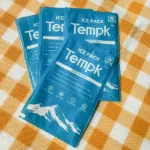
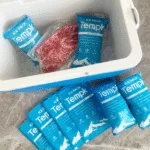
EPP verlangsamt die Wärmeübertragung, Dies kann die Exposition während der Bereitstellung oder Verteilung verringern. Es erzeugt keine Kühlung. Eine mit warmen Produkten beladene Kiste bleibt warm, es sei denn, der Prozess entzieht der Ware Wärme. Eine Box, die mit verwendet wird Gelpackungen, Phasenwechselmaterial, Eis, oder ein anderes Kühlmittel wird Teil eines passiven Wärmepakets, dessen Leistung von der vollständigen Konfiguration abhängt.
Akzeptieren Sie keinen Anspruch auf Wartezeit ohne Kontext. Fragen Sie nach dem Produkt oder der simulierten Nutzlast, Anfangstemperaturen, Kühlmitteltyp und Konditionierung, Kühlmittelplatzierung, nutzbares Volumen, Umgebungsprofil, Sensorpositionen, Zeitplan zum Öffnen des Deckels, und Akzeptanzkriterien. Eine Labordauer unter einer Konfiguration kann nicht auf alle Waren oder Routen verallgemeinert werden.
Das thermische Design wirkt sich auch auf den Zustand der Produkte aus. Kühlmittel in direktem Kontakt kann bei empfindlichen Produkten lokale Kältestellen oder Gefrierschäden verursachen. Eine Einlage kann vor Kontakt schützen, kann jedoch die Luftzirkulation einschränken. Übermäßiger Kopfraum kann die Luftbewegung während der Handhabung verstärken und das thermische Verhalten verändern. Die Verpackung muss sowohl hinsichtlich der Temperatur als auch mechanisch überprüft werden.
Ein Temperaturdatenlogger kann die Exposition dokumentieren und dabei helfen, Routenschwankungen zu erkennen. Es gleicht keinen blockierten Luftstrompfad oder eine unzureichend ausgelegte Verpackung aus. Die Platzierung des Sensors sollte die erwarteten warmen und kalten Standorte widerspiegeln, und das Qualitätsteam sollte festlegen, wie die Daten überprüft werden.
Lebensmittelkontakt, Reinigung, und Rückgabebedingung
Die Eignung für den Kontakt mit Lebensmitteln hängt von der fertigen Rezeptur und den vorgesehenen Verwendungsbedingungen ab. Europäische Vorschriften legen allgemeine Sicherheits- und Trägheitsprinzipien fest, gute Herstellungspraxis, und spezifische Kontrollen für Kunststoffmaterialien. Die Anforderungen der Vereinigten Staaten hängen ebenfalls von einer geeigneten Regulierungsgrundlage für den Lebensmittelkontaktstoff und den beabsichtigten Verwendungszweck ab. Käufer sollten Unterlagen für die vorgeschlagene EPP-Sorte anfordern, Farbe, Zusatzstoffe, recycelter Inhalt, falls vorhanden, Etiketten, Tinten, und andere Komponenten.
Eine Deklaration ersetzt kein Hygieneprogramm. Wiederverwendbare Boxen Der Übergang von schmutzigen Retouren zu sauberen Beständen erfordert eine kontrollierte Abfolge. Sortierung definieren, Vorreinigung, waschen, spülen, Trocknen, Inspektion, und Speicherung. Geben Sie das Reinigungs- oder Desinfektionsmittel an, Konzentration, Wassertemperatur, Kontaktzeit, Sprüh- oder Streichwirkung, und Anzahl der bei Kompatibilitätstests verwendeten Belichtungen.
Hilfreiche Entscheidungshilfen
Überprüfen Sie die Details, bevor Sie sich für die Verpackung entscheiden
Mit diesen schnellen Tools können Sie das Routenrisiko vergleichen, Größenanforderungen, Kühlmittelauswahl, und Verpackungsdetails, bevor Sie ein Angebot anfordern.
Boxliner & Dimensionierung der Palettenabdeckung
Überprüfen Sie die Größenlogik für Kartoneinlagen und Palettenabdeckungen für isolierte Verpackungsprojekte.
Schätzen Sie die GrößeReferenz zu Isoliermaterialien
Vergleichen Sie die Auswahl an Isoliermaterialien für unterschiedliche Kühlkettenverpackungsanforderungen.
Vergleichen Sie MaterialienKühlmittel & PCM-Referenz
Vergleichen Sie Kühlmittel- und PCM-Optionen, wenn eine Route zusätzliche Temperaturunterstützung benötigt.
Vergleichen Sie OptionenÜberprüfen Sie die Merkmale, die tatsächlich Verunreinigungen zurückhalten: Lüftungsschlitze, tiefe Etikettentaschen, beschädigte Wulstoberflächen, Nähte, Deckelschnittstellen, Griffe, und Entwässerungsaussparungen. Die Box sollte in der verfügbaren Zeit vollständig trocknen. Beim Stapeln nasser Einheiten kann sich Feuchtigkeit ansammeln, auch wenn das Grundmaterial nur wenig Wasser aufnimmt.
Dispositionskategorien erstellen, die Operatoren konsistent anwenden können:
- sauber und gebrauchsfertig;
- erfordert Nachwäsche;
- beschädigt, aber nur in einer definierten Rolle mit geringerem Risiko verwendbar;
- nach einer zugelassenen Methode reparierbar;
- wegen tiefer Beschädigung dauerhaft abgelehnt, Kontamination, Geruch, oder Funktionsverlust.
Ein Wiederverwendungsanspruch ist nur dann glaubwürdig, wenn der Betrieb weiß, wann er eine Einheit nicht wiederverwenden sollte.
Bauen Sie den Business Case rund um den Kreislauf auf
Der Kaufpreis ist nur ein Bestandteil davon Wiederverwendbare Verpackung kosten. Fügen Sie die Anzahl der Kartons hinzu, die erforderlich sind, um das ausgehende Volumen und die Verzögerung bei der Rückkehr abzudecken, Backhaul-Raum, Scannen oder Einzahlungen, Verlust, Wascharbeit, Wasser und Energie, Trocknen, Inspektion, Lagerung, reparieren, Ruhestand, und End-of-Life-Handling. Berücksichtigen Sie Produktschäden und Auswirkungen auf den Kühlprozess, da eine Verpackung, die die Kartonkosten senkt, aber den Produktverlust erhöht, nicht effizient ist.
Return Cube kann dominieren. Feste Form EPP -Boxen können leer reisen, es sei denn, sie nisten oder bewegen sich auf einem verfügbaren Backhaul. Die Verschachtelung verringert das Volumen, führt jedoch zu einer Verjüngung der Wand und kann zu Konflikten mit der Stapelgeometrie oder dem nutzbaren Raum führen. Zusammenklappbare Alternativen sparen den Rückwurfwürfel, verfügen aber über Scharniere, Gelenke, Montageschritte, und Reinigungskomplexität. Die richtige Lösung hängt von der Streckendichte und -kontrolle ab.
Gehen Sie nicht von einer Standardanzahl an Zyklen aus. Verfolgen Sie Piloteinheiten einzeln oder stapelweise. Erfassen Sie verlorene Einheiten, größere und kleinere Schäden, Waschablehnung, Bearbeitungszeit, Stapelvorfälle, Beschwerden von Betreibern, und Produktergebnisse. Die Kosten pro erfolgreichem Zyklus werden erst dann aussagekräftig, wenn diese Variablen beobachtet werden.
Die Umweltprüfung folgt einer ähnlichen Logik. EPP kann recycelbar sein, sofern eine entsprechende Sammlung und Verarbeitung vorhanden ist, Die Recyclingfähigkeit hängt jedoch von der örtlichen Infrastruktur und dem tatsächlichen Zustand der gebrauchten Box ab. Durch die Wiederverwendung kann der Bedarf an Einwegverpackungen gesenkt werden, während Rücktransport und Waschen Auswirkungen verursachen. Produktschutz ist wichtig, da weggeworfene Produkte die Umweltbelastung des Anbaus mit sich bringen, Kühlung, und Transport. Optimieren Sie das System, kein einziger materieller Anspruch.
Was vor der Bestellung von Werkzeugen zu beachten ist
Die Spezifikation sollte so detailliert sein, dass eine Produktionsänderung nicht stillschweigend die Funktion verändern kann. Sperren Sie die genehmigte EPP-Klasse oder definierte Alternativen, Formdichtebereich, sofern relevant, Außen- und Mindestnutzmaße, Deckeleingriff, Stapelregistrierung, Basisschnittstelle, Griffgeometrie, Entlüftungsmuster, Identifikationsbereich, Farbe, und Lebensmittelkontaktstatus.
Vereinbaren Sie qualitätskritische Messungen und Methoden. Schaumstoffteile müssen möglicherweise vor der Maßprüfung konditioniert werden, und abgeschrägte Flächen erfordern definierte Bezugspunkte. Eine einzelne Nennlänge reicht nicht aus. Identifizieren Sie die Höhe, auf der die Innenmaße gemessen werden, und die Mindestöffnung, durch die die Nutzlast passieren muss.
Bitten Sie den Lieferanten, die Kontrollen zur Perlenverschmelzung zu erläutern, Prozessindikatoren, Losprobenahme, Eindämmung von Nichtkonformitäten, und Reaktionspläne. Das Teilegewicht kann nützlich sein, wenn es mit dem genehmigten Prozess korreliert, aber es beweist nicht jedes funktionelle Merkmal. Funktionsproben sollten auf Deckelsitz überprüft werden, Stapelung, beladenes Heben, und Lüftungsausrichtung.
Die Änderungskontrollvereinbarung sollte die Materialqualität abdecken, Farbstoff, Zusatzstoffe, recycelter Inhalt, Formrevisionen, wichtige Prozessänderungen, Sekundärkomponenten, Produktionsstandort, und Etikettenkonstruktion, wenn diese Änderungen die Passform beeinträchtigen können, Lebensmittelkontakt, Reinigung, Luftstrom, oder Haltbarkeit. Bedeutendes Produkt, Paket, oder Prozessänderungen erfordern möglicherweise einen erneuten Test.
Führen Sie vor der Skalierung einen Routenpiloten durch
Ein Streckenpilot sollte bewusst gewöhnlich sein. Verwenden Sie normale Operatoren, echte Produkte, Standard-Ladezeiten, die vorgesehene Auskleidung und Palette, normale Kühlgeräte, typische Übergaben, Empfangspraktiken, den geplanten Waschvorgang, und mindestens eine Wiederinbetriebnahme. Die außergewöhnliche Handarbeit des Projektteams verbirgt die Fehler, die der Entwurf tolerieren muss.
Definieren Sie Beobachtungen vor dem Piloten. Für Produkte, Blutergüsse untersuchen, Druckstellen, Dehydrierung, Kondensation, Verfall, Temperaturverteilung, und Packbewegung. Für die Kiste, Überprüfen Sie den Deckelverschluss, Stapelverschiebung, Griffe, Ecken, Lüftungsschlitze, Grundverschleiß, zurückgehaltenes Wasser, Etiketten, und Reinigungsaufwand. Datensatzboxen wurden falsch gedreht, überfüllt, offen gelassen, oder auf beschädigte Paletten gestellt werden. Diese Ereignisse zeigen, ob das System eine Designänderung oder eine klarere Betriebssteuerung benötigt.
Stellen Sie sich einen Landwirt vor, der vorverpackte Beeren durch Umluftkühlung transportiert. Die Box verfügt über eine gute Isolierung und einen stabilen Deckel, Die Lüftungsöffnungen an den Enden sind jedoch teilweise durch die Schalenanordnung und die Stretchfolie blockiert. Die äußeren Gehäuse kühlen schnell ab, während die mittleren Gehäuse warm bleiben. Ein Austausch des EPP durch ein anderes Material würde das Problem nicht unbedingt beheben. Die Lösung beginnt mit einem ausgerichteten Luftstromnetz und einem Test auf Palettenebene.
Skalieren Sie erst, nachdem der Pilot das Design bestätigt hat, Verfahren, Reinigung, und Renditeannahmen. Bewahren Sie eine genehmigte Hauptprobe auf und bewahren Sie das für die Entscheidung verwendete Beweispaket auf.
Käuferfragen, die schwache Angebote aufdecken
Ein aussagekräftiges Zitat sollte diese Fragen direkt beantworten:
- Welche Ware, Packformat, maximale Packmasse, und Kühlstufe geht das Design davon aus?
- Was sind die minimal nutzbaren Öffnungs- und Hohlraumabmessungen nach allen geformten Merkmalen??
- Wie unterstützt die komplette Palette die erforderliche Luftstromrichtung??
- Welche Abschnitte tragen die Stapellast?, und was schützt die oberste Fruchtschicht??
- Welcher Testnachweis verwendet die tatsächliche verpackte Konfiguration anstelle einer leeren Box??
- Welche Lebensmittelkontaktdokumentation gilt für die genaue fertige Rezeptur und den Markt??
- Welche Reinigungsbedingungen wurden bewertet?, und wie entleert und trocknet die Box?
- Wie erfolgt die Perlenfusion?, Abmessungen, Deckel passt, Lüftungsschlitze, und Stapelfunktionen, die in der Produktion kontrolliert werden?
- Welche Änderungen erfordern eine Benachrichtigung des Käufers und einen erneuten Test??
- Was ist der Reverse-Logistik- und End-of-Life-Plan??
Ein Anbieter, der Grenzen identifiziert und nach Routendaten fragt, bietet in der Regel mehr Wert als einer, der universelle Ansprüche an eine Standardbox stellt.
Häufig gestellte Fragen
Ist EPP besser als Wellpappverpackungen für Lebensmittel??
Keines von beiden ist allgemein besser. EPP bietet möglicherweise wiederverwendbare Polsterung an, Isolierung, Feuchtigkeitsbeständigkeit, und integrierte Stack-Funktionen. Wellpappformate können leicht sein, druckbar, in einigen Märkten weitgehend erholbar, und praktisch für einfache Strecken. Vergleichen Sie den Produktschutz, Luftstrom, Exposition im Kühlraum, Palettenleistung, Retourenlogistik, Reinigung, Verlust, Kosten pro erfolgreicher Sendung, und lokale Wiederherstellungssysteme.
Sollte eine Vorkühlbox möglichst viele Lüftungsöffnungen haben??
NEIN. Der Luftstrom muss ausreichend geöffnet sein, ausgerichteten Bereich, Bei der Entlüftungskonstruktion müssen jedoch auch strukturelle Lastpfade erhalten bleiben, enthalten die Produkte, Vermeiden Sie die Extrusion des Liners, und bleiben reinigungsfähig. Zu viele oder schlecht platzierte Öffnungen können Wände schwächen, ohne dass eine gleichmäßige Kühlung gewährleistet ist. Bestimmen Sie die Kühlmethode, Modellieren Sie die zusammengebaute Palette, und überprüfen Sie es mit einem echten Produkt oder einer repräsentativen Packung.
Kann aus Polypropylenharz auf die Lebensmittelkontaktkonformität geschlossen werden??
NEIN. Der fertige Artikel kann eine bestimmte EPP-Sorte enthalten, Pigmente, Zusatzstoffe, recycelter Inhalt, Tinten, Etiketten, und andere Teile. Die Einhaltung hängt vom angestrebten Markt ab, Lebensmitteltyp, Kontaktzeit und Temperatur, und regulatorischer Grundlage. Fordern Sie Unterlagen für die genaue vorgeschlagene Konstruktion an und akzeptieren Sie „Lebensmittelqualität“ nicht als vollständige Aussage.
Wann sollte das System erneut getestet werden??
Ein erneuter Test sollte in Betracht gezogen werden, wenn Änderungen die Leistung beeinträchtigen könnten. Beispiele hierfür sind eine neue Ware oder eine Einzelhandelsverpackung, veränderte Nutzlasthöhe oder -masse, ein anderer Liner, Entlüftungs- oder Formrevision, Material- oder Dichteänderung, neues Palettenmuster, verschiedene Kühlgeräte, Routenänderung, Reinigungschemikalie, oder Standortwechsel. Das Qualitätsteam sollte den Auslöser basierend auf dem Risiko definieren.
Abschluss
Die Spezifikation einer EPP-Produktbox ist eine funktionsübergreifende Aufgabe. Die Produktbiologie definiert den akzeptablen Druck, Temperatur, Luftfeuchtigkeit, und Luftströmungsbedingungen. Verpackungstechnik schafft nutzbaren Raum, Lüftungsschlitze, Lastpfade, und Handhabungsfunktionen. Die Qualität kontrolliert den Lebensmittelkontakt, Hygiene, Testnachweise, und Änderungsmanagement. Die Logistik schließt den Kreislauf durch Palettenpassung, Fahrzeugleistung, kehrt zurück, und Waschen. Wenn diese Funktionen eine gemeinsame Betriebsspezifikation haben, EPP kann eine dauerhafte Plattform anstelle eines isolierten materiellen Versprechens bieten.
Über Tempk
Tempk bietet Kühlkettenverpackung Produkte, einschließlich Isolierte Behälter, Kühlmedien, und Temperaturüberwachungsoptionen für temperaturempfindliche Verteilungen. Für ein EPP-Projekt mit Frischprodukten, Wir können dabei helfen, die für eine sinnvolle Konzeptüberprüfung erforderlichen Eingaben zu organisieren, wie Waren- und Packungsformat, nutzbare Abmessungen, Kühlmethode, Palettenmuster, Umgebungseinflüsse, Kühlmittelverbrauch, Reinigung, und Retourenlogistik. Jede vorgeschlagene Temperaturleistung oder Verwendung mit Lebensmittelkontakt sollte für die genaue Konfiguration und den Zielmarkt bestätigt werden.
Teilen Sie den gesamten Produktfluss und die Einschränkungen, die sich nicht ändern können, um geeignete Standards zu vergleichen, modifiziert, oder benutzerdefinierte EPP-Optionen.