So packen Sie Trockeneis für Flugreisen in 2025: Ein vollständiger Leitfaden für sicheres und effizientes Verpacken
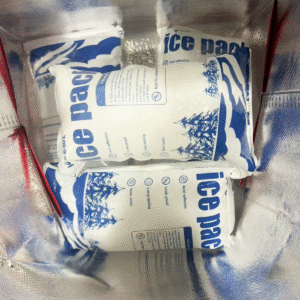
Verpackung Trockeneis Denn Flugreisen können aufgrund der strengen Transportvorschriften kompliziert erscheinen, Aber es ist ein entscheidender Prozess, um sicherzustellen, dass temperaturempfindliche Waren, wie Arzneimittel und verderbliche Waren, bleiben während des Fluges gefroren. Dieser Leitfaden bietet Ihnen die aktuellsten Strategien für den sicheren Transport von Trockeneis 2025. Von der Einhaltung gesetzlicher Vorschriften bis zur Auswahl des richtigen Behälters, Wir begleiten Sie Schritt für Schritt, damit Sie einen reibungslosen Ablauf gewährleisten können, Sorgenfreie Reise für Ihre Tiefkühlprodukte.
Welche Vorschriften müssen Sie beim Verpacken von Trockeneis beachten??
Wie viel Trockeneis sollte man für einen Flug einpacken??
Welche Behälter eignen sich am besten für den Transport von Trockeneis im Flugzeug??
Häufige Fehler, die Sie beim Fliegen mit Trockeneis vermeiden sollten.
Wie man trockenes Eis für Flugreisen sicher einpackt?
Das Verpacken von Trockeneis für Flugreisen erfordert viel Liebe zum Detail, um sowohl die Sicherheit als auch die Einhaltung der Flugvorschriften zu gewährleisten. Denn Trockeneis sublimiert zu Kohlendioxid (Co₂) Gas, Es ist als Gefahrstoff eingestuft. Hier ist ein vollständiger Prozess zum sicheren Verpacken:
1. Wählen Sie den richtigen Behälter
Ein geeigneter Behälter sorgt dafür, dass Ihr Trockeneis sicher eingeschlossen bleibt und gleichzeitig das Gas entweichen kann, Druckaufbau verhindern. Hier erfahren Sie, worauf Sie bei einem Container achten sollten:
Belüftung: Ihr Behälter muss über Lüftungsöffnungen oder Lücken verfügen, damit Kohlendioxidgas entweichen kann. Ohne diese Belüftung, Druck kann sich aufbauen und gefährliche Situationen schaffen.
Isolierung: Isolierte Kühlboxen oder Boxen sind ideal, da sie verhindern, dass Trockeneis zu schnell sublimiert, So bleibt Ihr Inhalt über einen längeren Zeitraum eingefroren.
Haltbarkeit: Der Behälter sollte stabil genug sein, um der Handhabung standzuhalten und ein Auslaufen oder eine Beschädigung während des Transports zu verhindern.
2. Befolgen Sie die Vorschriften der Fluggesellschaft
Jede Fluggesellschaft hat spezifische Regeln für den Transport von Trockeneis, und es ist wichtig, diese einzuhalten, um Verzögerungen oder Probleme an Sicherheitskontrollpunkten zu vermeiden. Hier finden Sie eine Übersicht über die Vorschriften:
Menge an Trockeneis: Typischerweise, Die FAA erlaubt bis zu 5.5 Pfund (2.5 kg) Trockeneis in einer Passagierkabine. Für größere Mengen, Eine vorherige Genehmigung der Fluggesellschaft ist erforderlich.
Verpackung und Etikettierung: Stellen Sie sicher, dass Ihr Behälter ordnungsgemäß mit der Aufschrift „Trockeneis“ und dem Nettogewicht des Trockeneises gekennzeichnet ist. Andernfalls kann es zu einer Ablehnung am Flughafen kommen.
Erklärungsformular: Wenn Sie mehr als tragen 5.5 Pfund Trockeneis, Sie müssen ein Deklarationsformular ausfüllen, das Informationen zur Trockeneismenge und den getroffenen Sicherheitsmaßnahmen enthält.
3. Trockeneis und verderbliche Güter richtig schichten
Beim Verpacken verderblicher Gegenstände, Es ist wichtig, Trockeneis und Ihre Gegenstände so zu schichten, dass die Temperatur während der gesamten Reise konstant bleibt:
Legen Sie eine Schicht Trockeneis auf den Boden des Behälters.
Legen Sie Ihre verderblichen Lebensmittel auf das Trockeneis.
Legen Sie eine weitere Schicht Trockeneis auf die verderblichen Waren, Stellen Sie sicher, dass das Trockeneis die Gegenstände gleichmäßig umgibt.
Diese Schichttechnik gewährleistet eine effiziente Kühlung und minimiert die Wahrscheinlichkeit, dass das Trockeneis zu schnell sublimiert.
Wie viel Trockeneis sollten Sie für Flugreisen einpacken??
Die Menge an Trockeneis, die Sie benötigen, hängt von der Länge Ihres Fluges und der Art der Gegenstände ab, die Sie transportieren. Hier sind einige allgemeine Richtlinien:
Kurze Flüge (unter 24 Std.): 5–10 Pfund (2.3–4,5 kg) Normalerweise reicht eine Menge Trockeneis aus, um Gegenstände gefroren zu halten.
Lange Flüge (über 24 Std.): 10–20 Pfund (4.5–9 kg) Um Gegenstände über einen längeren Zeitraum gefroren zu halten, wird wahrscheinlich Trockeneis benötigt.
Versand temperaturempfindlicher Artikel (Z.B., Pharmazeutika): Wenden Sie sich an den Hersteller oder Gesundheitsdienstleister, um spezifische Empfehlungen zur benötigten Trockeneismenge zu erhalten.
Hilfreiche Entscheidungshilfen
Überprüfen Sie die Details, bevor Sie sich für die Verpackung entscheiden
Mit diesen schnellen Tools können Sie das Routenrisiko vergleichen, Größenanforderungen, Kühlmittelauswahl, und Verpackungsdetails, bevor Sie ein Angebot anfordern.
01KühlmittelauswahlKühlmittel & PCM-Referenz
Vergleichen Sie Kühlmittel- und PCM-Optionen, wenn eine Route zusätzliche Temperaturunterstützung benötigt.
Vergleichen Sie Optionen02Checklisten-UnterstützungCompliance-Checklisten-Generator
Erstellen Sie eine praktische Checkliste für die Verpackungsüberprüfung, Versand, und Dokumentation.
Checkliste erstellen03TrockeneisplanungTrockeneisrechner
Schätzen Sie vor dem Verpacken den Bedarf an Trockeneis für gefrorene oder ultrakalte Sendungen.
Schätzen Sie Trockeneis
Es ist wichtig, die richtige Balance zu finden – zu viel Trockeneis könnte zu einer übermäßigen Sublimation führen und zu wenig könnte dazu führen, dass Ihre Artikel auftauen, bevor sie ihren Bestimmungsort erreichen.
Was sind die besten Behälter zum Verpacken von Trockeneis??
Die Wahl des richtigen Behälters für den Transport von Trockeneis ist für die Aufrechterhaltung der Sicherheit und Temperaturkontrolle von entscheidender Bedeutung. Lassen Sie uns die besten Optionen erkunden:
1. Isolierte Kühler
Diese Kühler gehören zu den besten Optionen zum Verpacken von Trockeneis, da sie eine hervorragende Isolierung und luftdichte Abdichtung bieten. Sie halten grober Handhabung stand und halten Trockeneis über längere Zeiträume kalt.
Am besten für: Versenden verderblicher Güter wie Lebensmittel oder medizinischer Versorgung.
2. Styroporbehälter
Während leicht, Styroporbehälter bieten eine solide Isolierung und eine gute Belüftung, damit das Trockeneis sicher sublimieren kann. Jedoch, Sie sind möglicherweise nicht so langlebig wie isolierte Kühlboxen.
Am besten für: Kleine Mengen Trockeneis (weniger als 5 Pfund) auf Kurztrips.
3. Kundenspezifische Trockeneisbehälter
Unternehmen, die größere Mengen verderblicher Waren versenden, entscheiden sich oft für speziell angefertigte Container, die für extreme Bedingungen ausgelegt sind und sowohl Isolierung als auch Belüftung bieten.
Am besten für: Große Sendungen, vor allem in der Kühlkette -Logistikindustrie.
Häufige Fehler, die Sie beim Fliegen mit Trockeneis vermeiden sollten
Auch wenn Trockeneis sicher transportiert werden kann, Es gibt einige häufige Fehler, die während Ihres Fluges zu Problemen führen können. Hier erfahren Sie, was Sie vermeiden sollten:
Der Behälter wird nicht richtig belüftet: Wenn keine ausreichende Belüftung gewährleistet ist, kann es zu einem gefährlichen Druckaufbau kommen, Wählen Sie daher immer einen Behälter, der das Entweichen von CO₂ ermöglicht.
Überschreitung der Fluggrenzen: Überprüfen Sie immer die von Ihrer Fluggesellschaft zugelassene Trockeneismenge. Eine Überschreitung des Limits kann zu Verzögerungen oder zur Ablehnung des Transports führen.
Verwendung des falschen Containertyps: Die Verwendung eines nicht belüfteten Behälters kann dazu führen, dass Ihr Trockeneis zu schnell sublimiert oder sogar Ihre verderblichen Artikel beschädigt werden.
2025 Trends im Flugverkehr und Trockeneistransport
Die Kühlkettenlogistikbranche entwickelt sich rasant weiter, Und 2025 bringt spannende Trends, die die Art und Weise, wie Trockeneis transportiert wird, verändern werden. Zu den wichtigsten Trends, die Sie im Auge behalten sollten, gehören::
Schlüsseltrends:
Umweltfreundliche Verpackung: Fortschritte bei biologisch abbaubar Verpackungsmaterialien reduzieren den ökologischen Fußabdruck des Transports von Trockeneis.
Erweiterte Temperaturüberwachung: Die Echtzeit-Temperaturverfolgung wird immer häufiger eingesetzt, Dadurch können Versender sicherstellen, dass verderbliche Waren die richtige Temperatur haben.
Schneller, Zuverlässigerer Versand: Fluggesellschaften investieren schneller, zuverlässigere Optionen für den Transport temperaturempfindlicher Güter.
Diese Innovationen verbessern die Effizienz und Sicherheit, Dies erleichtert den Versand verderblicher Waren per Flugzeug.
Häufige Fragen zum Verpacken von Trockeneis für Flugreisen
Q1: Woher weiß ich, ob ich genug Trockeneis für meinen Flug eingepackt habe??
Für kurze Flüge, 5-10 Ein Kilogramm Trockeneis ist normalerweise ausreichend. Für längere Flüge, Möglicherweise benötigen Sie mehr. Berücksichtigen Sie immer die Länge der Reise und die Art der Gegenstände, die Sie transportieren.
Q2: Kann ich Trockeneis in mein aufgegebenes Gepäck packen??
Ja, Trockeneis kann in aufgegebenes Gepäck gepackt werden, solange es sich in einem belüfteten Behälter befindet und Sie die Fluggesellschaft im Voraus informieren.
Abschluss & Empfehlungen
Das Verpacken von Trockeneis für Flugreisen erfordert eine sorgfältige Planung, um sowohl Sicherheit als auch Effizienz zu gewährleisten. Indem Sie die in diesem Artikel beschriebenen Richtlinien befolgen, Sie können häufige Fehler vermeiden und Ihre verderblichen Waren während des Transports einfrieren. Stellen Sie stets sicher, dass Ihr Behälter ordnungsgemäß belüftet ist, beschriftet, und entspricht den Vorschriften der Fluggesellschaften.
Nächste Schritte:
Wählen Sie die richtige Isolierung, Entlüftungsbehälter.
Schichten Sie Ihr Trockeneis und Ihre verderblichen Waren richtig.
Informieren Sie die Fluggesellschaft und füllen Sie alle erforderlichen Formulare aus.
Über Tempk
Und Tempk, Wir sind auf die Bereitstellung temperaturgesteuerter Lösungen für Flugreisen spezialisiert. Unser Sortiment an Isolierte Behälter und maßgeschneiderte Lösungen helfen Unternehmen und Privatpersonen, verderbliche Waren sicher zu transportieren. Wir sorgen dafür, dass Ihre Artikel gefroren bleiben und in einwandfreiem Zustand ankommen.
Brauchen Sie Expertenrat??
Kontaktieren Sie uns noch heute für eine Beratung zu den sichersten Möglichkeiten, Trockeneis für Flugreisen zu versenden.