Isolierte Lunchtaschen für Kinder: Was Sie kaufen sollten 2025?
Wenn Sie einkaufen Isolierte Lunchpakete für Kinder, Ihr eigentliches Ziel ist einfach: Ihr Kind öffnet mittags das Mittagessen, und das Essen sieht immer noch gut aus und riecht gut. Außerdem möchten Sie weniger Verschüttungen und weniger „geheimnisvolle Gerüche“. Im US-Alltag. Nachrichten zur Lebensmittelsicherheit, Die „Gefahrenzone“ wird allgemein als „Gefahrenzone“ bezeichnet 40°F–140°F, und verderbliche Waren sollten nicht zu lange warten – oft zusammengefasst als 2 Std. (oder 1 Stunde wenn es sehr heiß ist).
Dieser Leitfaden macht daraus ein praktisches System, das Sie an geschäftigen Schulmorgen tatsächlich anwenden können.
Dieser Artikel wird für Sie antworten:
-
Wie Isolierte Lunchpakete für Kinder Unterstützung Sichere Temperaturregeln für Lunchpakete für Kinder
-
Wenn Sie einen Eisbeutel brauchen (und wenn Sie es nicht tun) mit einem Planer für isolierte Kinder-Lunchtaschen und Eisbeutel
-
So wählen Sie Größe und Struktur nach Alter aus, Zeitplan, und Rucksackplatz
-
So reduzieren Sie Leckagen, Gerüche, und „Crushed Lunch“-Probleme
-
Eine einfache Packroutine (plus einen kurzen Heimtest) um Überraschungen zu vermeiden
-
2025 Trends: einfachere Reinigung, mehr Struktur, und mehr Materialtransparenz
Warum sind isolierte Lunchpakete für Kinder für die tägliche Lebensmittelsicherheit wichtig??
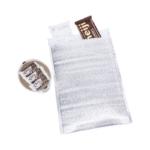
Direkte Antwort: Isolierte Lunchpakete für Kinder langsame Temperaturänderung. Das spart Zeit, sodass sich kalte Speisen langsamer erwärmen und warme Speisen langsamer abkühlen.
Erweiterte Erklärung: Stellen Sie sich Isolierung wie eine Jacke vor. Eine Jacke erzeugt keine Wärme, aber es verlangsamt den Wärmeverlust. Hier gilt die gleiche Regel: Isolierte Lunchpakete für Kinder Dir helfen halten die Starttemperatur, das Mittagessen nicht auf magische Weise kalt machen. Wenn Sie Milchprodukte einpacken, Fleisch, Eier, Obst schneiden, oder Reste, Am sichersten ist es, sie als „braucht kalte Unterstützung“ zu behandeln,„Vor allem, wenn das Mittagessen stundenlang dauert.
Isolierte Lunchpakete für Kinder
Die „Lunch Lane“-Methode (schnell und praktisch)
Wählen Sie jeden Morgen eine Spur. Dies verringert die Entscheidungsmüdigkeit.
-
Lagerstabile Spur: ganze Frucht, Cracker, versiegelte Snacks
-
Kühl-verderbliche Spur: Joghurt, Käse, Feinkostfleisch, Obst schneiden
-
Heiße Spur: Suppe, Pasta, Reis (in einem geeigneten Isolierglas)
| Mittagsspur | Typische Lebensmittel | Was du hinzufügst | Was es für Sie bedeutet |
|---|---|---|---|
| Lagerstabil | Cracker + ganze Frucht | optionale Kleinpackung | Frische + weniger Krümel |
| Gekühlt verderblich | Joghurt + Beeren | 2 kalte Quellen | bessere Sicherheitsmarge und Geschmack |
| Heiß | Suppe + Pasta | Isoliertes Lebensmittelglas | weniger Beschwerden über „lauwarmes Mittagessen“. |
Beispiel aus dem wirklichen Leben: Ein Elternteil verhinderte Beschwerden über „warmen Joghurt“, indem er zu einem strukturierten Beutel wechselte und eine zweite kalte Quelle hinzufügte.
Isolierte Lunchpakete für Kinder
Funktionieren isolierte Lunchpakete für Kinder auch ohne Kühlakkus??
Direkte Antwort: Ja – aber normalerweise nur für kurze Fenster oder haltbare Mittagessen. Für gekühlte verderbliche Waren, Isolierung funktioniert am besten mit kalten Quellen.
Isolierte Lunchpakete für Kinder
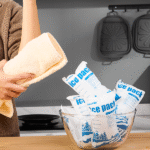
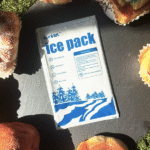
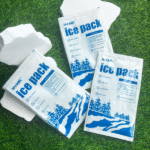
Erweiterte Erklärung: Wenn Ihr Kind 4–6 Stunden nach dem Einpacken zu Mittag isst, Die meisten gekühlten verderblichen Waren brauchen Hilfe. Eine gängige bewährte Vorgehensweise bei der Anleitung zur Sicherheit beim Mittagessen ist die Verwendung von zwei Kältequellen (Zum Beispiel, eine Gelpackung plus ein gefrorenes Getränk) In Isolierte Lunchpakete für Kinder beim Verpacken verderblicher Güter.
Isolierte Lunchpakete für Kinder
Planer für isolierte Kinder-Lunchtaschen und Eisbeutel (60 Sekunden)
Passen Sie Ihren Plan an die an Zeit vor dem Mittagessen und die Wetter.
| Realität im Schulalltag | Eisplan | Platzierung | Was es für Sie bedeutet |
|---|---|---|---|
| ≤4 Stunden bis zum Mittagessen | 1 kalte Quelle | zusätzlich zu verderblichen Waren | normalerweise an milden Tagen ausreichend |
| 4–6 Stunden bis zum Mittagessen | 2 kalte Quellen | Spitze + Seite (oder unten) | gleichmäßigere Kälte |
| 6+ Std., Busfahrten, heißer Pickup | 2 kalte Quellen + engere Passform | „kaltes Sandwich“-Layout | weniger riskante Aufwärmübungen |
Praktische Tipps
-
Kalt anfangen: Kühlen Sie das Essen über Nacht; Verlassen Sie sich nicht auf die Tasche, um es abzukühlen.
-
Gehen Sie zweiseitig vor: Kältequelle → Behälter → Kältequelle.
-
Luftspalte reduzieren: Zusätzliche Luft erwärmt sich schneller als vollgepackter Raum.
So wählen Sie isolierte Lunchpakete für Kinder nach Alter und Schulalltag aus?
Direkte Antwort: Der beste Isolierte Lunchpakete für Kinder passend zu Ihren Behältern, Passen Sie den Rucksack an, und sind für Ihr Kind leicht zu öffnen – ohne Essen zu zerdrücken.
Erweiterte Erklärung: Wenn Sie „zu groß“ kaufen, entstehen leere Lufträume und rutschende Behälter. Der Kauf „zu klein“ führt zu kaputten Sandwiches und Stress. Wählen Sie basierend auf der Dauer des Mittagessens, wie grob Ihr Kind mit Reißverschlüssen umgeht, und ob die Tasche in einen engen Rucksack passen muss.
2-Minutengenauer Passformtest für isolierte Kinder-Lunchtaschen
Geben 1 Punkt für jedes „Ja“:
-
Mein Kind kann den Reißverschluss alleine öffnen.
-
Ein Hauptcontainer passt Wohnung, nicht geneigt.
-
Es gibt Platz für zwei Kältequellen ohne Essen zu zerdrücken.
-
Der Liner lässt sich von unten abwischen 30 Sekunden.
-
Die Tasche steht aufrecht auf einem Schreibtisch oder Regal.
Punktzahl
-
0–2: Frustrationsrisiko (Verschüttungen, Tränen, verschwendetes Essen)
-
3–4: solide tägliche Wahl
-
5: „Schultaugliches“ Setup
| Schulbühne | Typische Bedürfnisse | Bester Taschenstil | Was es für Sie bedeutet |
|---|---|---|---|
| Vorschule (3–5) | einfaches Mittagessen + kleiner Snack | kompakt, weite Öffnung | weniger Probleme mit dem Reißverschluss |
| Grundschule (6–10) | Mittagessen + Snack + trinken | Medium, strukturiert | weniger zerdrückte Gegenstände |
| Mittelschule (11+) | größere Portionen + Extras | größere kapazität + härterer Riemen | bessere Haltbarkeit |
Beispiel aus dem wirklichen Leben: Der Wechsel zu einer strukturierten Basis verhinderte, dass Früchte in einem überfüllten Rucksack zerdrückt wurden.
Welche Eigenschaften sind bei isolierten Lunchtaschen für Kinder am wichtigsten??
Direkte Antwort: Priorisieren Sie die Isolierung + abwischbarer Liner + starke Reißverschlüsse + Struktur. Niedliches Design ist ein Bonus.
Erweiterte Erklärung: Kinder ziehen, fallen, und Lunchpakete stopfen. Ihre „Must-have“-Funktionen sind diejenigen, die den täglichen Wartungsaufwand reduzieren: weniger Lecks, weniger Gerüche, weniger kaputte Reißverschlüsse.
Feature-Checkliste, die verhindert 80% von Beschwerden
| Besonderheit | Worauf Sie achten sollten | Was es verhindert | Was es für Sie bedeutet |
|---|---|---|---|
| Isolierung | gepolstertes Gefühl, eng anliegende Nähte | schnelle Erwärmung | besserer Geschmack zum Mittagessen |
| Liner | abwischbar, glatt, weniger Nähte | Geruchsbildung | schnellere Reinigung |
| Reißverschlüsse | Übergroße Züge, glatte Strecke | defekter Verschluss | längere Lebensdauer des Beutels |
| Struktur | halbstarre Wände + stabile Basis | zerkleinertes Essen | glücklicheres Kind |
| Einfache Taschen | nicht „labyrinthartig“ | verlorene Utensilien | schnelleres Packen |
Praktische Tipps
-
Wählen weniger Innennähte (Krümel verstecken sich in den Nähten).
-
Für jüngere Kinder: Vermeiden Sie komplizierte Fächer.
-
Wählen Sie eine Tasche, die das kann aufstehen von allein.
Wie verhindern Sie Undichtigkeiten in isolierten Lunchpaketen für Kinder??
Direkte Antwort: Die Leckageverhinderung erfolgt meist bei Behältern + Verpackungsreihenfolge. Die Lunchtasche ist Ihre letzte Verteidigungslinie.
Erweiterte Erklärung: Sogar Premium Isolierte Lunchpakete für Kinder Ich kann einen Suppenbecher mit Schnappdeckel nicht im Rucksack aufbewahren. Ihr Ziel ist einfach: Halten Sie Flüssigkeiten verschlossen, aufrecht, und gepuffert aus Trockenfutter.
Auslaufsicheres Verpackungssystem zum Nachahmen
-
Verwenden Schraubverschluss Behälter für Flüssigkeiten.
-
Packen Sie Flüssigkeiten ein aufrecht in der Mitte.
-
Legen Sie ein kleines Handtuch/eine kleine Serviette unter Flüssigkeiten (Tropfenfänger).
-
Brot und Trockensnacks getrennt in einen Beutel geben.
Praktische Tipps
-
Mach das 10-zweiter Schütteltest zu Hause (Wasser drin, Shake, überprüfen).
-
Legen Sie einen kleinen zweiten Beutel um das geschnittene Obst.
-
Halten Sie nasse Gegenstände von Papierverpackungen fern.
Beispiel aus dem wirklichen Leben: Eine Familie verhinderte verschüttete Flüssigkeiten in der Mittagspause, indem sie auf Behälter mit Schraubverschluss umstieg und Flüssigkeiten mit einem kleinen Handtuch darunter in die Mitte packte.
Können isolierte Lunchpakete für Kinder bei warmen Mittagessen helfen??
Direkte Antwort: Etwas – aber das Container ist wichtiger als die Tasche. Verwenden Sie darin ein vorgewärmtes, isoliertes Lebensmittelglas Isolierte Lunchpakete für Kinder für das beste Ergebnis.
Isolierte Lunchpakete für Kinder
Erweiterte Erklärung: Heiße Speisen kühlen über Stunden ab. Eine enge, Ein isoliertes Glas hält die Wärme weitaus besser als ein weicher Beutel allein. Wenn Ihre Schulmittagspause zu spät ist, Ein Glas ist der Unterschied zwischen „beruhigend“ und „lauwarm“.
Ein warmes Mittagessen, das tatsächlich funktioniert
-
Erhitzen Sie den Behälter mit heißem Wasser 5 Minuten.
-
Mit heißen Speisen füllen und fest verschließen.
-
Stellen Sie das Glas mit einem kleinen Handtuch in die Mitte des Beutels, um ein Umkippen zu verhindern.
Praktische Tipps
-
Packen Sie keine heißen und kalten Gegenstände ein, die einander berühren.
-
Wählen Sie hitzefreundliche Lebensmittel (Suppen und Nudeln halten die Hitze am besten).
-
Bringen Sie vorsichtiges Öffnen bei, um ein Verschütten zu verhindern.
So verpacken Sie isolierte Lunchpakete für Kinder sicher (ein einfaches HowTo)
Direkte Antwort: Packen Sie es wie einen „Drei-Schichten-Stapel“, damit die Lebensmittel kalt bleiben, unzerkleinert, und leicht zu finden.
Erweiterte Erklärung: Viele Misserfolge beim Mittagessen sind auf das Drücken zurückzuführen, nicht auf die Temperatur. Ein gutes Layout schützt beides.
Bruchsicheres Design für isolierte Lunchpakete für Kinder
-
Basisschicht: schwerster Behälter (stabiles Fundament)
-
Mittlere Schicht: Hauptmahlzeitbehälter (gute Passform)
-
Oberschicht: weiche Gegenstände + Kaltquelle oben für gekühlte Spur
| Artikel | Bester Behälter | Beste Position | Was es für Sie bedeutet |
|---|---|---|---|
| Sandwich | starre Sandwichbox | Mitte | behält seine Form |
| Beeren | Hartbecher mit Deckel | Spitze | weniger blaue Flecken |
| Cracker | kleiner harter Behälter | seitlich/oben | weniger „Krümelstaub“ |
| Joghurt | auslaufsicherer Becher | zwischen kalten Quellen | Besser chillen |
Praktische Tipps
-
Bananen gehen entlang der Seitenwand, nicht unter Containern.
-
Chips gehören in einen harten Behälter, keine dünne Tasche.
-
Bei Verwendung von zwei Kältequellen: gehen Spitze + Seite zu stabilisieren.
Reinigungs-SOP für isolierte Lunchpakete für Kinder (geruchsdichte Routine)
Direkte Antwort: Täglich abwischen, vollständig trocknen, Wöchentlich gründlich reinigen. Trocknen ist der größte Geruchsreduzierer.
Isolierte Lunchpakete für Kinder
Erweiterte Erklärung: Die meisten Gerüche entstehen durch über Nacht eingeschlossene Feuchtigkeit. Wenn Sie den Beutel feucht verschließen, Der Geruch kehrt schnell zurück.
5-Minute tägliche Reinigungs-SOP für isolierte Lunchpakete für Kinder
-
Krümel ausleeren und Packungen/Behälter entfernen.
-
Wischen Sie den Liner mit milder Seife ab + warmes Wasser.
-
Ecken und Reißverschlussnähte abwischen (Krümelfallen).
-
Nochmals mit klarem Wasser nachwischen.
-
Bei geöffnetem Reißverschluss vollständig an der Luft trocknen.
| Schritt | Zeit | Werkzeug | Was es für Sie bedeutet |
|---|---|---|---|
| Krümelentfernung | 30 Sek | Tuch/Minibürste | weniger Gerüche und Schädlinge |
| Liner abwischen | 2 min | Seifentuch | entfernt klebrige Rückstände |
| Ecke + Reißverschlusswischtuch | 1 min | Tuch | stoppt „geheimnisvolle Gerüche“ |
| Vollständig an der Luft trocknen | passiv | offene Tasche | größter Geruchsreduzierer |
Beispiel aus dem wirklichen Leben: Eine Familie beendete wiederkehrende Gerüche, indem sie eine Regel einführte: „Nach der Schule offen auf der Theke liegen.“
Isolierte Lunchpakete für Kinder
Isolierte Lunchtaschen für Kinder vs. harte Lunchbox: was soll man wählen?
Direkte Antwort: Wenn das Mittagessen warm wird, Upgrade Isolierte Lunchpakete für Kinder und kalte Quellen. Wenn das Mittagessen kaputt geht, Fügen Sie eine harte Innenbox hinzu – oder verwenden Sie beides.
Erweiterte Erklärung: Viele Familien entscheiden sich am Ende für den besten Hybrid: Harte Innenbox für Struktur innen Isolierte Lunchpakete für Kinder zur Temperaturkontrolle.
| Dein Hauptproblem | Bester Schachzug | Warum funktioniert es | Was es für Sie bedeutet |
|---|---|---|---|
| Warme Milchprodukte | isolierte Tasche + zwei Kältequellen | bessere Kältestabilität | Weniger Geschmacksbeschwerden |
| Zerkleinertes Mittagessen | harte Innenbox | Strukturschutz | bessere Präsentation |
| Lecks | bessere Behälter + Mittelpackung | Container sind am wichtigsten | weniger Wäsche |
| Schwerer Rucksack | weiche strukturierte Tasche | leichteres Tragen | einfacherer täglicher Gebrauch |
So testen Sie isolierte Kinder-Lunchpakete zu Hause vor Schulbeginn
Direkte Antwort: Ein Thermometer + Ein Probetag kann wochenlange verschwendete Mittagessen verhindern.
Isolierte Lunchpakete für Kinder
Erweiterte Erklärung: Durch Tests wird das Rätselraten zu einer wiederholbaren Routine.
Einfacher Temperaturtest (kein Labor erforderlich)
-
Packen Sie ein normales gekühltes Mittagessen ein (Joghurt + Käse + Obst).
-
Hinzufügen zwei Kältequellen in Ihrem geplanten Layout.
Isolierte Lunchpakete für Kinder
-
Lassen Sie die Tasche so viele Stunden lang geschlossen wie an einem Schulmorgen.
-
Überprüfen Sie zur „Mittagszeit“ die Mitte des verderblichsten Artikels.
-
Wenn es warm tendiert: kalte Masse hinzufügen, Luftlücken reduzieren, oder die Mittagsspur wechseln.
2025 Entwicklungen und Trends bei isolierten Lunchtaschen für Kinder
Trendübersicht: In 2025, Eltern kaufen weniger „süß zuerst“ und mehr Routine zuerst. Das bedeutet Lunchtaschen, die zum schnellen Abwischen konzipiert sind, Stand-Up-Packing, und echte Container-Passform. Auch klare Materialaussagen und kindgerechte Haltbarkeit sind gefragter.
Isolierte Lunchpakete für Kinder
Aktueller Fortschritts-Snapshot
-
Strukturiertere Designs: weniger zerdrückte Mittagessen in engen Rucksäcken
-
Mehr Abwischbarkeit, Nahtintelligente Liner: Schnellere Reinigung und weniger anhaltende Gerüche
-
Mehr „Systemdenken“: Tasche + kalte Quellen + Behälter + Routine
-
Mehr Materialtransparenz: Familien wünschen sich klarere Erwartungen an die Sicherheitsdokumentation
Isolierte Lunchpakete für Kinder
Markteinblicke, die Sie nutzen können: Der beste Isolierte Lunchpakete für Kinder sind diejenigen, die Ihr Kind selbstständig nutzen kann – offen, Pack, schließen, tragen, und sauber mit minimaler Hilfe.
Häufige Fragen (FAQ)
Q1: Halten isolierte Lunchpakete für Kinder das Essen den ganzen Tag kalt??
Sie können die Erwärmung verlangsamen, aber gekühlte verderbliche Waren benötigen normalerweise Kältequellen. Für längere Schulmorgen, Zwei Kältequellen sind zuverlässiger als eine.
Q2: Wie viele Eisbeutel sollte ich in isolierten Lunchpaketen für Kinder verwenden??
Benutzen Sie für kurze Tage eine einzige Kältequelle zwei Kältequellen für normale oder lange Tage – insbesondere für Milchprodukte und geschnittenes Obst.
Q3: Wie verhindere ich, dass isolierte Lunchpakete für Kinder riechen??
Wischen Sie den Liner noch am selben Tag ab, Trocknen Sie den Beutel dann vollständig geöffnet. Trocknen ist der größte Geruchsreduzierer.
Q4: Welche Größe eignet sich am besten für die Grundschule??
Ein Beutel mit mittlerer Struktur, der in einen flachen Hauptbehälter und zwei Kühlquellen passt, ohne zu quetschen, ist normalerweise die optimale Lösung.
Q5: Können isolierte Lunchtaschen für Kinder für warme Speisen verwendet werden??
Ja, Aber warme Speisen sollten in ein isoliertes Glas gegeben werden. Das Glas speichert die Wärme; Die Tasche schützt und stabilisiert vor allem.
Q6: Was ist der schnellste Weg, um den Kauf der „falschen“ Lunchtasche zu vermeiden??
Führen Sie vor Beginn des Schuljahres den 2-minütigen Fit-Test und einen Temperaturtest zu Hause durch.
Zusammenfassung und Empfehlungen
Wenn Sie weniger verschwendete Mittagessen möchten, behandeln Isolierte Lunchpakete für Kinder als System: die richtige Tasche, die richtigen Kältequellen, versiegelte Behälter, Intelligente Verpackungsreihenfolge, und eine einfache Reinigungsroutine. Ihr bestes „2025-sicheres“ Setup ist a Strukturierte Tasche das genau zu Ihren Behältern passt, unterstützt zwei Kältequellen für verderbliche Waren, und lässt sich schnell abwischen.
Was als nächstes zu tun ist (einfacher CTA)
-
Wählen Sie an den meisten Schultagen die Mittagspause Ihres Kindes.
-
Standardisieren Sie ein Behälterset, das sauber in Ihre Tasche passt.
-
Verwenden Sie den Eisbeutelplaner und schließen Sie einen Deckel ein + seitliche Platzierung.
-
Übernehmen Sie die tägliche Regel: wischen + vollständig an der Luft trocknen.
-
Führen Sie einen Testtag zu Hause durch – und wiederholen Sie dann die Erfolgsroutine das ganze Semester über.
Über Tempk
Und Tempk, Wir wenden praktisches Kühlkettendenken auf die alltägliche Temperaturkontrolle an: Wärmeentwicklung reduzieren, Reduzieren Sie die Warmhaltezeit,” und bauen Sie Routinen auf, denen die Leute tatsächlich folgen. Dieselbe Denkweise hilft Familien bei der Auswahl Isolierte Lunchpakete für Kinder die das Mittagessen frischer halten, Reiniger, und einfacher zu verwalten – ohne Ihren Morgen komplexer zu machen.
Aktion: Wenn Sie eine standardisierte Schulessen-SOP wünschen (nach Abgabezeit, Mittagszeit, und Klima), Wir können Ihnen helfen, Ihren Zeitplan in eine einfache Packroutine umzuwandeln.