Wie isolierte Kühltaschen funktionieren: Materialien, Verwendung & 2025 Innovationen
Aktualisiert: Dezember 2025 - - Isolierte Kühltaschen sind nicht mehr nur Picknickzubehör; Sie sind unverzichtbare Werkzeuge für die Aufbewahrung Ihrer Lebensmittel, Getränke und sogar Medikamente sind während des Transports sicher. Egal, ob Sie Ihr Mittagessen für die Arbeit einpacken oder temperaturempfindliche Impfstoffe verschicken, Wenn Sie wissen, wie diese Taschen funktionieren und was sie ausmacht, können Sie Geld sparen, Gesundheit schützen und Abfall reduzieren. Der weltweite Markt für isolierte Kühlboxen wird voraussichtlich wachsen USD 846.6 Millionen in 2025 in USD 1.57 Milliarden von 2035, angetrieben durch Outdoor-Freizeitaktivitäten und umweltfreundliche Verpackungsanforderungen. In diesem Ratgeber erfahren Sie, warum moderne Kühltaschen eine mehrschichtige Isolierung verwenden, wie lange sie die Temperatur aufrechterhalten können, und die Innovationen prägen 2025.
Dieser Artikel wird antworten:
Was sind isolierte Kühltaschen und warum funktionieren sie so gut?? Verstehen Sie die Wissenschaft hinter mehrschichtiger Isolierung und wie reflektierende Folien und Schaumstoff die Wärmeübertragung verlangsamen.
Wie wählen Sie die richtige Kühltasche für Ihre Bedürfnisse aus?? Lernen Sie, die Taschengröße anzupassen, Dämmstärke und Abdichtungsqualität an Ihre Route anpassen, Nutzlast und Budget.
Welche Materialien und Bauweisen sind am wichtigsten?? Vergleichen Sie Stoffe und Schaumstoffe wie EPE, EVA und Polyurethan, und sehen Sie, wie sich Herstellungsschritte wie Nähen und Versiegeln auf die Haltbarkeit auswirken.
Wo werden Kühltaschen verwendet?, und welche Vorteile sie bieten? Entdecken Sie Anwendungen von Schulessen und Picknicks bis hin zur Medikamentenlieferung und verstehen Sie die Vorteile von auslaufsicherem Material, umweltfreundliche Designs.
Welche Arten von isolierten Kühltaschen gibt es?? Entdecken Sie die Unterschiede zwischen Softsided, hart, Rucksack- und Campingkühler, und die jedes Design passt.
Wofür gibt es die neuesten Innovationen und Trends? 2025? Erfahren Sie mehr über intelligente Kühler, modulare Einsätze, biologisch abbaubare Materialien und warum bessere Abdichtung und wiederverwendbare Designs die Zukunft prägen.
Was sind isolierte Kühltaschen und wie funktionieren sie??
Isolierte Kühltaschen sind tragbare Behälter, die die Wärmeübertragung verlangsamen sollen, Hält den Inhalt länger kalt oder heiß. Im Gegensatz zu einem einlagigen Lunchsack, Moderne Kühltaschen zeichnen sich durch eine mehrschichtige Konstruktion aus: ein robuster Außenstoff, einen Schaumstoffkern, eine reflektierende Folie und eine lebensmittelechte Innenauskleidung. Polyethylen oder geschlossenzelliger Schaumstoff erzeugen Lufteinschlüsse, die die Leitung verringern, während metallisierte Folien Strahlungswärme reflektieren. High-End-Taschen können vakuumisolierte Panels enthalten (VIPs) und Phasenwechselmaterialien (PCMs) zur Aufrechterhaltung präziser Temperaturen, z 2–8 ° C Für Impfstoffe. Bei sachgemäßer Anwendung, ein Isolierte Kühlertasche verhindert Verderb, schützt die Wirksamkeit von Medikamenten und erfüllt die gesetzlichen Temperaturanforderungen.
Geschichtete Isolierung erklärt
Eine typische isolierte Kühltasche besteht aus vier Funktionsschichten:
| Schicht | Zweck | Vorteile für Sie |
| Oberstoff | Schützt die Innenisolierung vor Abrieb und Feuchtigkeit | Strapazierfähige Oberflächen wie Oxford-Stoff oder recyceltes PET sind reiß- und schmutzabweisend, Damit Ihre Tasche länger hält und vorzeigbar bleibt |
| Schaumstoffkern (EPE, PU oder XPE) | Es entstehen Lufteinschlüsse, die die Wärmeübertragung verlangsamen | Geschlossenzellige Schaumstoffe bieten höhere R-Werte (bis zu R 6.0 pro Zoll), So bleibt Ihr Essen stundenlang kalt oder heiß; Dickerer Schaum bedeutet längere Haltezeit |
| Reflektierende Folie | Reflektiert Strahlungswärme vom Beutel weg | Dünne Aluminium- oder metallisierte Polyethylenfolien erhöhen die Gesamtisolierung und schützen sowohl heiße als auch kalte Gegenstände |
| Innenfutter | Bietet eine Lebensmittelechtheit, abwischbare Oberfläche und dichtet Nähte ab | PEVA oder geschweißter Kunststoff verhindert Auslaufen und ist leicht zu reinigen, Schützen Sie Ihre Lebensmittel und verhindern Sie die Bildung von Bakterien |
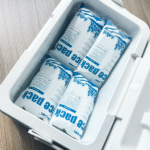
Diese Schichten arbeiten zusammen, um die Leitung zu minimieren, Konvektion und Strahlung. Der Schaum schließt Luft ein, um die Leitung zu verringern, Die ruhende Luft im Inneren begrenzt die Konvektion, und die reflektierende Folie leitet die Strahlungswärme zurück in den Inhalt oder von ihm weg. Für gefrorene Waren, Sie können eine Schaumstoffisolierung damit kombinieren Trockeneis oder hochfest Gelpackungen, Während für gekühlte Waren Gelpackungen verwendet werden und für Umgebungsartikel allein die Isolierung erforderlich ist.
Wichtige Dämmstoffe und ihre Leistung
Verschiedene Schaumstoffe bieten unterschiedliche Leistungen, Haltbarkeits- und Kostenprofile:
EPE -Schaum (Erweitertes Polyethylen) – Leicht und kostengünstig, EPE-Schaum hält Gegenstände normalerweise lange kalt 4–8 Stunden. Es ist ideal für Lunchpakete, Lebensmittelkühler und kurze Ausflüge ins Freie. Jedoch, es komprimiert sich mit der Zeit, Nach starker Beanspruchung verringert sich die Isolierfähigkeit und es ist Unterstützung durch Aluminium- oder PEVA-Auskleidungen erforderlich.
Hungrig (Polyethylen) – Mit höherer Dichte und Druckfestigkeit, PE-Schaum unterstützt die Kühlung 6–10 Stunden. Es bietet ein gutes Gleichgewicht zwischen Kosten und Leistung und eignet sich für Mittelklasse-Kühlboxen, die für Tagesausflüge verwendet werden, aufrechte Getränketräger oder Lieferung.
EVA-Schaum (Ethylenvinylacetat) – Dichter und haltbarer, EVA-Schaum kann die Kühlung aufrechterhalten 10–24 Stunden. Man findet es in Premium-Softcoolern, Strandtaschen und robuste Liefertaschen. Gewicht und Kosten von EVA sind höher, aber es bietet eine überlegene thermische Beständigkeit.
PU-Schaum (Polyurethan) – Wird typischerweise in harten Kühlern verwendet, PU-Schaum speichert die Kälte lange 24–72 Stunden. Halbstarre Kühltaschen integrieren zunehmend dünne PU-Einsätze für mehrtägige Leistung. Die extrem niedrige Wärmeleitfähigkeit des Schaums macht ihn zum Goldstandard für die langfristige Eisspeicherung.
Diese Materialien können mit reflektierenden Folien oder Vakuumpaneelen kombiniert werden, um die R-Werte zu verbessern. Ein 8 mm EPE-Schaumstoffbeutel mit Aluminiumfolie zur Aufbewahrung von Eisbeuteln darunter 10 ° C für 6.5 Stunden und warmes Essen oben 50 ° C für 4.2 Std. unter 25 ° C Umgebung Bedingungen. Premium-Designs mit VIPs und PCMs können die Impfstofftemperaturen länger als halten 72 Std., Es wird demonstriert, wie sich die Dicke der Isolierung und die Materialauswahl direkt auf die Haltezeit auswirken.
Praktische Tipps zur Maximierung der Temperaturerhaltung
Kühlen Sie den Beutel vor: Legen Sie Gelpackungen vor dem Laden 10–20 Minuten lang in einen leeren Beutel, um die Kältekapazität zu erhöhen.
Den Boden mit Kaltquellen auslegen: Eine Kaltschicht an der Unterseite stabilisiert die Temperatur und reduziert warme Lufteinschlüsse.
Gruppieren Sie ähnliche Elemente: Halten Sie gefrorene Waren zusammen; Trennen Sie Kühl- und Umgebungsgüter mit Trennwänden, um eine Wärmeübertragung zu verhindern.
Öffnungen begrenzen: Jedes Mal, wenn Sie den Beutel öffnen, 50–80 % von kalter Luft entweicht. Planen Sie Ihre Route, um die Anzahl der Öffnungen zu reduzieren.
Wählen Sie das richtige Eis: Blockeis hält 2–4 mal länger als Würfel; Gel-Packs sorgen für gleichmäßige Kühlung und vermeiden geschmolzenes Wasser.
Verwenden Sie eine Tasche mit der richtigen Größe: Übergroße Taschen schaffen Luftraum, der sich schnell erwärmt; Zu kleine Beutel können die Verpackung zerdrücken. Wählen Sie eine Tasche, die zu Ihrer typischen Ladung plus 20–30 passt % für Eis.
Beispiel aus der Praxis: Eine Familie auf einem 9einstündiger Roadtrip packte eine mittelgroße Kühlbox mit gefrorenen Wasserflaschen und Snacks. Weil sie die Tüte vorgekühlt haben, Packen Sie die Gegenstände fest ein und bewahren Sie die Tasche vor direkter Sonneneinstrahlung auf, das Eis blieb bis zum Abend fest. Dies zeigt, dass eine ordnungsgemäße Verpackung und Handhabung die Leistung erheblich über die Nennleistung hinaus steigern kann.
So wählen Sie die richtige isolierte Kühltasche aus
Bei der Auswahl einer Kühltasche kommt es nicht nur darauf an, die größte zu wählen, sondern auch darauf, dass sie zu Ihrer Route passt, Nutzlast und Temperaturziele. Ermitteln Sie zunächst den Temperaturbereich, den Sie benötigen (gefroren, gekühlt oder bei Raumtemperatur) und wie lange Sie es benötigen. Bewerten Sie dann die folgenden Faktoren:
Art und Dicke der Isolierung: Geschlossenzellige Schaumstoffe wie EPE und PU übertreffen offenzellige Füllstoffe. Eine 5–8 mm dicke Schaumschicht reicht aus 4–8 Stunden Haltezeiten, Für anspruchsvolle Anwendungen wie Catering oder pharmazeutische Probenentnahmen ist dies jedoch möglicherweise erforderlich 8 mm oder mehr plus versiegelte Reißverschlüsse.
Größe und Kapazität: Passen Sie das Volumen der Tasche an Ihre typische Bestellung an; Überdimensionierung verschwendet Eis, während eine Unterdimensionierung das Laden verlangsamt. Eine gute Regel ist das Hinzufügen 20–30 % zusätzlicher Platz für Eis. Kommerzielle Kühltaschen reichen von 6 L zu 40 L; 6–10 L für Einzelmahlzeiten, 15–20 L für Lebensmittelbestellungen und 30–40 L für Gruppenverpflegung.
Verschlusssystem und Dichtungsqualität: Enge Reißverschlüsse, Doppelte Klappen und verstärkte Nähte blockieren warme Luft und verhindern Auslaufen. Wasserfeste Reißverschlüsse mit großen Zugzügen sind einfacher zu bedienen und verhaken sich weniger leicht.
Haltbarkeit und Wiederverwendbarkeit: Suchen Sie nach verstärkten Gleitplatten, Boxgenähte Griffe und geschweißte Liner. Wiederverwendbare Designs müssen Hunderten von Fahrten standhalten und leicht zu reinigen sein.
Feuchtigkeits- und auslaufsicher: Wasserfeste Auskleidungen und versiegelte Nähte verhindern, dass Kondenswasser in die Isolierung eindringt. Gelpackungen vermeiden die Ansammlung von Wasser.
Portabilität und Anpassung: Leichte Materialien und ergonomische Griffe reduzieren Ermüdungserscheinungen. Benutzerdefinierte Größen, Herausnehmbare Trennwände und aufgedrucktes Branding helfen dabei, die Tasche an Ihre Bedürfnisse anzupassen.
Passende Größe und Route
Um die richtige Größe auszuwählen, Berücksichtigen Sie Ihre tägliche Routenzeit, Anzahl der Stopps und Produkttyp. Die folgenden Richtlinien passen forschungsgestützte Empfehlungen an:
| Routentyp | Empfohlene Taschengröße | Eisstrategie | Warum ist es wichtig |
| 1–2 Stopps | Klein (6–10 L) | 1–2 kleine Gelpackungen | Kleinere Taschen minimieren das Eindringen warmer Luft an jedem Stopp und sind leicht zu transportieren |
| 3–6 Stopps | Medium (15–20 L) | Gelpackungen plus Trennwand | Zusätzlicher Platz und Trennwände trennen gefrorene und gekühlte Waren, Verbesserung der Haltezeit |
| Massenauffüllung oder 6+ stoppt | Groß (30–40 L) oder mehrere Taschen | Mehrschichtige Gelpackungen und Trennwände | Mehrere Beutel oder eine größere Größe ermöglichen das Schichten und reduzieren wiederholtes Öffnen |
Im Zweifelsfall, Messen Sie Ihre typische Nutzlast und mit Lieferanten sprechen. Fordern Sie Prüfdaten zur Dämmstärke und Dichtungsqualität an, und führen Sie vor dem Commit einen Hotday-Test durch. Übergroße Beutel verschwenden Eis und Energie, Unterfüllte Beutel erwärmen sich hingegen schneller und führen zum Verderb.
Checkliste für Funktionen
Isolierung: Geschlossenzelliger Schaumstoff mit einer Dicke von 5–8 mm (oder mehr für lange Strecken) und reflektierende Folien.
Versiegelung: Robuste Reißverschlüsse, Doppelte Klappen oder Magnetverschlüsse, um Luftaustritt zu verhindern.
Liner: Lebensmittelecht, Abwischbares PEVA oder geschweißter Kunststoff, um Undichtigkeiten zu verhindern.
Oberstoff: Abriebfestes Oxford-Gewebe oder recyceltes PET für lange Haltbarkeit.
Griffe und Riemen: Ergonomisch, gepolsterte Tragegurte oder Teleskopgriffe für bequemes Tragen.
Zusätzliche Funktionen: Abnehmbare Trennwände, Netztaschen, Ablassstopfen und Außentaschen zum Ordnen kleiner Gegenstände.
Tipp: Fragen Sie Lieferanten immer danach Verpackungsanleitung und Reinigungsanweisungen. Ein guter Lieferant sollte Validierungsdaten bereitstellen und Sie bei der Optimierung Ihrer Verpackungsroutinen unterstützen.
Materialien und Konstruktion: Was am wichtigsten ist?
Der Stoff und die Isolierschichten bestimmen nicht nur, wie lange eine Kühltasche die Temperatur speichert, sondern auch über ihre Haltbarkeit, Flexibilität und Nachhaltigkeit. Für hochwertige Kühltaschen werden in der Regel umweltfreundliche Stoffe wie Polyester verwendet, Nylon, Canvas oder Oxford-Stoff für die Außenhülle. Das Innenfutter verbindet sich oft Alufolie bzw Folieneinlagen um Lebensmittel trocken zu halten, während die mittlere Schicht isolierende Schäume wie z Thermowatte aus Polyesterfasern, Polyethylen-Kunststoff und Polyurethan. Eine gut gefertigte Kühltasche durchläuft präzise Herstellungsschritte:
Den Stoff zuschneiden entsprechend der vorgesehenen Kapazität dimensionieren.
Nahtfutter und Isolierung zum Oberstoff, Sicherstellen, dass die Polsterung einen langfristigen Schutz bietet.
Arbeiten an Nähten um Kanten zu sichern und Undichtigkeiten zu verhindern.
Hilfreiche Entscheidungshilfen
Überprüfen Sie die Details, bevor Sie sich für die Verpackung entscheiden
Mit diesen schnellen Tools können Sie das Routenrisiko vergleichen, Größenanforderungen, Kühlmittelauswahl, und Verpackungsdetails, bevor Sie ein Angebot anfordern.
Kühlmittel & PCM-Referenz
Vergleichen Sie Kühlmittel- und PCM-Optionen, wenn eine Route zusätzliche Temperaturunterstützung benötigt.
Vergleichen Sie OptionenBoxliner & Dimensionierung der Palettenabdeckung
Überprüfen Sie die Größenlogik für Kartoneinlagen und Palettenabdeckungen für isolierte Verpackungsprojekte.
Schätzen Sie die GrößeReferenz zu Isoliermaterialien
Vergleichen Sie die Auswahl an Isoliermaterialien für unterschiedliche Kühlkettenverpackungsanforderungen.
Vergleichen Sie MaterialienAnbringen umweltfreundlicher Griffe für Mobilität und das Hinzufügen von Außentaschen für kleine Gegenstände.
Hardware hinzufügen wie Reißverschlüsse und Schnallen, um die Tasche zu vervollständigen.
Oberstoffe und ihre Eigenschaften
| Stoff | Haltbarkeit | Wasserbeständigkeit | Eignung |
| Oxford-Stoff (600D) | Hohe Reißfestigkeit und Abriebfestigkeit | Die wasserdichte Beschichtung schützt vor Regen und verschütteten Flüssigkeiten | Ideal für die Lebensmittellieferung und den harten Einsatz |
| Recyceltes PET (RPET) | Hergestellt aus recycelten Plastikflaschen; stark und umweltfreundlich | Wasserfest; reduziert die Umweltauswirkungen | Gut für nachhaltige Branding-Kampagnen |
| Vliesstoff | Leicht und kostengünstig | Grundlegende Wasserbeständigkeit | Geeignet für Werbegeschenke und kurzfristigen Einsatz |
| Polyester oder Nylon | Langlebig und leicht zu reinigen | Wasserfest | Häufig in Kühltaschen und Rucksäcken der Mittelklasse |
| Canvas oder Baumwolltwill | Robuste Naturfasern; ästhetischer Reiz | Geringere Wasserbeständigkeit, sofern nicht beschichtet | Wird in Weichseiten verwendet, Lifestyle-Kühlboxen |
Bei der Materialauswahl, Gleichgewicht Gewicht, Haltbarkeit und Umweltauswirkungen. Oxford-Stoff und RPET bieten lange Lebensdauer und Wasserbeständigkeit; Vliesstoffe bieten Kostenvorteile bei kurzfristigen Werbeaktionen; Canvas und Baumwolltwill sorgen für ein stilvolles Aussehen, benötigen aber Schutzbeschichtungen. Einlagen aus Aluminiumfolie Reflektieren Sie die Wärme und sorgen Sie für einen auslaufsicheren Innenraum, während PEVA- und TPU-Futter ein weicheres Gefühl und hervorragende Wasserdichtigkeit bieten.
Umweltaspekte und Nachhaltigkeit
Nachhaltigkeit wird immer wichtiger 2025. Verbraucher und Regulierungsbehörden drängen darauf recycelbar, biologisch abbaubare und wiederverwendbare Kühltaschen. Rohstoffe wie RPET und biologisch abbaubare Schäume reduzieren die Umweltbelastung. In Europa, Vorschriften zu Einwegkunststoffen veranlassen Hersteller dazu, nachhaltige Designs einzuführen. Die Entscheidung für wiederverwendbare Beutel reduziert nicht nur den Abfall, sondern spart auch Kosten bei mehrfacher Verwendung. Zum Beispiel, isolierte Kühltaschen aus recycelte Polymere und biologisch abbaubare Schäume kann sich um bis zu verschlechtern 94 % in vier Jahren unter Beibehaltung einer vergleichbaren Isolierung.
Praktische Ratschläge: Wählen Sie eine Tasche mit wiederverwendbare und reparierbare Konstruktion. Durch austauschbare Liner und modulare Einsätze können Sie reparieren statt ersetzen, Unterstützung des zirkulären Designs und Reduzierung von Abfall.
Anwendungen und Vorteile: Mittagessen, Picknicks und Arzneimittel
Isolierte Kühltaschen bieten vielfältige Einsatzmöglichkeiten, vom alltäglichen Mittagessenträger bis hin zur kritischen Kühlkettenlogistik. Die meisten Kühltaschen halten die Gegenstände 4–12 Stunden lang kalt, abhängig von der Dämmstärke, Eismenge, Umgebungstemperatur und wie oft Sie sie öffnen. Premium-Modelle mit dickerem Schaumstoff oder Vakuumpaneelen können Temperaturen lange halten 24–72 Stunden. Hier erfahren Sie, wie sie verschiedenen Benutzern zugute kommen:
Alltags- und Freizeitanwendungen
Mittagessen in der Schule und im Büro: Kleine Isoliertaschen helfen Studenten und Berufstätigen dabei, den Geschmack und die Konsistenz kalter Salate oder warmer Mahlzeiten bis zur Mittagszeit beizubehalten.
Heimgebrauch: Familien können Mahlzeiten im Voraus zubereiten und in Kühltaschen aufbewahren, Bewahrung der Frische für Partys und Versammlungen.
Picknicks und Outdoor-Aktivitäten: Mittelgroße Kühltaschen sind beim Camping unverzichtbar, Trekking und Strandbesuche. Sie lagern Getränke, Snacks und sogar Weinflaschen und bleiben dabei tragbar.
Wein- und Getränketransport: Spezielle Weinbeutel mit Fächern halten mehrere Flaschen beim Transport kühl und sicher.
Kommerzielle und logistische Anwendungen
Lebensmittel Lieferung: Große Kühltaschen mit Fächern ermöglichen dem Lieferpersonal den Transport von warmen und kalten Speisen ohne Qualitätseinbußen. Taschen mit 600D Oxford-Stoff und 5 mm EPE-Schaum plus Aluminiumauskleidung sind für die Lebensmittellieferung üblich.
Einzelhandel mit Lebensmitteln und Essenssets: Kühltaschen ermöglichen die Lieferung von Lebensmitteln auf der letzten Meile und helfen E-Commerce-Plattformen, verderbliche Artikel direkt an Verbraucher zu versenden.
Pharmazeutika: Aufrechterhaltung von Impfstoffen und Biologika dazwischen 2–8 ° C ist kritisch; bis zu 50 % der Impfstoffe werden verschwendet aufgrund von Kühlkettenausfällen. Hochleistungskühltaschen mit PCMs können Impfstoffe länger als in diesem Bereich halten 72 Std., Reduzierung von Verderb und Treibhausgasemissionen.
Vorteile aus Ihrer Sicht
| Nutzen | Erläuterung | Warum ist es wichtig |
| Temperaturregelung | Mehrschichtige Isolierung und reflektierende Folien halten den Inhalt stundenlang kalt oder heiß | Gewährleistet Lebensmittelsicherheit und pharmazeutische Wirksamkeit |
| Beständigkeit gegen Auslaufen und Auslaufen | Versiegelte Reißverschlüsse, Verschweißte Nähte und auslaufsichere Einlagen verhindern das Austreten von Flüssigkeiten | Hält Ihr Auto oder Ihren Rucksack sauber und schützt die Isolierung der Tasche |
| Umweltfreundlichkeit | Wiederverwendbare Designs und Materialien wie RPET oder biologisch abbaubare Schaumstoffe reduzieren den Abfall | Unterstützt Nachhaltigkeitsziele und spricht umweltbewusste Verbraucher an |
| Kosteneffizienz | Robuste Taschen halten Hunderte von Fahrten und sparen Geld im Vergleich zu Einwegverpackungen | Senkt die langfristigen Betriebskosten für Unternehmen und Privatpersonen |
| Vielseitigkeit | Taschen sind in verschiedenen Größen und Ausführungen erhältlich (weich, hart, Rucksack, Picknick) | Ermöglicht die Auswahl eines Modells für die Schule, heim, Verwendung im Freien oder im gewerblichen Bereich |
Fallstudie: Während eines Impfprogramms in einem ländlichen Gebiet, Gesundheitspersonal verwendete isolierte Kühltaschen mit 8 mm Schaum und PCMs. Die Taschen hielten ein 2–8 ° C Reichweite für über 72 Std., Ermöglicht den sicheren Transport empfindlicher Impfstoffe und verhindert deren Verderb. Dies rettete nicht nur Leben, sondern reduzierte auch die Treibhausgasemissionen, die durch die Verschwendung von Arzneimitteln entstehen.
Arten von isolierten Kühltaschen: Weich, Hart, Rucksack und mehr
Unterschiedliche Designs erfüllen unterschiedliche Bedürfnisse. Das verstehen Arten von Kühltaschen hilft Ihnen bei der Auswahl des richtigen Modells und informiert über die Produktentwicklung.
Softside-Kühler
Softsided-Kühlboxen werden aus Stoffen wie Baumwolltwill hergestellt, Nylon, Leinwand und Vinyl. Das sind sie leicht, faltbar und tragbar, Damit sind sie ideal für Strandausflüge, Picknicks und tägliche Mittagessen. Viele verfügen über Teleskopgriffe, Räder und gepolsterte Griffe für Komfort. Sie können Netztaschen enthalten, Fächer für Weinflaschen und herausnehmbare Einlagen zur einfachen Reinigung. Jedoch, Sie haben im Vergleich zu starren Kühlern eine kürzere Isolationsdauer und erfordern möglicherweise eine sorgfältige Verpackung.
Hartschalenkühler
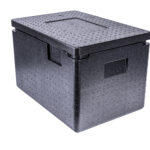
Hartschalenkühler, oft genannt Eiskisten, bestehen aus einem einzigen Stück Kunststoff mit UV-behandelter Beschichtung. Sie haben eine auslaufsicheres und wasserdichtes Design und kann Eis tage- oder sogar wochenlang lagern. Durch ihre robuste Bauweise und die robusten Scharniere eignen sie sich auch für Campingzwecke, Angeln und lange Autofahrten. Der Nachteil ist die Sperrigkeit und das Gewicht, was die Portabilität einschränken kann.
Rucksackkühler
Rucksackkühler sind Softside-Modelle, die wie ein Rucksack gestaltet sind. Das sind sie erschwinglich, geräumig und ergonomisch. Wasserdichte Außenseiten und spezielle Reißverschlüsse verhindern Auslaufen; Einige verfügen über einen Trockenbeutel, um geschmolzenes Eis getrennt aufzubewahren. Rucksackkühler eignen sich hervorragend für Wanderungen, Radtouren und Festivals, Ihre Isolierung entspricht jedoch möglicherweise nicht der von starren Kühlern.
Camping- und Rollkühler
Camping-Kühlboxen werden mit Rädern geliefert, Teleskopgriffe, abschließbare Deckel und wetterfeste Designs. Sie sind für unwegsames Gelände konzipiert und können große Mengen an Lebensmitteln und Getränken transportieren. Kühlboxen auf Rädern sind das am schnellsten wachsende Teilsegment in 2025 weil sie den Trageaufwand reduzieren und sich für Familienausflüge eignen.
Größenkategorien
Taschen können auch nach Größe kategorisiert werden: klein (6–10 L) für Mittagessen und persönliche Mahlzeiten; Medium (15–20 L) für Picknicks und Einkaufstouren; Und groß (30–40 L) für die Essenslieferung, Catering und große Gruppen. Die Wahl der richtigen Größe gewährleistet eine effiziente Temperaturkontrolle und Handhabung.
| Typ | Materialien | Vorteile | Nachteile | Bester Anwendungsfall |
| Weichseitig | Stoff (Nylon, Leinwand, Baumwolltwill), EPE/EVA-Schaum | Leicht, faltbar, anpassbar | Kürzere Abkühldauer; erfordert sorgfältige Verpackung | Mittagessen, Picknicks, Strandausflüge |
| Hartschale | Rotationsgeformter Kunststoff, PU-Schaum | Überlegene Isolierung (mehrtägig), langlebig und wasserdicht | Schwer, sperrig | Camping, Angeln, mehrtägige Reise |
| Rucksack | Stoff, EVA- oder EPE-Schaum | Freihändiges Tragen, ergonomische Träger | Begrenzte Kapazität für Gruppenverpflegung | Wandern, Radtouren, Festivals |
| Camping/Auf Rädern | Kunststoffschale mit Rädern, PU- oder EVA-Schaum | Hohe Kapazität, leicht zu bewegen | Sperrig; teuer | Große Familienausflüge, Ereignisse |
Tipp: In Betracht ziehen modulare Einsätze oder starre Liner zur Trennung von gefrorenen und gekühlten Waren, verhindert warmes Mischen und beschleunigt das Laden.
2025 Innovationen und Trends bei isolierten Kühltaschen
Isolierte Kühltaschen entwickeln sich rasant weiter. Verbraucher verlangen mehr Intelligenz, nachhaltigere Produkte, die liefern längere Haltezeiten mit weniger Eis und einfacherer Handhabung. Laut Branchenanalyse, der weltweite Markt für isolierte Kühlboxen – einschließlich Taschen, Container und Hartkühler – wird voraussichtlich wachsen USD 846.6 Millionen in 2025 in USD 1.57 Milliarden von 2035 bei a 6.4 % CAGR. Hier sind die wichtigsten Trends, die sich prägen 2025:
Intelligente Funktionen und Systemdenken
Moderne Kühltaschen gehen über die passive Isolierung hinaus. Hersteller integrieren sich tragbare Stromversorgung, thermoelektrische Module und Bluetooth-Konnektivität um Kühlboxen in Multifunktionsgeräte zu verwandeln. USB-Stromanschlüsse, LED-Beleuchtung und eingebaute Lautsprecher erweitern die Einsatzmöglichkeiten vom Camping bis zum mobilen Büro. Systemdenken wird ebenfalls betont Packout-Training, Reinigungsroutinen und Wiederverwendungsprogramme, Sicherstellung einer konstanten Leistung der Säcke und Reduzierung des Betriebsabfalls.
Verbesserte Abdichtung und Modularität
Designverbesserungen wie z breitere Klappen, verbesserte Reißverschlüsse und Magnetverschlüsse Reduzieren Sie das Eindringen warmer Luft. Modulare Einsätze und starre Liner ermöglichen die Trennung von gefrorener und gekühlter Ware, Dadurch wird das Laden effizienter und Kreuzkontaminationen werden verhindert.
Nachhaltigkeit und biologisch abbaubare Materialien
Nachhaltige Materialien stehen im Mittelpunkt der Innovationen von 2025. Recycelte Polymere und biologisch abbaubare Schäume Aufrechterhaltung der thermischen Leistung bei gleichzeitiger Reduzierung der Umweltbelastung. Biologisch abbaubare EPS-Schaumstoffe können um bis zu zerfallen 94 % in vier Jahren, liefern dennoch eine vergleichbare Isolierung. Marken starten Rückgabe- und Wiederverwendungsprogramme, um die Nachhaltigkeit zu erhöhen und Verpackungsmüll zu reduzieren.
Mit Rädern und leichtgewichtige Ausführungen
Kühlboxen auf Rädern sind eines der am schnellsten wachsenden Segmente, da sie den Transport reibungslos machen und für Familienausflüge attraktiv sind. Einführung ultraleichter Hartkühler 2024 liegen vor 30 % leichter als vergleichbare rotationsgeformte Einheiten, Verbesserung der Tragbarkeit ohne Einbußen bei der Isolierung.
Markteinblicke und Treiber
Der Markt für isolierte Kühltaschen wird von der Freizeitgestaltung im Freien angetrieben, die Ausweitung der Essenslieferdienste und die Verbesserung der Kühlkettenlogistik. Regionale Trends zeigen, dass Nordamerika aufgrund von Camping und Essenslieferungen führend ist, Europa wächst aufgrund nachhaltige Verpackung Vorschriften, und der asiatisch-pazifische Raum verzeichnet aufgrund von Urbanisierung und E-Commerce das schnellste Wachstum. Zu den Herausforderungen gehören die hohen Herstellungskosten fortschrittlicher Technologien Isolationsmaterialien (wie Polyurethanschaum und VIPs) und Konkurrenz durch batteriebetriebene Kühlschränke. Chancen liegen darin biologisch abbaubare Kühler, intelligente Tracking-Funktionen und die Ausweitung auf Kühlketten-Arzneimittel.
Relevanz der Kühlkette
Impfstoffe und Biologika bleiben äußerst temperaturempfindlich. Der Umweltprogramm der Vereinten Nationen weist darauf hin, dass bei den meisten Impfungen ein Abstand eingehalten werden muss 2–8 ° C effektiv zu bleiben und das bis zu 50 % werden aufgrund von Kühlkettenausfällen verschwendet. Hochleistungskühltaschen und tragbare Kühlboxen mit Phasenwechselmaterialien können die Impfstofftemperaturen länger als halten 72 Std., Damit sind sie für die Verteilung auf der letzten Meile und die globale Gesundheit unerlässlich. Die Optimierung der Kühlkettenlogistik reduziert den Verderb und die Treibhausgasemissionen durch verschwendete Lebensmittel und Arzneimittel.
Häufig gestellte Fragen
Q1: Wie lange kann eine isolierte Kühltasche Lebensmittel kalt halten??
Die meisten weichen Kühltaschen halten Gegenstände lange kalt 4–12 Stunden, abhängig von der Dämmstärke, Eismenge, Beutelkonstruktion und Öffnungshäufigkeit. Premium-Kühler mit dickerem Schaumstoff, Vakuumpaneele oder PCMs können Kälte bewahren 24–72 Stunden.
Q2: Kann eine isolierte Kühltasche gefrorene Lebensmittel vollständig gefroren halten??
Es kann das Auftauen verlangsamen, aber die Erhaltung des Gefrierguts hängt von der Zeit und der Eisstärke ab. Verwenden Sie stärkere Gelpackungen oder Trockeneis und gruppieren Sie gefrorene Gegenstände, um den Leerraum zu minimieren. Überprüfen Sie die Haltezeit immer durch echte Routentests, bevor Sie vielversprechende Ergebnisse erzielen.
Q3: Welche Kühltaschegröße eignet sich am besten für die Lebensmittellieferung??
Eine mittelgroße Tasche (15–20 L) passt oft besser zu täglichen Bestellungen als zu großen. Wählen Sie eine Tasche, die zu Ihren üblichen Gegenständen passt 20–30 % für Eis. Für Multistop-Routen, Ziehen Sie zwei kleinere Taschen anstelle einer großen Tasche in Betracht, um die Ladung stabil zu halten.
Q4: Wie reinige ich meine Kühltasche??
Verwenden Sie milde Seife, warmes Wasser und ein weiches Tuch. Wischen Sie den Liner ab, Bei geöffnetem Beutel ausspülen und vollständig trocknen; Vermeiden Sie scharfe Lösungsmittel, sofern diese nicht vom Hersteller zugelassen sind.
Q5: Sind Kühltaschen für Arzneimittel sicher??
Ja, aber nur, wenn es als Teil eines vollständigen Systems, das die Tasche umfasst, validiert ist, Gelpacks und Temperaturüberwachung. Befolgen Sie die Vorschriften Ihres Landes und verlassen Sie sich nicht nur auf die Gepäckausgabe.
Zusammenfassung & Umsetzbare Empfehlungen
Key Takeaways:
Mehrschichtiges Design ist das Geheimnis der Isolierung. Oberstoffe schützen, Schaumstoffkerne sorgen für Lufteinschlüsse, Reflektierende Folien reduzieren die Strahlungswärme und Liner verhindern Undichtigkeiten. Den richtigen Schaum auswählen (EPE, Pe, EVA oder PU) wirkt sich direkt auf die Haltezeit aus.
Passen Sie die Tasche an Ihre Bedürfnisse an. Passen Sie Größe und Dämmstärke an Ihre Route und Nutzlast an. Bei Überdimensionierung wird Eis verschwendet; Unterdimensionierung erhöht den Verderb.
Achten Sie auf Dichtigkeit und Haltbarkeit. Hochwertige Reißverschlüsse, Verschweißte Nähte und verstärkte Griffe reduzieren das Eindringen warmer Luft und verlängern die Lebensdauer der Tasche.
Denken Sie an Nachhaltigkeit. Wiederverwendbare Designs und umweltfreundliche Materialien wie RPET und biologisch abbaubare Schaumstoffe reduzieren Abfall und sprechen umweltbewusste Verbraucher an.
Bleiben Sie über Neuerungen informiert. Intelligente Kühler, Modulare Einsätze und tragbare Stromversorgung verändern die Kategorie. Hochleistungskühler können Impfstoffe aufbewahren 2–8 ° C für mehr als 72 Std., eröffnet neue Kühlkettenmöglichkeiten.
Aktionsplan:
Definieren Sie Ihre Anforderungen: Notieren Sie sich Ihren Zieltemperaturbereich, Routenzeit und Nutzlasttyp.
Taschenmodelle in die engere Auswahl nehmen: Wählen Sie zwei oder drei Taschen mit unterschiedlichem Isolationsgrad und unterschiedlicher Größe; Testdaten von Lieferanten anfordern.
Führen Sie einen realen Test durch: Packen Sie die Tüten mit typischen Waren und Eis; Messen Sie die Temperatur auf Ihrer tatsächlichen Route und wählen Sie den besten Anbieter aus.
Standardisieren Sie Ihren Prozess: Schulen Sie Ihr Team in Auspack- und Reinigungsroutinen, um Fehler zu reduzieren und die Wiederholbarkeit zu verbessern.
Überwachen und verbessern: Verfolgen Sie Verluste und Wartung; Retourenschleifen einbauen und Beutel reparieren, statt sie auszutauschen.
Über Tempk
Tempk ist führend Kühlkettenverpackung Spezialist das isolierte Kühltaschen entwirft und produziert, Boxen, Phasenwechselmaterialien und Überwachungswerkzeuge für Lebensmittel, Pharma- und Logistikbranche. Unser R&D Zentrum entwickelt Hochleistungsmaterialien wie vakuumisolierte Paneele und biologisch abbaubare Schäume. Wir konzentrieren uns auf praktische Leistung, Bereitstellung validierter Isolationsdaten, Auspackführung und langlebig, wiederverwendbare Designs, die die Kosten pro Fahrt senken. Alle Produkte sind BPA-frei, erfüllen die Sicherheitsstandards für den Lebensmittelkontakt und können an Ihre Marke angepasst werden. Egal, ob Sie eine einzelne Kühltasche oder ein umfassendes Kühlkettensystem benötigen, Wir sind hier, um Ihnen beim Schutz Ihrer Waren und der Umwelt zu helfen.
Nächste Schritte: Kontaktieren Sie Tempk für professionelle Beratung bei der Auswahl der richtigen isolierten Kühltasche, Entwerfen Sie maßgeschneiderte Lösungen oder integrieren Sie die Temperaturüberwachung in Ihr Logistikprogramm.